

Humans walk around with smartphones, smartwatches, and wireless earbuds, but under all that tech we’re still running Stone Age software. Our bodies and brains were sculpted over hundreds of thousands of years to survive on the African savannah, not to sit in traffic, scroll social media, and answer emails at midnight. That old wiring quietly shapes our cravings, fears, relationships, and even the way we work.
Once you start noticing it, you can’t unsee it: so many “modern problems” are just ancient instincts misfiring in a world they were never designed for. Instead of treating them as personal flaws, it’s far more honest – and liberating – to see them as legacy features. Here are six Stone Age habits that still drive us today, often more than we’d like to admit.
1. Our Obsession With Sugar, Fat, and Salt

That intense pull you feel toward fries, chocolate, or a late-night pizza is not a modern weakness; it is a Stone Age survival system doing exactly what it evolved to do. For most of human history, calories were scarce and hard to get, so people who craved energy-dense foods – sugary fruits, fatty meat, salty minerals – were more likely to survive and pass on their genes. Today, the same “eat it now, it might not be there tomorrow” circuitry is firing in a world where the nearest supermarket has enough calories to feed a village.
The problem is that our ancient taste buds have not updated for an environment where processing plants can refine sugar, concentrate fats, and sprinkle salt on almost everything. The result is that we are drawn powerfully toward foods that would have been rare jackpots for hunter-gatherers but are now available on every corner. When people say they feel “addicted” to certain foods, what they often mean is that industrial food engineering is hijacking instincts that once helped our ancestors survive famine. It is not moral failure; it is a Stone Age appetite living in an all-you-can-eat buffet.
2. Herd Mentality and Fear of Standing Out

Most of us like to think we are independent thinkers, but our brains are heavily biased toward going with the group. In small ancestral bands, being accepted by the tribe was a matter of life or death: you needed others to help you hunt, share food, raise children, and protect against predators or rival groups. Getting rejected or exiled was not just emotionally painful; it was physically dangerous. That deep link between belonging and survival is why social rejection still hurts so much today.
Modern life has changed the stakes, but not the wiring. People still feel a powerful tug to dress like their peers, echo popular opinions, and avoid saying something that might cause them to be mocked or “canceled,” even when the real-world risk is just an awkward moment or a nasty comment. You can see the same tribal reflex in office politics, internet pile-ons, and the fear of posting an unpopular take. Underneath the hashtags and HR policies, it is the same Stone Age brain whispering that safety lies in blending in with the herd, not standing out on your own.
3. Constant Threat Scanning and Doomscrolling

The human brain is much better at noticing dangers than calm, neutral moments, because for most of our history that is what kept us alive. Our ancestors needed to detect the slightest hint of a predator, an approaching storm, or tension in a rival clan. Those who quickly spotted threats and remembered bad events survived more often than those who were endlessly chill. This built-in “negativity bias” means we naturally pay more attention to fear, anger, and bad news than to ordinary or pleasant experiences.
In the modern world, this Stone Age alarm system runs straight into twenty-four-hour news feeds and social media algorithms that favor conflict and catastrophe. We end up doomscrolling through disasters, scandals, and outrage because our brains treat each frightening headline like a rustle in the grass that might be a lion. The danger is that we are wired to react as if every notification is urgent and personal, even when it is happening on the other side of the planet. What once helped us survive physical threats now easily turns into chronic stress, anxiety, and a constant sense that the world is collapsing around us.
4. Territorial Behavior and Status Games

From parking lot arguments to office politics, a lot of modern conflict looks suspiciously like animals fighting over territory or dominance. Early humans who could defend their space, resources, and status within the group had better access to food, safer sleeping spots, and more chances to mate. As a result, our brains still track status and territory in incredibly subtle ways, even if our “territory” is now a corner office, a social media following, or a preferred desk at the café.
That is why a minor slight from a coworker or a stranger cutting in line can feel so disproportionately infuriating. Your rational mind can see that it is not life or death, but the older layers of your brain react as if someone is challenging your rank or encroaching on your vital resources. Status symbols – brand logos, luxury cars, follower counts – are the modern versions of feathers, antlers, and scars. We may not like to admit it, but a big chunk of human behavior is still about signaling strength, value, and rank to our tribe, just in more subtle and stylish packaging.
5. Short-Term Rewards Over Long-Term Planning

Everyone knows they should save more money, exercise regularly, and eat better next week. Yet given the choice between a small reward now and a bigger reward later, we often grab what is immediately available. For most of human history, the long term was brutally uncertain: disease, injury, or drought could end your life well before old age. In that environment, a brain that prioritized immediate benefits – food today, shelter tonight, a chance to mate now – had an edge over a brain that was always delaying gratification for a hypothetical future.
Today, this bias toward the present makes things like retirement planning, studying for a degree, or sticking to a fitness routine much harder than they look on paper. Our inner Stone Age human simply does not feel the same urgency about a benefit that might show up in ten years as it does about the cookie sitting right in front of us. This is not laziness; it is a clash between an environment built around long time horizons and a nervous system tuned for short, risky lives. Recognizing that mismatch is the first step toward designing habits and systems that gently outsmart our own impulses instead of relying on sheer willpower.
6. Romantic Bonding and Jealousy

Love might feel like a modern, poetic idea, but the basic machinery behind pair bonding is very old. In small hunter-gatherer groups, forming strong attachments helped ensure that children had two or more adults committed to their survival. Emotions like affection, longing, and loyalty encouraged people to stick together through tough times. At the same time, jealousy and protectiveness evolved as rough safeguards against losing mates or resources to rivals, which could lower someone’s chances of passing on their genes.
In the twenty-first century, dating apps and global cities give us far more choices than our ancestors ever had, but the underlying emotional toolkit has barely changed. That is why people can feel both deeply attached to a partner and sharply threatened by potential competition, even when they rationally trust each other. Romantic drama often looks irrational on the surface, but underneath it follows some very old patterns around mate choice, exclusivity, and fear of loss. We might swipe and text instead of trading shells or stories by the fire, yet the emotional highs and lows are driven by the same Stone Age chemistry.
Conclusion: Stone Age Brains in a Space-Age World
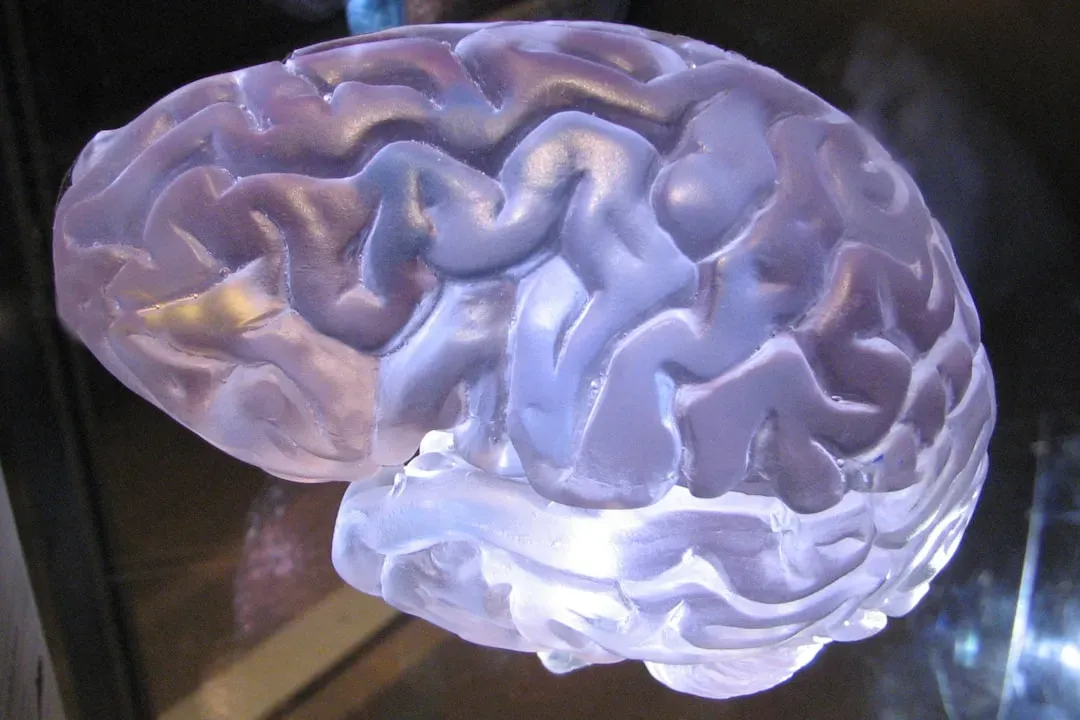
When you zoom out, a lot of modern life starts to look like a stress test for Stone Age hardware. We are running ancient survival code in a reality of credit scores, calorie bombs, crowded cities, and infinite information. Personally, I find it more honest – and more compassionate – to see many of our so-called bad habits as mismatches rather than moral failures. It is not that we are broken; it is that we are using yesterday’s wiring on today’s problems.
The uncomfortable truth is that we will probably never fully “upgrade” our instincts, but we can get smarter about working with them instead of against them. That might mean structuring your environment to protect your attention, designing routines that anticipate your cravings, or choosing communities that nudge your tribal instincts in healthier directions. In a way, the real mark of progress is not escaping our Stone Age nature, but learning to steer it. Now that you can see those old habits hiding in plain sight, which one do you notice most in your own life?