
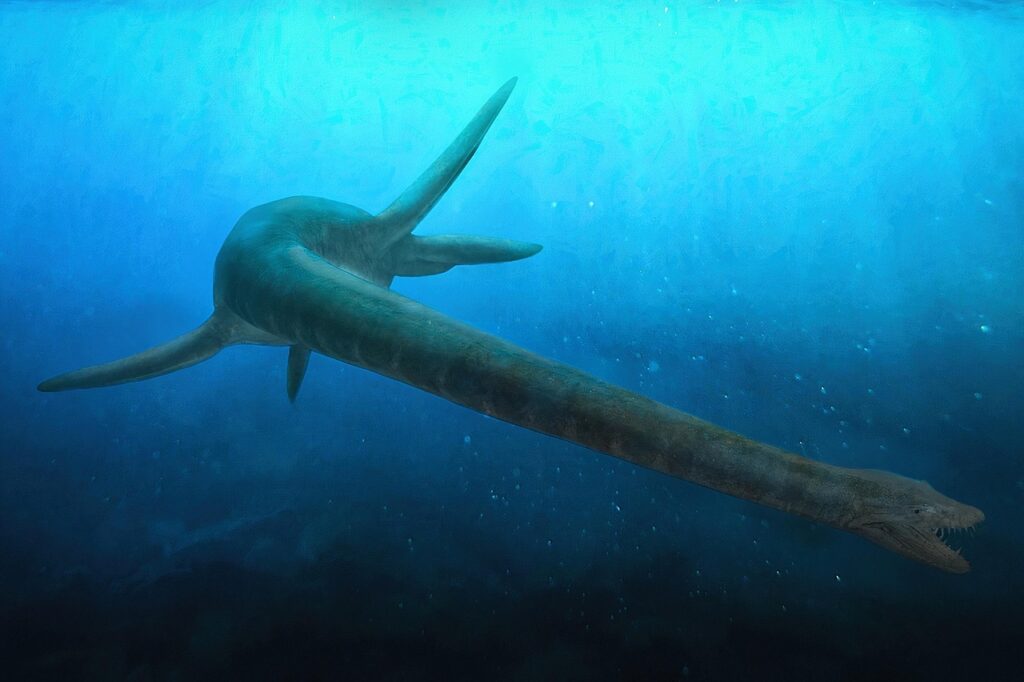
The ocean has always had a flair for the dramatic. Long before whales sang and great white sharks stole documentary spotlights, the seas were ruled by creatures so huge and bizarre they sound like science fiction. Yet they were real, they were powerful, and most of us couldn’t name even one without peeking at a textbook.
What makes these forgotten giants so gripping is how alien and familiar they feel at the same time. Some looked like overbuilt shrimp tanks, others like nightmare eels with chainsaw jaws, and a few could glide through the water with a grace that would put modern predators to shame. As you read through these ancient titans, try to picture them not as monsters, but as fully functioning animals in rich ecosystems that no human eye ever saw.
1. Cameroceras – The Torpedo-Tusked Super Cephalopod
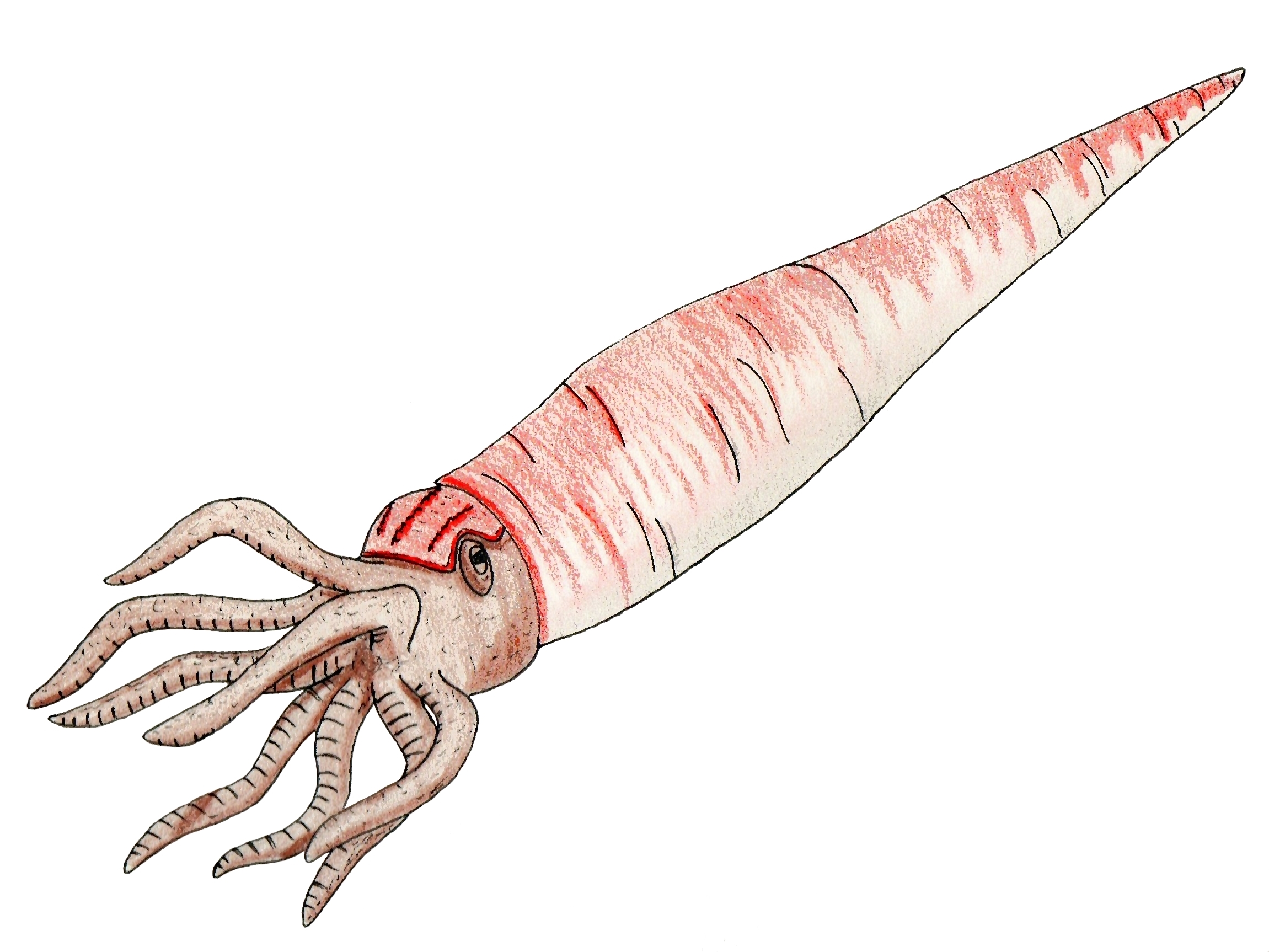
Imagine an octopus fused with a torpedo-shaped shell as long as a delivery truck, sliding through Ordovician seas hundreds of millions of years ago. Cameroceras was a straight-shelled cephalopod that may have stretched close to six or seven meters, making it one of the earliest known giants of the open ocean. Instead of the familiar coiled ammonite look, it had a long conical shell, probably pointed end forward, with its tentacled head emerging from the wide opening.
We do not have a complete, perfectly preserved Cameroceras skeleton that settles every argument, so size estimates come with a bit of healthy scientific caution. But even conservative reconstructions place it easily above anything else in its environment, a sort of first-generation ocean apex hunter. Picture trilobites, early jawless fish, and soft-bodied animals suddenly finding themselves on the menu for a tentacled, shelled ambush predator that essentially turned the early seas into its personal hunting ground.
2. Leedsichthys – The Original Gentle Giant Filter-Feeder
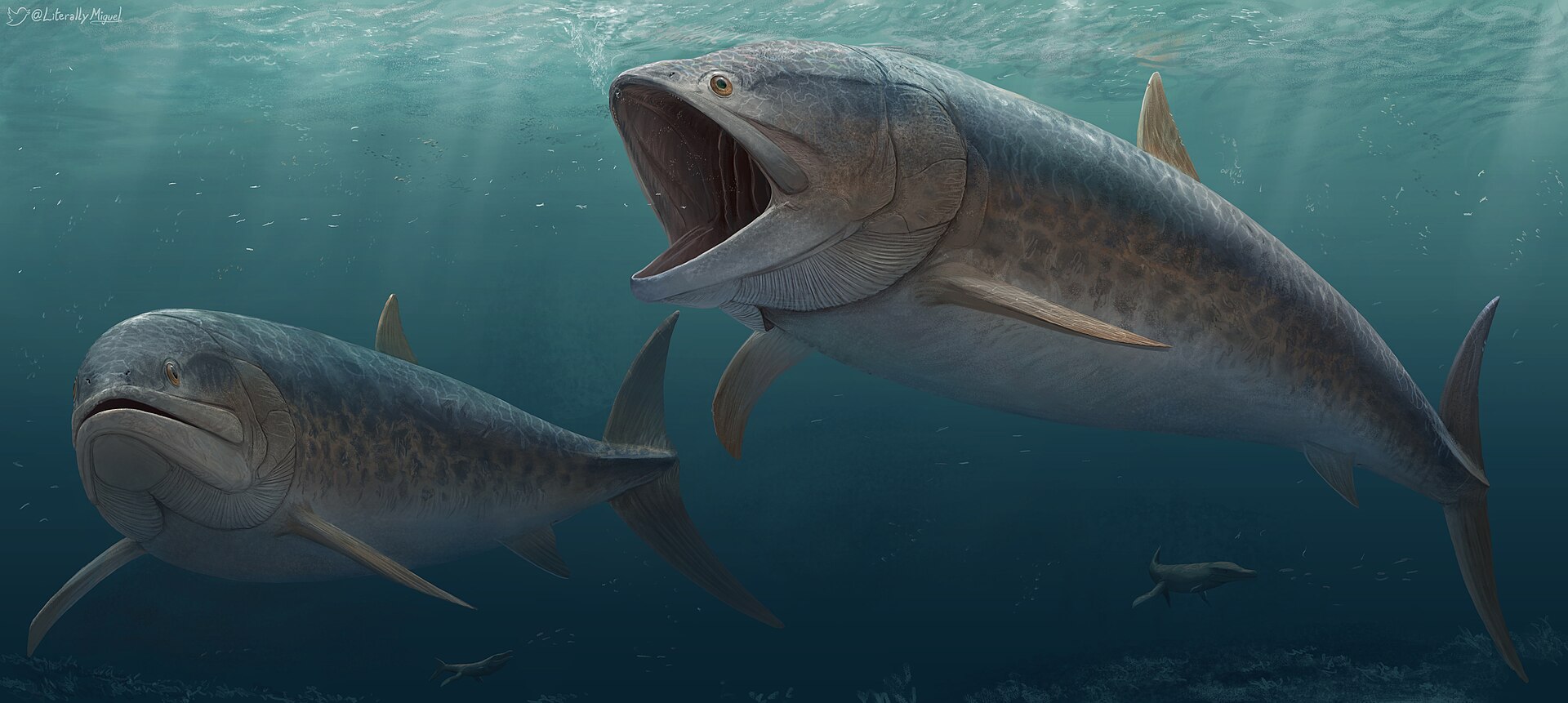
Leedsichthys is what you would get if you tried to design a Jurassic version of a whale shark using the blueprint of a bony fish. Living roughly in the Middle Jurassic, it is thought to have grown well over ten meters long, with some estimates pushing much higher, although scientists argue (fairly) about the upper limits. What stands out is not just its length, but the fact that this fish seems to have been a filter-feeder, cruising through plankton-rich seas with an enormous mouth acting like a living sieve.
Unlike the sleek, predatory archetype people imagine when they hear “giant fish,” Leedsichthys appears to have taken the opposite strategy: grow huge, eat tiny things, and let your sheer size be your protection. Its skeleton was made of delicate, poorly ossified bones, which is why fossils are often fragmented and frustrating for paleontologists. In a way, its bad fossil record is why you rarely hear about it, yet if you could time travel to a Jurassic coastline, this slow-moving colossus might be one of the most impressive animals you would see from the surface.
3. Basilosaurus – The Serpent Whale That Wasn’t a Lizard
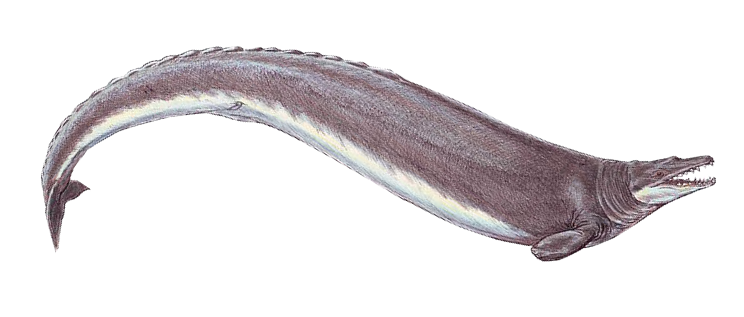
Basilosaurus is one of those names that quietly misleads everyone: it literally means “king lizard,” yet it was a mammal, an early fully marine whale from the Eocene. Its body could reach more than fifteen meters, but instead of the bulky torpedo build of modern whales, Basilosaurus was long and snake-like, an almost eel-shaped mammal with tiny hind limbs that were probably useless for walking. That elongated form likely let it twist and turn in shallow seas, preying on fish and smaller marine mammals with a jaw studded with sharp teeth.
When fossils were first described in the nineteenth century, the reptile-like look of the vertebrae tricked researchers into thinking they had found a giant marine lizard. Only later did anatomical details give away its true identity as a whale. To me, Basilosaurus feels like a snapshot of evolution mid-transition: it had already abandoned land living completely, but had not yet settled into the bulkier, streamlined silhouette that modern whales perfected. If you saw it from a boat today, you might mistake it for some legendary sea serpent until it surfaced and revealed a blowhole.
4. Shonisaurus – The Oversized Ichthyosaur With a Barrel Chest
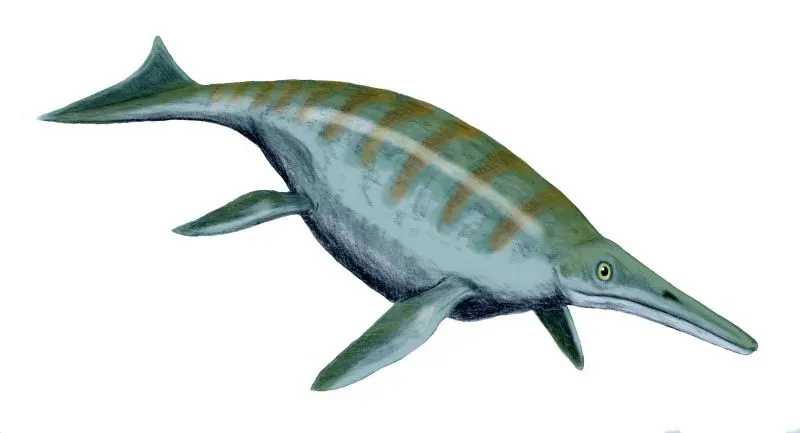
Most people who know ichthyosaurs imagine dolphin-like reptiles, but Shonisaurus takes that idea and dials it straight into the “overkill” category. This Triassic giant could exceed fifteen meters, with a deep, almost barrel-like chest and an overall body plan that still looks surprisingly fish-like. It lived at a time when marine ecosystems were rebuilding after the catastrophic Permian extinction, and it seems to have seized the opportunity to get extremely big, extremely fast in evolutionary terms.
Unlike the toothy, sharp-snouted image many have of ichthyosaurs, some species of Shonisaurus appear to have had relatively small or reduced teeth, leading to the suggestion that they may have fed on softer prey like squid or small fish. Picture a massive, tuna-shaped reptile cruising slowly in open waters, gulping down shoals of soft-bodied animals. The scale of Shonisaurus fossils discovered in Nevada is one of those quiet reminders that reptilian sea giants did not start and end with the more famous mosasaurs of the Late Cretaceous.
5. Rhizodus – The Crocodile-Like Lobe-Finned Titan
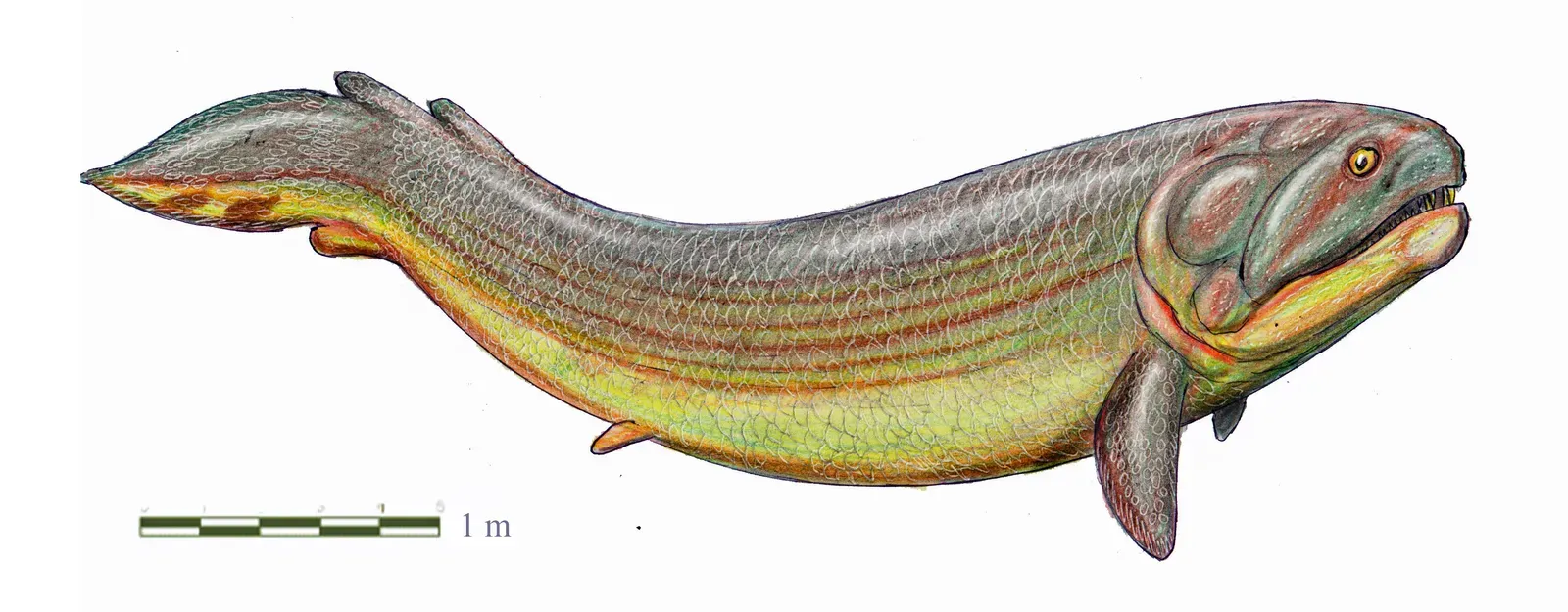
Rhizodus was not a reptile, not a shark, and not a typical bony fish; it was a giant lobe-finned fish from the Carboniferous, possibly reaching seven meters in length. Its body shape, as far as we can reconstruct, looked unsettlingly like a huge crocodile crossed with a fish, complete with a massive skull and thick, conical teeth. Lobe-finned fishes are the group that eventually gave rise to land vertebrates, which makes Rhizodus feel like the oversized, bad-tempered cousin in that family tree.
We tend to picture Carboniferous swamps full of insects and early amphibians, but the rivers and coastal waters hosting Rhizodus would have been absolutely terrifying for anything venturing near the edge. With its powerful jaws and ambush-friendly build, it likely acted much like a monstrous modern crocodile, lunging from deeper water at unwary prey. There is something uncanny about knowing that one branch of its relatives would eventually become mammals like us, while this particular experiment in “giant predator mode” vanished entirely.
6. Dunkleosteus – The Armored Bite That Could Crush Bone
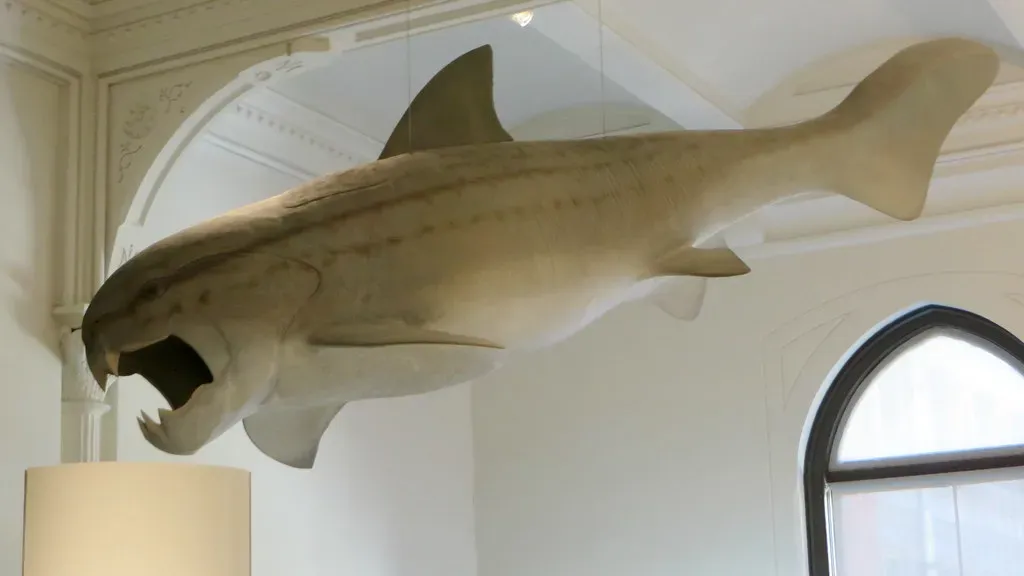
Among prehistoric fish, Dunkleosteus gets a bit of pop-science notoriety, but it still flies under the radar compared to dinosaurs and marine reptiles, which is a shame. This Devonian placoderm was built like a tank at the front, its head and shoulders covered in thick armor plates that locked together like a mechanical jaw housing. Instead of true teeth, it had sharpened bony plates that formed cutting blades, capable of slamming shut with immense force on just about anything unlucky enough to be in the way.
What really makes Dunkleosteus horrifyingly impressive is that it ruled oceans before sharks had fully taken over the top-predator role. Some estimates put its length at around eight to ten meters, making it as long as a modern bus but considerably more robust in the head. In an environment full of armored fish and complex reefs, this animal essentially turned bone and shell from “protection” into “snack texture.” When I think of early ocean arms races, Dunkleosteus feels like the heavy siege weapon that forced everything else to upgrade or get out of the way.
7. Megalodon – The Overexposed Legend With Underappreciated Reality
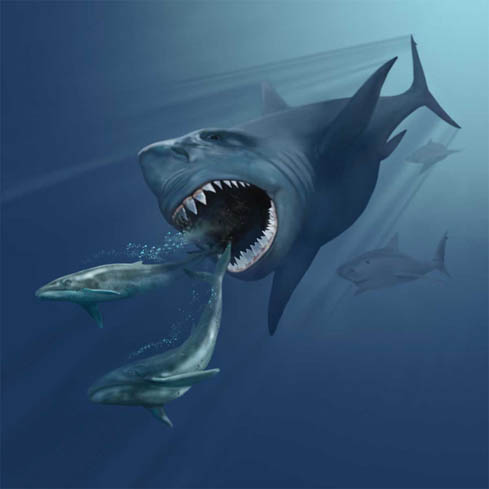
Megalodon is the one name on this list that many people have heard, mostly through exaggerated movies and viral images. Yet the real animal, a gigantic shark prowling Miocene and Pliocene seas, is actually more interesting than any fake monster version. Based mainly on massive fossil teeth and jaw reconstructions, scientists estimate it could reach well over fifteen meters, with some earlier claims going even larger, though modern work tends to be a bit more cautious. Even at the lower end, you are talking about the largest predatory shark to ever exist.
Its jaws could likely exert a crushing bite on marine mammals like whales, and its range appears to have been global in warm and temperate seas. I tend to think Megalodon is weirdly underrated in a scientific sense, because the pop-culture myth of a surviving super shark distracts from the ecology it actually inhabited. It evolved into a specialized hunter in a world where early whales and dolphins were exploding in diversity, then disappeared when ocean conditions and prey communities shifted. That rise-and-fall story says more about how fragile even top predators really are than any suspense movie ever could.
8. Kronosaurus – The Short-Necked Terror Pliosaur
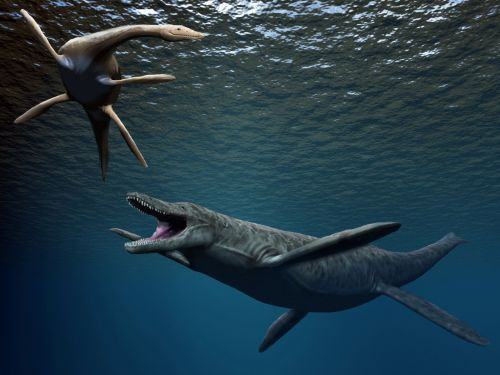
While long-necked plesiosaurs usually get the spotlight, Kronosaurus represents their more brutal cousins, the pliosaurs: shorter necks, bigger heads, and a build optimized for killing rather than elegance. This Early Cretaceous marine reptile carried a skull that alone could be longer than a person is tall, packed with conical teeth ideal for gripping slippery prey like other marine reptiles and large fish. Its overall length has been debated, with some early reconstructions probably overshooting, but it still comfortably sits in the “huge predator” category.
The body plan of Kronosaurus would have turned the open ocean into a three-dimensional hunting ground. Four strong flippers, a powerful torso, and that massive head together created an animal built for fast, lunging attacks rather than slow cruising. If you imagine a saltwater crocodile scaled up and given the agility of a sea lion, you are close to the vibe this pliosaur probably gave off. It is exactly the kind of giant that deserves more fame, yet rarely escapes the shadow of later icons like mosasaurs.
9. Mauisaurus – The Elegant, Supersized Plesiosaur
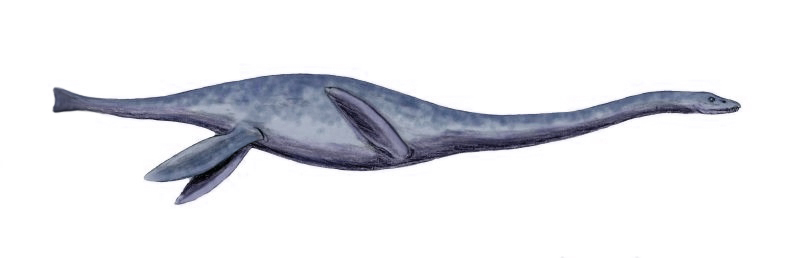
Mauisaurus was a Late Cretaceous plesiosaur from what is now New Zealand, and it pushed the long-necked body plan to impressive extremes. Estimates suggest it may have reached up to twenty meters, with a slender neck that seemed almost too long to be practical. Instead of being a hulking brute, it likely relied on graceful, underwater flight using its four flippers, maneuvering through the mid-water column like an enormous, flexible kite.
There is ongoing debate about exactly how plesiosaurs used their necks, but for Mauisaurus, a long, mobile reach would have made sense for picking off fish or squid in three dimensions while the body stayed relatively stable. That idea of a gentle, ghost-like giant gliding through Cretaceous seas feels very different from the tooth-and-muscle image people usually have of ancient ocean reptiles. It makes me think of how many niches in the ocean today, from manta rays to basking sharks, are filled by animals that are massive yet far from the stereotype of “monster.”
10. Styxosaurus – The Needle-Toothed Assassin of the Inland Sea
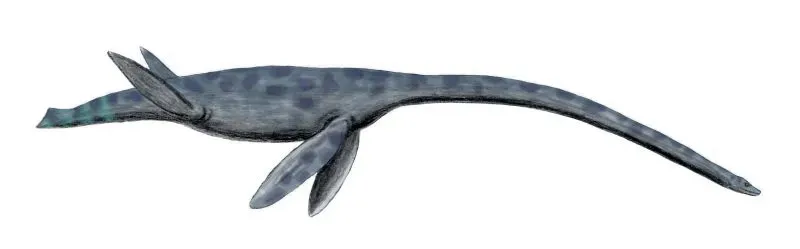
Styxosaurus is another long-necked plesiosaur, but this time from the Western Interior Seaway that once split North America during the Late Cretaceous. It was large, around ten to eleven meters, with a narrow skull packed full of sharp, pointed teeth like a series of needles in a bony comb. That dental design screams specialization for grabbing slippery, fast-moving prey, probably schooling fish and small cephalopods that filled the shallow inland waters.
What fascinates me about Styxosaurus is not just its size, but the setting it lived in: a warm, shallow sea where Kansas and the Great Plains now sit. Mosaics of fossils from that seaway show mosasaurs, sharks, big fish, and other plesiosaurs sharing the same waters, creating an underwater ecosystem as busy and competitive as any modern coastline. Within that crowded stage, Styxosaurus seems to have carved out a role as a long-necked, precision hunter, proof that ancient oceans did not just produce giants, but also specialists with very particular ways of making a living.
Conclusion – Why These Forgotten Giants Matter More Than the Myths
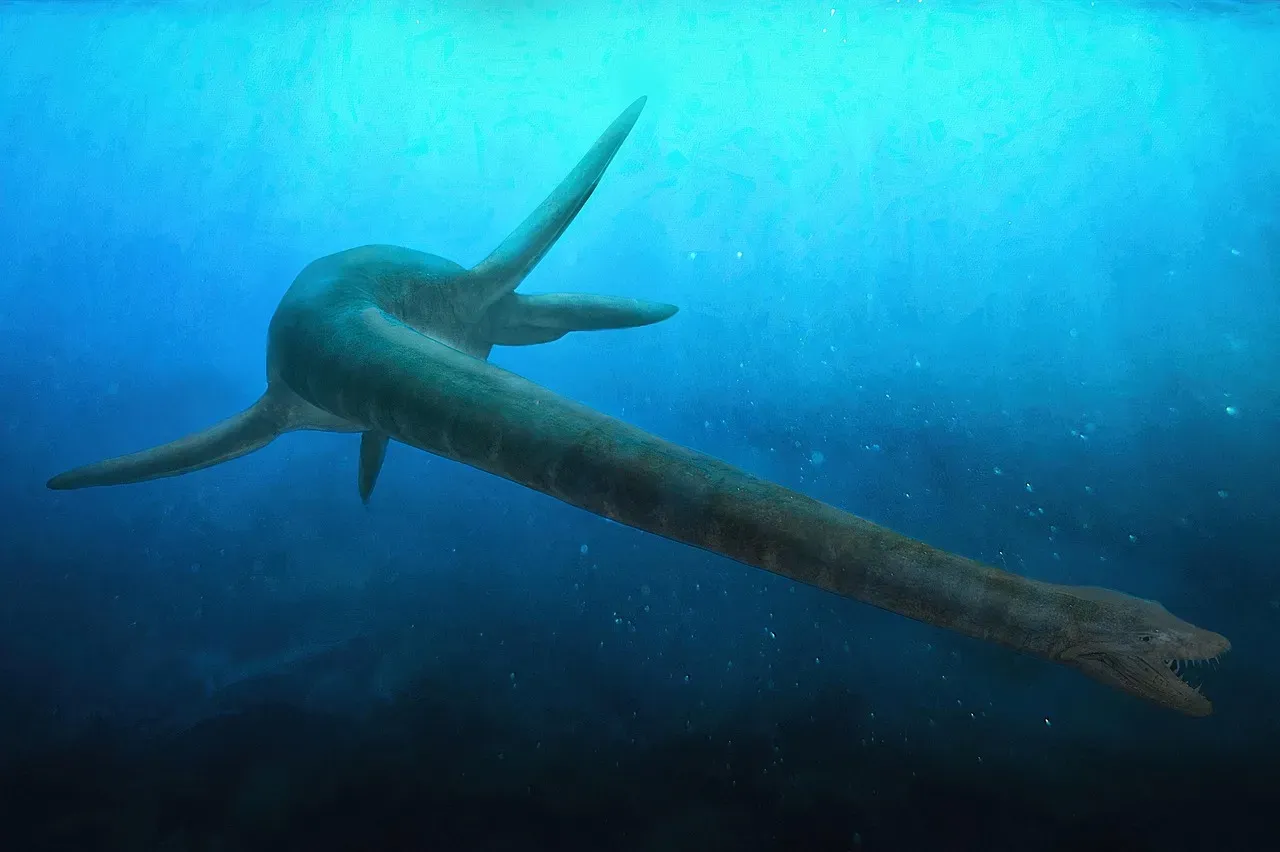
When you step back from the details, what hits hardest about these little-known ocean giants is how many ways nature found to build something huge. We see armored fish, eel-shaped whales, lobe-finned crocodile mimics, filter-feeding mega-fish, and elegantly long-necked reptiles, all solving the challenge of survival in completely different ways. In my view, that messy, creative variety is far more astonishing than any single giant monster lurking conveniently undiscovered in modern depths.
There is also a humbling lesson buried in their stories: every one of these titans, from Dunkleosteus to Megalodon, eventually disappeared when conditions changed, no matter how dominant they once seemed. Top predators, graceful filter-feeders, and everything in between turned out to be temporary experiments, not permanent fixtures. As we reshape today’s oceans at a frightening pace, remembering that even the mightiest marine rulers were not invincible should give us pause. When you think of the sea now, which is stranger: imagining a hidden monster, or realizing how many real ones we have already lost?