Every few years, it feels like some childhood dinosaur fact gets quietly retired. That terrifying lone hunter? Turns out it may have lived in packs. That “lizard-hipped” plant-eater? Actually closer to birds than anyone expected. The more fossils we dig up and the better our technology gets, the more our dinosaur picture gets redrawn, sometimes in really wild ways.
This isn’t science being flaky; it’s science doing exactly what it should do: updating the story when new evidence comes in. Below are ten dinosaurs that have been rewritten again and again – in their appearance, behavior, relationships, or even their very names. If you thought the dinosaur world was settled back in elementary school, you’re in for a few surprises.
Tyrannosaurus rex: From Scaly Monster To Complex Apex Predator
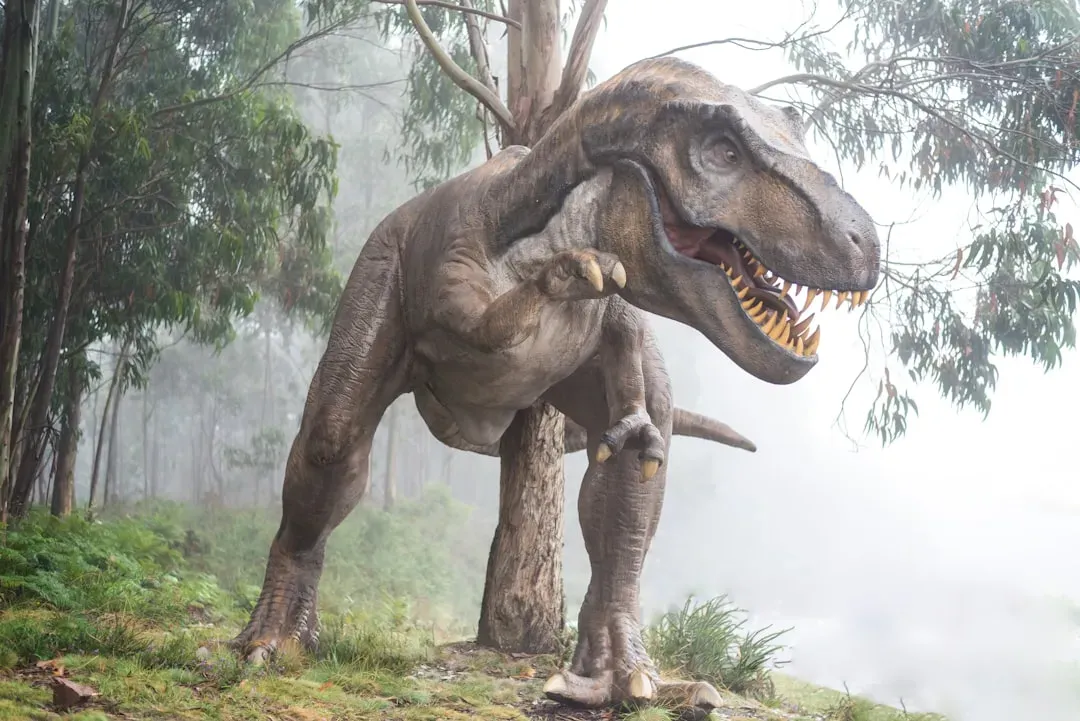
Tyrannosaurus rex used to be the poster child for a slow, tail-dragging movie monster. Now it’s more like a walking debate. Researchers have argued over everything from whether it ran fast or just power-walked, to how much of its body was covered in scales versus tiny feathers. Even the posture changed: the old upright, kangaroo-style pose was replaced by a more horizontal, birdlike stance once scientists re-examined the skeleton and biomechanics.
There’s also an ongoing tug‑of‑war about its lifestyle. For a while, people loved the idea of T. rex as a lumbering scavenger, but bite‑mark evidence and healed wounds on prey fossils point strongly to an active hunter that did not mind stealing kills when it could. On top of that, recent work has questioned whether the classic “lipsless” crocodile grin is accurate, suggesting T. rex might have had fleshy lips that covered its teeth when the mouth was closed. So even its famous smile is under revision.
Triceratops: The Three-Horned Face With An Identity Crisis
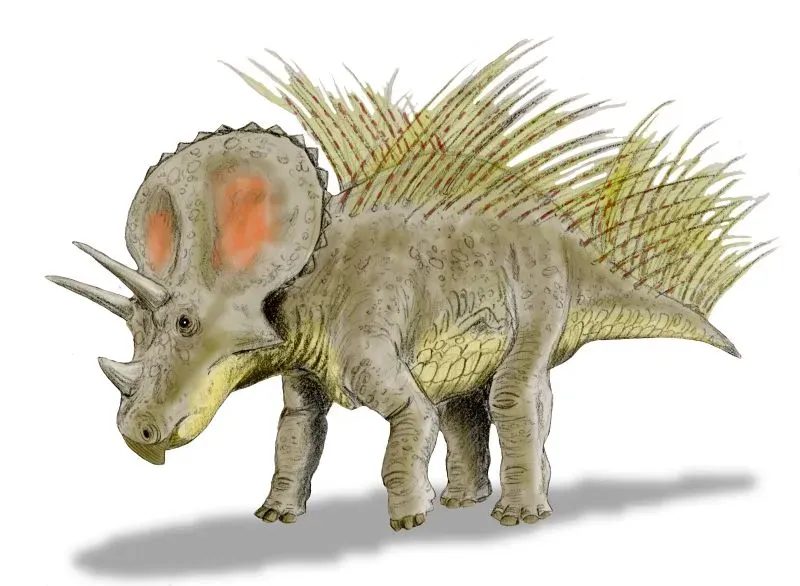
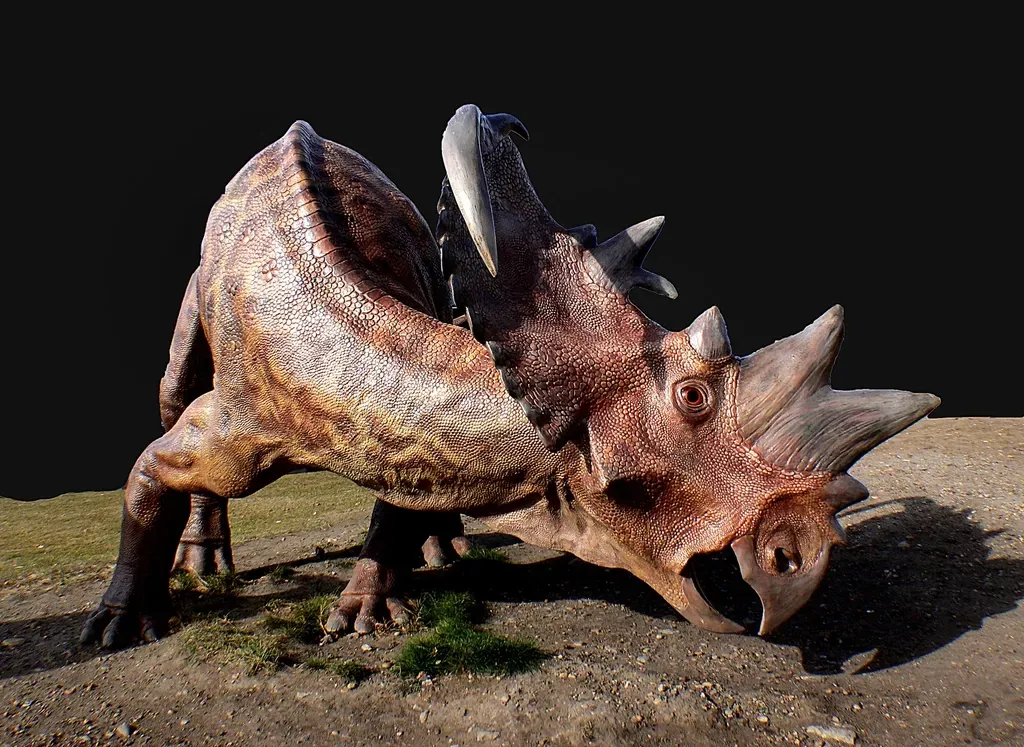
Triceratops has survived one of the strangest controversies: the claim that it did not really exist as a separate dinosaur. At one point, a proposal suggested that the big, longer-horned Torosaurus was actually just an older, more mature form of Triceratops. That would have meant the beloved Triceratops was just a “teenage phase” and the name should technically disappear. Understandably, people were not thrilled by the idea of losing a childhood favorite.
Since then, more detailed studies of skull growth and bone texture have pushed back on that theory, arguing Triceratops and Torosaurus are distinct animals with different development patterns. But the back-and-forth left a mark, and paleontologists still dig up new specimens to puzzle over horn shape, frill holes, and how much variation you can have within a single species. In a way, Triceratops has become a mascot for how messy dinosaur naming and growth studies really are.
Brontosaurus and Apatosaurus: The Dinosaur That Was Cancelled, Then Revived
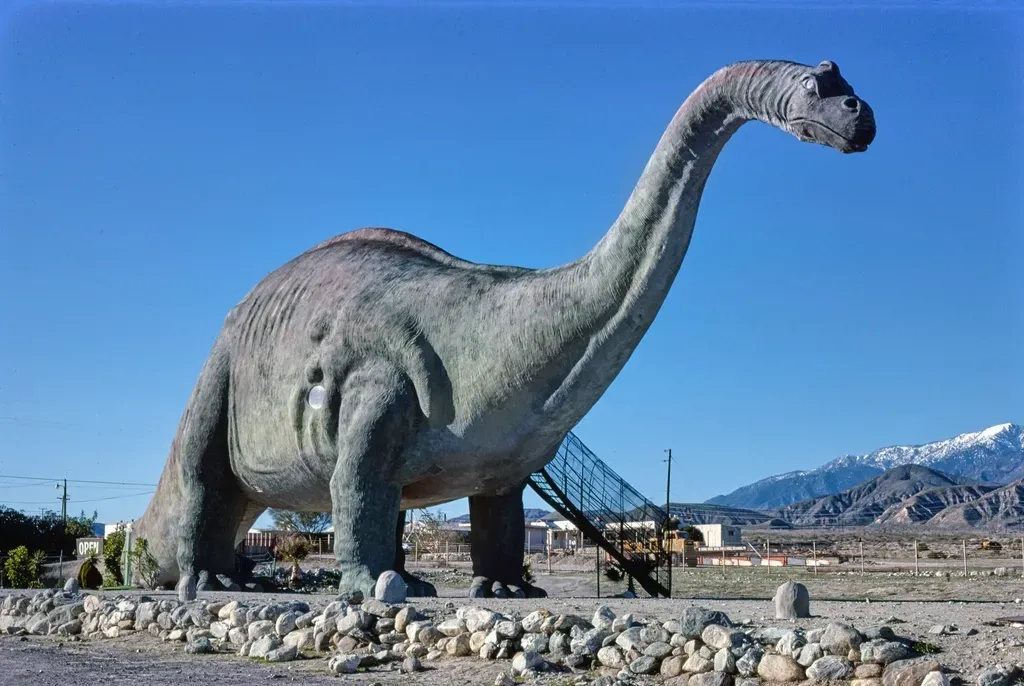
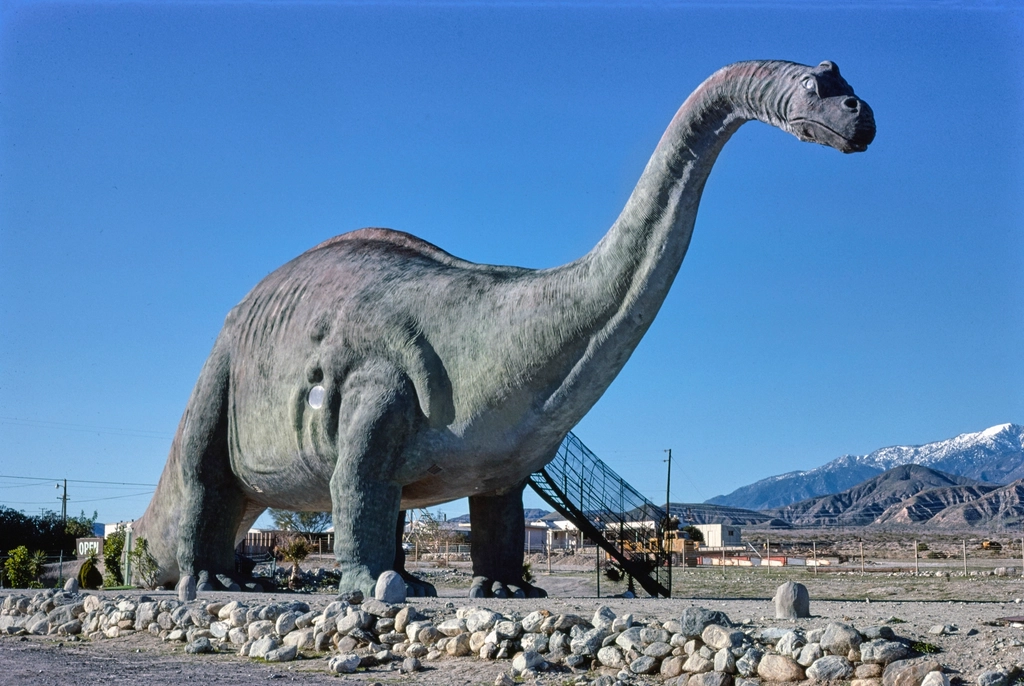
If there’s a soap opera in dinosaur taxonomy, Brontosaurus is the main character. In the late nineteenth century, it was named as a huge, iconic long‑necked dinosaur. Then, in the early twentieth century, scientists realized the fossils called Brontosaurus were actually so similar to those of Apatosaurus that they were declared the same animal, and the older name Apatosaurus took priority. For decades, Brontosaurus was officially “wrong,” even though it survived in pop culture.
In the twenty‑first century, a large, detailed re‑analysis of sauropod skeletons suggested that the Brontosaurus fossils are consistently different enough from Apatosaurus to deserve their own genus again. Not everyone agrees, and the debate flares up whenever new material or new methods are applied, but Brontosaurus has essentially been resurrected. It is one of the clearest examples of how names can go in and out of fashion as datasets grow, and how science sometimes quietly admits that an old idea actually had a point.
Spinosaurus: The Semi-Aquatic Predator That Keeps Changing Shape
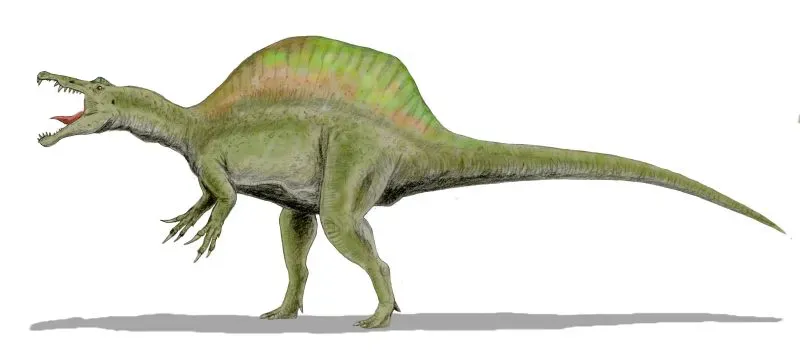
Spinosaurus might be the most dramatically rewritten dinosaur of the last few decades. Early reconstructions showed a fairly standard bipedal predator with a big sail on its back, a bit like a crocodile-flavored T. rex. But more complete fossils discovered in North Africa suggested that Spinosaurus had short hind limbs, dense bones, and a body better suited for a partly aquatic lifestyle. That triggered a full‑on redesign of how it moved and hunted.
Scientists now argue about just how aquatic it was: more like a heron wading and snatching fish, or something closer to a giant, tail‑propelled crocodile. Different skeletal reconstructions have proposed different tail shapes, some built for powerful swimming, others more modest. To me, Spinosaurus feels like a dinosaur being updated in real time: every new fossil or computer model seems to tweak its proportions again, which is both frustrating and exciting if you grew up with a very different version on your bedroom posters.
Velociraptor: Tiny, Feathered, And Nothing Like The Movie Star
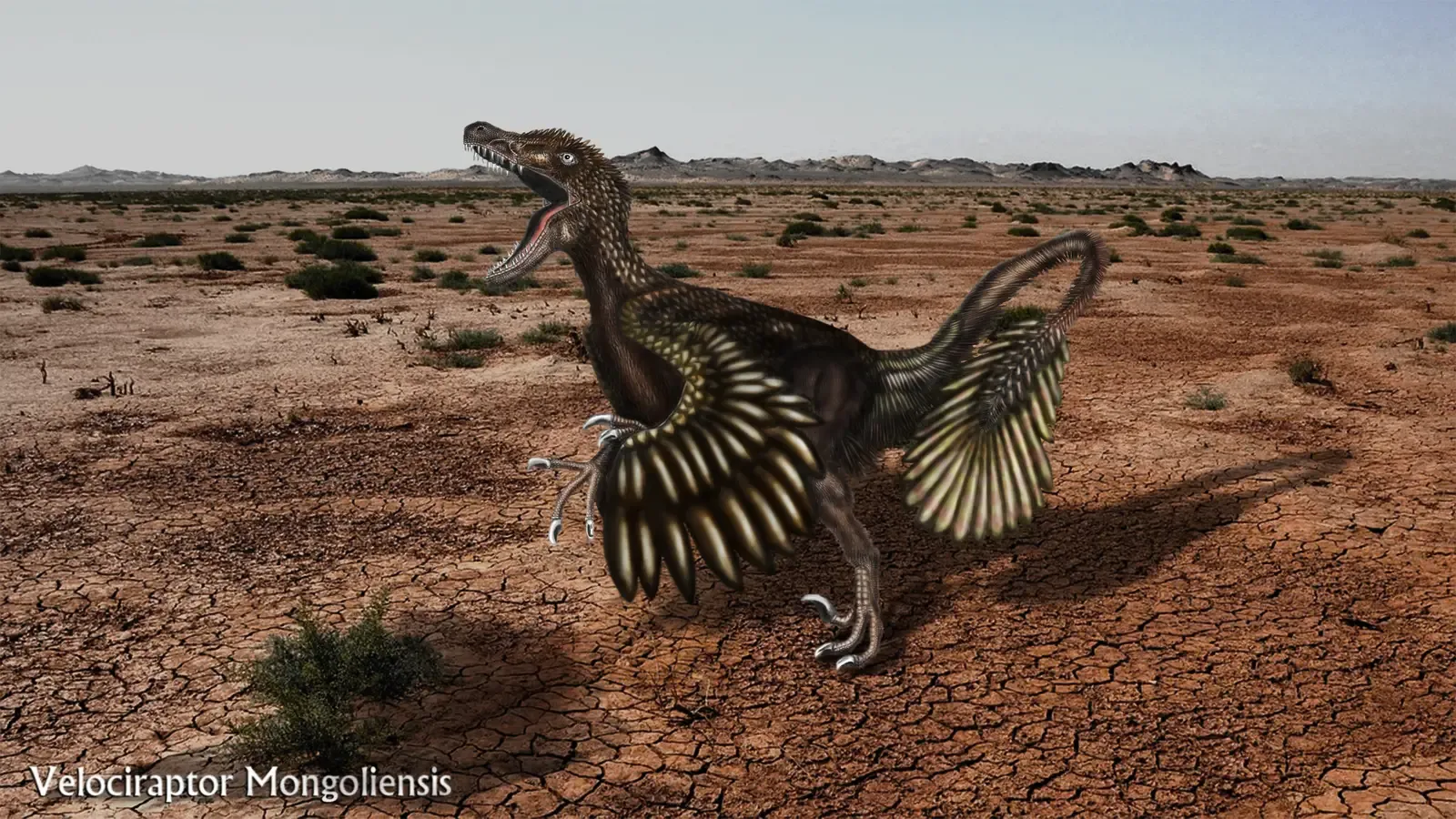
Many people picture Velociraptor as the human‑sized, scaly villain from big budget films, but the actual animal was much smaller, closer to the size of a big turkey dog‑mixed together. The biggest rewrite came with the discovery of quill knobs on its arm bones, strong evidence that it had well‑developed feathers. Once you add feathers and shrink it down, the entire vibe of Velociraptor shifts from reptilian monster to terrifying ground bird with a serious attitude problem.
For a while, some resisted the feathered look, maybe because it clashed with the sleek, reptilian image we were sold. Over time, though, the feathered interpretation has become hard to argue against, especially as more relatives show similar features. There are still open questions about color patterns, how fluffy it was, and how it used those forelimbs during hunting. But the days of a naked, movie‑style Velociraptor are basically over in serious science, even if popular media is still catching up.
Deinonychus: The Dinosaur That Rewrote Dinosaur Behavior
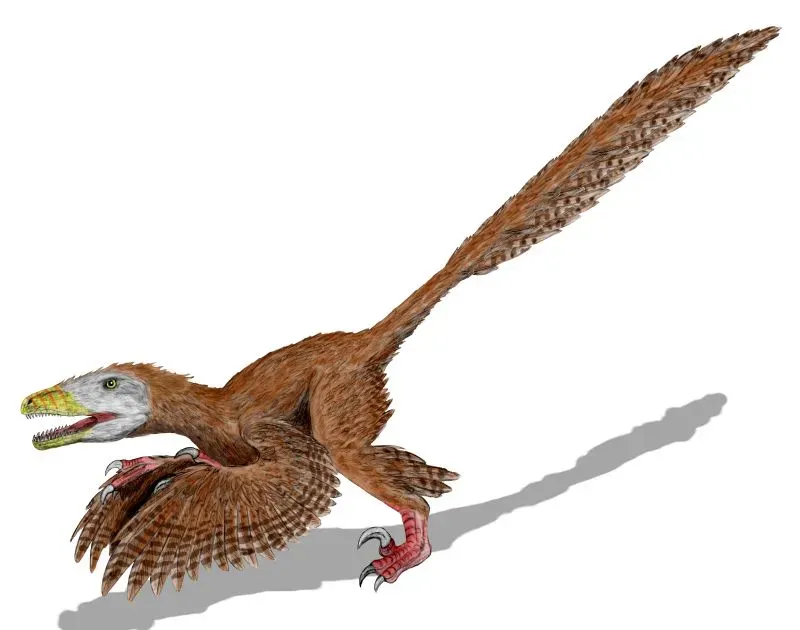
Deinonychus is not as famous as T. rex or Velociraptor, yet it quietly rewrote almost everything about how scientists imagined dinosaur behavior. Before its detailed description in the late twentieth century, dinosaurs were often portrayed as sluggish, tail‑dragging reptiles. Deinonychus, with its stiff tail, sickle claws, and agile build, forced scientists to consider active, warm‑blooded, birdlike dinosaurs that could run, jump, and possibly hunt in coordinated groups.
Since then, the story has not stopped evolving. Some researchers now argue that the classic picture of Deinonychus as a pack‑hunter might be oversimplified, suggesting more flexible social behaviors instead of strict wolf‑style packs. There is also ongoing work on how fast it could really move and whether it had feathers similar to its close relatives. What fascinates me most is that one dinosaur skeleton helped flip the entire dinosaur world from “cold, slow lizards” to “dynamic, athletic animals,” and scientists are still tuning the details of that revolution.
Oviraptor: From Egg Thief To Devoted Parent
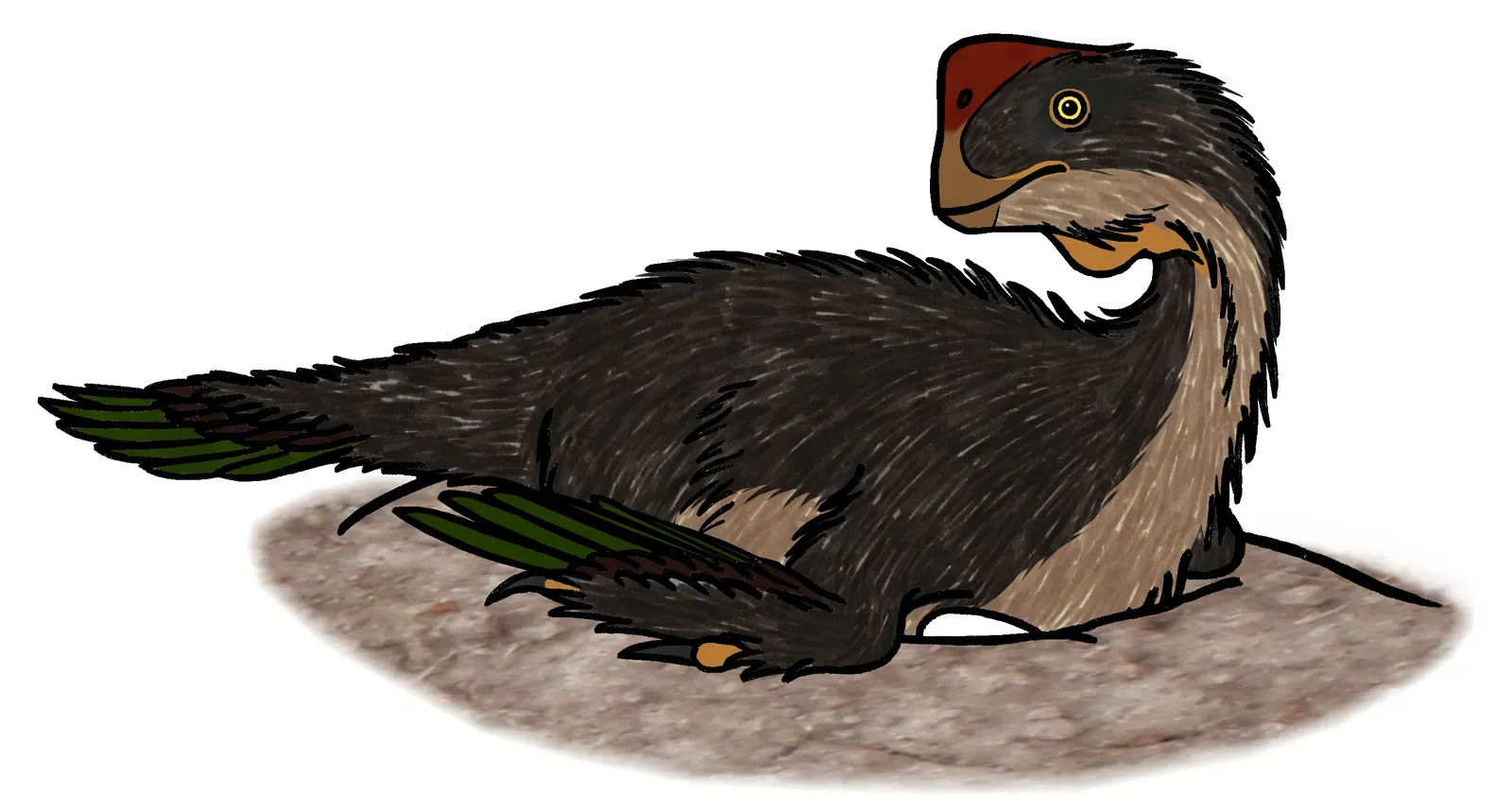
Oviraptor’s very name means “egg thief,” because the first specimen was found near a nest of eggs that were assumed to belong to another dinosaur. For decades, it was shown as a sneaky nest raider, a sort of prehistoric villain caught in the act. Later studies completely turned that story on its head when researchers realized the eggs actually belonged to Oviraptor itself, and similar fossils showed adults sitting in brooding poses over nests, like giant birds.
This rewrite did more than fix a naming mistake; it changed what people thought about dinosaur parenting. Oviraptor and its relatives are now some of the strongest examples of dedicated, birdlike nesting behavior among non-avian dinosaurs. Instead of a thief, it has become a symbol of how easily we can misread a fossil snapshot when we do not know the whole context. If anything, Oviraptor shows that paleontology can be humbling: even the name can be built on a misunderstanding.
Psittacosaurus: The Small Herbivore Revealing Big Secrets
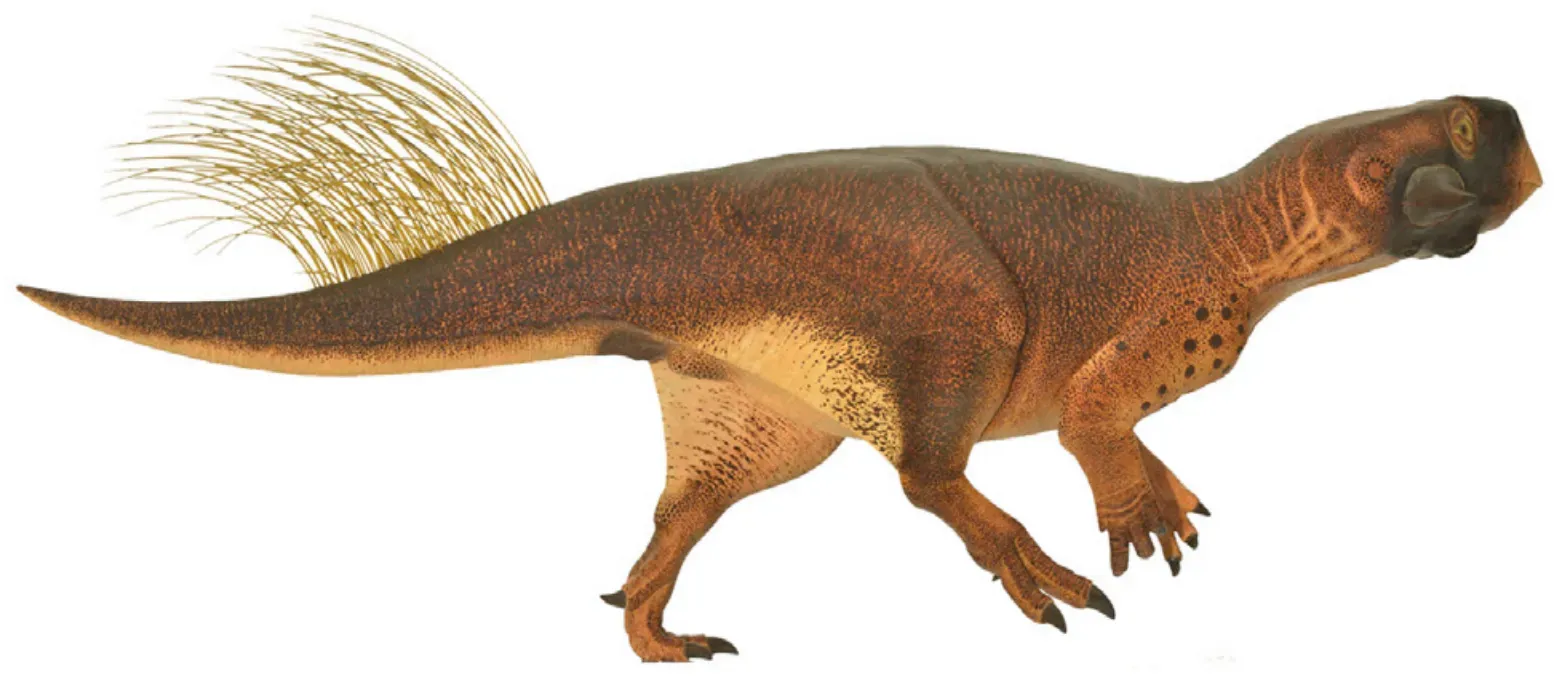
Psittacosaurus, a small, parrot‑beaked dinosaur, does not look dramatic at first glance, but it has been quietly details of dinosaur life for years. Exceptionally preserved fossils have revealed bristle‑like structures on its tail, patterns of scales, and even hints of coloration and countershading along the body. That kind of soft‑tissue and pigment information used to be considered almost impossible for dinosaurs, but Psittacosaurus helped show it can be done.
As more specimens turn up, scientists have used Psittacosaurus to study growth, posture, and how juveniles might have changed as they matured. Some reconstructions now show it with a dark back and lighter belly, a pattern that would have helped with camouflage in forested environments. It is a good reminder that the biggest shifts in our dinosaur picture do not always come from gigantic predators. Sometimes, a knee‑high plant‑eater does more to change our minds than a whole herd of sauropods.
Diplodocus: Tail Whips, Necks, And How Giants Really Lived
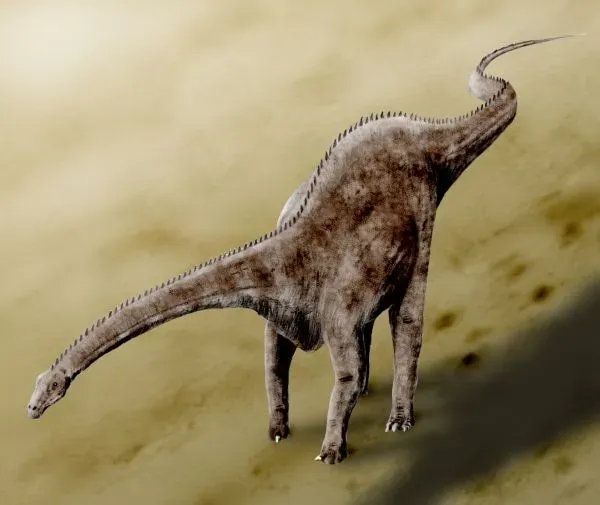
Diplodocus has been redrawn so many times that old museum mounts now look almost nostalgic. Early on, it was shown with its neck held like a swan and its body partly submerged in water, as if the animal were too heavy to support itself on land. Later biomechanical work and trackway evidence pushed scientists toward a fully terrestrial interpretation with a more horizontal neck, capable of sweeping wide feeding zones without moving the whole body.
One of the most dramatic rewrites has involved its long, whiplike tail. Some researchers have suggested it could snap fast enough to create a sonic boom as a defensive weapon, while others argue that would have risked breaking delicate vertebrae. Attention has also shifted to how Diplodocus could survive with such a long, relatively light skull and feed efficiently on tough plants. Each new digital model or biomechanical study nudges the picture around, turning this gentle giant from a swamp monster into a highly specialized land browser.
Ankylosaurus: Living Tank With A Moving Blueprint
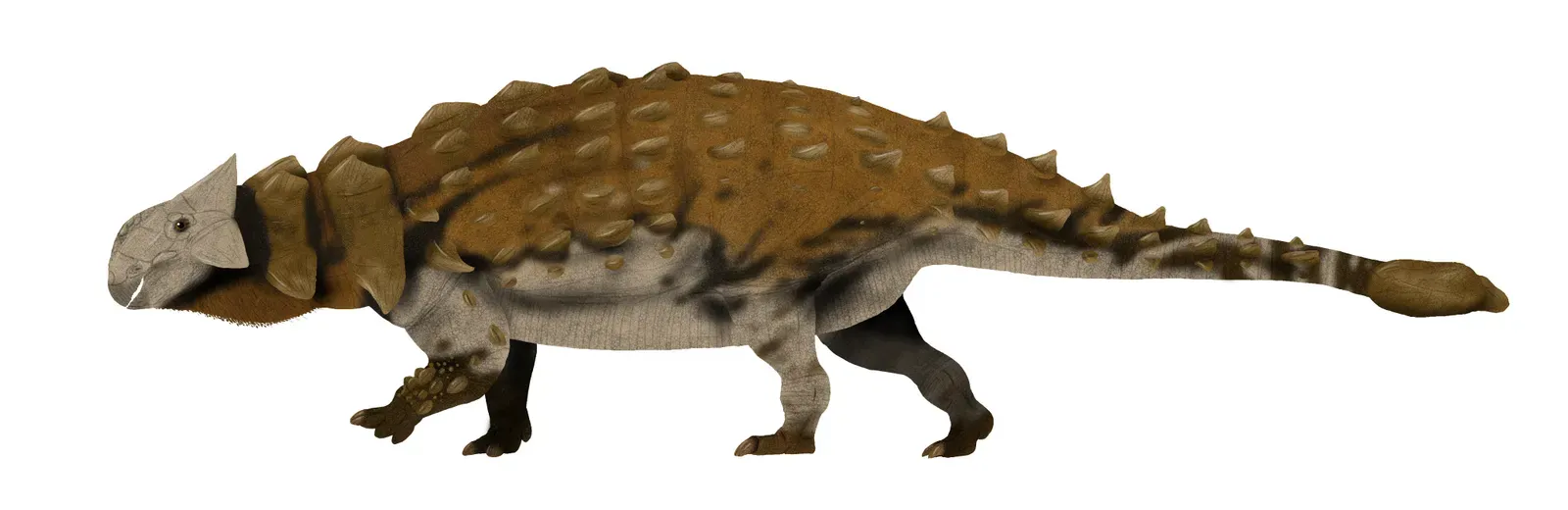
Ankylosaurus has always had that unforgettable “living tank” look, but exactly how it was armored and shaped keeps getting tweaked. Early restorations lumped all sorts of armor plates and clubs from different species together, creating a sort of generic armored dinosaur. As more complete specimens of Ankylosaurus and its relatives have been analyzed, scientists have had to redraw where specific osteoderms sat, how big the tail club really was, and how wide the animal’s body actually spread.
Some reconstructions now show a surprisingly broad, low-slung creature, more like a walking coffee table bristling with spikes than a compact tank. There is also an active debate about how it used that famous tail club: mainly for defense against predators, or also for fighting members of its own species. Each shift in the armor map or body outline changes how we imagine it moving through its environment, and it illustrates how even heavily armored dinosaurs are not immune to revision.
Archaeopteryx: Bird, Dinosaur, Or Something In Between?
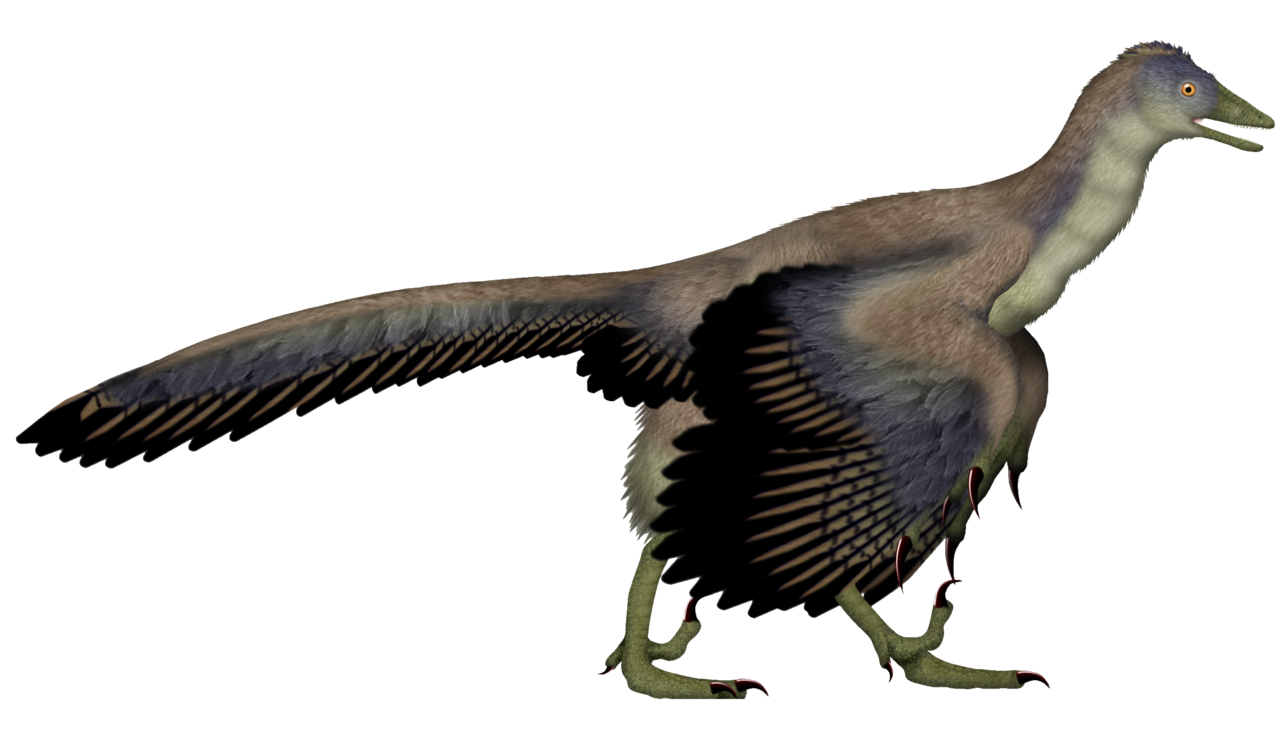
Archaeopteryx has long been held up as the classic “missing link” between dinosaurs and birds, but its exact position on the family tree has been moved around again and again. Some studies place it right at the base of birds, others nest it slightly outside the true bird group among feathered dinosaurs. Every new feathered fossil from China or elsewhere seems to reshuffle the deck and force scientists to ask whether Archaeopteryx is more birdlike or more dinosaur‑like.
On top of that, its flight abilities have been repeatedly reassessed. Early work imagined strong, flapping flight, while more recent studies sometimes argue for a weaker, gliding or fluttering style, more like a modern pheasant bursting into short flights. What has stayed consistent is that Archaeopteryx is a vivid snapshot of evolution in motion: not a clean, single step from dinosaur to bird, but one point on a messy, branching path. In some ways, the constant is the whole lesson.
Conclusion: Dinosaurs Are Not Static, And That’s The Point
Looking at these ten dinosaurs, what jumps out is not that scientists keep “changing their minds” in a flaky way, but that the evidence keeps getting better, and the story evolves to match it. Personally, I find that much more inspiring than the idea of a fixed dinosaur encyclopedia carved in stone back in the nineteenth century. When a giant predator suddenly turns semi‑aquatic or an egg thief becomes a devoted parent, that is science showing its willingness to admit it was partly wrong and move on.
If anything, I think we should be suspicious of any field that never updates its heroes or admits past mistakes. Dinosaurs prove that good knowledge is a living thing, not a museum label you never touch again. The next fossil haul could turn another childhood favorite upside down, and honestly, that unpredictability is half the fun of following paleontology. Which of your favorite dinosaurs do you secretly suspect might be the next one to get completely rewritten?