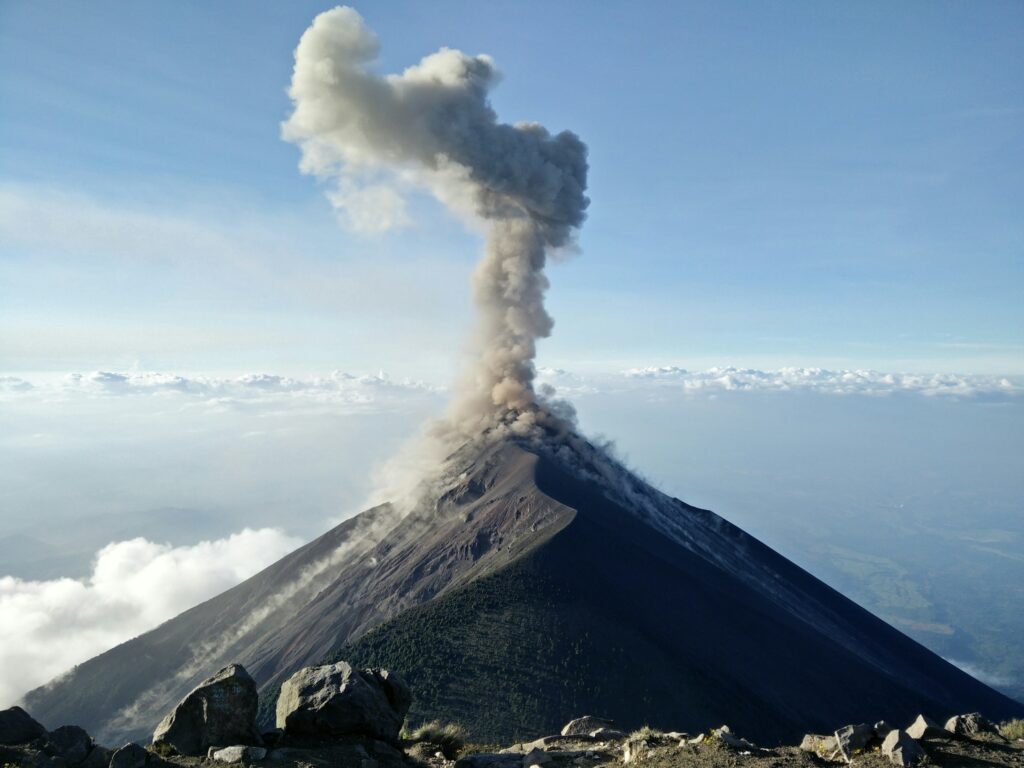
Stand on any rocky coastline, mountain trail, or even a city street made of basalt cobblestones, and you are probably standing on the frozen remains of an ancient eruption. Volcanoes are not just dramatic background scenery for disaster movies; they are the hidden architects of continents, oceans, climates, and even the air we breathe. Long before humans worried about carbon emissions, volcanic fire was already rewriting the rules of life on this planet.
What makes a volcano truly world changing is not just how loud it explodes, but how deeply it reshapes the systems we depend on: atmosphere, oceans, ecosystems, and plate tectonics. The seven ancient volcanoes below did not just leave pretty cones and lava fields; they rewired climate, broke supercontinents, and helped reset the story of life again and again. Some of their names are famous, others sound like obscure geology trivia, but together they show how violently creative Earth can be.
1. Deccan Traps: The Lava Floods That Helped End the Dinosaurs
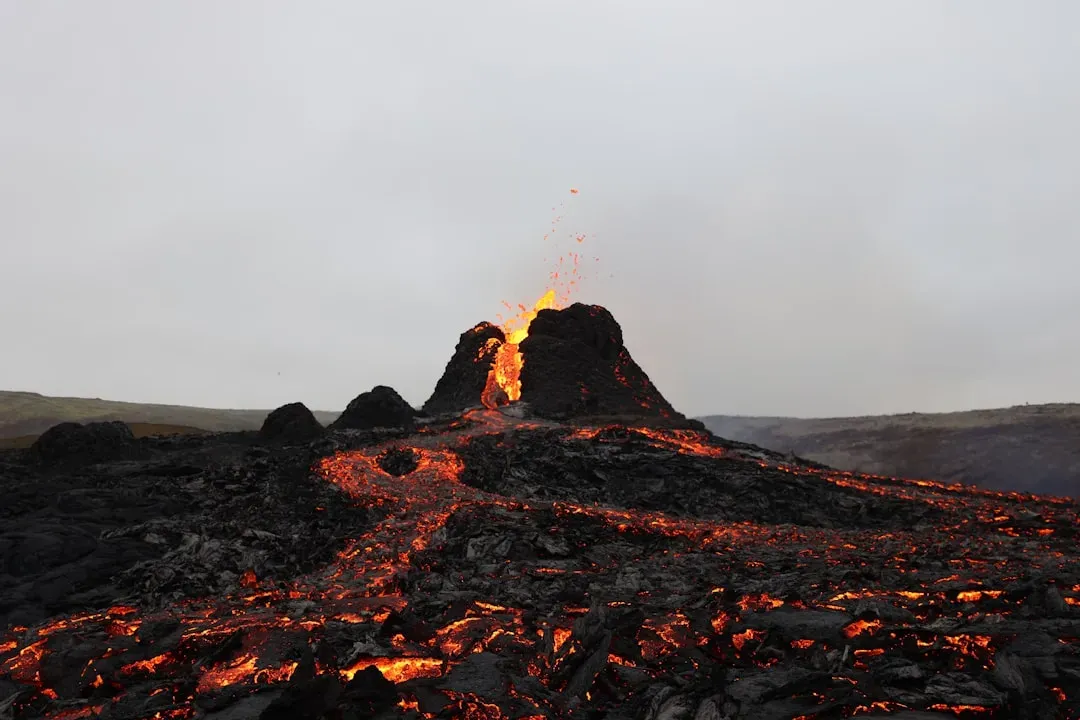
When people think about the end of the dinosaurs, they usually picture a single asteroid punching into what is now Mexico, and that collision absolutely mattered. But at roughly the same time, on the other side of the planet, India was being drowned in unimaginable volumes of lava from the Deccan Traps. This was not a graceful volcanic cone but a gigantic province of stacked lava flows, erupting in pulses over hundreds of thousands of years.
These eruptions pumped vast amounts of carbon dioxide and sulfur gases into the air, likely swinging the climate between scorching greenhouse phases and sudden volcanic winters. Imagine a global thermostat flicked violently up and down while ecosystems were already reeling from an impact event. Many researchers now see the Deccan Traps as a co‑conspirator with the asteroid: together they finished off the non‑avian dinosaurs and cleared ecological space for mammals, and eventually humans, to take over.
2. Siberian Traps: The Greatest Die‑Off in Earth’s History
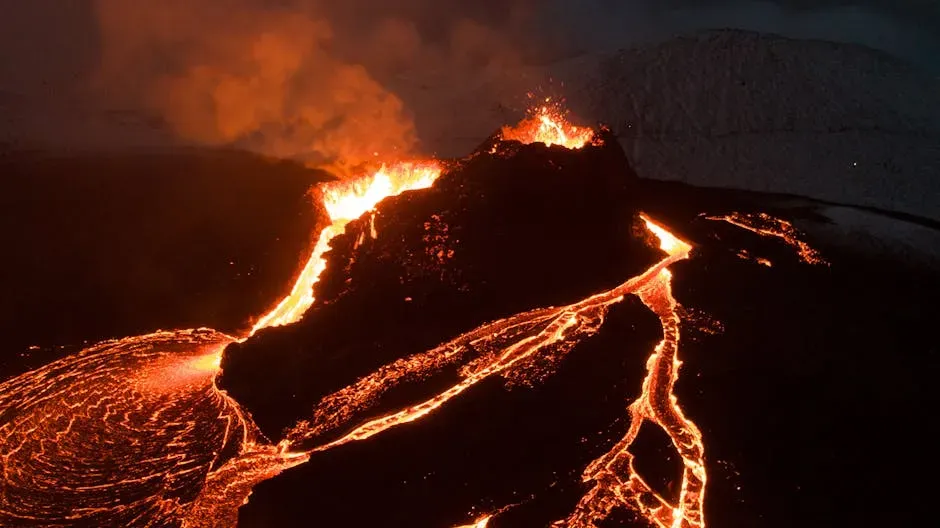
If the Deccan Traps were brutal, the Siberian Traps were something else entirely, almost like Earth trying to reboot itself. Around a quarter of a billion years ago, during the end‑Permian crisis, a region in what is now Siberia erupted so extensively that lava and intruding magma interacted with carbon‑rich rocks and sediments over an area the size of a continent. Instead of a neat mountain, you had a tortured landscape of fissures, lava plateaus, and underground magma sheets releasing enormous gas plumes.
The environmental fallout appears to have been devastating: runaway greenhouse warming, ocean acidification, and widespread oxygen loss in the seas. The result was the worst mass extinction we know of, wiping out most marine species and a huge fraction of life on land. As grim as that sounds, this volcanic catastrophe also opened a strange evolutionary doorway, setting the stage for new lineages of reptiles and, much later, the first dinosaurs to rise in a radically altered world.
3. Yellowstone’s Ancient Supereruptions: Sculpting a Continent’s Heart
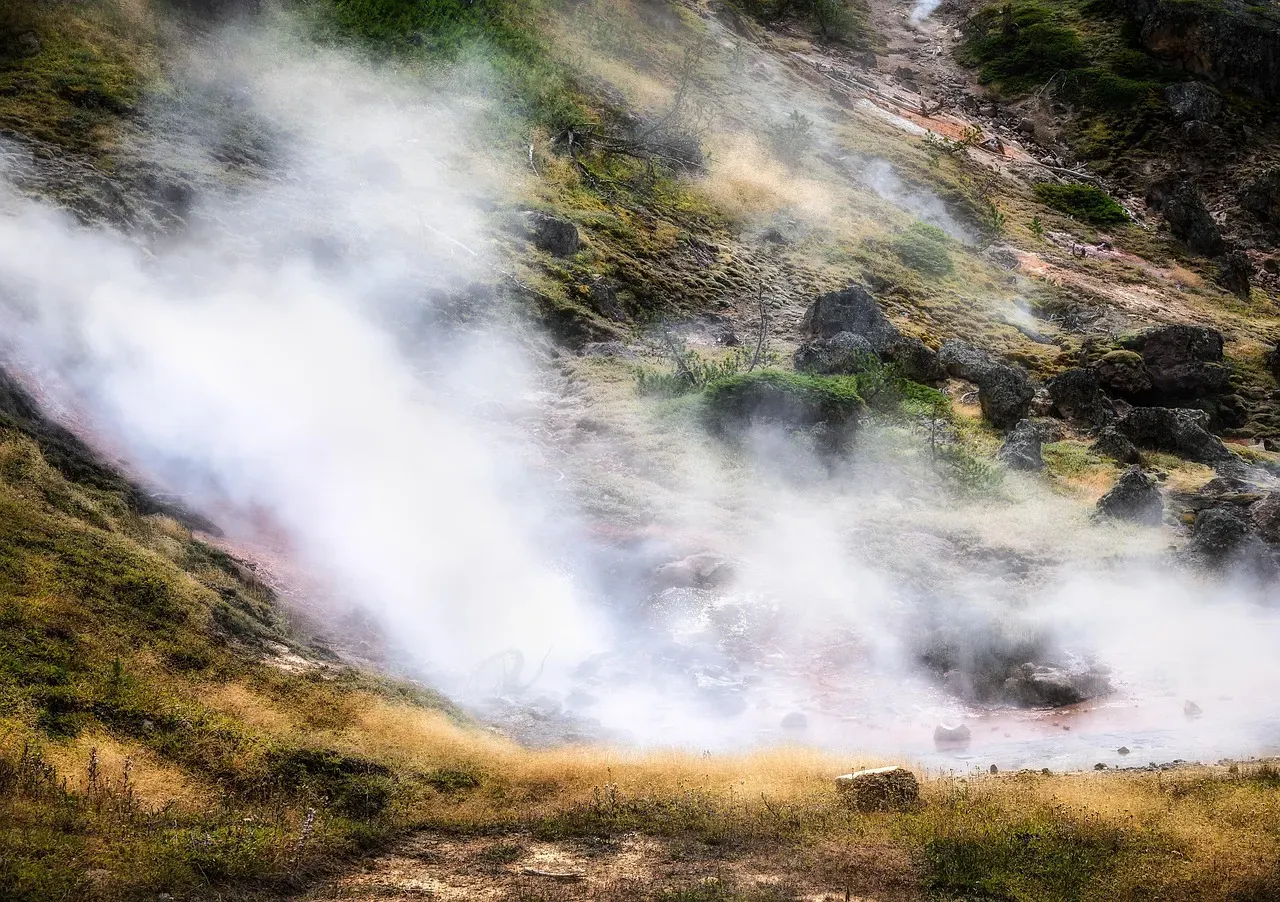
Modern Yellowstone gets headlines for geysers and the idea of a “supervolcano” lurking under national‑park tourist boardwalks. What often gets lost is that the truly colossal eruptions of this hotspot happened long before humans showed up, as the North American plate drifted over a rising plume of hot mantle. Those earlier eruptions blasted out enormous calderas across what is now Idaho and Wyoming, vaporizing landscapes and spreading ash blankets across much of the continent.
As the hotspot left a trail of giant scars, it also helped shape the topography and crustal structure of the American West. The thinning and stretching of the crust, combined with eruptions and intrusions of magma, influenced how mountains, basins, and river systems developed. When you road‑trip across the Snake River Plain, you are essentially driving along the old burn marks of the Yellowstone system, a reminder that beneath the postcard lakes and forests lies a long history of continent‑scale remodeling.
4. Toba: A Supereruption That Nearly Reset Humanity
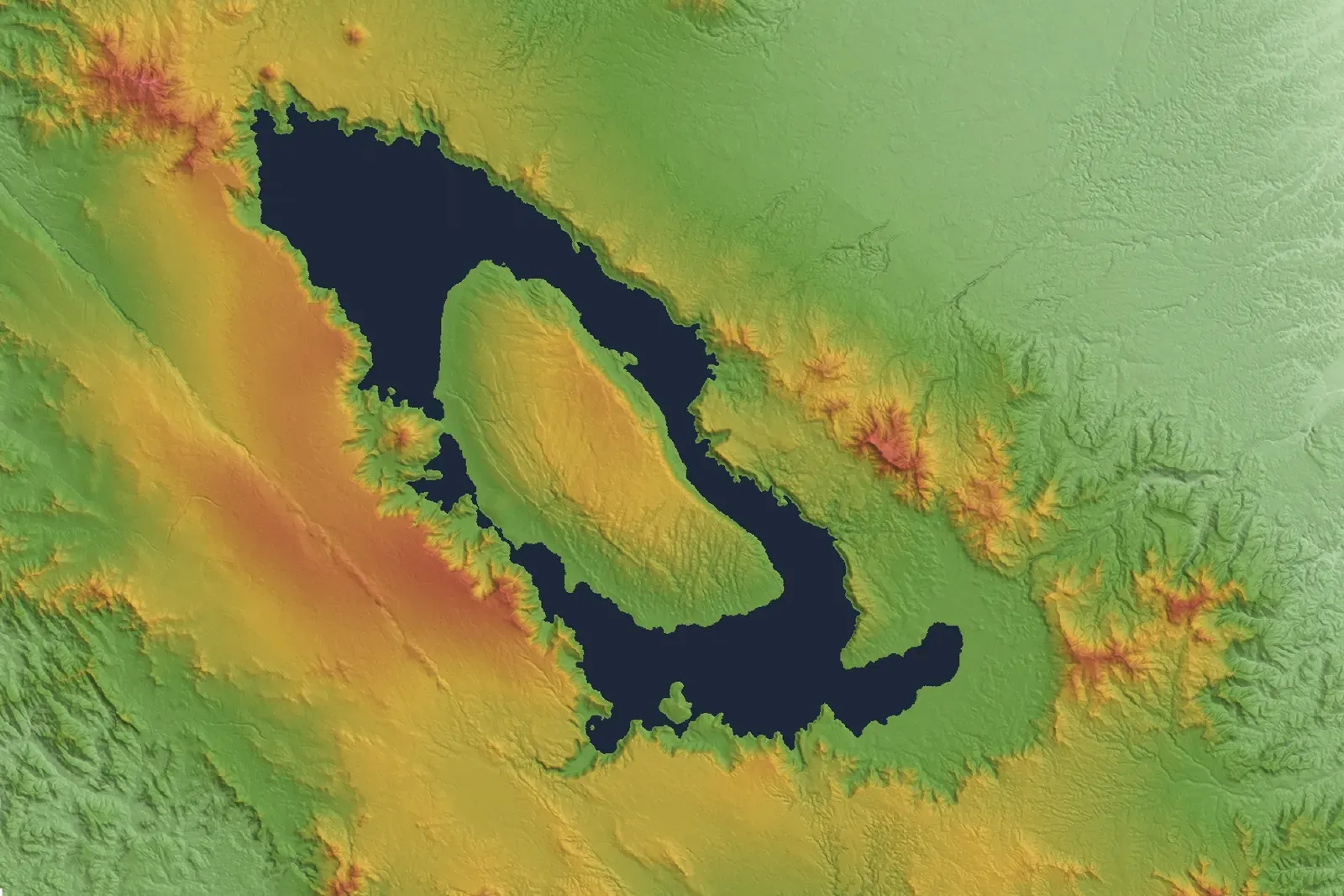
About seventy‑plus thousand years ago, long before agriculture or cities, the Toba volcano on Sumatra released one of the largest eruptions of the last few million years. Instead of a tall, picturesque cone, it left behind a huge caldera now filled by Lake Toba. The eruption hurled ash across much of South Asia and deposited thick layers in the Indian Ocean, evidence of a blast powerful enough to shake global climate for years.
There has been a long‑running debate about how severely this event affected early humans. Some earlier ideas argued for a dramatic population bottleneck, with our species almost collapsing, while newer research tends to see a more complex and regionally varied impact. Even so, Toba is a sobering reminder that a single volcano can nudge temperatures down, stress ecosystems, and push human communities to adapt quickly or move, changing migration routes and cultural trajectories in ways we are still trying to piece together.
5. Columbia River Basalt Group: Building the American Northwest in Lava
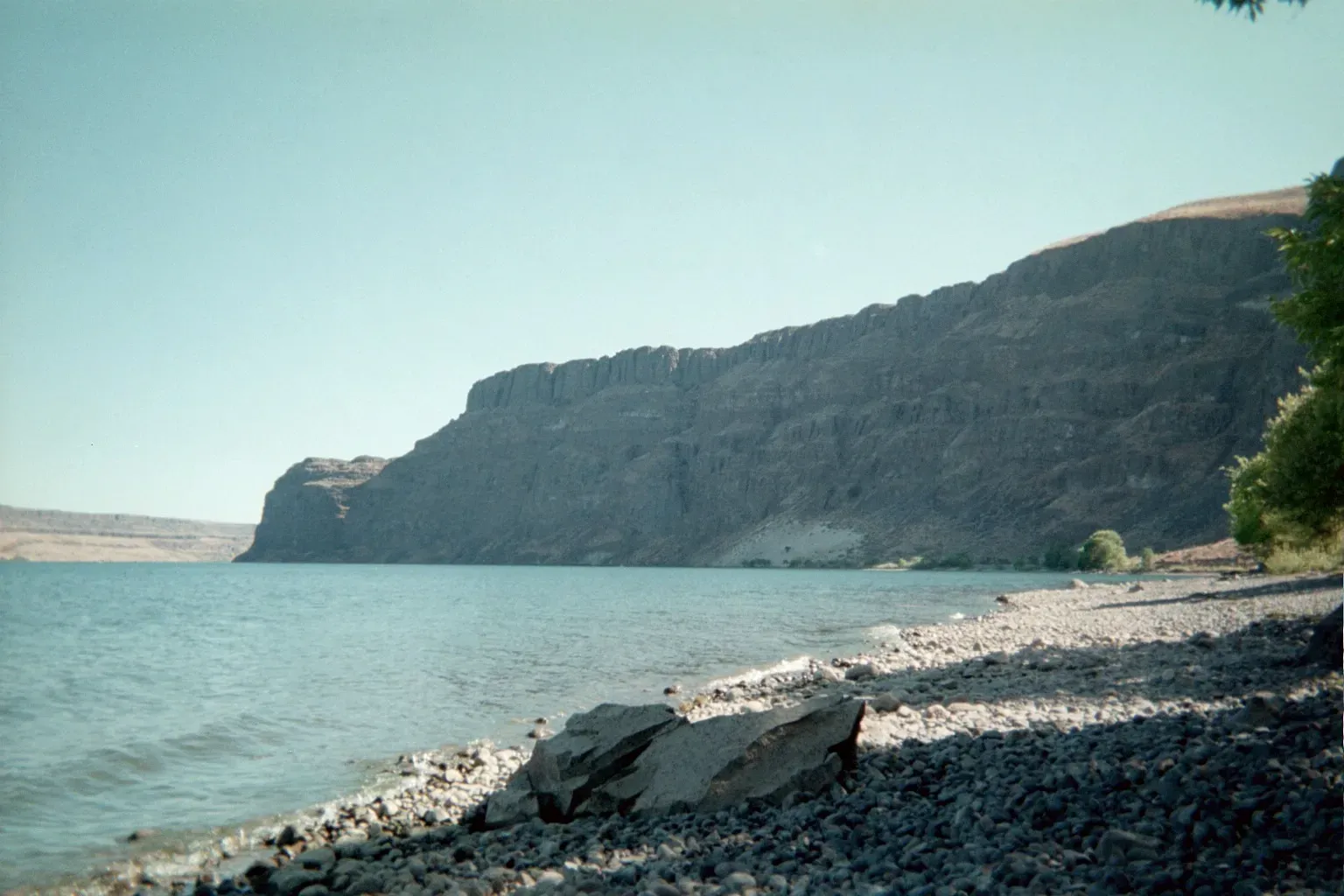
When you stand at the edge of a canyon in Washington or Oregon and see layer upon layer of dark rock, you are looking at the frozen record of lava floods on a staggering scale. The Columbia River Basalt Group erupted roughly during the mid‑Cenozoic era, in repeated outpourings that filled valleys and buried ancient landscapes. Instead of a single catastrophic blast, this was a long sequence of eruptions spilling lava like a broken firehose over what would become the Pacific Northwest.
These flows helped define the region’s geology and topography, shaping river courses, soils, and even the kind of agriculture that could later thrive there. The thick basalt layers influence groundwater movement and the formation of dramatic features like the channeled scablands carved later by glacial floods. In a very practical way, ancient lava now underpins modern life in that region, from vineyards and wheat fields to hydroelectric dams anchored in rock that started as glowing molten sheets.
6. Ontong Java Plateau: A Submarine Giant That Reshaped the Oceans
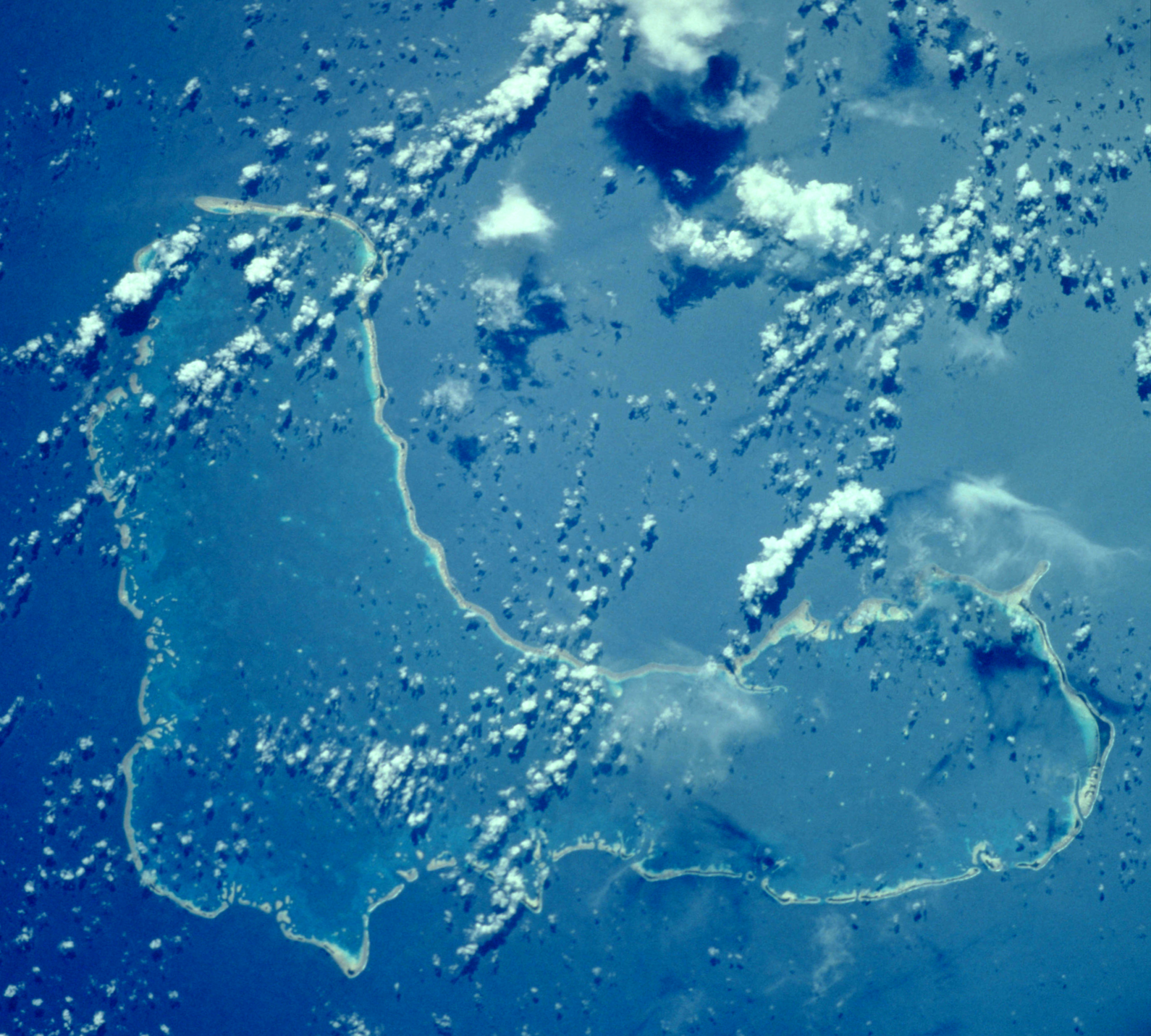
Not all world‑changing volcanoes build visible mountains; some hide under kilometers of seawater. The Ontong Java Plateau in the Pacific is one of the largest known volcanic structures on Earth, created by enormous submarine eruptions during the Cretaceous period. Imagine an underwater lava factory erupting so extensively that it built a raised block of oceanic crust larger than many countries combined.
These eruptions likely released huge amounts of gases into the oceans and atmosphere, influencing ocean chemistry, circulation, and possibly even contributing to episodes of low oxygen in the deep sea. Changes of that scale can ripple through marine food webs, affecting everything from plankton to large predators. It is easy to forget that today’s ocean basins, with their currents and ecosystems, partly rest on these ancient volcanic construction projects that quietly rewired the planet beneath the waves.
7. Central Atlantic Magmatic Province: The Volcanic Birth of the Atlantic Ocean
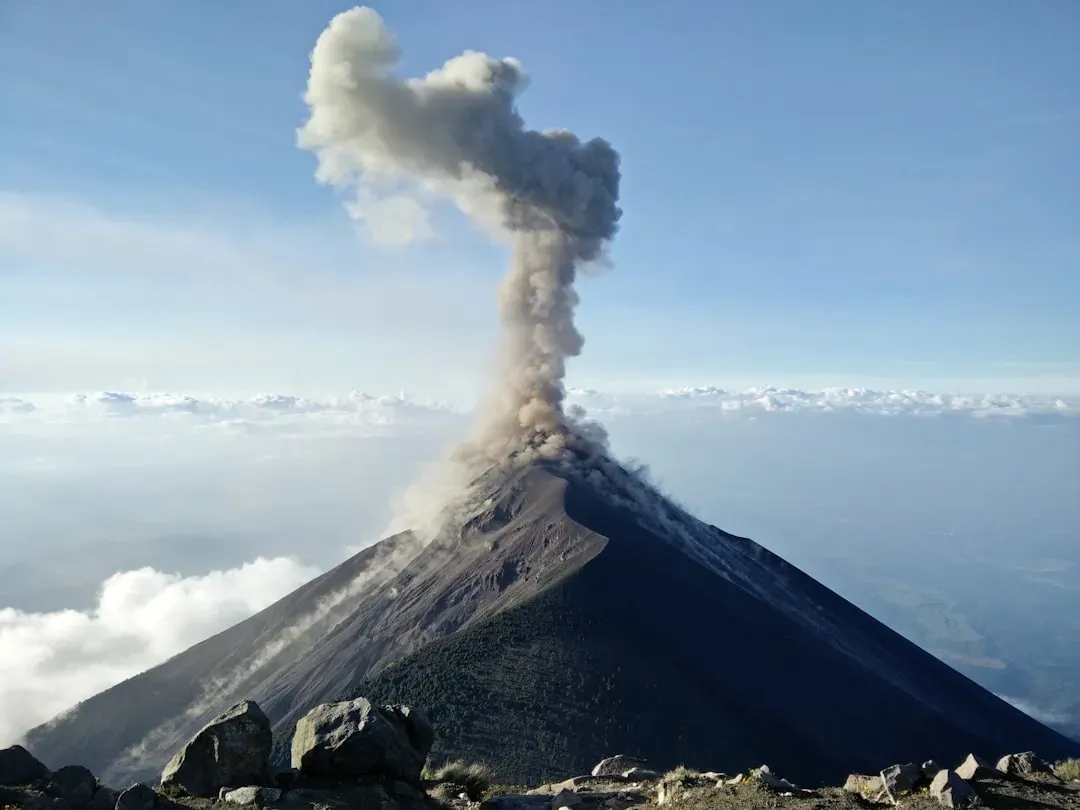
Before the Atlantic Ocean existed, there was a vast supercontinent scientists call Pangaea, with the Americas locked against Africa and Europe. Around the boundary between the Triassic and Jurassic periods, a colossal volcanic event known as the Central Atlantic Magmatic Province erupted along the seams where that supercontinent was beginning to tear apart. Huge dike swarms, lava flows, and intrusions flared across what are now eastern North America, northwestern Africa, and parts of South America and Europe.
This volcanic pulse coincided with a significant extinction event that cleared ecological space and helped usher in the age of the dinosaurs as dominant land vertebrates. At the same time, by weakening and heating the crust, it helped open the rifts that would eventually flood with seawater and become the early Atlantic. Every time you look at a world map and see that familiar ocean gap between continents, you are looking at the long‑term legacy of a volcanic event that literally broke a supercontinent in two.
Conclusion: Living on a Planet That Still Thinks Like a Volcano
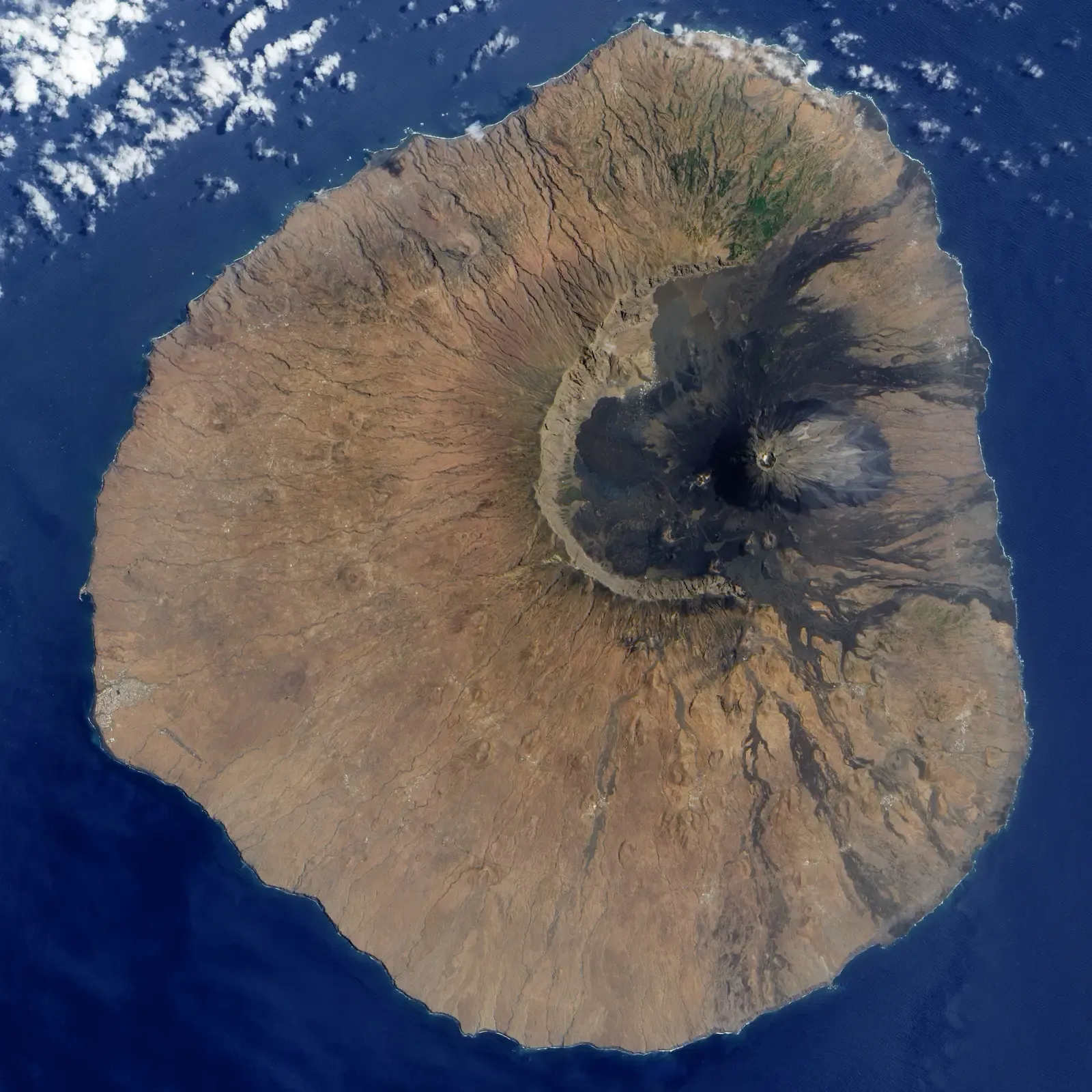
When you line up the Deccan Traps, Siberian Traps, Yellowstone, Toba, the Columbia basalts, Ontong Java, and the Central Atlantic Magmatic Province, a pattern emerges: Earth’s biggest changes often come not as gentle shifts, but as volcanic mood swings on a planetary scale. These eruptions altered climate, redrew coastlines, dictated which branches of the tree of life thrived, and even influenced where people could migrate or farm. In my view, we underestimate volcanoes when we treat them as isolated hazards instead of long‑term authors of the world we inhabit.
We now worry, rightly, about how quickly humans are changing the atmosphere, oceans, and biosphere, and it is tempting to think of ourselves as something totally new. Yet these ancient volcanoes are a brutal reminder that Earth has pushed its own reset button more than once, with consequences far beyond any human timescale. The uncomfortable but honest takeaway is that we live on a planet that is both creative and ruthless, and we happen to be here in a relatively calm interval between cataclysms. The real question is not whether Earth will change dramatically again, but whether our species will be wise enough to understand its history and prepare for the future it implies – what do you think?