
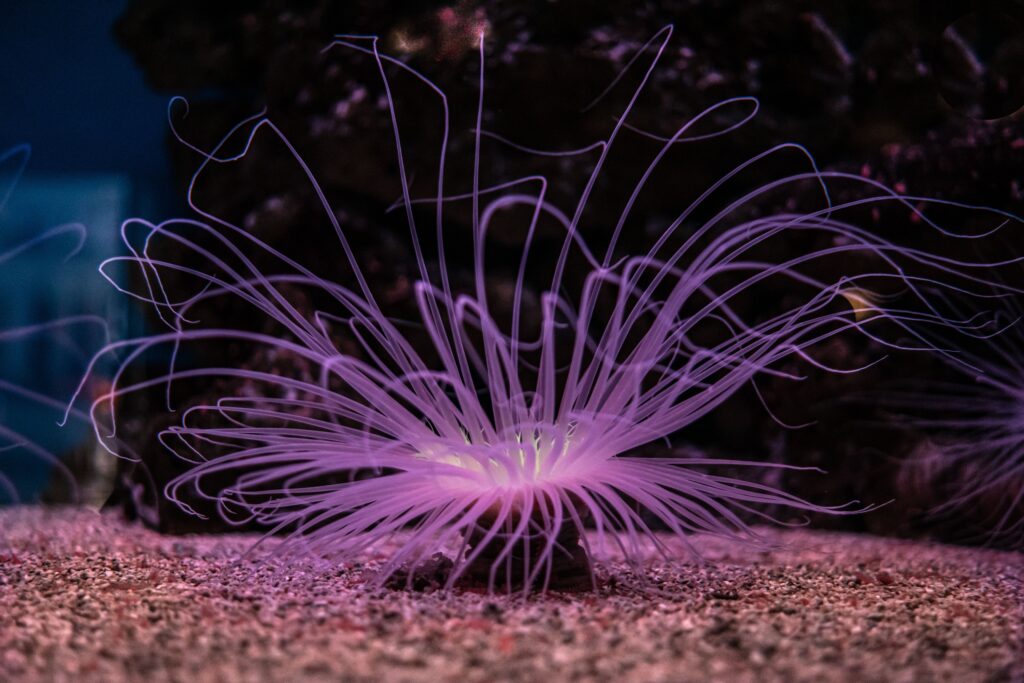
Every time we think we have the planet mostly mapped out, the deep ocean calmly reminds us we’ve barely cracked the surface. In the past few years, a handful of cameras, landers, and crewed and uncrewed submersibles have captured something quietly unsettling: living creatures photographed thousands of meters down that simply do not fit any species on record. No clear classification, no matching silhouette in any field guide, just a growing folder of “what on Earth is that?” images sitting on hard drives in research labs.
These are not sci‑fi monsters or Internet hoaxes; they are real, documented organisms seen once or a few times, often in grainy footage from pitch‑black depths where pressure would crush a submarine from a few decades ago. Scientists are cautious and conservative by nature, so most of these oddities are officially labeled with painfully boring names like “unidentified gelatinous organism.” But look beneath the careful language and you can feel it: a sense that we are brushing against life that does not comfortably slot into any textbook diagram. Here are six of the most intriguing examples.
1. The Transparent “Faceless” Fish from the Hadal Zone
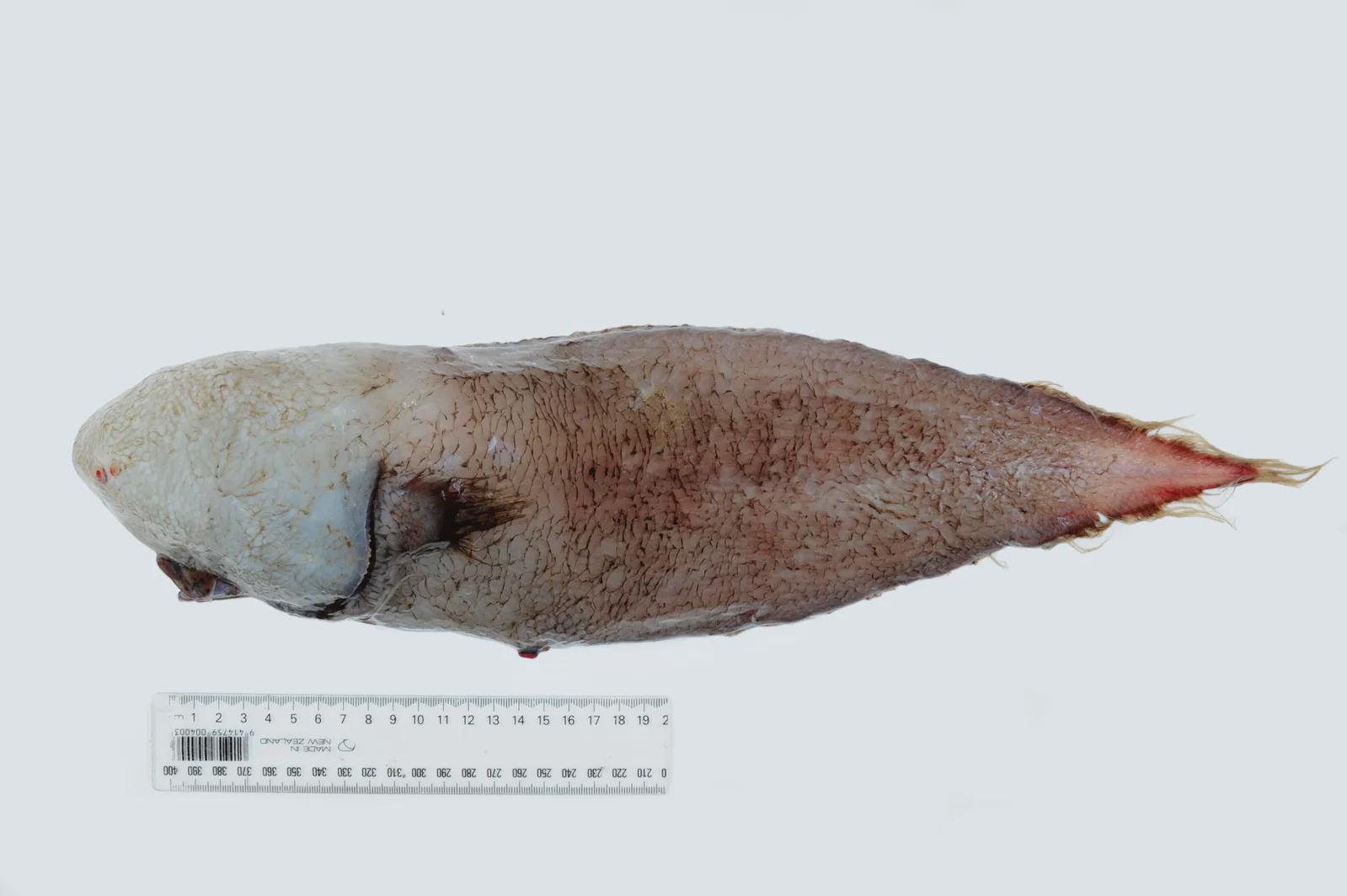
Imagine an animal that looks like someone tried to draw a fish from memory, then erased the front half of its face. That’s roughly what deep‑sea cameras have recorded at hadal depths: an elongated, almost glass‑clear body, faint internal organs visible like smudges, and a head that seems to lack obvious eyes, nose, or mouth structures when viewed from the side. It swims with slow, controlled movements just above the sediment in trenches far deeper than commercial submarines ever go, appearing suddenly out of the dark and vanishing just as fast.
Researchers have compared these images with known deep‑sea “faceless” fish and other abyssal species, and while there are similarities, the proportions and transparency do not line up neatly with anything cataloged. The skull outline looks subtly wrong, the position of the internal organs is off, and the level of translucence is extreme even by deep‑sea standards. The working suspicion is that this might be a lineage related to known families but specialized for even deeper, higher‑pressure environments, evolving away external features that are basically useless in near‑total darkness. For now, it sits in limbo: photographed, archived, probably real, but without a name or a home on the tree of life.
2. A Gelatinous “Sheet” That Moves Like a Living Curtain
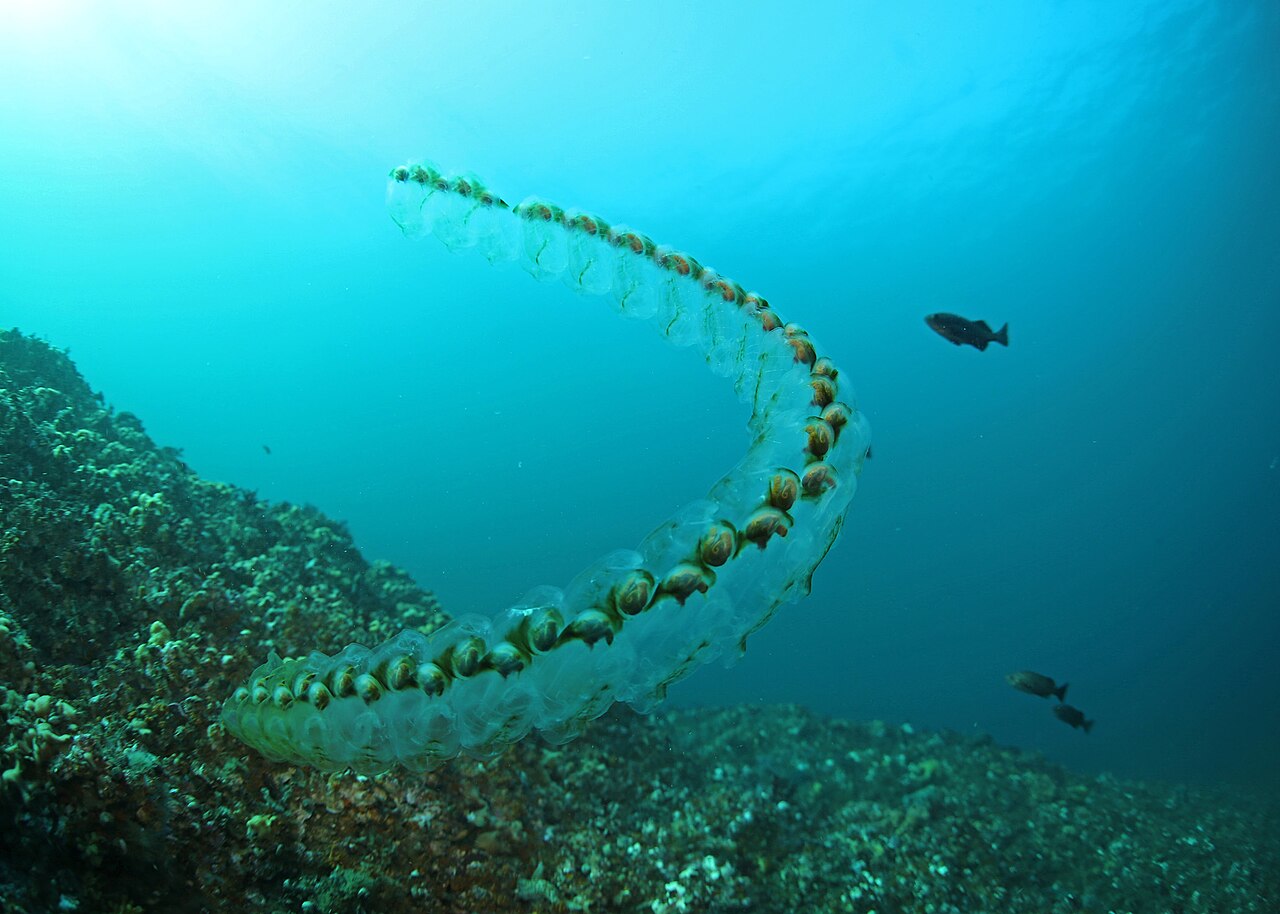
One of the most startling deep‑sea videos shows what looks less like an animal and more like a piece of fabric drifting in slow motion. It’s a broad, undulating sheet of nearly transparent tissue, edges rippling and folding over themselves as it hovers in the water column. There are no obvious limbs, no clear head or tail, and no classic jellyfish bell or comb‑jelly rows of cilia. It simply looks like a living curtain, bending and flexing around invisible currents while maintaining a coherent, unified body.
Scientists have tried to shoehorn this organism into known groups such as siphonophores, jellies, or colonial tunicates, but so far none of the comparisons are completely satisfying. Its surface appears mostly smooth instead of bristling with tentacles or zooids, and the internal structure – what little can be seen – does not match any well‑documented colony patterns. Some biologists suspect it might be a form of colonial animal taken to an unusual extreme, where the entire colony behaves like a single, continuous sheet. Others argue it could be a solitary organism representing a poorly understood offshoot of gelatinous plankton. Without a specimen in a lab dish, those arguments remain just that: carefully educated guesses built off a few haunting frames of video.
3. A Hexagonal “Lattice” Organism Suspended in the Midwater
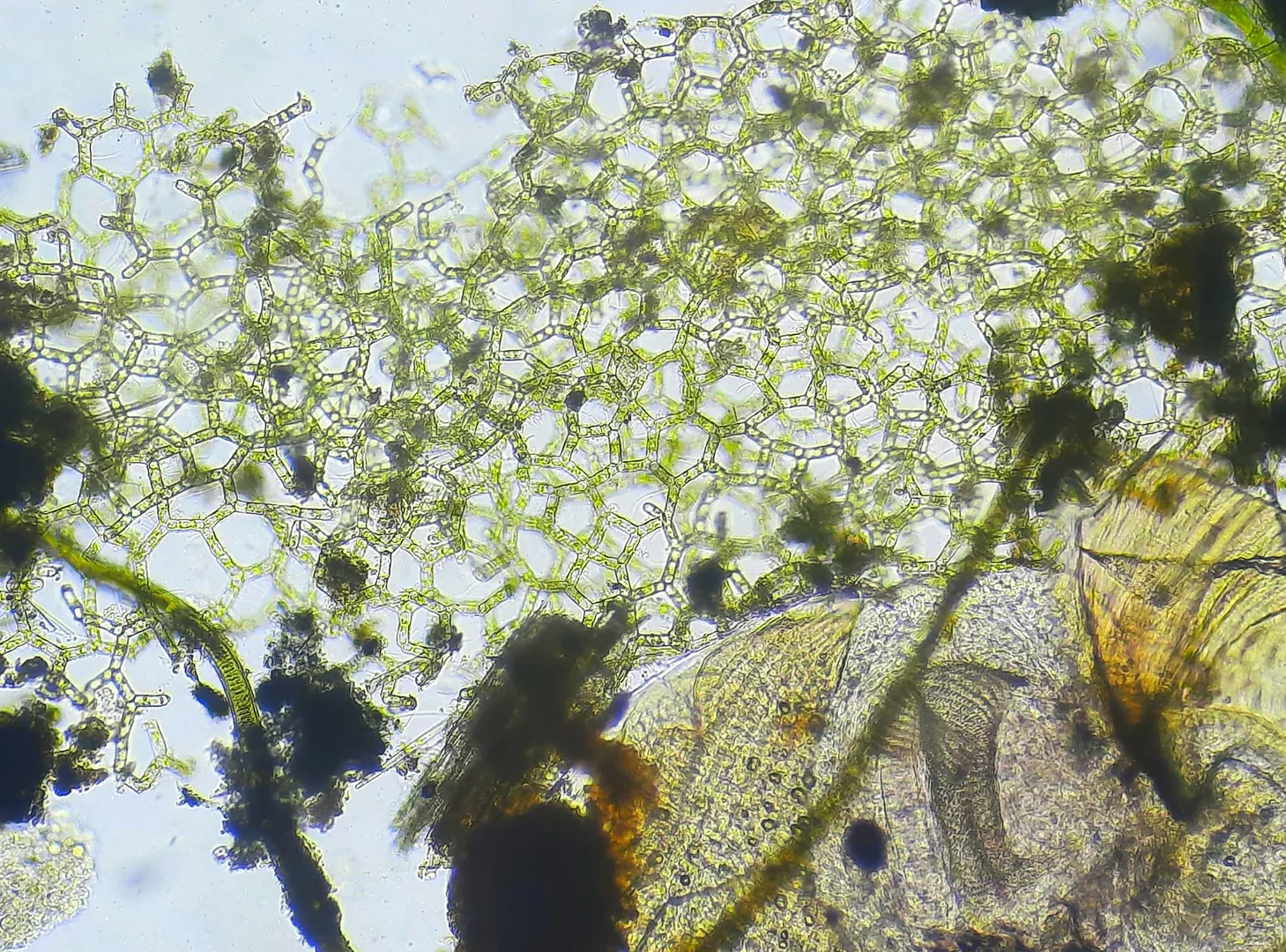
Another deep‑ocean enigma is not so much a creature with a body as a pattern of life in three‑dimensional space. Footage from autonomous vehicles has captured intricate, floating structures made of repeating hexagonal or polygonal units, forming a kind of living lattice. From a distance, it looks like a ghostly net or a crystal grown out of light, hovering motionless in the midwater. When the vehicle’s thrusters disturb the water, the entire structure flexes slightly but holds together, as though it is both rigid and alive.
This kind of geometry is reminiscent of colonial organisms such as bryozoans or some pelagic tunicates, which build repeating modules into a shared skeleton or matrix. The problem is that the scale, shape, and symmetry of these lattices do not match those of known groups, and they appear in depths and conditions where their shallow‑water cousins simply cannot survive. Some researchers think these could be complex colonies of tiny individual units cooperating in a way we have not fully seen before in the deep. Others have floated the possibility that they might be temporary reproductive or feeding structures, not permanent “bodies” at all. Until someone manages to capture one without it collapsing into slime, that question will stay open.
4. The “Inverted Star” Cephalopod with Inside‑Out Arms
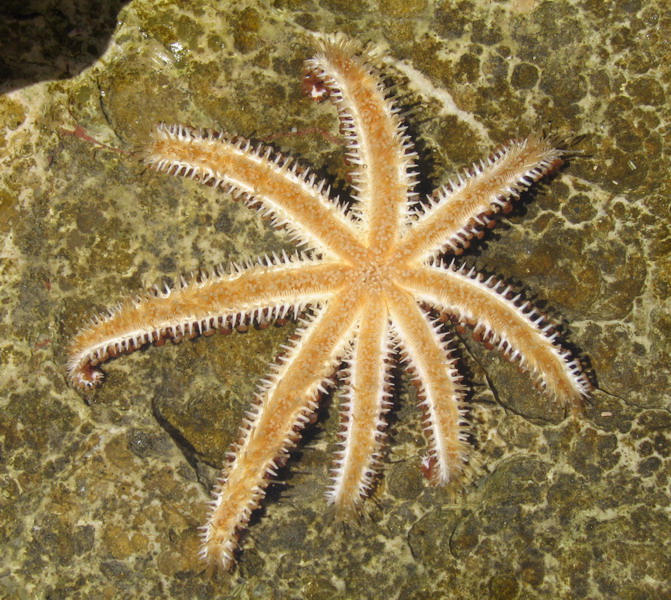
Far below the usual octopus and squid haunts, cameras have occasionally picked up a small, star‑shaped animal drifting arms‑up, like an umbrella turned inside out by the wind. Five to seven thin arms radiate outward from a central disk, bending backward so that what look like the inner surfaces of the limbs face the surrounding water. There are no classic octopus sucker rows visible, and the body plan seems flipped compared with any familiar cephalopod. It hovers motionless, then pulses gently, rotating as if scanning its surroundings.
Experts who have reviewed the footage agree that it resembles a cephalopod in some ways – there is a central mass, flexible arms, and what might be a mantle region – but the exact arrangement of tissues and the lack of clear suckers are perplexing. It could be an extreme deep‑dwelling relative that has turned its arms outward to catch sparse food particles or microscopic prey falling from above, effectively using its own limbs as a living net. There is also the possibility that what we’re seeing is only a particular posture of a more conventional animal, caught in a strange behavior that distorts its normal anatomy. Without multiple observations from different angles, even that simple distinction is surprisingly hard to make.
5. A Bioluminescent “Chain Beast” That Reacts Like One Animal
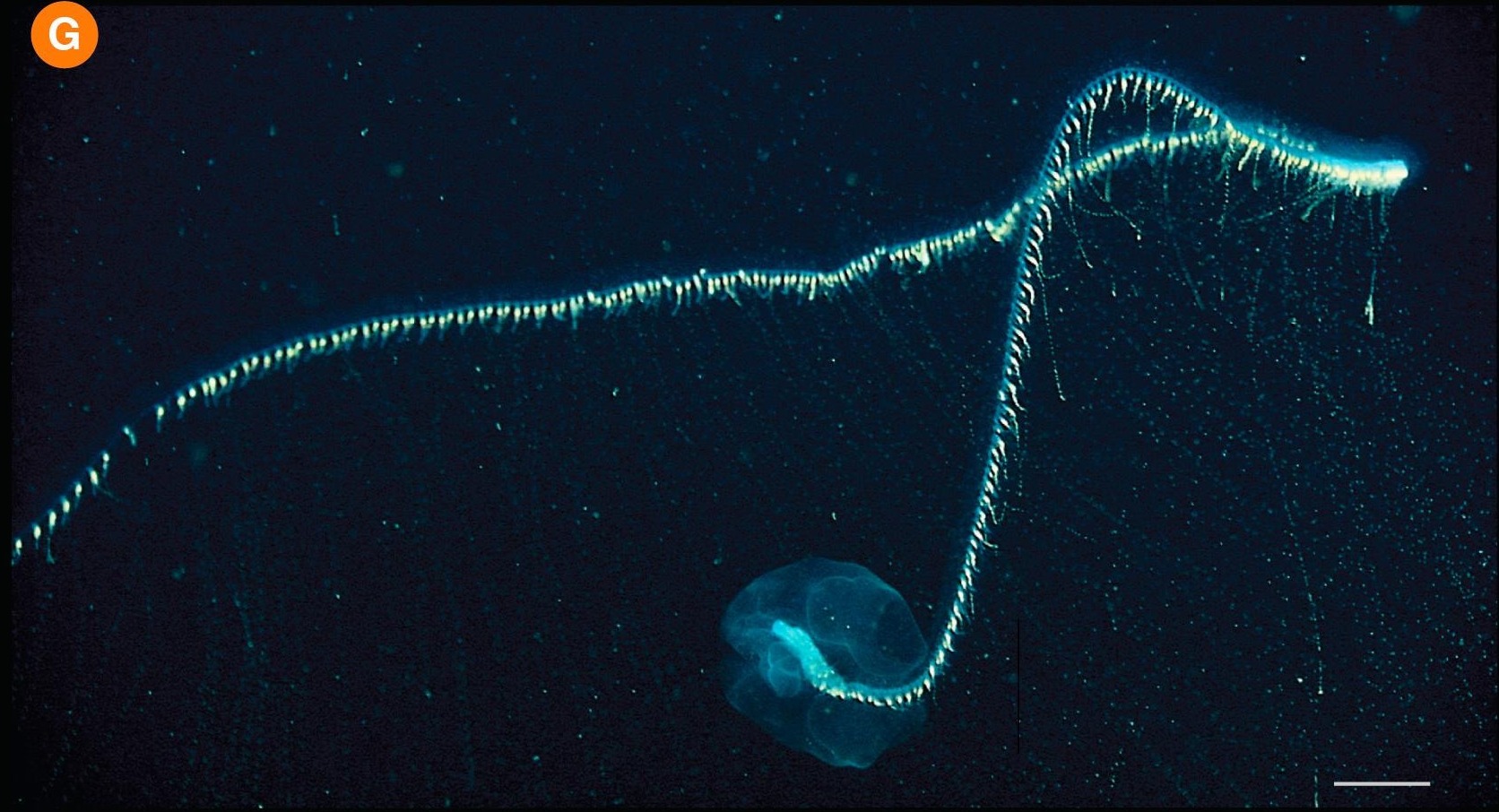
Some of the most dramatic deep‑sea shots involve light, and one of the strangest episodes features a long, segmented chain glowing with pulses of blue and green as it snakes through the dark. At first glance, it resembles known chains of colonial plankton, with dozens or hundreds of repeating units linked together. But when disturbed by the submersible’s lights, the entire chain shifts, coils, and changes its pattern of flashes in a coordinated way that seems more like a single animal responding as a whole than a loose collection of tiny individuals.
Mysterious chains like this are tricky because they sit right at the boundary between what we call “one organism” and what we call “many.” Siphonophores and other colonial animals already blur that line, but their structures and light patterns have been fairly well cataloged. This chain’s length, brightness, and response behavior fall outside those known patterns, hinting that we may be looking at a variant or an entirely distinct approach to being colonial. Some biologists argue that we should stretch our definitions and accept that “individual” can mean something radically different in the deep sea. Others prefer to wait for physical samples before redrawing the lines. That tension – between bold redefinition and disciplined caution – is playing out in quiet email threads and conference side conversations right now.
6. An Armored “Capsule” With No Visible Openings
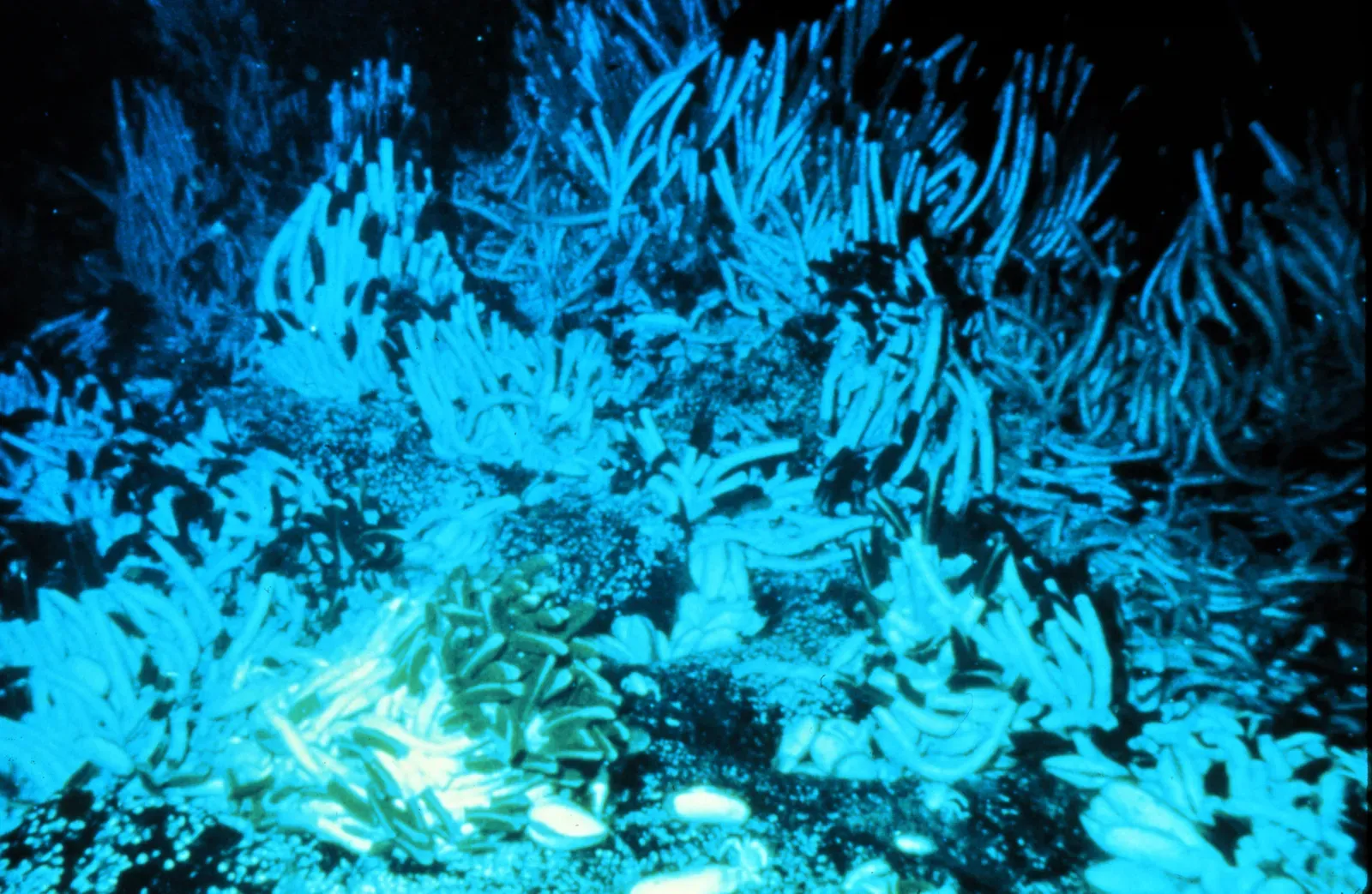
Perhaps the most unsettling of the current mysteries is also one of the simplest in shape: a small, ovoid capsule slowly rotating in the current, with a surface that looks oddly rigid and plated for something at such depth. In submersible footage, the object appears to be covered in overlapping scales or armor‑like plates, arranged in bands around its body. There are no visible eyes, no mouth, no gills, and no obvious way for it to feed or move, yet it shifts position over time in a way that suggests it is not just a drifting rock or piece of debris.
One line of thinking is that this could be some kind of protective stage in a life cycle – a deep‑sea equivalent of a chrysalis – housing a more complex form that will eventually emerge when conditions are right. Another is that it might be a heavily armored relative of known invertebrates, adapted to defend against the sparse but specialized predators that patrol those depths. The absence of visible openings could simply mean they are hidden on the unseen side or masked by the resolution limits of the camera. Still, the image of a sealed, living capsule spinning slowly in black water has stuck with many of the scientists who have seen the footage, because it raises an almost childlike question: what, if anything, is inside?
Conclusion: The Deep Ocean Is Still Allowed to Surprise Us
I think the most powerful thing about these strange, unnamed species is what they quietly prove: for all our satellites, databases, and AI models, there are still entire styles of life on this planet that we have only glimpsed once or twice. It is tempting to leap to dramatic conclusions and label every weird silhouette as a revolutionary new branch of life, but the more honest and humbling answer is that we mostly do not know yet. We have photographs, short video clips, and a lot of careful speculation, but only a scattering of physical specimens from the deepest zones where these creatures appear.
In my view, that uncertainty is not a failure of science; it is exactly what a living, changing science should look like. We are finally pushing cameras and vehicles into parts of the ocean that were purely theoretical when many of today’s classification systems were built, so of course we are going to find organisms that do not match the old diagrams. The real question is whether we will invest enough time and resources to go back, again and again, until these “unidentifieds” become fully described neighbors in our shared biosphere. When you remember that most of Earth’s habitable space is ocean, and most of that ocean is deep, is it really surprising that the story of life down there is still barely outlined – or is it more surprising that we ever thought we had it mostly figured out?