
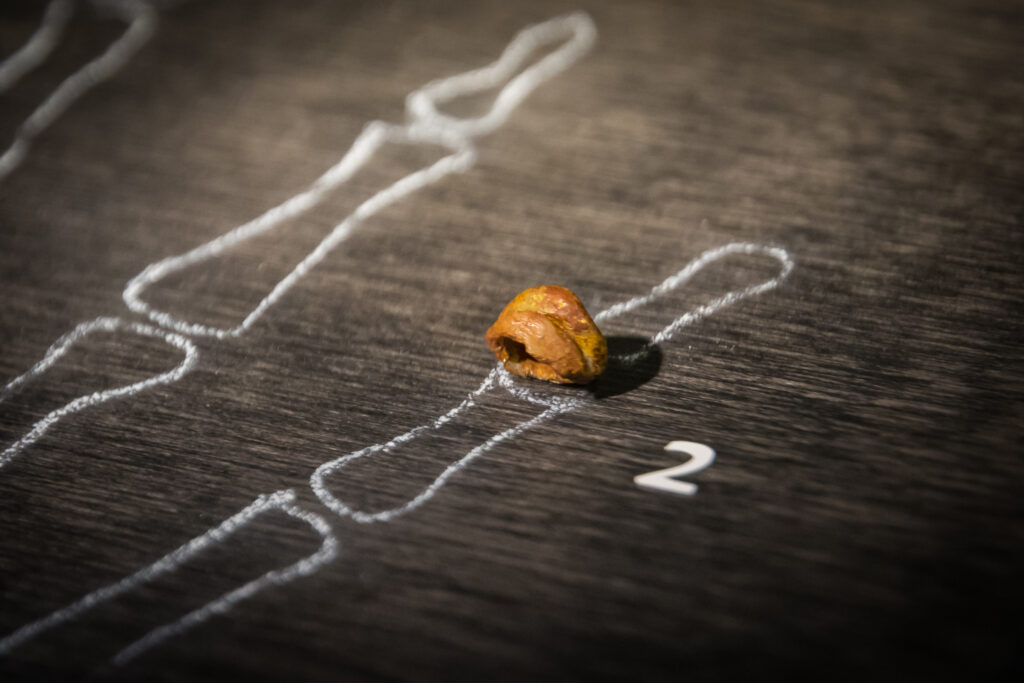
Imagine sifting through a Siberian cave, picking up what looks like an unremarkable chip of bone, and realizing years later that it belongs to an entirely unknown kind of human. Not a tool, not a painting, not a skull – just a tiny fragment of a pinky. Yet that sliver rewrote the story of our species, forced scientists to rethink what it means to be human, and quietly revealed that our family tree is more tangled than anyone expected.
This is the story of the Denisovans, an ancient human group discovered not by what they left behind in stone or art, but by the microscopic code inside their cells. It is one of those discoveries that feels almost cinematic: remote mountains, a dark cave, and a mystery species hiding in plain sight for tens of thousands of years. The wild part? Pieces of them are still alive today, carried in the DNA of millions of people who have no idea they are walking archives of a vanished world.
The Day a Tiny Finger Bone Changed Human History
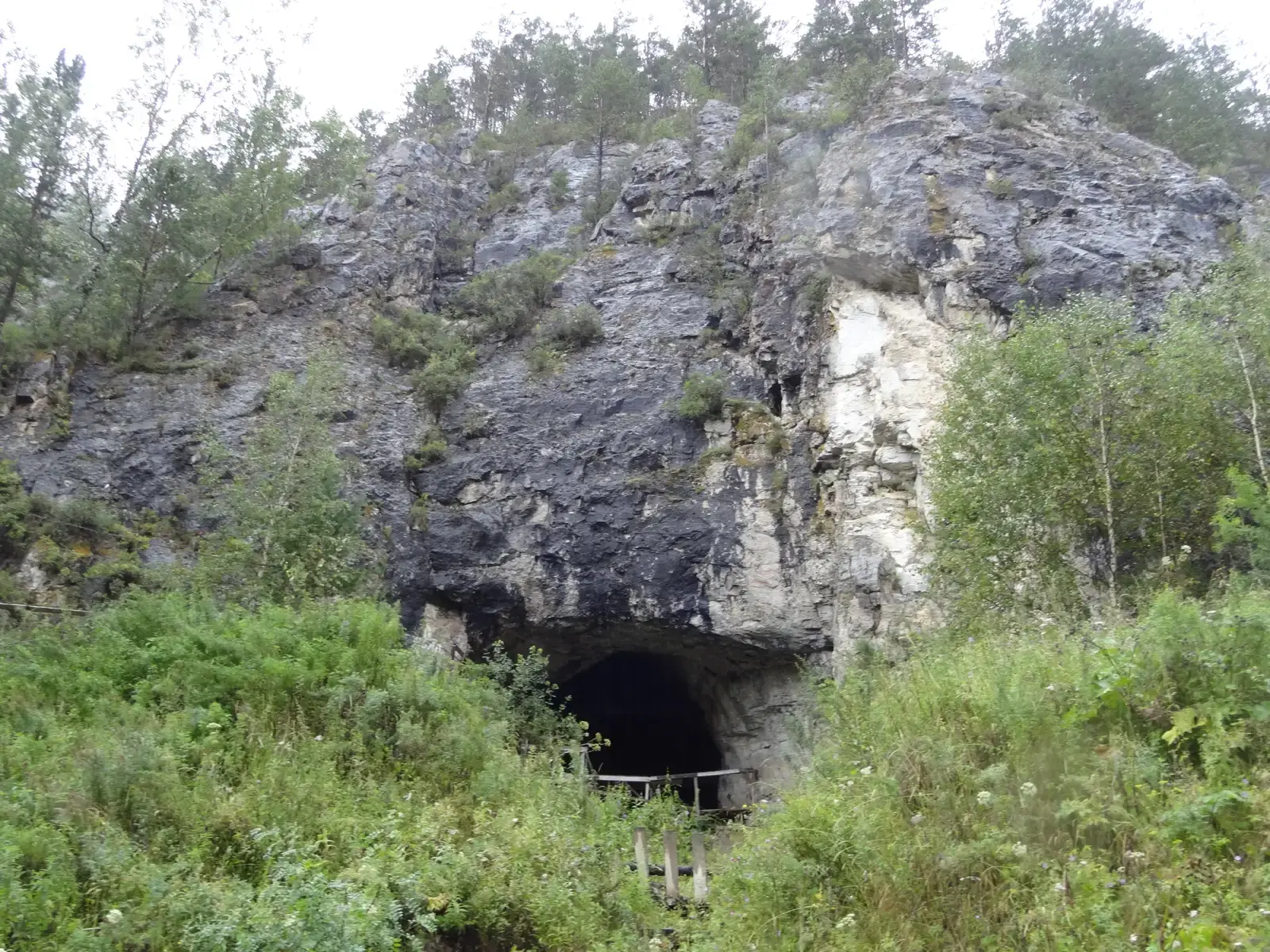
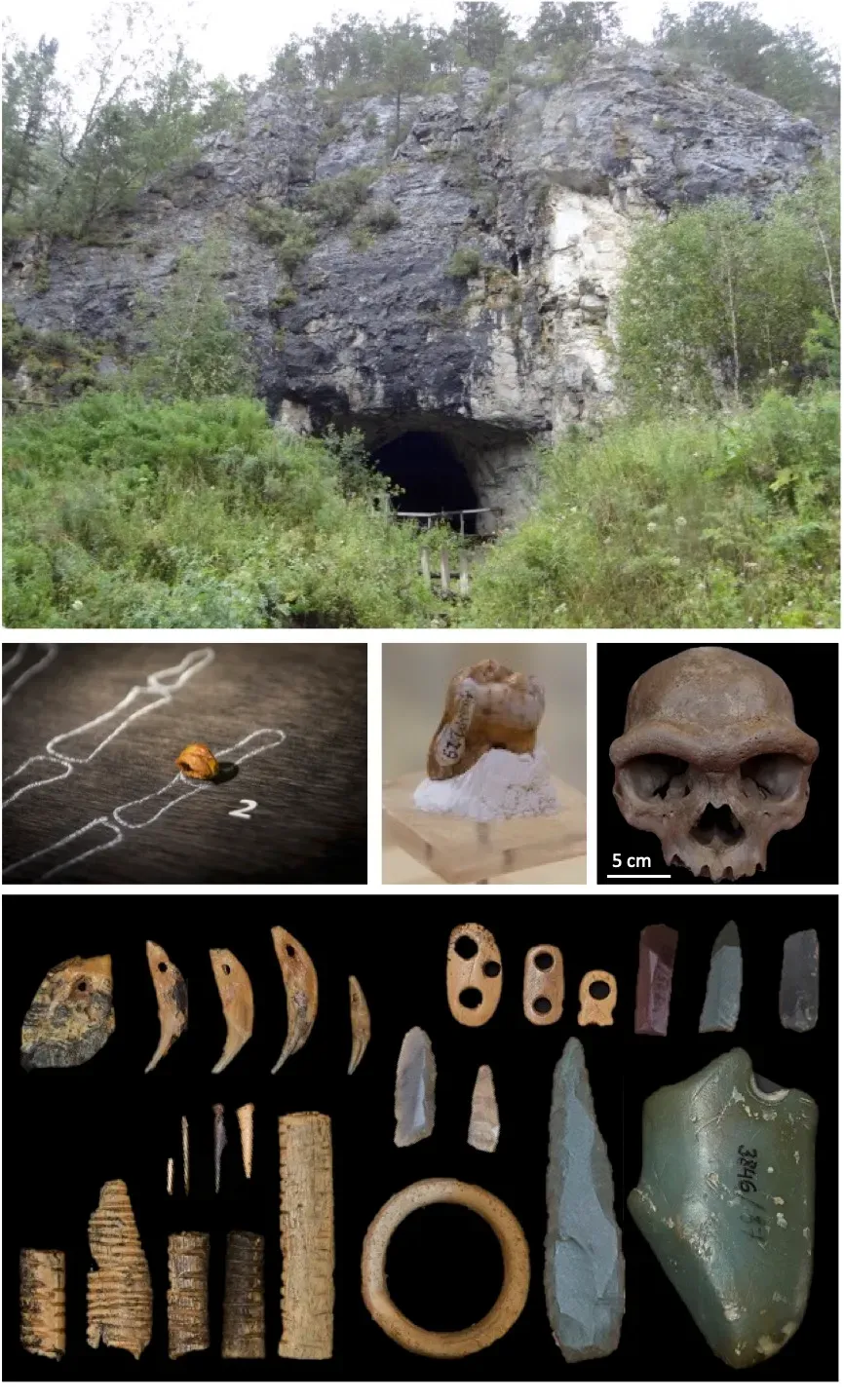
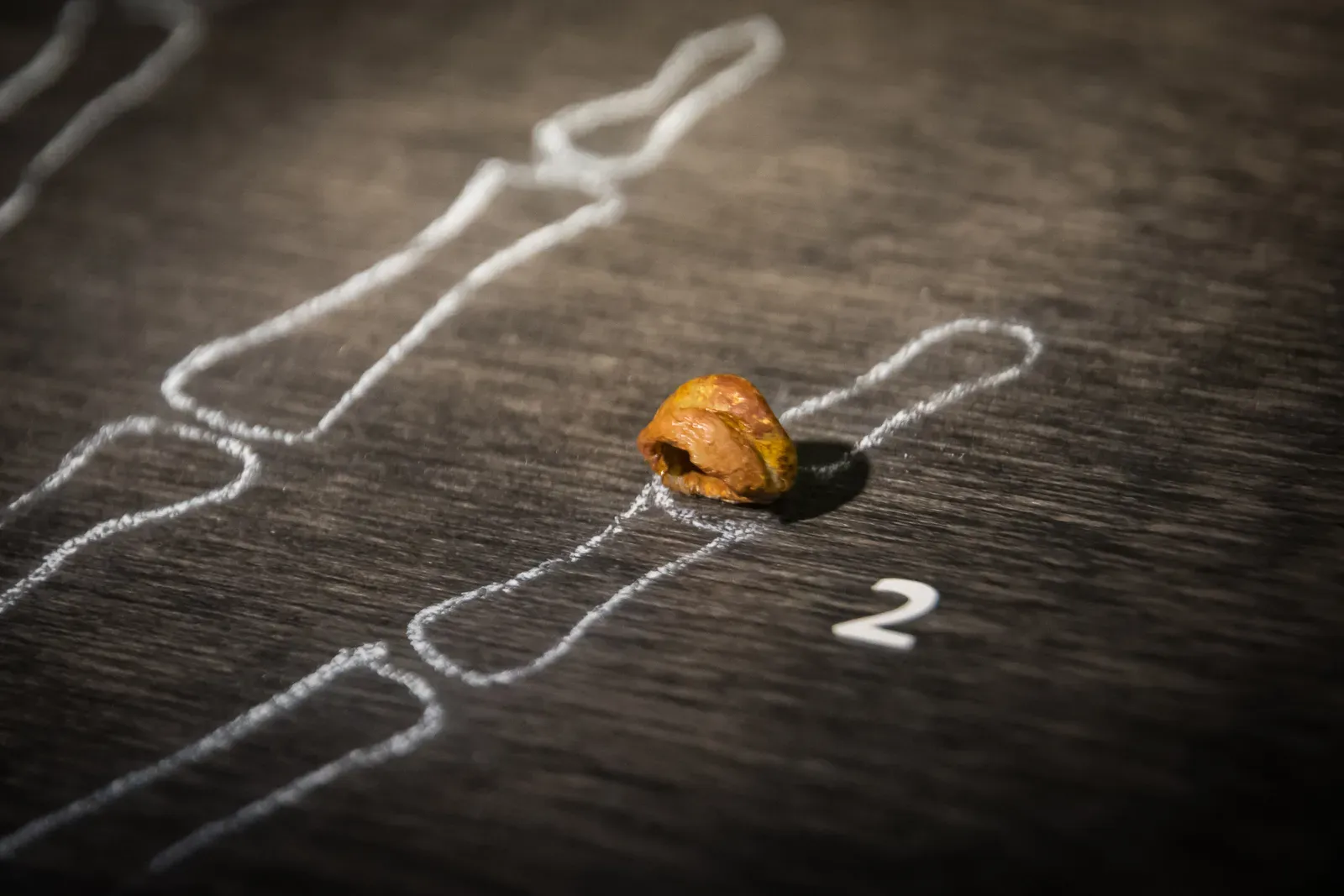
The story begins in Denisova Cave, tucked into the Altai Mountains of Siberia, a place where Neanderthals, early Homo sapiens, and other hominins once took shelter from the cold. Archaeologists had been excavating the site for years, pulling out stone tools, animal bones, and fragments of ancient humans that fit broadly into what they already knew. Then, in the early two thousands, they found a small bone from the little finger of a young girl, so ordinary-looking that it almost blended into the debris.
At first, no one suspected that this pinky bone was special; it was simply cataloged, stored, and later shipped off for genetic analysis. It was only when scientists sequenced its DNA that alarms started ringing. The genetic profile did not match Neanderthals or modern humans, even though both were known to have lived in the region. What looked like just another fossil suddenly turned into a messenger from a previously unknown branch of humanity, one that had left no obvious name, no known art, and no stories – until its genome spoke.
Meet the Denisovans: Our Ghost Relatives
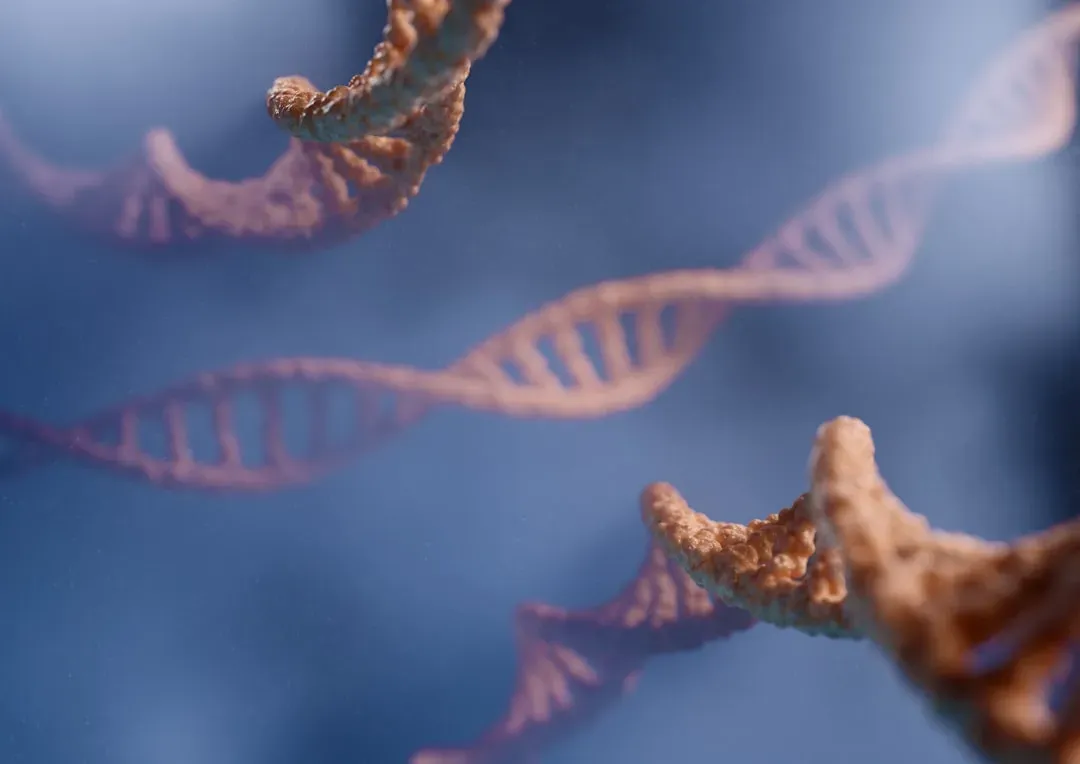
This mysterious group was named Denisovans after the cave where their remains were found, and they quickly earned a nickname in scientific circles as our “ghost relatives.” Unlike Neanderthals, who left behind relatively abundant skeletons and artifacts, Denisovans are mostly known through scattered fragments and their genetic echoes in living people. It is a strange feeling to talk about an entire human group that we can map in DNA but barely picture in the flesh.
The little we do know is intriguing. Denisovans seem to have been widespread across parts of Asia for many thousands of years, overlapping in time with both Neanderthals and Homo sapiens. They were not some dead-end side story but active players in the human drama, sharing genes, territories, and probably ideas with the other humans they met. In a way, they are like the enigmatic side character in a novel who, once revealed, makes you rethink the entire plot.
How DNA Turned a Fossil Chip into a Full Genome
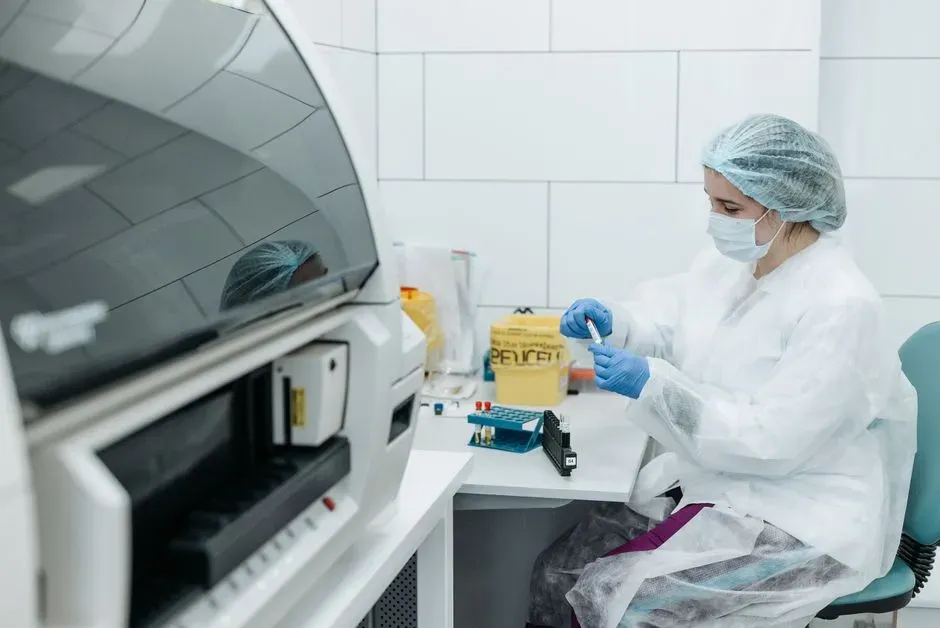
The real hero of the Denisovan story is not just the fossil, but the technology that read it. Ancient DNA work is painstaking and fragile: scientists grind tiny amounts of bone, extract whatever genetic material has survived the millennia, and then painstakingly sequence and piece it together like a shredded book. Contamination from modern human DNA is an ever-present threat, so labs use clean rooms, protective suits, and rigorous controls to make sure the signal is ancient and real.
From that one small finger bone, researchers managed to reconstruct an entire high-quality genome, something that would have sounded like science fiction a few decades ago. By comparing this genome with those of Neanderthals and living humans, they could calculate how closely related these groups were and when their lineages likely split. It turned out that Denisovans were a sister group to Neanderthals, branching off from a common ancestor hundreds of thousands of years ago, and later going on to have their own complex story of migrations and interbreeding.
Denisovan DNA Living On Inside Us
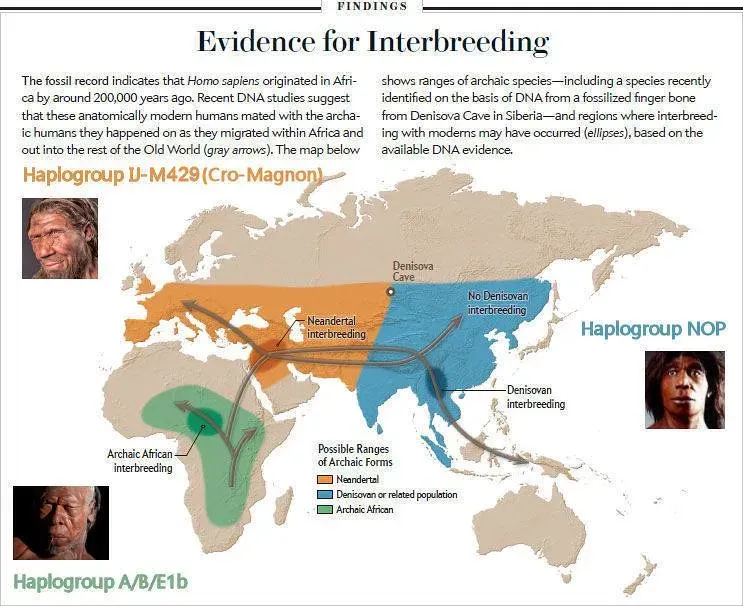
The twist that really grabbed public attention came when scientists checked modern human genomes against the Denisovan sequence. People from parts of Melanesia, Papua New Guinea, and some surrounding regions were found to carry a noticeable chunk of Denisovan ancestry, in some groups amounting to roughly about one twentieth of their DNA. Smaller traces also appeared in some East Asian and South Asian populations, hinting at multiple ancient encounters between our ancestors and these ghost relatives.
This means that Denisovans are not completely gone; they live on as genetic threads woven into millions of people today. Even more intriguingly, some of these inherited genes are not just neutral souvenirs but seem to have helped humans adapt to local conditions. One example involves a gene variant linked to high-altitude adaptation in Tibetan populations, which appears to have a Denisovan origin. In other words, when modern humans met Denisovans, they did not just share space – they traded survival tools.
What We Still Don’t Know About How They Lived
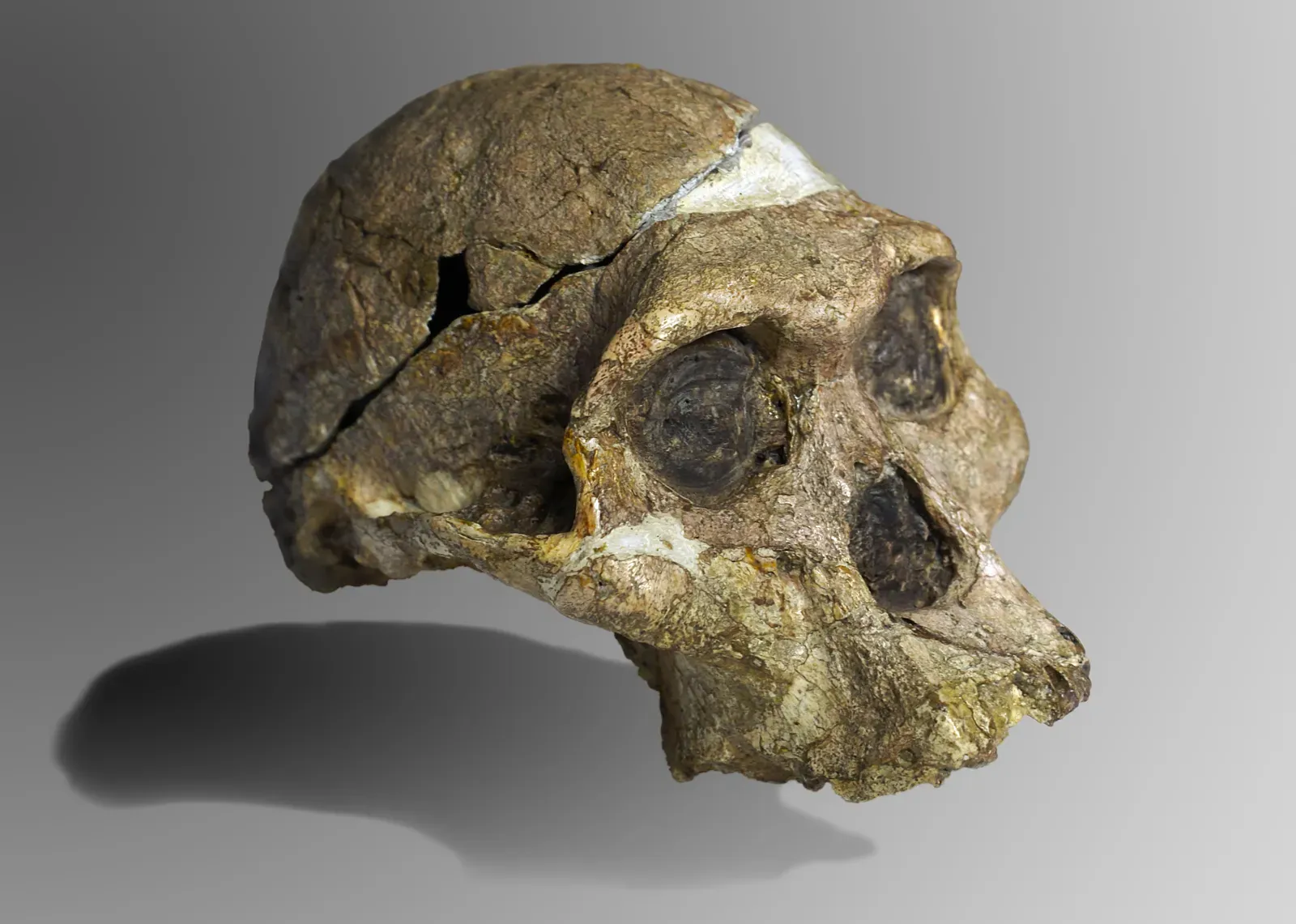
For all the excitement around Denisovan DNA, the frustrating truth is that we still know embarrassingly little about what these people actually looked like or how they lived day to day. Most of what we have are a handful of bones and teeth, plus some genetic hints that can be turned into cautious reconstructions of things like face shape, body size, or vocal abilities. There is no cave painting we can confidently label as Denisovan, no village ruins, no carved sculptures that clearly bear their stamp.
That gap leaves a lot of room for imagination but not much room for certainty. It is very likely that Denisovans had their own cultures, languages, myths, and ways of making sense of the world, just as Neanderthals and Homo sapiens did. They may have crafted tools, controlled fire, and taught their children how to navigate dangerous landscapes. But until more direct evidence emerges, we have to sit with the uncomfortable fact that an entire human world rose and fell, and we can see only faint outlines of it in the fossil record.
A Tangled Human Family Tree – And What It Says About Us
Discovering the Denisovans from a single finger bone forced scientists to admit that our human family tree is less a neat diagram and more a wild, interwoven thicket. Instead of a simple ladder from “primitive” to “advanced,” we see multiple human groups existing at the same time, meeting, mixing, and influencing one another over tens of thousands of years. In that sense, the notion of a single “first” or “real” human starts to fall apart; we are the product of many lineages colliding.
To me, that makes our story far more interesting and a little humbling. We like to imagine ourselves as the inevitable end point of evolution, but discoveries like the Denisovans suggest we are just the surviving branch of a much richer experiment. Our uniqueness is real, but it is also borrowed – built in part from genes and ideas shared with other kinds of humans who are no longer here to speak for themselves. When you think about it that way, the line between “them” and “us” starts to blur in a very human way.
Why a Single Finger Bone Should Change How We See Ourselves
In my view, the Denisovan story is a quiet but powerful reminder that the past is not as tidy or as complete as we like to think. If an entire human group can hide inside one bone fragment in a Siberian cave, what else have we missed? I suspect that future digs and better DNA methods will uncover even more ghost relatives, and each new discovery will chip away at the comforting myth that we fully understand where we came from. That uncertainty might feel unsettling, but it is also what makes this field so thrilling.
Most of all, this single finger bone pushes us to rethink what it means to be human. Rather than a lone victorious species marching toward progress, we look more like the last chorus member still on stage after a long, complex performance with many voices. Some of those voices, like the Denisovans, now survive only as faint echoes in our genomes and in a handful of fossils. The real question is not whether more surprises are coming, but how ready we are to let them reshape our sense of identity. When you look down at your own hands, does it feel a little different knowing that part of your story may have started in a cave with a fragment of someone else’s finger?