
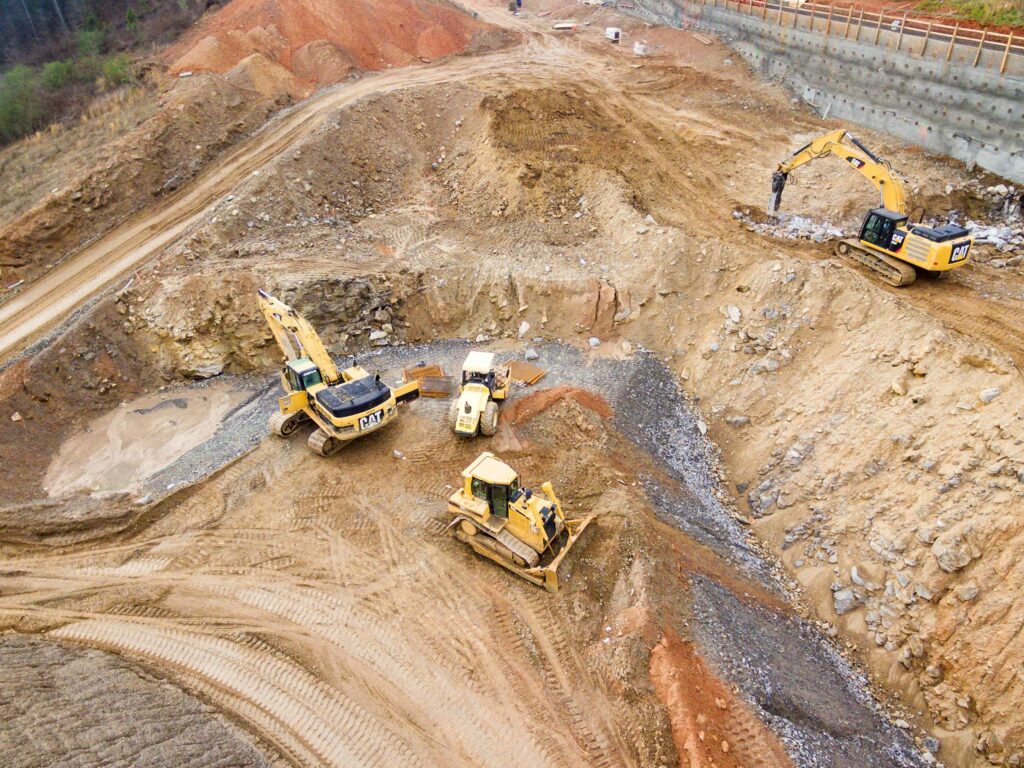
If you’ve ever driven past a construction site and thought it looked boring, you might want to rethink that. Again and again, workers digging for highways, parking garages, and housing developments have slammed their machines into something that quite literally rewrote prehistory. One backhoe slip, one odd-looking “rock,” and suddenly the jackhammers go quiet, the scientists rush in, and the whole project grinds to a halt. These discoveries are not just about cool fossils. In several cases, they forced archaeologists and paleontologists to admit that their tidy timelines were wrong, or at least incomplete. From Ice Age graveyards under suburbs to a mastodon that may push humans in the Americas back by more than one hundred thousand years, here are ten times modern construction accidentally cracked open the deep past.
1. Highway workers in San Diego and the mastodon that rocked human history
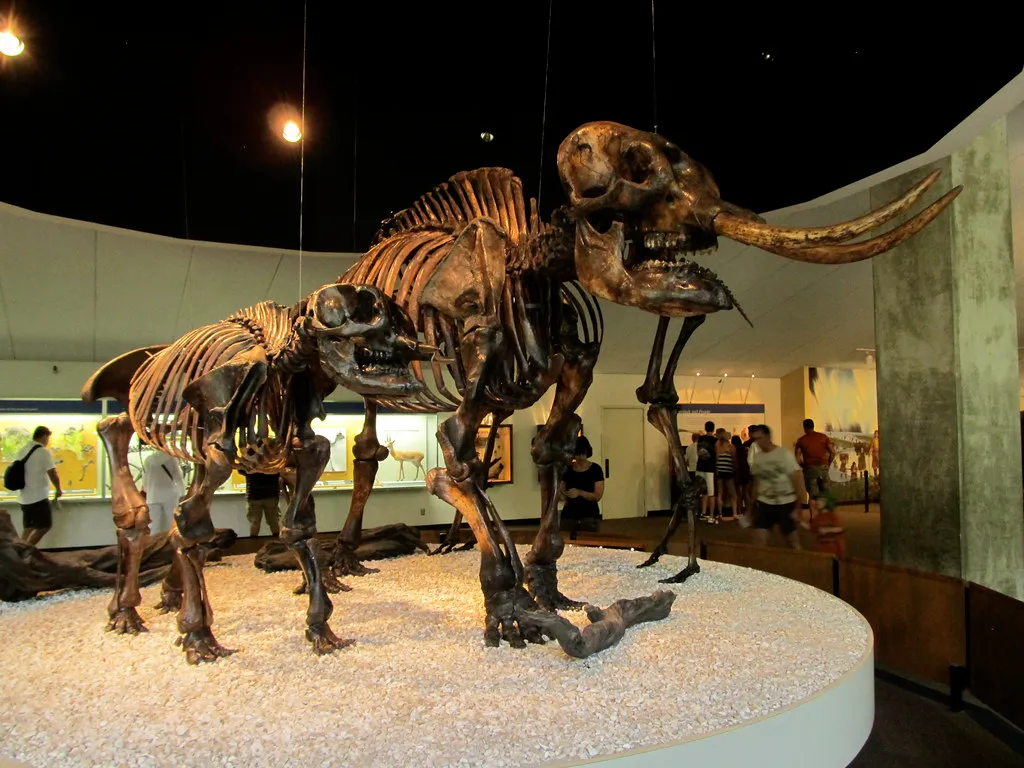
In the early 1990s, a construction crew widening State Route 54 near San Diego hit what they thought were just big, stubborn rocks. When paleontologists looked closer, they realized those “rocks” were mastodon bones and large cobbles sitting in strange, deliberate-looking patterns. Some limb bones had been broken while still fresh, with fracture surfaces and impact marks that looked eerily similar to bones smashed by humans at known archaeological sites. That alone would have made the discovery important, but radiometric dating of the site came back with a bombshell age: roughly about one hundred and thirty thousand years.
At the time, the textbook story said humans arrived in the Americas maybe fifteen thousand to twenty thousand years ago, give or take. If the bones really were broken by people, that would shove human presence back by well over one hundred thousand years and completely upend the migration narrative. The claim, published by a large research team, ignited one of the fiercest debates in recent North American archaeology. Critics argued that heavy construction equipment or natural processes could have produced the breakage; supporters countered that the pattern of damage and the placement of the stones fit human behavior better than bulldozers. Whether you side with the skeptics or the advocates, one thing is clear: a routine road project forced scientists to confront just how fragile their “settled” timelines really are.
2. A Florida housing development uncovers one of the best-preserved ancient cemeteries
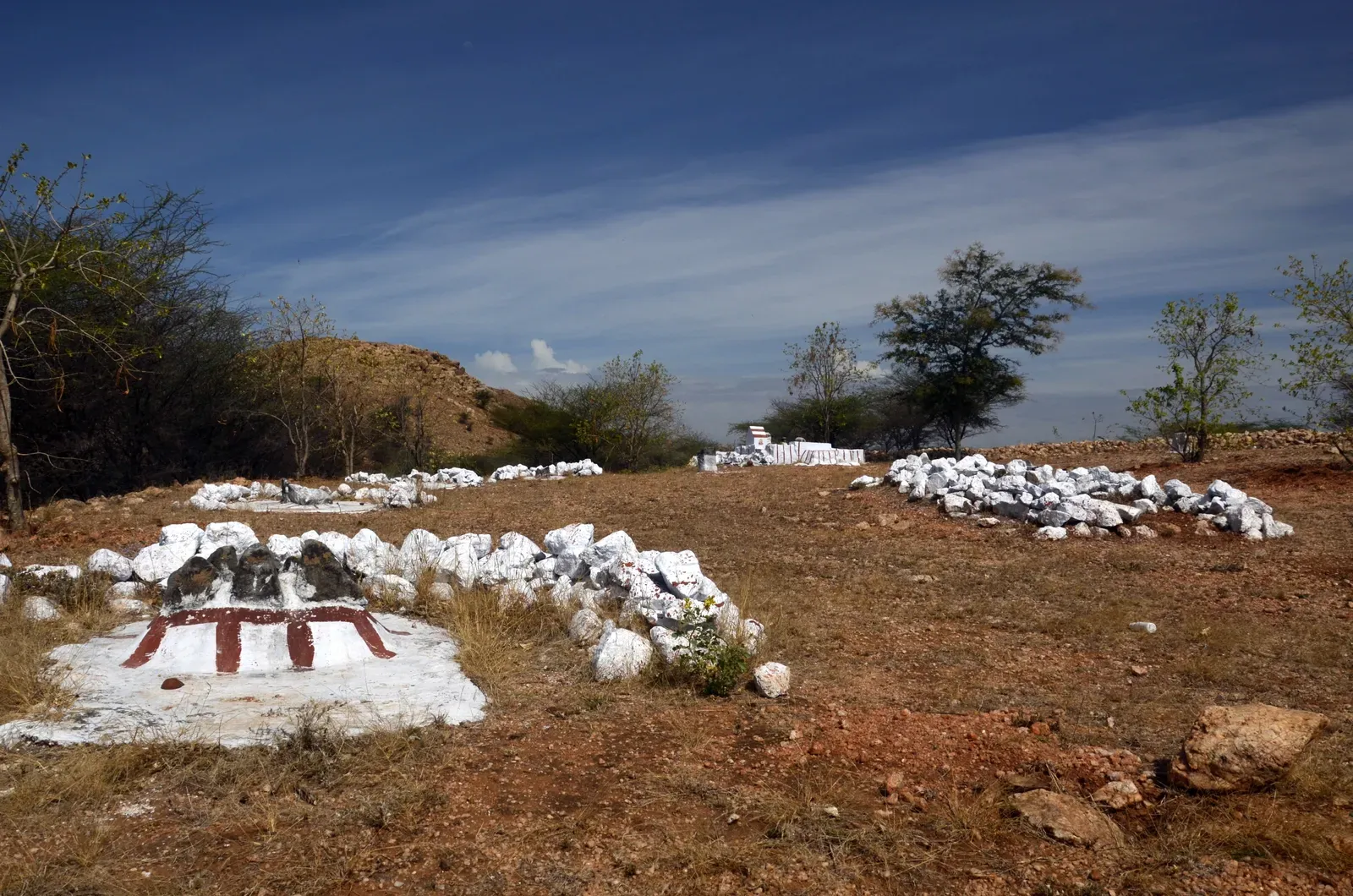
In 1982, developers in Titusville, Florida started putting in a road across what looked like an ordinary pond for a new subdivision called Windover Farms. As machinery churned up peat and mud, workers began finding human bones and eventually realized they were not dealing with a recent crime scene but something much older. Archaeologists were called in and quickly recognized that the pond was a prehistoric burial ground containing the remains of dozens of individuals, many still remarkably intact. The acidic, oxygen-poor water had preserved not just skeletons but soft tissues, brain matter, and fragile artifacts made of wood and fabric.
Radiocarbon dating showed that people were being buried in that pond around seven to eight thousand years ago, long before the pyramids in Egypt. Before Windover, many researchers assumed early hunter-gatherers in this part of North America left behind only sparse, scattered traces. Instead, the site revealed complex mortuary rituals, carefully placed grave goods, and even possible evidence of long-term care for disabled individuals. The developers halted construction out of both legal obligation and sheer awe, and the subdivision was redesigned around the protected site. What began as one more Florida housing project ended up proving that early Floridians were far more socially and medically sophisticated than anyone had given them credit for.
3. A Los Angeles parking garage and a hidden treasure chest of Ice Age fossils
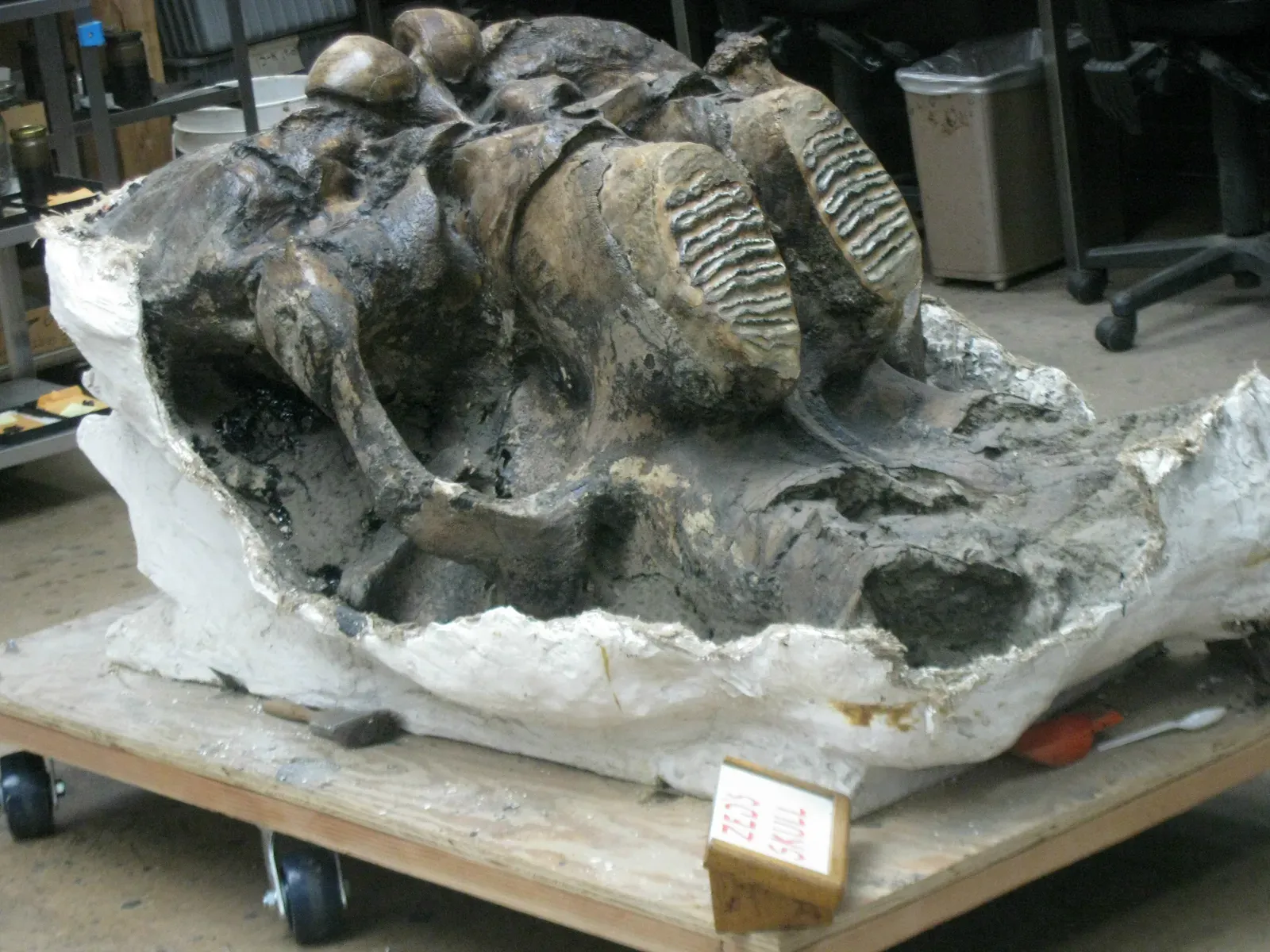
In the mid‑2000s, crews excavating for an underground parking garage next to the La Brea Tar Pits in Los Angeles expected to deal with sticky asphalt and maybe a few stray bones. Instead, they pulled up sixteen separate fossil deposits so rich that the entire project had to pause while paleontologists raced to rescue the finds. Among the most spectacular was an almost complete Columbian mammoth nicknamed “Zed,” whose skull, tusks, and many bones were discovered in life-like association rather than mixed into the chaotic tangle typical of the tar pits. The construction team and scientists worked side by side, lifting huge intact blocks of fossil-bearing sediment out of the pit for careful lab excavation.
La Brea was already famous as the richest Ice Age fossil site in the world, but these new caches changed how researchers saw the place. The parking-garage deposits held not just the usual saber-toothed cats and dire wolves, but more plant remains, small animals, and spatial relationships that helped reconstruct how animals actually died and accumulated there over thousands of years. It turned out that even in one of the best-studied fossil locations on Earth, major surprises were still literally under the neighbors’ parking lot. The discovery pushed paleontologists to rethink how many more concentrated fossil pockets might be hiding beneath the modern cityscape, waiting for the next construction crew to hit them.
4. The “Wind Cave” moment: when mine and quarry work rewrote Ice Age ecosystems
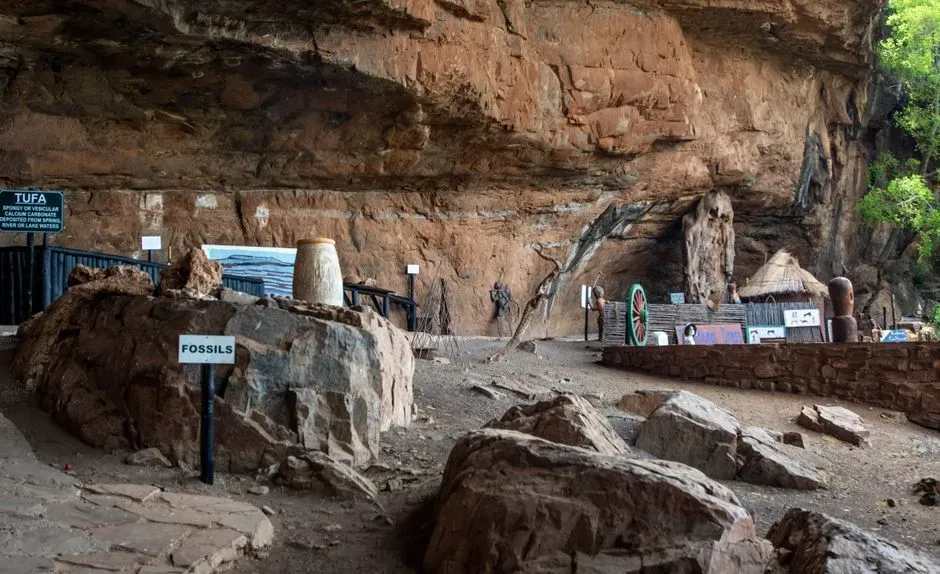
While not every case involves a shiny new mall or freeway, industrial digging has repeatedly blindsided scientists with vast fossil troves, and several of those finds started when workers were just trying to move rock, not make history. One famous pattern is the discovery of sinkhole and cave deposits during limestone quarrying or tunneling – places where animals fell in or were washed in over tens of thousands of years. In more than one instance, crews blasting for rock suddenly exposed chambers crammed with bones from extinct mammals, forcing companies to halt or reroute operations while scientists documented the prehistoric time capsule they had just cracked open.
These deposits have done more than pad museum collections. Because they often preserve everything from tiny rodents to large predators and plant remains, they provide an unusually complete snapshot of entire ecosystems. When researchers compare layers within a single cave or sinkhole, they can track how climates and communities changed across glacial and interglacial cycles. That evidence has sometimes clashed with older, more simplistic ideas about slow, smooth environmental shifts, instead revealing pulses of rapid change and surprising resilience. In other words, quarry blasts and construction shafts have repeatedly forced paleontologists to abandon the neat, gradual stories they used to tell about the Ice Age and replace them with messier, more dynamic ones.
5. Suburban sprawl over mammoths: housing projects that exposed lost megafauna
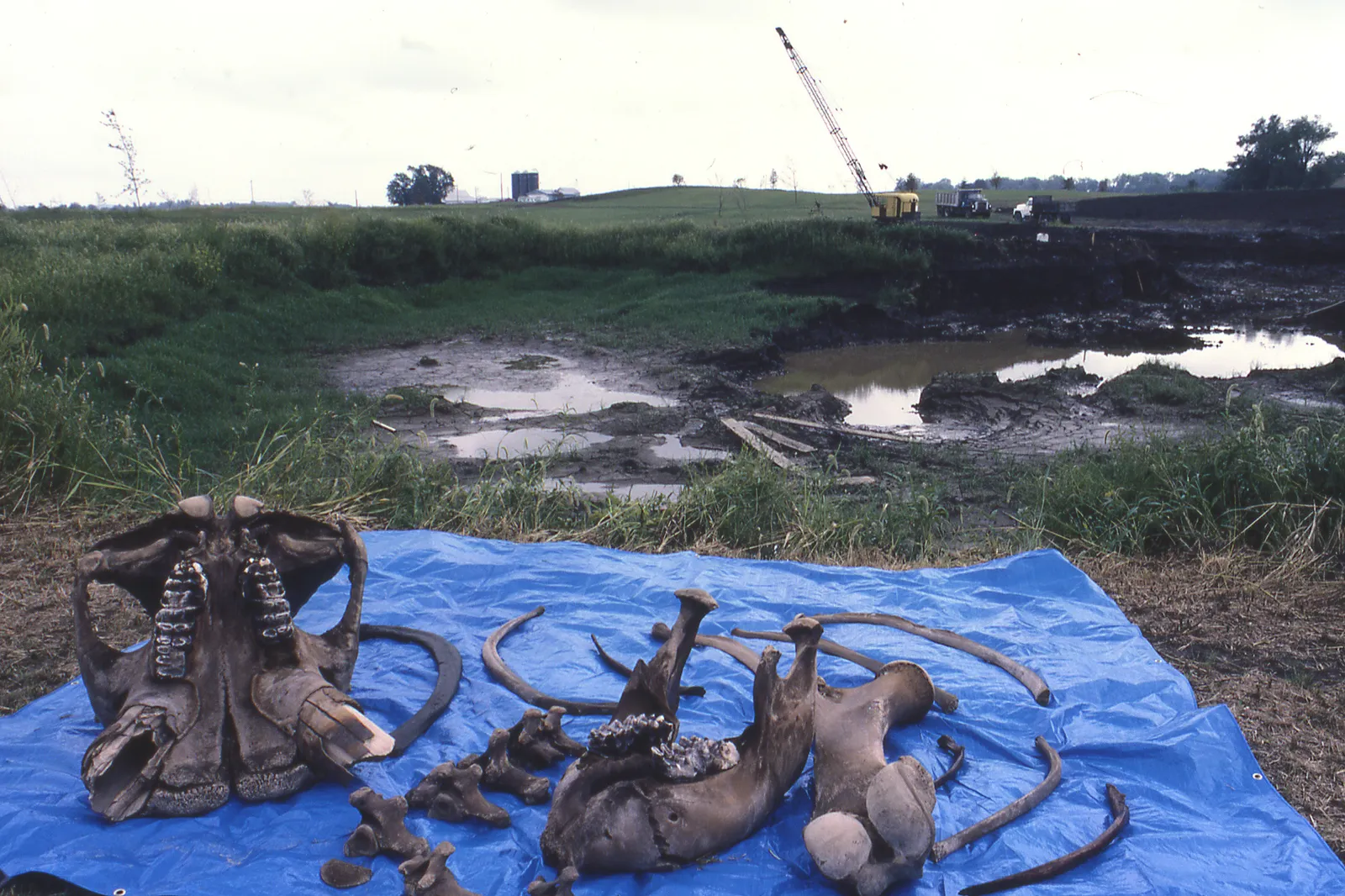
Across North America and Europe, one of the quiet truths of modern life is that many subdivisions sit right on top of Ice Age killing grounds and watering holes. Time after time, backhoes scraping foundations or grading roads have turned up mammoth tusks, mastodon teeth, or entire skeletons lying just below the future cul‑de‑sac. In some cases, the density of fossils has been so high that developers temporarily stopped building, negotiated with local authorities, and allowed full-scale excavations before resuming work. To neighbors, it can feel surreal: children riding past piles of rebar and concrete barriers while scientists gently brush mud from a tusk that has not seen the light in tens of thousands of years.
These suburban fossil sites have forced researchers to adjust their mental maps of where large Ice Age mammals actually lived and died. Earlier sampling was biased toward dramatic locations like rivers or famous fossil quarries, which made it easy to overlook quieter lowlands and marshes. Discoveries under future driveways suddenly revealed that mammoths and other giants had roamed – and occasionally died – in what are now seemingly unremarkable residential zones. Personally, I find this both unsettling and oddly comforting: every time I walk through a new development carved out of an open field, I wonder what stories the bulldozers might have erased or exposed without anyone realizing it.
6. When a simple foundation trench exposes unexpected human prehistory
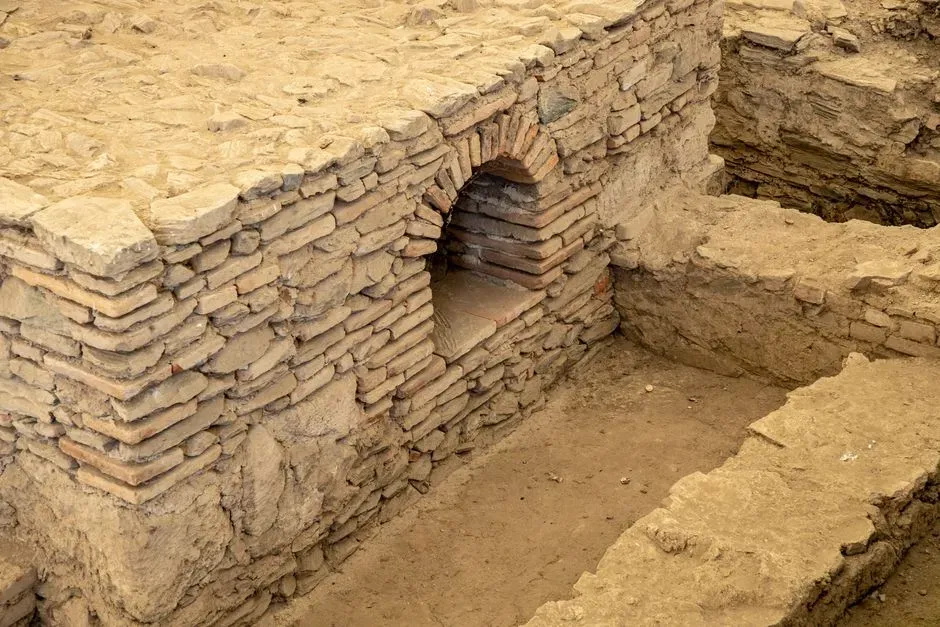
Not every game-changing discovery is a spectacular graveyard. Sometimes it is one human skeleton, or a few scattered tools, found in exactly the wrong place from a scientist’s point of view. Construction trenches for utilities, parking lots, or building foundations have occasionally cut through sediments that no one thought had archaeological potential at all. When workers notice a skull, a worked stone, or a suspiciously regular pattern of postholes, projects can freeze instantly while investigators figure out what they are dealing with. In several such cases, the remains turned out to be far older or culturally different than anyone predicted for that region.
Finds like these have repeatedly broken the old habit of mapping ancient people only where we already knew to look. Instead of confirming neat spreads of cultures on a textbook map, they show a patchier, more exploratory human past, with groups pushing into marginal or unexpected environments. This is where construction accidents quietly become scientific revolutions: a single skeleton in the “wrong” soil can challenge long-held ideas about migration routes, diets, or burial practices. It is a humbling reminder that our mental reconstructions of prehistory are only as good as the places we have actually bothered – or happened – to dig.
7. Urban infrastructure versus buried rivers and forgotten shorelines
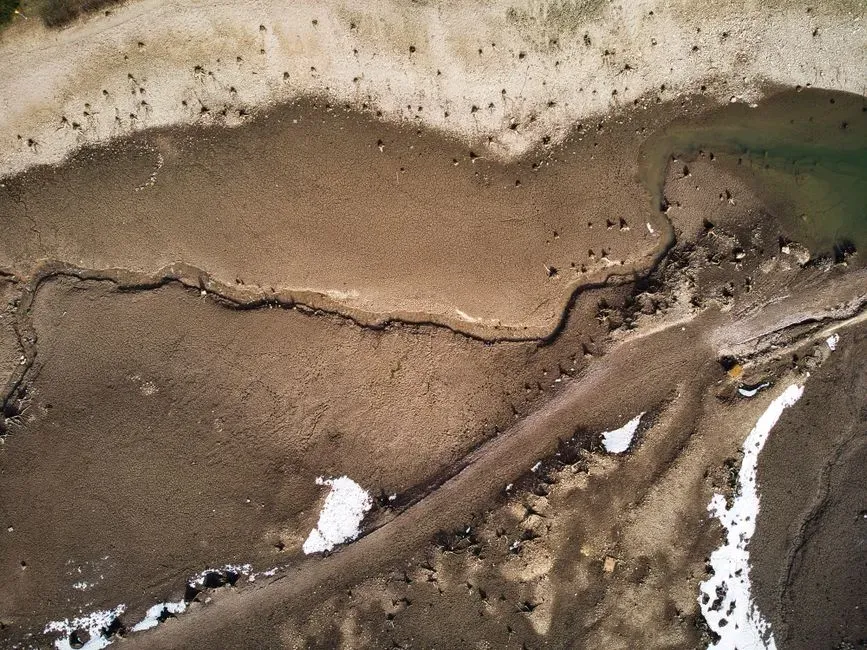
Big-city infrastructure projects, from subway lines to storm drains, are often forced to tunnel through old riverbeds and ancient shorelines that lie buried under asphalt and skyscrapers. Those ancient landscapes can be loaded with archaeological and paleontological material, because people and animals have always clustered around water. As engineers slice through these hidden channels, they sometimes expose layers packed with shells, fish bones, tools, and human remains that belong to entirely different coastlines and climates. Construction pauses while specialists document the layers before concrete and steel entomb them again.
These buried river and shoreline finds have occasionally changed how scientists think about sea-level rise and human adaptation. Instead of imagining a slow, gentle drowning of coastal communities, the stratigraphy sometimes reveals abrupt shifts, storm deposits, or evidence of people quickly adjusting their settlements to new water lines. Modern cities may feel permanent, but the ground beneath them tells a story of coastlines marching back and forth over millennia. The irony is hard to miss: as we lay down new pipes and transit lines, we are cutting across the ghosts of older waterfronts that once supported entirely different populations.
8. Pipelines, power lines, and the surprise of deep-time footprints
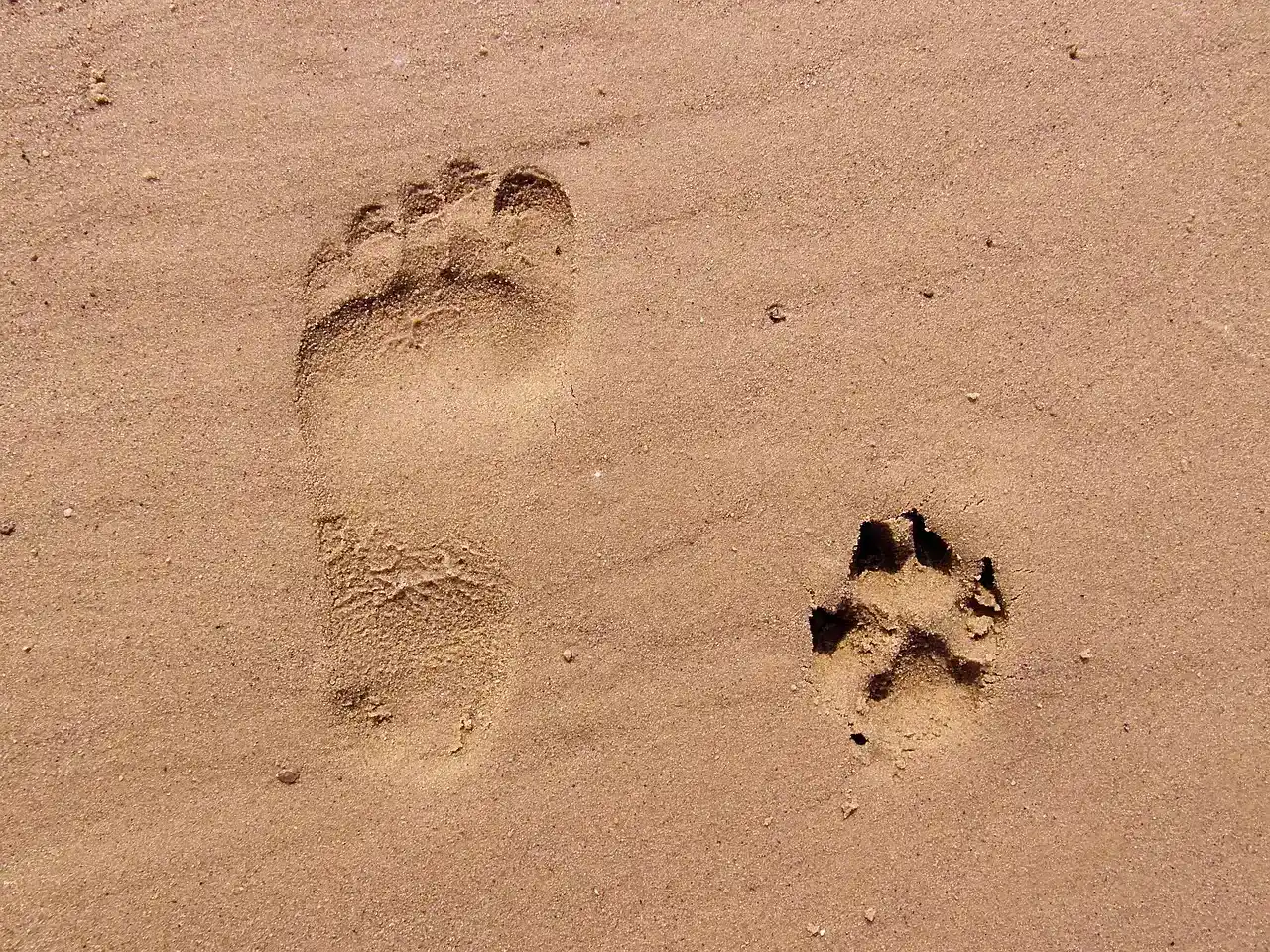
Linear projects like pipelines and utility corridors cut long, narrow scars across the landscape, slicing through places archaeologists might never survey otherwise. In a few cases, trenching for energy or communication lines has revealed something extraordinarily intimate: preserved footprints or trackways left by humans and animals in prehistoric mud. When construction exposes those delicate impressions, work often halts while teams rush to record every detail before weather or machinery can destroy them. Unlike bones, tracks capture a single moment – a walk to water, a group fleeing, a child skipping beside an adult.
These accidental footprint discoveries have chipped away at the idea that ancient lives can be reconstructed only from tools and skeletons. Trackways can show speed, group size, even behavior, sometimes contradicting assumptions about how people or animals moved through a landscape. For instance, evidence that humans and large predators overlapped closely in space and time can challenge older views of neat separation or avoidance. Personally, I think footprints uncovered under a modern pipeline right‑of‑way are one of the most haunting sights in science: you have the traces of living bodies from deep time, bisected by our latest attempt to move energy and information across the continent.
9. Dams and reservoirs that drowned valleys but uncovered ancient worlds
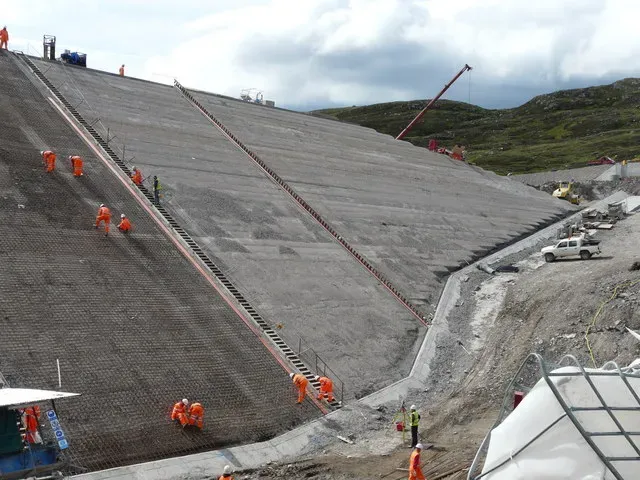
Large dam projects may be controversial for many reasons, but they have also been responsible for some of the most sweeping emergency excavations in archaeology and paleontology. Before a valley is flooded for a reservoir, construction roads, test pits, and diversion channels all churn up ground that has often been stable for thousands of years. Again and again, crews have reported stone tools, fossil bones, and entire settlement layers where planners had assumed they would find only soil and bedrock. Work stops or slows, and huge salvage projects sprint to recover what they can before the water rises.
These rescue digs have forced scientists to rethink where and how densely people lived in seemingly marginal landscapes: high valleys, steep canyons, or wide floodplains that are now underwater. Instead of sparse, isolated camps, many basins turned out to host networks of sites, some with long occupation histories and complex seasonal patterns. At the same time, dam-related discoveries of fossil assemblages have changed views on how rivers shaped animal migrations and extinctions. There is a bitter edge to these stories, because much of the record that was briefly exposed is now permanently submerged. Still, without the heavy machinery and brutal reshaping of terrain, we might never have known those worlds existed at all.
10. When construction reminds us science is always provisional
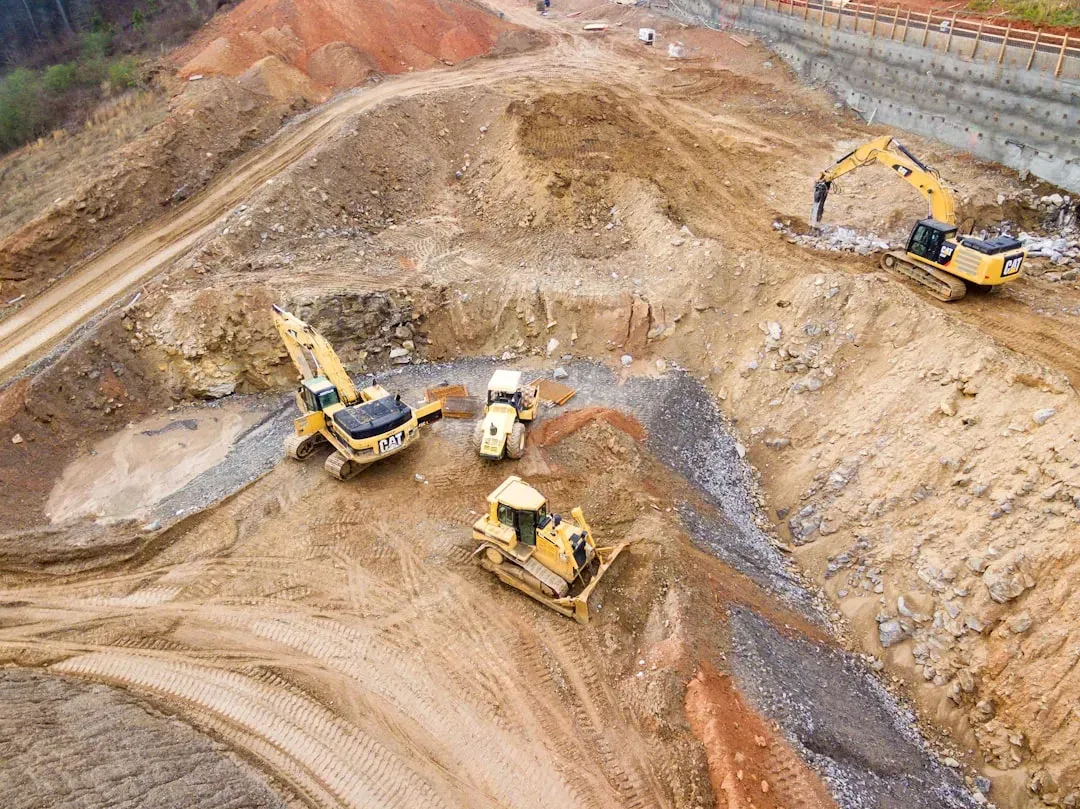
If there is a single thread running through all these stories – from the contested mastodon bones in San Diego to the ancient cemetery under a Florida subdivision – it is that science rarely changes on a quiet afternoon in a lab. It changes when reality rudely interrupts our expectations. Construction crews, more than almost any other group, are out there testing those expectations every day, carving through layers no one bothered to sample, in places academics once dismissed as unimportant. Sometimes they find nothing but clay and boulders. Sometimes they find an entire narrative we did not even know we were missing.
My own opinion is that these accidental discoveries are a healthy shock to the system. They remind us that our cherished timelines for human arrival, extinction events, or climate shifts are built on incomplete sampling and educated guesses, not divine truth. When a backhoe reveals evidence that does not fit the model, we should not be defensive; we should be grateful. It means the world is still capable of surprising us, that we have not already squeezed out every drop of mystery from the past. The next time you pass a construction site, you might ask yourself: beneath that temporary chaos, what unexpected story of deep time might be waiting for a blade of steel to set it free?