
On most family beach walks, the biggest drama is usually about who forgot the sunscreen or whose snack got stolen by a seagull. But every now and then, something wildly different happens: a kid stoops to pick up a “weird rock,” and it turns out to be a window into a world that vanished hundreds of millions of years ago. That single, ordinary moment can suddenly collide with deep time, scientific history, and global headlines. This article digs into how those accidental discoveries happen, why children keep turning up world‑class fossils, and what it really means when experts say a specimen is “one of the most complete ever found.” We’ll stay grounded in real science, zoom out from famous cases to the bigger picture, and still keep it human, messy, and a little bit magical – because there’s something quietly electrifying about the idea that your next family walk could rewrite a chapter of Earth’s story.
When a “weird rock” changes scientific history
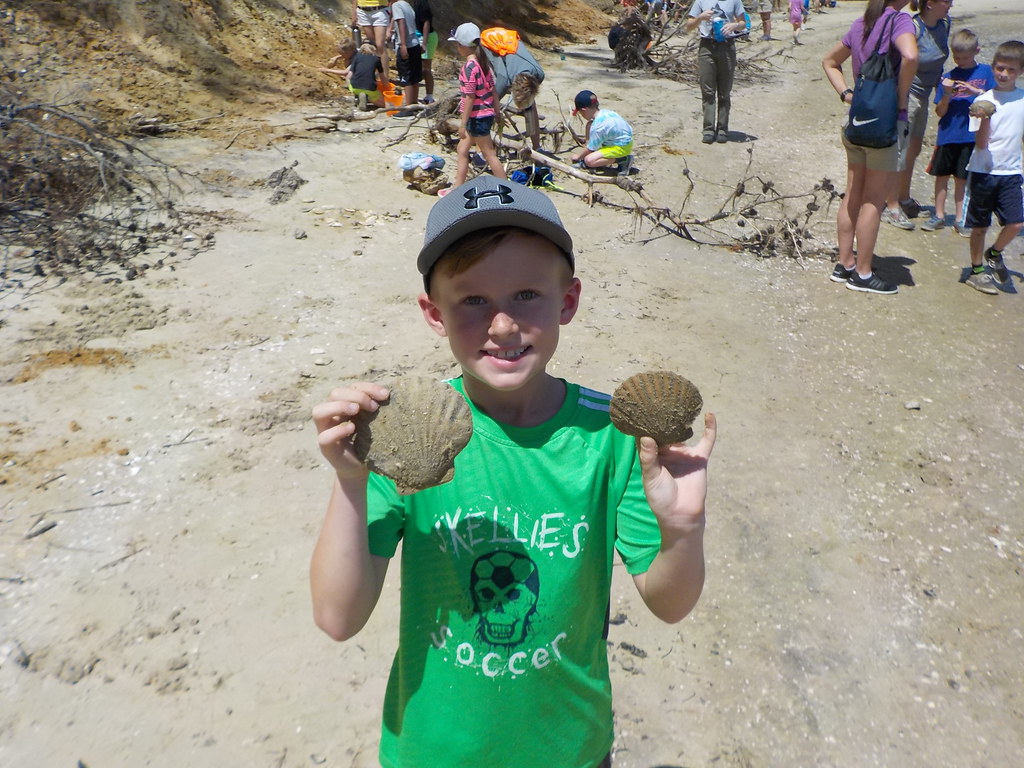
Imagine a kid wandering ahead of their parents along a pebbly stretch of coast, poking at stones the way kids always do, when something catches their eye: a shape a bit too regular, a color a bit too strange, a texture that just looks… different. Maybe it has a curve like a bone, or a pattern of ridges, or even the ghostly outline of a skull. To everyone else it’s just another lump in the sand, but to that one curious child, it’s worth picking up instead of stepping over.
What happens next is usually amazingly ordinary: someone snaps a photo, posts it online, or takes the object to a local museum or visitor center. Only then do the quiet fireworks begin. A paleontologist recognizes details no one in the family could have spotted: the way a jawbone fits together, the symmetry of a shell, the way vertebrae lock in sequence. In some real‑world cases, those “family walk” finds have turned out to be among the best preserved examples of their type, giving scientists a much clearer look at species they previously knew only from fragments and guesswork.
How can a beach even hold such an incredibly complete fossil?
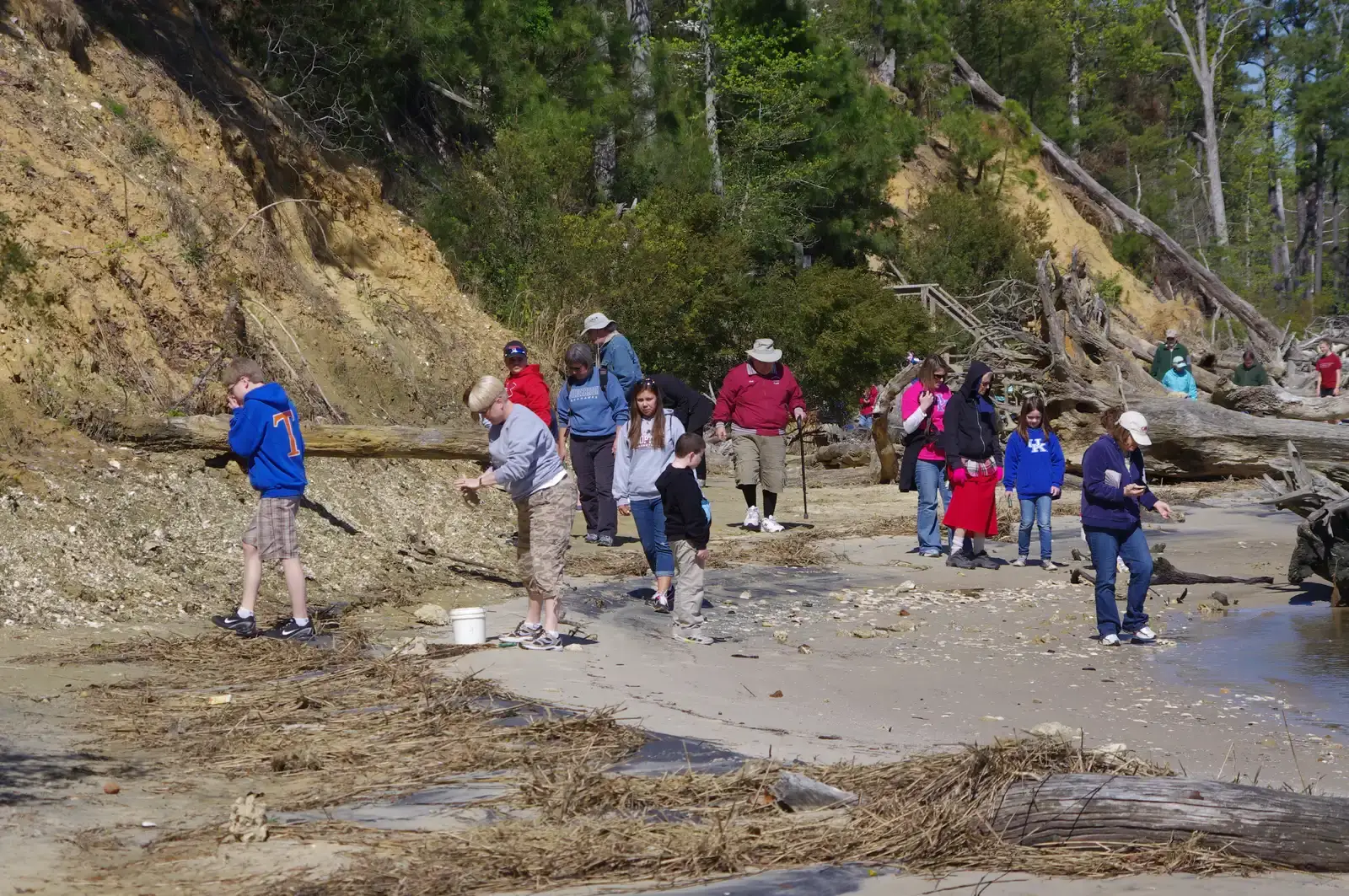
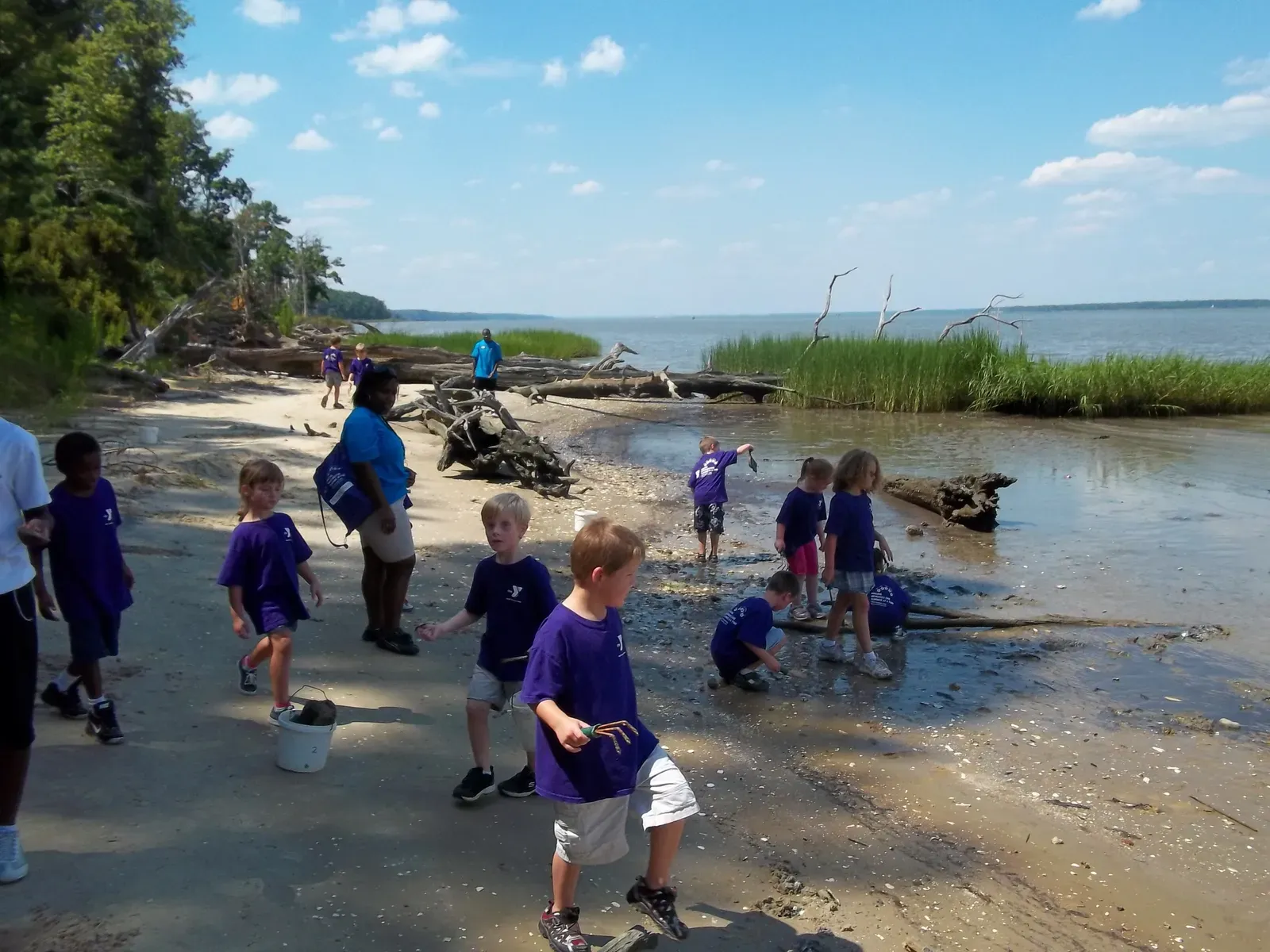
At first glance, a busy public beach seems like the last place you’d expect to find a beautifully preserved ancient skeleton. Waves pound the shore, storms rip away cliffs, kids dig holes and build sandcastles, and dogs charge through the surf. How does something delicate survive all that chaos for millions of years and still end up almost intact? The answer lies in what happened long before the first human foot ever touched that sand.
For a fossil to be exceptionally complete, the animal usually had to be buried quickly after it died – often by a sudden influx of mud, sand, or fine sediment at the bottom of a sea or lake. That rapid burial shields the bones from scavengers and slows decay. Over millions of years, those layers harden into rock, locking the skeleton in place like a pressed flower in stone. Modern coastal erosion then becomes a strange ally: as cliffs crumble and rock layers are eaten away by waves, the fossil that has been hidden for ages is finally exposed. To us it looks like dumb luck, but it’s really the last domino falling in a chain of events that started before mammals even existed.
Why children keep stumbling onto world‑class fossils

There’s a quietly controversial opinion in the fossil world that I think is absolutely true: children might be some of the best raw fossil hunters on the planet. They walk slowly, look down instead of at their phones, and are still in that phase of life where picking up every interesting pebble feels more important than sticking to the trail. Parents often trail behind, eyes on the horizon, while the person most likely to change science is kneeling at the water’s edge, hunting for pretty patterns.
History backs this up again and again. Many famous fossil discoveries, from early marine reptiles to giant ancient reptiles identified in recent years, were first spotted by very young enthusiasts on beaches while walking with family. Kids notice small differences adults dismiss, and crucially, they’re still willing to be surprised. As someone who’s walked cluelessly past fossil‑rich cliffs only to see a nearby child proudly holding a perfectly shaped bone, I’m convinced our grown‑up brains filter out exactly the weird details that matter most.
What “one of the most complete ever found” really means
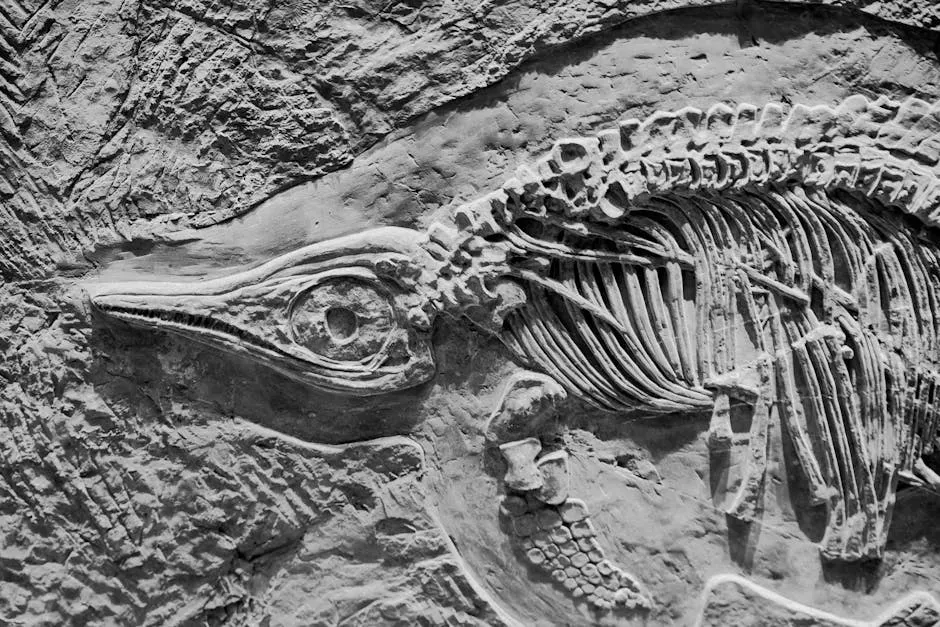
When experts say a fossil is “one of the most complete specimens of its kind ever found,” it’s not just fancy press‑release language. In paleontology, completeness is currency. Most species are known from scattered pieces: part of a jaw here, a lone vertebra there, maybe a fragment of a limb. With only a handful of bones, scientists can estimate size and broad relationships, but a lot of details – how the animal swam, hunted, or moved – remain educated speculation.
A highly complete specimen, especially one unexpectedly discovered during a casual family outing, changes the game. If the skull is intact, you can study teeth, sensory structures, and braincase shape. If the spine and limbs are in place, you can reconstruct posture and motion. Sometimes even soft tissue impressions or stomach contents are preserved, which is like switching from a blurry sketch to a crisp photograph of an animal that vanished hundreds of millions of years ago. That is why a single, well‑preserved fossil can be more scientifically valuable than a room full of isolated bones.
From beach find to lab treasure: what happens after the discovery
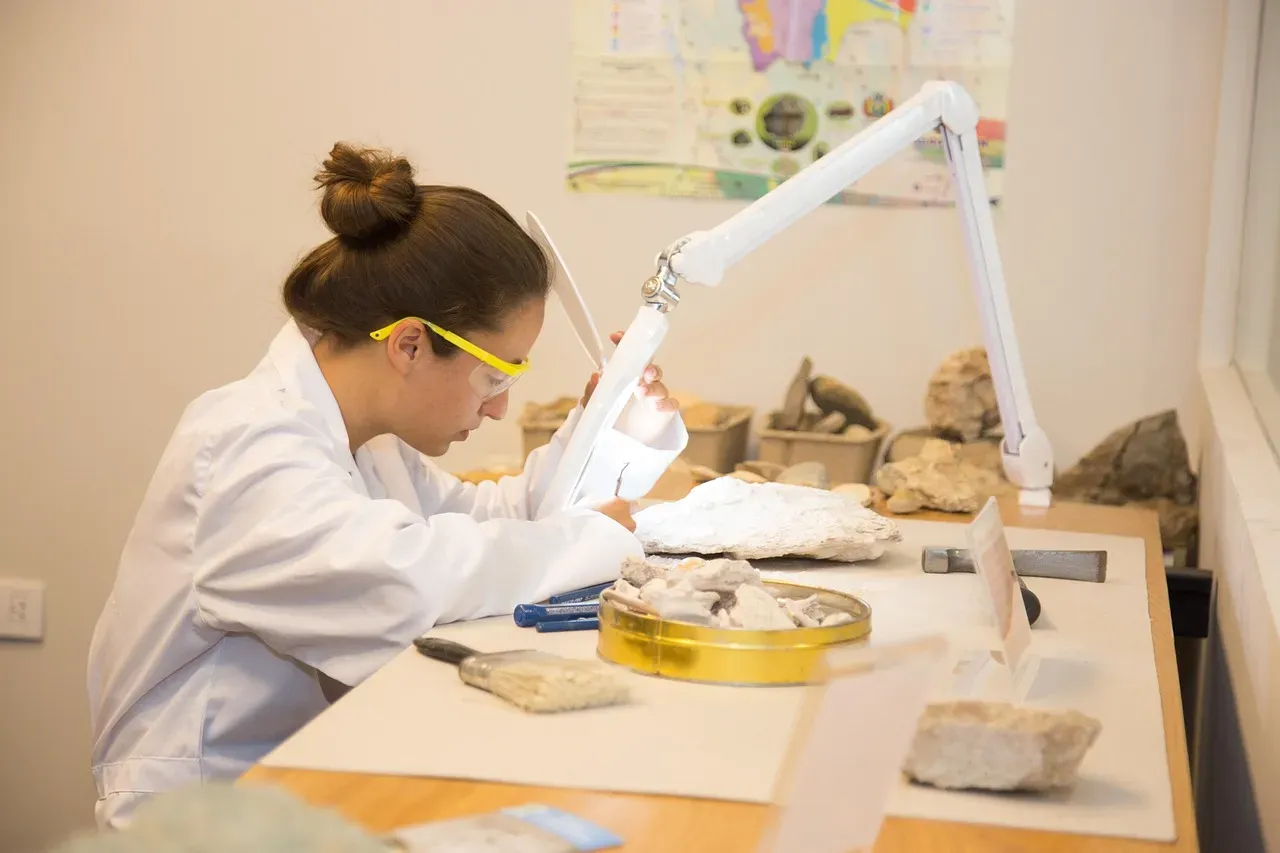
Once a family realizes their beach treasure might be more than just a souvenir, the story moves from sandcastles to science labs. Typically, local authorities or museum staff will visit the site, document the surrounding rock layers, and carefully map the position of any remaining bones. What you see sticking out of a cliff or lying on the shore is often just the tip of the fossil iceberg; the rest may still be locked in rock, waiting to be removed in heavy, plaster‑jacketed blocks.
Back in the lab, technicians embark on the slowest, most patient art project you can imagine. Using tiny tools and even microscopes, they chip away the surrounding stone grain by grain, revealing bones that haven’t seen daylight since long before humans existed. Then come scans, measurements, and digital reconstructions – modern 3D technology allows researchers to virtually reassemble crushed skulls or test how joints might have moved. That once‑muddy “rock” a child picked up on a weekend walk is now a high‑resolution data set that can be shared with scientists around the world and compared with fossils from other continents.
How one lucky family walk can reshape how we see the past
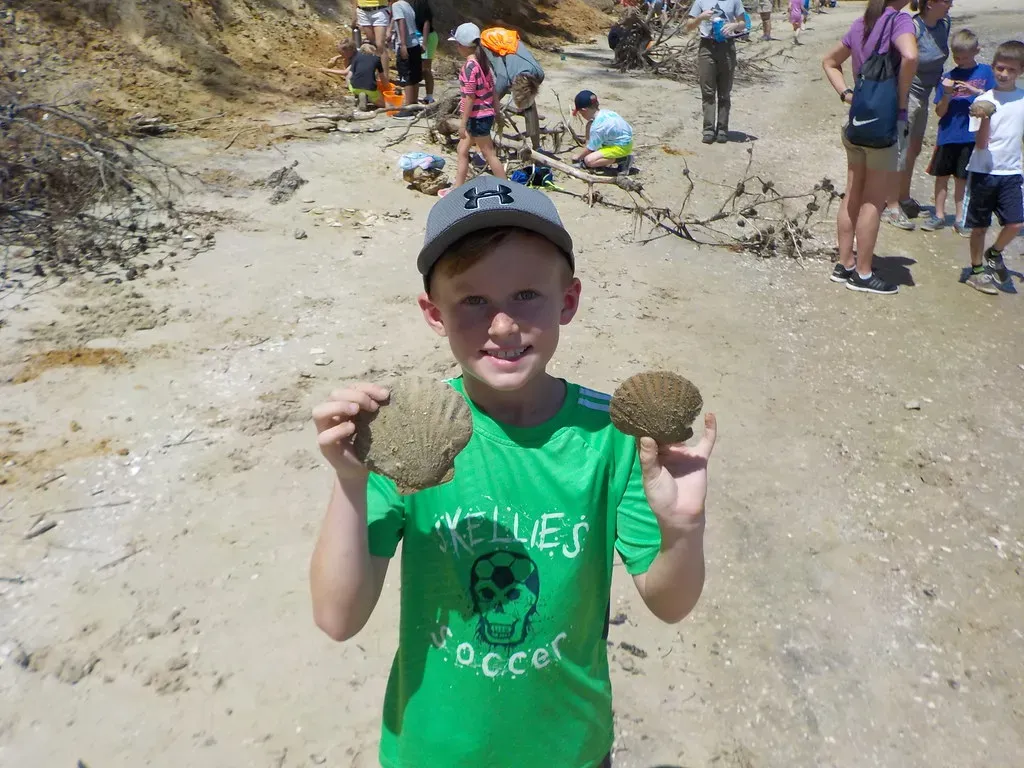
It’s tempting to treat these stories as adorable human‑interest pieces – child finds ancient creature, gets a certificate, maybe a news feature, everyone smiles and goes home. But I think that undersells what’s really happening. When an accidentally discovered, unusually complete fossil lands in the hands of scientists, it can force textbooks to be updated, long‑held assumptions to be checked, and entire family trees of extinct animals to be reorganized. A better skull might show that a supposed “sea monster” had a very different bite; a more intact body could reveal that a familiar species grew larger, faster, or stranger than anyone guessed.
More importantly, these discoveries send a quiet but radical message: cutting‑edge science is not only born in remote deserts or billion‑dollar labs. Sometimes it starts with a bored kid on a windy shore, poking at rocks while the adults are thinking about parking or dinner. In a world obsessed with polished experts and high‑tech gear, I’d argue that stories like this are a necessary reminder that curiosity, patience, and the willingness to ask “what if this is something?” are still some of the most powerful scientific tools we have. The real question is: next time you’re on a beach, will you walk past the strange little stone… or stop and look twice?