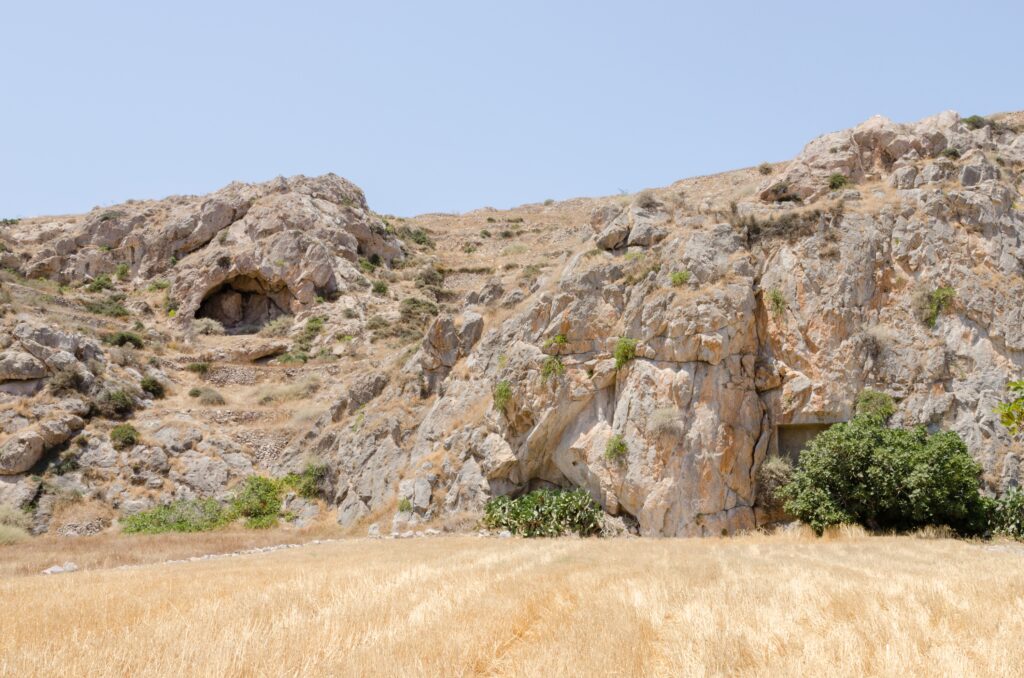
Imagine standing in the desert, sun on your face, dust on your shoes, and realizing that the solid ground under you is older than fish, older than reptiles, older than anything that ever had a spine. In parts of the American Southwest, that is not poetic exaggeration. It is literal, hard, crystalline fact: slabs of crust forged more than a billion years before the first vertebrate ever wriggled through ancient seas.
This is one of those geological truths that quietly blows up your sense of time. We talk about history in centuries, maybe a few thousand years if we are being ambitious. But some of these rocks were already old when the continents were shaped wildly differently, when the world’s air and oceans were nothing like what we know. Once you start to see the Southwest through that lens, the landscape stops being just scenic and turns into something close to time travel.
The shocking age of Southwest bedrock: older than vertebrates, by far
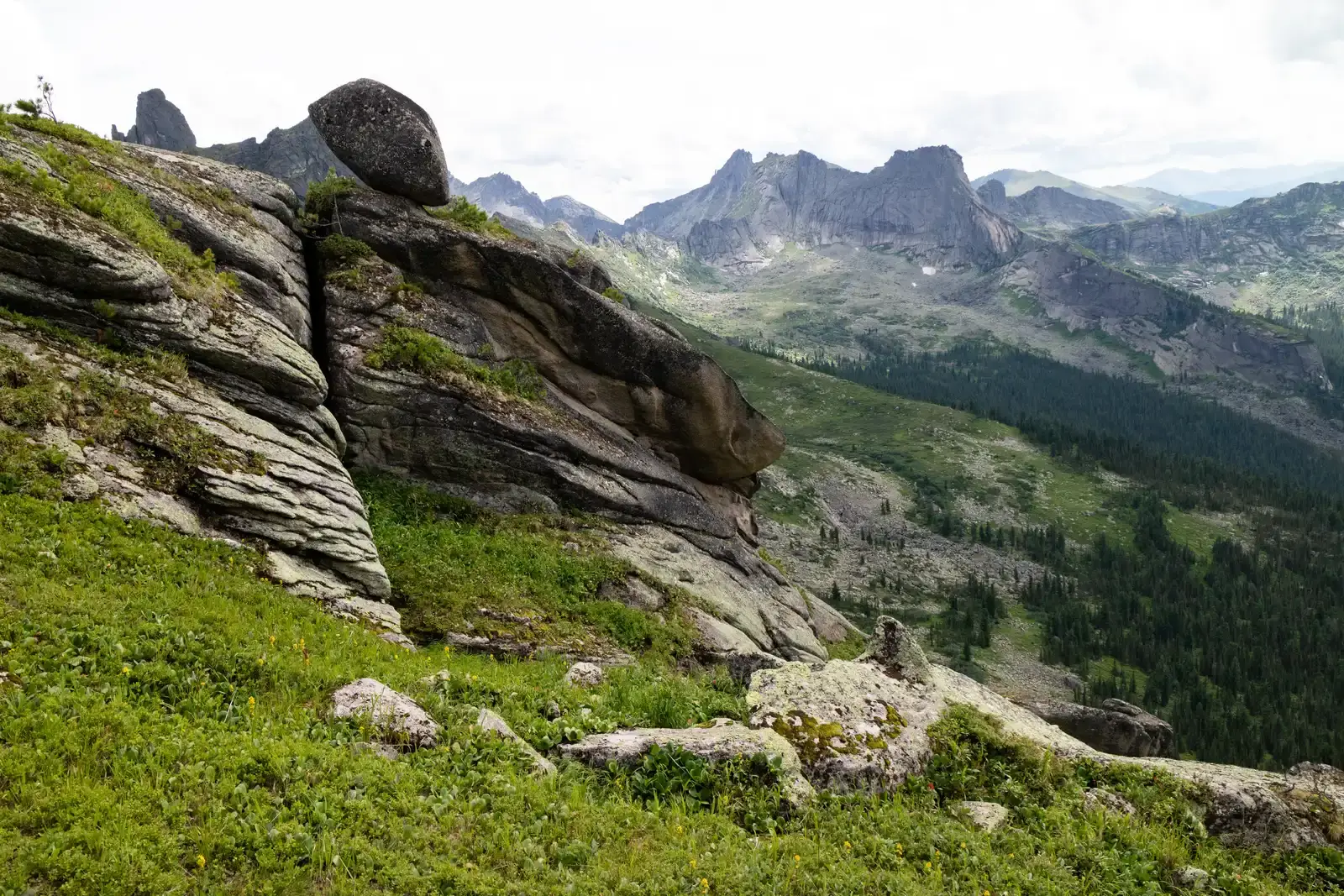
If you are in the right canyon or on the right plateau in the American Southwest, you might be standing on rocks that formed more than three billion years ago. That is not just “very old” in a vague sense; it is deep-time old, from an era when life on Earth was basically limited to simple microbes floating in ancient oceans. Vertebrates, with their backbones and complex skeletons, would not appear for well over a billion and a half years after these rocks solidified.
To put that gap in perspective, think about how long humans have been around as a species. Now stretch that span not by ten times, not by a thousand times, but by a factor so enormous it becomes hard to picture. The rocks beneath parts of Arizona, New Mexico, Utah, Colorado, and nearby regions were already ancient when the first fish-like vertebrates evolved. When geologists say “ancient crust,” they really mean a world that was so alien you would barely recognize it as the same planet.
How geologists know: radioactive clocks and microscopic clues
Saying a rock is more than three billion years old is one thing; proving it is another. Geologists rely on minerals like zircon, tiny crystals that can lock in uranium atoms when they form but reject lead. Over vast stretches of time, that uranium slowly decays into lead at a known rate, creating a kind of built-in atomic clock. By measuring the relative amounts of uranium and lead in those crystals, scientists can calculate when the rock first crystallized from molten material.
Under the microscope and in the mass spectrometer, these ancient rocks reveal stories that our eyes simply cannot see. Subtle chemical signatures tell us whether the rock formed deep under a mountain belt, in a volcanic arc, or in some early version of a continent. The ages that come back from these analyses are not loosely guessed; they cluster in precise windows of time that match other evidence. It is a quiet kind of magic: turn a bit of granite into powder, run it through a machine, and suddenly you are staring at numbers that say “this formed long before animals ever needed skeletons.”
The basement of a continent: what “craton” really means
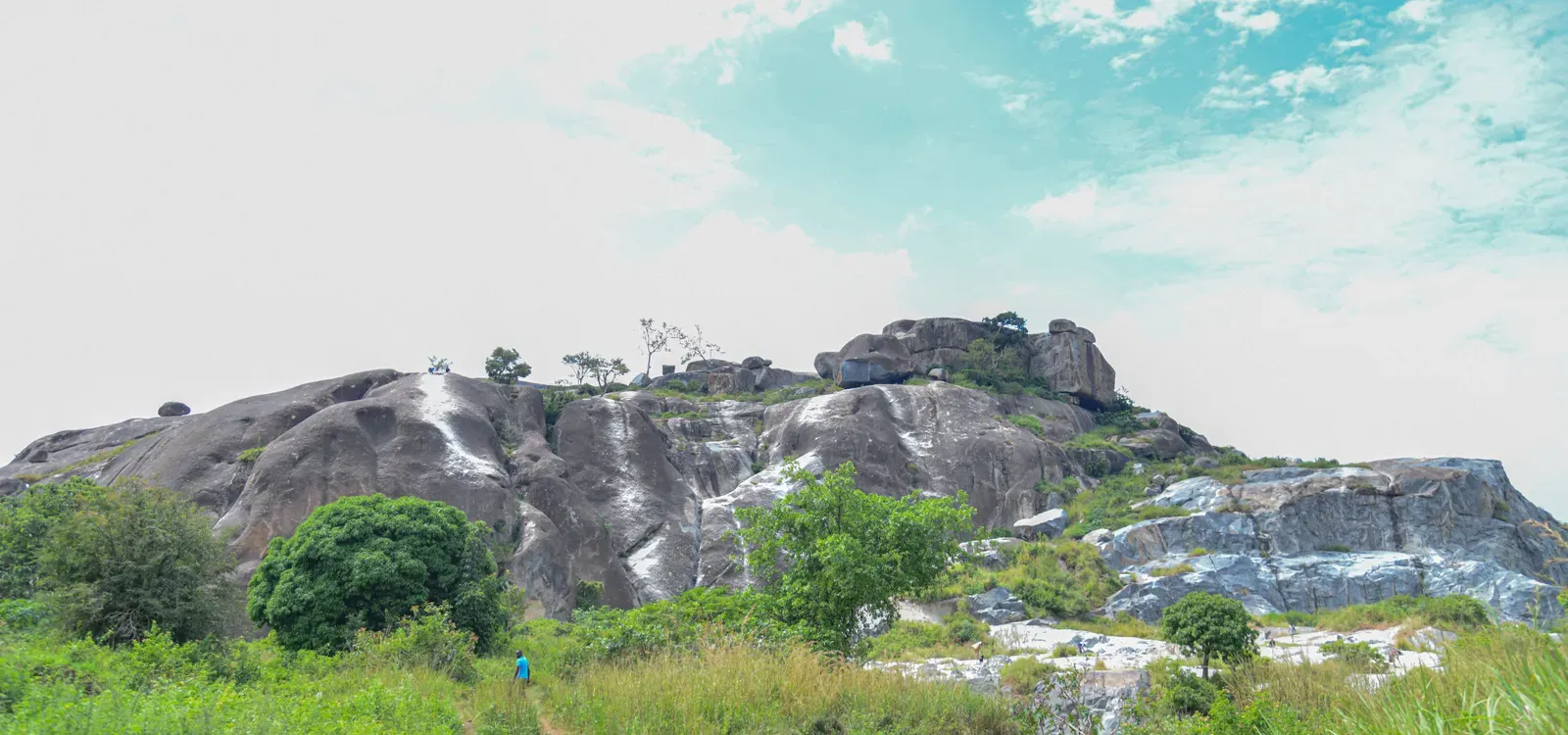
Where this ancient basement rock is exposed at the surface, it is often because erosion has carved away younger layers, peeling off geological time like pages from a book until the oldest chapters appear. The American Southwest is full of these “windows” into the craton, especially in canyons and uplifted mountain ranges. The irony is that the most rugged, dramatic landscapes tourists flock to are sometimes just the battered surface of that ancient structural foundation, revealed after hundreds of millions of years of stripping and sculpting.
What Earth looked like when these rocks were born
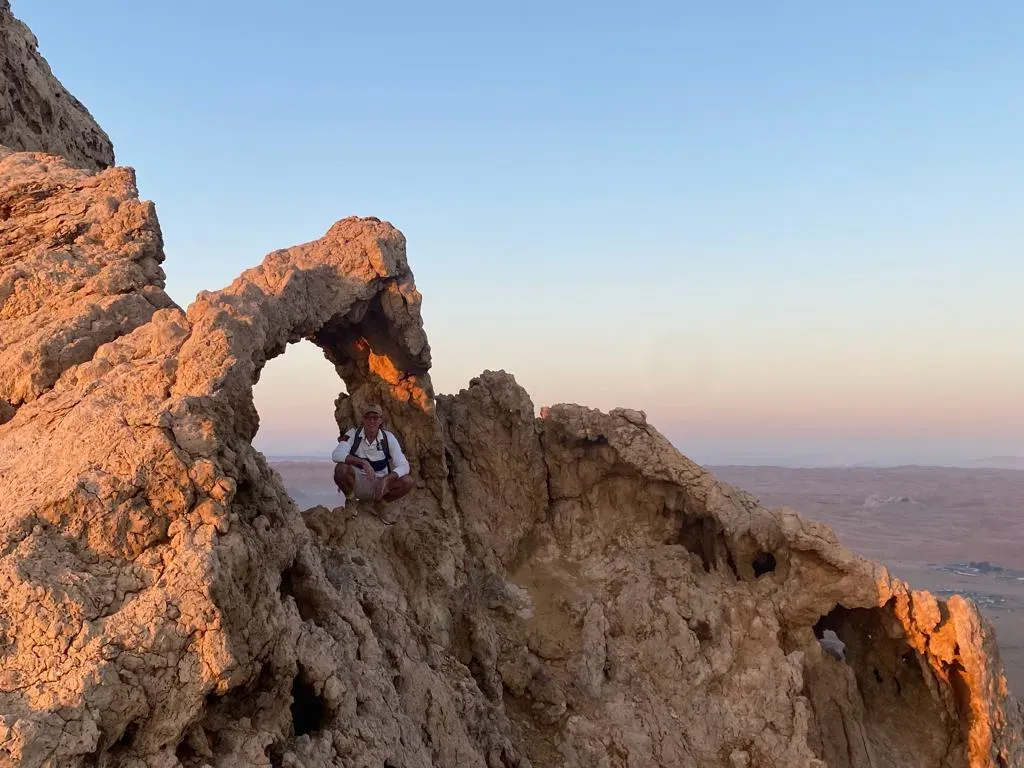
When much of this ancient Southwest bedrock was forming, the Earth was nothing like the world we know. Continents were smaller, more scattered, and still actively growing through the collisions of volcanic arcs and micro-continents. The atmosphere likely held very little free oxygen compared with today, and life was largely microbial mats and simple single-celled organisms living in strange seas under a dimmer sun.
There were no trees, no flowers, no insects, no dinosaurs roaming, and certainly no mammals. Instead, imagine lava pouring into ocean basins, primitive crust repeatedly forming and sinking back into the mantle, and island arcs colliding like an endless, slow-motion car crash. The rocks that now form canyon walls and high plateaus began as molten material in that chaotic setting. By the time vertebrates evolved, these rocks had already been uplifted, buried, heated, and twisted through several cycles of tectonic drama.
From basement to postcard view: uplift, erosion, and time
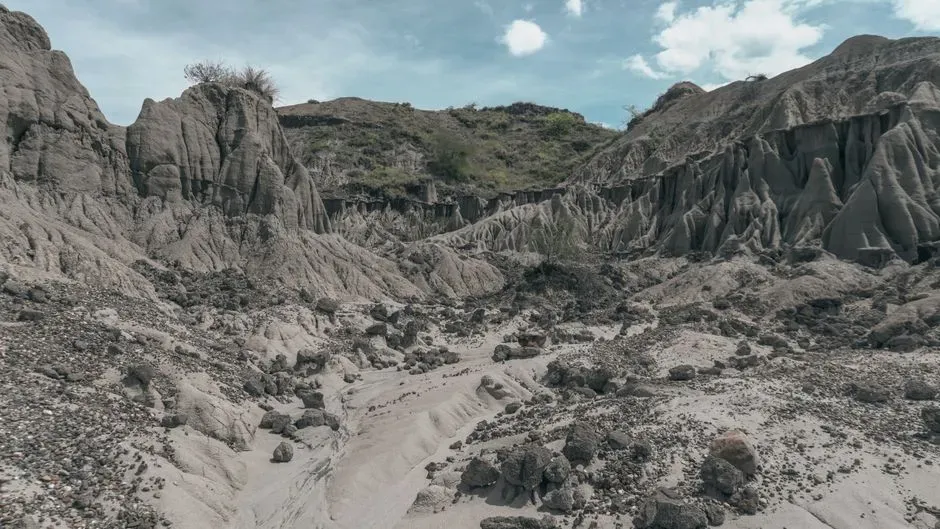
One of the wildest things about the American Southwest is that you can literally trace time with your feet as you hike. Ancient basement rocks form the deep foundation, and on top of them younger sedimentary layers stack up like a geological layer cake. Over hundreds of millions of years, tectonic forces lifted entire regions upward, raising both the old basement and the younger strata high enough for rivers and wind to go to work. Erosion then cut down through this thick stack of rock, carving canyons and exposing older and older layers.
This is why you can have situations where you stand on relatively young sandstone one moment and then descend into a gorge to touch rock that predates animals with backbones by staggering amounts of time. The sculpted arches, mesas, and cliffs that show up in travel photos are only the latest chapter. Underneath the color and drama is a long story of vertical movement and slow removal, as if the region has spent eons being whittled and lifted at the same time.
Rocks as time machines: what they reveal about life’s evolution
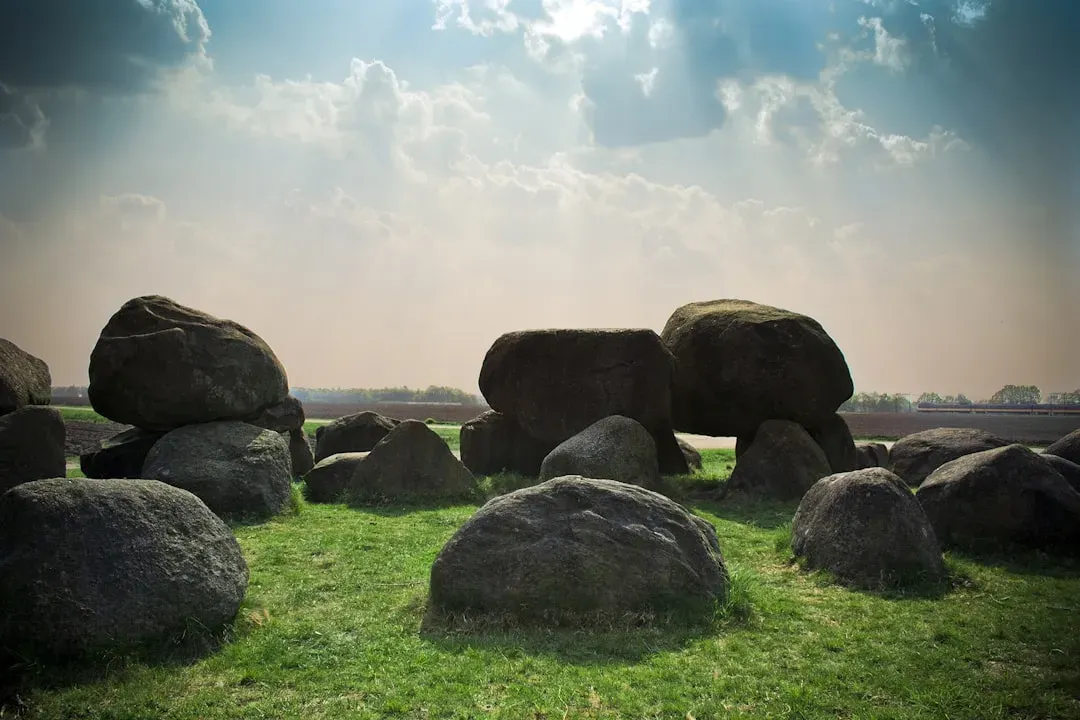
These ancient rocks do not hold fossils of vertebrates, because vertebrates did not exist when they formed. Instead, their main contribution to the story of life is context. They tell us what the planet’s crust was like during the long, slow prelude to complex animals. Chemical signatures in some rocks can hint at changes in the atmosphere and oceans, including the gradual buildup of oxygen that eventually made more complex forms of life possible.
Even where fossils are absent, the sequence of rocks above and below these ancient layers acts like a timeline. Younger rocks deposited later in Earth’s history are sometimes full of shells, trilobites, early fish, and eventually dinosaurs and mammals. By carefully dating and matching these layers across regions, geologists can bracket when big evolutionary steps happened. So that ancient basement is not just a curiosity; it is the anchor that helps pin down the schedule of life’s major leaps.
Standing on deep time: why this changes how we see ourselves
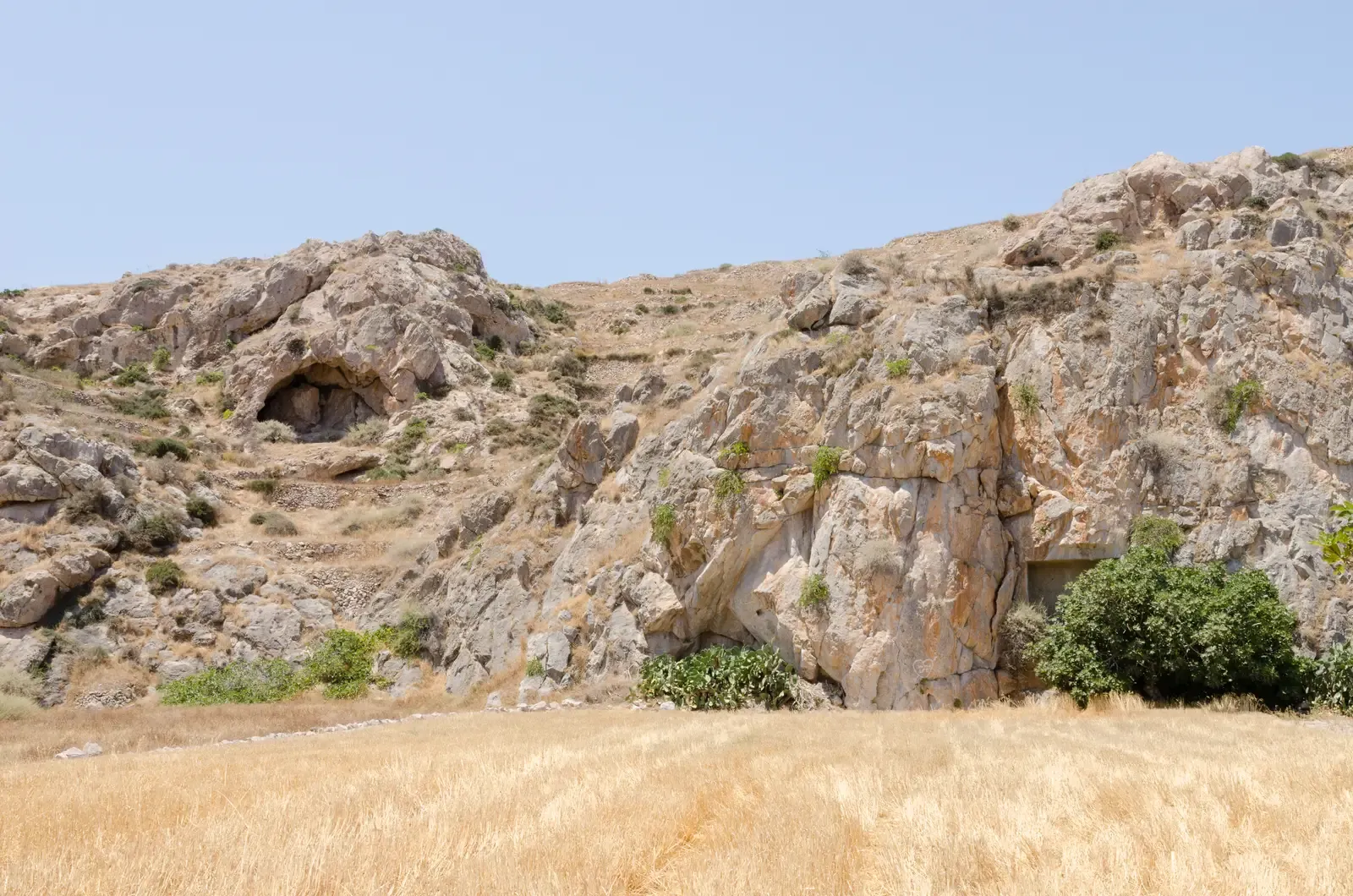
There is something humbling about realizing the rock under your boots has been around for billions of years, while our entire recorded human story barely fills a blink of that timeline. The cities, highways, and power lines draped across the Southwest are a film-thin layer of the present, resting on a crust that has seen continents collide, mountains rise and vanish, and oceans appear and disappear. It is hard not to feel small in the best possible way when you really let that sink in.
At the same time, that perspective can be oddly comforting. The planet has been through extremes much more dramatic than anything we experience in a human lifetime, yet the crust persists, reshaped but not erased. Personally, I find that when I hike in places with really old bedrock, my worries about emails, deadlines, and daily noise feel almost comically temporary. It is like looking up at the night sky, but under your feet instead of above your head.
The future of an ancient landscape: stability, change, and human impact
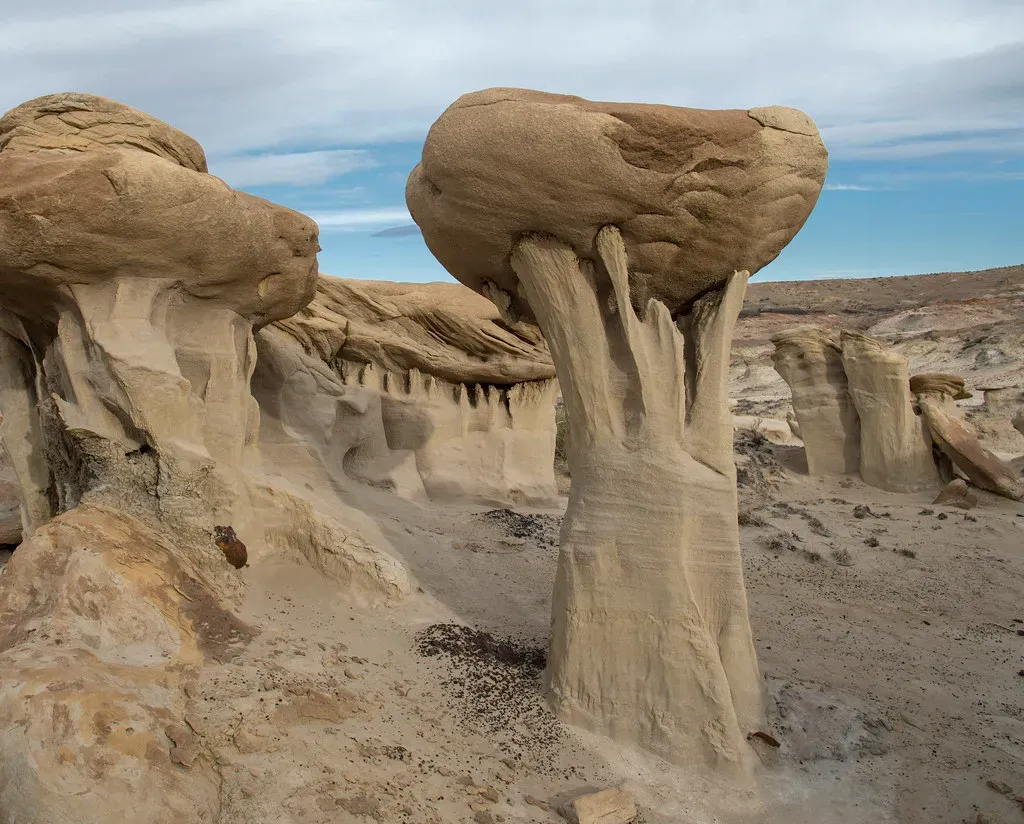
It is tempting to assume that such ancient rock equals total stability, but that is not quite true. The basement may be strong and long-lived, yet the surface carved into it is constantly evolving. Rivers can reroute, canyons can widen, and slopes can fail in landslides, all on timescales that matter to us. Climate shifts affect how fast erosion works, how often intense storms hit, and how vegetation stabilizes or exposes bare rock to the elements.
Human activity adds another layer of change. We blast road cuts into old cliffs, tap aquifers that fill fractures in ancient bedrock, and build sprawling cities across surfaces that were shaped by slow geological processes we mostly ignore. The rocks themselves may barely notice, but our relationship with that landscape is fragile and complicated. For a crust that has survived billions of years of tectonic chaos, our decisions over a few centuries can still shape how habitable and resilient these regions feel for the people living on top of them.
Conclusion: My take on living above a world older than backbones
To me, the fact that the ground in parts of the American Southwest formed long before the first vertebrate ever twitched its tail is not just a fun trivia nugget. It is a quiet rebuke to how short-sighted we usually are. We plan in election cycles and quarterly reports while standing on rock built in a world without animals, without plants, without us. That contrast should make us a little less arrogant and a lot more curious. If this crust has been through so many planetary upheavals, maybe we owe it some respect instead of treating it like an infinite, disposable stage.
I also think it changes how we think about our own moment in Earth’s story. We are a very recent experiment on a very old planet, and the rocks have the receipts. That does not make our choices meaningless; if anything, it raises the stakes. We are the first species that can both read the planet’s history in its rocks and consciously decide how to behave in light of that knowledge. The question is whether we act like temporary guests who just noticed how ancient the floor is, or like careless tenants with a short lease and no deposit to lose. Which one do you think we are acting like right now?