Imagine a world where rain simply… stops. Not for a season, not for a decade, but for hundreds of thousands of years at a time. Lakes shrink to salty scars, forests thin out into thorny scrub, and whole ecosystems are squeezed to their breaking point. For early humans and their ancestors, this wasn’t a movie plot. It was the backdrop of their lives – and, increasingly, scientists think, a powerful engine of evolution.
In the last few decades, researchers have pieced together a picture of deep-time climate swings so extreme that some call them megadroughts: long, punishing intervals when vast regions stayed drier, hotter, and more unstable than anything humans have ever recorded. There is growing evidence that one such prolonged arid phase, lasting on the order of a million years with intense pulses of dryness, not only reshaped continents and ecosystems but may have nudged our ancestors onto two feet for good. The story is still being written, but what we do know is already wild enough.
What scientists really mean by a “megadrought” that lasts a million years
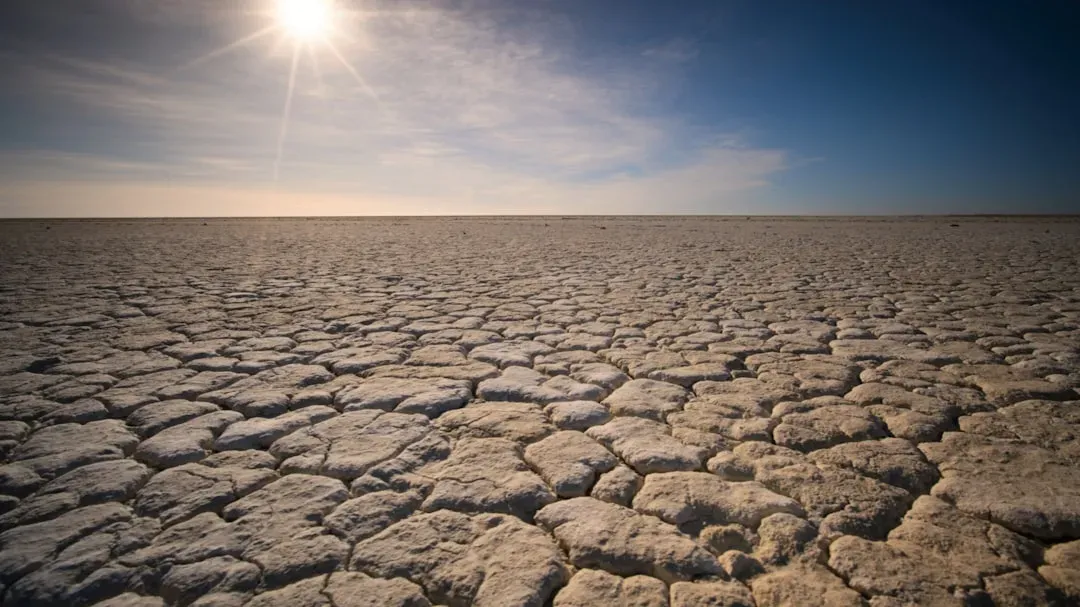
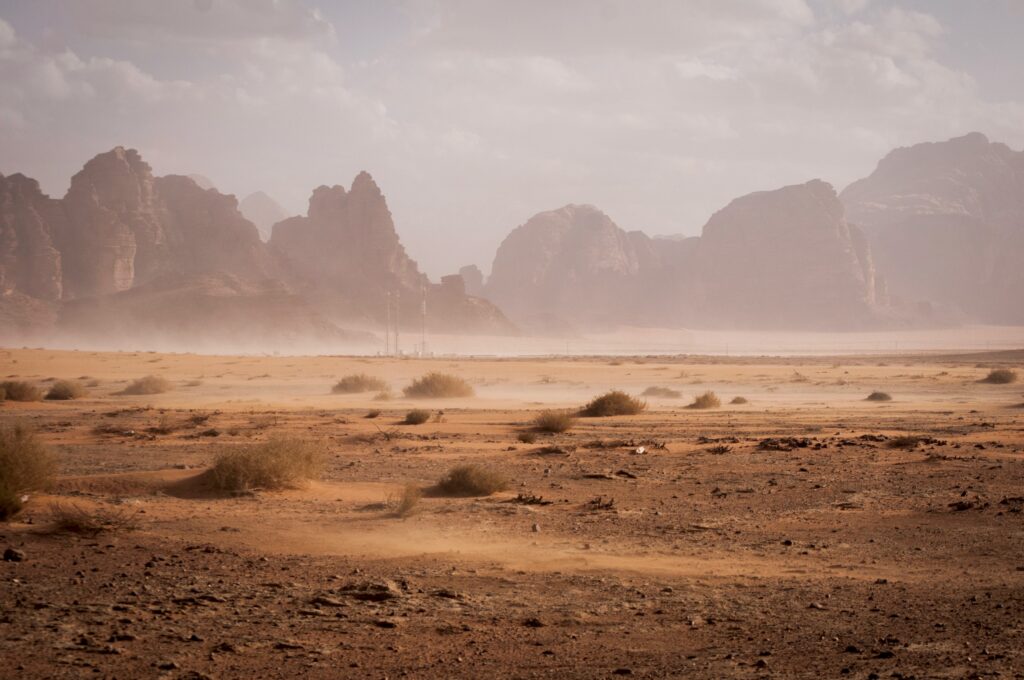
When people hear “megadrought,” they usually imagine a brutal but temporary dry spell, maybe a few decades, like the ones that have hit the American Southwest in recent centuries. In deep time, though, geologists and paleoclimatologists use the term more flexibly, to describe long intervals – hundreds of thousands to around a million years – when a region is persistently far drier than its long-term average, even if there are brief wet breaks. Think of it less as an unbroken desert and more as a relentless pattern: dry baseline, punctuated by shorter but still precious wetter pulses.
These million-year-scale megadroughts show up in the rock record as stacked layers of lake muds, evaporite salts, dust deposits, and subtle chemical fingerprints in ancient sediments and fossils. The individual years or even centuries blur together, but the overall signal is clear: the climate “floor” drops into drier territory and does not lift for ages. Within that long, arid background, climate can still flicker between “less dry” and “more dry,” but the game has changed, and every plant and animal has to adapt or vanish.
How a shifting Earth reshaped rainfall belts on every continent
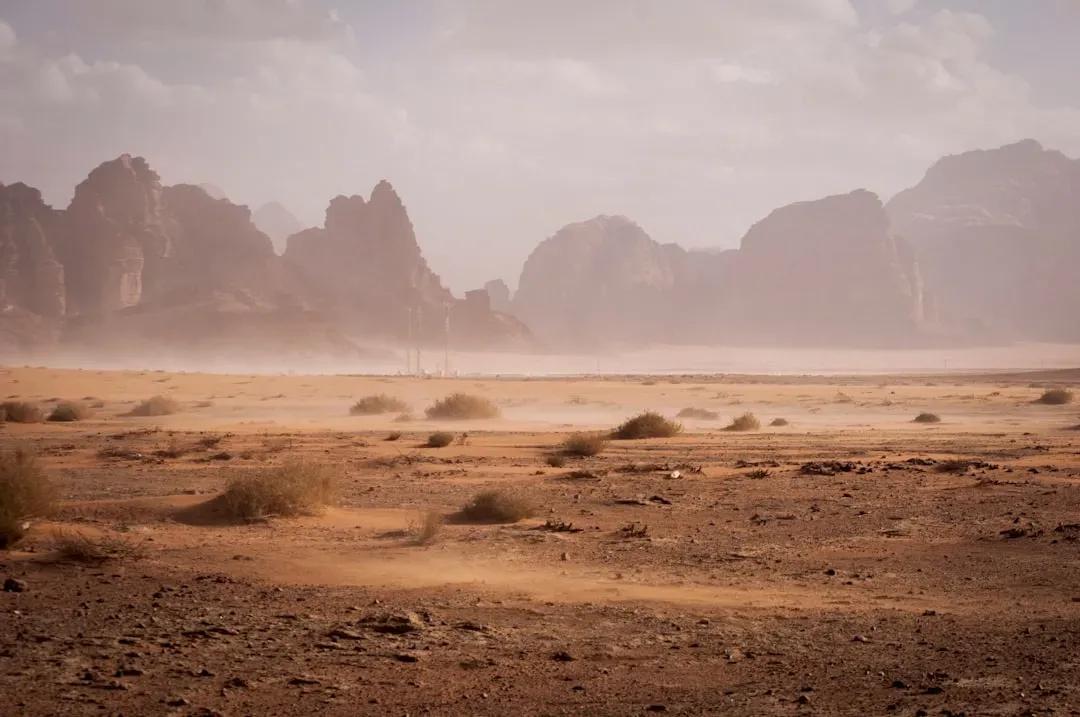
The idea that a single megadrought “touched every continent” isn’t about some magical global desert suddenly appearing everywhere at once. Instead, it’s about how major, slow-motion changes in Earth’s orbit, ocean circulation, and continental positions kept rearranging the storm tracks and monsoon systems that deliver water to land. Over roughly million-year intervals, patterns like the African monsoon, South Asian monsoon, and mid-latitude westerlies can all migrate, weaken, or intensify in coordinated ways that leave multiple continents parched at the same broad time.
Plate tectonics also plays a sneaky but huge role. As continents move, mountains rise and fall, and seaways open and close, the routes that moisture-laden air can take are rerouted like an enormous plumbing project. During certain spans of the late Miocene and Pliocene, evidence from Africa, the Mediterranean region, parts of Asia, and even the Americas suggests that many areas were simultaneously experiencing drier, more seasonal landscapes. It was not identical everywhere, but the net effect was that grasses expanded, forests pulled back, and more of the planet shifted toward open, water-stressed habitats.
Dust, lakes, and bones: the surprising evidence for ancient hyper-dry worlds
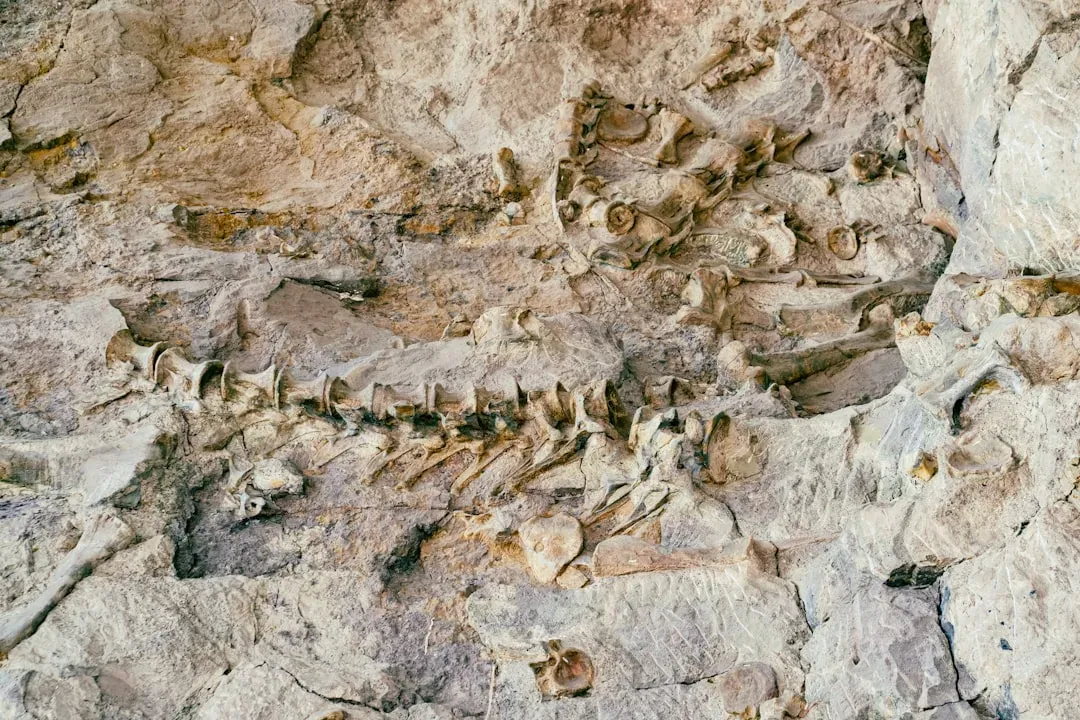
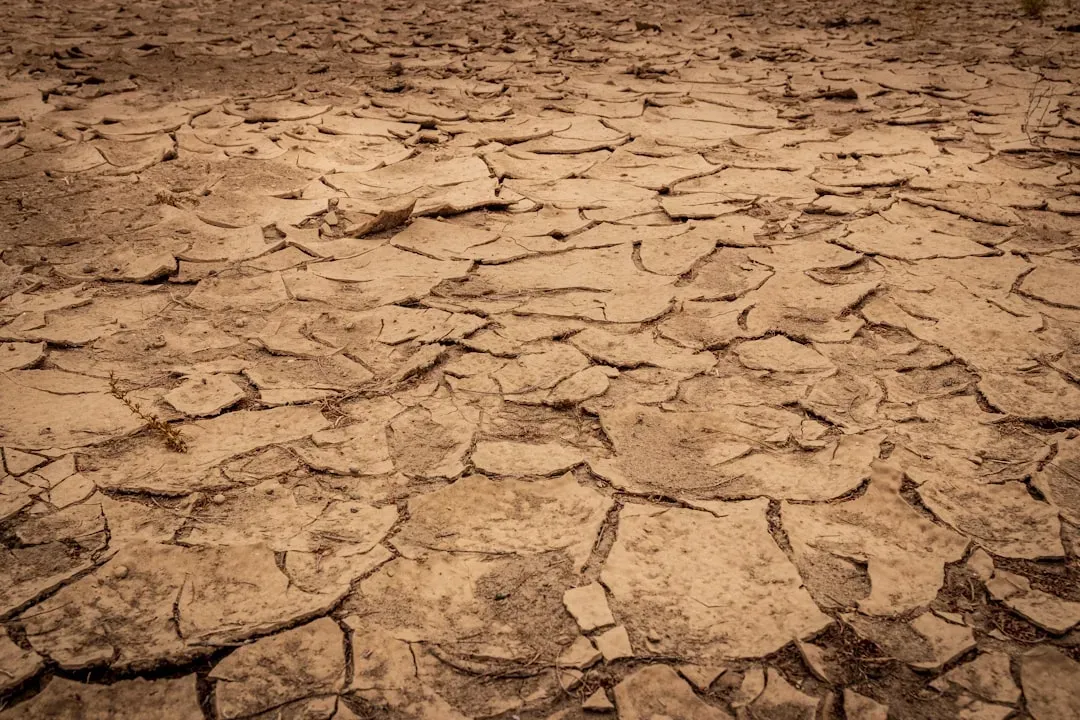
So how do we know any of this, given that nobody was around with a weather app in the late Miocene? The key is that drought leaves scars. Thick deposits of dust – blown off dry, exposed soils – pile up in basins and eventually turn into rock. The chemistry of those dust layers and the tiny fossilized shells and plant bits trapped within them can reveal how dry and dusty the air was, and which plants were hanging on. When geologists drill into old lake beds in Africa or Asia, they often find repeated cycles where deep, freshwater mud abruptly gives way to shallow, salty layers, or disappears altogether. That is the fingerprint of lakes that kept shrinking, drying, and sometimes vanishing.
Animal fossils add another piece of the puzzle. When climates dry out, species that depend on dense, wet forests tend to retreat or disappear from the local record, replaced by grazers that thrive in open grasslands and browsers that can cope with patchy shrubs. In East Africa, the fossil record across key intervals shows exactly that pattern: forest-adapted apes become rarer in some regions, while more open-country mammals surge. It’s a bit like reading a crime scene from the bones: the victims, the survivors, and the new arrivals all help tell you what kind of world they lived in.
From forests to grasslands: how a million-year dry phase rewrote African landscapes
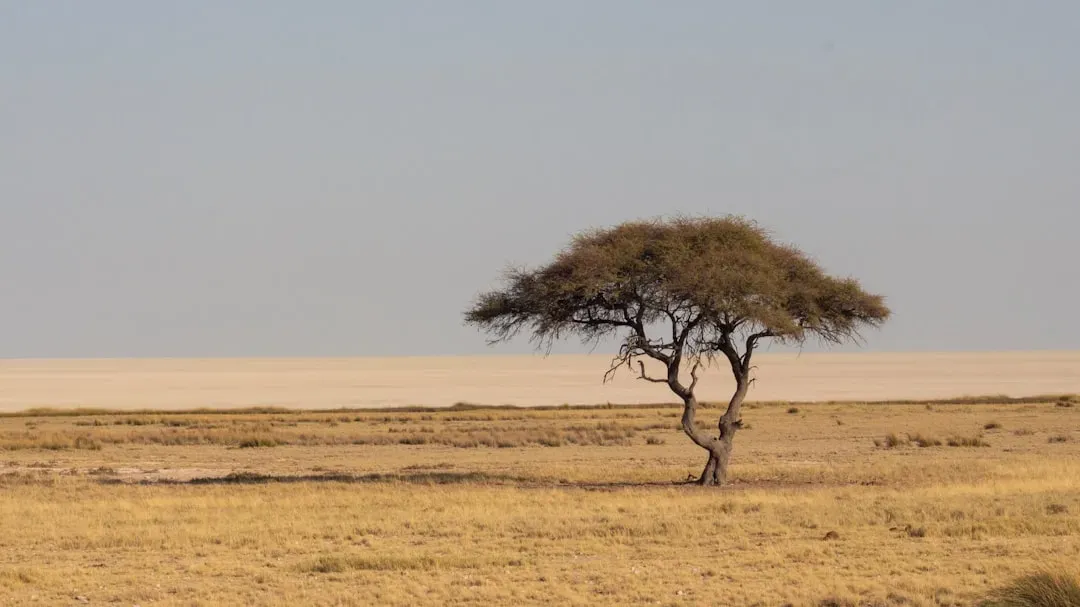
Nowhere is this transformation more important for our story than in eastern Africa, one of the key cradles of hominin evolution. Geological and fossil data suggest that during parts of the late Miocene and early Pliocene, large swaths of this region shifted from relatively closed, wooded environments toward more open, mixed grassland and woodland mosaics. Instead of dense canopy and constant shade, early hominins would have encountered more broken tree cover, wider views, and greater distances between reliable patches of food and water.
These changes did not happen overnight, and they did not turn all of East Africa into a Saharan-style sand sea. Think more along the lines of today’s savannas, but often more variable, with lakes that came and went and rivers that shifted course. For an ape built for climbing, this new world demanded a very different daily strategy. You could no longer just swing from tree to tree, grabbing fruit. You might have to cross open patches, scan for predators on the horizon, and track seasonal resources that moved or vanished altogether. In that kind of setting, a body that could move efficiently on two legs starts to look less like a quirky experiment and more like a serious advantage.
Why standing up makes sense when water and shade are far apart

At first glance, walking upright might seem like a strange response to drought. After all, wouldn’t long arms and a climbing body be helpful for reaching fruit and escaping predators? But when waterholes are farther apart and shade is patchier, the rules change. Bipedal walking, done efficiently, burns less energy over long distances than knuckle-walking or awkwardly moving on all fours with a body designed for climbing. A hominin that could cover more ground between food patches without overheating or exhausting itself would have a real edge.
There’s also the brutal physics of the sun. In open landscapes, a four-legged animal exposes more surface area to direct solar radiation than a tall, narrow, upright body does. Standing up, especially with a more streamlined torso, cuts down the area that cooks under midday sun and lifts the core of the body higher into slightly cooler, breezier air. Add in the ability to free the hands – for carrying food, infants, or even simple tools – and upright walking becomes a package deal that fits surprisingly well with life in a hotter, drier, more open world.
The earliest upright-walking hominins: what the fossils actually tell us
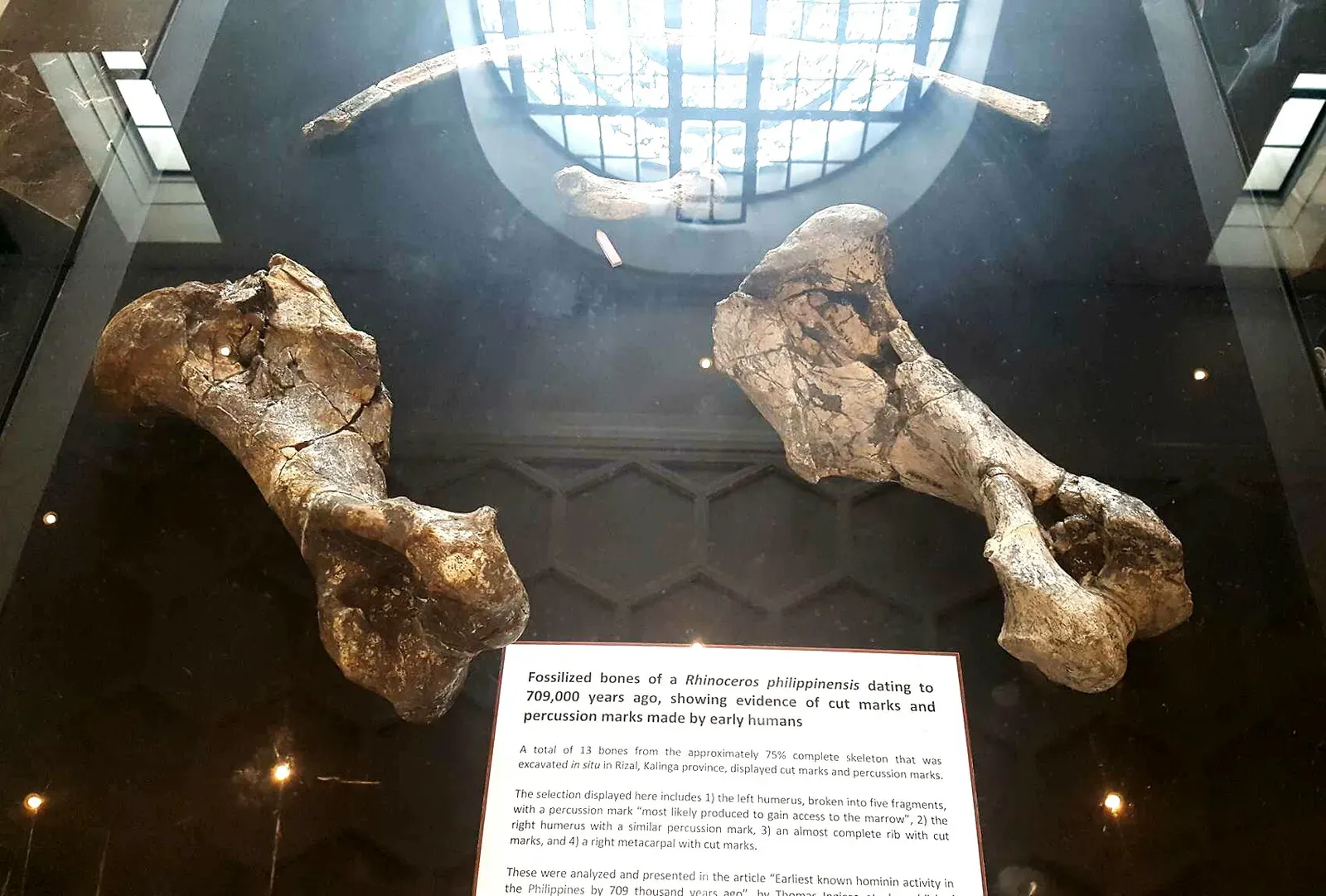
When we talk about the “first upright-walking hominins,” we are in messy, thrilling territory where every new fossil can change the story overnight. Several species from about seven to four million years ago show a tantalizing mix of traits: feet and legs that hint at habitual bipedal walking on the ground, paired with arms, hands, and shoulders still clearly built for climbing. Their hip joints, spinal curves, and even the shapes of their toe bones point to creatures that spent serious time on two legs, even if they still retreated to trees for safety or feeding.
What we do not have is a single, clean moment when an ape suddenly “decides” to become human and stands up for the first time. Instead, we see a slow, overlapping process: different hominin species, in slightly different environments, experimenting with variations on bipedal posture over hundreds of thousands of years. The timing of some of these fossils lines up remarkably well with evidence for shifts toward drier, more open habitats in parts of Africa. That overlap does not prove drought caused bipedalism, but it strengthens the idea that changing landscapes and changing bodies moved hand in hand.
Climate as sculptor, not puppet master: a cautious look at the megadrought hypothesis
It’s tempting to tell a clean, dramatic story: a million-year megadrought slams into Earth, continents dry out, and, bam – upright humans emerge. Reality is more subtle. Climate is a powerful sculptor, but it is not the only one. Genetic drift, local ecology, competition with other species, and sheer chance all play roles. Many animals survived the same droughts without standing up, and even among hominins there were likely multiple evolutionary “tries” at new body plans that did not ultimately lead to us.
That said, dismissing climate as a mere backdrop seems just as wrong. When you zoom out over millions of years, you see a rhythm: pulses of aridity, expansions of grasslands, turnovers in fauna, and steps in hominin anatomy that gradually favor long-distance walking, thermoregulation, and versatility. In my view, megadroughts are best seen as relentless pressure tests. They did not script every detail of human evolution, but they repeatedly tightened the screws. In those intervals, being slightly better at moving across open, thirsty landscapes might be the difference between lineage and dead end.
Conclusion: a world reshaped by thirst – and a species shaped by walking
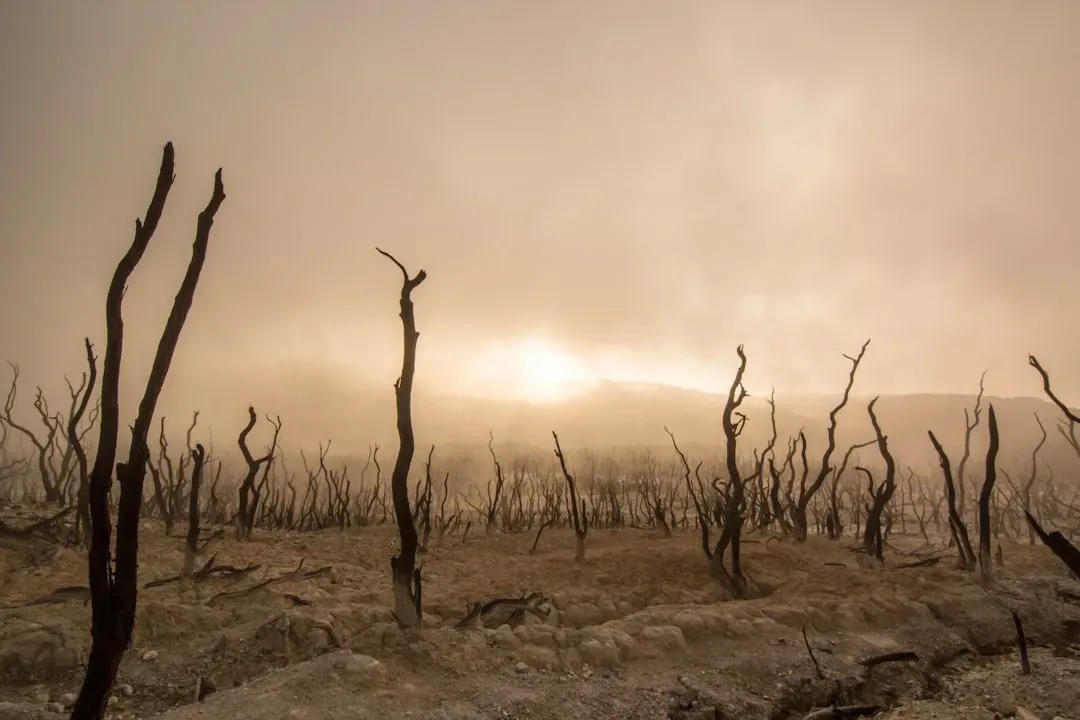
When you put all these strands together – dust records, dried lake beds, shifting vegetation, and partial skeletons of half-climbing, half-walking apes – you get a story that is both humbling and strangely intimate. Our habit of strolling down a sidewalk or hiking a trail is not some trivial quirk. It may be the long echo of ancestors forced to navigate a harsher, more unreliable planet, where every distant waterhole and scattered fruit tree demanded another hot, risky journey on two feet. In that sense, the million-year megadrought is not just an ancient climate event. It is part of our biography.
Is it absolutely proven that a single vast, drawn-out dry phase directly “caused” the first upright-walking hominins? No – and anyone who pretends otherwise is overselling the evidence. But the weight of what we do know makes one thing hard to ignore: when Earth turned up the heat and turned down the rain, our lineage did not just cling on. It changed. We became the kind of ape that walks. To me, that makes every step we take today a quiet reminder of a thirsty world that forged us – and it raises a haunting question: if ancient droughts shaped who we are, how will the climate shifts we are unleashing now shape whoever comes after us?