
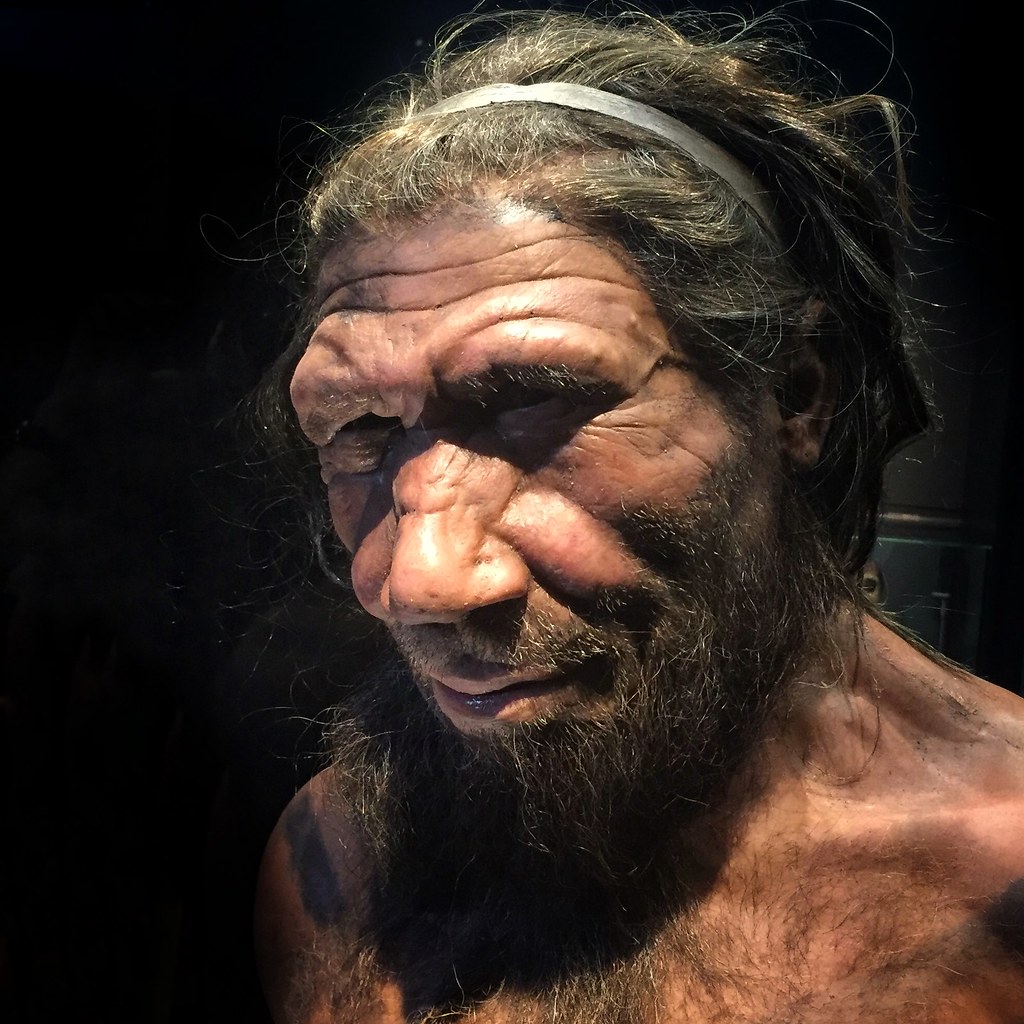
Neanderthals get dragged in almost every lazy “caveman” joke: grunting, clumsy, barely thinking brutes with clubs and bad posture. The funny part is that this picture says a lot more about our stereotypes than it does about them. The real Neanderthals were complex humans with skills, emotions, and brains that force us to rethink what “advanced” really means. Once you look at what archaeologists and geneticists have actually uncovered, the caricature just collapses. These were people who survived brutal Ice Age climates, cared for their families, experimented, adapted, and in some ways outperformed us. After you see these nine facts, it gets hard not to feel a little embarrassed about those caveman memes.
1. Neanderthals had brains as large as – and sometimes larger than – ours
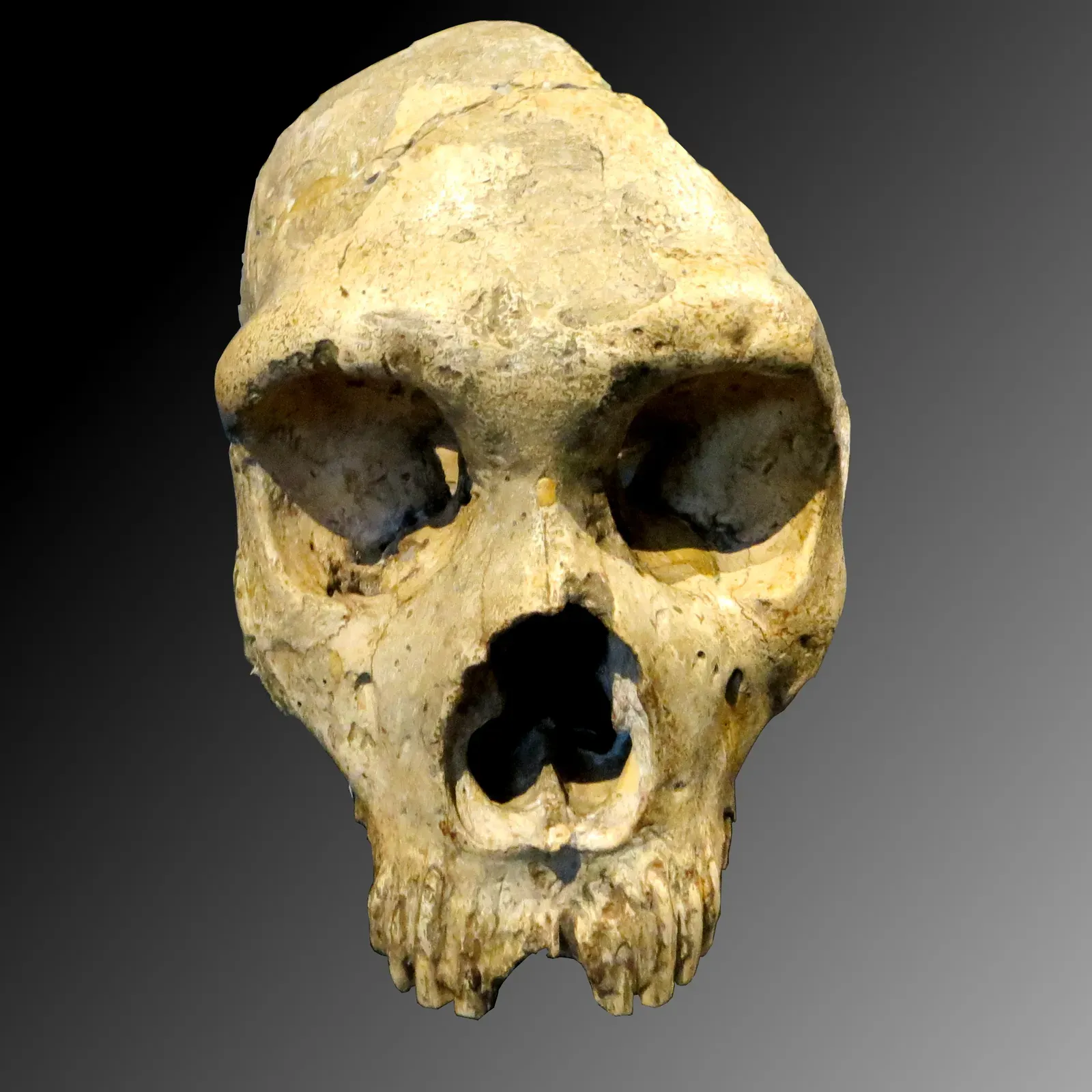
Forget the idea of a tiny “ape-man” brain. Fossil skulls show that Neanderthal brain volumes overlapped with, and in many cases matched or exceeded, those of modern humans. Their brains were simply shaped a bit differently, with slightly more emphasis on vision and body control, likely because they lived in dark, freezing environments and had powerful, stocky bodies to manage. A big brain by itself doesn’t guarantee genius, but it absolutely destroys the old joke that they were barely thinking. You don’t evolve and maintain such an energy-hungry organ unless it’s doing something important. The more we map Neanderthal brains to their behavior, the more they look like a different version of us, not some halfway step between chimps and modern people.
2. They engineered stone tools with real planning and know‑how
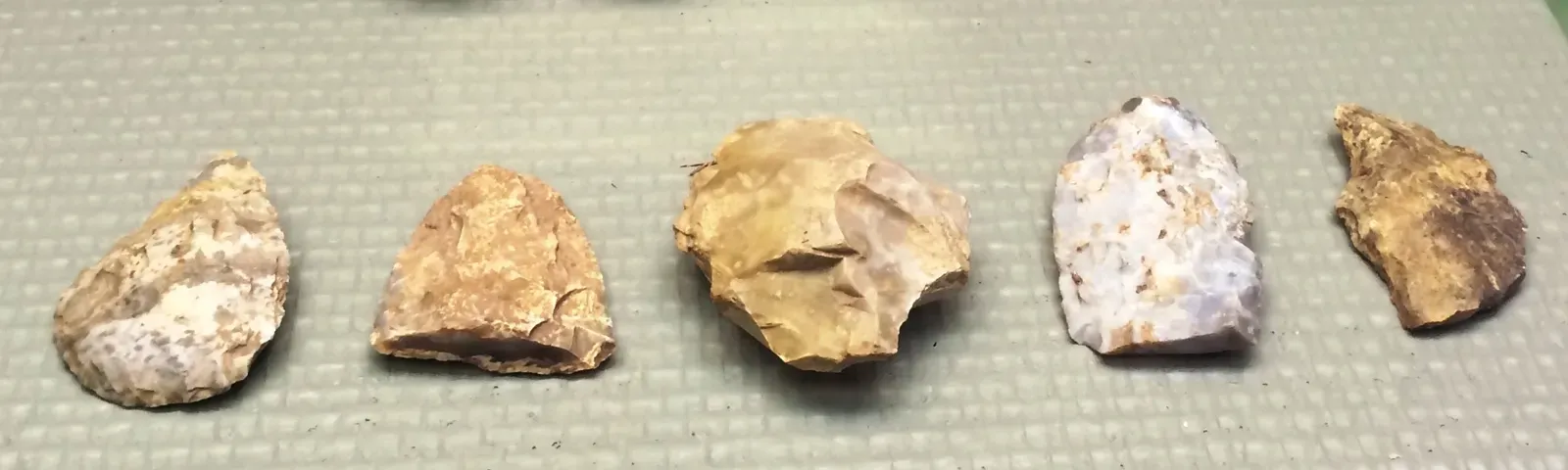
Caveman humor often shows someone whacking rocks together at random. Neanderthal tools were anything but random. They used carefully planned techniques to strike off thin, sharp flakes, sometimes preparing the core of stone in advance so a single blow would release a perfectly shaped blade. That kind of method requires spatial reasoning, patience, and a mental blueprint of the final tool. They also tailored their toolkit to different tasks: scraping hides for clothing, carving wood, butchering large animals, and likely working bone and plant materials. When you find the same sophisticated tool types repeated across different regions and time periods, it means knowledge was being shared and taught. This is not chaos; it is a technological tradition passed down generations, like a very ancient version of “how‑to” tutorials.
3. Neanderthals survived brutal Ice Age climates with clothing, shelters, and fire
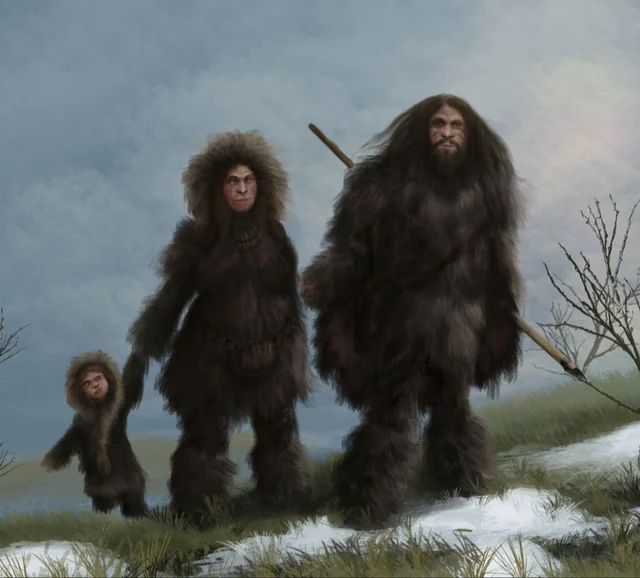
Imagine living through winters where a bad decision can literally freeze you in hours. Neanderthals did that for tens of thousands of years across Europe and western Asia. Evidence from wear on tools, animal bones, and preserved sites suggests they processed hides, likely making fitted clothing and perhaps layered outfits to withstand the cold. You do not survive Ice Age nights by wrapping yourself in a random pelt and hoping for the best. They also controlled fire and used shelters, from rock overhangs and caves to built structures made with wood, stone, and sometimes mammoth bones. Many sites show repeated use, organized living spaces, hearths, and areas for toolmaking and butchery. In other words, they were not wandering aimlessly; they knew their landscapes, built mental maps, and engineered their surroundings to make life just a little less deadly.
4. They hunted big game with strategy, not mindless aggression
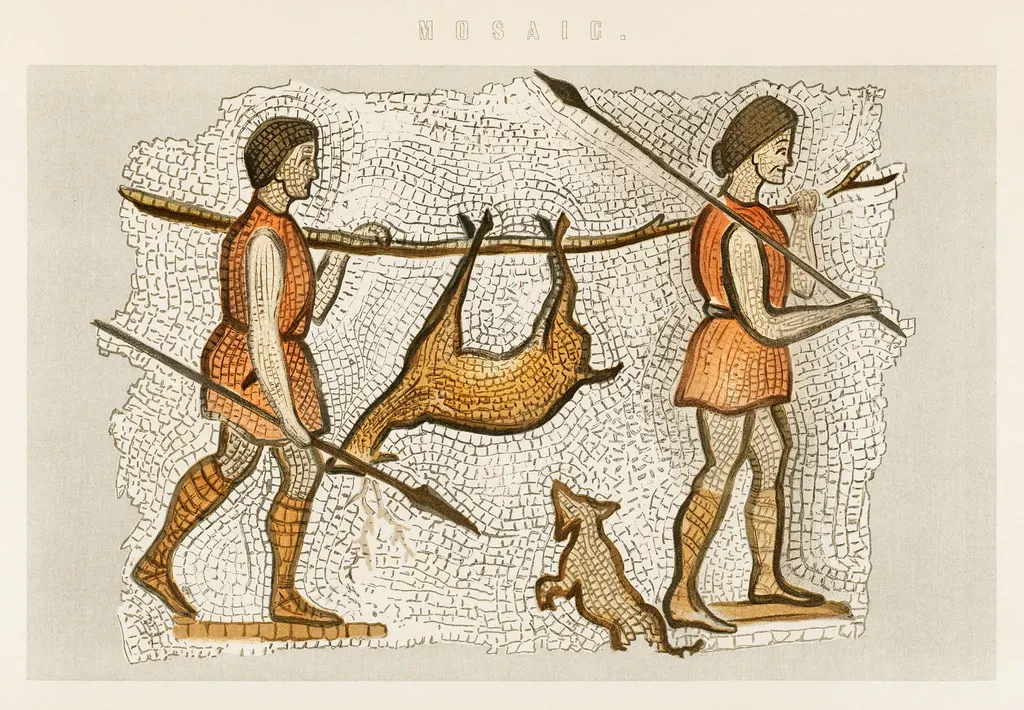
The cartoon version of Neanderthals is someone charging a mammoth like a video game character. The fossil record tells a different story. Neanderthals hunted large animals such as bison, deer, horses, and sometimes megafauna by using terrain, coordinated group tactics, and close‑range weapons. The pattern of cut marks on bones and the ways carcasses were processed suggest planned hunts rather than random scavenging. Hunting big animals in rugged, icy landscapes is basically high‑stakes project management. You have to read tracks, predict movements, coordinate with others, and manage risk so your group eats without getting half its members killed. The healed injuries found on many Neanderthal skeletons also show that when things did go wrong, the group often helped wounded individuals survive, which means social backup and long‑term planning, not wild, individualistic recklessness.
5. They cared for the sick, injured, and elderly over long periods
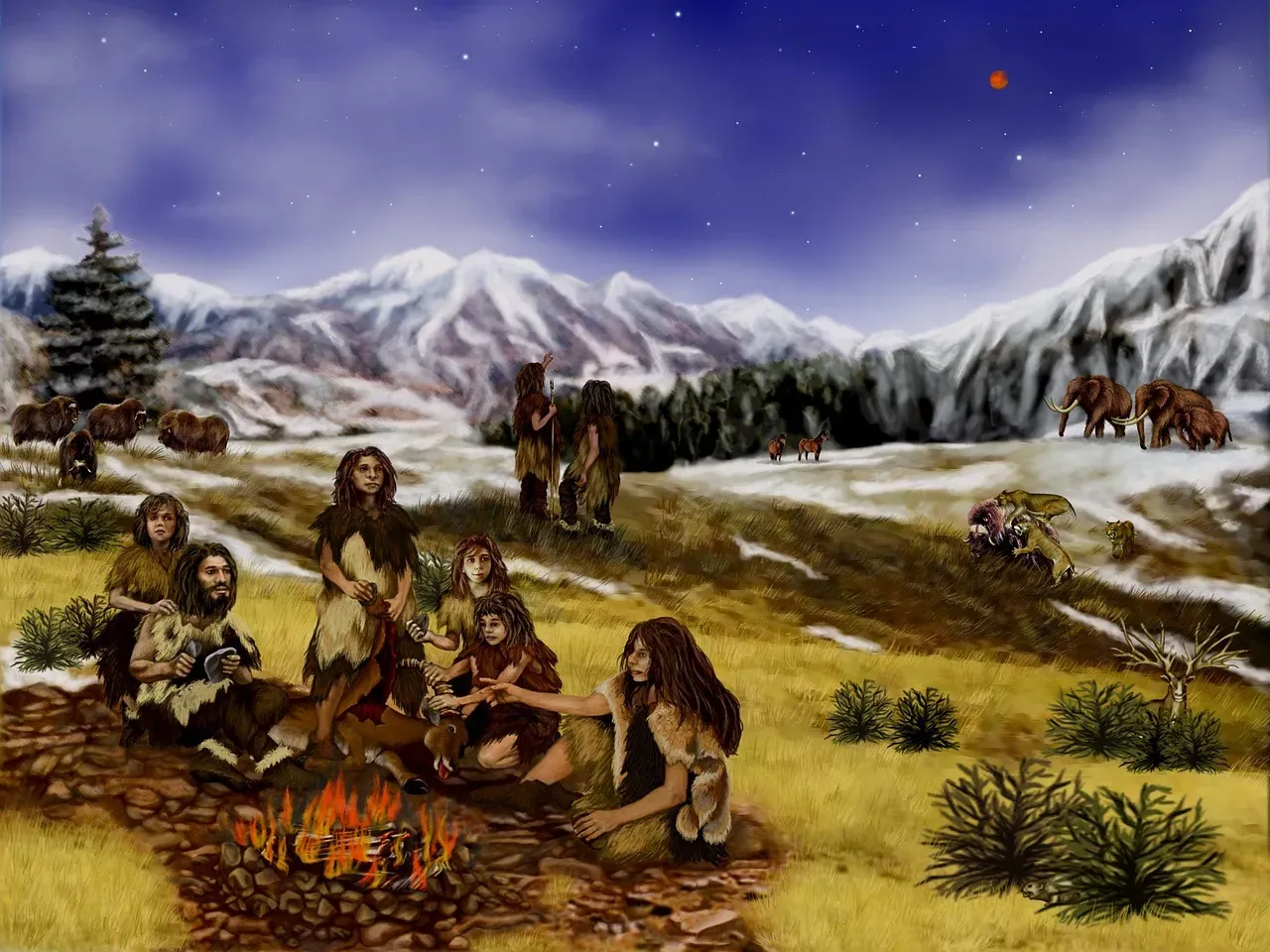
One of the most quietly powerful facts about Neanderthals is how many skeletons show serious injuries or disabilities that had healed long before death. Some individuals had crippling joint problems, missing limbs, or severe trauma, yet lived for years afterward. In an unforgiving Ice Age environment, you do not survive like that unless someone is feeding you, protecting you, and adjusting their daily life around your limitations. This points to something we rarely associate with cavemen: sustained compassion. Taking care of injured or elderly group members costs time, energy, and food. A purely “survival of the fittest, every person for themselves” society would not keep doing that. The fact that Neanderthals did tells us they lived in communities where bonds, obligations, and likely deep emotional ties mattered as much as strength or hunting skill.
6. They buried their dead and may have had symbolic rituals
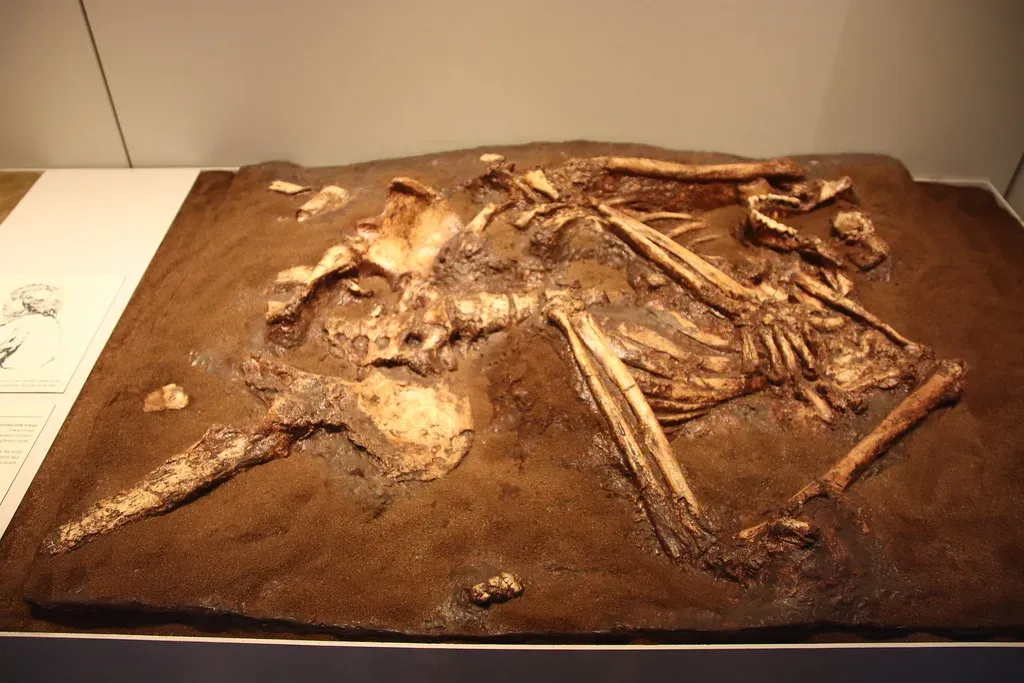
The image of a Neanderthal as a mindless brute sits awkwardly next to evidence of intentional burials. At several sites, individuals appear to have been placed carefully in pits rather than left where they fell, sometimes with grave-like arrangements or selected objects nearby. While researchers still debate how widespread this behavior was, it pushes us away from the idea that only modern humans treated their dead in special ways. Even if we strip away every controversial claim and stick to the safest ground, we’re still left with Neanderthals doing more than just walking away from a body. They appear to have gone back, moved remains, and sometimes positioned them deliberately. That hints at memory, mourning, or beliefs about what happens after death. The emotional world behind those actions might never be fully knowable, but it is clearly richer than any caveman punchline.
7. Neanderthals made and used pigments, ornaments, and possibly art
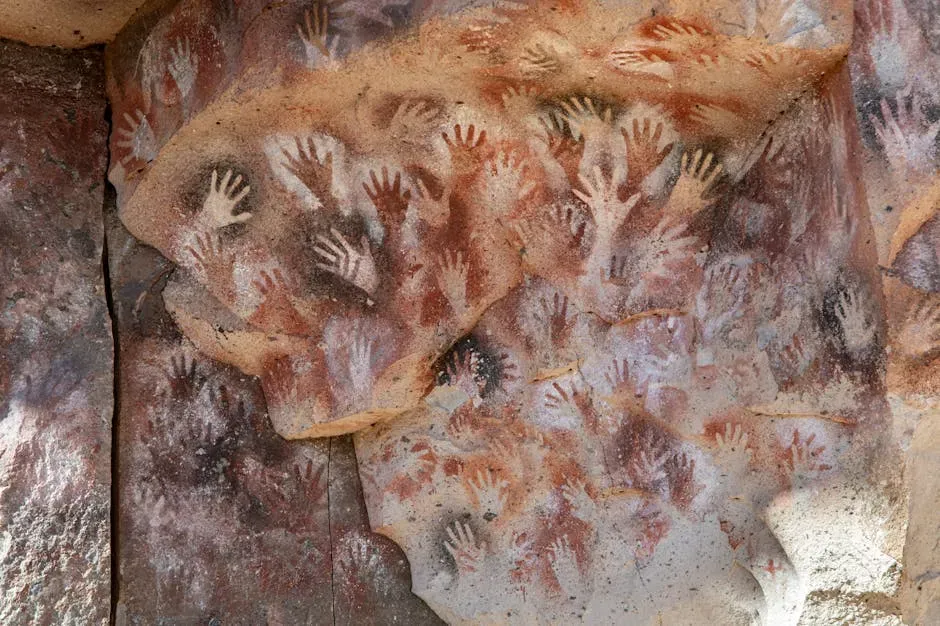
For a long time, people assumed symbolic behavior and visual creativity were uniquely ours. Then researchers started finding Neanderthal sites with chunks of pigment like ochre and manganese, some of them ground or scraped in ways that look like deliberate use. There is also evidence that they collected unusual objects, such as pretty shells or shaped bones, which could have been used as personal ornaments. Whether you call this “art” or not, it shows something important: Neanderthals paid attention to more than food and shelter. They noticed color, pattern, and beauty. They may have painted their bodies or decorated tools and clothing. The urge to express identity or meaning visually is very human, and seeing traces of it in Neanderthal life makes the “dumb caveman” label feel not just wrong but almost insulting.
8. Many of us carry Neanderthal DNA – and it still affects our bodies today
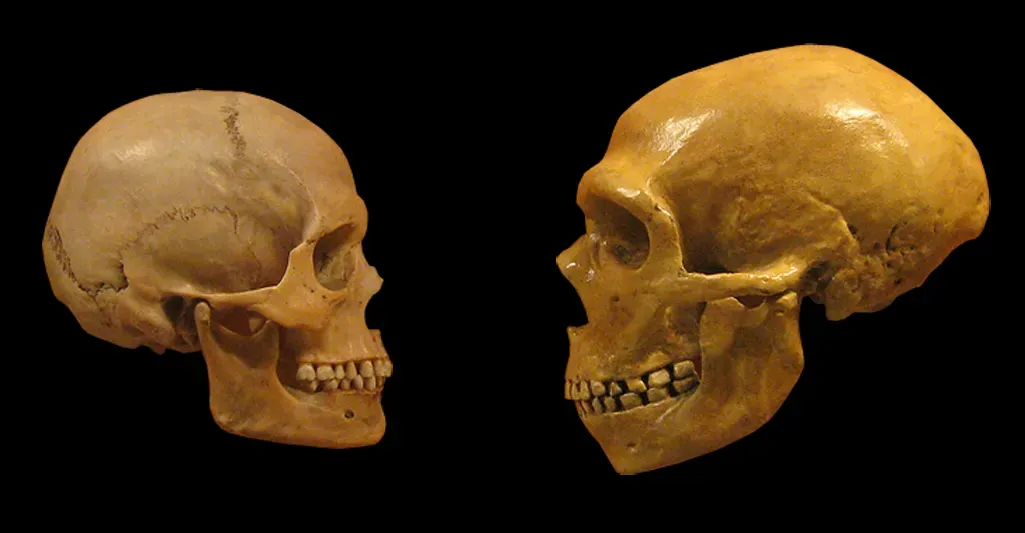
The most awkward punchline to any Neanderthal joke is this: if you have ancestry from outside sub‑Saharan Africa, you probably carry a small but real amount of Neanderthal DNA. When modern humans encountered Neanderthals, they did not just fight them; they also formed relationships and had children together. Those children survived, had their own children, and left traces that can still be detected in living people. Some of these inherited genes are linked to traits like immune responses, how we handle sunlight, fat storage, even how our bodies respond to certain infections. That means Neanderthals are not just historical characters; they are a quiet, literal part of who we are. Making fun of them as a separate, inferior species starts to sound odd when your own genome is carrying their legacy around like a hidden family story.
9. They were not failures – they were a successful human line that ended
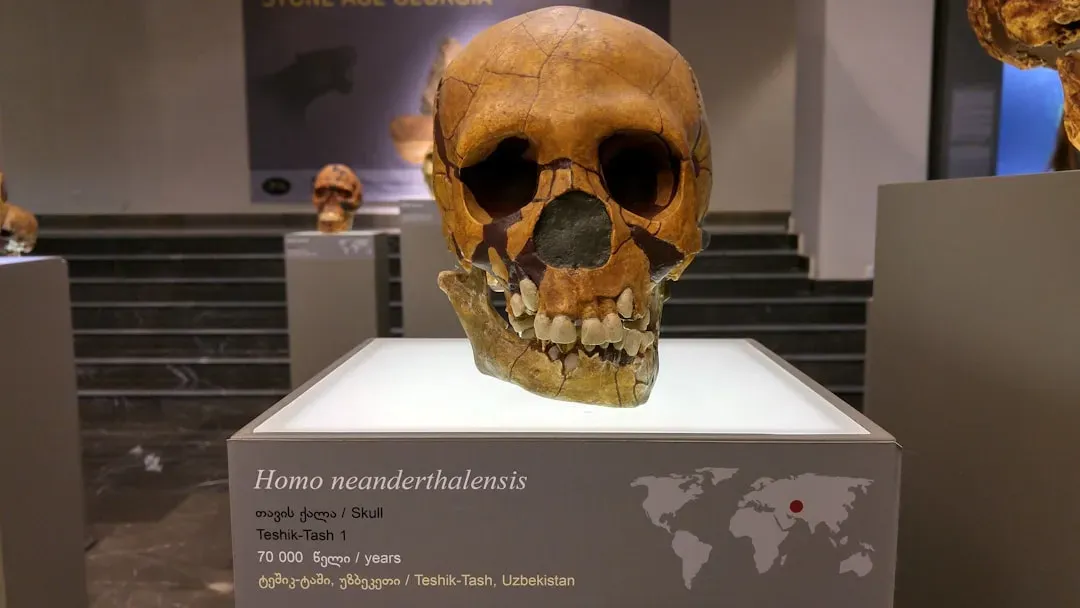
There is a lazy narrative that Neanderthals “lost” because they went extinct while we survived, as if evolution were a simple talent show with only one winner. In reality, they thrived for hundreds of thousands of years across a huge territory, adapting to shifting climates and ecosystems. That is not the track record of a failed experiment; it is the track record of a successful human lineage that eventually reached a dead end, like countless others. Their disappearance likely involved a messy mix of climate swings, competition with our species, demographic bad luck, and genetic absorption into modern human populations. In other words, they did not just vanish because they were “too dumb” to cope. Judging them as failures because we are the ones left feels like bragging that you are better than your great‑grandparents because you happen to be alive after them. It says more about our arrogance than about their abilities.
Conclusion: Maybe the real joke is on us
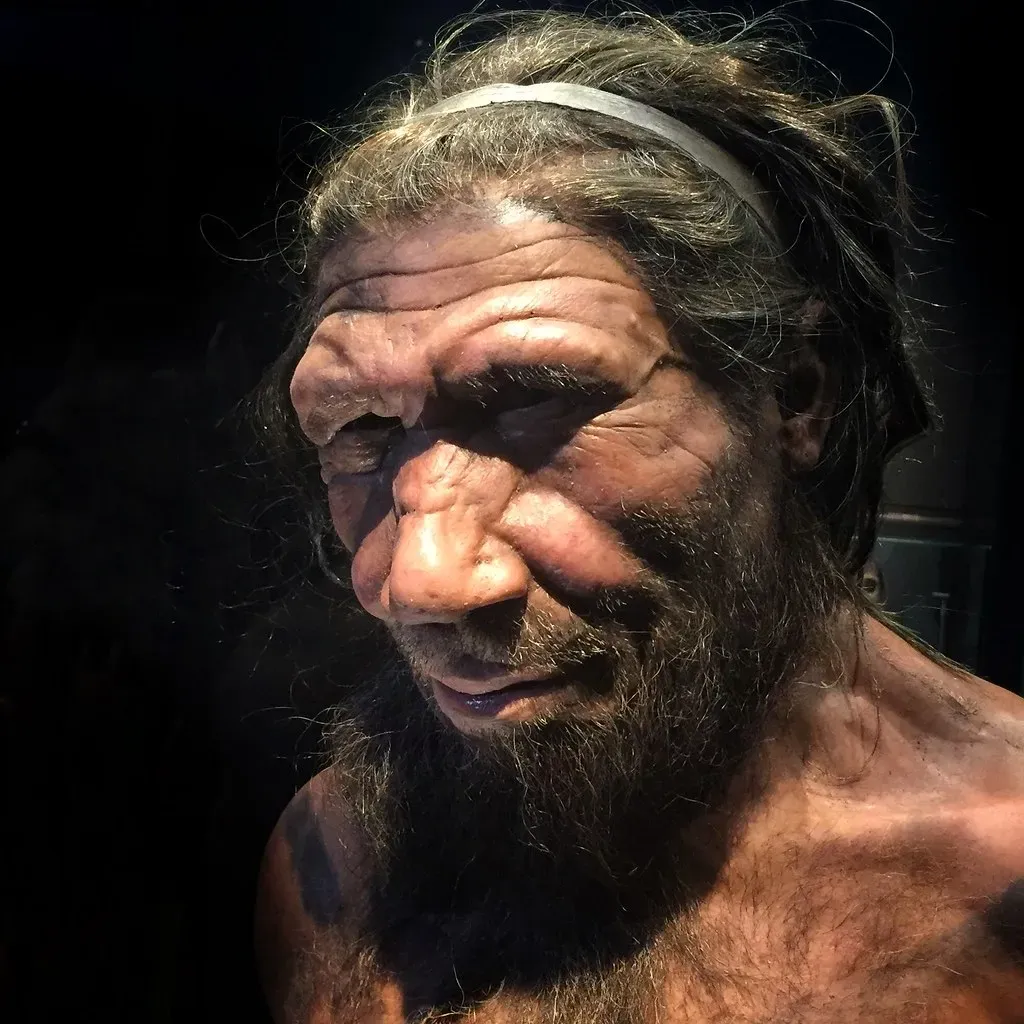
Once you strip away the club‑dragging stereotypes, Neanderthals start looking less like walking punchlines and more like a slightly different version of us: tough, smart, emotional, creative, and sometimes heartbreakingly vulnerable. They survived climates that would flatten most of us, cared for their injured, buried their dead, shaped tools with real skill, and even left fingerprints in our DNA. The more I read about them, the more I feel that calling someone a “Neanderthal” should be closer to a backhanded compliment than an insult. We like to pretend that modern humans are the inevitable peak of intelligence and culture, but Neanderthals quietly remind us that being human has never been a single, perfect template. There were other ways to be human that worked extremely well for a very long time. Maybe, instead of using their name as shorthand for stupidity, we should retire the caveman joke altogether and replace it with a more uncomfortable question: if another kind of human walked the Earth alongside us today, would we treat them with respect – or turn them into memes again?