
If you could drop your zodiac sign into the most catastrophic moments in Earth’s history, when everything was collapsing and life was hanging by a thread, when would you have the best shot at making it through? It is a wild question, but it turns out the big mass extinctions each had their own “personality,” with different pressures, timelines, and survival advantages. Pair that with the emotional armor, instincts, and flaws of each sign, and you get a strangely revealing, slightly unhinged way to think about resilience.
We are going to stroll through five of the biggest extinction events plus the present biodiversity crisis, and sort the zodiac into the one they would most likely tough out. This is not literal astrology-as-science, of course, but it is grounded in what we actually know about those disasters: rapid climate swings, volcanic winters, asteroid impacts, an oxygen-starved ocean, and one long human-made grind. Along the way, you might see your sign’s coping style under pressure in a sharper, more honest light than any feel-good horoscope ever offered.
Aries & Sagittarius: The End‑Cretaceous Asteroid Impact (The Dinosaur Killer)
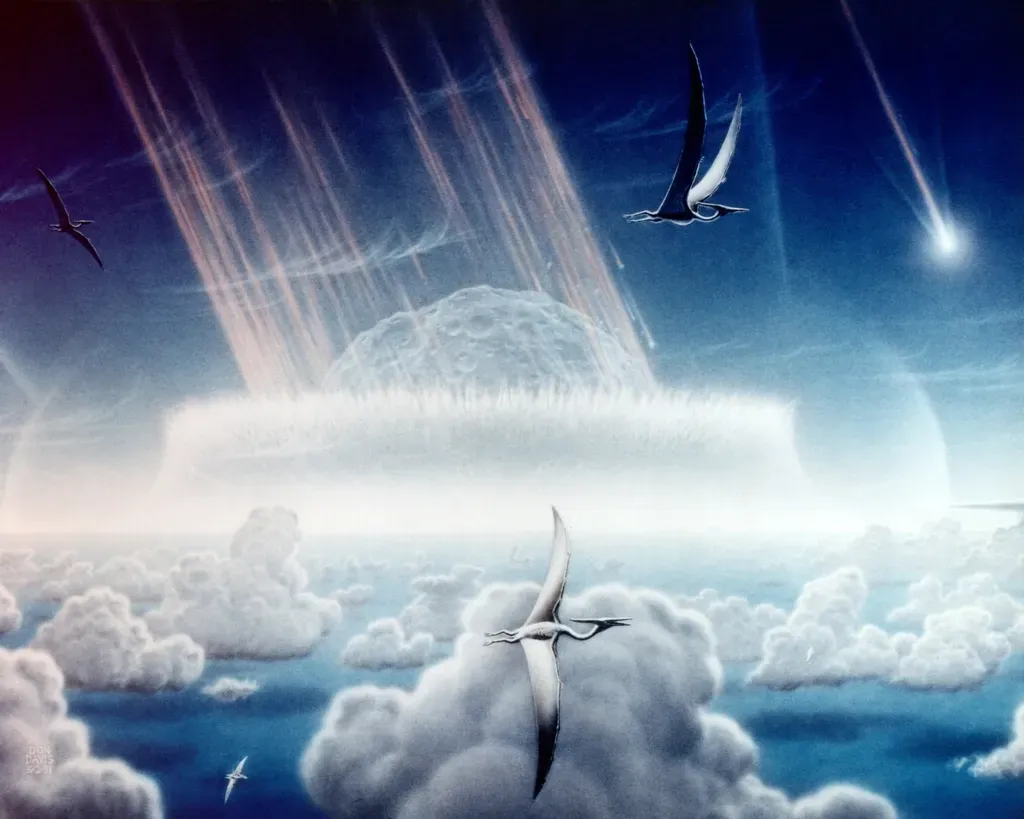
Picture this: a bright day that ends with a fireball, tsunamis, global shockwaves, and a dust-choked sky that shuts down photosynthesis for months. That was the end‑Cretaceous extinction, when a massive asteroid slammed into what is now Mexico and finished off the non‑avian dinosaurs along with a huge chunk of other species. The survivors were not necessarily the biggest or strongest; they were often the quickest to adapt, able to seize weird, short-lived opportunities in a radically broken world.
That is pure Aries and Sagittarius energy. Aries is wired for crisis, fueled by adrenaline, and more comfortable in fight mode than in slow-burn stability. In a post-impact chaos where food chains collapse and old rules vanish overnight, that fearless, act‑now‑figure‑it‑out‑later streak could actually be an asset. Sagittarius brings restless curiosity and an almost reckless optimism, which might sound naive until you remember that in a shredded landscape, constantly moving, exploring, and trying new strategies is exactly how some lineages found pockets of safety and food. These are the signs that would sprint through falling debris, say “okay, new world, new game,” and start again while everyone else is still stunned.
Taurus & Cancer: The Late Devonian Slow‑Burn Collapse
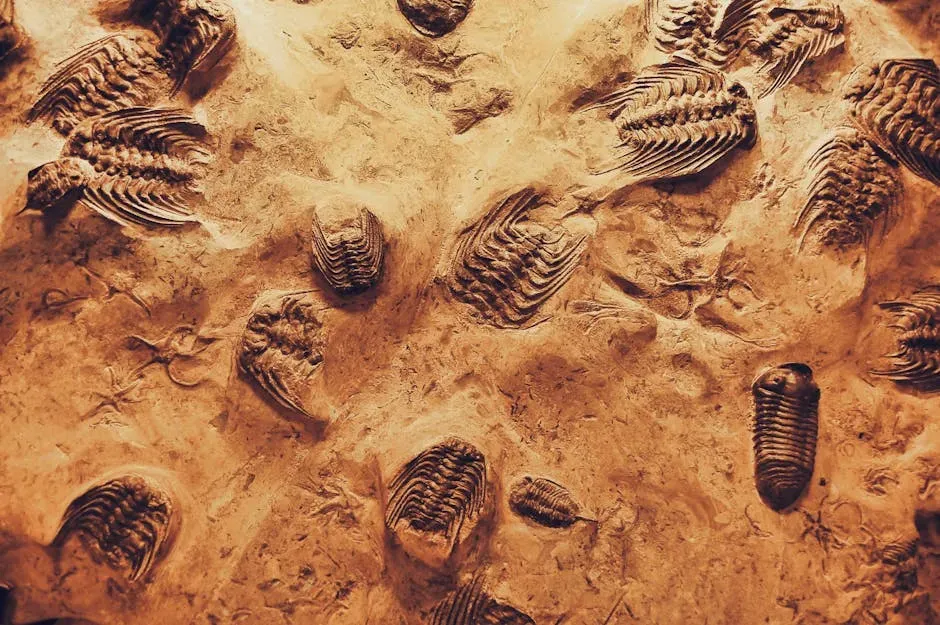
The Late Devonian extinction was not a single dramatic blast; it was more like a drawn‑out series of blows over millions of years. Oceans lost oxygen, reefs crumbled, and ecosystems lurched through repeated stress. It was less about surviving one apocalyptic day and more about enduring long, grinding instability. Species that made it tended to be those that could hunker down, ride out long bad stretches, and slowly adjust their habits to new, less generous environments.
Taurus and Cancer are built for that kind of survival marathon. Taurus is stubborn in the best possible way: steady, conservative with energy, focused on securing food, shelter, and comfort even when conditions are miserable. In a drawn-out collapse, that patient, earthbound insistence on maintaining a base and making do with less could be exactly what keeps a lineage alive. Cancer, with its strong instinct to protect a “home base” and care for its own, maps well onto the kind of parental and shelter-building strategies that gave some animals an edge when oceans became more hostile. These are the signs more likely to burrow, shield, ration, and endure, not by winning a dramatic battle, but by quietly refusing to give up for a very long time.
Gemini & Libra: The Triassic–Jurassic Reset (When Generalists Win)

The Triassic–Jurassic extinction was a reset button moment: giant volcanic eruptions, rapid climate shifts, and a wave of species disappearances that cleared room for new evolutionary experiments, including the later rise of large dinosaurs. In such a shaken-up world, highly specialized species often struggled; it was the adaptable generalists, able to eat a variety of foods, shift habitats, and quickly exploit new niches, that had the edge.
Gemini and Libra are born generalists in a psychological sense. Gemini is curious, quick to change direction, and always juggling multiple ideas or roles; that mental flexibility mirrors the kind of ecological flexibility that tends to survive big transitions. Libra’s gift is in navigating shifting relationships and finding balance when the social “ecosystem” is unstable. In a world where old hierarchies and alliances collapse, a sign that can rapidly recalibrate, broker new arrangements, and stay mentally light on its feet has a real chance. These are the signs that would not cling to the old order; they would treat a planetary reset almost like a new social scene to work, test, and adapt to.
Virgo & Capricorn: The Permian–Triassic “Great Dying” (Maximum Hard Mode)
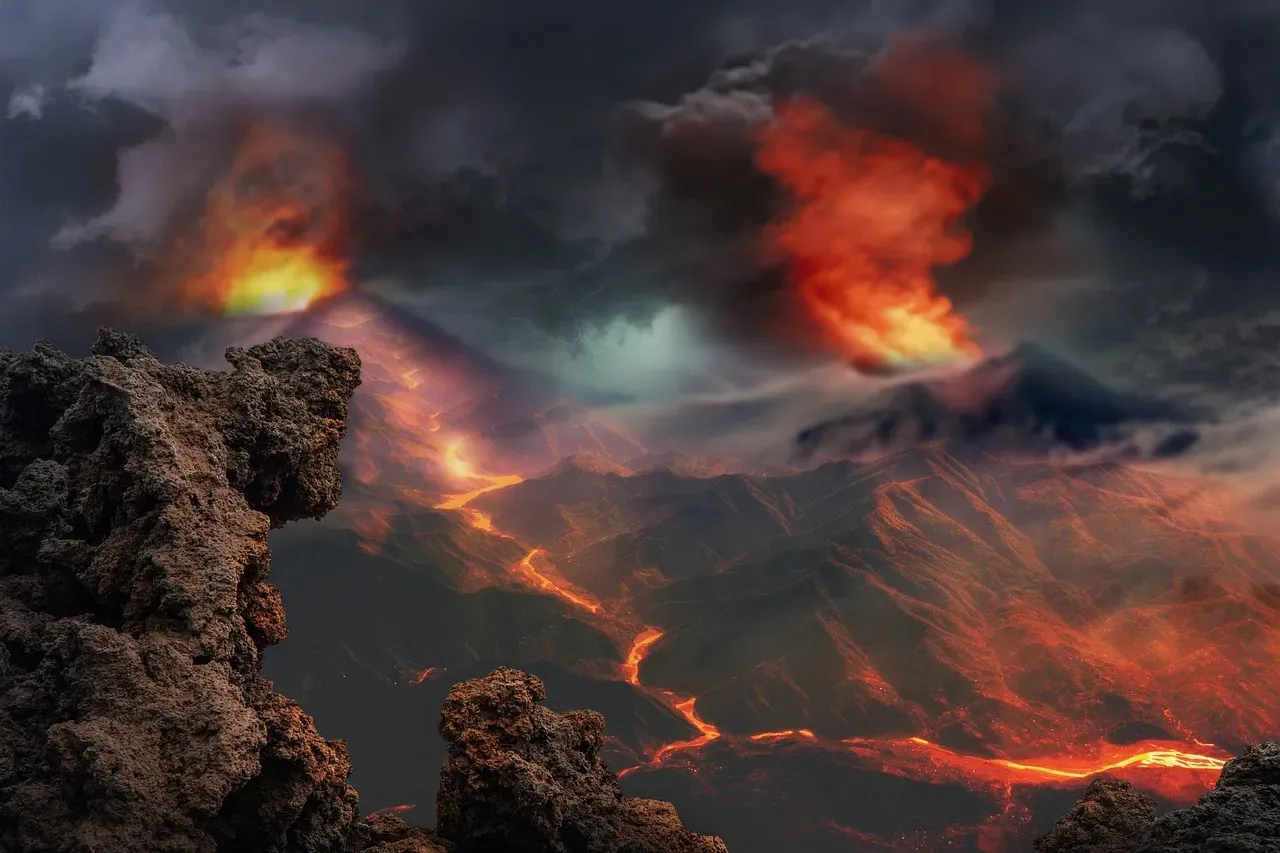
The Permian–Triassic extinction is the brutal boss level of Earth history. Massive volcanic eruptions, runaway greenhouse warming, oceans turning anoxic and possibly toxic, and a collapse of nearly everything familiar. The majority of marine species vanished, and life on land was not spared either. Surviving that nightmare demanded extreme efficiency: any wasted energy, any sloppy strategy, and you were done. The organisms that made it through tended to be small, resilient, and ruthlessly adapted to scarcity.
Virgo and Capricorn feel right at home in that kind of “no margin for error” environment, at least psychologically. Virgo’s instinct to analyze, refine, and obsess over systems fits a situation where tiny optimizations could mean the difference between surviving another season or not. Capricorn brings a cold-eyed realism and a willingness to grind through harsh conditions, sacrificing comfort to reach a distant goal. In the Great Dying, you would want a mindset that can accept that things are terrible, prioritize relentlessly, and keep making practical, unsentimental choices. These are the signs that would cut emotional noise, create a survival plan, and stick to it while others panic or romanticize the past.
Leo & Aquarius: The Ordovician Glacial Shock (Big Swings, Bold Responses)
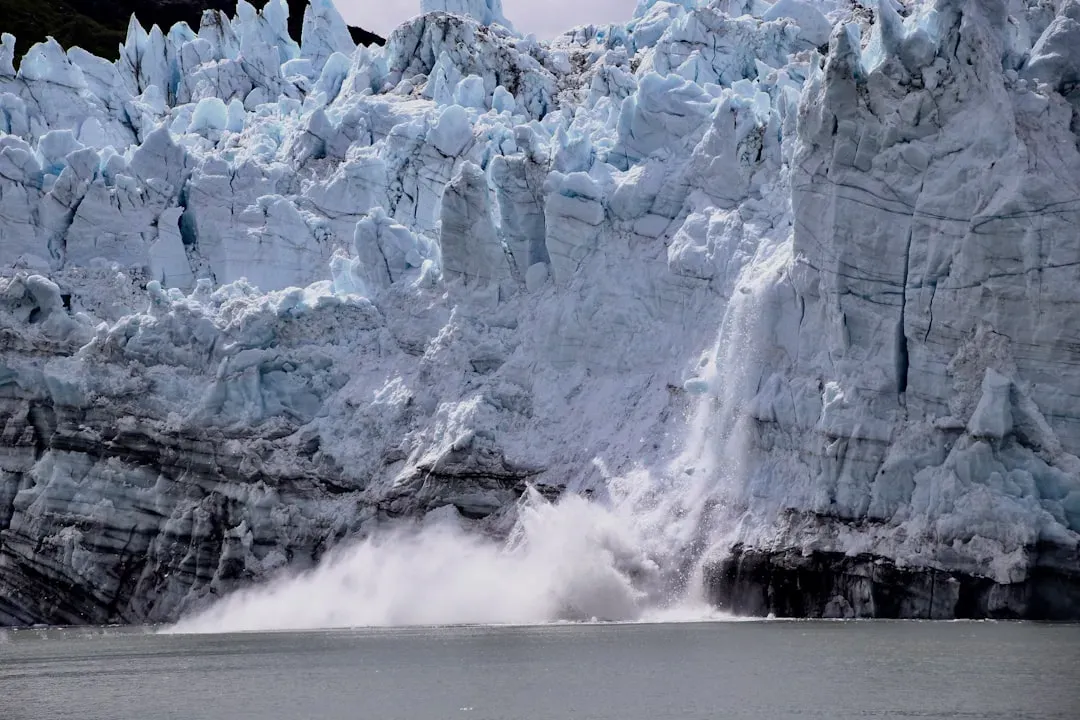
The Late Ordovician extinction was driven largely by dramatic climate shifts: cooling, glaciation, falling sea levels, and then a rebound. Marine life was hit hard, particularly species that needed stable, shallow seas. Surviving meant tolerating big environmental swings and potentially riding out rapid habitat changes, whether that meant shifting ranges, changing depth zones, or evolving into something quite different over time.
Leo and Aquarius thrive, in their own ways, on big swings and bold transformations. Leo has a strong drive to stand out and to keep going even when the stage is collapsing; there is a kind of psychological warmth and self-belief there that translates into taking risky, decisive actions instead of freezing. Aquarius is comfortable with radical change and often emotionally detached enough to adapt to new rules without clinging to old identities. In a world lurching from ice to relative warmth and back, these signs would not just endure change; they would try to turn it into an opportunity to reinvent themselves. They might not be the quiet background survivors, but the surprising, dramatic lineages that come out of the chaos looking nothing like what went in.
Scorpio & Pisces: The Current Human‑Driven Biodiversity Crisis
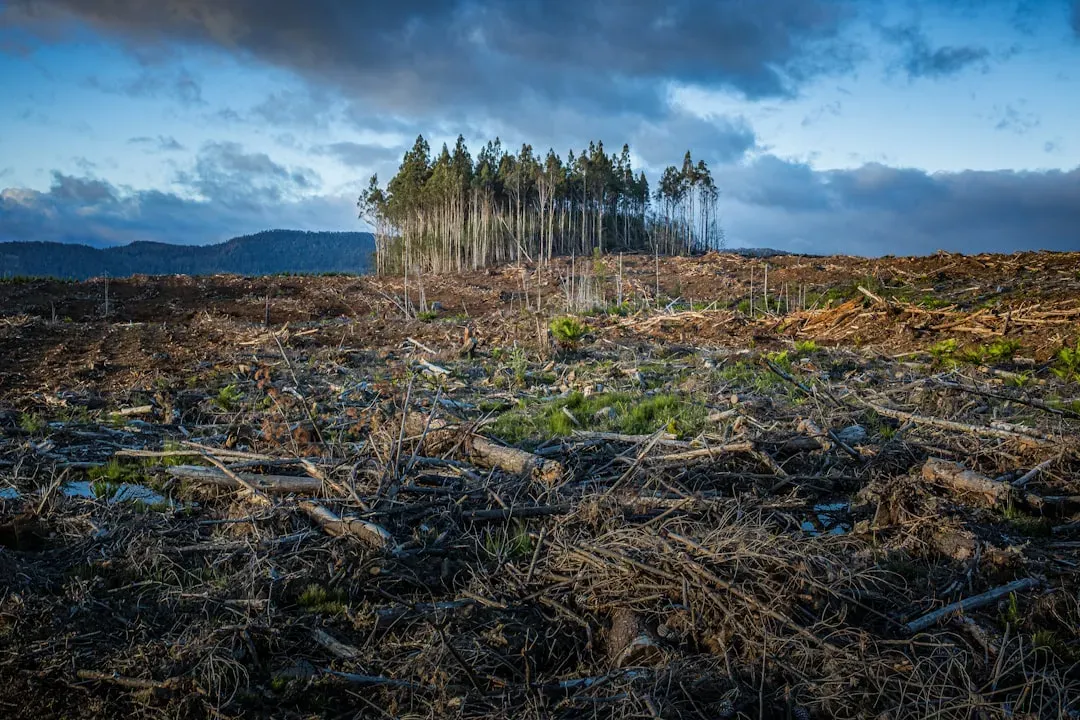
Right now, we are in what many scientists argue is a new human‑driven mass extinction, fueled by habitat destruction, climate change, pollution, and invasive species. It is slower than an asteroid strike but much faster than most natural background extinction rates. Surviving this one is not just about biological traits; it is also about psychological resilience, emotional depth, and the capacity to live meaningfully in a damaged, complicated world where the threat is us.
Scorpio and Pisces are the two signs most attuned to invisible undercurrents, trauma, and transformation through loss. Scorpio’s willingness to look straight at the darkness, to confront power, and to rebuild from ruins makes it well suited to an age of ecological grief and systemic upheaval. Pisces brings compassion, imagination, and a capacity to adapt internally when the outer world feels overwhelming. In our current crisis, survival is not purely physical; it is spiritual and emotional too. These are the signs most likely to face the reality of what is happening, feel it deeply, and then quietly evolve their way of living so that something gentler and wiser can keep going, even if the old world does not.
Conclusion: Your Sign’s Survival Style in a Dying World
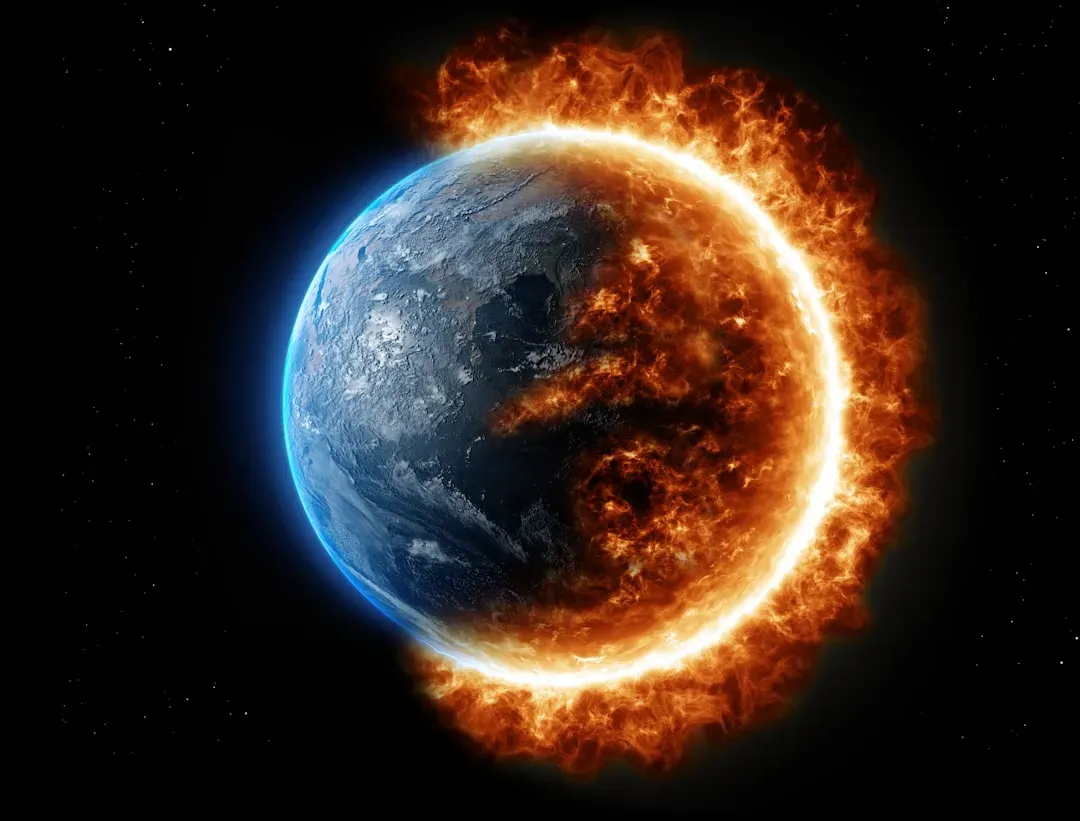
Thinking about which extinction your zodiac sign would survive is obviously playful, but underneath the cosmic humor is a sharper truth: each sign carries a distinct survival style. Some rush straight into the fireball, some dig in for the long winter, some rewrite the rules mid‑collapse, and some sit with the grief and quietly transform. I find it more honest to admit that if history teaches us anything, it is that no single style always wins; sometimes the bold thrive, sometimes the cautious, sometimes the weirdly flexible in the middle.
My own opinion is that the signs most likely to “survive” our reality are not the ones that look toughest on paper, but the ones that can stay awake when everything in them wants to shut down. Whether you resonate more with asteroid chaos, slow‑burn collapse, or present‑day human‑made mess, the real question is how you handle change, fear, and loss in your actual life. Do you charge, burrow, negotiate, optimize, perform, or transform? And if you had to bet, which version of you would make it through the extinction you are living in right now?