
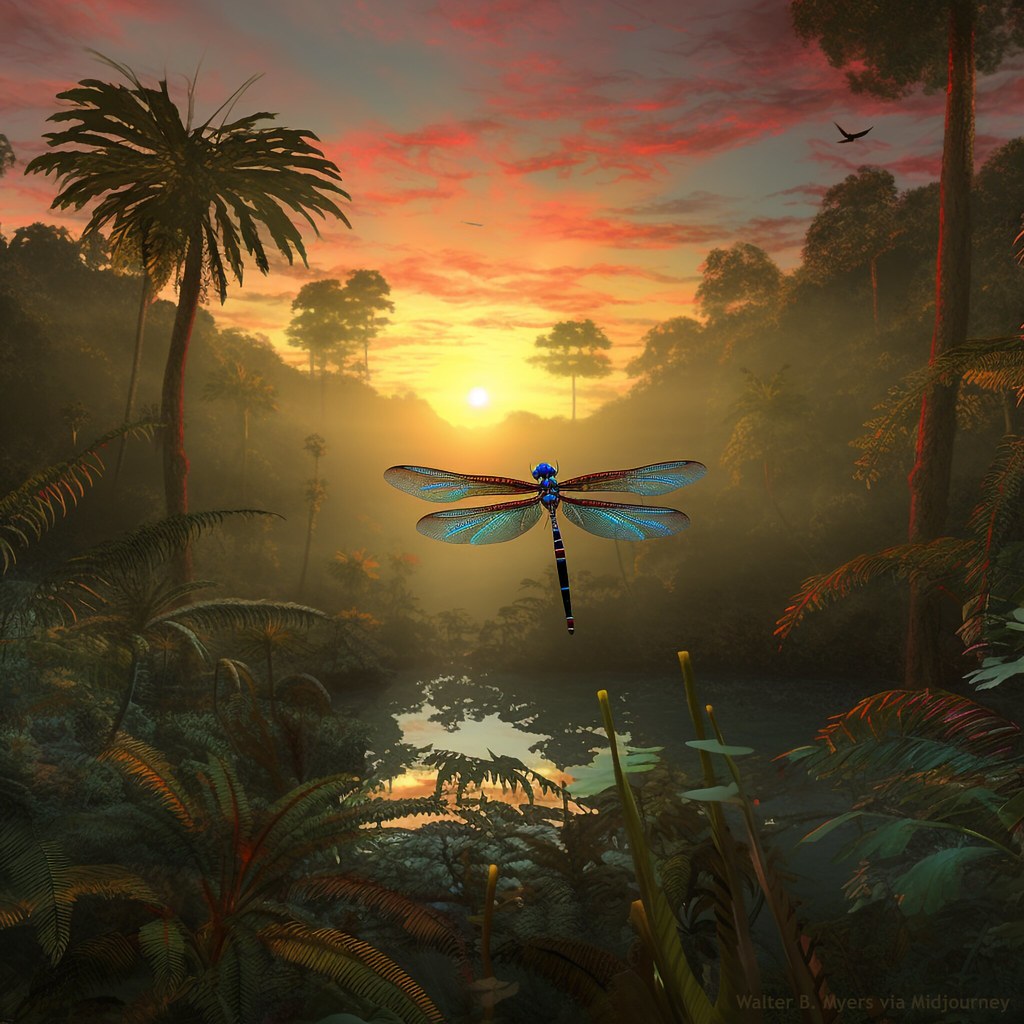
Imagine an Earth with purple seas, dragonfly-sized birds that are actually insects, and skies darkened not by storms but by asteroid dust. Prehistory is not just a slow march of dinosaurs and cavemen; it is a wild, violent, almost unbelievable story that our planet somehow survived. The strangest part is that the ground beneath your feet is still echoing with that story, from the rocks in your driveway to the calcium in your own bones.
When I first really dug into prehistoric life, I kept having the same reaction: this cannot be real. Yet it is. Giant fungi that towered like trees, sharks that could swallow a car, forests at the South Pole, and a moon that once loomed much larger in the sky. Once you see how bizarre and extreme our deep past really was, it becomes almost impossible to look at today’s world the same way again.
1. There Was A Time When Giant Mushrooms Ruled The Land
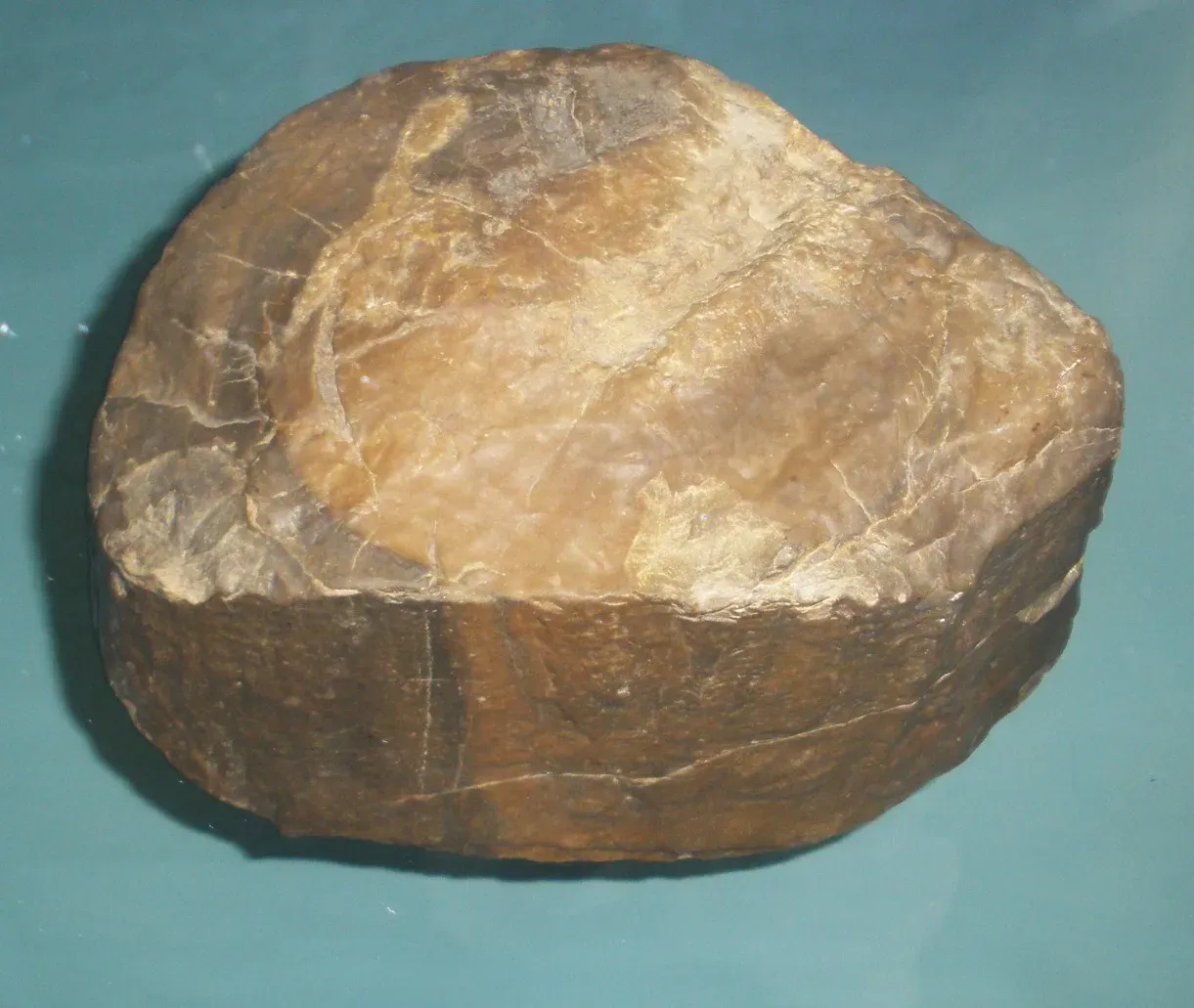
Long before towering redwoods and rainforests, Earth’s landscapes may have been dominated by something that sounds like a fantasy game: gigantic fungal structures called Prototaxites. These column-like organisms, which lived roughly about four hundred million years ago, could reach the height of a small building, probably around eight meters tall, rising out of largely barren terrain. Picture a world where the tallest thing on land is not a tree, but a massive, pillar-like mushroom looming over early mosses and tiny plants.
Scientists still debate exactly what Prototaxites was, but the leading view is that it was some kind of enormous fungus feeding on decaying material. That alone is unforgettable: for millions of years, the closest thing Earth had to forests was basically a mushroom skyline. Next time you see a little toadstool on a damp log, remember its ancient relatives once stood like skyscrapers over a nearly empty world, long before dinosaurs ever existed.
2. The Biggest Insects Thrived Because The Air Was Supercharged With Oxygen
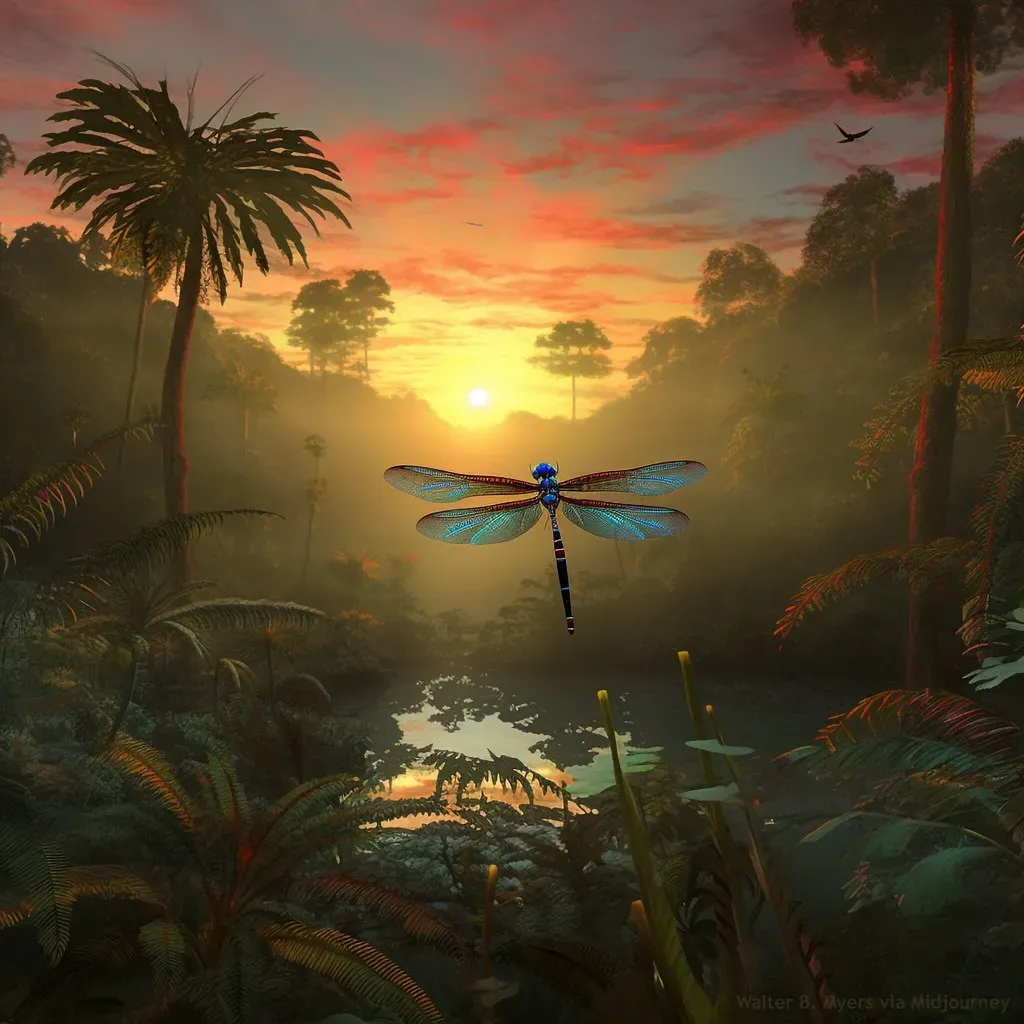
During the late Paleozoic, especially the Carboniferous period, Earth’s atmosphere held much more oxygen than today, likely around one and a half times or even a bit more. That oxygen-rich air turned evolution loose on arthropods, allowing them to grow to frankly absurd sizes. Dragonfly relatives such as Meganeura had wingspans as wide as a modern hawk, while some millipede-like creatures stretched longer than a person is tall.
Insects breathe through tiny tubes along their bodies, so more oxygen in the air meant bigger bodies could still get enough gas exchange. When that oxygen level later dropped closer to modern values, those giant insects largely disappeared, squeezed by physics and competition. It is oddly comforting, in a way; if you are not a fan of bugs now, just be glad you do not live in a world where a “mosquito problem” might mean something the size of a seagull looking for a meal.
3. Earth Has Survived At Least Five Mass Extinctions (And The Worst One Wasn’t The Dinosaurs)
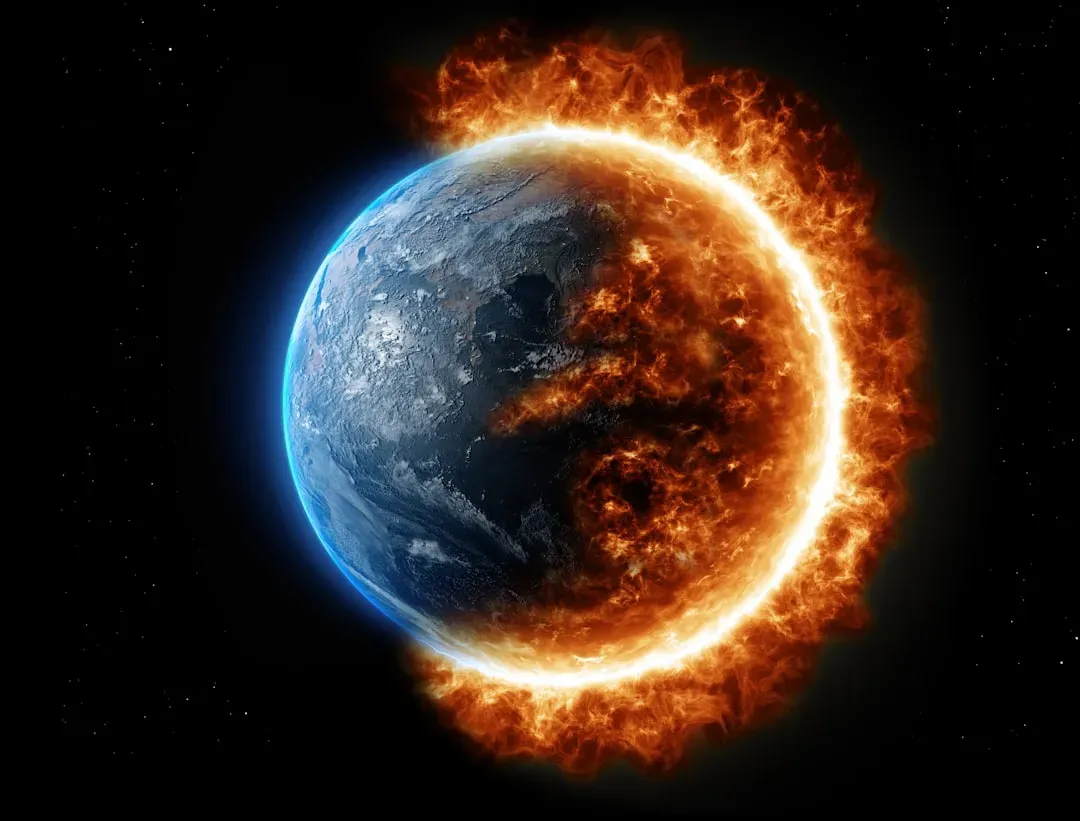
Most people know the dinosaurs were wiped out by a catastrophic event, but that was just one of at least five major mass extinctions in Earth’s history. The worst was the end-Permian extinction, often called “the Great Dying,” when roughly about nine out of ten marine species and most land species vanished over a geologically short window. The causes likely involved massive volcanic eruptions, climate chaos, and ocean poisoning, turning the planet into something closer to a slow-baking pressure cooker.
What sticks with me is the sheer resilience hidden in that horror story. After each of these near-world-ending events, life did not just crawl back; it reinvented itself. New groups rose to prominence, from dinosaurs after one extinction to mammals after another. You are here because countless lineages survived not just bad weather or tough winters, but cosmic gut-punches on a planetary scale and still managed to adapt, split, and diversify.
4. The Moon Used To Look Enormous And Made The Days Much Shorter
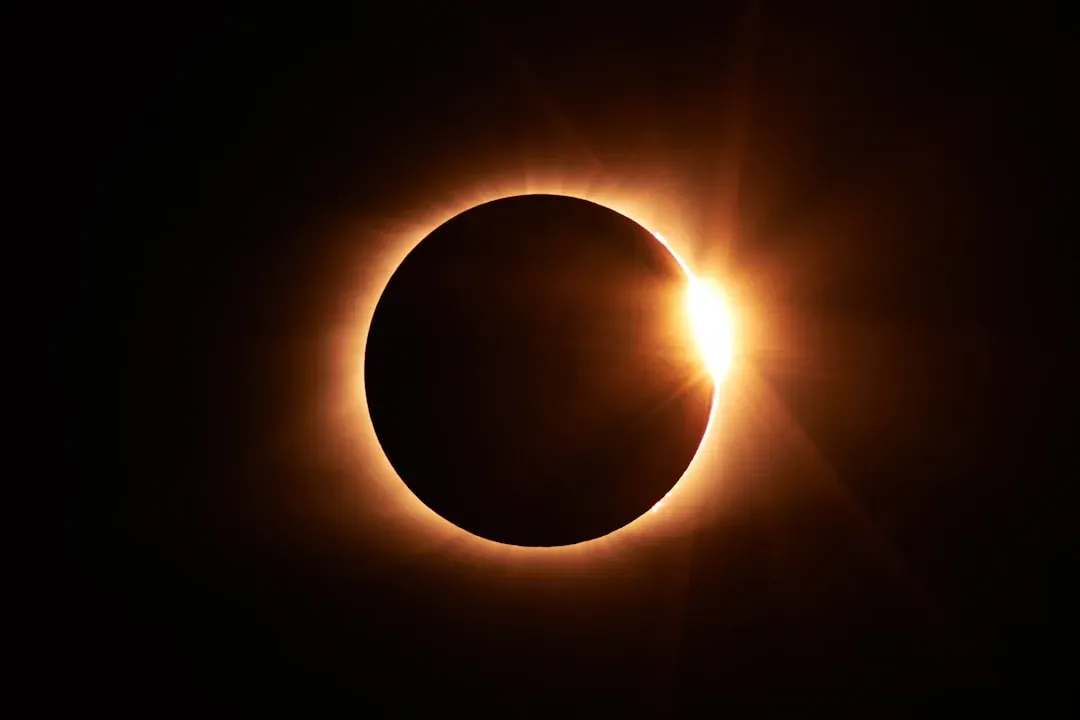
When the Moon first formed, likely from a colossal impact early in Earth’s history, it orbited far closer than it does now. That meant it loomed much larger in the sky, dominating nights with a bright, looming disc. At the same time, Earth spun faster, so a day was not twenty-four hours but closer to something like fifteen or even less, depending on the era you look at, with more days crammed into each year.
Over billions of years, tidal forces have been gradually slowing Earth’s rotation and nudging the Moon farther away, a tiny fraction of a centimeter at a time. The result is that our familiar day length and the Moon’s current size are not fixed features of reality, but a passing phase in a long cosmic dance. Next time someone complains there “aren’t enough hours in a day,” it is technically true in another sense: there really used to be fewer.
5. Some Ancient Sharks Were So Big They Rewrote What “Apex Predator” Means
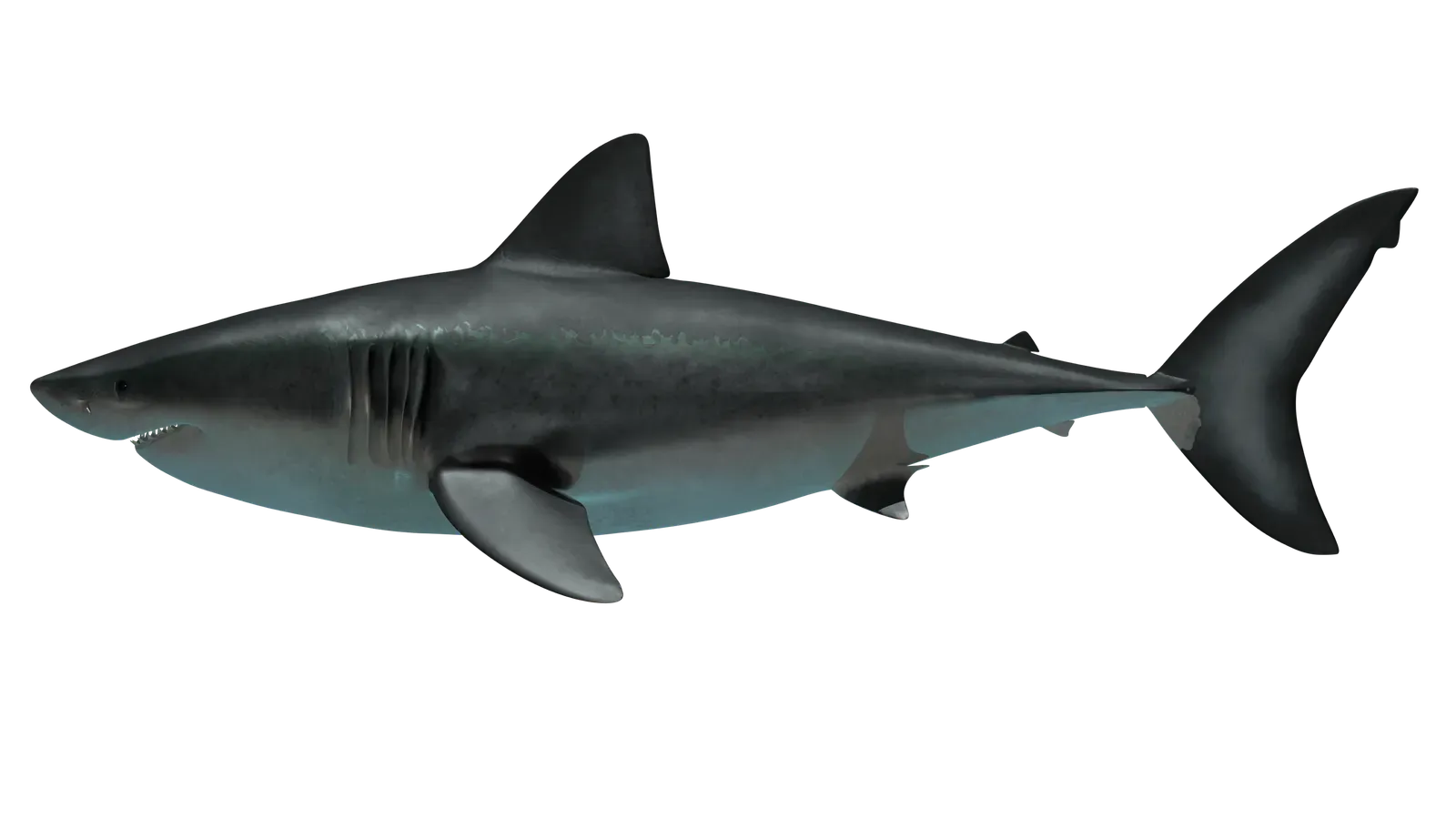
Long before the famous megalodon, prehistoric seas were patrolled by massive sharks like Helicoprion and later by truly gigantic species that dwarf modern great whites. Megalodon itself, which lived millions of years after the dinosaurs, could probably reach lengths that would make a city bus look modest, with jaws strong enough to crush whale bones. Imagine swimming in an ocean where you are not even close to the top of the food chain, even if you were the size of a car.
What fascinates me is how often evolution has tried the “huge shark” experiment. Different lineages at different times ballooned into super-predators, exploiting rich marine ecosystems and warm climates that could support such energy-hungry bodies. Today’s great white sharks seem terrifying to us, but in the context of deep time, they are more like the mid-sized sports cars of the shark world, not the monstrous trucks that once ruled those ancient highways of water.
6. Dinosaurs Lived For An Astonishingly Long Time Compared To Us
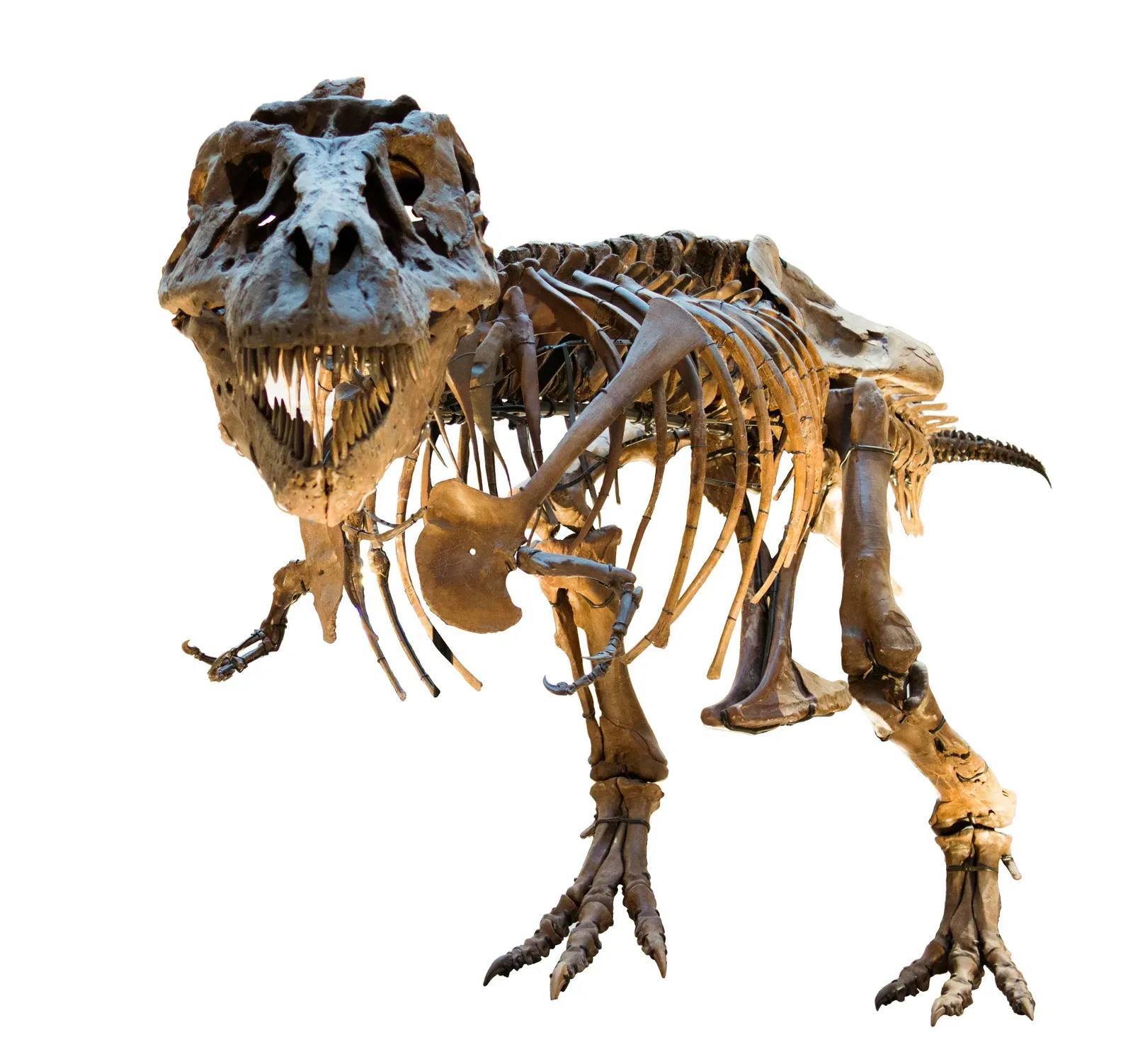
It is easy to think of dinosaurs as just a brief, dramatic act ending in a fiery extinction, but they actually ruled the planet for an enormous stretch of time. Their reign lasted on the order of well over one hundred million years, far longer than the few hundred thousand years that anatomically modern humans have been around. To put it in human terms, if Earth’s history were a single day, dinosaurs would dominate entire long hours, while we would show up in literally the last split second before midnight.
That kind of timescale changes the way you think about success and stability. Dinosaurs survived climate shifts, changing sea levels, and shifting continents that would have utterly destroyed our existing cities and nations. Yet they still vanished when a series of catastrophic events finally stacked up against them. Our species tends to think in election cycles and ten-year plans; the dinosaurs’ story is a reminder that survival over geologic time is a much tougher test.
7. Early Mammals Were Not Just Tiny, Cowardly “Dinosaur Sidekicks”
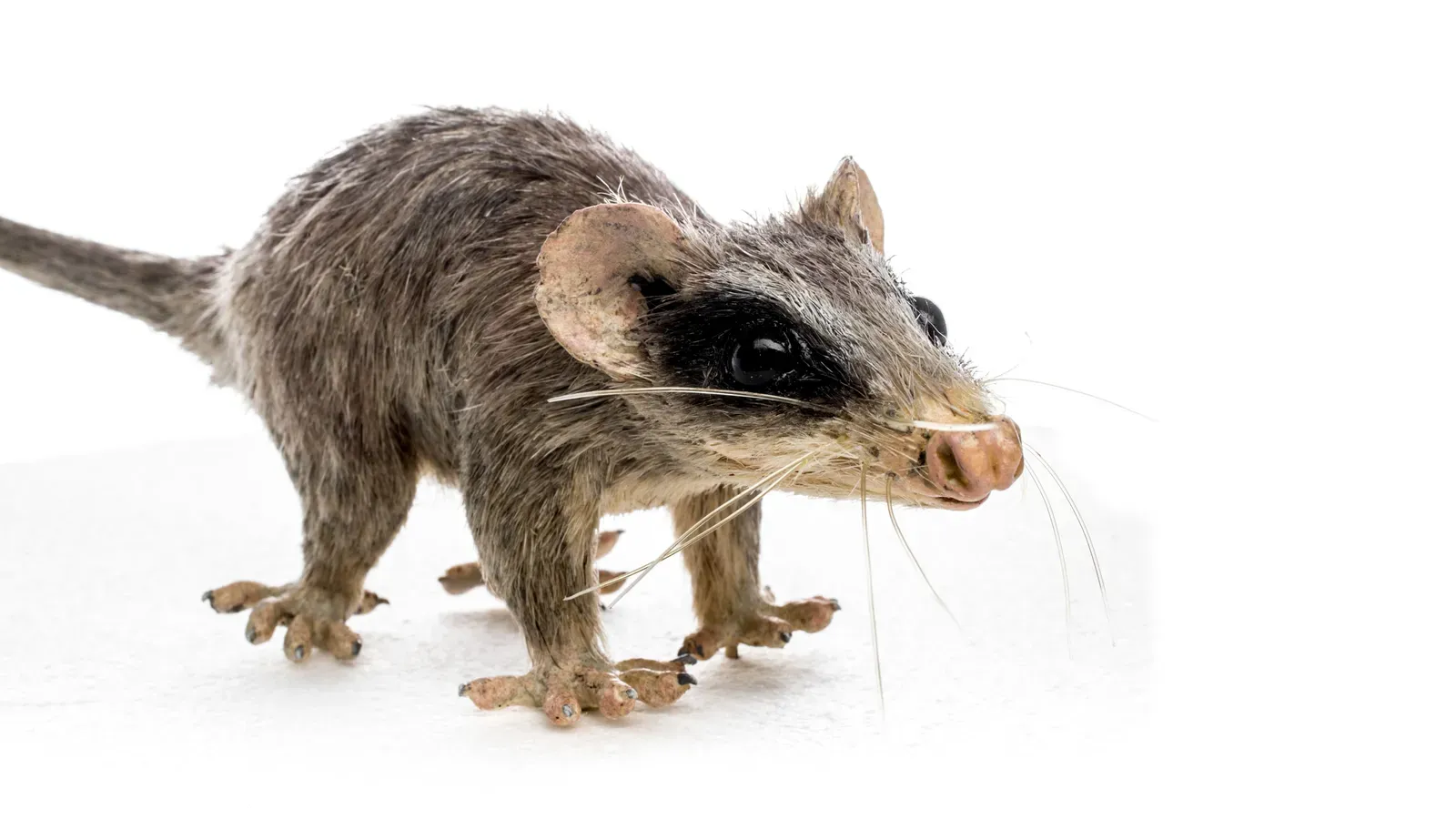
The classic picture of prehistoric mammals is a bunch of shrew-like creatures darting in the shadows of giant dinosaurs, doing nothing exciting for millions of years. Reality is a lot more interesting. Fossils show that even in the age of dinosaurs, some mammals glided like flying squirrels, swam like modern otters, and probably hunted small vertebrates with sharp teeth and complex behaviors.
Far from being evolutionary dead weight, mammals were quietly experimenting with all sorts of body plans and lifestyles. When the non-avian dinosaurs disappeared, mammals were already primed to explode into new niches, leading eventually to whales, bats, primates, and us. I like to imagine them as the resilient indie band playing tiny clubs for ages, then suddenly, after the big headliner disappears, they are ready with the perfect sound for the new era.
8. Antarctica Once Hosted Lush Forests And Strange Dinosaurs
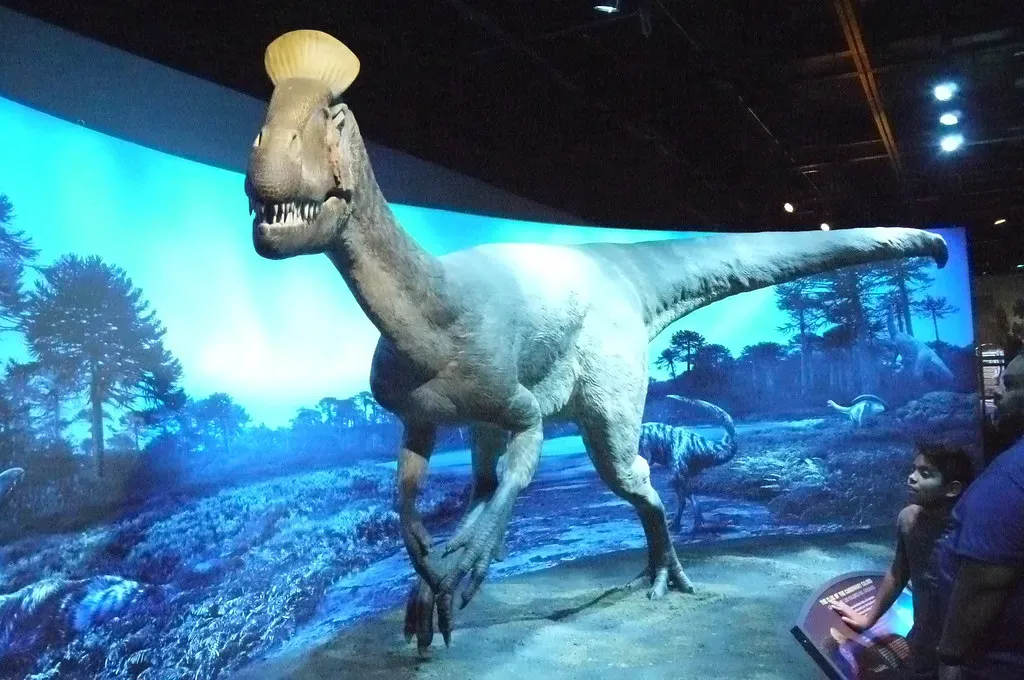
Today we think of Antarctica as a frozen, hostile desert of ice, but that is only the latest twist in its story. During parts of the Mesozoic, when the climate was much warmer and the continents were arranged differently, Antarctica lay more northerly and supported forests filled with hardy plants and even dinosaurs. There were long, dark winters near the poles, but not the brutal deep-freeze we see now, so life adapted to seasonal light changes rather than constant ice.
Fossils of creatures like polar dinosaurs and ancient plants show that ecosystems can exist in places we would now call uninhabitable, if the climate allows it. That is a stark reminder that continents and climates are not fixed identities; they reinvent themselves over millions of years. When you see photos of endless Antarctic ice, it is surreal to imagine herds of dinosaurs once walking where penguins now huddle against the cold and wind.
9. The Chicxulub Asteroid Hit Was Worse Than Almost Any Disaster Movie
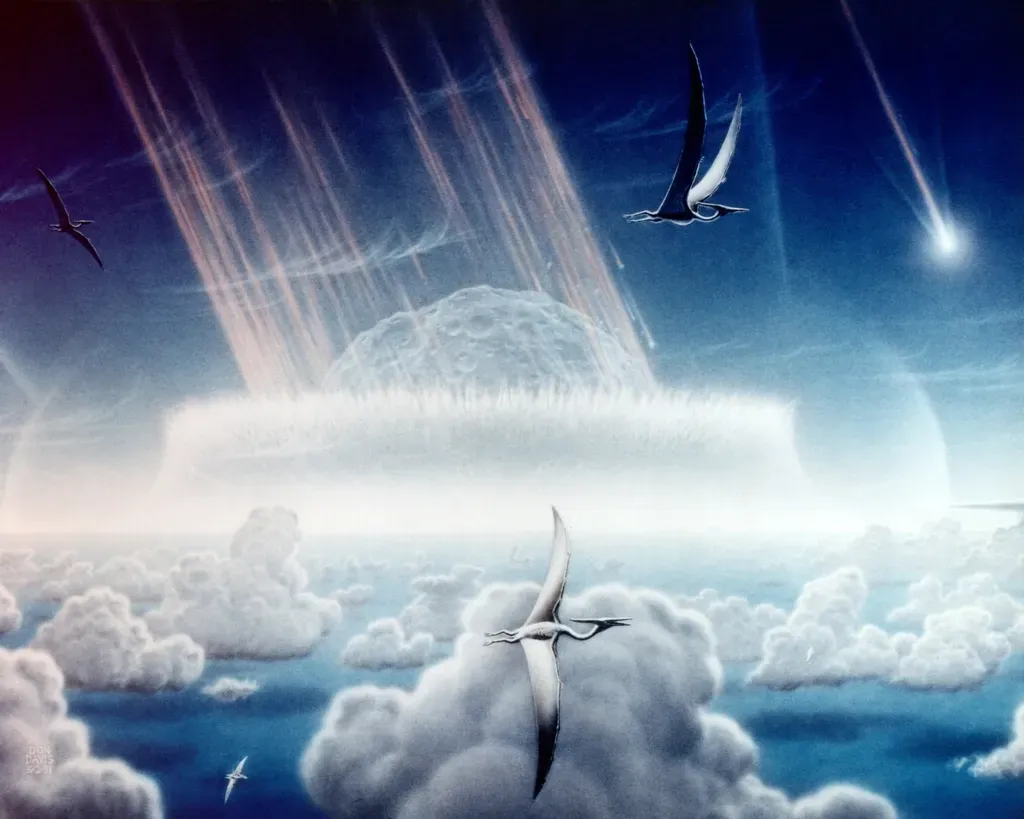
The asteroid impact that ended the age of non-avian dinosaurs was not just a big rock hitting the ground; it was an event nearly impossible to fully visualize. A space object several kilometers wide slammed into what is now Mexico with energy far beyond our arsenal of nuclear weapons combined. The immediate fireball, shockwaves, and tsunamis would have been devastating, but the longer-term effects were even more brutal, plunging the planet into a kind of impact winter.
Dust and aerosols thrown into the atmosphere blocked sunlight, cooling the climate and disrupting photosynthesis on land and at sea. Food chains that had been stable for ages suddenly snapped, wiping out not only dinosaurs but many other groups as well. The only reason we talk about this calmly now is that we live so far after the fact; if you could time-travel back to that week, it would likely feel less like nature and more like the planet itself had been shattered and rebooted.
10. You Carry Actual Prehistoric Stardust And Dinosaur-Era Atoms In Your Body
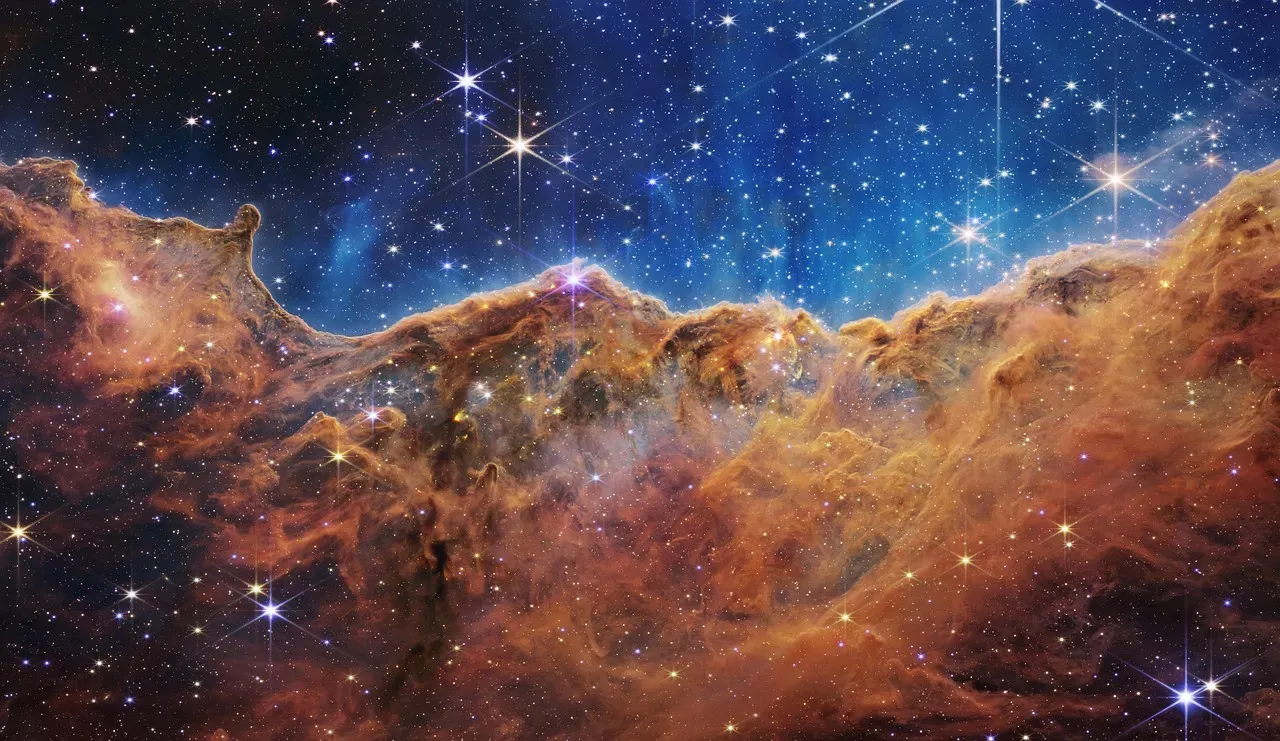
One of the most mind-bending prehistoric facts is not about dinosaurs or volcanoes at all, but about you. The atoms in your body, from the calcium in your bones to the iron in your blood, were forged in ancient stars and recycled countless times through rocks, oceans, and organisms. Some of those atoms once circulated through Jurassic ferns, swam inside Cretaceous fish, or even formed part of a dinosaur’s skeleton before being ground back into the planet and reused.
That means you are not just living on a prehistoric world; in a very literal sense, you are made of it. When people talk about humans being “separate from nature,” it sounds almost funny in the context of deep time. The line between past life and present life is blurred into a continuous, swirling exchange of matter. In a quiet moment, it is worth thinking about: some small part of you has already seen the age of dinosaurs, survived at least five mass extinctions, and traveled the cosmos as stardust.
Conclusion: Prehistory Makes Our Problems Look Small (But Our Choices Huge)
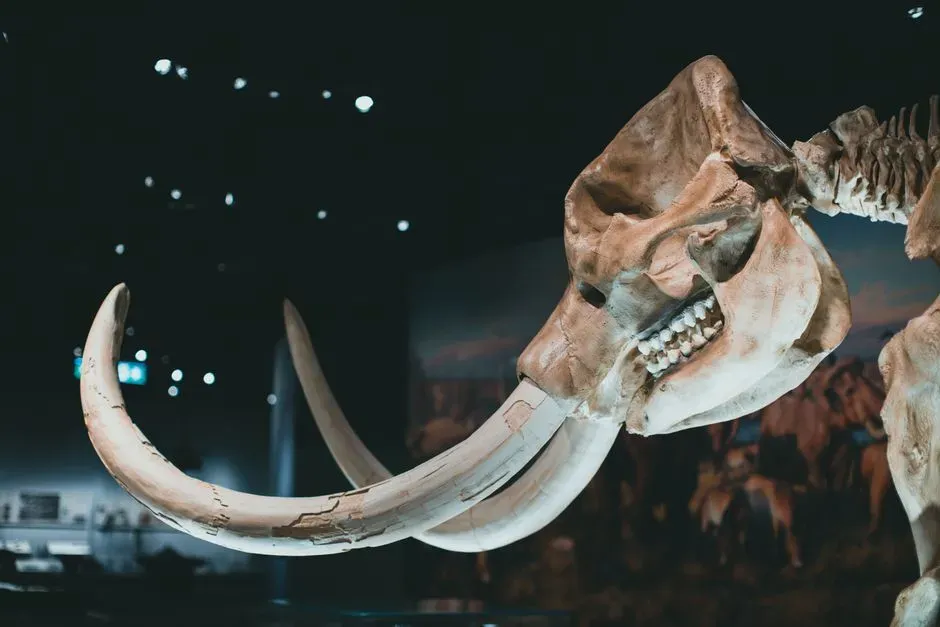
Once you really absorb these prehistoric stories, it becomes hard to see human life as the main act and everything else as background. Compared to mushroom skyscrapers, giant dragonflies, planet-wide extinctions, and roaring asteroid impacts, our daily worries feel almost comically small. At the same time, understanding how fragile ecosystems are, and how violently things can change, makes our current moment feel heavier, because we know just how quickly the script can flip.
My own opinion is that learning prehistory should be as emotionally grounding as learning about your own family history. You realize you come from a line of survivors that stretches back through unimaginable disasters, and yet you also see that nothing in nature guarantees a happy ending for any dominant species. We might not control asteroids or supervolcanoes, but we do control how much extra chaos we add to the system right now. Knowing what Earth has already been through, do we really want to be remembered – if anything remembers us at all – as just another layer in the rock record of self-inflicted catastrophe?