
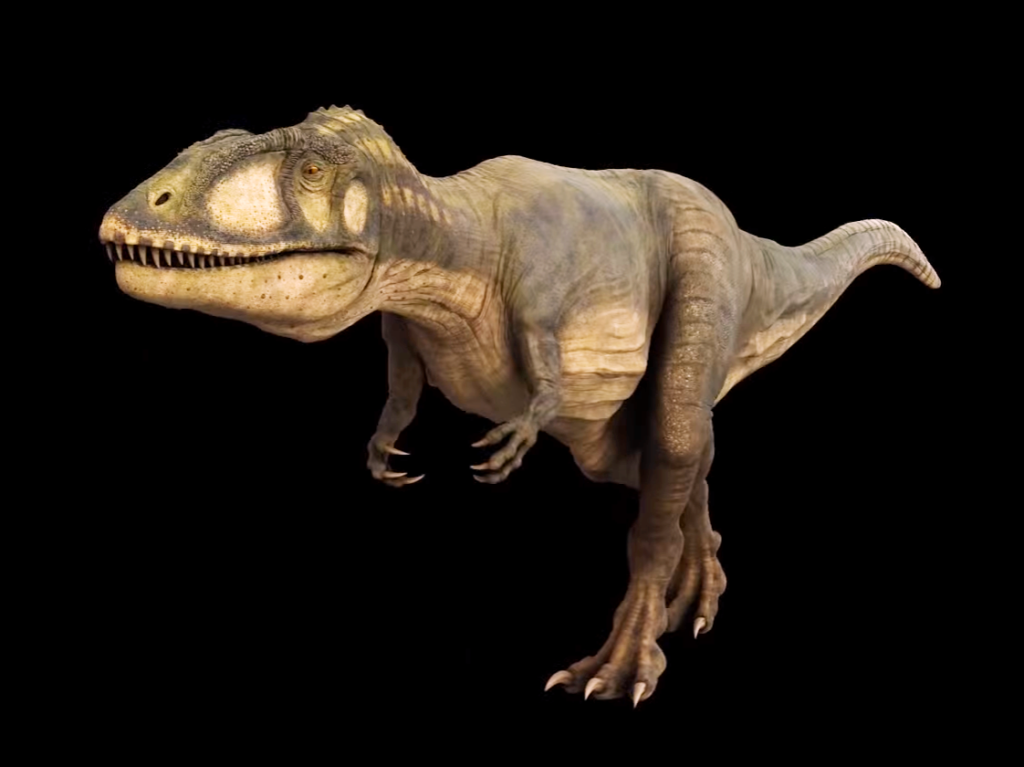
We grow up thinking Tyrannosaurus rex is the ultimate dinosaur heavyweight, the undisputed king of the prehistoric world. But once you dig into the fossil record, you quickly realize something a bit shocking: T. rex was a monster, yes, but it was not the biggest carnivore to ever walk the planet, and it was dwarfed by some truly colossal plant‑eaters. The more paleontologists uncover, the more it feels like T. rex was just one star in a much bigger, much weirder prehistoric lineup.
In this article, we’re looking at ten prehistoric giants that could literally look down on T. rex. Some were long‑necked skyscrapers, others were sail‑backed predators, and a few were marine nightmares that would make even a shark look tiny. We’ll keep things grounded in what scientists actually know, but we’ll also talk like real people who are allowed to say, honestly, that some of these animals are straight‑up absurd. Ready to find out why T. rex might not deserve that “biggest and baddest” crown?
1. Argentinosaurus – The Land Titan That Turned Forests into Salad Bars
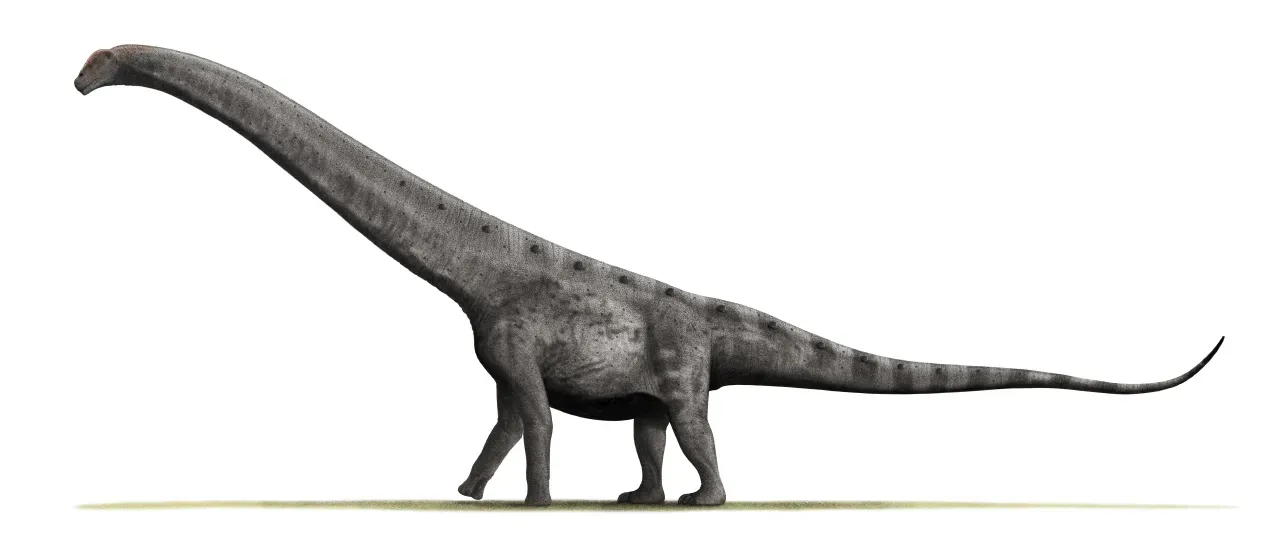
Argentinosaurus is one of those dinosaurs that makes you feel small in a almost uncomfortable way. This giant sauropod from what’s now Argentina is estimated to have stretched more than a city bus and weighed as much as a dozen or more African elephants. Even if the exact numbers are debated, it is clear that this thing made T. rex look like a large but manageable predator next to a moving apartment block.
Unlike a flashy carnivore, Argentinosaurus probably spent most of its life doing something deceptively simple: walking, eating, and trying not to fall over. Its long neck could sweep across massive areas of vegetation without needing to move its enormous body very far, like a living crane arm designed for leafy buffets. I always picture it as the slow, unstoppable freight train of its ecosystem, shaping entire landscapes by sheer appetite alone.
2. Patagotitan – A True Contender for Heaviest Land Animal Ever
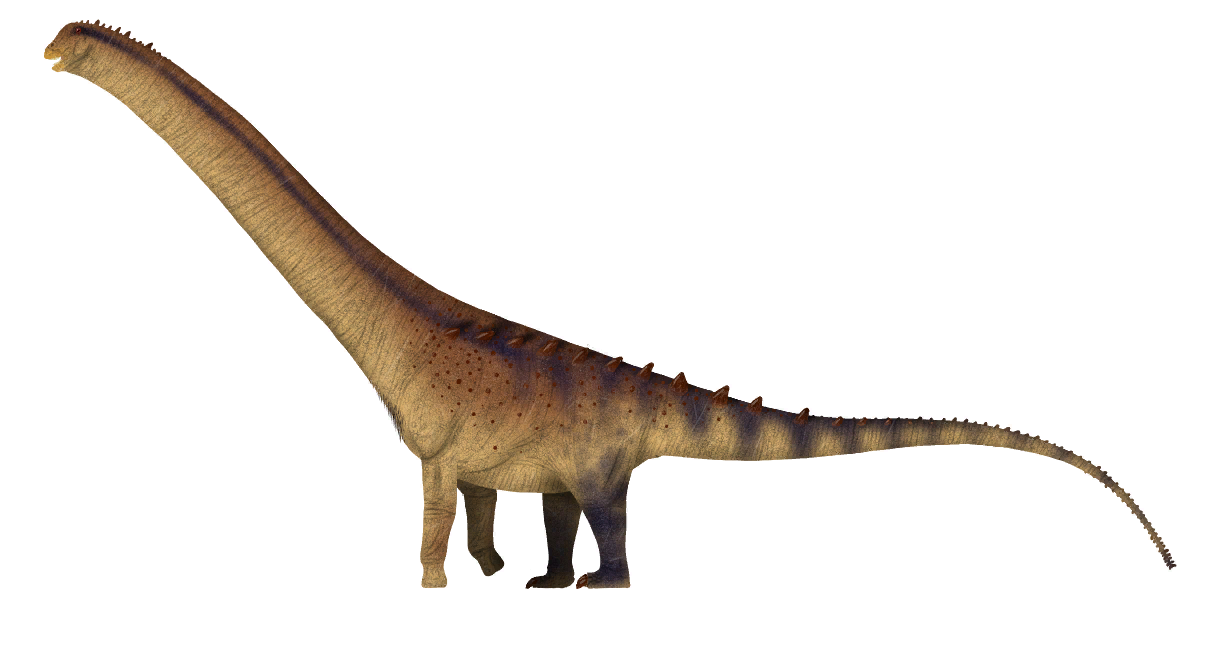
Patagotitan, another South American sauropod, has seriously challenged the record books for terrestrial size. Discovered in Patagonia, its fossils suggest a creature that was not just long but intimidatingly bulky, with limb bones so wide they look more like pillars than legs. Paleontologists estimate its mass well beyond that of T. rex; we’re talking a predator that would have looked downright modest standing beside it.
What strikes me most about Patagotitan is that it represents a time and place where environments could support these staggering bodies. You need a rich, stable ecosystem to maintain a walking mountain of muscle, bone, and gut like that. In a way, Patagotitan is as much evidence for lush prehistoric worlds as it is a celebrity dinosaur, a reminder that Earth has cycled through phases where bigger really did seem to be better.
3. Spinosaurus – The River Monster That Outstretched T. Rex
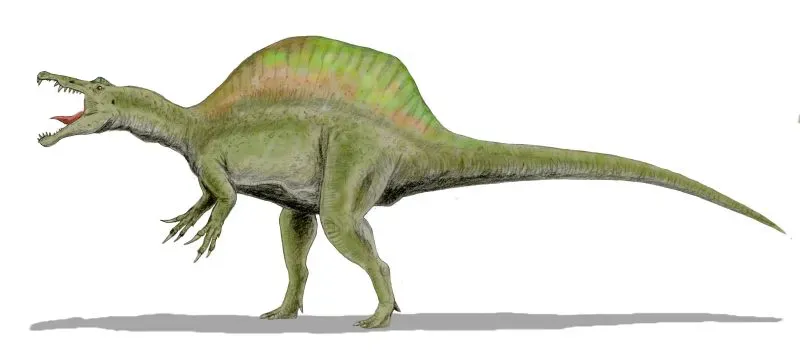
If T. rex was the land tyrant, Spinosaurus was the nightmare lurking in the shallows. Fossil evidence from North Africa points to a predator longer than T. rex, with a crocodile‑like snout, conical teeth for gripping slippery prey, and that iconic sail on its back. While experts still debate its exact body proportions, the consensus is that it out‑lengthened T. rex and lived a very different, semi‑aquatic lifestyle.
I like to think of Spinosaurus as a mash‑up between a heron, a crocodile, and a dragon someone sketched after a bad dream. It may have spent much of its time hunting fish in rivers and coastal environments, using its long jaws rather than the bone‑crushing bite strategy of T. rex. This alone makes it more interesting to me: not just bigger in total length, but arguably stranger, adapted to a niche that most of us never imagined for a giant theropod when we were kids.
4. Giganotosaurus – The Southern Rival to the Tyrant King
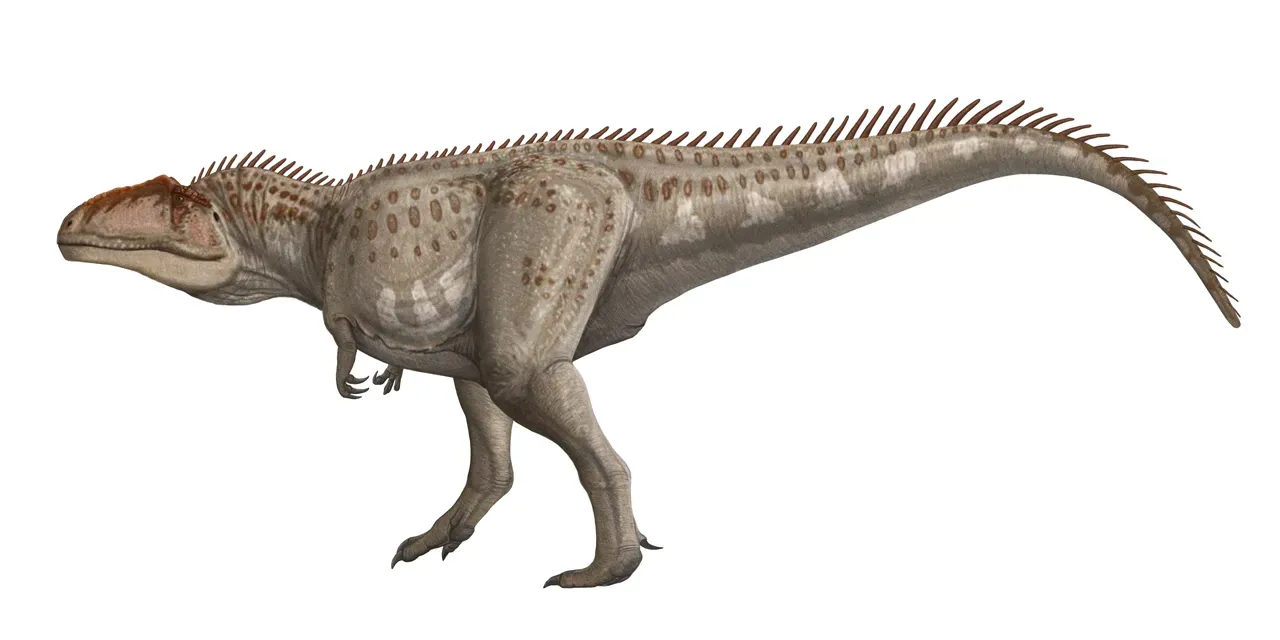
Giganotosaurus is the dinosaur you quietly learn about one day and go, “Wait, how come no one told me something this big existed?” Found in Argentina, it was a massive carnivorous theropod whose body length meets or slightly exceeds that of T. rex, depending on the reconstruction. Its skull was long and narrow compared to the blocky head of T. rex, hinting at a different hunting strategy focused more on slashing bites than bone‑crushing power.
What makes Giganotosaurus especially compelling is that it ruled a landscape dominated by huge sauropods, giving it access to prey that would have been beyond even T. rex’s usual menu. You can imagine packs or at least multiple individuals targeting enormous herbivores, inflicting repeated wounds rather than relying on a single devastating chomp. In a way, it feels like the southern hemisphere’s answer to T. rex: not necessarily superior, but absolutely in the same heavyweight league, and at least as frightening in its own right.
5. Carcharodontosaurus – The “Shark‑Toothed” Giant of North Africa
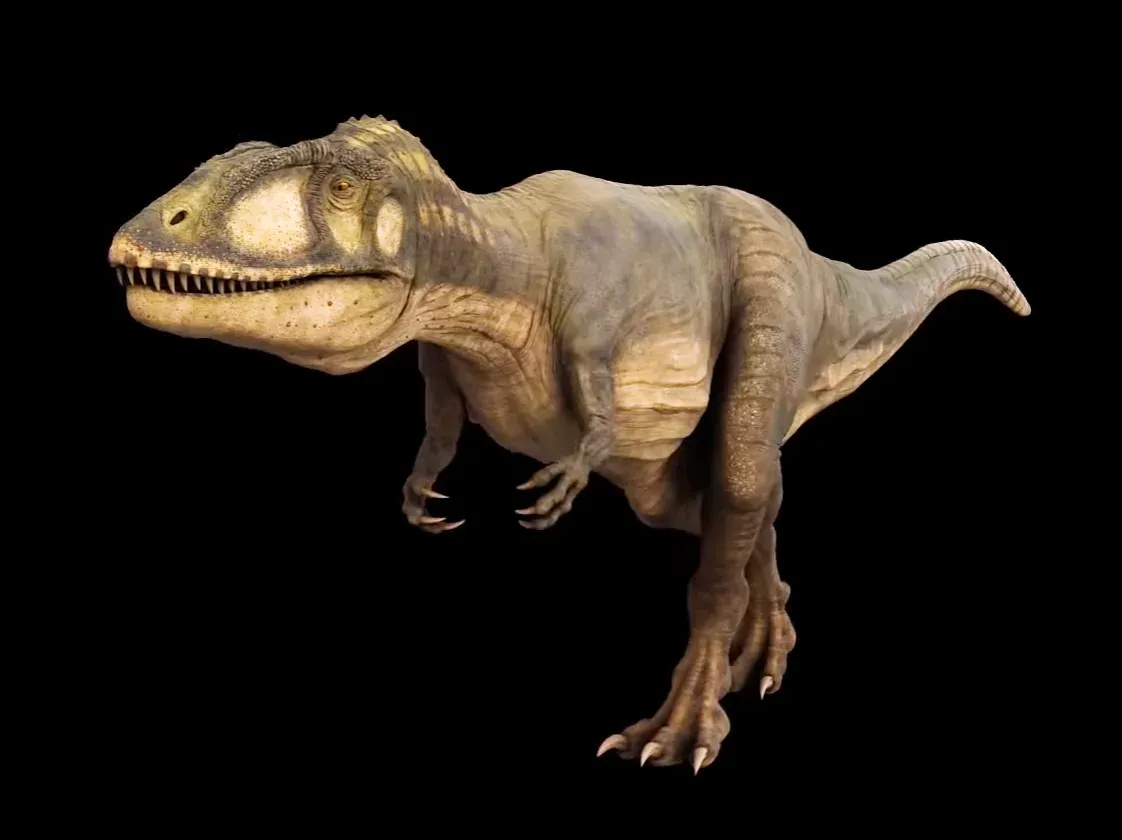
Carcharodontosaurus, whose name literally evokes shark‑like teeth, was another massive predator that rivaled or slightly surpassed T. rex in length. Its fossils from North Africa reveal a long‑snouted, powerfully built theropod with blade‑like teeth ideal for slicing through flesh. Standing next to one, T. rex would not have looked small, but it would not have looked unique in size either; Carcharodontosaurus earned its place among the true super‑predators of the dinosaur age.
I find it fascinating that in different parts of the world, evolution kept arriving at this pattern: gigantic carnivores tailored to tackle equally giant herbivores. Carcharodontosaurus lived alongside huge plant‑eaters and even other large predators, suggesting complex and probably brutal ecological interactions. To me, it undercuts the idea of T. rex as a one‑of‑a‑kind monster and replaces it with a richer image: a whole cast of regional “final bosses,” each terrifying in their own ecosystems.
6. Dreadnoughtus – The Dinosaur That Lived Up to Its Name
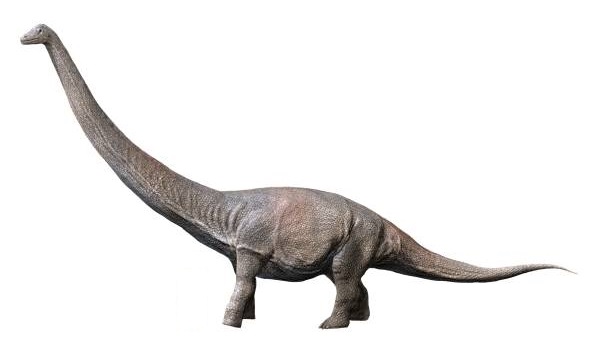
Dreadnoughtus is one of the rare giant sauropods known from relatively complete remains, which makes its sheer size feel less speculative and more solidly grounded. Its name loosely translates to “fears nothing,” and honestly, that feels fair when you consider an animal measured in tens of tons, massively outclassing even the heaviest estimates for T. rex. Its torso, neck, and limbs present a picture of an extraordinarily robust, heavily muscled animal.
I admire Dreadnoughtus because it represents the scientific side of this size obsession: not just a wild guess from a single bone, but a carefully reconstructed behemoth. It reminds us that when we say some dinosaurs , we are not just playing a numbers game; we are talking about entire body plans scaled up to intimidating extremes. Standing under a full‑scale reconstruction of Dreadnoughtus feels, from accounts of people who have done it, like standing under a moving piece of architecture rather than a mere animal.
7. Shantungosaurus – The Giant Duck‑Bill That Could Overshadow a Tyrant
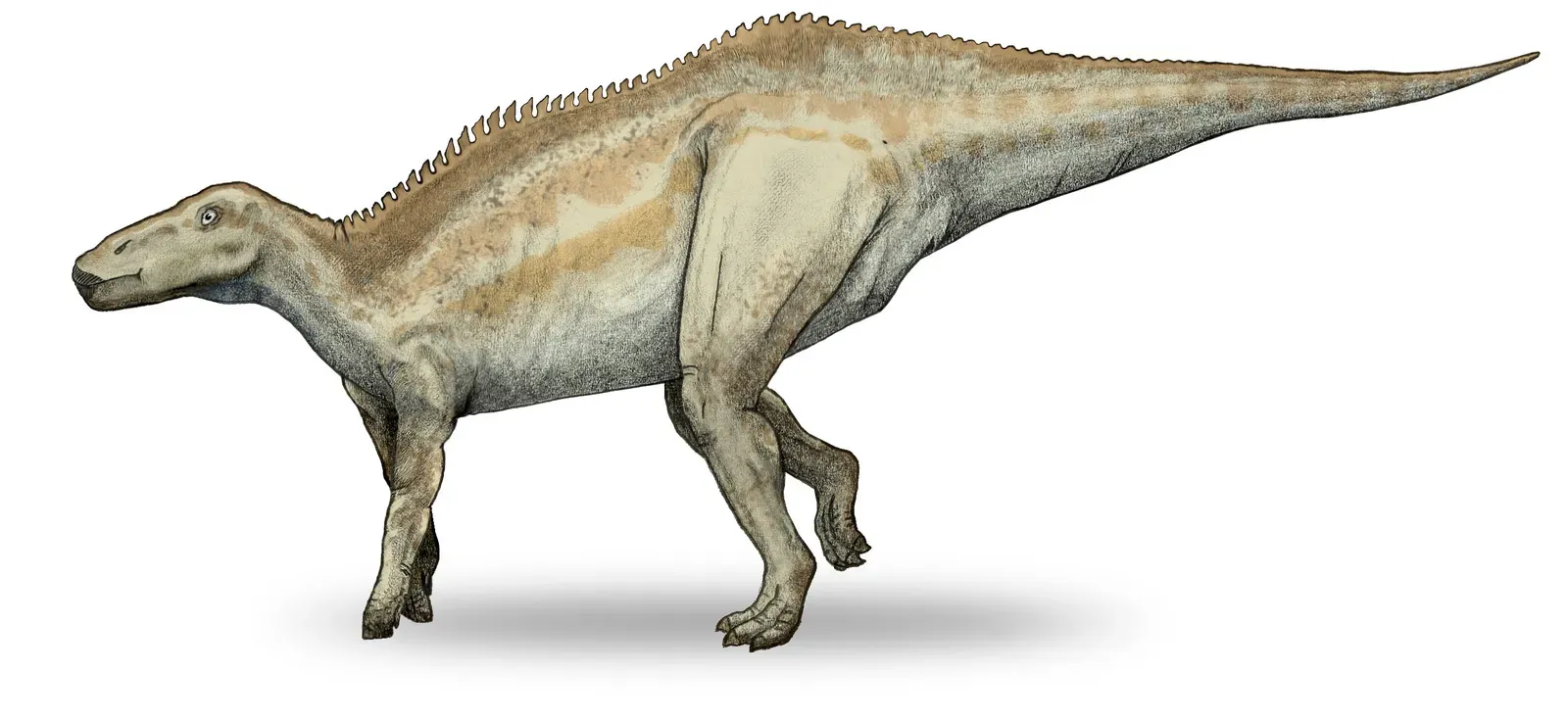
Shantungosaurus is proof that you do not need claws, horns, or a predator’s grin to be jaw‑droppingly impressive. This enormous hadrosaur from what is now China is considered one of the largest known ornithopod dinosaurs, with some estimates putting it longer and heavier than T. rex. Imagine a “duck‑billed” dinosaur scaled up until it could stare down a top predator and still have mass to spare.
I think Shantungosaurus often gets overlooked because it is not flashy in the obvious ways; it lacked the big teeth and gruesome marketing appeal of T. rex. Yet from a biological standpoint, a peaceful, plant‑eating giant that could reach that size is every bit as fascinating. It suggests social behavior, powerful herds, and a lifestyle where safety came not from speed or armor, but from simply being too big and too many for most predators to gamble on.
8. Blue Whale – The Modern Oceanic Giant That Dwarfs Them All
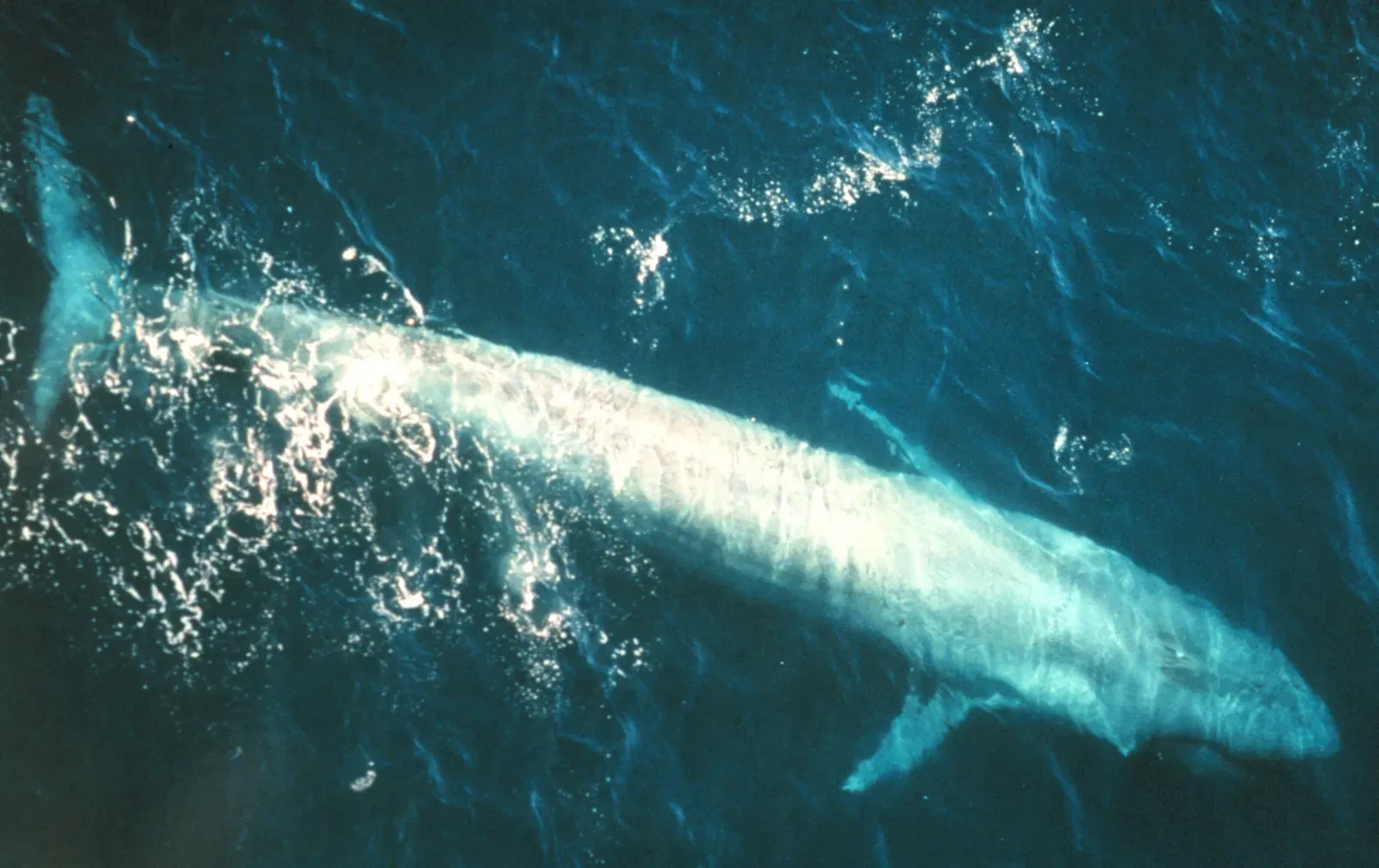
Here is the twist: the biggest known animal to have ever lived is not a dinosaur at all, but the modern blue whale. When you put its length and mass up against T. rex, the comparison almost feels unfair. A fully grown blue whale can weigh as much as several T. rexes combined, turning our childhood image of the tyrant dinosaur as an unmatched giant into something much more modest.
To me, this is one of the most humbling facts in natural history. We are living at the same time as the greatest giant the planet has ever produced, and yet we still fixate on Jurassic and Cretaceous monsters as if size peaked in the past. The blue whale reminds us that evolution did not stop experimenting after the dinosaurs; in the oceans, it pushed body size to a level that even Argentinosaurus could not reach. That alone rewrites how I think about “prehistoric giants,” because in a deep‑time sense, our modern giants are part of that same story.
9. Megalodon – The Prehistoric Shark That Could Have Bitten T. Rex in Half
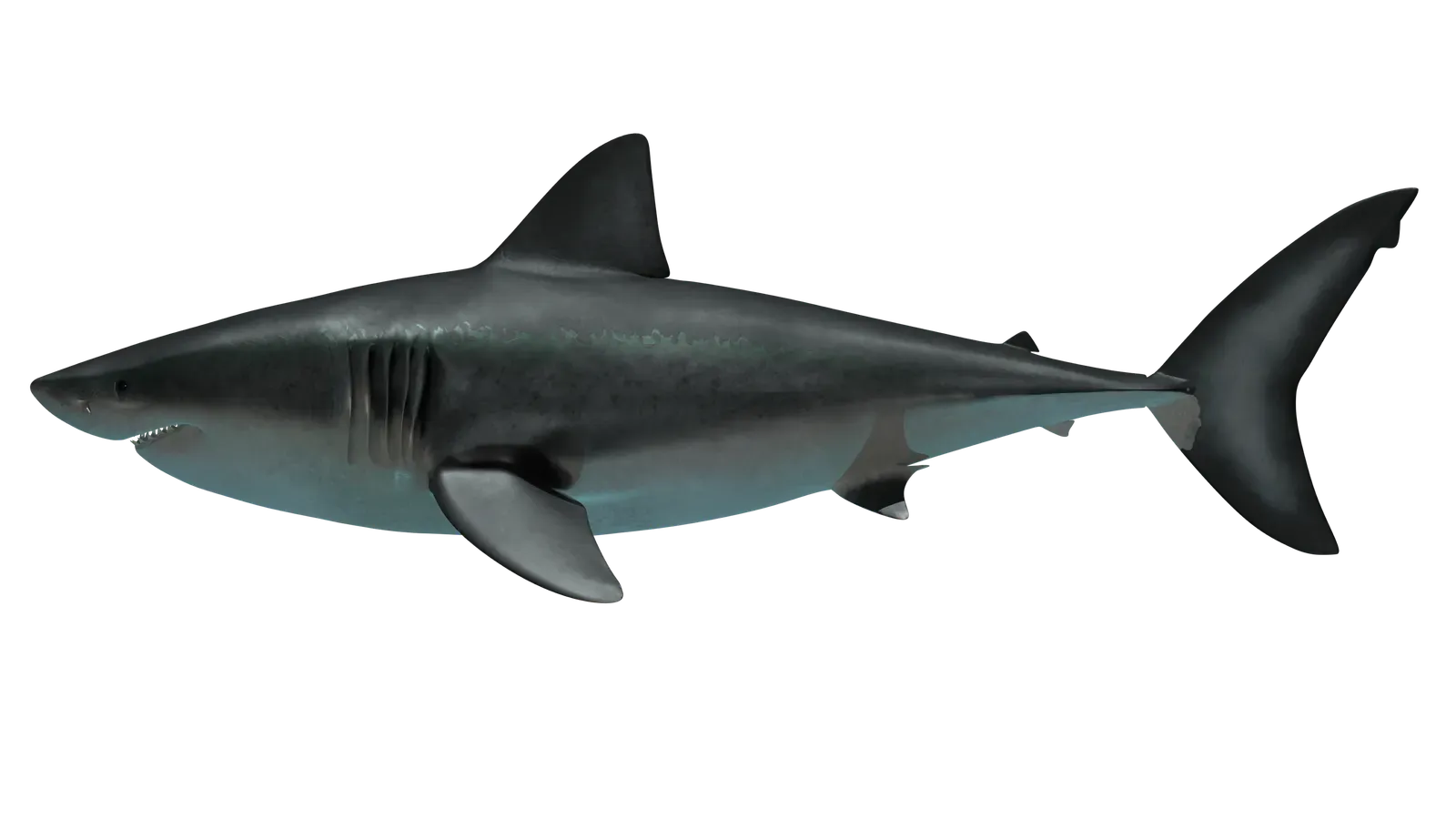
Megalodon, the gigantic prehistoric shark, roamed Earth’s oceans long after the non‑avian dinosaurs disappeared, but in terms of size and presence it easily belongs in any list of giants. Estimates vary, as they always do, but many researchers place its length far beyond that of T. rex, with a bulk that would make the dinosaur look curiously small beside it. Its jaws, armed with massive triangular teeth, were built for crushing whale bones rather than just tearing flesh.
I find Megalodon particularly compelling because it shows that “giant apex predator” is not a dinosaur‑only job description. Picture a predator capable of ambushing early whales, slamming into them with horrifying force and then returning for more. Compared to that, T. rex becomes a regional land‑based terror rather than the universal standard of fear. In a straight size comparison, the ancient shark wins, and it is not even close.
10. Mosasaurus – The Marine Reptile That Ruled the Late Cretaceous Seas
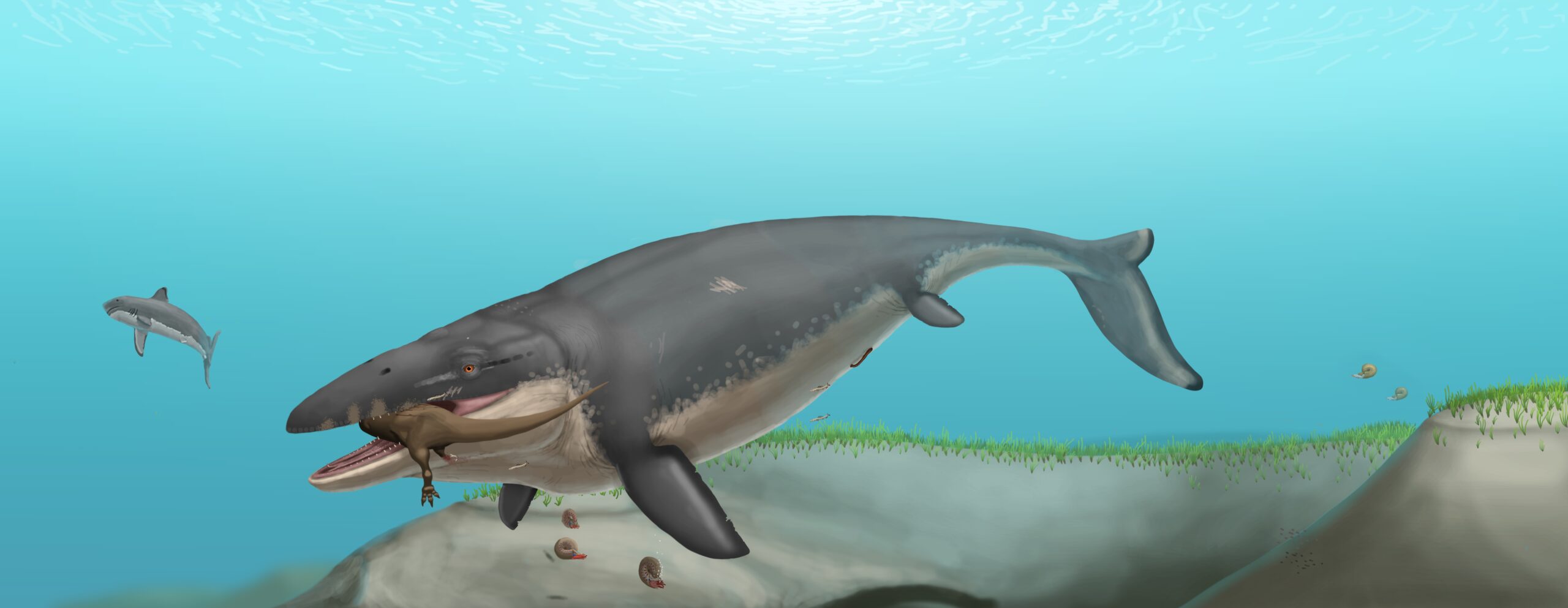
Mosasaurus was a massive marine reptile that lived at roughly the same time as T. rex, but patrolled the oceans instead of stalking river valleys and floodplains. Some species could grow longer than T. rex, with a sleek, torpedo‑like body, powerful tail, and a skull loaded with conical, gripping teeth. If you have seen it represented as a giant, crocodile‑like lizard with paddled limbs, you are not far off, though real reconstructions are more nuanced.
What I love about Mosasaurus is how it rounds out the picture of the late Cretaceous world. While T. rex dominated certain land ecosystems, the seas were full of reptiles like Mosasaurus that were just as fearsome, and in many cases bigger in raw dimensions. It is a reminder that for every famous dinosaur we obsess over, there were parallel worlds of predators and prey, from river deltas to deep oceans, that could match or surpass them in size and savagery.
Conclusion – T. Rex Was Iconic, Not Unique
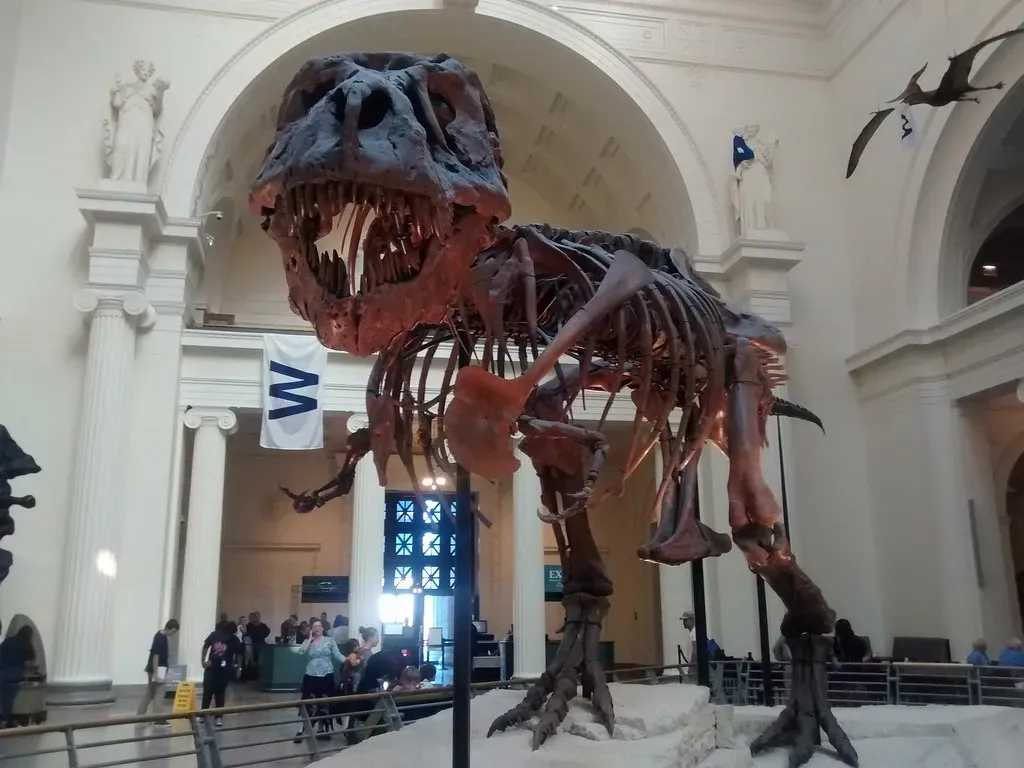
The more you look at the fossil record, the more obvious it becomes that T. rex’s legendary status is driven as much by culture as by biology. It was enormous, terrifying, and genuinely impressive, but it was also one giant among many, out‑scaled in length or mass by plant‑eating sauropods, rivaled by other huge theropods, and utterly dwarfed by marine behemoths and modern whales. In that sense, calling it the ultimate giant feels less like science and more like very effective branding.
My own opinion is that this actually makes T. rex more interesting, not less. Instead of a single, unbeatable monster, we get a whole crowded stage of giants, each adapted to different roles, from river‑stalking Spinosaurus to salad‑devouring Argentinosaurus and the still‑swimming blue whale. T. rex was a superstar, sure – but not the only headliner, and definitely not the biggest act to ever hit Earth. Knowing that, which giant would you really want to meet from a safe distance: the famous tyrant, or one of the even bigger beasts that lived in its shadow across time?