
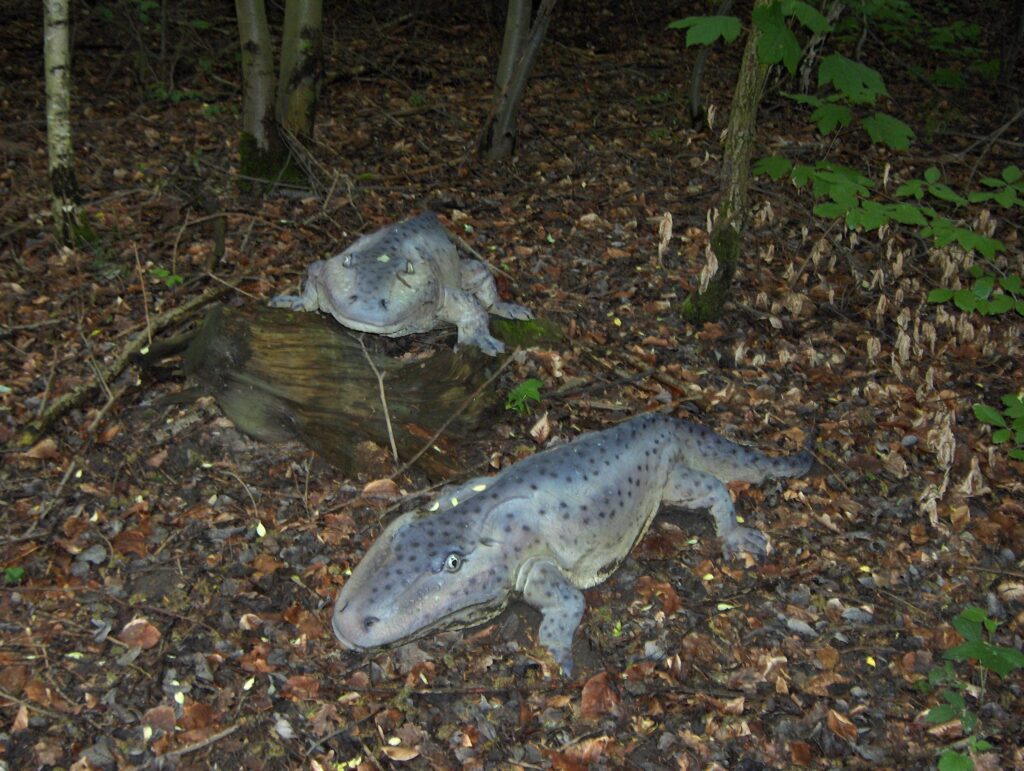
Imagine a completely silent shoreline: no birds, no buzzing insects, no frogs, no rustling undergrowth. For most of Earth’s history, that was reality. Then, at some point hundreds of millions of years ago, something broke the silence – not with a beautiful song, but with a weird, awkward noise that probably sounded more like a creak, hiss, or cough than anything we’d call a call. What makes this moment so fascinating is that many scientists think it did not start as communication at all, but as a biological accident that happened to be noisy.
That idea flips our usual picture of nature on its head. We tend to imagine evolution as a neat story: animals needed to talk, so they evolved voices. But the deeper researchers dig into fossils, living species, and genetics, the more it looks like the first sounds on land came from bodies doing something else entirely – breathing, moving, defending, mating – and sound was just a weird side effect that later became useful. Once you see it that way, every chirp, bark, and human word you hear today starts to feel like the long echo of a clumsy, ancient mistake.
Why early land was eerily quiet – and why that matters

For a long stretch of Earth’s history, land was almost shockingly quiet compared to today. Before complex plants spread onto the continents and animals crawled out of the water, there simply were not many things around to make noise, and certainly not the layered soundscapes we know now. Even when early arthropods and primitive vertebrates started exploring land, most life was small, soft-bodied, and not built to project sound through air over distance. The planet was busy, but it was busy in near silence.
That quiet backdrop makes the first accidental noises stand out in importance. In a world where almost nothing is producing airborne sound, any new hiss, click, rasp, or bark is a huge contrast. It is like turning on a single light in a dark room: suddenly that noise can carry information, even if it was never meant to. Predators might home in on it, potential mates might notice it, and competitors might be startled by it. Natural selection can only work on what exists, so once noise entered the scene, it had the potential to be shaped into something more deliberate.
Accidental sounds: when breathing and moving started to “talk”
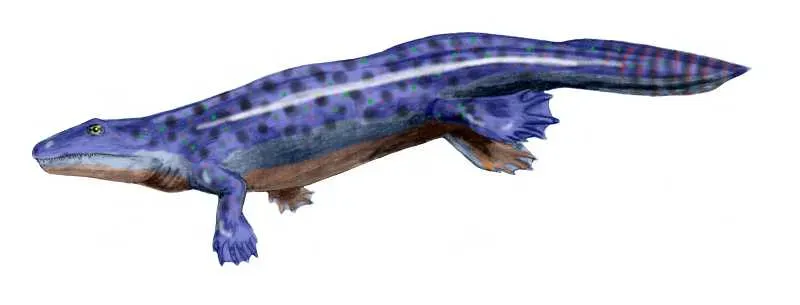
One of the strongest ideas in current research is that sound on land often began as a side effect of breathing, moving, or defending, not as intentional communication. When early tetrapods – the first four-limbed vertebrates – shifted from water to land, they had to handle air differently: gulping it, forcing it through passages, sealing and unsealing valves in the throat. Those mechanical changes can naturally produce puffs, grunts, or squeaks as air vibrates tissues that were not originally built for sound. Nothing about that is planned; it is just physics riding on top of biology.
Something similar likely happened with movement. As animals evolved harder body parts for support and protection on land – plates, spines, thicker exoskeletons – their limbs and armor could scrape, clack, or rattle against each other or against plants and ground. Think of how a beetle’s wings buzz even if it is not trying to send a signal, or how a lizard’s rapid breathing when threatened can produce an audible hiss just because air rushes past narrow openings. Those sorts of unplanned noises are prime raw material for evolution: if they accidentally help an animal survive or reproduce, over long timescales they can be exaggerated and refined into something that starts to look like a deliberate call.
What those first land sounds probably actually sounded like
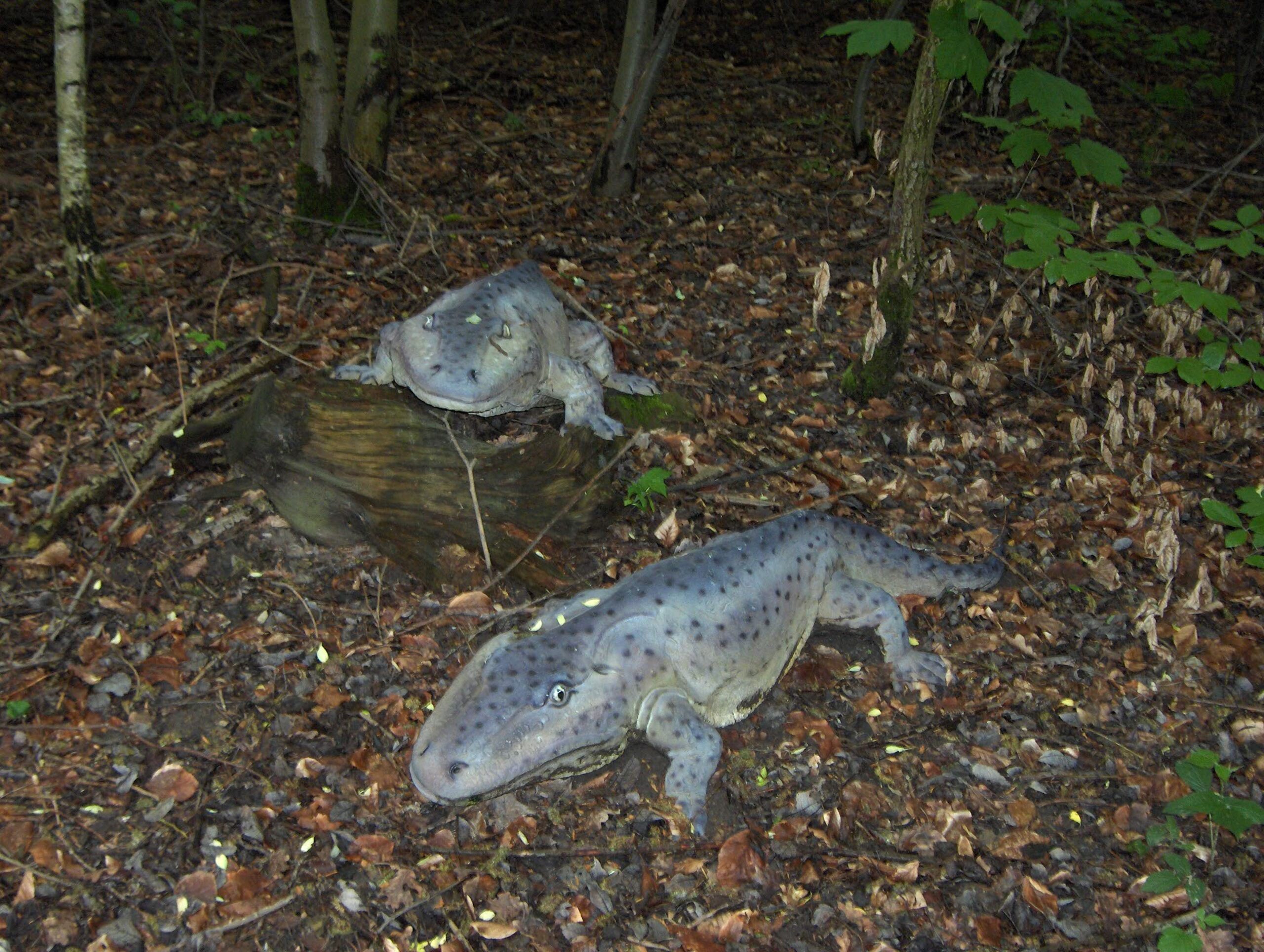
When you strip away the romance, the earliest land sounds were probably underwhelming, even a bit ugly. Rather than melodic bird songs or rhythmic insect chirps, we are likely talking about deep, damp grunts from early amphibian-like creatures, harsh hisses from air forced through tight throats, or dry rasping sounds from rough surfaces scraping together. Some of these might have resembled a frog’s croak played through a broken speaker, or the faint, papery rattle you hear when a small lizard exhales sharply. To human ears, they would have sounded raw and primitive, more like the background noises of an old machine than conversation.
The strange part is not just the quality of the sounds but how unorganized they likely were. Without finely tuned vocal cords, resonant skull cavities, or specialized sound-producing structures, those early noises were probably limited in pitch and volume, sometimes barely more than a whisper over the wind. An animal might only make them when surprised, struggling, or exerting itself. The acoustic landscape would have been a scattered, irregular pattern of coughs, gasps, creaks, and rustles. In other words, the first animal soundscapes on land were probably closer to a series of accidents and body mishaps than to any coherent chorus.
From mistake to message: how evolution hijacked noise
The real magic happens in what came next: nature turned those accidents into messages. Imagine an early land vertebrate that lets out a harsh grunt every time it forcefully exhales while escaping a predator. If that grunt startles the predator or alerts nearby animals to run, it has a tiny survival payoff. Over many generations, individuals that grunt a bit louder, more sharply, or more consistently may be slightly more likely to live and pass on their genes. Little by little, a meaningless bodily noise can become a protective alarm signal, even though it never started with any intention behind it.
The same logic applies to mating, territory, or social coordination. If a stray rasp during courtship happens to attract attention, eventually those who rasp more or at the right moment do better. Structures that happened to vibrate well can be favored, reshaped, or enlarged. At some point, what began as a clumsy cough becomes a standardized call, recognized by others of the same species and produced more or less on purpose. This is the quiet, slow hijacking that evolution does best: it does not invent a “voice” out of nothing, it just opportunistically leans into whatever noisy quirks already exist and slowly turns them into language-like tools.
The surprising role of insects and arthropods in early land sound

When people picture the first sounds on land, they usually imagine frog-like vertebrates along swampy shores. But small arthropods – ancestors of insects, spiders, and millipedes – were exploring land early as well, and they brought their own strange noise potential. As their legs clicked on vegetation or armor plates rubbed against each other, they likely generated faint, high-pitched sounds long before anything on land evolved a proper voice. Even today, many arthropods produce sound through friction, such as crickets rubbing wings or beetles tapping surfaces, and that gives a hint of what ancient cousins might have done in cruder, less controlled ways.
We cannot know exactly which groups were first, but there is a strong possibility that the oldest “acoustic experiments” on land were not vocal at all, but mechanical: scraping, tapping, drumming, and buzzing from exoskeletons in motion. These sounds would have been highly directional and short-range, more like the rustle of dry leaves or the scratch of chalk than a shout across a field. Yet even that kind of sound could carry useful information at close distances, especially in cluttered habitats. In a way, insects and their relatives probably helped write the first rough draft of terrestrial sound technology, long before more famous singers like birds and mammals arrived to dominate the soundtrack.
Why reconstructing ancient sound is so hard (and why scientists try anyway)
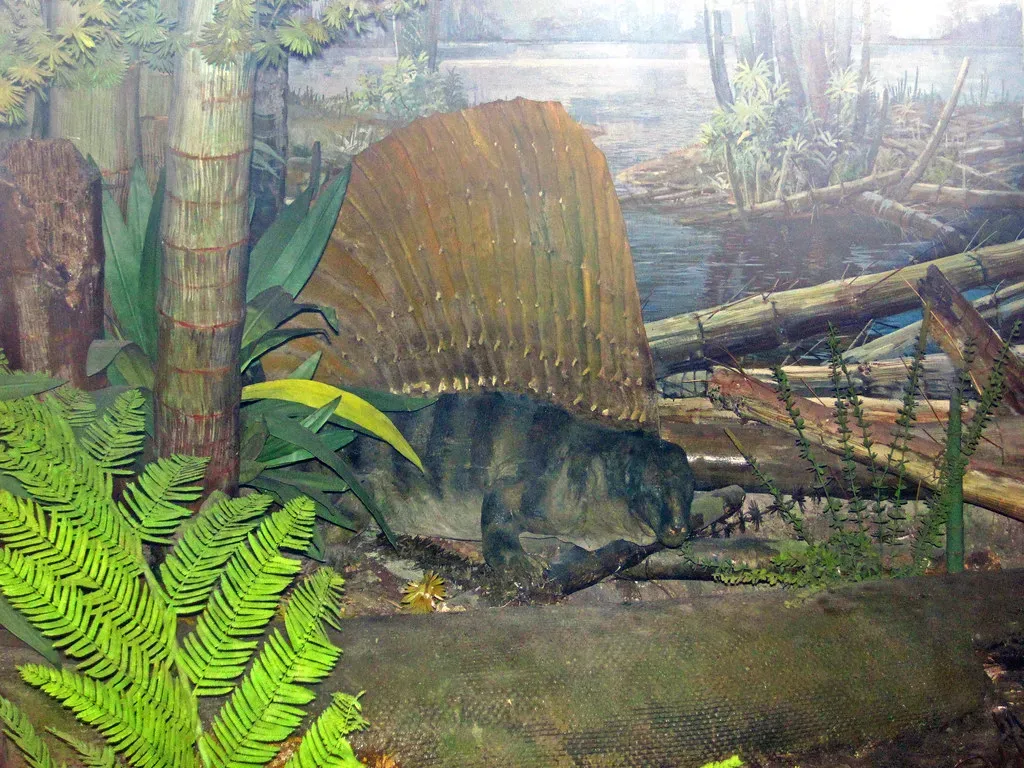
The frustrating part of studying the first land sounds is that sound does not fossilize. We get bones, shells, burrows, sometimes even soft tissues, but we do not get recordings of what those animals actually sounded like. Instead, researchers have to reconstruct ancient noise in indirect ways: by analyzing the shapes of skulls, throats, and airways in fossils, by comparing living relatives, and by modeling how air would vibrate through those structures. It is like trying to guess what a flute sounded like from a cracked fragment you dug up, then cross-checking with similar instruments that still exist.
This means every claim about precise ancient sounds has to be made carefully and humbly. Scientists can say that certain lineages had the anatomical tools to produce a hiss, a low-frequency boom, or a clicking vibration, and they can say that the timeline of those tools appearing lines up with the move onto land. What they cannot honestly do is give a perfect audio copy of what some early land animal’s call actually was. Still, the effort is worth it, because even approximations can reveal patterns: which groups likely led the way, whether communication evolved multiple times independently, and how quickly chaotic noise was sculpted into structured sound. The beauty here is less about perfect accuracy and more about tracing the broad arc from randomness to recognizable messages.
From ancient grunts to human speech: the long echo of an accident
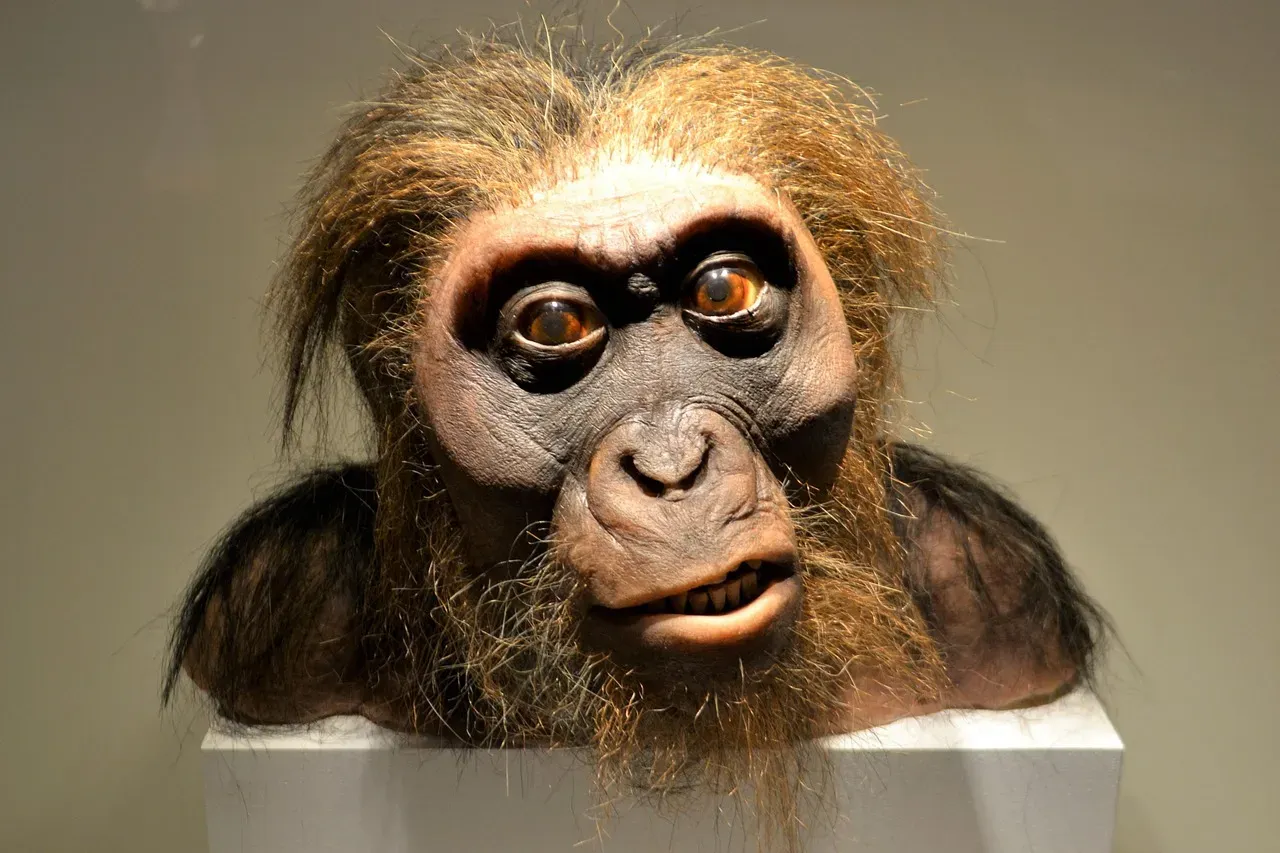
There is something quietly mind-blowing in realizing that your own voice is part of this same story. The ability to speak, sing, shout, or whisper depends on air forced through soft tissues in your throat, shaping vibrations with your tongue, lips, and nose. These are elaborations of the same basic principle that gave early land animals those clumsy grunts and hisses: moving air through a flexible, evolved plumbing system that was first and foremost about breathing, not talking. In a very real sense, human language is a sophisticated retooling of a respiratory system that stumbled into making sound.
When you zoom out, the path from accidental noise to conversation is not just a neat scientific detail; it is a humbling reminder of how messy and contingent evolution really is. Every love song, political speech, bedtime story, and podcast is built on the same fundamental physics that once made some far-off ancestor wheeze on a muddy shore. That ancestor did not mean anything by it, but over unthinkable time, those meaningless vibrations turned into the rich, symbolic soundscapes we live in today. The next time you hear a frog croak or an insect buzz at night, it is worth asking: are you listening to an echo of chaos that learned, against all odds, to make sense?
Conclusion: strange accidents deserve more credit than we like to admit

Personally, I find it oddly comforting that the first animal sounds on land were probably awkward, unintended, and downright strange. It pushes back against the tidy story that nature always knows exactly what it is doing, and instead highlights how much of life’s complexity began as a glitch. No grand plan said, “Let there be voice.” Air just happened to rattle the right tissue or scrape the right plates, and those vibrations, in a mostly silent world, started to matter. In my view, that makes modern soundscapes – from rainforest choruses to city streets – feel even more miraculous, because they grew out of something so accidental.
It also suggests that we should be slower to dismiss the weird, noisy by-products we see in living systems today. Evolution’s track record shows that useless quirks can become powerful tools if conditions shift and time works on them long enough. The first land sounds were not beautiful songs; they were messy bodily side effects that only later got drafted into the business of communication. So when you think about how a random grunt eventually led to opera, podcasts, and late-night whispered secrets, it is hard not to wonder: if something as clumsy as that could change the world, what other “mistakes” around us are quietly waiting their turn?