
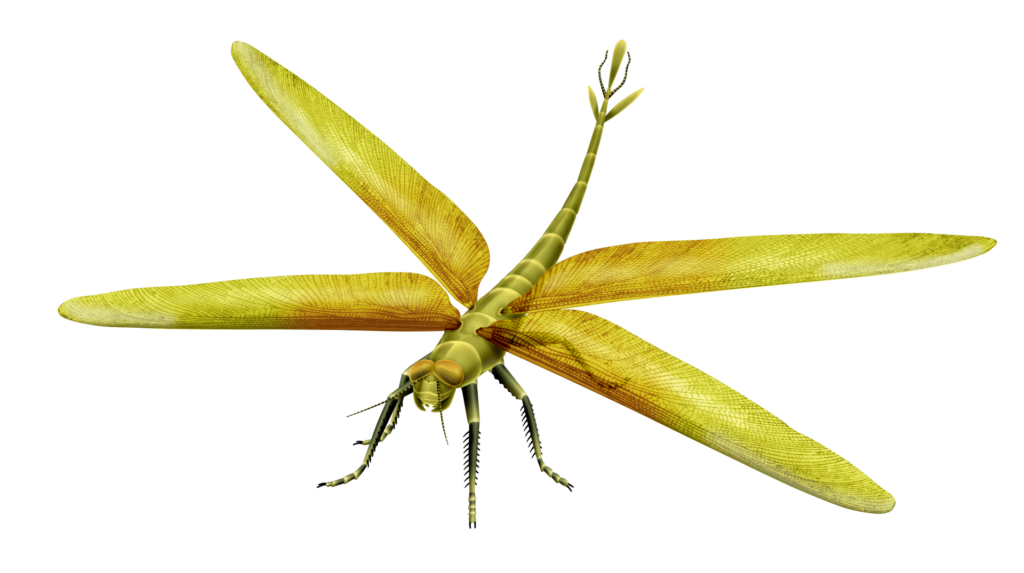
Imagine walking through a swampy forest and hearing a low, rising roar in the distance. At first you think it’s wind, or maybe rushing water. Then the sky darkens, not with storm clouds, but with wings – translucent, armored, and each as wide as your outstretched arm. This is not the opening to a sci‑fi movie. Creatures very much like this really did dominate Earth’s skies long before birds or bats, and they turned the air into their hunting ground in a way we can barely imagine today. We are talking about giant griffinflies, relatives of modern dragonflies and damselflies, that lived more than 300 million years ago. Some of them, like Meganeura and Meganeuropsis, reached wingspans that would stretch from your fingertips to your opposite shoulder blade. Fossils and physics together tell a story that sounds like myth: air so rich in oxygen that insects could grow enormous, and skies where hunting swarms may genuinely have dimmed the light. It feels almost unfair that this is not more widely known, because it rewires how you picture “monsters” from Earth’s past.
The dragonfly’s giant cousin: meeting Meganeura and its kin
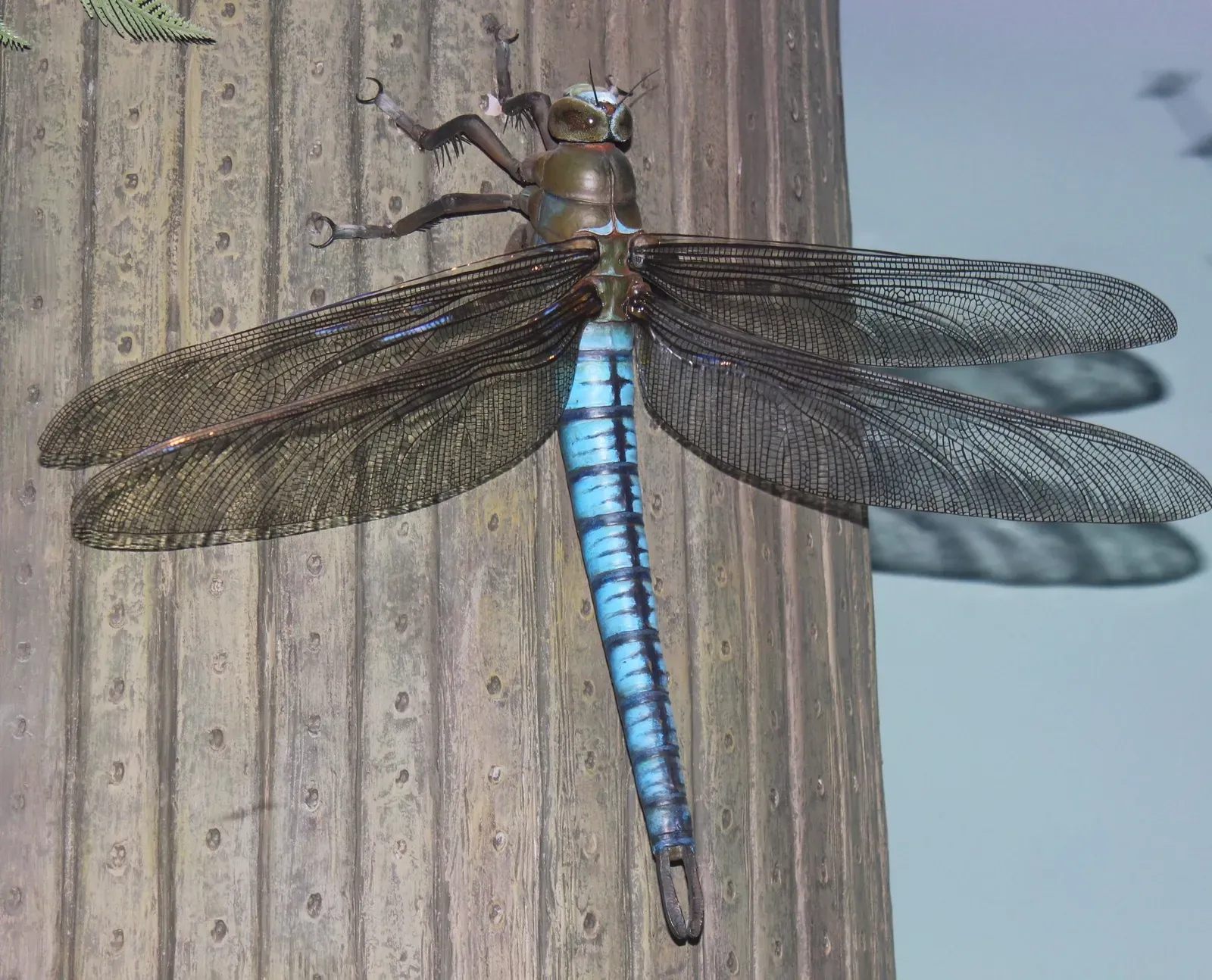
The prehistoric insect hiding behind this almost unbelievable story belongs to a group commonly called griffinflies, an extinct order known as Meganisoptera. The most famous of them, Meganeura from Late Carboniferous Europe, had a wingspan that could reach roughly the length of a human forearm or more, around two and a half feet across from tip to tip. Later, in the early Permian of what is now North America, an even larger form called Meganeuropsis pushed that size close to the length of an average human arm, making it the heavyweight champion of known insect flight. These giants looked broadly similar to today’s dragonflies at a distance: long slender bodies, two pairs of veined wings, and big compound eyes that wrapped around the head. Up close, though, they would have felt more like airborne mantises with spears for legs. Their jaws were built for seizing and shredding prey, and their legs were adapted to form a kind of net, just like modern dragonflies do when they scoop smaller insects straight out of the air. If you have ever watched a dragonfly patrol a pond and thought it seemed like a tiny fighter jet, imagine that same attitude scaled up to the size of a medium bird.
A world built for giants: oxygen, climate, and why they could get so big
The question everyone asks when they first hear about these insects is simple: how on Earth could a bug get that big and still fly? The short answer lies in the atmosphere of the late Carboniferous and early Permian, when oxygen levels were significantly higher than they are today. Insects do not breathe with lungs like we do; instead, they use a branching system of tubes called tracheae that deliver oxygen directly to their tissues. That system works brilliantly for small bodies, but it becomes a limiting factor as size increases, unless the air itself is unusually oxygen rich. During that time, Earth’s vast swamp forests and explosive plant growth pumped huge amounts of oxygen into the atmosphere. Many studies suggest that the air may have contained much more oxygen than modern levels, enough to supercharge insect metabolism and loosen the size constraints that keep them small today. In that kind of atmosphere, the physics of diffusion through tracheae and the lift generated by those huge wings becomes just barely workable for a flying insect the length of your forearm. Once the climate shifted, forests changed, and oxygen levels dropped closer to modern values, the era of supersized insects faded, not because evolution got lazy, but because the planet changed the rules of what was physically possible.
Predators of the prehistoric skies: how these giants hunted
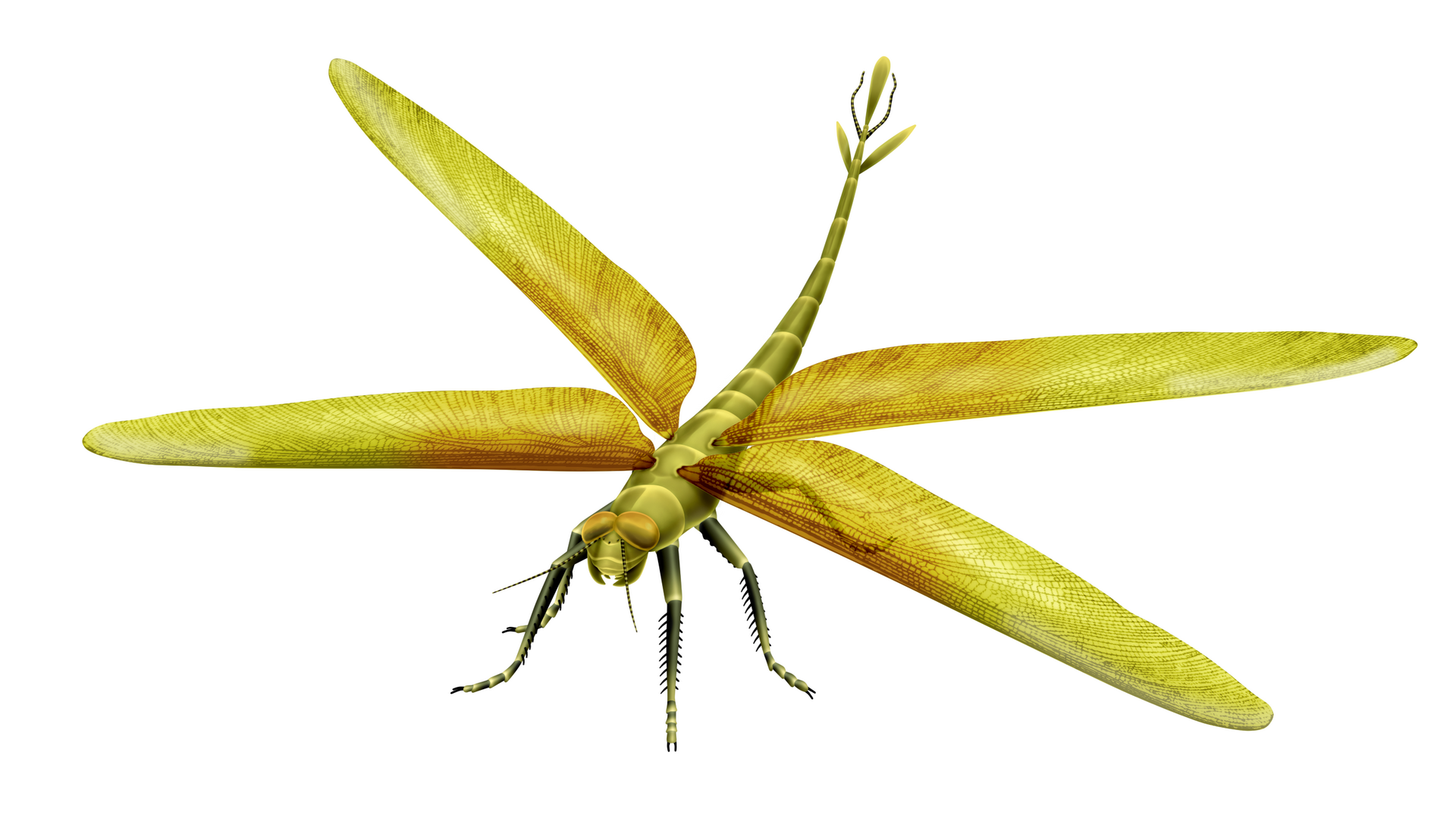
If you have ever seen a dragonfly catch a mosquito mid‑air and eat it on the wing, you already know the basic hunting style of these ancient griffinflies. They were aerial predators, built for speed, maneuverability, and interception. With massive, multi‑faceted eyes, they could detect motion across a wide field of view, tracking targets with a level of precision that modern studies show is almost predictive. Scale that up, and you get an animal perfectly suited to ambushing any smaller creature that dared to share its airspace. What did they hunt? Most likely, they preyed on other insects, including the growing variety of winged bugs that flourished in those swampy forests. Some researchers have wondered whether they may also have hunted early amphibians or smaller vertebrates when they ventured too close to the surface, but the strongest evidence still points to a primarily insect diet. To their victims, though, the details probably did not matter. From the perspective of a small Carboniferous insect, the arrival of a griffinfly would have been like a hawk in overdrive: sudden shadow, rush of wind, and then nothing at all.
Could they really darken the sky? Swarms, behavior, and what we can infer
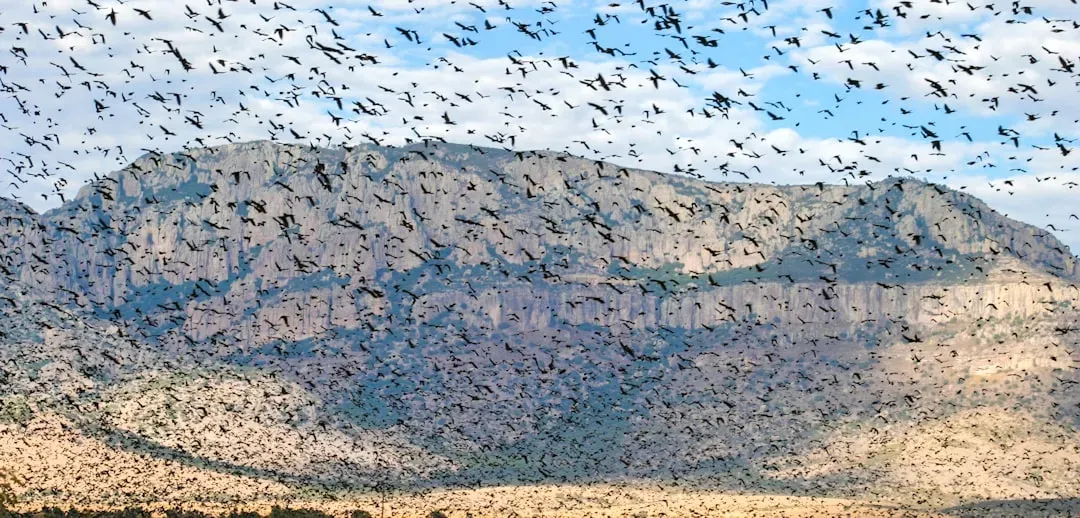
The idea that these massive insects flew in such dense swarms that they could block out the sun sounds almost too dramatic, but it is not as far‑fetched as it first appears. Modern locusts demonstrate that insects can reach densities so high that they genuinely dim daylight and strip vegetation bare in their path. Dragonflies, too, sometimes gather in large migratory or feeding swarms, creating an eerie, shifting cloud over lakes and fields. The behavior itself – mass flight, coordinated by simple environmental cues – is clearly within the reach of insect brains. For prehistoric griffinflies, direct evidence of swarming is hard to come by, because behavior rarely fossilizes. What we can say is that the environments they lived in were rich, humid ecosystems filled with life, and aerial predators tend to follow their prey. In such settings, it would not be surprising if these large insects sometimes gathered in numbers that felt overwhelming to any nearby observer. Picture an ancient amphibian clinging to a log as a wave of wings passes overhead, light stuttering through thousands of translucent panes. Whether or not they literally blocked out the sun at noon every day, they almost certainly had moments where the sky felt more insect than air.
What fossils reveal: stones, wings, and scientific detective work
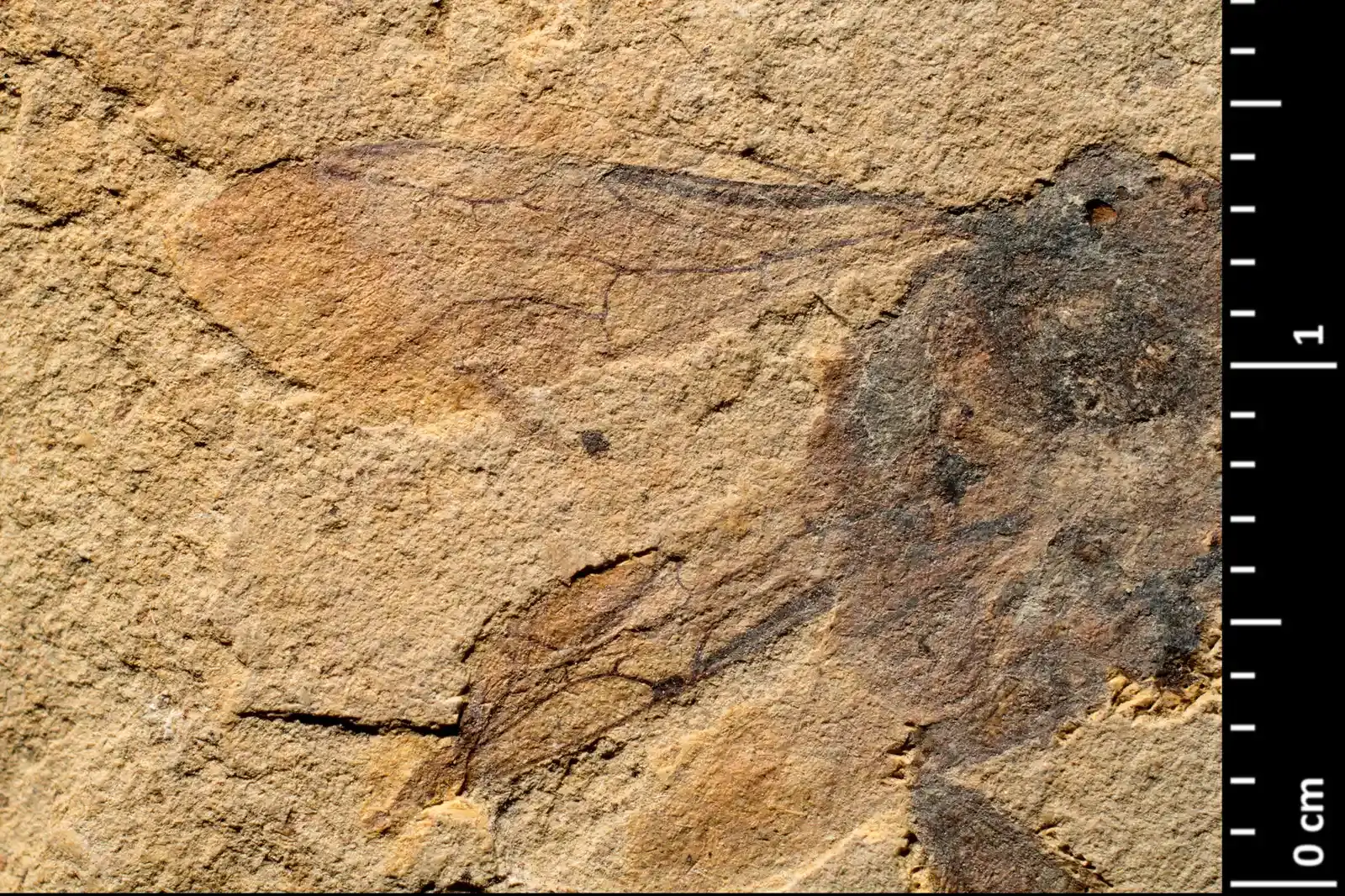
Our knowledge of these giants comes down to flat slabs of stone and the rare, beautifully preserved impressions of their wings and bodies. Many of the key fossils were found in what used to be ancient lake beds or swamp deposits, where fine mud captured the outlines of delicate structures that usually decay. In some specimens, you can trace individual wing veins and see where muscles once attached, giving scientists clues about how the wings flexed and how powerful the flight might have been. It is a bit like trying to reconstruct the performance of a sports car from tire marks and a crushed chassis. By measuring these fossils and applying the physics of lift, drag, and body mass, researchers can estimate how heavy the insects were, how fast they might have flown, and how much energy they burned. There is uncertainty, of course – nature rarely hands us a perfect blueprint – but the general picture is consistent: these were real, functional flying predators, not awkward evolutionary failures. As more fossils are found and imaging technology improves, we occasionally gain sharper views of their anatomy, like clearer snapshots from a lost world, and the giants become a little less mythical and a little more tangible.
Why there are no giant dragonflies today: limits, competition, and changing worlds
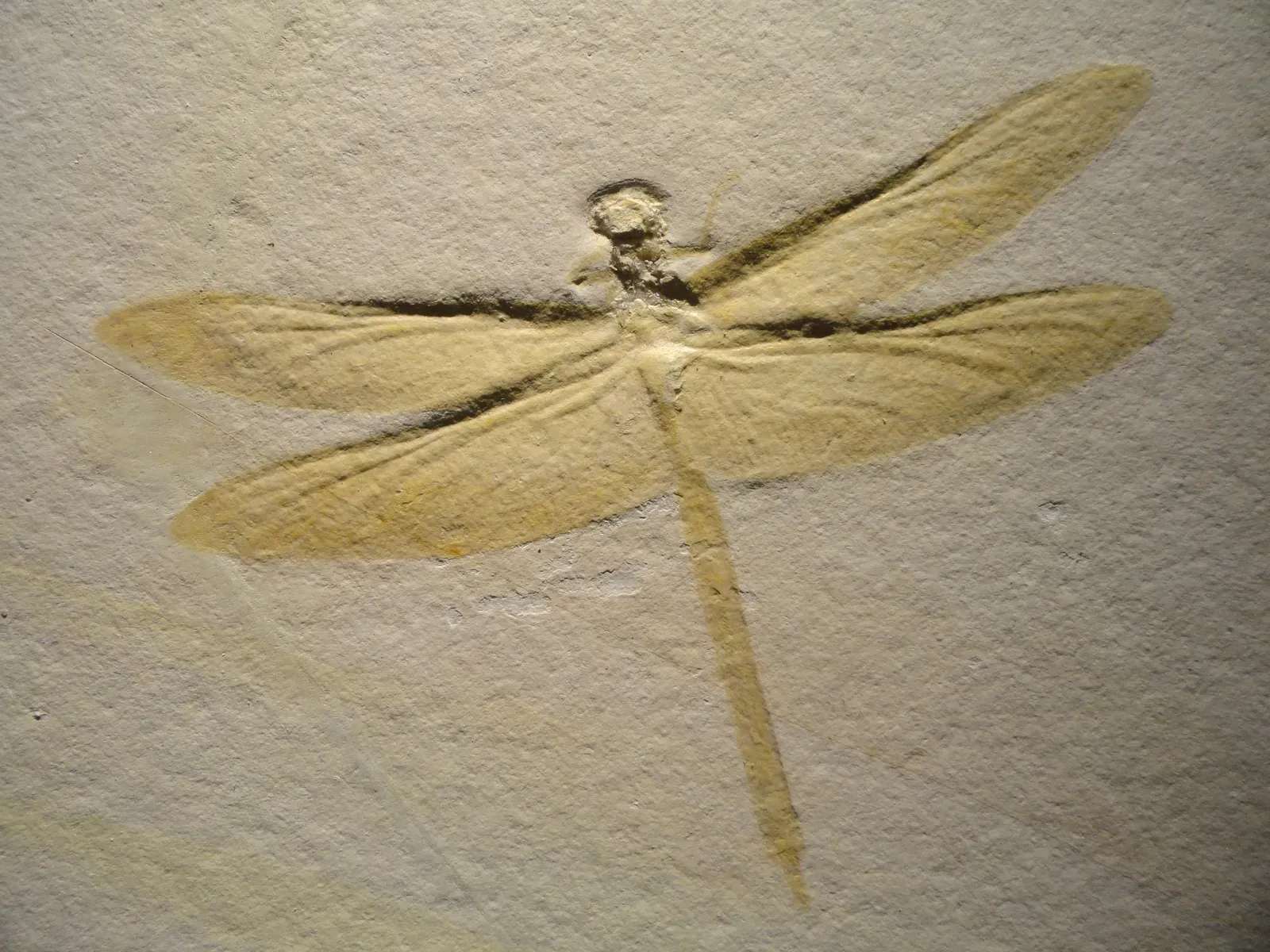
One of the strangest realizations is that the world is no longer physically friendly to insects that big. Modern atmospheric oxygen sits at a level that does not easily support the diffusion demands of a flying bug with a wingspan near the length of your arm. Even if an insect tried to evolve toward that size today, it would run into hard limits of breathing and heat management, especially during active flight. The rules of the game have shifted, and those long, delicate bodies would struggle under current conditions. On top of that, today’s skies are crowded with vertebrate fliers: birds, bats, and even pterosaurs in the later prehistoric eras all carved out aerial niches. Large flying insects had to compete with faster, smarter, and often more efficient predators. Over deep time, the combination of lower oxygen, new predators, and changing ecosystems likely squeezed out the advantage of being enormous. What survived were smaller dragonflies that still carry a ghost of their giant ancestors in their shape and hunting style, like pocket‑sized echoes of a time when insects were the terrors of the sky.
A personal take: rethinking what “monstrous” really means
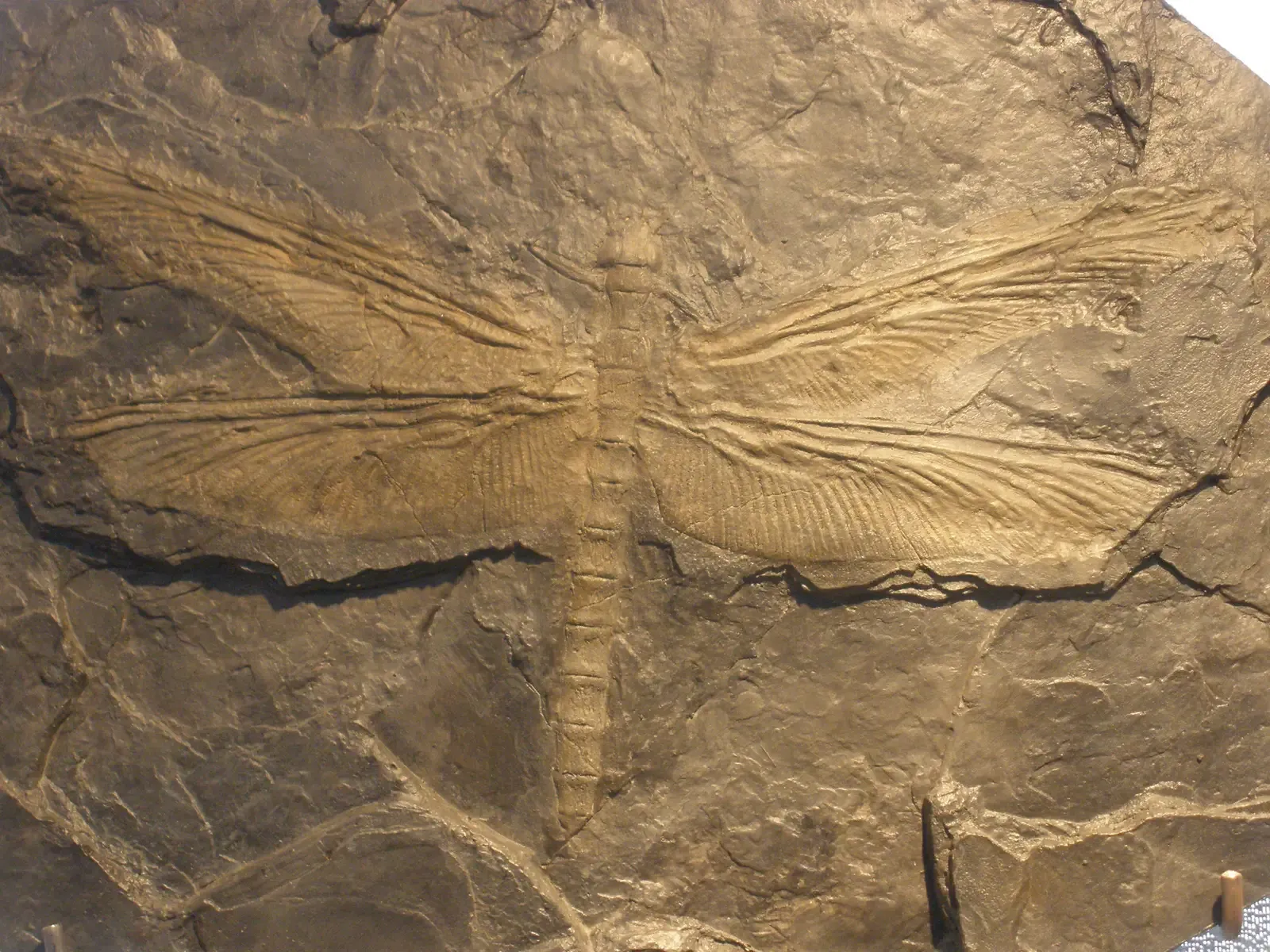
I remember the first time I saw a museum cast of a Meganeura wing laid out next to a human arm. It looked wrong, like someone had taken a normal dragonfly and quietly scaled it up on a photocopier as a joke. But the more I read about the world it lived in – humid forests, roaring with life and soaked in oxygen – the more it stopped feeling like a monster and started feeling like a natural response to a very different Earth. Big, strange, and a little unsettling, yes, but also elegant in how perfectly it fit its time. To me, that is the real punch line of this story: the prehistoric insect that could match your forearm and fly in sky‑darkening numbers was not a glitch or a freak. It was an expression of what life could do when the atmosphere tilted in its favor and the competition had not yet claimed the air. In a way, it forces us to admit that our idea of “normal” nature is painfully narrow. If a bug that size can be real, what else about our planet’s past would have shocked us at first sight – and what future versions of Earth might once again favor creatures that today seem impossible?