
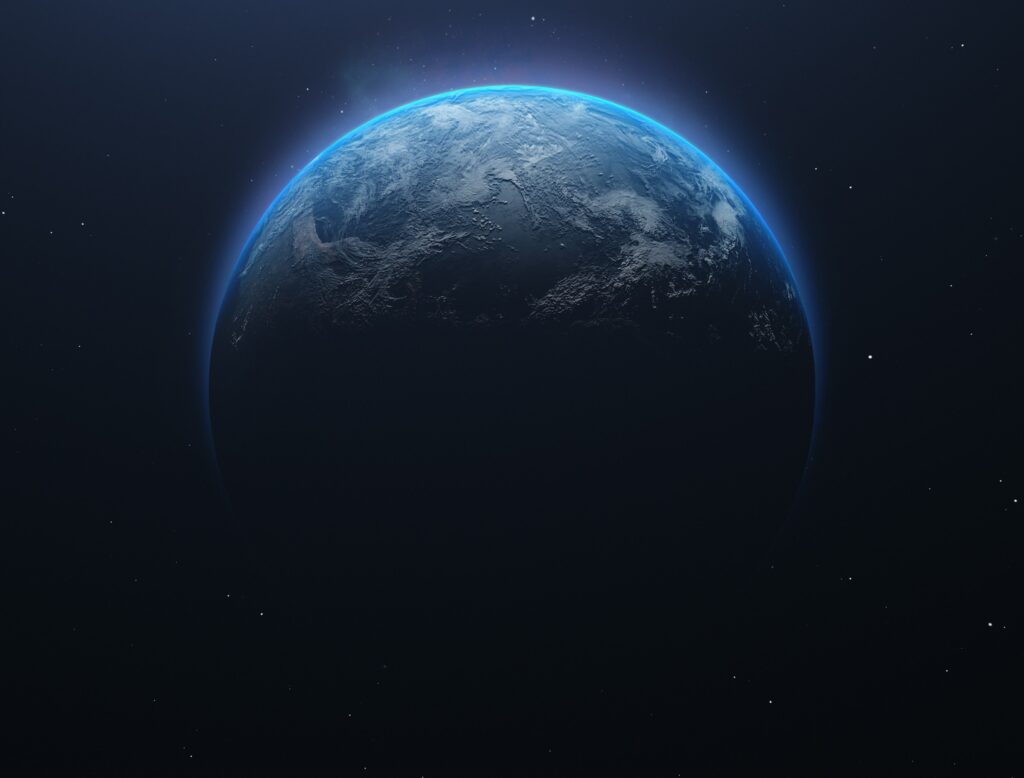
Imagine waking up on an Earth where the day ends three hours sooner, the sky feels just a little off from the blue you know, and the ocean is a vast, steaming cauldron that would wipe out most of today’s marine life. That world is not science fiction; it is our planet as it existed roughly about half a billion years ago, long before dinosaurs, mammals, or humans ever appeared. The Earth was familiar in some ways, but the details would have felt deeply alien to us.
When I first learned that an ancient Earth day lasted only around twenty‑one hours, it quietly blew my mind. It means that sunrise, noon, and sunset raced past like a sped‑up movie, while tides and seasons followed a rhythm completely different from what our bodies know today. Let’s walk through that world step by step and piece together what a single day might have felt like on this younger, faster‑spinning, hotter, stranger planet.
A twenty‑one‑hour day: living on a faster spinning Earth
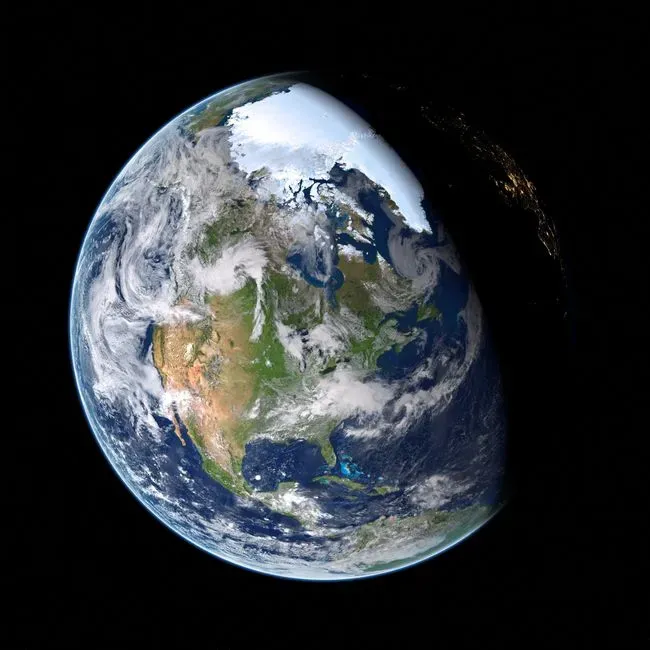
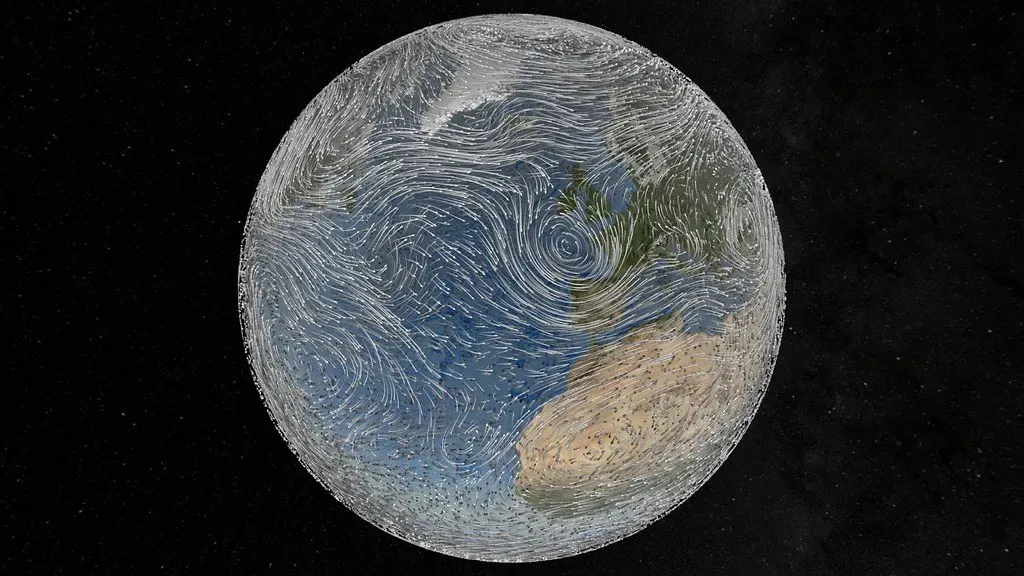
Five hundred million years ago, Earth rotated more quickly than it does today, so a full spin took about twenty‑one hours instead of twenty‑four. That difference comes from a long gravitational tug‑of‑war between Earth and the Moon; over hundreds of millions of years, the friction of ocean tides has slowed Earth’s spin and nudged the Moon farther away. If you squeezed today’s schedule into that ancient day, your “24‑hour” routine would simply not fit – work, sleep, meals, everything would have to be compressed.
On a world like that, sunrises and sunsets would come sooner, and the apparent motion of shadows would be slightly faster, something you’d feel over many days rather than in a single moment. Circadian rhythms – the internal clocks that guide when you feel sleepy or alert – would be tuned to a shorter cycle, like shifting everyone on Earth into a permanent jet‑lagged state by today’s standards. Even weather systems would respond to the faster spin: winds and storms are influenced by rotation, so patterns of air circulation and storm tracks would not perfectly match the ones we map now. It was still the same planet, but running just a bit “overclocked.”
A sky with a different shade of blue and a harsher Sun
The ancient sky would have looked blue, but not exactly the same blue you’re used to. The color of the sky depends on how sunlight scatters in the atmosphere, which in turn depends on gases like nitrogen, carbon dioxide, and oxygen. Around five hundred million years ago, oxygen levels were lower than today, while greenhouse gases like carbon dioxide and others were generally higher, especially in the long stretches before and after that time. That mix would subtly change the way light scattered, possibly giving the sky a slightly different tint or clarity, more washed out or more hazy depending on location and season.
Another big difference would have been how the Sun felt on your skin. The early Earth had a weaker protective ozone layer before oxygen soared to modern levels, so more high‑energy ultraviolet radiation reached the surface, especially in earlier periods. Even by half a billion years ago, some protection existed, but the balance of ultraviolet light and atmospheric particles still made the sunlight feel harsher in some places and more filtered in others. For many forms of life, lingering on exposed rock in midday might have been like standing under a tanning lamp turned up just a bit too high, shaping where organisms could safely live and when they were active.
Oceans like a hot bath: warm enough to kill most modern sea life
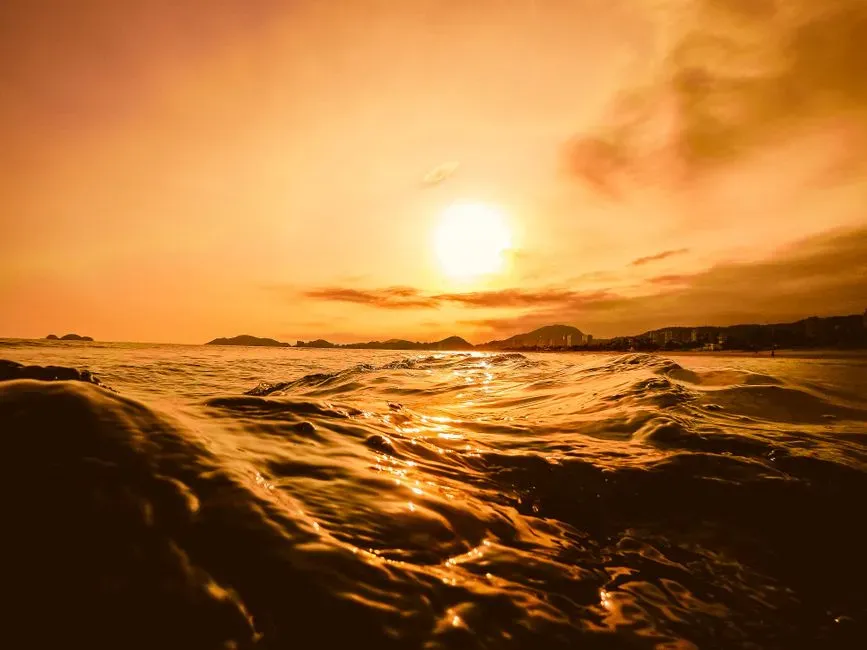
One of the most shocking differences is the temperature of the oceans. Geological clues from ancient rocks and shells suggest that large parts of the early Paleozoic oceans were significantly warmer than most modern seas, sometimes approaching temperatures that would be deadly for many of today’s marine animals. Think less like a cool, refreshing swim and more like drifting in a lukewarm to hot bath, especially in shallow, sunlit waters near the equator.
Modern corals, fish, and many invertebrates often start to struggle when long‑term water temperatures creep well above the high twenties Celsius; extreme heatwaves that push waters even hotter can trigger mass die‑offs and bleaching. In some ancient intervals, background ocean temperatures in the tropics may have hovered around those stress levels as a baseline, not just during short spikes. In a world like that, only heat‑adapted creatures could thrive in the tropics, and cool refuges would have been pushed toward deeper waters or higher latitudes, compressing many ecological niches into smaller, more crowded zones.
Air that felt heavier, stranger, and sometimes harder to breathe
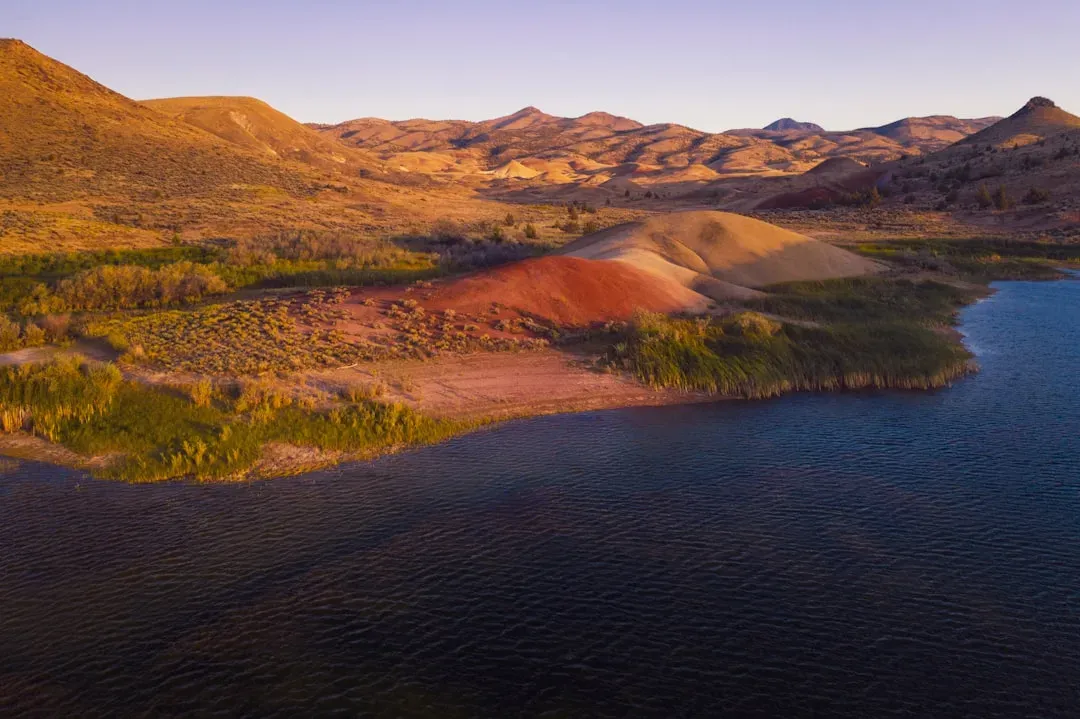
Standing on a rocky shore half a billion years ago, the air filling your lungs would have felt familiar but chemically different. Oxygen levels were generally lower than modern values for large parts of that time, especially before land plants took off and supercharged oxygen production. Breathing would still be possible for a hypothetical human visitor, but strenuous activity might feel like hiking at elevation, where you tire faster and your muscles complain more quickly.
At the same time, greenhouse gases like carbon dioxide were often present at much higher concentrations than today, even if exact numbers vary between studies and time slices. You wouldn’t consciously “smell” that difference, but the climate implications were huge – warmer baseline temperatures, especially at high latitudes and in the deep past, and a more humid, greenhouse‑tilted atmosphere. The air would likely feel heavier and, in some coastal or volcanic regions, tinged with more aerosols and natural pollutants, giving distant landscapes a hazier look and sometimes sharper sunsets.
Landscapes before forests: bare rocks, strange rivers, and simple life
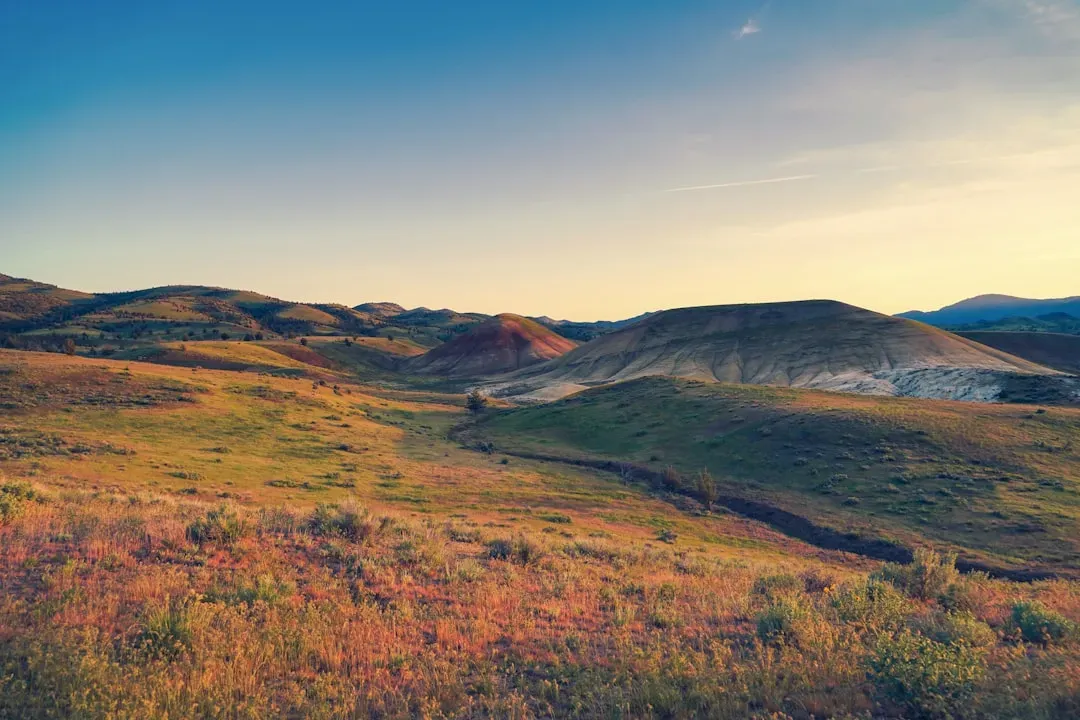
Look around on land, and the first thing you’d notice is what is missing: no grass, no trees, no familiar forest smell. Around five hundred million years ago, there were no towering forests or flowering plants; most land areas were rocky, sandy, or covered in thin films of microbial mats, especially near coasts and river mouths. The interiors of continents could be harsh, dusty places dominated by raw geology rather than lush greenery, more like parts of Mars with scattered life than like a modern Earth landscape.
Rivers and floodplains carved through this mostly barren terrain with fewer plant roots to stabilize soil, so erosion could be more intense and landscapes more rapidly reshaped after storms. Along shorelines, slimy microbial communities might have coated tidal flats, creating squishy, textured surfaces underfoot. If you walked out there, you’d pick up the faint, earthy smell of decaying organic matter, but you wouldn’t hear the rustle of leaves or the buzzing of insects because those worlds had not yet been built. It was Earth at an earlier stage of construction, with the scaffolding still mostly bare.
Alien seas: trilobites, early reefs, and the first complex ecosystems
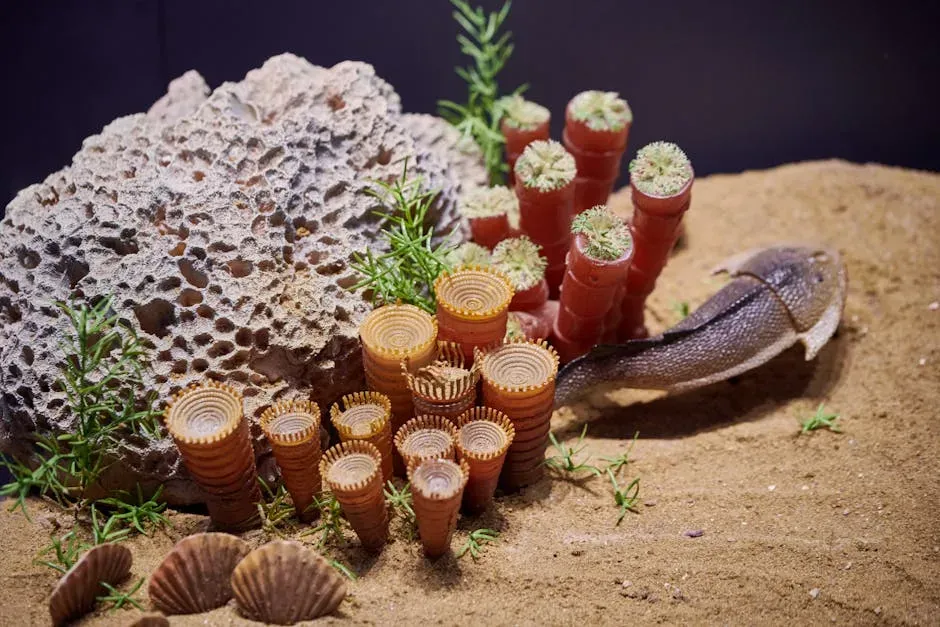
While the land looked surprisingly empty, the oceans were buzzing with evolutionary experimentation. Half a billion years ago we are in the neighborhood of the Cambrian and early Ordovician periods, famous for a rapid expansion of complex animal life in the seas. Instead of fish schools and coral reefs, you’d see trilobites crawling across the seafloor, bizarre arthropods swimming through the water, and early ancestors of many modern groups just beginning to appear. The diversity would be rich but mostly confined to marine environments.
Reefs back then were often built by different architects than today. Early reef structures were made by sponges, algae, and other microorganisms before corals took over the job in later periods. These ancient reefs created little three‑dimensional havens amid those hot waters, harboring predators, scavengers, and filter feeders that would look more like science‑fiction creatures than familiar fish. If you tried to snorkel there, the combination of high temperatures, odd chemistry, and completely alien animals would make you feel like you’d left Earth entirely, even though you were swimming through your own planet’s childhood.
Tides, Moon, and rhythms of a much younger world
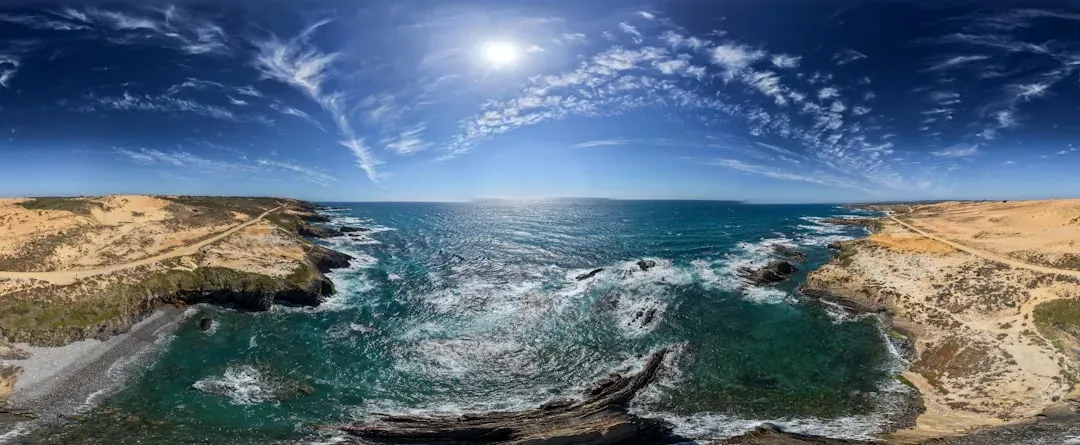
The Moon hung a bit larger in the sky back then, because it was closer to Earth than it is today. As the Moon slowly drifts outward over time, its apparent size shrinks; five hundred million years ago, it would have filled a slightly bigger disk against the stars. That closeness also meant stronger tidal forces, especially in some ocean basins, altering the height and timing of the tides surging onto ancient coastlines and tidal flats. Daily life for coastal organisms would be tied to a more intense push and pull of water and light.
With a twenty‑one‑hour day and a different Moon‑Earth spacing, the cycle of tides, daylight, and darkness created a rhythm out of sync with our modern one. Imagine trying to plan your activities if high tide crept a little faster across the day and night, and the entire pattern shifted relative to sunrise and sunset more quickly than you’re used to. Many creatures evolved to match those shorter cycles, timing when they fed, hid, or reproduced with a clock we’d find strange. The whole planet ticked to a slightly faster beat, like a song played just a bit too fast for our modern ears.
Would you want to live there? A personal take on Earth’s wild past
As awe‑inspiring as that ancient Earth sounds, I’m honestly not sure most of us would last long there – and I do not think we’d enjoy it if we did. The twenty‑one‑hour day alone would mess with our internal clocks, and the combination of hotter oceans, lower oxygen, and harsher radiation would make many familiar comforts vanish. Stepping into that world would feel less like visiting a different era and more like landing on a barely compatible exoplanet that just happens to share our continents’ future outlines.
Yet, there’s something deeply humbling and, strangely, hopeful about it. Earth has been many radically different versions of itself and still managed to nurture life that eventually led to us. When I think about that, I find it harder to see our planet as fragile in a simple way; it is both tough and sensitive, capable of surviving extremes but also easily pushed into states where our particular style of life would struggle. Maybe the real question is not whether Earth can handle dramatic change – it clearly can – but whether we, with our modern bodies and expectations, could handle living through a shift even half as radical. Would you really want to trade your twenty‑four‑hour day and cool blue oceans for that ancient, faster, hotter world?