
Birds captivate our imagination with their diversity, from the fierce hunting prowess of eagles to the cheerful songs of backyard robins. While these avian species may seem worlds apart in behavior and appearance, they share a remarkable evolutionary journey that connects them across millions of years. The link between predatory raptors and familiar songbirds reveals one of nature’s most fascinating stories—a tale of adaptation, survival, and the intricate pathways of evolution. This connection isn’t just academic; it helps us understand how modern birds evolved their distinctive traits and how seemingly different species relate to one another in the great tree of life.
The Theropod Origins: A Shared Ancestry

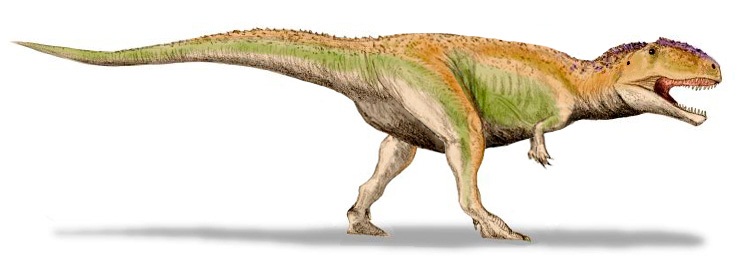
Both raptors and robins trace their lineage back to theropod dinosaurs—the same group that included the fearsome Tyrannosaurus rex and Velociraptor. This connection isn’t merely symbolic; it’s backed by extensive fossil evidence and genetic studies that have revolutionized our understanding of avian evolution. Theropods were bipedal predators characterized by hollow bones, three-toed limbs, and in many cases, feathers—all traits that modern birds inherited. The transformation from ground-dwelling dinosaurs to flying birds occurred gradually over millions of years, with different branches of this family tree evolving various adaptations that would eventually lead to both birds of prey and songbirds. This shared ancestry explains many of the fundamental similarities in bird anatomy across species, regardless of their current ecological roles.
Feathers: The Revolutionary Adaptation

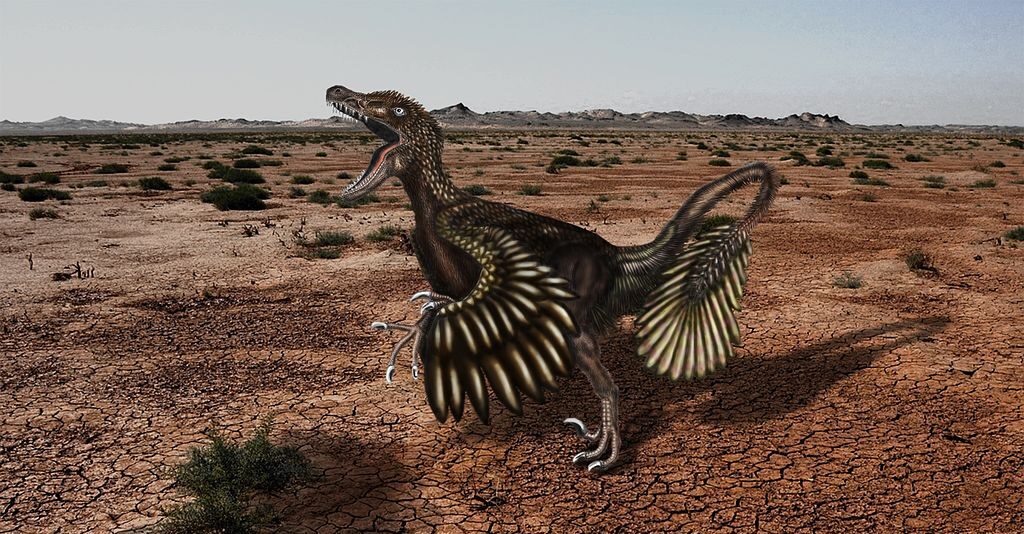
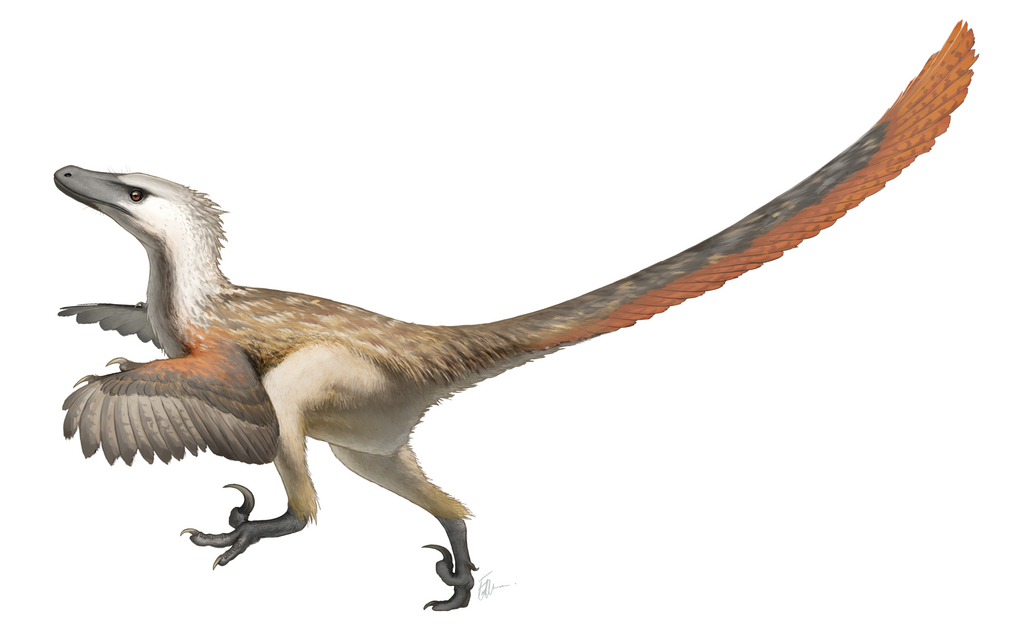
Feathers represent one of the most significant evolutionary innovations linking all modern birds to their dinosaur ancestors. Initially evolved not for flight but for insulation and display, feathers underwent remarkable specialization through natural selection. Both raptors and songbirds possess multiple types of feathers that serve different functions—from the stiff flight feathers that power an eagle’s wings to the soft down that keeps a robin warm. The microscopic structure of feathers remains remarkably similar across bird species, revealing their common heritage. Recent fossil discoveries have shown that many non-avian dinosaurs, including the Velociraptor, were covered in feather-like structures, providing visual evidence of this evolutionary connection. This shared feature is perhaps the most visible reminder that birds as diverse as hawks and sparrows emerged from the same evolutionary lineage.
Skeletal Similarities That Reveal Relationships

The skeletal structures of all modern birds, from imposing eagles to tiny hummingbirds, retain telltale signs of their theropod ancestry. The fusion of bones in the skull, the unique wrist joint that allows wing folding, and the wishbone (furcula) are features shared across avian species that directly evolved from dinosaur anatomy. When scientists compare the skeletons of raptors and songbirds, they find that despite adaptations for different lifestyles, the fundamental blueprint remains remarkably consistent. Particularly revealing are the hollow, pneumatic bones that both groups possess—a lightweight design that facilitated flight in their ancestors. The distinctive avian respiratory system, with air sacs extending throughout the skeleton, represents another shared innovation that evolved in theropod dinosaurs and persists in all modern birds regardless of their ecological niche.
The Evolution of Flight: Different Paths to the Sky

The power of flight connects all birds, but has evolved in different directions for raptors and songbirds. Raptors like eagles and falcons developed adaptations for powerful, soaring flight that allows them to survey vast territories and dive at exceptional speeds when hunting. Their wings typically feature broader surfaces and specialized feathers that enable them to ride thermals with minimal energy expenditure. In contrast, many songbirds evolved for more agile, maneuverable flight, with wings adapted for quick takeoffs, precise navigation through forest canopies, and in some cases, long migrations. The robin’s flight pattern, characterized by quick wing beats and good maneuverability, reflects its need to navigate suburban environments and escape ground predators. Despite these differences, the basic wing structure and flight mechanics derive from the same evolutionary innovations that first allowed dinosaurs to take to the air.
Vision: Eyes Evolved for Different Purposes

The exceptional vision shared by both raptors and songbirds represents another fascinating evolutionary connection, though specialized in different directions. Raptors possess some of the most acute vision in the animal kingdom, with eyes adapted for spotting prey from great distances—a hawk can see a mouse from over a mile away. This visual acuity comes from a higher density of photoreceptors, specialized fovea structures, and larger eyes relative to their head size. Robins and other songbirds also have excellent color vision and can see in the ultraviolet spectrum, which helps them find ripe fruit and identify potential mates. Both groups inherited the basic blueprint for avian vision from their common ancestors, but natural selection shaped these systems differently based on ecological needs. The tetrachromatic color vision found in many birds, allowing them to see four primary colors rather than the three humans perceive, is a shared trait that evolved early in avian evolution.
Predatory Instincts: Not Just for Raptors

While we typically associate predatory behavior with birds of prey, the hunting instinct connects many seemingly different bird species, revealing their shared evolutionary history. The American robin, often perceived as a gentle garden visitor, is an efficient predator of worms, insects, and other invertebrates. When a robin tilts its head on the lawn, it’s using both visual and auditory cues to locate prey beneath the soil—behavior not fundamentally different from a hawk scanning for movement in a field. Many songbirds that appear primarily vegetarian become opportunistic predators during breeding season, capturing protein-rich insects to feed their growing chicks. This shared predatory heritage becomes particularly apparent when observing how different bird species strike at their prey, using precise beak movements that evolved from theropod hunting behaviors. Even seed-eating finches use precision movements derived from ancestral predatory actions when handling their food.
Nesting Behaviors: Ancient Instincts in Modern Birds
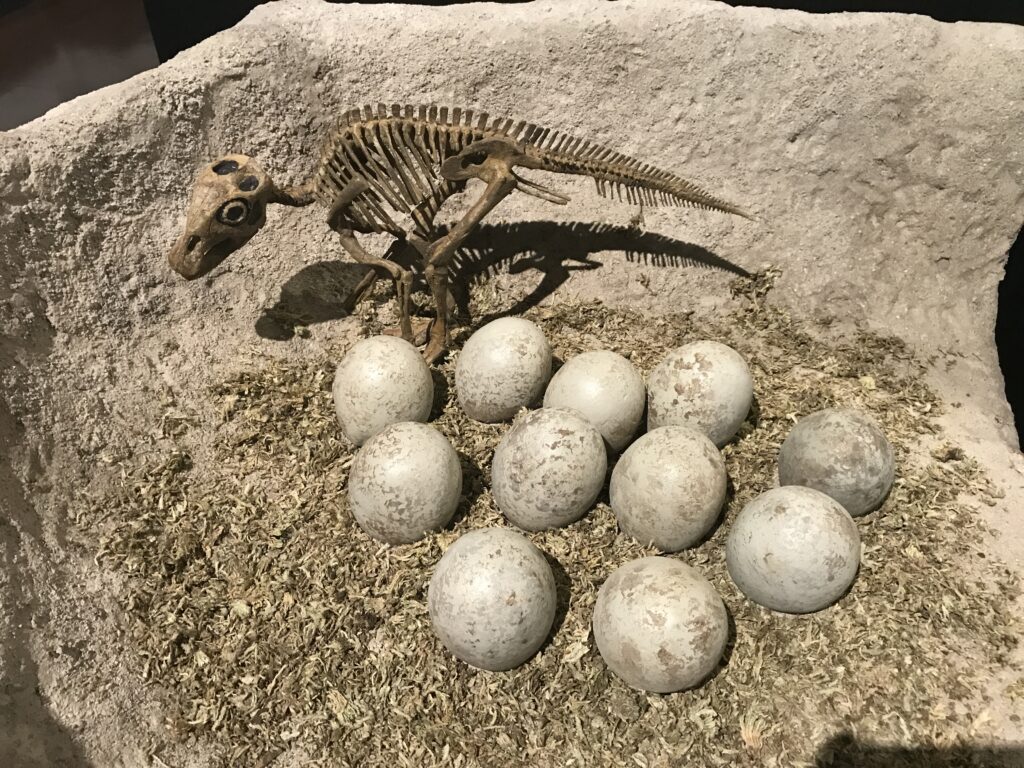
The nesting behaviors observed in both raptors and songbirds reflect deep evolutionary connections rooted in their dinosaur ancestry. Paleontological evidence suggests that many non-avian theropods engaged in nesting behaviors similar to modern birds, including nest construction and egg brooding. Today, eagles build massive stick nests that they may use for decades, while robins craft neat cup-shaped nests from grass, twigs, and mud. Despite these differences in architecture, the underlying behaviors—selecting sites, gathering materials, and constructing a protective environment for eggs—follow similar patterns across species. Particularly telling is the shared behavior of egg incubation, with both groups showing remarkable attentiveness to their developing offspring. Some fossil discoveries have revealed dinosaurs preserved while sitting on nests, providing a direct link between the parental behaviors of modern birds and their distant ancestors.
Vocalizations: Different Sounds, Similar Purpose
The contrasting vocalizations of raptors and songbirds mask an underlying evolutionary connection in how birds communicate. While the melodious dawn chorus of a robin seems worlds apart from the piercing screech of an eagle, both represent specialized adaptations of the same basic mechanism—the syrinx, a unique vocal organ found only in birds. This structure evolved from the respiratory system of theropod dinosaurs and allows for sound production during both inhalation and exhalation, making it far more efficient than the mammalian larynx. The neural pathways controlling vocalization show remarkable similarities across bird species, suggesting ancient origins. Even the purposes behind these calls—territorial defense, mate attraction, and communication with offspring—remain consistent across diverse bird families. Recent research has even suggested that some non-avian dinosaurs may have been capable of producing complex vocalizations, further strengthening the evolutionary connection between roaring raptors and singing robins.
Intelligence and Problem-Solving: A Shared Cognitive Heritage
The intelligence observed in both raptors and songbirds represents another surprising connection, with both groups demonstrating cognitive abilities that likely evolved from their shared ancestry. Corvids—the family including crows and ravens—show problem-solving skills rivaling those of primates, while many raptors display remarkable learning and memory capabilities essential for hunting. American robins can remember which yards have dogs and which homeowners have previously chased them away, demonstrating sophisticated spatial memory. The avian brain, though structured differently from the mammalian brain, evolved from the same theropod blueprint and developed specialized regions for processing complex information. Particularly notable is the enlarged forebrain in both groups, which handles advanced cognitive functions like memory and decision-making. Recent neurological studies have revealed that birds lack a neocortex but have evolved an analogous structure called the pallium that performs similar functions, representing a fascinating case of parallel evolution from the same ancestral brain structure.
Eggs and Reproduction: Ancient Patterns Preserved

The reproductive strategies of all modern birds retain clear evidence of their reptilian and dinosaur ancestry. Both raptors and songbirds lay amniotic eggs with hard shells—a feature that evolved in their distant reptilian ancestors and was retained in dinosaurs before being passed on to birds. The process of egg formation, incubation, and hatching follows remarkably similar patterns across species despite variations in egg size, color, and number. Eagles typically lay a few eggs and invest heavily in each offspring, while robins produce more eggs per clutch but still provide extensive parental care. Particularly significant is the reproductive anatomy shared by all birds—females generally have only one functional ovary, a characteristic that evolved in theropod dinosaurs as a weight-saving adaptation for flight. Microscopic analysis of eggshell structure reveals consistent patterns across diverse bird groups, providing another line of evidence for their shared evolutionary heritage.
Evolutionary Divergence: When Their Paths Split
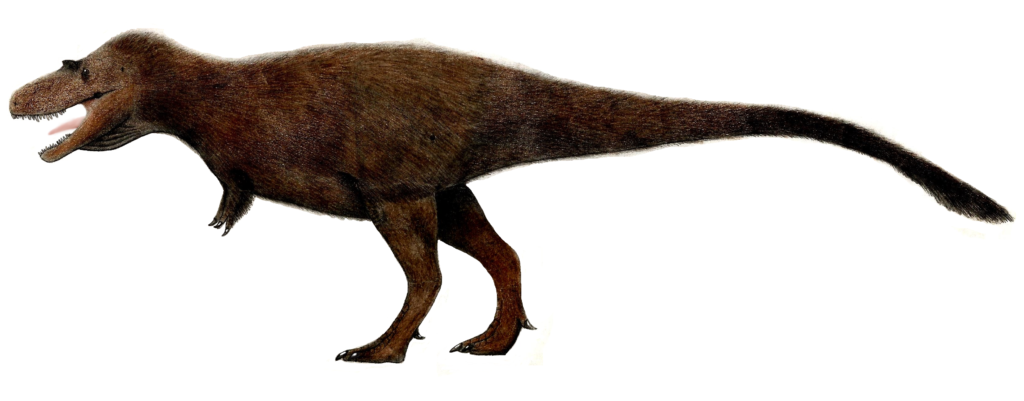
The evolutionary fork that eventually led to modern raptors and songbirds occurred relatively early in avian evolution, following the mass extinction event that eliminated non-avian dinosaurs approximately 66 million years ago. This catastrophic event created ecological opportunities that surviving bird lineages quickly exploited through adaptive radiation. The ancestors of falcons and eagles evolved specializations for predatory lifestyles, including powerful talons, hooked beaks, and enhanced visual acuity for hunting. Meanwhile, the Passeriformes—the order containing robins and other songbirds—diversified into a vast array of species specialized for different diets and habitats. Fossil evidence suggests this divergence happened rapidly by evolutionary standards, with major bird groups establishing their distinctive characteristics within 10-15 million years after the extinction event. Genetic studies support this timeline, showing that the molecular differences between raptor and songbird DNA align with this period of intense evolutionary divergence.
Conservation: Protecting Our Feathered Relatives

Understanding the deep evolutionary connections between diverse bird species has profound implications for conservation efforts in our modern world. When we recognize that the backyard robin and soaring eagle share a common heritage stretching back to the age of dinosaurs, we gain a new perspective on biodiversity preservation. Both raptors and songbirds face similar contemporary threats—habitat loss, climate change, pesticide use, and collisions with human structures. Conservation strategies increasingly focus on ecosystem-wide approaches that protect the interconnected web of life, supporting all bird species. The Migratory Bird Treaty Act and similar international agreements provide legal protection for both raptors and songbirds, acknowledging their ecological importance regardless of size or perceived value. Citizen science projects tracking everything from eagle nests to robin migrations help scientists monitor population trends and identify conservation priorities for these evolutionary cousins.
The Dinosaur Legacy: Living Among Us Today
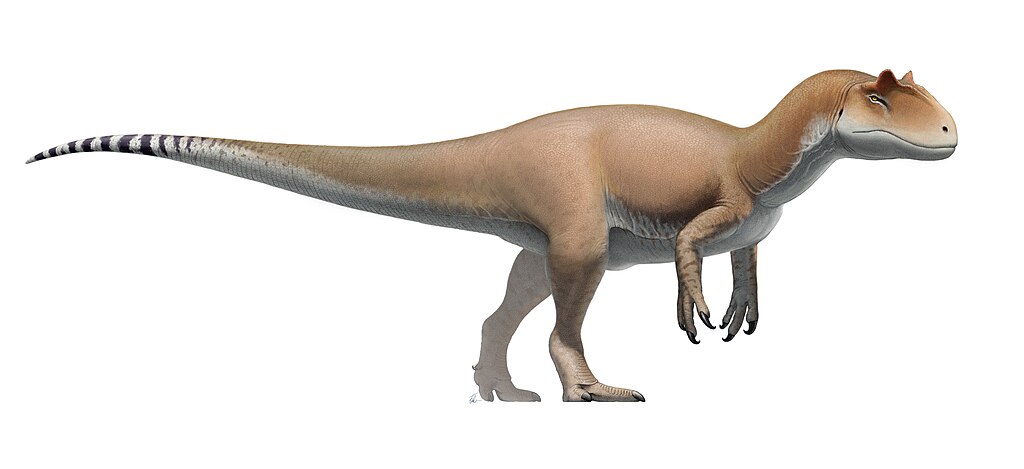
Perhaps the most profound connection between raptors and robins is that they represent living dinosaurs continuing an evolutionary journey that began over 230 million years ago. When we observe a robin catching a worm or an eagle soaring overhead, we’re witnessing behaviors with direct links to the Mesozoic Era. The dinosaurs never truly went extinct—they live on in the more than 10,000 species of birds that inhabit our planet today. Modern genetic analysis confirms that birds nest firmly within the theropod dinosaur family tree, making them more closely related to Tyrannosaurus rex than T. rex was to many other dinosaur groups like Stegosaurus or Triceratops. This perspective transforms our backyard bird feeders into windows to a prehistoric world, where the descendants of dinosaurs continue to thrive and evolve. The adaptability that allowed certain dinosaur lineages to survive the mass extinction event remains evident in the remarkable success of birds in colonizing virtually every habitat on Earth.
From Dinosaurs to Birds: A Legacy Written in Feathers
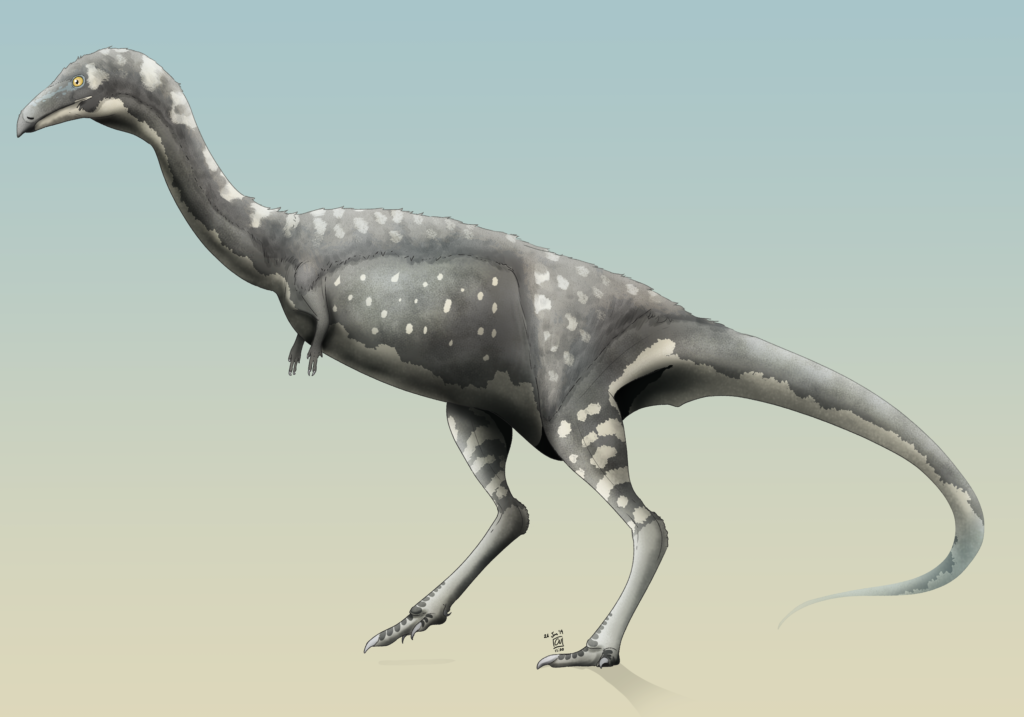
The journey from ancient theropod dinosaurs to the diverse birds we know today represents one of evolution’s most remarkable stories. Eagles and robins, despite their obvious differences, carry the legacy of their shared ancestry in every feature of their biology—from their feathered bodies to their hollow bones, from their reproductive strategies to their complex behaviors. This evolutionary connection reminds us that nature’s diversity often stems from common origins, with natural selection shaping related species in different directions to exploit varied ecological niches. By appreciating these deep connections between raptors and songbirds, we gain not only scientific insight but also a deeper appreciation for the birds that share our world. They are, in essence, living dinosaurs that have mastered the skies and continued to evolve and diversify for millions of years—a testament to the resilience and adaptability of life on Earth.