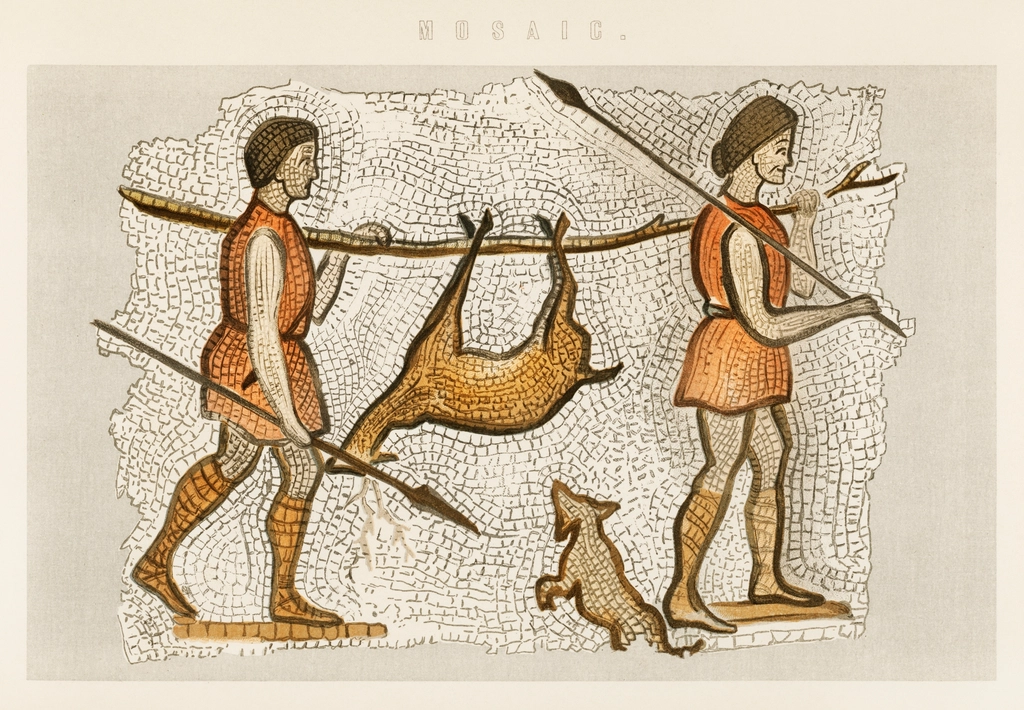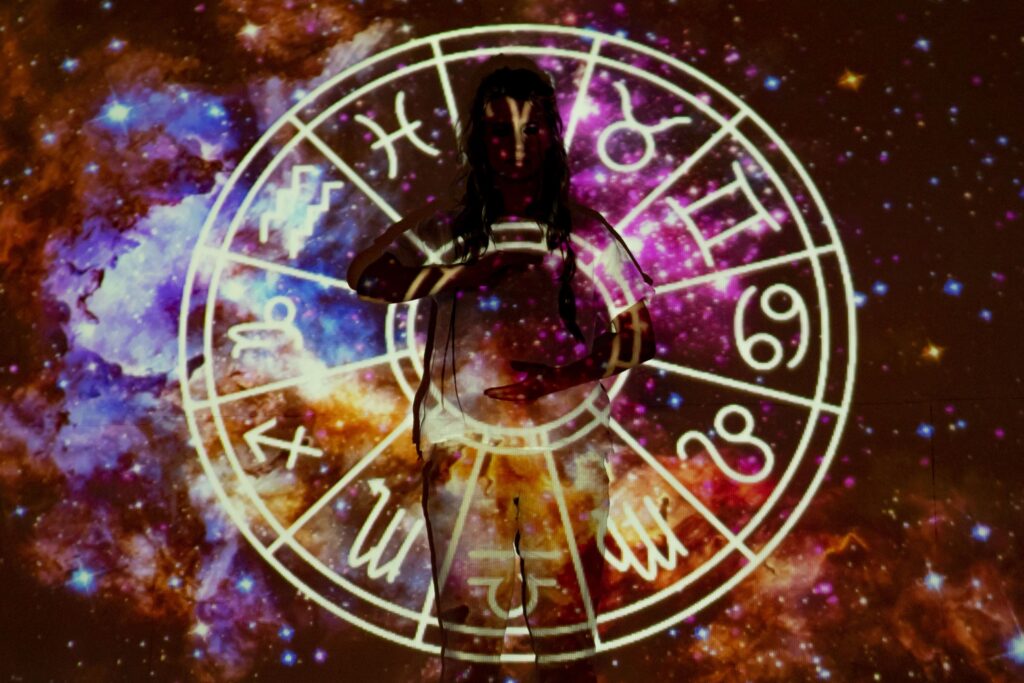
Imagine waking up in a world where there are no cities, no screens, and no written words. The sky is your calendar, the wind is your newsfeed, and survival depends on how well you read both nature and people. About forty thousand years ago, our ancestors were already fully modern humans in body and brain, living in small bands, hunting, gathering, making tools, telling stories around fires, and slowly spreading across the planet.
Astrology as we know it did not exist back then, and there is no scientific proof that star signs control personality. But humans have always looked for patterns in the sky to make sense of life. So think of this as a playful, imaginative thought experiment: if the typical traits associated with each zodiac sign were dropped into an Ice Age world, what kind of role might they have played in their band? Which skills would have helped them survive, and how would that energy have shown up in a harsh, beautiful, and terrifyingly real environment?
Aries: The First One Into the Unknown
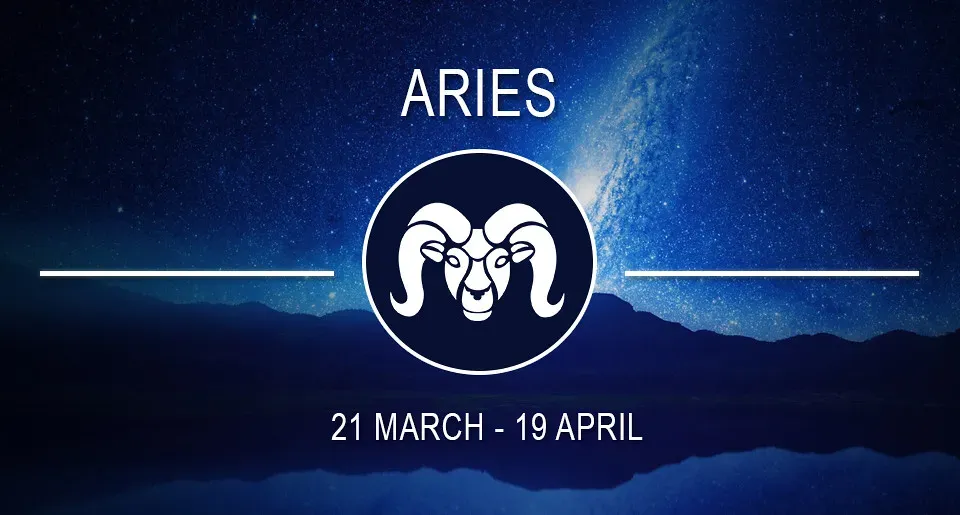
Forty thousand years ago, an Aries type would probably be at the front of the group, literally. When a hunting party needed someone to scout a new valley, cross a frozen river first, or test an unfamiliar path, the impulsive, head-first Aries energy would push them to volunteer before anyone finished the sentence. In an age where hesitation could mean starvation, that readiness to act fast could be the difference between a successful hunt and an empty stomach.
Of course, Aries’ legendary impatience would also be a double-edged stone blade. Charging after a herd too soon or underestimating a predator could end badly in a world without hospitals. But their courage and willingness to take physical risks would make them invaluable when a group needed bold movement: driving animals toward a cliff, distracting a big cat, or sprinting to warn the camp. In many ways, the modern image of Aries as trailblazer fits neatly with the reality of people who dared to go first when the landscape itself was the enemy.
Taurus: The Rock of the Camp
In an Ice Age world, the slow, steady, comfort-loving Taurus energy would show up as the person who made camp feel like home, even when home kept moving. While others chased excitement, a Taurus type might be the one perfecting sleeping areas, maintaining the fire, and making sure tools, furs, and food stores were organized and protected. That attachment to routine and security, which gets labeled as stubborn today, would be straight-up life insurance back then.
Taurus also has a strong connection to the body and the senses. I picture a Taurus-like ancestor being skilled with hides and clothing, working patiently to soften leather, decorate items, and create comfortable, warm layers that helped the group survive brutal nights. They might have been the first to notice subtle changes in animal behavior or plant growth near the camp, just by quietly paying attention. While others brought back the spoils, Taurus energy made sure everyone could actually live with them.
Gemini: The Messenger and Story Weaver
Forty thousand years ago, there were no written records, so everything a group knew lived in stories, songs, and spoken memory. A Gemini type, with their quick mind and love of communication, would be the walking data cloud of the band. They might be the one who remembered where the herd passed three seasons ago, how another group solved a conflict, or which plants were safe because they heard it once from a traveler around a fire.
Gemini energy would also shine in trade and alliances. In a world where meeting another group could mean opportunity or danger, having someone who could talk fast, read a mood, and swap information would be incredibly valuable. Their restless curiosity might lead them to wander between clusters of camps, picking up new tool-making tricks, songs, and myths. When people say Gemini loves gossip, I always imagine that thousands of years ago, that same trait helped spread crucial survival tips along with the juicier stories.
Cancer: Keeper of the Fire and the Bonds
In a small band, emotional glue was just as important as sharp spears. A Cancer type, with their nurturing, protective energy, would be the one fiercely guarding the hearth and the people closest to it. They might stay behind with elders, children, and anyone injured, making sure they were fed, warm, and emotionally held while others were out hunting. In a world where losing one person could rip a hole in the group, that kind of caregiving was not soft; it was strategic.
Cancer’s tendency to remember emotional details and cling to the past would help preserve traditions. They might be the ones who knew the lullabies, the birth histories, the lineage of who came from where, turning memory into identity. If someone died, a Cancer-like person could lead the mourning rituals, giving the group a way to process grief instead of being quietly torn apart by it. Their sensitivity would be both a burden and a powerful tool for keeping the group human in an environment that constantly tried to strip that away.
Leo: The Charismatic Leader Around the Fire
In an era before crowns and thrones, leadership often came down to who people actually wanted to follow. A Leo type, with their flair, warmth, and hunger to shine, would naturally draw attention at gatherings. Picture the end of a grueling day: everyone clustered near the fire, and the Leo-like person reenacts the hunt with big gestures, sound effects, and exaggerated drama. They turn survival into a story, and that story into shared pride.
This kind of charisma would do more than entertain. A Leo energy ancestor might boost courage before a big hunt, rally people when food was low, or keep morale alive in a harsh winter. That desire to be seen and respected could drive them to take on visible responsibilities, like leading ceremonies or negotiating with neighboring groups. Of course, their ego might sometimes clash with others, but when the mood sank and people felt small under the endless sky, a Leo figure could remind them they mattered.
Virgo: The Detail-Obsessed Problem Solver
When your tools are stone, bone, and wood, small details can mean life or death. A Virgo type, wired to notice tiny flaws and optimize everything, would thrive as a tool maker, tracker, or planner. They might spend long hours refining a spear point, analyzing footprints, or quietly reviewing the group’s supplies to spot problems before anyone else did. That tendency to worry, which so many Virgos get teased for, would be a survival advantage in a dangerous landscape.
Virgo energy would also lend itself to early forms of health care. I can imagine a Virgo-like ancestor carefully experimenting with plants on minor wounds, paying attention to what helped and what made things worse. They would be the one nagging people to clean a cut or not use a damaged spearhead, annoying in the moment but crucial in the long run. The same perfectionism that can be stressful in modern office life would be exactly what you want in the person stitching your torn skin with bone needles by firelight.
Libra: The Diplomat Between Bands
Forty thousand years ago, other humans were both your greatest threat and your greatest resource. Meeting another band could mean mates, tools, and new ideas, or it could mean violence. A Libra type, with their instinct for balance and fairness, would be the negotiator standing at the edge of the meeting place, carefully watching faces and gestures. They would be the first to suggest an exchange instead of a fight, or a shared hunt instead of competing for the same herd.
Within the group, Libra energy would help smooth conflicts before they became deadly. In tight quarters and constant stress, resentments could build quickly. A Libra-like person might step in to mediate arguments over food distribution, sleeping spaces, or hunting credit. Their desire for harmony, which sometimes makes them indecisive today, would act as a stabilizing force then. Instead of quick, emotional reactions, they could encourage a pause and a second look – something rare and precious in a tense, uncertain world.
Scorpio: The Intense Strategist and Shadow Walker

In our Ice Age thought experiment, Scorpio energy belongs in the most psychologically demanding roles. A Scorpio type might excel at stealth hunting, stalking prey for hours or days with relentless focus. They could be deeply tuned into the behavior of both animals and humans, noticing patterns, secrets, and hidden motives that others missed. When everyone else saw only a herd, Scorpio saw which animal was weakest, which direction it might bolt, and which hunter was likely to snap under pressure.
Scorpio’s reputation for emotional intensity and fascination with taboo subjects also fits a world where life and death were constantly in view. They might take a lead role in burial practices, rites of passage, or spiritual rituals that dealt with fear, pain, and transformation. While some might be unsettled by their depth, that same depth would help the group face realities most wanted to avoid. In a sense, the Scorpio-like ancestor would walk the edges – the shadowy caves, the darkest questions, the dangerous plans – so others could survive the middle.
Sagittarius: The Pathfinder and Wanderer
As modern humans spread into new territories tens of thousands of years ago, some people clearly had a stronger itch to move than others. Sagittarius energy, with its love of exploration and big-picture thinking, would drive an individual to keep asking what lies beyond the next ridge. A Sagittarius type might volunteer to scout new migration routes, follow herds across unfamiliar plains, or connect far-flung groups through long-distance journeys. Where others saw risky distance, they saw opportunity and meaning.
Their philosophical streak would show up in how they made sense of their world. Around the fire, a Sagittarius-like person might be the one trying to explain why the seasons change, why people die, or what the stars mean, stitching together rough ideas into early myth. Their optimism could help groups take terrifying leaps, like crossing a mountain range or settling in a new valley. Yes, their restlessness might make them unreliable for tightly repetitive tasks, but when humanity needed to move, this energy would be out front, feet sore and eyes bright.
Capricorn: The Long-Term Planner in a Short-Term World
In a landscape where you could die from a twisted ankle, thinking long-term was an act of radical discipline. Capricorn energy, known for ambition and endurance, would express itself through careful planning of food, routes, and social structure. A Capricorn type might track seasonal patterns over years, noticing exactly when herds tended to pass or when certain plants returned. They would push the group to store extra food, repair shelters before storms, and train younger members in serious skills instead of letting them drift.
Their reserved, sometimes stern demeanor could make them seem harsh, but in context, that toughness is protective. A Capricorn-like ancestor might enforce rules around hunting territories, tool use, or sharing that kept chaos in check. They would be the one still working when others wanted to relax, finishing the last spear shaft or checking that the fire pit was secure. In a way, they were the quiet architects of survival, building structure in a world that constantly tried to dismantle it.
Aquarius: The Innovator and Social Experimenter
Every big leap in human history came from someone trying something no one else had bothered to try. Aquarius energy, linked to innovation and unconventional thinking, would thrive on questioning the usual ways of doing things. An Aquarius type might be the first to test a new kind of spear thrower, use pigment in a different way on cave walls, or suggest changing the group’s usual camp pattern. When everyone else said we have always done it this way, they would quietly (or loudly) ask why.
Socially, an Aquarius-like ancestor might also experiment with roles and relationships. They could be the one most comfortable crossing boundaries between family lines, befriending outsiders, or suggesting new ways of sharing tasks within the band. Their detachment, which people sometimes misread as coldness, would actually allow them to step back and see group dynamics from a more objective angle. In times of crisis, this ability to imagine alternatives – new routes, new tools, new alliances – could change everything.
Pisces: The Dreamer and Spiritual Bridge
Forty thousand years ago, the line between practical survival and spiritual meaning was probably very thin. Pisces energy, with its deep sensitivity and rich inner life, would likely show up in those who felt especially tuned to dreams, symbols, and the moods of the group. A Pisces type might be the one whose night visions everybody listened to, not because they were seen as magical in a fantasy sense, but because human intuition and pattern recognition often hide in that dreamlike space.
They might also be natural healers – not necessarily in a modern medical sense, but as people who comforted, soothed, and helped others process fear and loss. In times of danger, a Pisces-like ancestor could sense unspoken tensions and quietly sit beside the person who was about to break. Their tendency to drift into imagination would also feed early art and music; humming new melodies, tracing new shapes on cave walls, or turning raw experience into something that felt like meaning. In a harsh climate, that soft, fluid energy kept the inner world alive when the outer world was mostly stone and ice.
Conclusion: What These Archetypes Really Tell Us
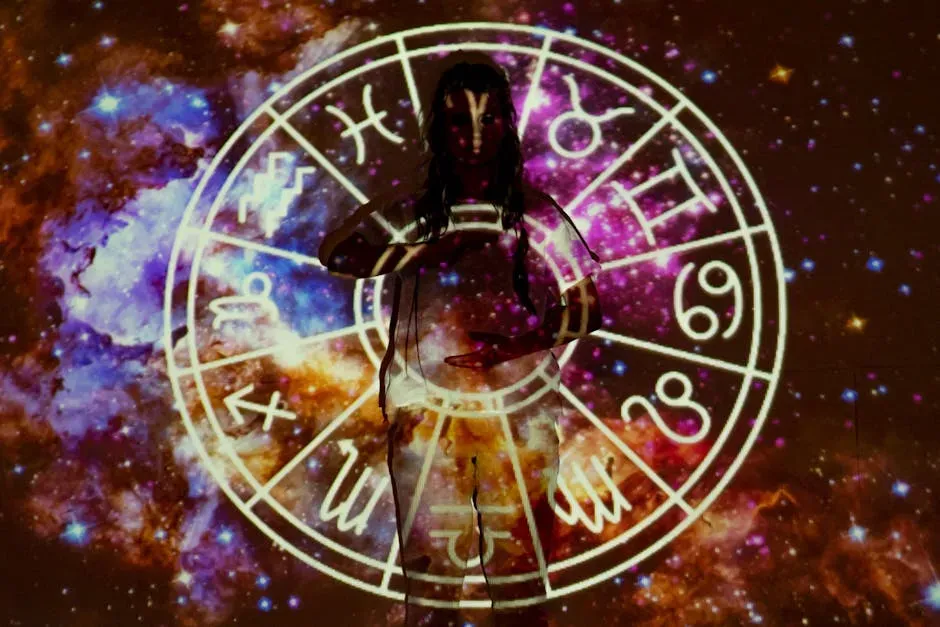
Looking at the zodiac through the lens of forty thousand years ago does not prove that the stars control anything, but it does highlight something much more grounded: every kind of temperament had a place in our survival story. The bold, the cautious, the talkative, the quiet, the dreamers, and the planners all mapped onto real, practical roles that helped small groups of humans stay alive. When I think about it this way, the signs feel less like cosmic labels and more like old archetypes that we keep retelling because they echo real survival strategies baked into our species.
In my opinion, that is where the real power of this kind of exercise lies – not in predicting your future, but in appreciating that your natural tendencies, whatever they are, could have been useful even in the hardest of worlds. Maybe your modern life does not involve chasing mammoths or stitching hides by firelight, but the same core traits are still here, trying to find a niche in a very different kind of landscape. So the real question is not which sign would have survived back then, but this: how are you letting your ancient strengths show up in the life you are living right now?