For years, Ankylosaurus has been sold to us as the dinosaur tank with a wrecking-ball tail built to shatter predator legs in slow motion. You can probably picture the scene: a charging tyrannosaur, a dramatic swing, and a bone-crunching impact that saves the day. But when you dig into what paleontologists have actually found, that Hollywood moment starts to look a lot less certain and the real story becomes way more intriguing.
Newer research suggests that the famous tail club was not a simple anti-tyrannosaur weapon. Instead, it might have been tied to social behavior, communication, and even dinosaur-on-dinosaur combat among Ankylosaurs themselves. That sounds less flashy at first glance, but once you walk through the biomechanics and the fossils, it paints a surprisingly emotional picture: these were not just armored tanks, they were social, signaling animals with complex lives we’re only beginning to understand.
The Myth of the Leg-Shattering Tail Swipe
The classic image of Ankylosaurus swinging its tail club straight into a predator’s shin comes mostly from imagination, not hard evidence. Yes, the tail could be swung with impressive force, and in controlled calculations it might be capable of breaking bone. But so far, there are no unmistakable fossil tyrannosaur legs or ribs with clear, club-shaped impact marks that scream “Ankylosaurus did this.” Our mental movie has been running ahead of the data.
When you look at living animals that use heavy weapons, like some hoofed mammals or horned antelopes, we actually do find injuries that match those weapons. In contrast, the fossil record around Ankylosaurus and its relatives is oddly quiet on clear club-related trauma in predators. That silence does not mean it never happened, only that it probably was not the main, everyday role of the tail. If shattering big carnivores was its central job, we’d expect more forensic-style evidence than we actually have.
Built Like a Sledgehammer, But Aimed at Whom?
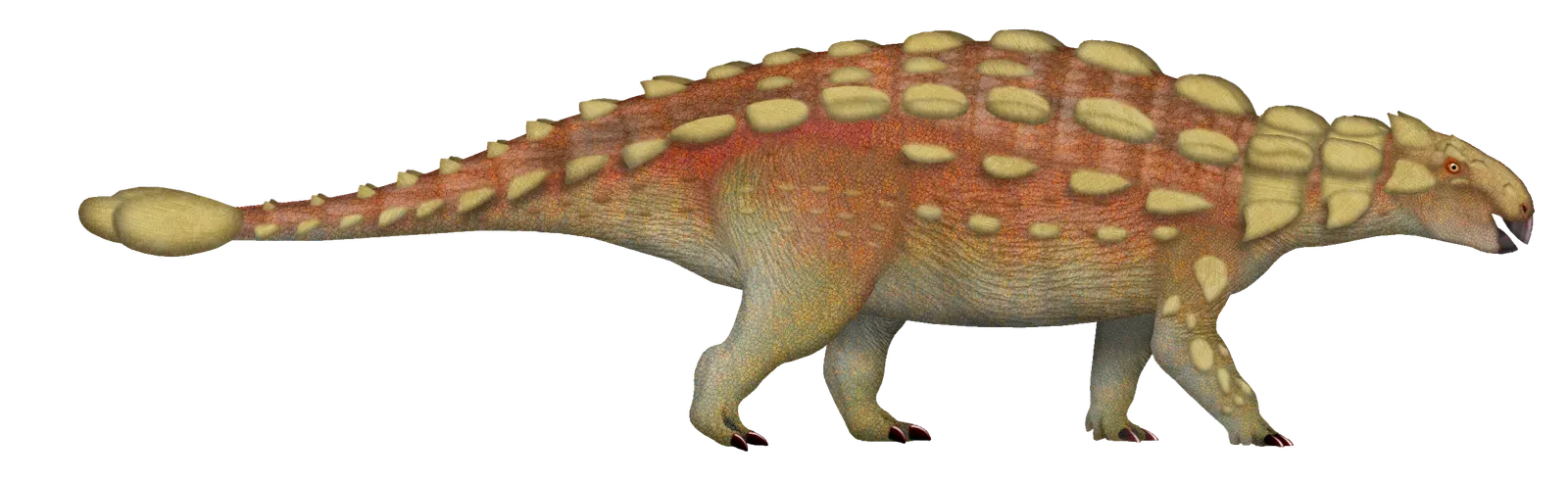
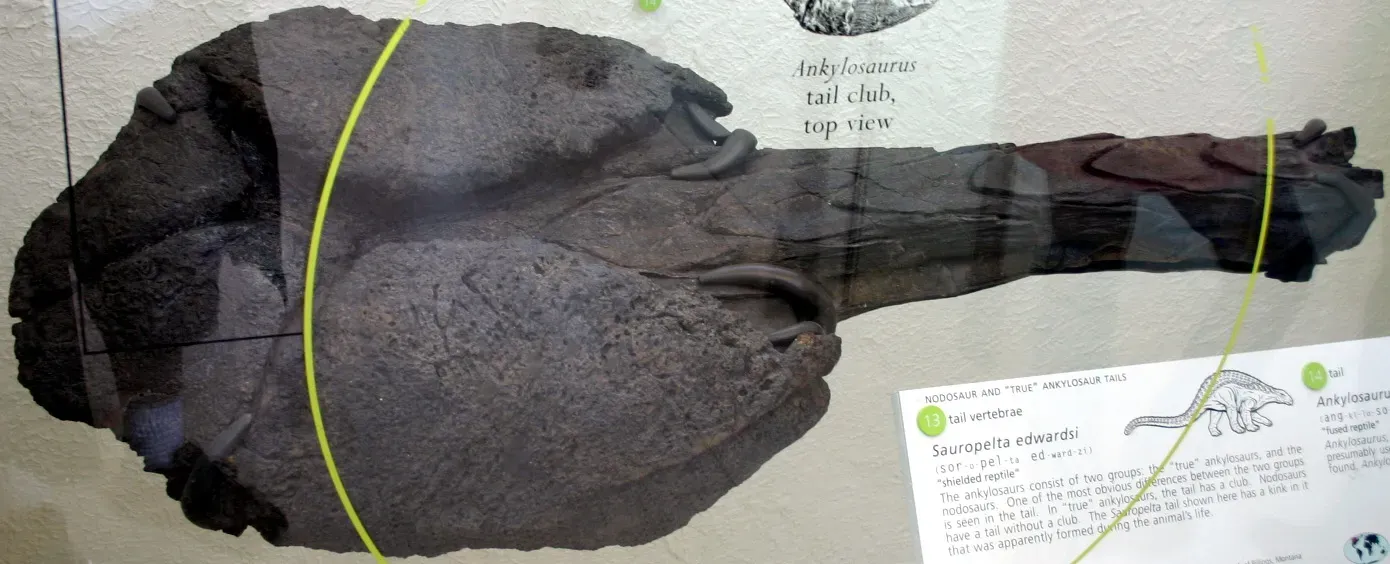
The tail of Ankylosaurus was stiffened by interlocking bones and supported by powerful muscles, turning the club at the end into something like a biological sledgehammer. Biomechanical studies have shown that larger ankylosaurids, including close relatives, could potentially deliver blows strong enough to fracture bone in the right conditions. On paper, that absolutely could be dangerous to a predator that got too close. The engineering is real and impressive.
But having a powerful weapon is not the same as using it only for defense against other species. In modern animals, the same structure can serve different roles depending on context: think of deer antlers used more against other deer than against wolves. For Ankylosaurus, a heavy, forceful tail might have been just as useful in conflicts with rivals, in dominance displays, or even in ritualized contests where the blows were directed at safer, more reinforced parts of the body rather than vulnerable predator limbs.
Armor, Not Just Offense: A Moving Fortified Billboard
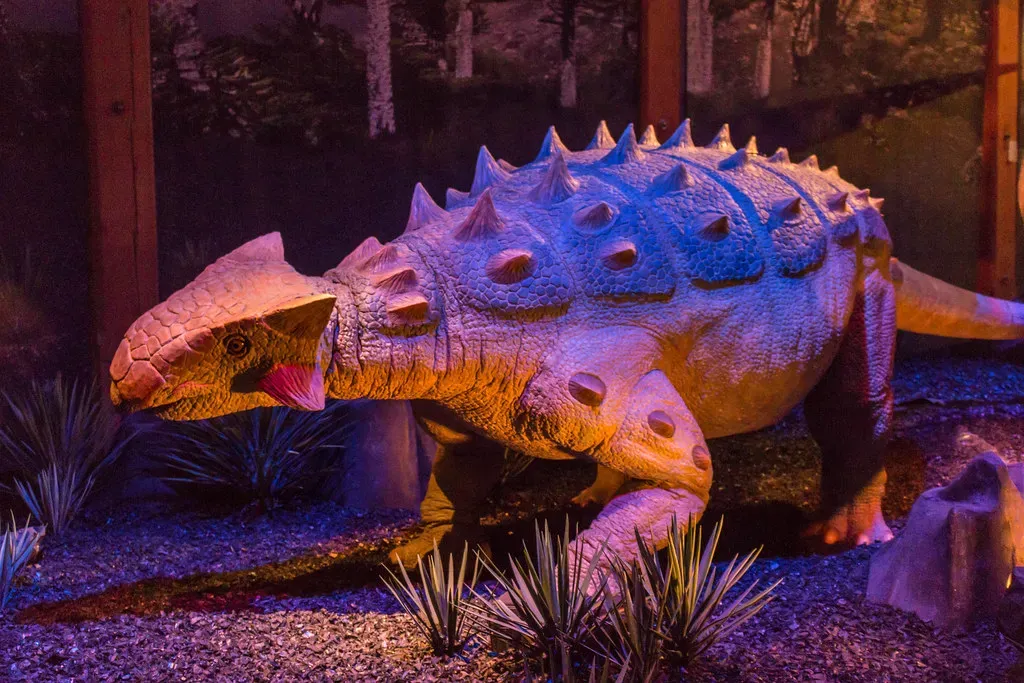
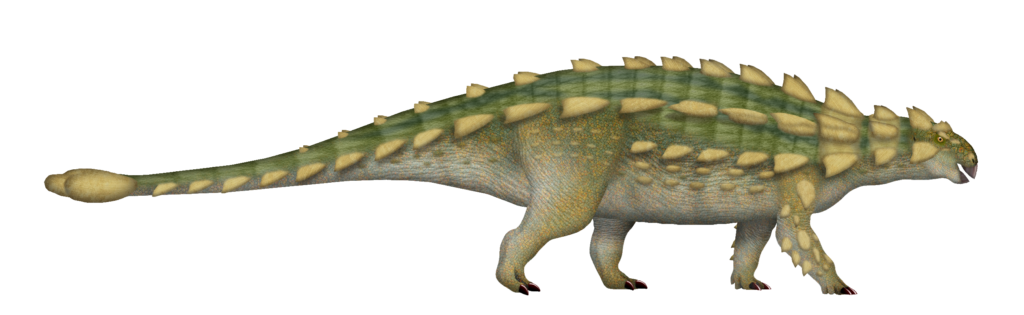
Ankylosaurus did not just have a tail; it was covered in thick armor plates and knobs of bone embedded in its skin. This makes it tempting to think purely in defensive terms: a walking bunker that needed a final line of offense at the rear. However, armor and weaponry in animals are often as much about being seen and recognized as they are about surviving an attack. In that sense, the whole body of Ankylosaurus might have been a kind of fortified billboard broadcasting information to others of its kind.
The arrangement and shape of armor plates could differ between species and possibly between individuals, hinting at visual roles beyond protection. The tail club, sitting at the end of this armored display, may have worked like a moving signpost, visible when the animal turned, raised or swung it. Instead of imagining Ankylosaurus only turning its back on danger, picture it also turning its back toward rivals or potential mates in a deliberate, communicative way, using that club and the armored body behind it as part of a visual language.
Signals, Displays, and Dinosaur Body Language
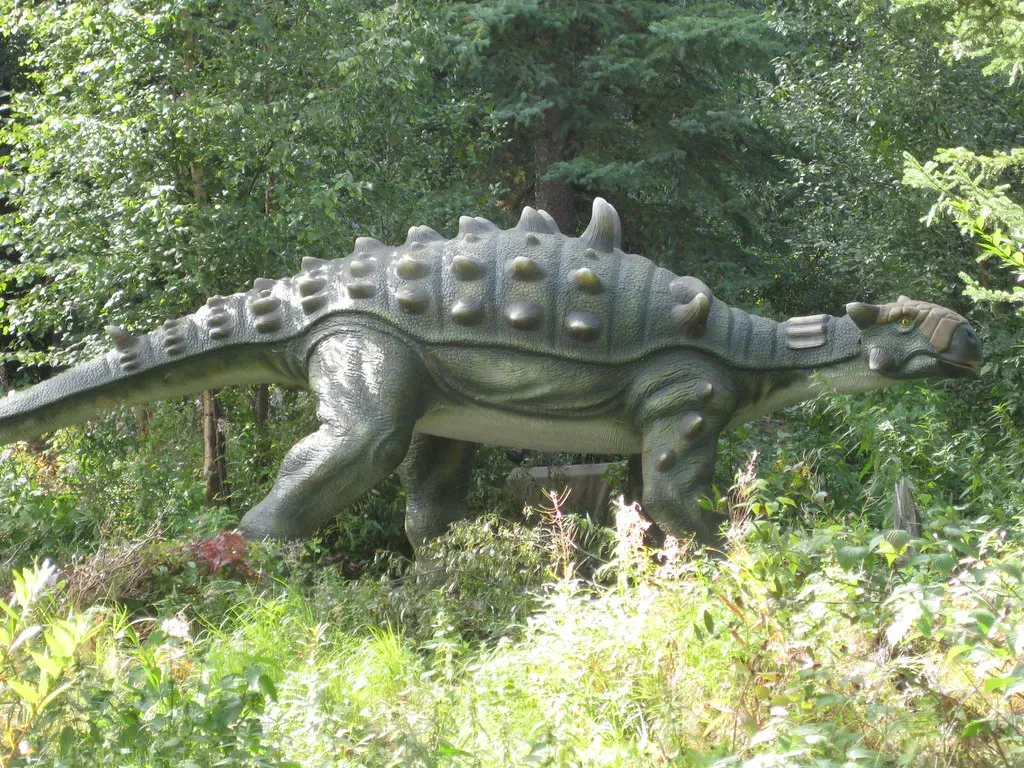
One of the most fascinating shifts in modern paleontology is the move from seeing dinosaurs as purely functional machines to seeing them as animals with complex communication. In that light, the Ankylosaurus tail club starts to look less like an emergency-only weapon and more like a signal device. A raised or slowly swinging tail could have acted as a warning, a territorial display, or a way of saying “back off” without actually making contact. Big structures are expensive to grow and maintain, so if you are going to build one, it often earns its keep in everyday social life, not just rare battles to the death.
Think of peacocks: their enormous tails are terrible for running away from predators but fantastic for communication and mating displays. Ankylosaurus was not a peacock, of course, but the principle that exaggerated structures often serve as signals still applies. A visible, dynamic club at the tail’s end would have been hard to miss in a herd or pair of Ankylosaurs. Even a slow, controlled swing might have carried meaning, and that kind of display would leave almost no trace in the fossil record for us to see directly today.
Ankylosaur vs. Ankylosaur: The Case for Intraspecific Combat
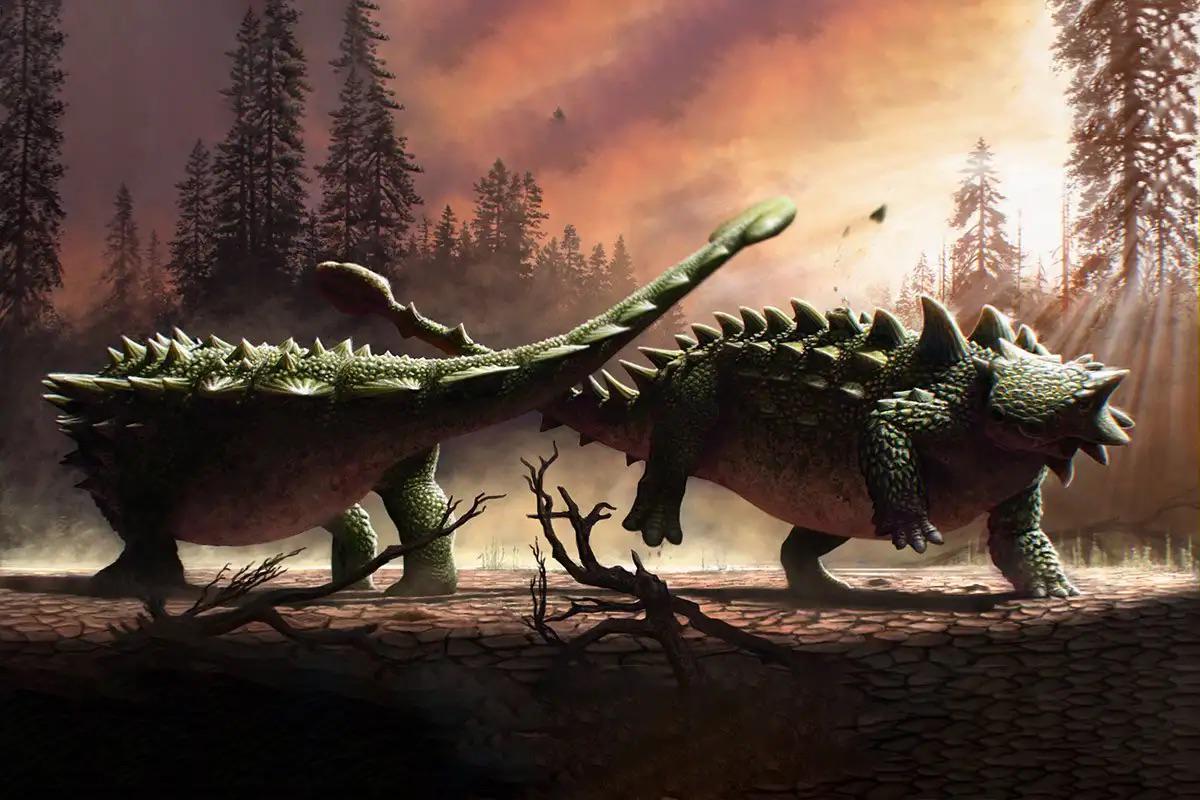
Some of the most compelling ideas about tail clubs now focus on Ankylosaurs hitting each other rather than tyrannosaurs. In several ankylosaurid specimens, paleontologists have identified healed injuries on ribs and other bones that fit with blunt-force trauma. While we cannot prove every injury came from another Ankylosaur’s club, these patterns line up nicely with the idea of club-on-armor strikes, especially aimed at the side of the body rather than at delicate limbs. That looks more like a contest between equals than a desperate defensive strike at a predator’s leg.
Modern analogs help here too. Bighorn sheep slam horns into each other. Giraffes swing their necks in brutal combat. Crocodiles bite rivals. These fights are dangerous but usually aimed at robust, reinforced areas of the body. Ankylosaurs, with their rib cages protected by armor and a heavily built torso, may have been playing a similar game. The tail club, in that scenario, becomes a specialized tool for settling arguments about territory, dominance, or mates – a powerful, targeted way to say “I win” without immediately killing the opponent.
Mating, Status, and the Hidden Social Life of a Tank
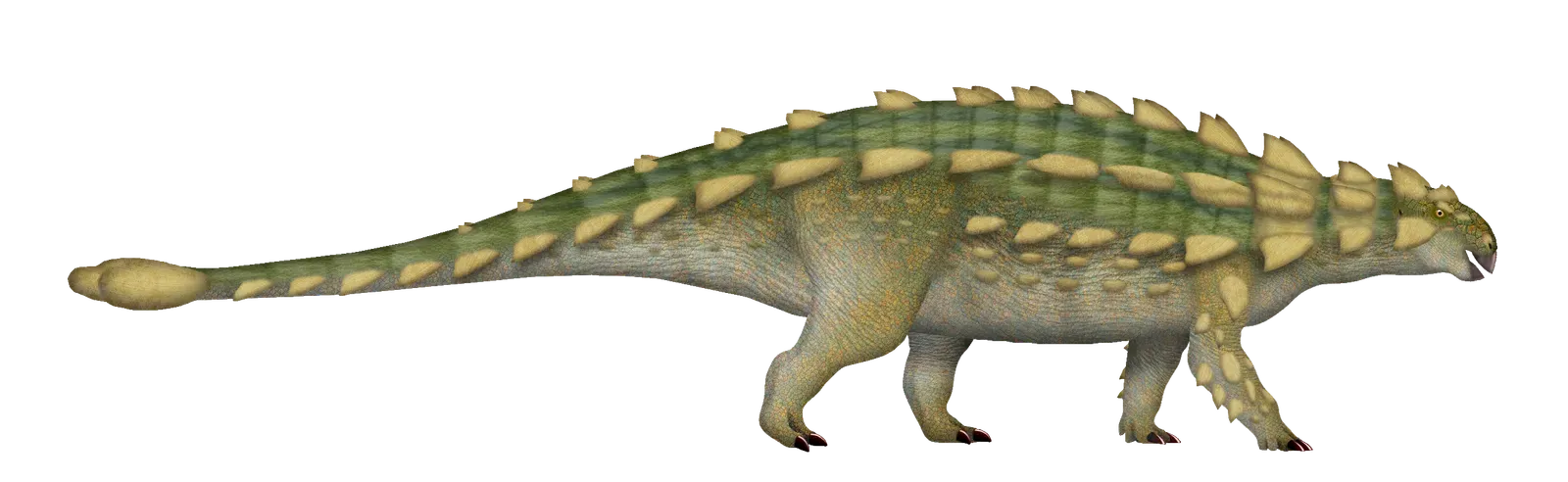
If the tail club played a role in intraspecific combat and display, it likely tied directly into mating and status. In many animals, only individuals that are large, healthy, and well-fed can afford to grow and wield especially large or well-formed weapons. A robust tail club might have been a visible badge of quality. Potential mates could read that signal at a glance, and rivals would be cautious about picking a fight with someone carrying a bigger, heavier “bat” at the end of their spine.
There is also room for more subtle behavior than just brutal fights. Ritualized displays – where animals show off their weapons but pull their punches – are extremely common in nature. Two Ankylosaurs might have circled each other, swinging tails in carefully controlled arcs, clashing with armor rather than vulnerable areas, or even stopping short to test each other’s nerve. It is speculative, but it fits what we know about how big-bodied, armored and weaponized animals behave today, and it explains why such an elaborate structure could evolve and persist even if it was only rarely used in all‑out life‑or‑death struggles.
Predators Still Mattered, But Probably Not the Way Movies Show
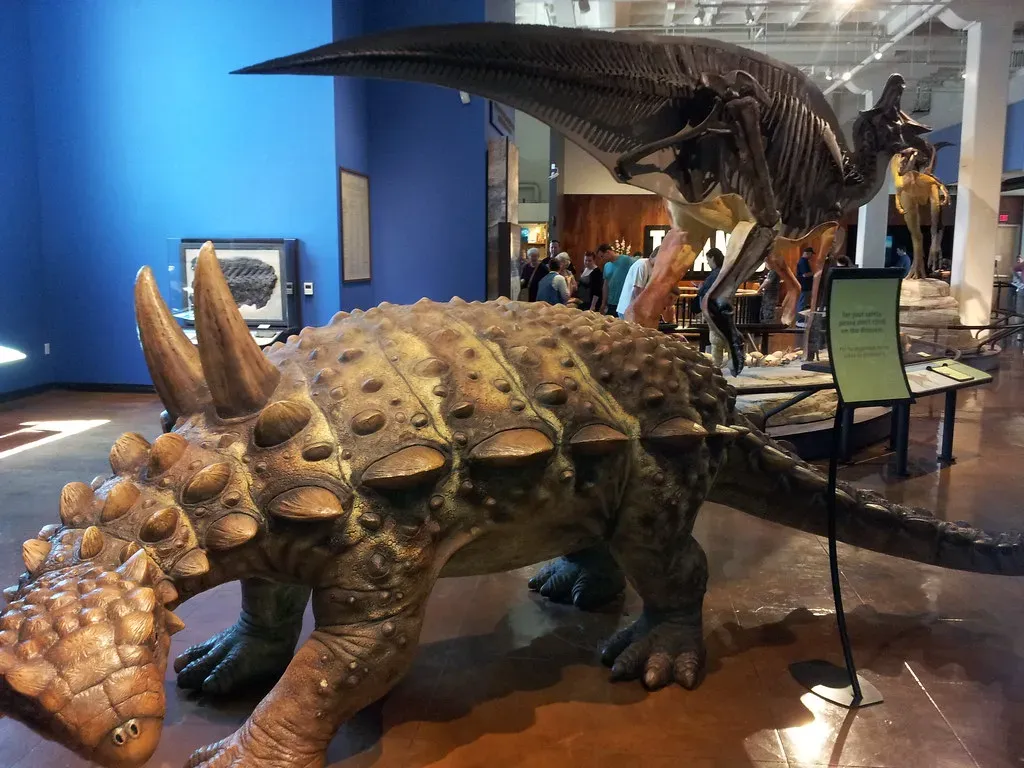
None of this means Ankylosaurus would never use its tail on a predator. If cornered, a large, angry herbivore with a bone club at the end of its tail would absolutely be dangerous. Even a glancing blow could discourage an attack or injure a hungry carnivore that misjudged the distance. The key nuance is that such encounters were probably rare, high‑risk moments rather than the everyday job description for the tail. Nature tends not to design massive structures just for once‑in‑a‑lifetime emergencies.
Instead of imagining constant heroic battles, it makes more sense to see predators as one piece of a bigger evolutionary puzzle. The tail club may have started as or been refined into a multipurpose tool: something that deterred stalking carnivores, but day to day functioned mainly in social signaling and Ankylosaur‑on‑Ankylosaur interactions. In that view, the Hollywood version is not completely wrong but dramatically overemphasized, like a highlight reel that ignores the long, complicated season that led up to it.
Why the Real Ankylosaurus Story Is So Much More Interesting
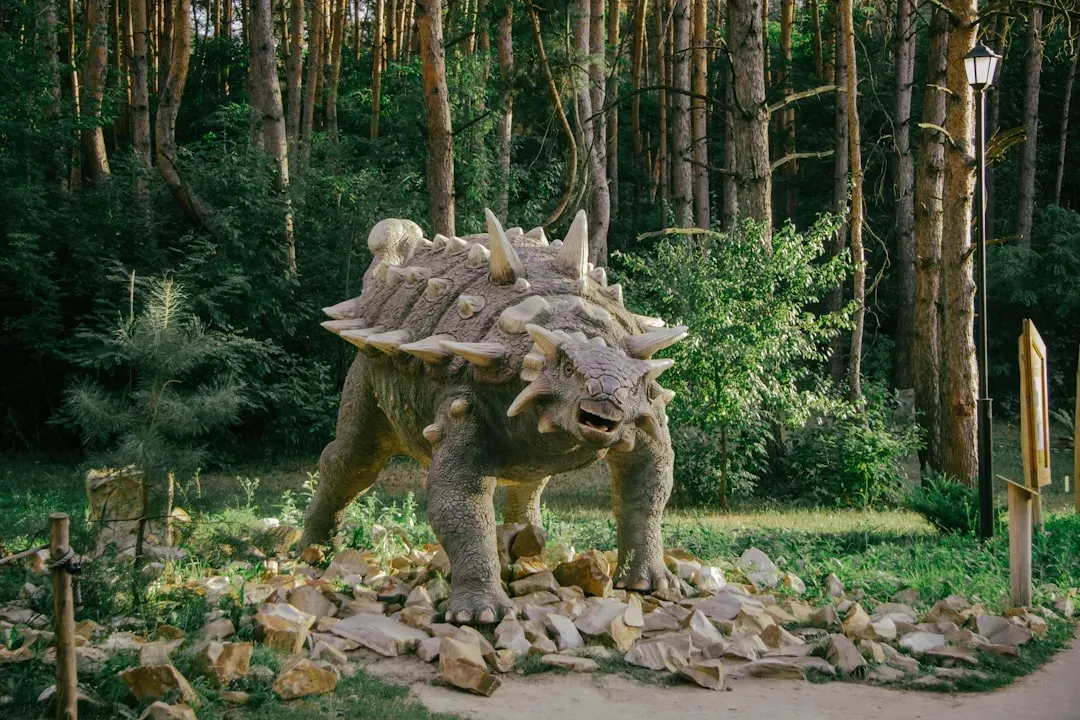
To me, the biggest mistake movies make about Ankylosaurus is not that they show it fighting, but that they flatten it into a one‑note character: the living mace that only exists to smash predators. The emerging scientific picture is far richer. When you factor in biomechanics, injury patterns, and what we know about living animals with comparable weapons, you end up with a dinosaur that was probably busy negotiating status, fending off rivals, and signaling to mates long before a predator ever appeared on the scene. That is a social, strategic creature, not just a blunt instrument.
I think we should be more excited, not less, that the tail club was likely about much more than killing. It suggests that even the most tank‑like dinosaurs had complex lives full of communication, competition, and subtle body language we may never fully decode. Instead of a simple monster‑vs‑monster showdown, the real drama was probably Ankylosaurus vs. Ankylosaurus in slow, tense power struggles played out over years. Did you expect a dinosaur built like an armored car to turn out to be, in many ways, a specialist in social politics rather than just a background extra in someone else’s fight scene?