If you grew up loving dinosaurs, there’s a good chance Mosasaurus is lodged in your brain as a kind of sea dinosaur: massive jaws, crocodile smile, torpedo body. Pop culture leans into that idea so hard that it feels almost rude to say it out loud: Mosasaurus was not a dinosaur. It was something stranger, more specific, and in its own way, even more terrifying.
Once you realize that, the entire mental picture of prehistoric life starts to tilt. You stop imagining one big “dinosaur world” and start seeing a layered planet full of rival dynasties – dinosaurs on land, pterosaurs in the sky, and marine reptiles like Mosasaurus ruling the seas. That simple taxonomic correction blows open a much richer, more alien vision of ancient oceans than the one most of us were shown as kids.
Mosasaurus: A Giant Marine Lizard, Not a Sea Dinosaur
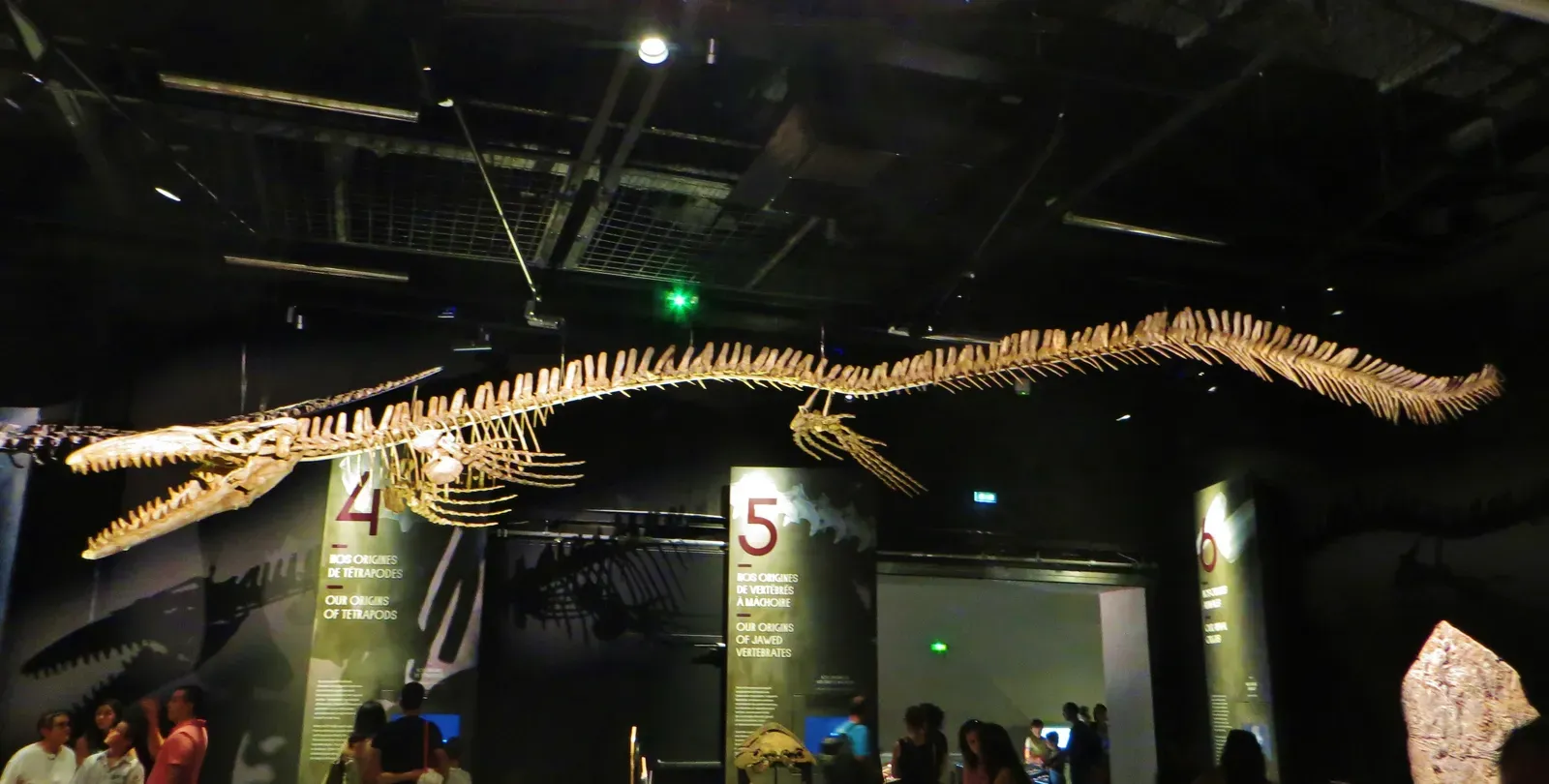
The most mind‑bending fact about Mosasaurus is that it was basically an ocean‑going lizard, part of a group called mosasaurs that are closely related to modern monitor lizards and, more distantly, snakes. It did not belong to the dinosaur branch of the reptile family tree at all. Dinosaurs are defined by a specific set of hip, leg, and ankle features that are all about supporting an upright, pillar‑like stance on land; Mosasaurus never had that architecture because it was built for water from snout to tail tip.
Think of it like this: dinosaurs were the land engineers, while mosasaurs were the marine special ops of the Mesozoic. Instead of walking on elongated, weight‑bearing hind limbs, Mosasaurus had paddle‑like flippers and a long, flexible body ideal for side‑to‑side swimming, much more like a gargantuan monitor lizard crossed with a shark. Once you see it that way, calling it a dinosaur is like calling a killer whale a “sea wolf” and then acting like that’s a biological category.
The Family Tree Twist: Why the Distinction Actually Matters
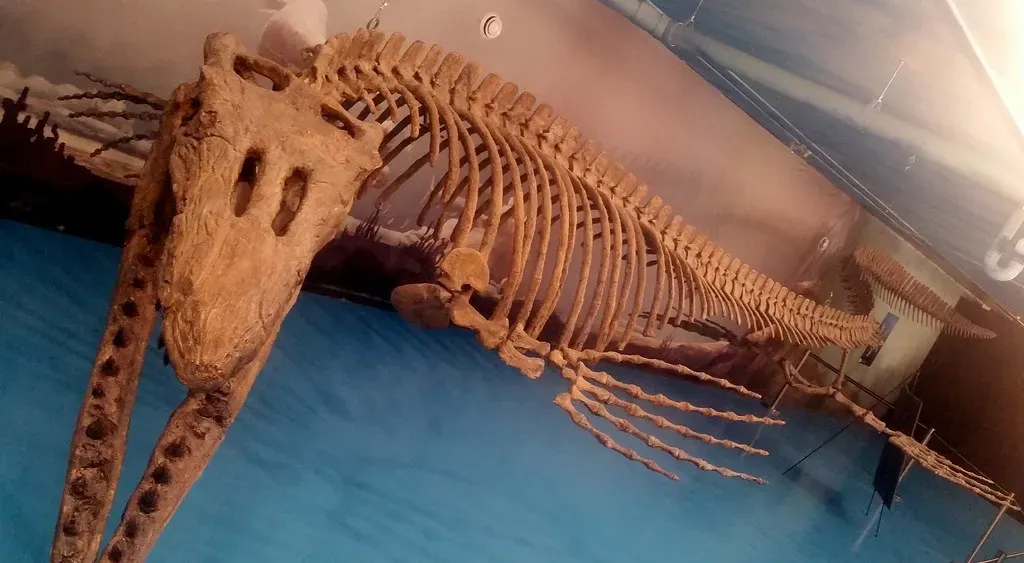
It’s tempting to shrug and say, who cares what label we stick on this thing, as long as it was big and scary. But in paleontology, labels map directly onto evolutionary relationships, and those relationships change how we understand everything from behavior to extinction patterns. If Mosasaurus is a marine lizard, not a dinosaur, then it tells a story about how land‑dwelling lizards repeatedly invaded the oceans and reinvented body plans we now take for granted in whales and dolphins.
This also means that when we lump Mosasaurus in with dinosaurs, we’re flattening out one of the coolest aspects of Earth’s history: convergent evolution. Mosasaurs independently evolved sleek, fish‑like forms and tail flukes, just as ichthyosaurs did earlier and whales did much later. By keeping the categories sharp, you start to notice how the same general solution – streamlined bodies, powerful tails, reduced limbs – cropped up over and over as different lineages embraced life at sea. That is way more fascinating than a catch‑all “giant dinosaur” label could ever be.
Inside the Body of a Sea Monster: How Mosasaurus Was Built for the Deep
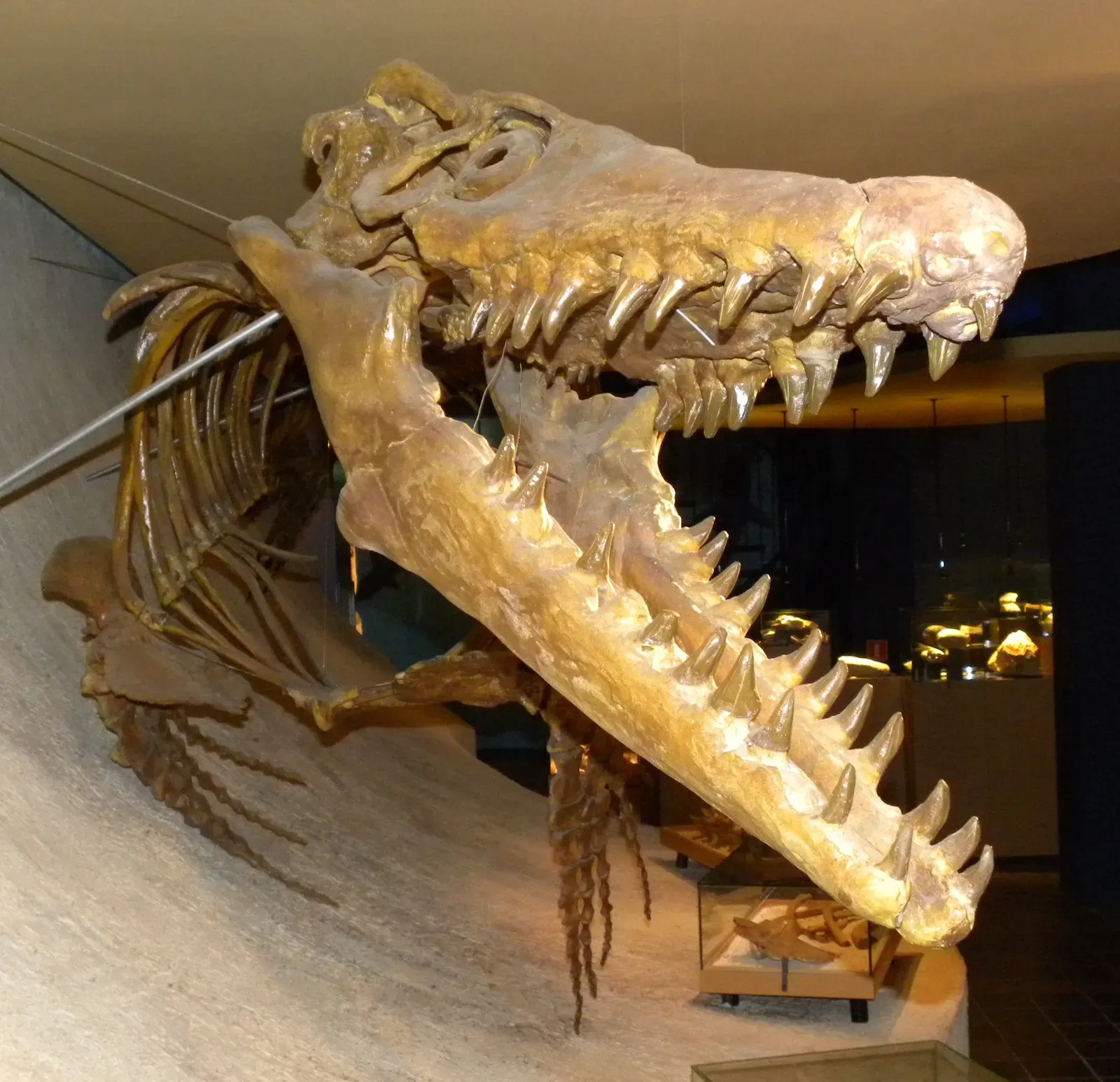
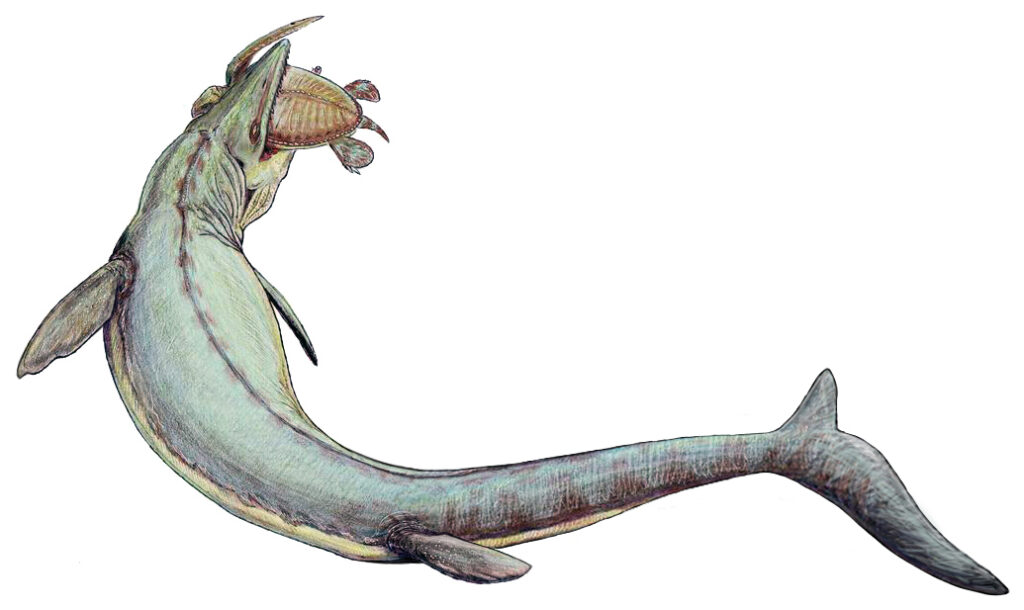
The skeleton of Mosasaurus reads like a checklist of aquatic upgrades. Its limbs were transformed into broad paddles useful for steering, while propulsion mainly came from its long, muscular tail tipped with a distinct fin. The spine was incredibly flexible, allowing it to generate powerful side‑to‑side undulations, almost like a reptilian version of a modern shark powering through the water column.
Its skull was a weaponized masterpiece: long jaws packed with sharp, conical teeth designed to seize and hold slippery prey like fish, turtles, and smaller marine reptiles. Some mosasaurs had a second row of teeth on the palate, which helped them drag food down their throats. Adaptations in the ribcage and lungs suggest they could dive deeply and stay submerged for meaningful stretches of time, functioning as true apex predators of the open ocean rather than coastal lurkers.
Prehistoric Oceans Were Not Just “Underwater Dinosaur Parks”
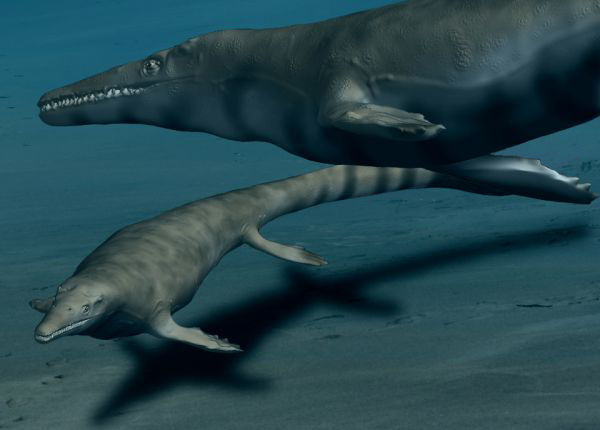
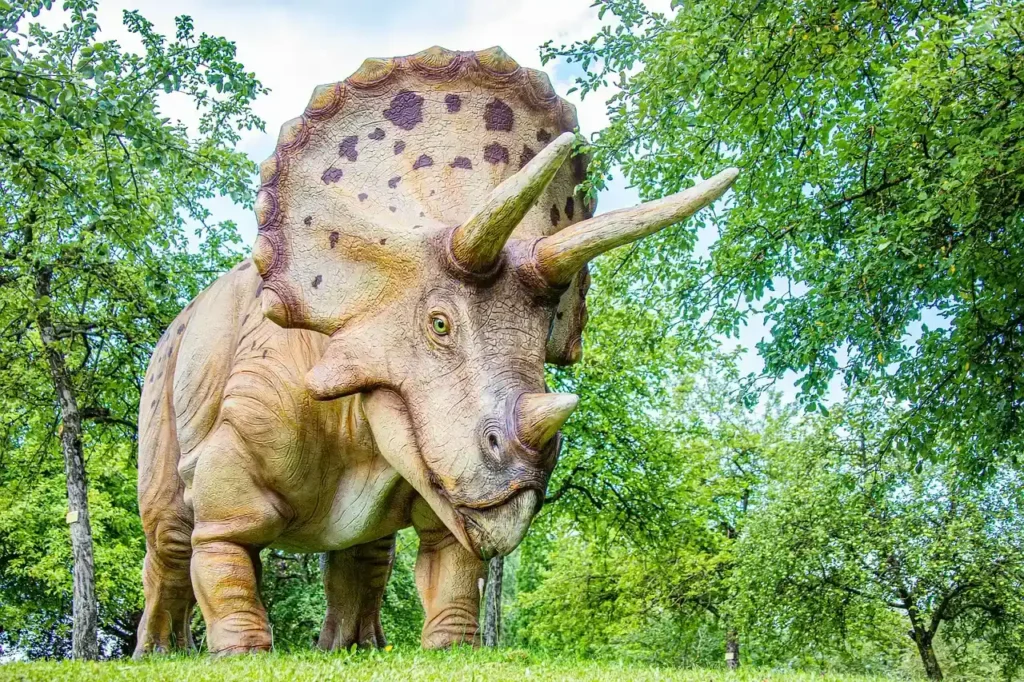
Once you accept that Mosasaurus and its kin were not dinosaurs, a bigger idea snaps into focus: prehistoric oceans were their own separate arenas with their own lineups of specialists. On land, you had iconic dinosaurs like Tyrannosaurus and Triceratops. In the skies, pterosaurs owned the air. But underwater, you had entire cast lists of marine reptiles – ichthyosaurs, plesiosaurs, pliosaurs, and later mosasaurs – that followed very different evolutionary scripts.
This matters because it forces us to stop treating the Mesozoic like a dinosaur‑dominated theme park and start treating it like a real, complex biosphere. Marine reptiles were not just side characters; they were parallel empires, rising and falling in the seas while dinosaur lineages did the same on land. When Mosasaurus shows up in the late Cretaceous, it’s stepping into a stage where earlier marine dynasties have already come and gone, and that layered history makes the final act before the mass extinction a lot more dramatic.
Predators at the Top: How Mosasaurus Ruled Its World
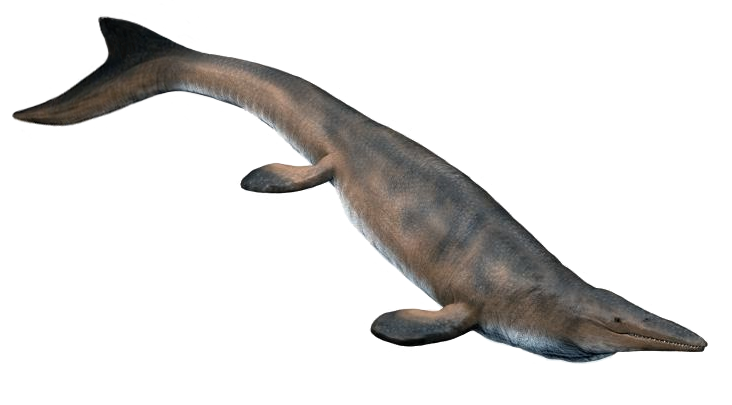
Mosasaurus was not just big; it operated at the very top of the marine food chain. Fossil evidence of bite marks, gut contents, and tooth wear suggests many mosasaurs fed on large, armored prey, from ammonites to turtles to other marine reptiles. This kind of diet puts them in the same ecological category as modern orcas: smart, opportunistic killers able to switch targets as conditions change.
Seeing Mosasaurus as a marine lizard also invites a different behavioral comparison than the usual “sea dinosaur” idea. Its closest living analogues – monitor lizards – are often highly intelligent, exploratory, and adaptable predators that investigate their surroundings with a kind of unsettling curiosity. While we can’t watch Mosasaurus hunt, imagining it as a scaled‑up, fully aquatic cousin of a Komodo dragon gives it a very different energy than a generic dinosaur with flippers. It becomes less like a movie monster and more like a specialized, evolving problem‑solver at the top of its ecosystem.
The End of an Era: What Mosasaurus Tells Us About Extinction and Survival
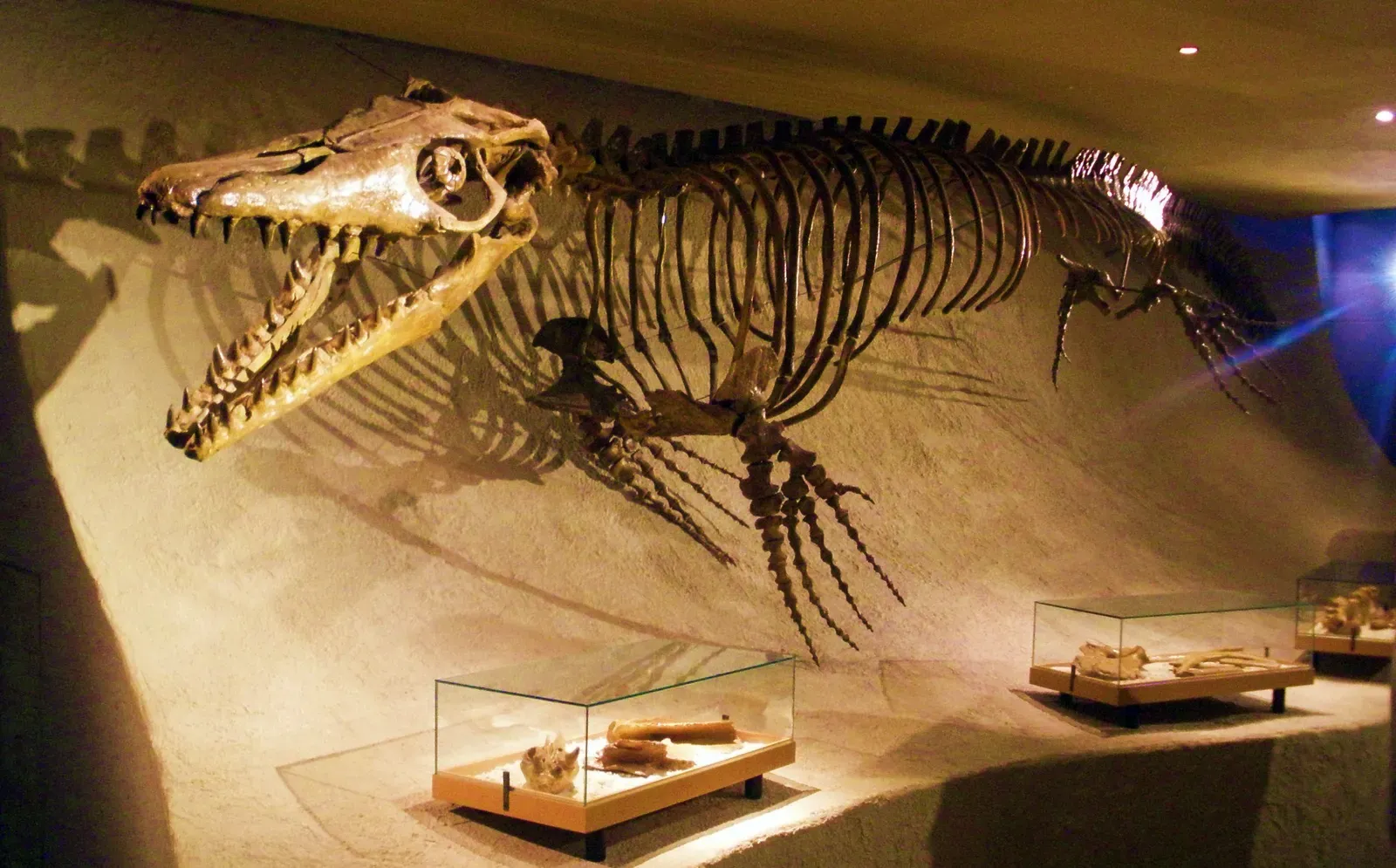
Mosasaurus lived right up to the edge of the cataclysmic event that ended the Cretaceous period, the same mass extinction that wiped out non‑avian dinosaurs. The fact that these marine lizards vanished alongside so many other major groups underlines how interconnected those worlds really were. A collapse in plankton and food webs in the oceans, triggered by the impact and its aftereffects, would have rippled up the chain to hit apex predators like Mosasaurus particularly hard.
But here again, the non‑dinosaur status matters for how we think about survival. Birds are living dinosaurs that made it through; lizards and snakes are the surviving cousins of lineages like mosasaurs. The story is not just “dinosaurs died, mammals took over,” but a more tangled saga of who managed to thread the needle and why. When you place Mosasaurus correctly on the tree of life, its disappearance becomes one chapter in a much longer reptile story that continues into the present day.
Why Getting Mosasaurus “Right” Changes How We Imagine Earth’s Past
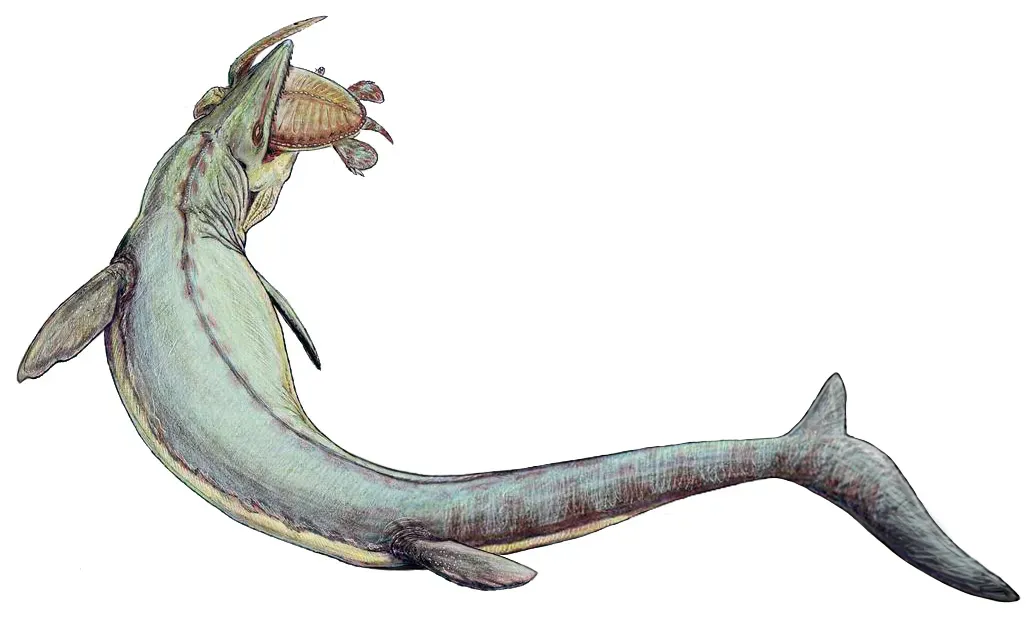
Calling Mosasaurus a dinosaur might seem like a harmless shortcut, but it quietly flattens a stunning amount of biological drama. When you learn it was a marine lizard, you start to see the Mesozoic not as a single dinosaur empire, but as multiple overlapping experiments in how to be big, fast, and deadly in totally different environments. That mental shift makes the past feel stranger, richer, and frankly more interesting than the simplified version many of us grew up with.
Personally, once I dug into what Mosasaurus actually was, I stopped picturing it as just a Jurassic Park extra and started seeing it as an almost alien twist on familiar reptilian themes. It changed how I think about “lost worlds” in general: not as monolithic kingdoms ruled by one group, but as intricate mosaics of competing lineages. So the next time you see Mosasaurus labeled as a dinosaur, it’s worth pushing back a little. If we’re going to marvel at ancient oceans, why not marvel at them for what they really were – chaotic, experimental, and full of creatures that defy the lazy labels we’re still trying to stick on them?