Walk back in your memory to the first time you saw Jurassic Park’s T. rex step out of that paddock. The ground shook, the water trembled, and for a lot of us, that was the moment dinosaurs stopped being dusty bones in textbooks and became terrifyingly real. Three decades later, though, there’s a strange irony: science has radically updated its picture of dinosaurs, but Hollywood mostly keeps selling us the same 1990s fantasy with shinier CGI.
In the thirty‑plus years since Jurassic Park came out, paleontologists have rewritten entire chapters of dinosaur biology: feathers, colors, growth rates, social behavior, even how they held their arms and tails. Yet the movies that reach hundreds of millions of people act as if most of that never happened. That isn’t just a harmless oversight; it’s a pattern. And once you see the pattern, it’s hard to unsee how often Hollywood has chosen nostalgia, marketability, and meme‑ready monsters over the messy, fascinating reality of the animals themselves.
Feathered Dinosaurs: The Most Famous Evidence Hollywood Pretends Is Optional
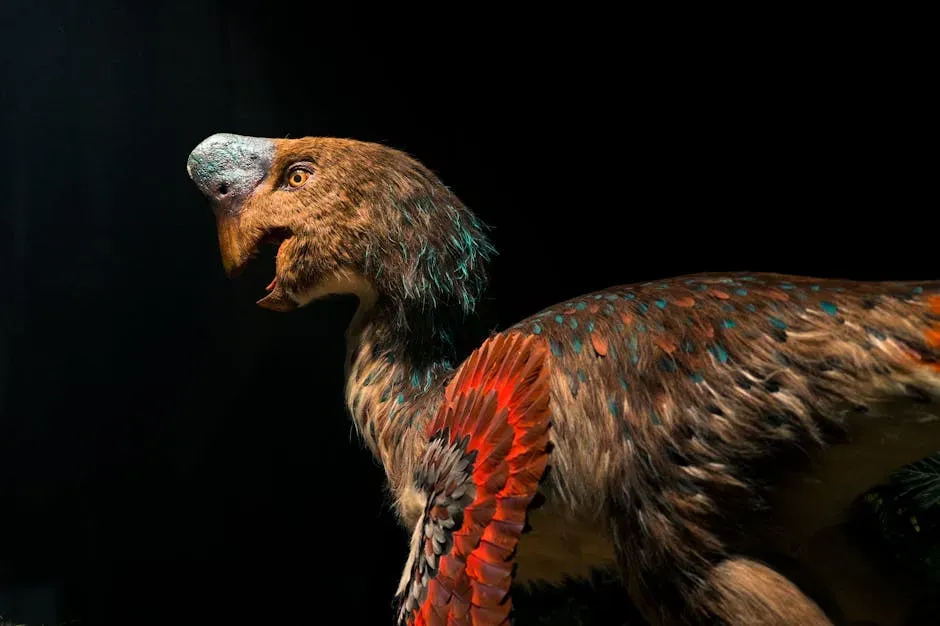
Let’s start with the loudest, most unavoidable piece of evidence: feathers. Since the mid‑1990s, fossil discoveries in places like Liaoning, China, have shown that many theropod dinosaurs – the group that includes Velociraptor and T. rex – had feathers or at least feather‑like filaments. Some fossils are so detailed you can literally see the imprints of downy plumage and complex feather structures on arms and tails. This is not niche or controversial anymore; it’s textbook material and appears in kids’ dinosaur books and museum exhibits worldwide.
Hollywood knows this. Directors and designers have openly discussed the science in interviews, and concept art for major blockbusters has included feathered versions of familiar predators. Yet time and again, those feathers get stripped off before cameras roll, replaced with the old scaly, crocodile‑skin aesthetic. The result is that the global public is still taught, movie after movie, that raptors are sleek lizards instead of terrifying murder‑birds – not because the evidence is weak, but because the classic look supposedly “tests better” with audiences. That’s not scientific uncertainty; that’s a deliberate design choice against the weight of the data.
Velociraptors: From Turkey‑Sized Animals to Man‑Sized Movie Villains
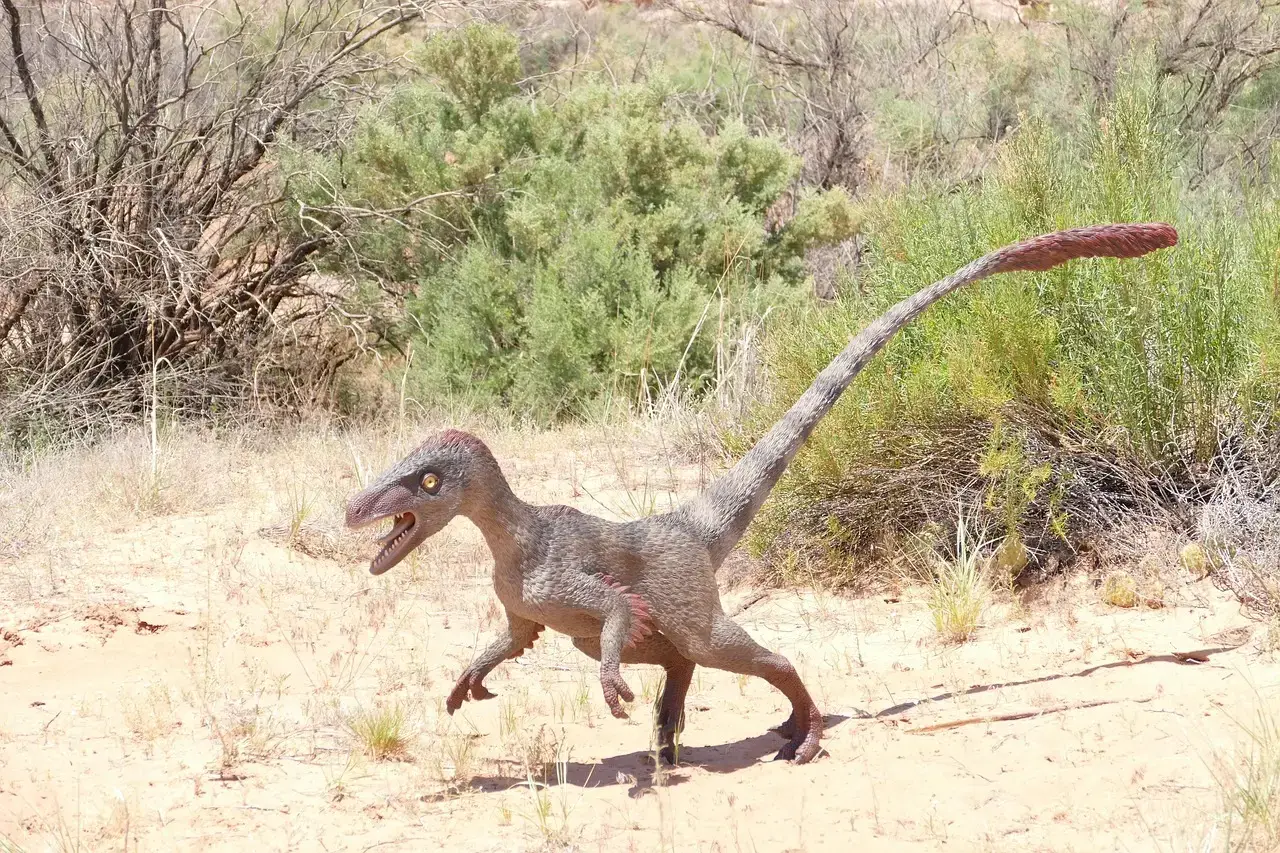
Movie raptors are agile, human‑height assassins with slashing claws and unnervingly clever eyes. Real Velociraptor was closer to the size of a large turkey, probably weighed less than a big dog, and was covered in feathers. Paleontologists have known this size difference for decades; the fossils are not ambiguous. The animals that fit the movie look more closely are things like Deinonychus or Utahraptor, which are larger dromaeosaurids, but even those would have looked like oversized, terrifying birds rather than sleek reptilian ninjas.
Hollywood had every opportunity to adjust this portrayal as the science became more widely known, even in subtle ways. They could have kept the name “raptor” for branding while quietly shifting proportions and adding plumage, or introduced new species that better match the on‑screen size. Instead, the industry doubled down on the original 1993 model, treating it as canon. You can see it in toy lines, theme park attractions, and spin‑off cartoons, all pushing the same inaccurate body plan as the definitive “raptor.” At that point, it’s not a misunderstanding; it’s a franchise protecting its mascot, even if that mascot happens to be scientifically wrong.
T. rex: The Posture, The Vision, and the Myth of a Clumsy Monster
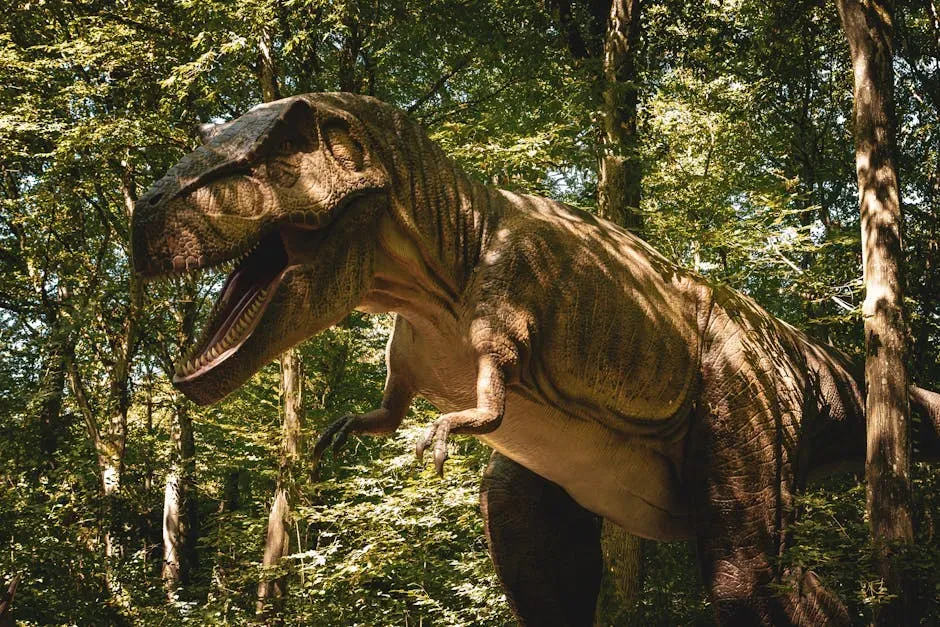
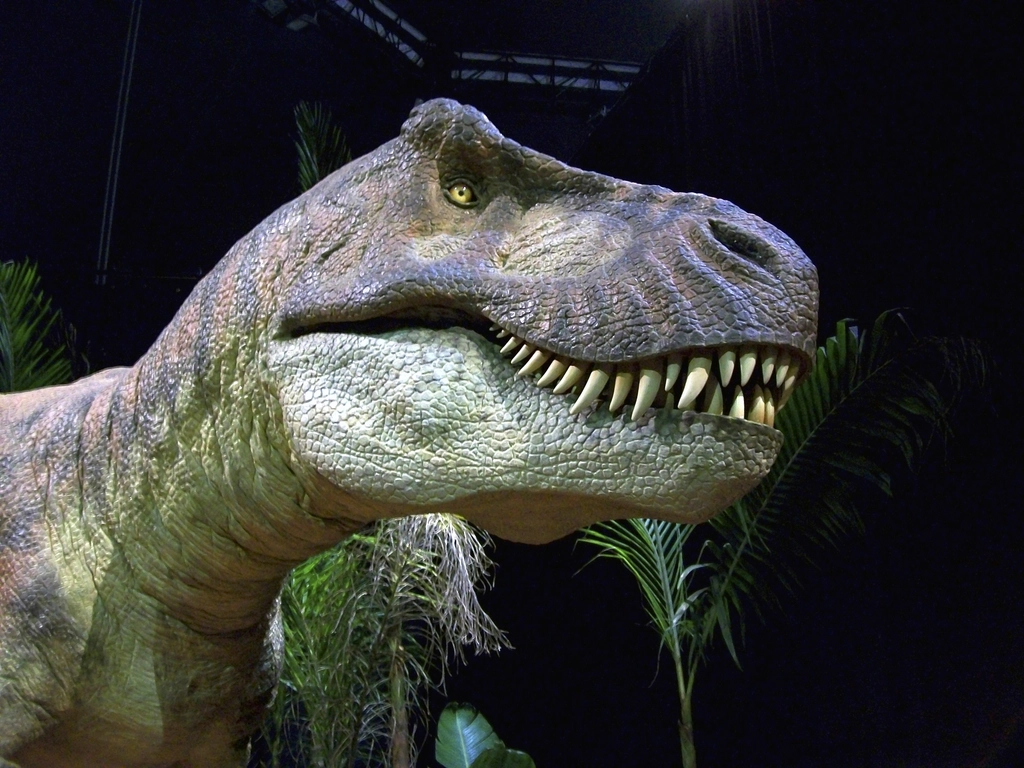
If Jurassic Park did one thing right, it was mostly fixing the old “kangaroo stance” of T. rex, bringing the tail up off the ground into a more horizontal posture. Yet even with that improvement, the T. rex we keep seeing on screen often slides back toward the lumbering, near‑blind monster stereotype. Over time, studies have suggested that T. rex had forward‑facing eyes and good depth perception, with sensory adaptations more like a highly tuned predator than a blundering bulldozer. There is also compelling evidence that it could move surprisingly efficiently, even if it wasn’t the sprinter some early reconstructions imagined.
On film, though, T. rex vision is often treated like a plot device: “It can’t see you if you don’t move.” That line clings to the public mind despite never really matching the anatomical evidence. Likewise, weight estimates and biomechanical models that show a powerful, active animal routinely get translated into an on‑screen creature that roars, stomps, and hesitates dramatically more than it realistically could. The science suggests a complex apex predator; the movies prefer a supernatural boogeyman whose abilities wax and wane depending on what the script needs. After decades of new research, the portrayal has barely shifted, and that consistency speaks volumes.
Dinosaur Behavior: From Pack‑Hunting Tropes to Soap‑Opera Drama
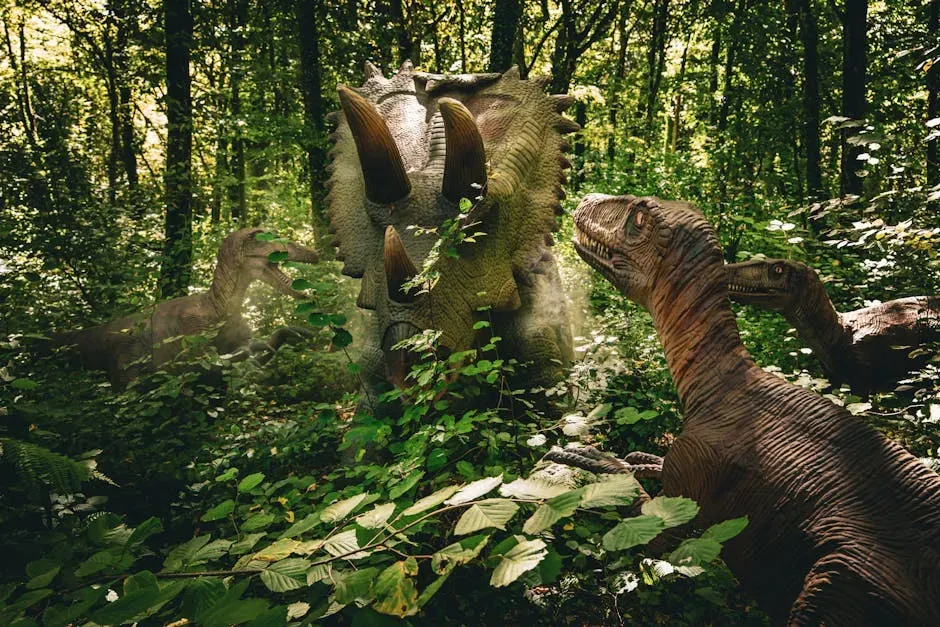
Another area where the evidence has grown more nuanced while Hollywood has stuck to the old script is behavior. Fossil trackways, bonebeds, and growth studies have given us clues that some species may have nested in groups, cared for their young, or moved in herds. At the same time, the romantic idea of coordinated wolf‑style pack hunting in every predator has never been strongly supported. Many paleontologists argue that some “pack” evidence could be better explained by opportunistic gathering around carcasses or shared environments, not complex social strategies.
Despite that, film after film leans into hyper‑coordinated dinosaur packs, pristine hierarchies, and melodramatic betrayals that would feel at home in a human drama. Raptors flanking like trained special forces, carnivores “changing sides” in battles based on vague loyalty, and predators forming lifelong bonds with individual humans make for splashy storytelling. But they drift further and further from cautious interpretations of the fossil record. The key point is that the new science has not made behavior less interesting; it has made it more subtle and uncertain. Hollywood just keeps choosing certainty, emotion, and spectacle over ambiguity, even when that means sailing right past what we plausibly know.
“Monsterizing” Dinosaurs: Oversizing, Over‑Weaponizing, and Hybrid Creatures
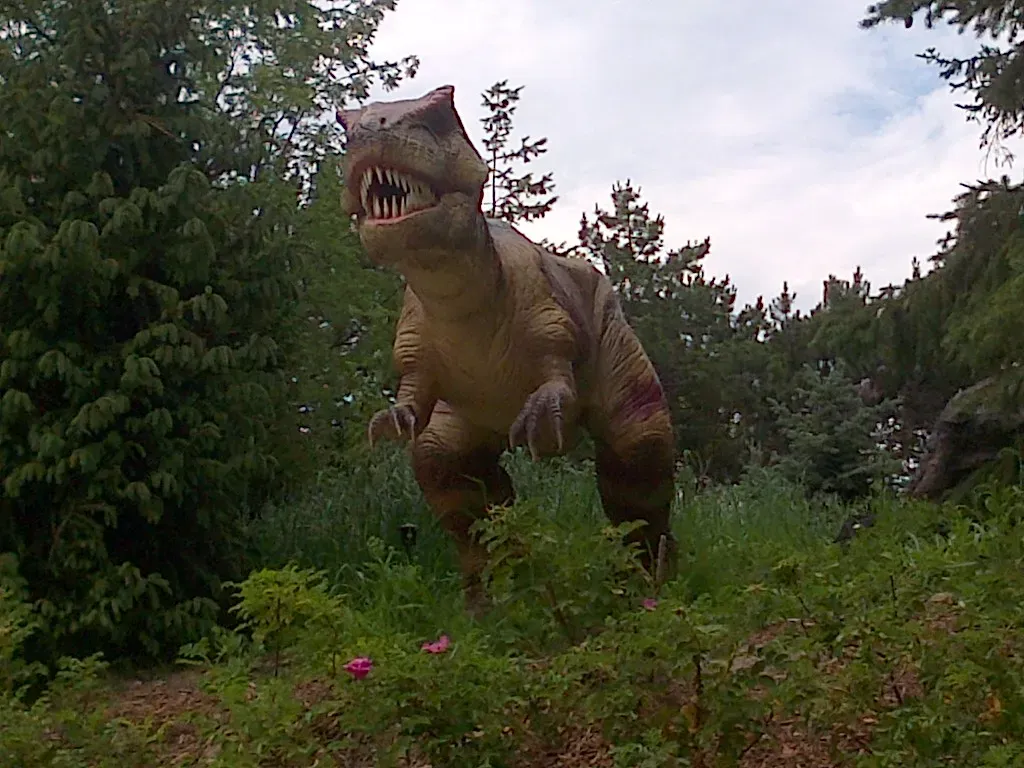
It is one thing to fudge a detail for drama; it is another to steadily turn real animals into fantasy monsters. Over the years, Hollywood dinosaurs have grown larger teeth, sharper claws, and more exaggerated proportions than any fossil justifies. Limbs get stretched, heads bulge, and tails shrink to make room for oversized attack poses. Even herbivores that likely spent much of their time quietly browsing are painted as tank‑like battering rams ready to charge at anything that looks at them funny, because subtlety does not sell as many tickets.
On top of that, modern franchises have embraced overtly fictional hybrids: creatures marketed as engineered blends of multiple dinosaur species, sometimes with extra traits folded in. Those designs are explicitly not claiming to be accurate, but they feed into a larger trend. When the big moments of a dinosaur movie consistently hinge on animals that never existed, it quietly tells the audience that the line between prehistory and fantasy is thin and flexible. That makes it even easier to ignore the actual breakthroughs in dinosaur biology, because the story is no longer about reconstructing real animals at all. It’s about wielding dinosaurs as a flexible monster toolkit, scientific constraints optional.
Color, Texture, and Sound: Where Science Has Moved On but Design Hasn’t
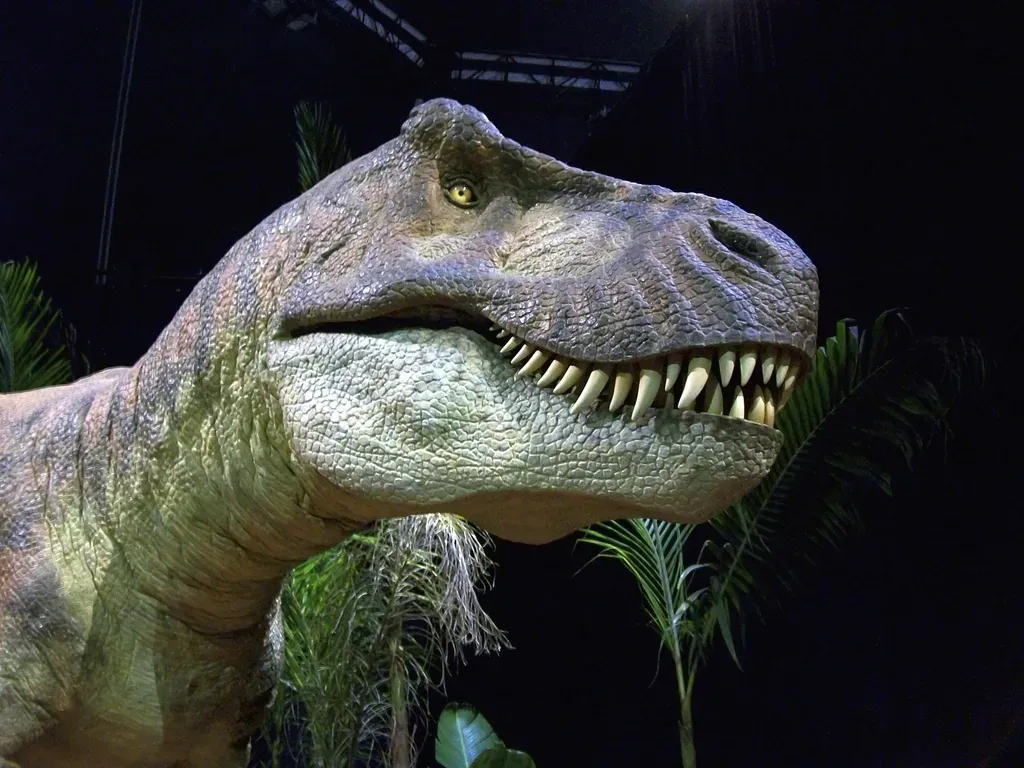
For a long time, it was reasonable to say we had no idea what color dinosaurs were, so artists could fill in the gaps with earth tones and reptilian patterns. That excuse is wearing thin. Studies of fossilized pigments in some feathered dinosaurs have given us clues about real color patterns, including banded tails and dark‑light contrasts. Combined with what we know from birds and reptiles today, it is no longer outrageous to imagine bright, patterned, even iridescent dinosaurs – yet movie dinosaurs are still mostly painted in safe, muted greens, browns, and grays, with textures that evoke elephants and crocodiles more than birds.
Sound design follows a similar path. We obviously do not have recordings of dinosaur calls, but research on vocal anatomy in birds and crocodilians gives at least rough boundaries on what is plausible. Huge, echoing roars and snarls are largely inventions layered from modern animals like lions, tigers, and alligators. That was understandable when the first big dinosaur blockbusters were pioneering effects, but by now, the science of animal sound and behavior has advanced, and audio teams could lean into that. Instead, iconic roars are treated as trademarks, locked in place to protect brand recognition. Once again, the industry’s priority is consistency over correction, even after decades of new knowledge.
Why Hollywood Stays Stuck: Nostalgia, Branding, and the Fear of “Wrong‑Looking” Dinosaurs
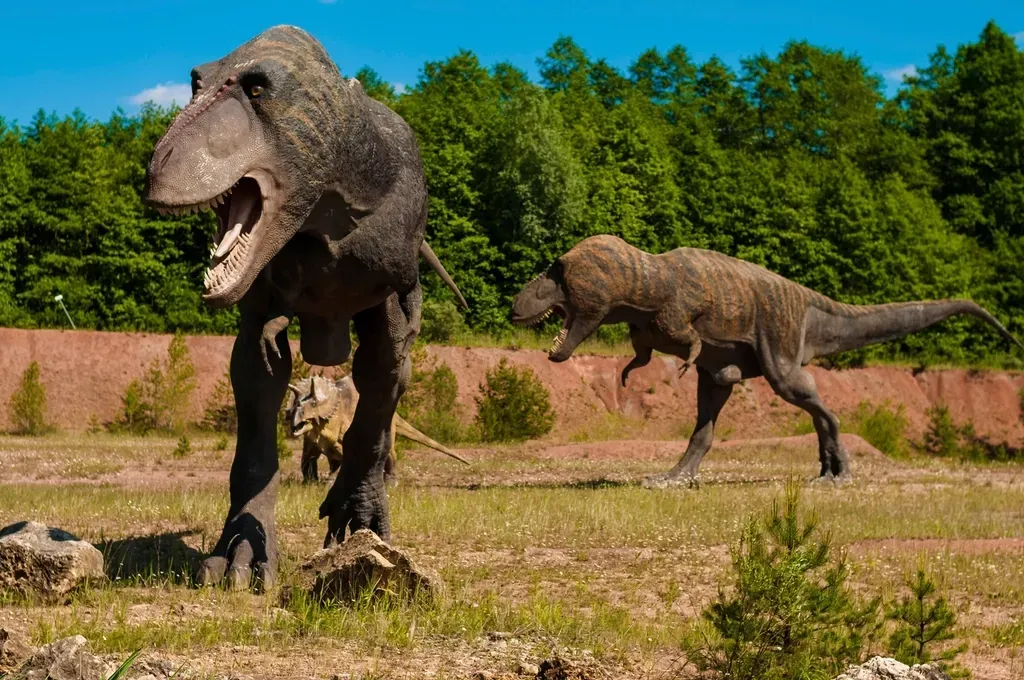
At this point, the question is not whether new science exists; it is why it has had so little effect on the most visible dinosaur stories. The answer is uncomfortable: studios are afraid that if they make dinosaurs look more like what research suggests – especially feathered, bird‑like predators – audiences will reject them as “wrong.” The strange twist is that the public’s sense of what a dinosaur “should” look like was shaped by older movies in the first place, so the industry is trapped in a loop of reinforcing its own outdated images to avoid confusing people.
Layered on top of that is pure branding. A specific style of raptor, a particular T. rex roar, even the exact shade of a certain predator’s skin have become recognisable icons across toys, games, and theme parks. Changing them to match updated evidence would be like changing the color of a famous superhero’s costume: possible, but risky. As someone who grew up obsessed with these films, I get the emotional pull of that continuity, but it comes at a cost. By choosing brand preservation over scientific honesty, Hollywood is telling us, over and over, that fossil facts are negotiable as long as the merchandise still sells.
Conclusion: Dinosaurs Deserve Better Than Perpetual 1993
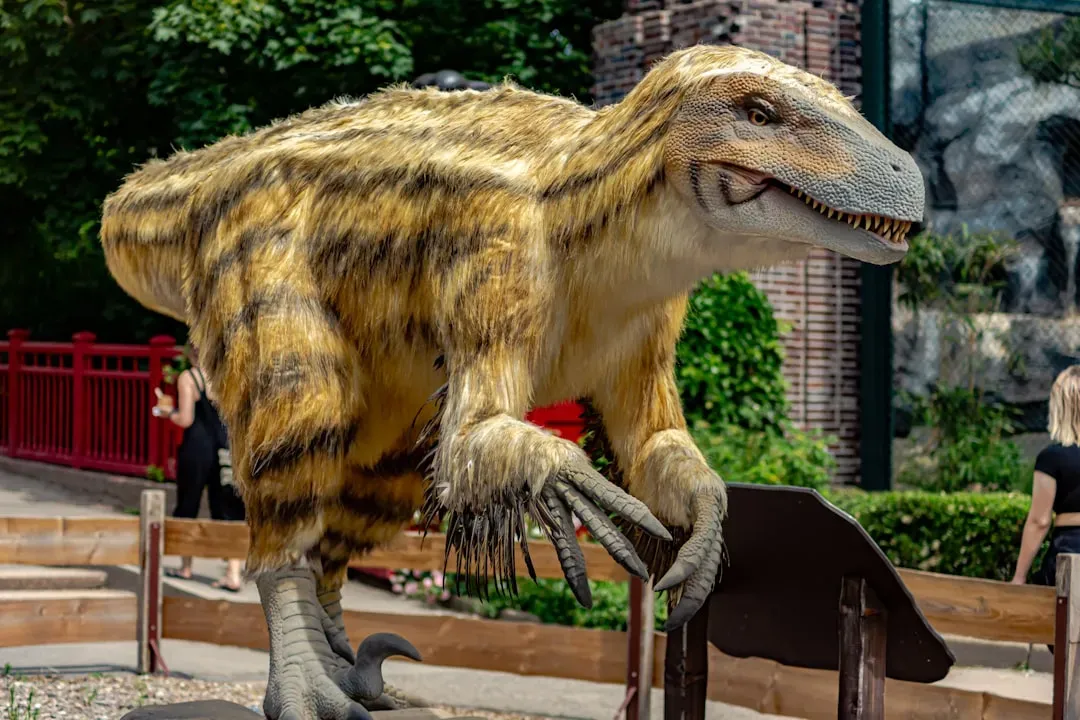
After three full decades of breakthroughs, it is no longer fair to shrug and say dinosaur science is too uncertain or too fast‑changing for films to keep up. The reality is that Hollywood has had plenty of chances to update its dinosaurs in ways that are both thrilling and more accurate, and has mostly chosen not to. It has clung to naked raptors, oversized monsters, and soap‑opera predators because those designs are familiar, marketable, and safe. That is not scientific humility; it is a refusal to let evidence get in the way of a profitable myth.
For those of us who love both movies and science, that hurts a bit. Dinosaurs are already more incredible than anything a screenwriter can invent, and the real story – feathered giants, strange colors, complex ecosystems – is vastly richer than the trapped‑in‑amber version we keep getting. Hollywood does not need to turn every blockbuster into a documentary, but it should stop pretending it has no choice but to replay 1993 forever. Maybe the more we call this out, the harder it becomes to ignore. If the science has marched thirty years ahead, why should our dinosaurs be left behind?