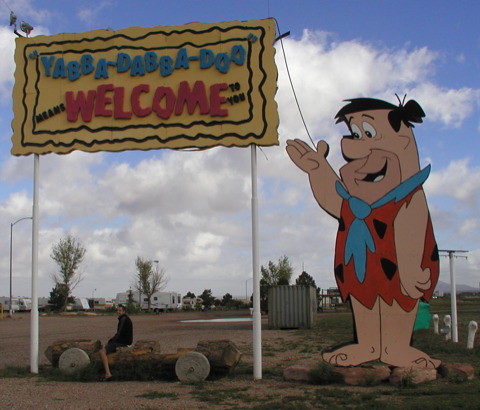
Fred Flintstone lives in a world with stone TVs, dinosaur vacuum cleaners, and cars you power with your feet, yet somehow he feels like someone you might bump into at the grocery store. There is something strangely familiar about a loud, flawed, big-hearted man yelling from his stone-age doorstep that cuts through the absurdity of his surroundings. Even decades after his debut, people still recognize themselves, their parents, or that one chaotic neighbor in this supposedly prehistoric everyman.
When a cartoon caveman stays emotionally relevant for generations, it is not just nostalgia. It tells us something uncomfortable and fascinating about what has not changed in human nature: our frustrations with work, our dreams of a better life, our clumsy attempts at love, and our endless talent for turning simple problems into dramatic events. Looking closely at Fred Flintstone is almost like holding up an X-ray to ordinary modern life; under the fur pelts and dino-cranes, you can see the bones of humanity still in place.
The blue-collar caveman: work, stress, and the dream of “making it”
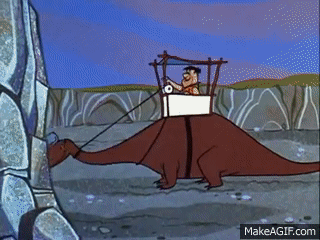
The most disarming thing about Fred is not the saber-toothed tiger in his house; it is the fact that he is permanently tired from his job. He clocks in at a quarry, answers to a boss, complains about long days, and lives for the moment the whistle blows. That basic rhythm of work, stress, and brief relief has barely changed in modern life, even if your tools are a laptop instead of a brontosaurus crane.
Fred is always chasing some slightly better version of his life: a promotion at the quarry, a fancier gadget, a nicer outing for Wilma and Pebbles. He never fully gets there, and when he almost does, he usually sabotages it through impatience, ego, or a get-rich-quick scheme. That pattern feels painfully human: we tell ourselves that one raise, one side hustle, or one big break will fix everything, yet we keep dragging the same old flaws along for the ride.
Flawed but lovable: why Fred’s temper feels like our own
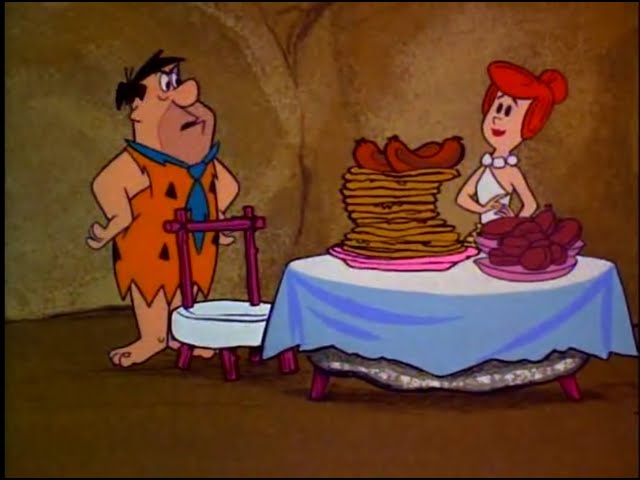
One reason Fred remains relatable is that he is a mess in a way we recognize. He yells, overreacts, gets jealous, and makes impulsive decisions that hurt people he loves. He is not calm, mindful, or optimized; he is more like that part of us that slams the door, sends the text too fast, or blurts out the thing we immediately regret.
Yet the show consistently frames him as fundamentally decent and loyal, someone who usually tries to fix what he broke and apologize, even if awkwardly. That combination – serious flaws plus genuine remorse – is exactly how most of us experience ourselves. We are rarely pure heroes or villains; we are ordinary people who keep swinging between self-centeredness and love, between pride and humility, trying to do a little better after each crash.
Marriage, friendship, and the small dramas that never go extinct
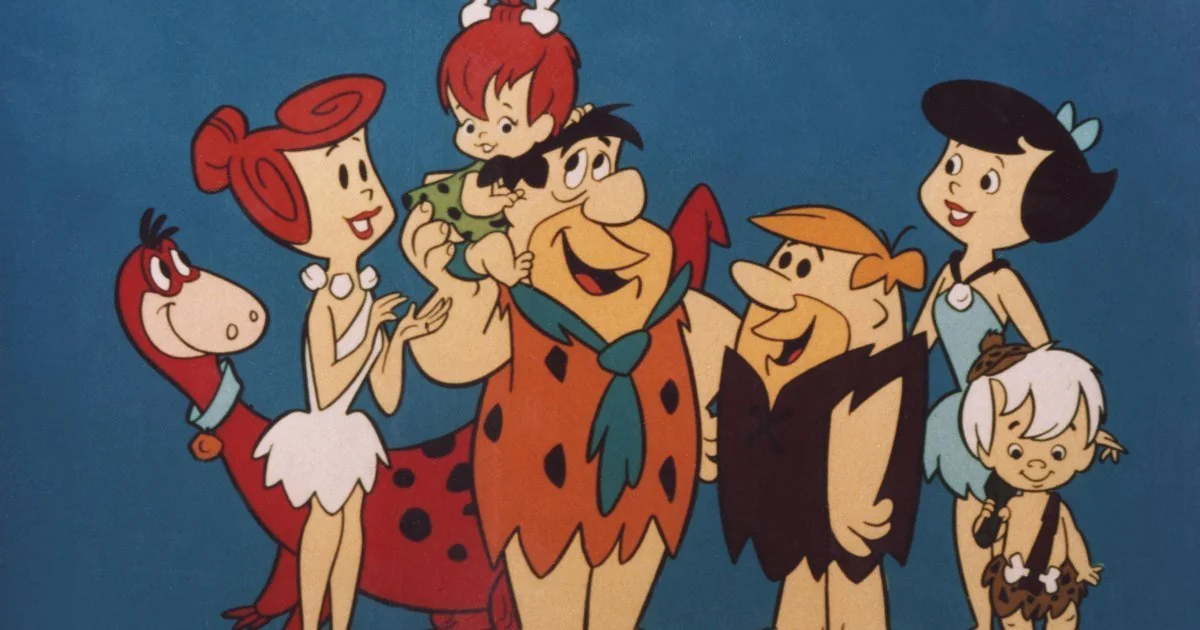
Strip away the dinosaur furniture, and the relationships in Fred’s world look almost completely modern. He and Wilma argue about money, social plans, habits, and expectations. They struggle with miscommunication and mismatched priorities, whether it is a bowling night versus a fancy event or a risky scheme versus household stability. Those conversations could just as easily be happening today over a streaming subscription bill or a credit card statement.
Then there is his friendship with Barney Rubble, which captures a certain timeless male friendship dynamic: teasing, loyalty, and a shared ability to get into trouble together. Barney often ends up the calmer, more reasonable one, but he still follows Fred into ridiculous situations, like a best friend who will join you on a doomed road trip because you looked too excited to say no. These intimate, small-scale social tensions show how little human connection has changed, even if the setting is supposedly tens of thousands of years ago.
Stone Age, same anxieties: status, envy, and keeping up with the Flintstones
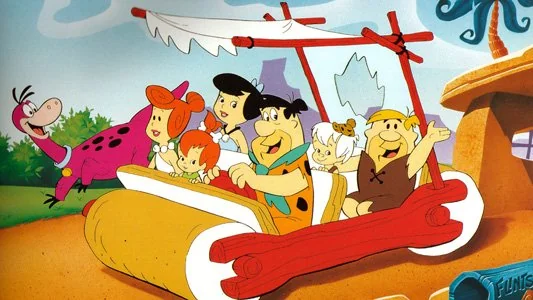
For all its silliness, Bedrock is full of social comparison. Fred worries about what the neighbors will think, tries to impress people at social clubs, and sometimes envies others who seem more successful or respected. In a strange way, he is living through a prehistoric version of what we might call the social media effect today, constantly measuring his life against the people around him.
When Fred spends beyond his means or fakes confidence to look more impressive, we see the same impulses that drive people now to chase trends, show curated versions of themselves, or buy things they cannot comfortably afford. The show exaggerates these urges for comedy, but they are grounded in something very real: our deep sensitivity to status and belonging. Humanity has always been nervous about how it stacks up, whether the measuring stick is a stone-age bowling trophy or a modern follower count.
Technology as a mirror: Bedrock gadgets and modern convenience culture
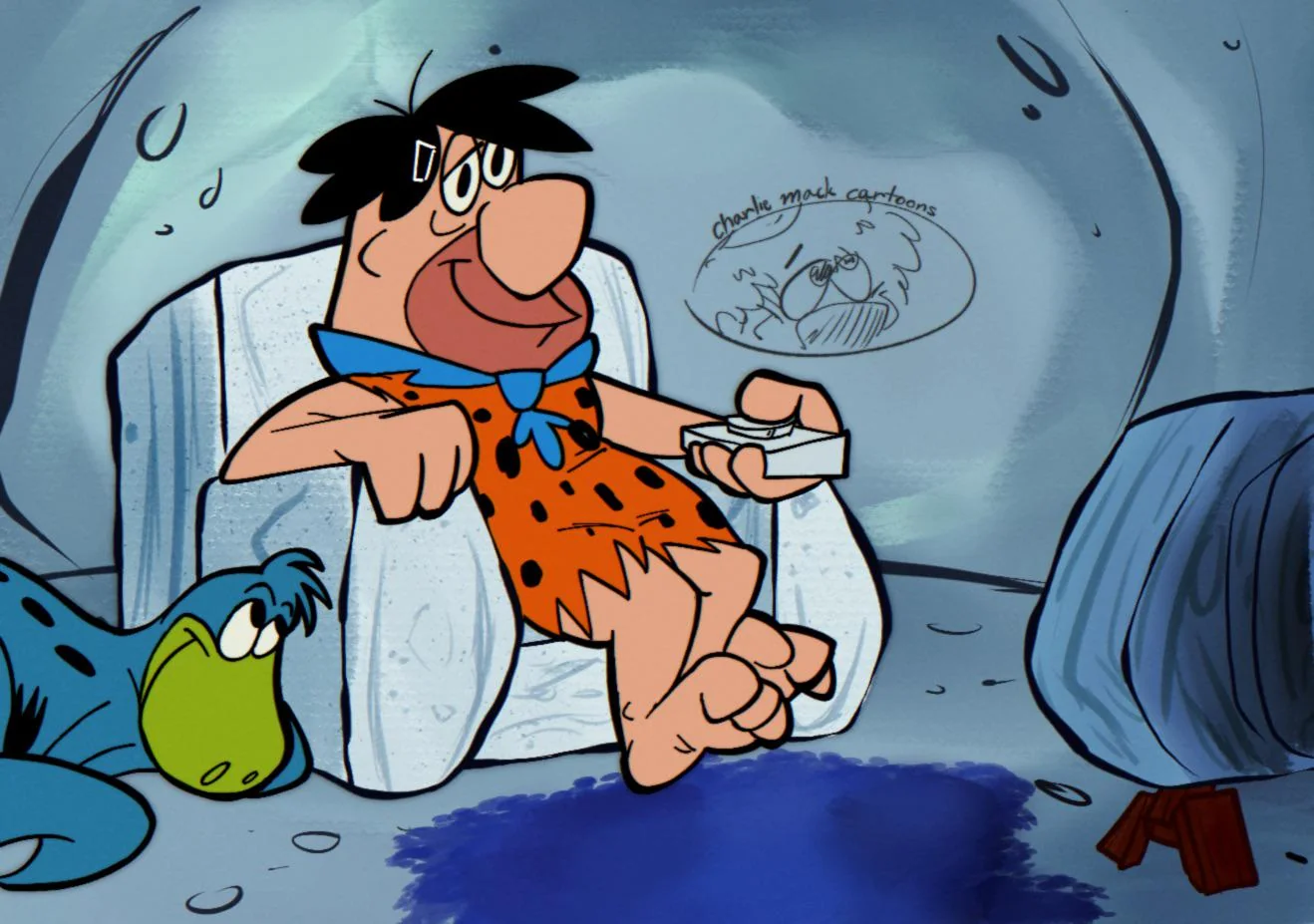
One of the smartest running jokes in The Flintstones is that every modern convenience has a prehistoric counterpart, usually powered by some long-suffering animal. You see record players made of birds, garbage disposals made of dinosaurs, and cameras made from rocks and tiny animals doing all the work. It is absurd, but it also highlights how obsessed we are with convenience, no matter the era or the cost to someone – or something – else.
That gag works because, deep down, we recognize ourselves in the laziness and entitlement of expecting the world to bend around our comfort. Today, our devices are sleeker and our assistants are digital instead of feathered or scaled, but the mindset is similar: we want things faster, easier, and more automated. Fred’s universe gently mocks humanity’s tendency to build entire ecosystems of technology to save a few seconds, and it invites us to ask whether our modern world is truly more advanced or just more complicated.
Escapism with an edge: why we still turn to Fred for comfort
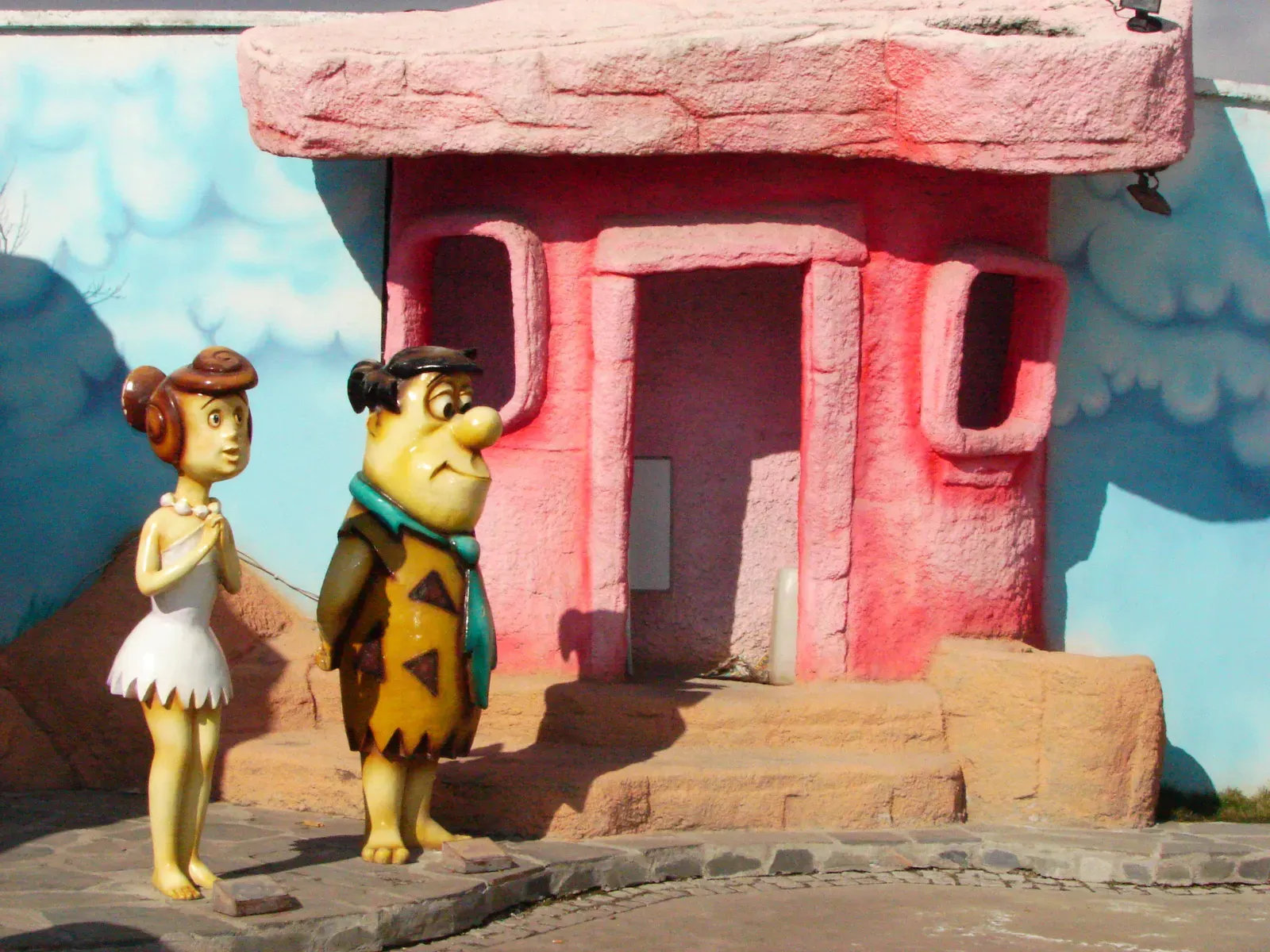
Even with all the chaos, The Flintstones functions as cozy escapism: bright colors, predictable patterns, and problems that usually resolve in twenty-something minutes. Fred’s world may be stressful, but it is also oddly safe; no matter how big the mistake, there is a sense that things will be more or less okay by the end. That predictable arc feels comforting in a time when real-world problems rarely wrap up so neatly.
But within that comfort is a slightly sharper truth about us. We like stories where flawed people are forgiven, where everyday frustrations are manageable, and where family and friends stick around even after we screw up. That is not just entertainment; it is wish fulfillment. When we gravitate toward Fred Flintstone, we are not just laughing at a cartoon caveman – we are quietly hoping that our own rough edges could be met with the same mixture of exasperation, patience, and eventual acceptance.
What Fred Flintstone exposes about who we really are
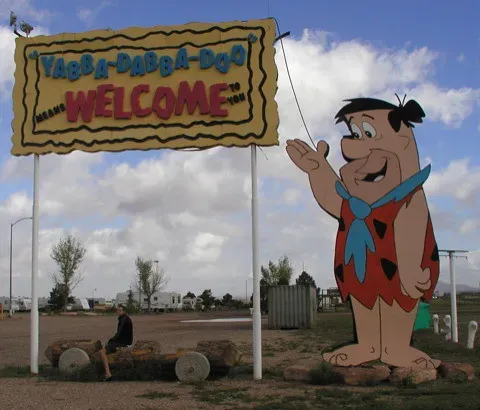
Fred Flintstone remains the most relatable prehistoric character not because he is realistic, but because he is emotionally honest in a way a lot of modern characters are not. He is loud, selfish, loving, insecure, ambitious, and stubborn, sometimes within a single scene. To me, that mix is closer to how real people operate than many carefully polished heroes and antiheroes we see today. There is something refreshing about a character who is not cool, not enlightened, and not particularly self-aware, yet still fundamentally trying.
If you peel back the stone-age jokes, Fred’s lasting appeal says something slightly uncomfortable about humanity in 2026: we have changed our tools, our cities, and our screens, but our core wiring is shockingly familiar. We still chase status, fear failure, lash out when we are overwhelmed, and cling hard to the people who forgive us anyway. Maybe that is why, after all these years, a shouting man in an animal-print tunic still feels oddly like us. The real question is not why Fred Flintstone remains relatable – but whether we are ready to admit just how prehistoric some parts of our own hearts still are.