Hidden in the jungle-cloaked heart of central Vietnam lies a place that feels less like part of our planet and more like the set of a sci‑fi film. Sơn Đoòng Cave in Phong Nha–Kẻ Bàng National Park is so enormous that people casually compare it to having its own ecosystem, its own clouds, and even its own climate quirks. You do not walk into this cave; you disappear into a separate world that just happens to sit underneath our feet.
What makes this place truly wild is that it does not need hype to sound impressive. We are talking about a subterranean tunnel large enough to swallow entire city blocks, with an underground river, primeval jungle, and shafts of light that look like spotlights from space. The more scientists and explorers study Sơn Đoòng, the clearer it becomes that this is not just a big hole in the ground – it is a natural laboratory rewriting what we thought caves could be.
A Subterranean Giant: How Big Is “Massive” Really?
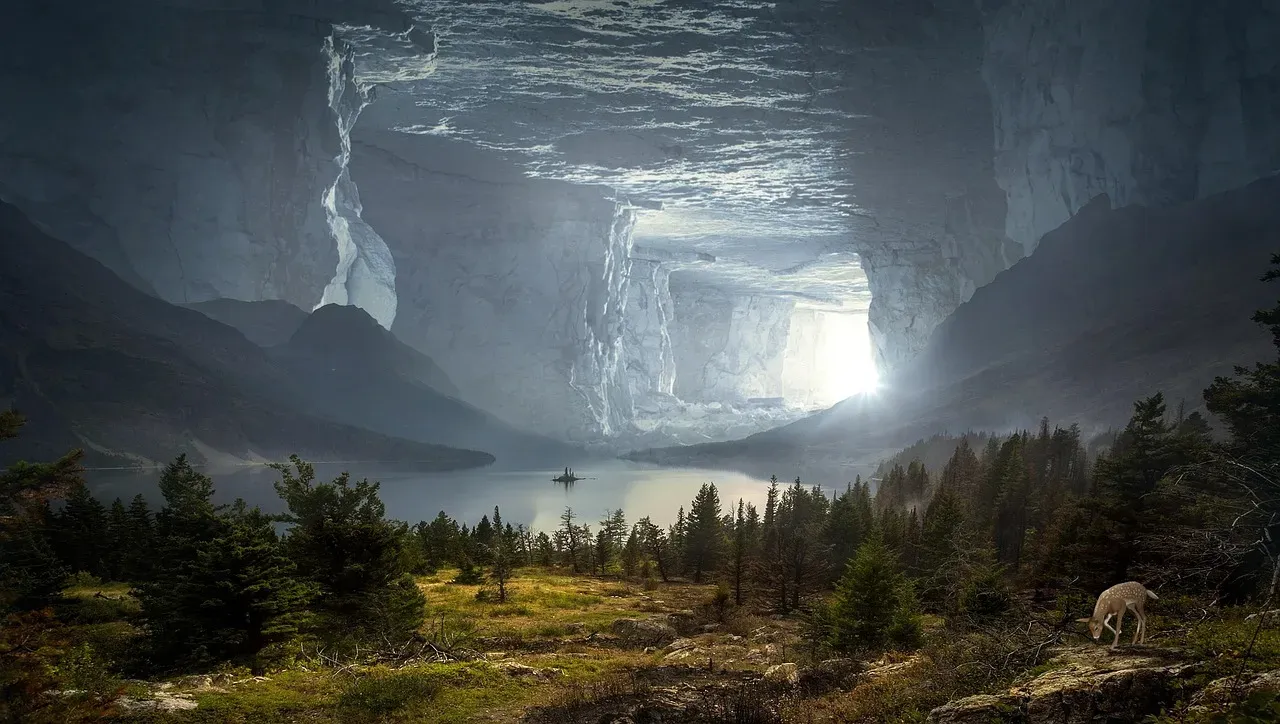
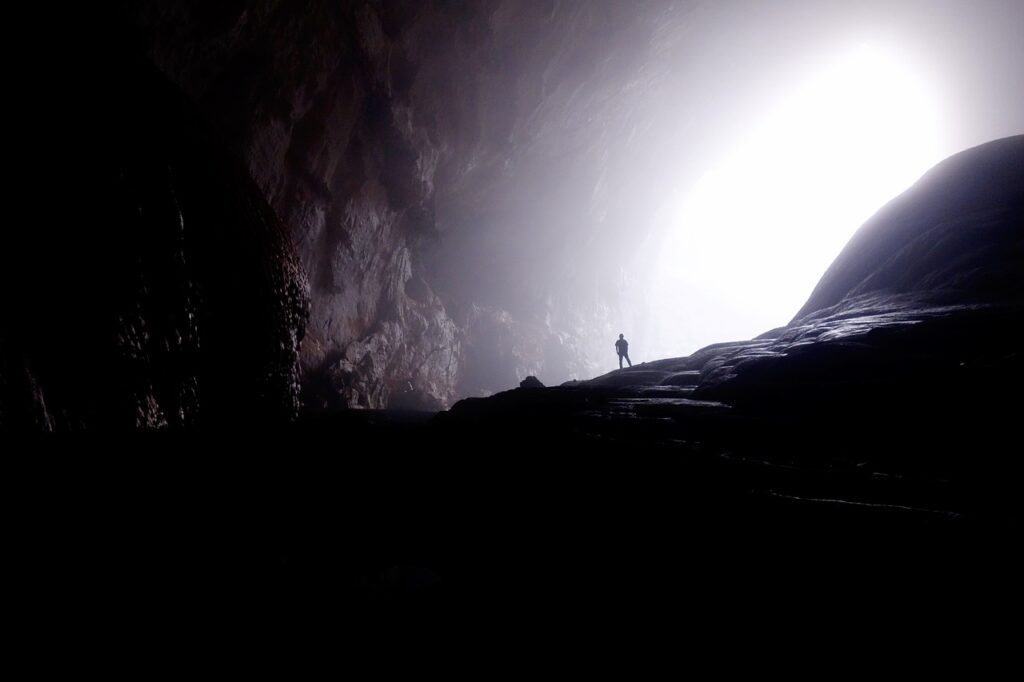
It is easy to say a cave is huge; it is another thing to wrap your head around the numbers. Sơn Đoòng’s main passage runs roughly several kilometers long, and in some sections the ceiling towers hundreds of meters above the floor, tall enough to fit a cluster of skyscrapers laid side by side. Standing inside, people report feeling as if they are outdoors again, because the scale simply does not match what our brains expect from an underground space.
The cross‑section of the main tunnel has been measured at volumes far larger than most known caves on Earth, making it one of the largest single cave passages in the world by volume. In certain chambers, the width and height combine into a void so large that airplanes could theoretically fly through it. When you hear that a cave can host its own forest and cloud banks within a single chamber, that mind‑bending size suddenly makes a lot more sense.
An Underground River Carved This Monster
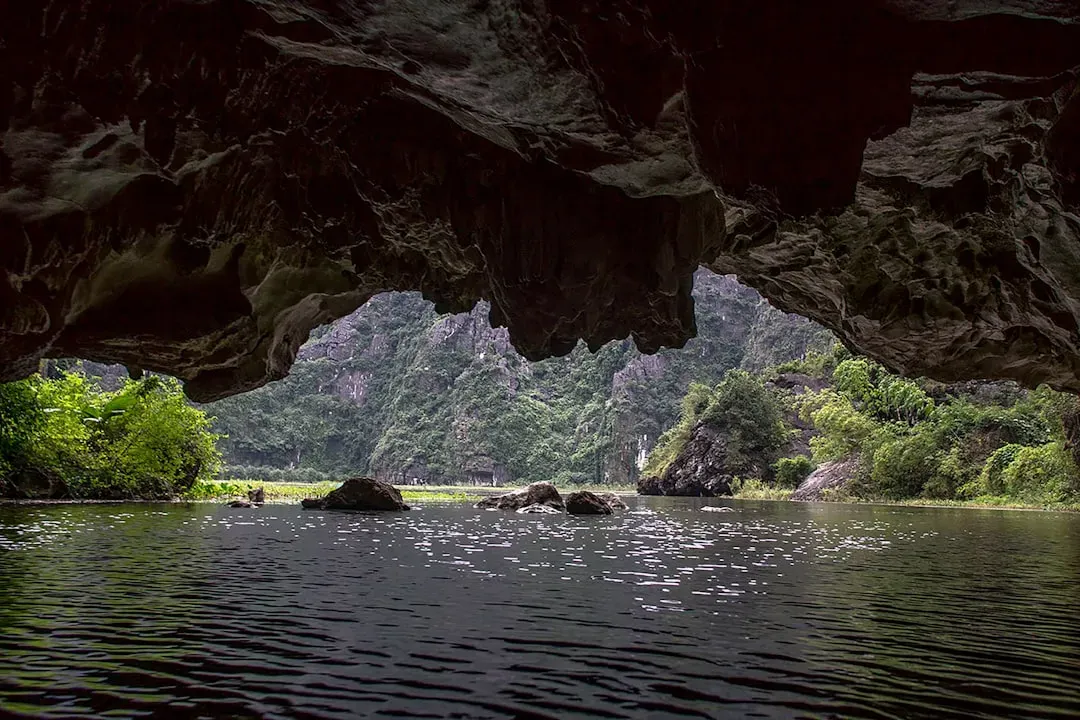
Long before any human stumbled across it, water was already at work in the dark, sculpting Sơn Đoòng out of limestone over millions of years. An ancient river exploited tiny fractures in the rock, slowly widening them as acidic water dissolved the limestone and carried it away grain by grain. Over geological time, what started as a modest crack became a labyrinth of tunnels, then finally a gigantic, streamlined passage like a fossilized underground riverbed.
Even today, a river still runs through parts of the cave, surging in the rainy season and dropping back during drier months. This underground river continues to reshape the cave floor, undercutting walls, collapsing weaker areas, and deepening pools that can be crystal clear one day and roaring, chocolate‑brown torrents the next. It is a reminder that this “finished” wonder is actually still very much under construction, just on a timescale slow enough that we only see hints of change from one visit to another.
The Cave That Makes Its Own Weather
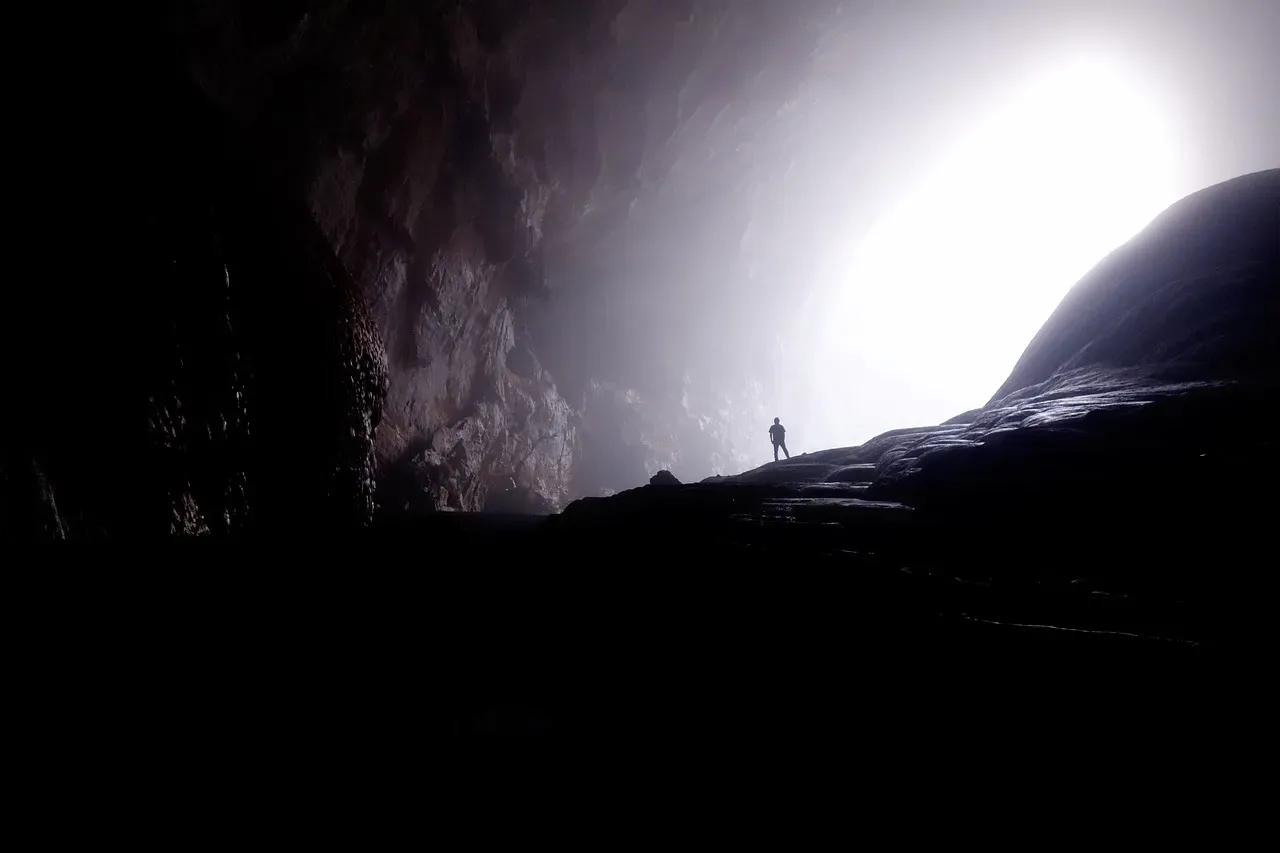
Here is where Sơn Đoòng stops being just a big cave and starts acting like a miniature planet. Because the chambers are so gigantic, pockets of air can circulate, cool, warm, and condense in ways that look a lot like weather. When humid air from the jungle outside flows into the cooler interior, moisture condenses into mist and low clouds that drift and pool inside the chamber, especially around the giant roof openings called dolines.
From the cave floor, you can literally look up and see clouds forming and swirling under the ceiling like a ghostly indoor sky. Temperature and humidity inside can differ sharply from the outside jungle, and air moves in and out of the openings as if the cave is breathing. It is not a full climate system like a continent, of course, but for one single cavity in the ground to have such visible, shifting air patterns is astonishing – and a bit unsettling in the best way.
Skylights, Jungle “Sinkholes,” and Life in the Dark
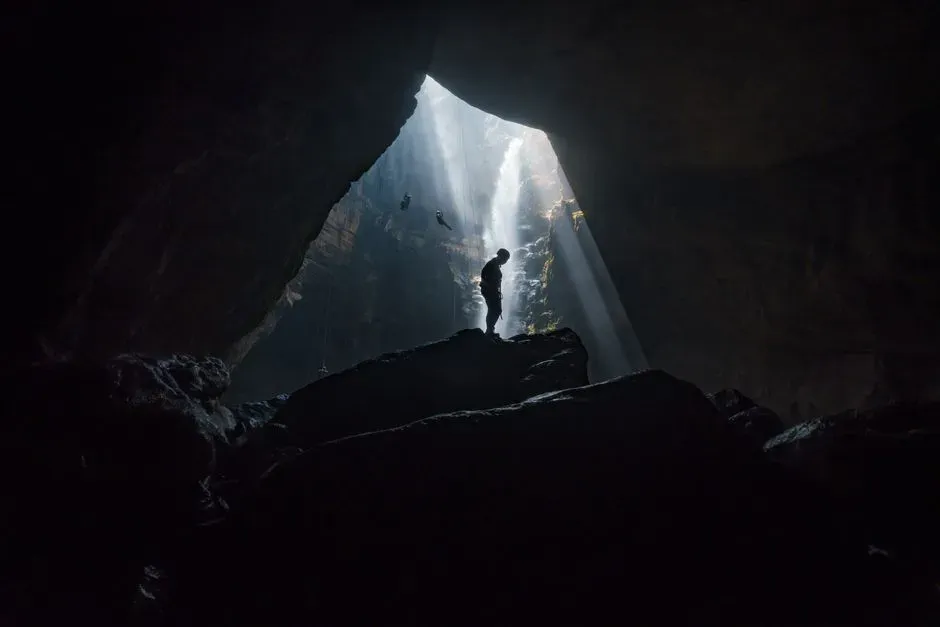
One of the most surreal features of Sơn Đoòng is that it contains its own patches of forest, growing where sections of the cave roof have collapsed to create colossal sinkholes open to the sky. These dolines act like natural skylights, letting sunlight pour into the depths and allowing trees, ferns, and even small jungle ecosystems to flourish on the cave floor. When you walk toward one of these openings, the transition from pitch‑black cavern to green, light‑drenched “lost world” feels like changing dimensions.
Around these skylit sections, life has adapted to strange conditions: plant communities sit on steep piles of collapse debris, roots reach down through rubble, and animals move in and out along narrow ecological corridors. Deeper inside the cave, beyond the influence of daylight, life gets even more specialized, with insects, fungi, and microbes eking out a living in permanent darkness and high humidity. The cave, in other words, is not lifeless stone – it is a layered ecosystem, with zones that feel like stepping down through different planets stacked on top of each other.
Alien Landscapes: Towers, Pools, and Phantom Formations
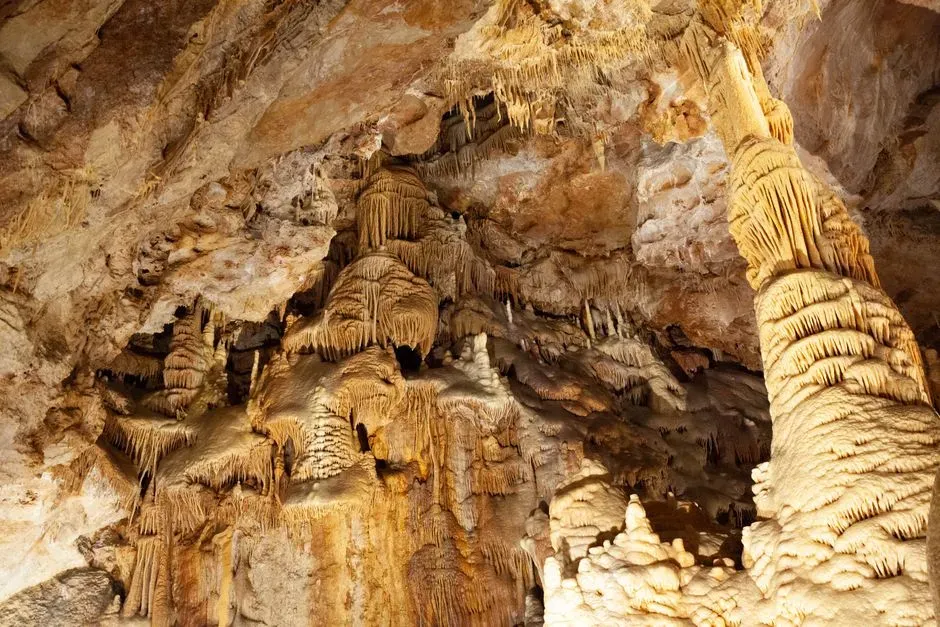
You might expect a cave this big to be mostly empty space, but Sơn Đoòng’s floor is cluttered with formations that look ripped from another world. Massive stalagmites soar upward like stone rockets frozen mid‑launch, while delicate stalactites drip down from the ceiling, some of them forming shimmering mineral curtains. In places, flowstone cascades across the walls like frozen waterfalls, sometimes tinted by trace minerals that add subtle hues to the pale rock.
There are also terraced pools where mineral‑rich water has built natural dams, creating shelves that catch turquoise or milky‑blue water depending on the light and sediment load. These formations grow painfully slowly, sometimes taking thousands of years to add just a few centimeters. Seeing them up close, you realize you are not just visiting a place; you are crashing a very, very long‑running art project in which water and time are patient sculptors and humans are brief, nosy spectators.
Exploration, Tourism, and the Fight to Keep It Wild
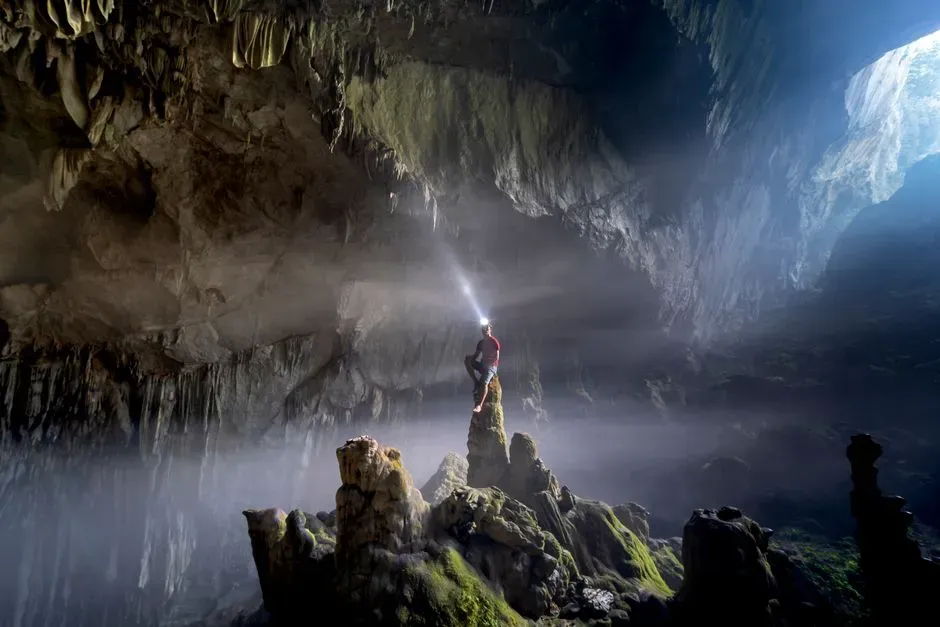
Sơn Đoòng was only brought to global attention in the last few decades, when local knowledge intersected with formal exploration and surveying. Since then, images of people looking like tiny dots inside massive chambers have sparked a wave of interest and a strong push for high‑end adventure tourism. The result is a carefully controlled system where only a limited number of visitors are allowed each year, guided and equipped for a serious multi‑day expedition rather than a casual stroll.
Not everyone agrees on the right balance, though. On one hand, tourism brings money to local communities and builds political support for protecting the national park. On the other hand, more infrastructure, bigger projects, or mass tourism could easily scar the landscape, damage fragile formations, and disrupt the cave’s delicate ecosystems. Personally, I think this is one of those rare places where we should err on the side of leaving more mystery, even if that means fewer selfies and slower profits.
Why This Cave Matters Far Beyond Vietnam
It is tempting to treat Sơn Đoòng as just a stunning backdrop for adventure photos, but its scientific value runs much deeper. Geologists study the cave to understand how massive underground systems evolve in limestone, which helps us interpret similar karst landscapes around the world and even hints at how subterranean voids might form on other planets. Biologists and microbiologists, meanwhile, are fascinated by organisms that can survive in nutrient‑poor, lightless environments, adapting to chemical traces and tiny energy sources.
On a more human level, places like this challenge our sense of what Earth still holds that we have barely mapped, let alone understood. In a century obsessed with satellites, algorithms, and virtual worlds, it is oddly comforting that some of the most jaw‑dropping discoveries are still physical places you have to sweat and scramble to reach. Sơn Đoòng is a reminder that our planet still has corners that feel almost too wild and too grand to be real – and that maybe, just maybe, we should be better at leaving such wonders intact for whoever comes after us.
Conclusion: A World Within a World We Should Not Tame
For me, the most striking thing about Sơn Đoòng is not just that it is big or photogenic, but that it refuses to fit neatly into how we usually think about nature. It is a cave that behaves a bit like an outdoor valley, a river that runs through darkness, a jungle that thrives underground, and a ceiling that manufactures clouds. It is messy, layered, and alive in ways that do not care about human categories, and that is exactly what makes it feel sacred.
We have a bad habit of seeing a place like this and immediately wondering how to brand it, package it, and monetize it, as if wonder itself needs a business model to justify its existence. I honestly think Sơn Đoòng should be one of the rare exceptions where restraint is a point of pride: minimal lights, minimal infrastructure, minimal bragging rights, and maximum protection. Let it remain a place that most people only meet through stories and images, because its value as a living, evolving underworld is far greater than any short‑term rush of tourist traffic. In a world where we keep shrinking the unknown, does it not feel right to leave at least one giant, echoing question mark under the jungle floor?