I still remember the first time I saw Jurassic Park’s kitchen scene as a kid. Those raptors stalking around the stainless-steel counters felt like pure nightmare fuel: too smart, too fast, too deliberate. Years later, it turned out the scariest part wasn’t the movie magic at all. The truly chilling thing is that those “Velociraptors” were rooted in a very real animal – and the science behind that animal is stranger, messier, and in some ways more disturbing than anything on screen.
That animal is Deinonychus, the mid‑sized “terrible claw” dinosaur that quietly rewired paleontology in the 1960s and reshaped how we think about predators, birds, and even what it means to be intelligent. The film simplified it, upsized it, and stripped off some details, but the bones of the story are real. And once you look closely, you start to realize the truth is less a clean monster movie and more a slow-burn horror about uncertainty, incomplete fossils, and predators that may have hunted in ways we still do not fully understand.
The Raptors in Jurassic Park Were Really Deinonychus in Disguise
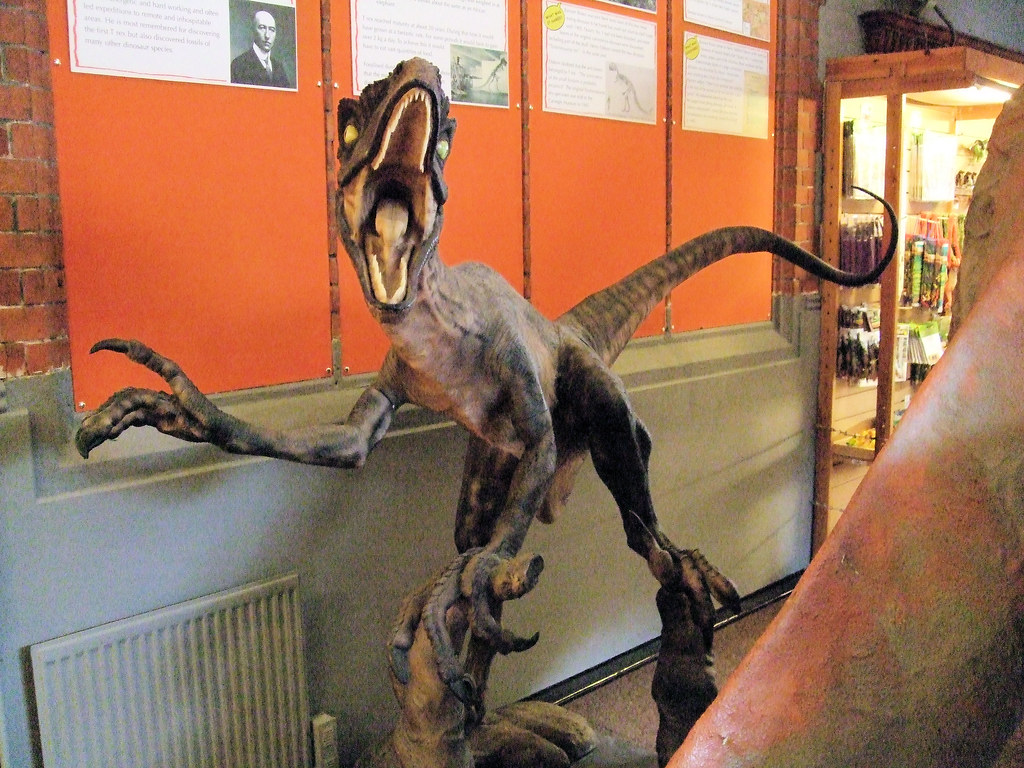
On screen, the raptors are called Velociraptor, but their size, proportions, and whole vibe match Deinonychus far better than the real Velociraptor. Actual Velociraptor from Mongolia was closer to a big turkey: low to the ground, light, and not even remotely human‑sized. Deinonychus, on the other hand, lived in North America and reached around ten to eleven feet long, with hips roughly at a teenager’s chest – suddenly we are much closer to those kitchen‑stalking killers.
This is not an accident. When Michael Crichton researched Jurassic Park, he leaned heavily on the work of paleontologist John Ostrom, who had described Deinonychus in the late 1960s and helped kick off the so‑called Dinosaur Renaissance. The novel’s raptors were essentially Deinonychus in almost every anatomical detail, then given the name Velociraptor because it sounded more dramatic. By the time the movie went into production, the concept art and technical references the filmmakers used were based squarely on Deinonychus – then, again, the more marketable name won the branding battle.
Deinonychus Was Not a Giant Movie Monster – and That Makes It Worse
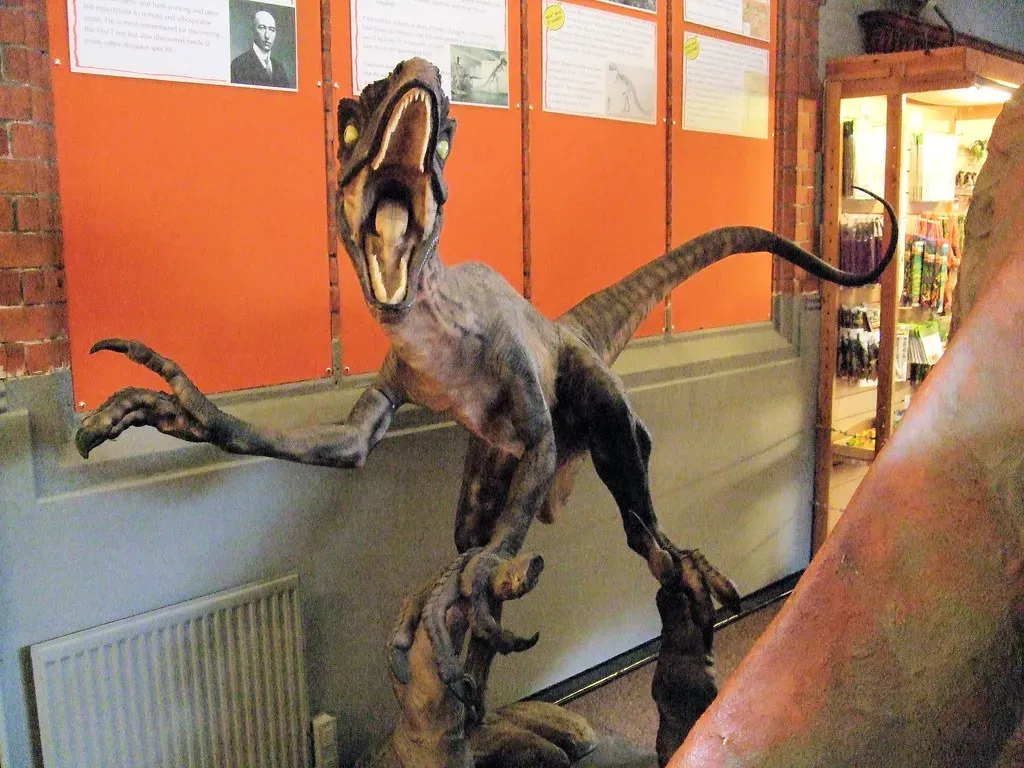
Compared with the towering movie raptors, the real Deinonychus was smaller and slighter, but that actually makes it creepier. This was a predator roughly the size of a large wolf or a very lean human, with long arms, grasping hands, and a tail stiffened for balance. It was not built like a crocodile or a tank; it was narrow, athletic, and clearly designed to move with unnerving speed and precision.
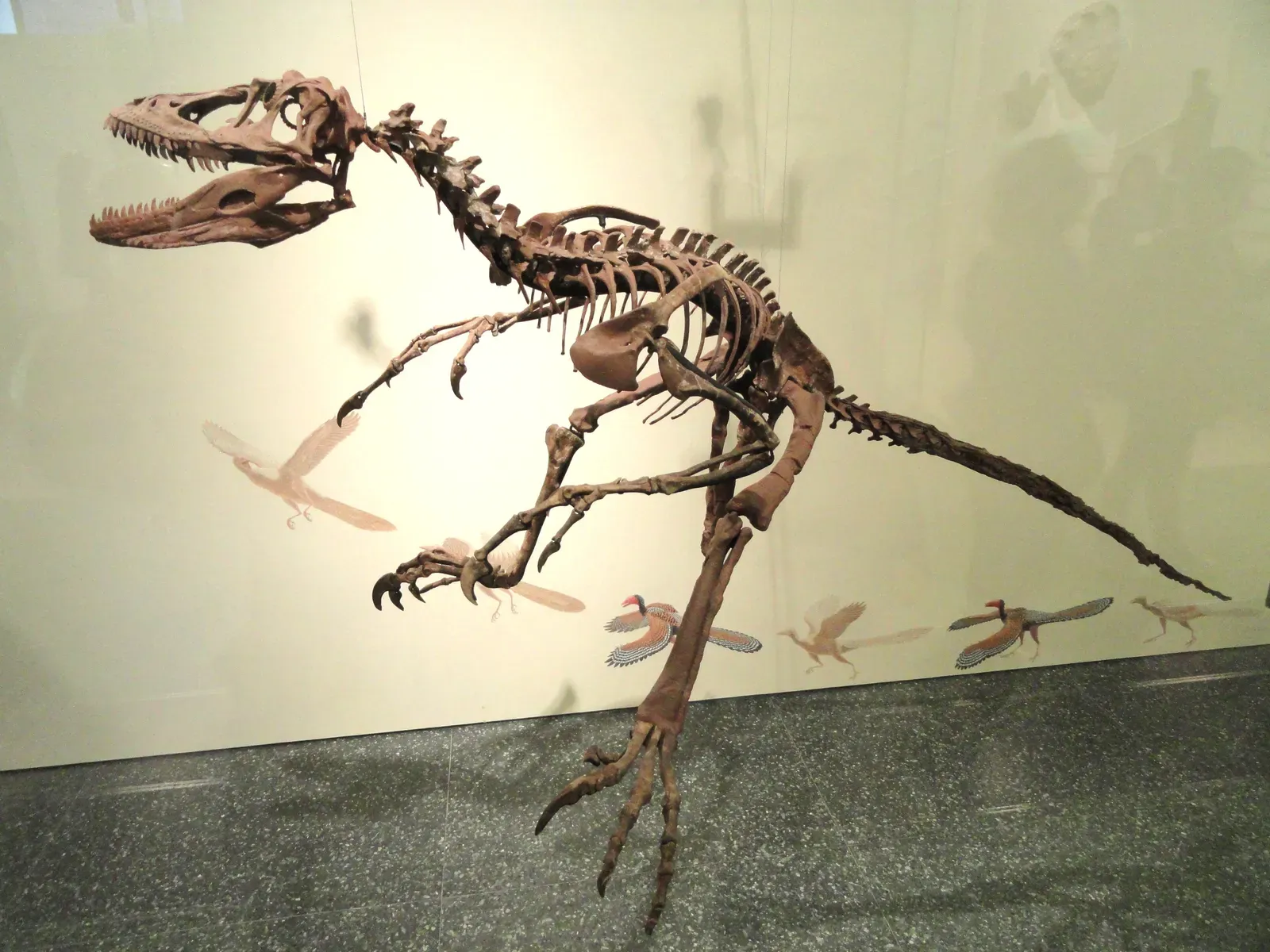
Fossils show a skull full of recurved, knife‑like teeth and big forward‑facing eyes, hinting at good depth perception. The skeleton’s light build suggests high activity levels, more like a bird of prey than a sluggish reptile. When you stop imagining it as a Hollywood monster and start picturing it as something more like a pack of supercharged murder‑wolves with claws, the whole animal feels less theatrical and more plausibly lethal. It is easier to brush off a dinosaur the size of a van than one that could look you straight in the chest and keep up with you at a sprint.
The Famous “Killing Claw” Was Probably for Something Weirder Than Slashing Guts
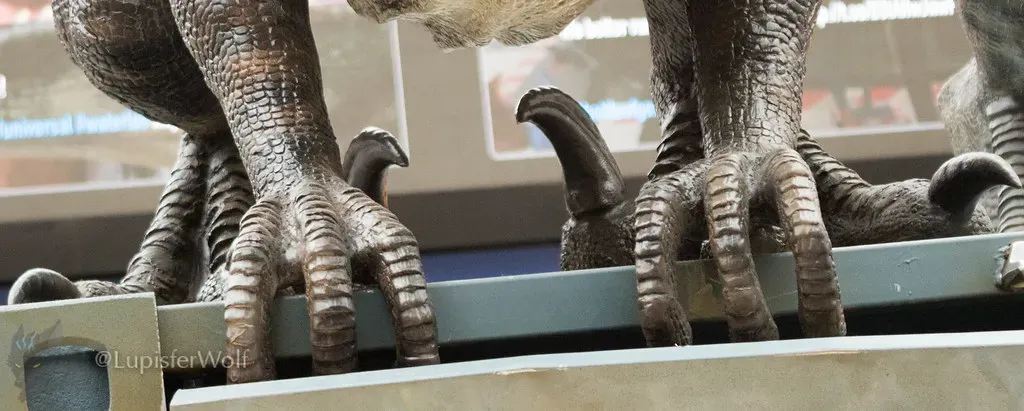
If there is one image that defines Deinonychus, it is that oversized sickle claw on each foot, held off the ground like a razor on standby. Jurassic Park leans into the idea that this claw is a gut‑ripper, hooking into soft bellies and disemboweling anything foolish enough to stand still. The fossil record absolutely confirms the claw was real and formidable – but how it was used is still actively debated, and the most convincing ideas are more unsettling than a simple movie slash.
Modern research suggests that dromaeosaurids like Deinonychus may have used those claws more like climbing crampons or grappling hooks. Rather than just slicing, they may have leapt onto large prey, dug the claws in to hold on, and then pinned or restrained their victims while they tore at them with their teeth and hand claws. Think of the way an eagle pins a struggling rabbit, except the rabbit is a dinosaur the size of a car, and the predator is riding it, hooks buried deep, while the victim spends its last moments alive with a killer literally perched on its back. That is less a clean movie kill and more a prolonged, chaotic, and frankly grisly way to die.
Pack‑Hunting Raptors? The Evidence Is Disturbing – and Not Clear-Cut
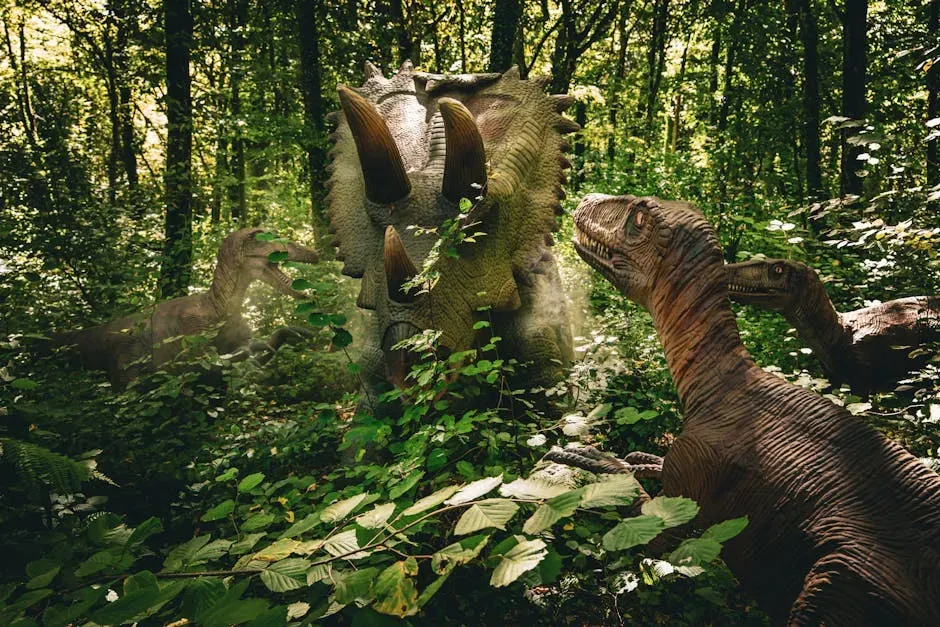
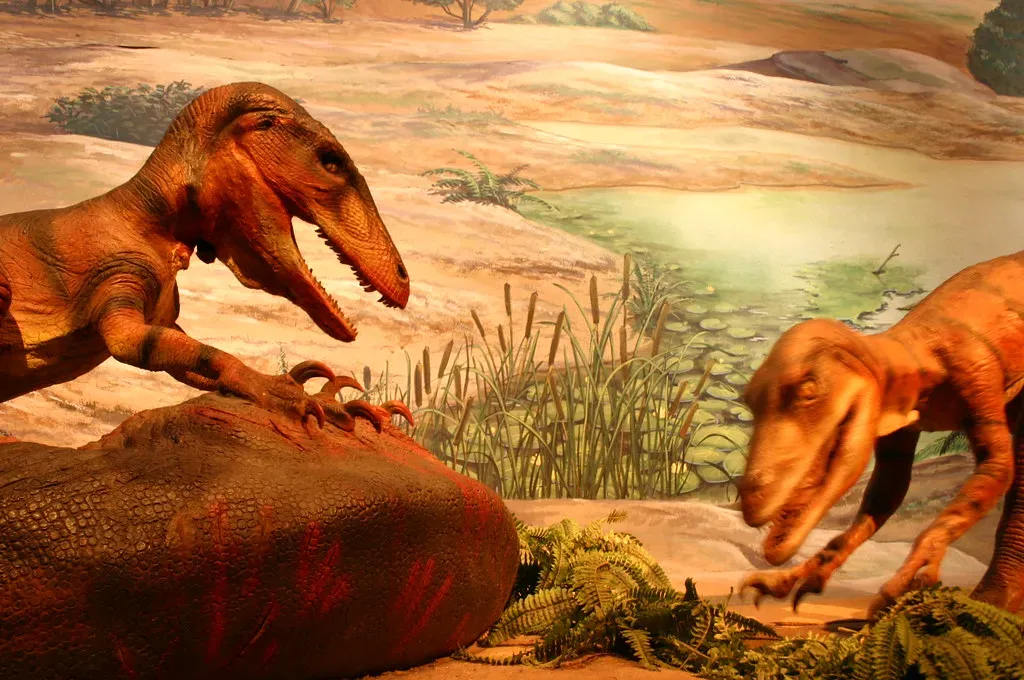
The film loves the idea of coordinated, intelligent pack hunters: one raptor distracts you, the other flanks you from the side, and you never see the killing blow coming. This image grew largely from a famous fossil site where several Deinonychus remains were found alongside the carcass of a much larger plant‑eater called Tenontosaurus. For years, that association was presented as proof that they hunted in organized packs to take down larger prey.
But paleontologists have gotten more cautious, and the newer interpretations are, in a way, even more disturbing. Some researchers now argue that the scene could represent not sophisticated wolf‑like teamwork, but a more chaotic mob – multiple Deinonychus converging on a carcass, possibly turning on each other in the frenzy. There are hints of cannibalism and bite marks that could represent squabbling rather than strategy. Instead of a neat “they hunted in smart family packs” story, we may be looking at something more like a shark feeding event or a gang of Komodo dragons: opportunistic, violent, and absolutely terrifying in its own right.
Feathers, Fluff, and the Horror of Realistic Raptors
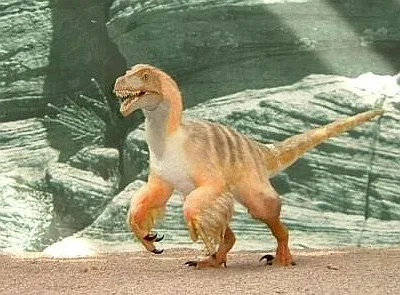
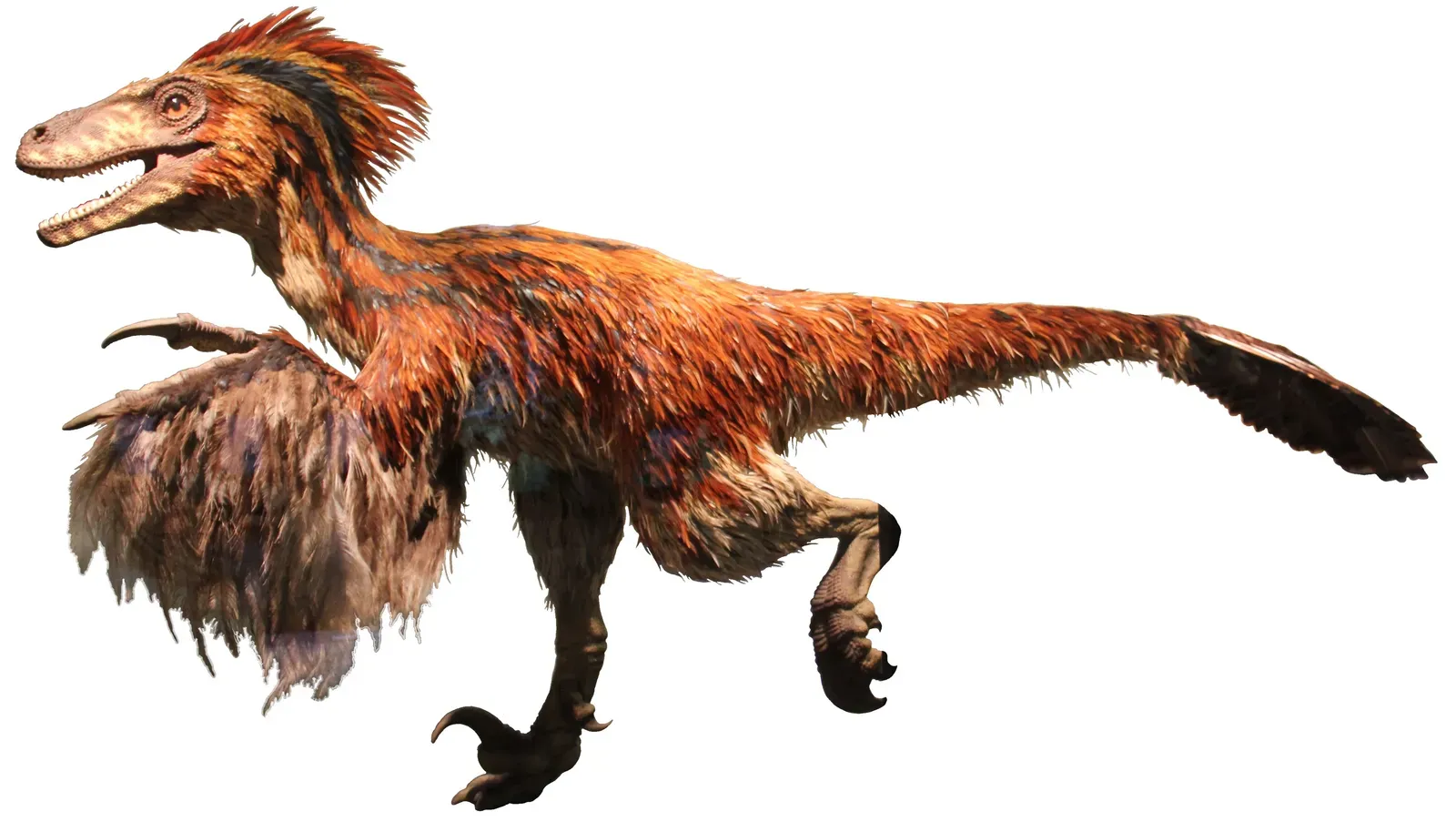
One of the biggest disconnects between Jurassic Park and modern science is obvious the moment you imagine a raptor in color: feathers. Fossils from close relatives of Deinonychus, including Velociraptor and several other dromaeosaurs, show clear evidence of feathers, from quill knobs on the forearms to impressions of vaned feathers in rock. While we have not yet found a Deinonychus fossil with preserved plumage, the family pattern is so strong that most paleontologists consider a feathered Deinonychus extremely likely.
Ironically, adding feathers would make the animal more unsettling, not less. People tend to think feathers make dinosaurs cute or silly, but try picturing a lean, wolf‑sized predator covered in dark, layered plumage, with a narrow snout, bright eyes, and a tail fanned for balance like a giant murder‑bird. Instead of a scaly movie monster, you get something that feels unnervingly alive and familiar, like an eagle, a vulture, and a cheetah had a nightmare child. The unsettling part is not that the movie left the feathers off; it is that reality likely looked stranger than audiences were ready to accept in 1993 – and, honestly, maybe still are today.
Deinonychus Helped Rewrite Dinosaurs as Active, Warm‑Blooded, and Bird‑Like
Before Deinonychus, popular science still leaned heavily on the idea of dinosaurs as sluggish, tail‑dragging reptiles that lumbered through prehistoric swamps. The description of Deinonychus in the late 1960s was one of the main catalysts that blew that stereotype apart. Its light bones, stiff balancing tail, long legs, and agile joints screamed high activity levels, not swamp‑dwelling torpor, and forced researchers to rethink how dinosaurs lived and moved.
This was the opening act of the Dinosaur Renaissance – the shift toward seeing many dinosaurs, especially theropods, as active, possibly warm‑blooded animals much closer to birds than to crocodiles in both physiology and behavior. Deinonychus became a poster child for the dinosaur‑bird connection, showing that a creature with a bird‑like pelvis, likely complex feathers, and high metabolism could still be an apex predator. Jurassic Park borrowed this energy wholesale, then simplified it into a single cinematic message: dinosaurs were fast, intelligent, dangerous – and the world had been underestimating them for far too long.
The Real “Smart Raptors” May Have Been Less Chess Masters and More Opportunists
The movie raptors feel like villains from a heist film: testing electric fences, opening doors, setting up traps. Deinonychus did have a relatively large brain for a dinosaur of its size, and its senses, especially vision and balance, were probably acute. It is fair to say it was no idiot; compared to many other dinosaurs, this was likely a sharp, responsive predator with flexible behavior.
But the unsettling truth is that intelligence in predators does not need to look like human cunning to be horrifying. Wolves do not open doors or hack security systems; they work with simple rules and social cues that, in a pack, become devastatingly effective. Crows do not speak in full sentences, yet they remember faces and hold grudges. Deinonychus probably operated in a similar space: clever enough to exploit opportunities, possibly interact socially, and adapt on the fly – but also driven by instincts and hunger. That blend of animal simplicity and situational smarts can be more chilling than the idea of a dinosaur playing 4D chess with park security.
Why the True Story of Deinonychus Is More Unsettling Than Jurassic Park
For all its jump scares and iconic scenes, Jurassic Park ultimately serves up a very tidy monster story: the raptors are brilliant pack hunters, they follow clear rules, and they function like hyper‑intelligent wolves with scaly skin. Neat, clean, terrifying – and comforting in its own way, because you feel like you understand the threat. The real Deinonychus is messier: smaller but still dangerous, probably feathered, maybe social but not in any way we can easily label, and part of a predator‑prey system that we can only reconstruct in fragments.
I find that far more unnerving. We want our monsters to be either dumb brutes or evil geniuses, not something in between that we cannot fully categorize. Deinonychus sits right in that uncomfortable middle ground. It was an agile, likely warm‑blooded animal, potentially with complex behavior, that hunted, scavenged, squabbled, and maybe even cannibalized its own kind when the opportunity arose. The film gave us a sleek horror icon; the fossil record gives us something stranger, more ambiguous, and more real – a reminder that nature does not owe us a clean storyline. The question that lingers with me is simple and a little chilling: which is scarier, a movie monster you can predict, or a real predator we still do not completely understand?