If you’ve ever wondered what kind of dinosaur your zodiac sign would be, you’re not alone. Mixing prehistoric giants with astrology sounds a bit wild, but that’s exactly why it’s so fun: it forces you to match real animal behavior, anatomy, and ecology with all those big, dramatic human personality traits. No crystals, no cosmic destiny here – just playful comparisons grounded in what scientists actually know about these animals.
In this dinosaur zodiac, every sign is paired with a species that actually existed and is known from fossil evidence. We’ll talk about real skull shapes, hunting styles, defensive weapons, and social behavior where it’s supported by research, then line that up with each sign’s classic vibe. Think of it as personality typing by way of claws, horns, and very sharp teeth – with science doing as much of the talking as your birth chart.
Aries – Carnotaurus, the Hot‑Blooded Sprinter
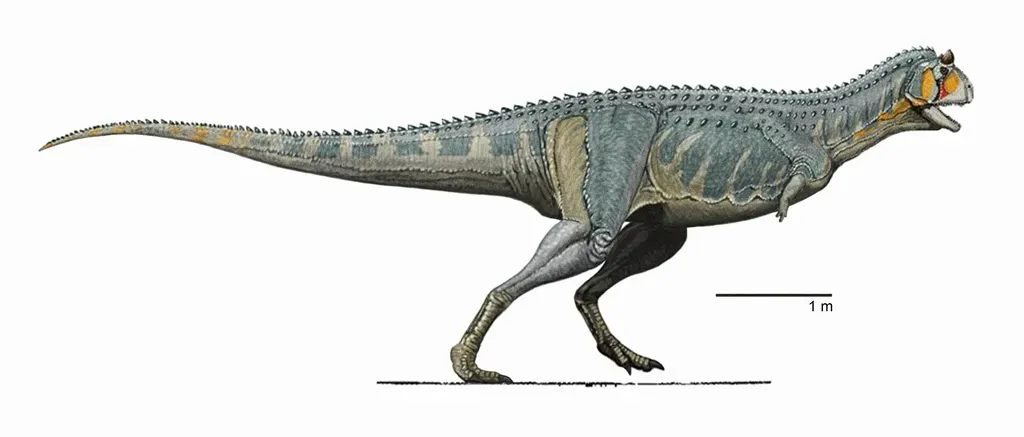
Aries is bold, impulsive, and sometimes a bit reckless – exactly the energy paleontologists see when they look at Carnotaurus. This medium‑sized South American theropod had a deep skull full of sharp teeth, bizarre horn-like structures above its eyes, and a body built for high-speed bursts, not slow careful planning. Its leg bones and tail muscles suggest it could accelerate quickly, more like a sprinter than a marathon runner, which fits Aries’ tendency to rush headfirst into whatever looks exciting.
Scientifically, Carnotaurus belonged to the abelisaurids, a group known for powerful heads, reduced arms, and often ornamented skulls. Studies of its anatomy suggest it was a pursuit predator that may have used its strong neck and jaws to deliver fast, slashing bites, then dash off again. That lines up with Aries’ reputation: a sign that throws itself into challenges with intense energy and then burns out just as quickly, preferring action over strategy every single time.
Taurus – Triceratops, the Stubborn Defender
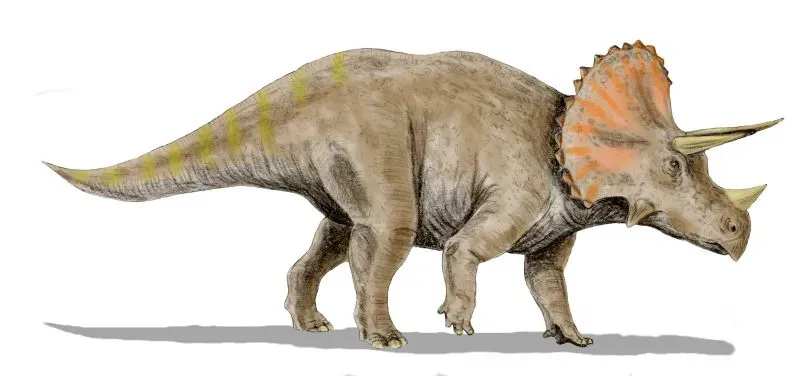
Taurus is patient until pushed, then absolutely immovable, just like Triceratops. This famous horned dinosaur was a hefty, four‑legged herbivore with a massive skull, three facial horns, and a sturdy frill that likely protected its neck. Its body proportions and limb structure point to a slow but powerful animal, built to stand its ground rather than sprint away, matching Taurus’ slow‑to‑anger, rock‑solid personality.
Paleontologists have found Triceratops fossils with healed damage on their horns and frills, suggesting they sometimes locked horns either in combat with each other or in defense against predators such as Tyrannosaurus. That resilience is pure Taurus: loyal, protective, and unwilling to be bullied into moving. Just as Triceratops likely relied on bulk, bone, and determination to survive, Taurus leans on persistence, comfort, and a quiet but unshakeable strength.
Gemini – Troodon, the Quick‑Thinking Generalist
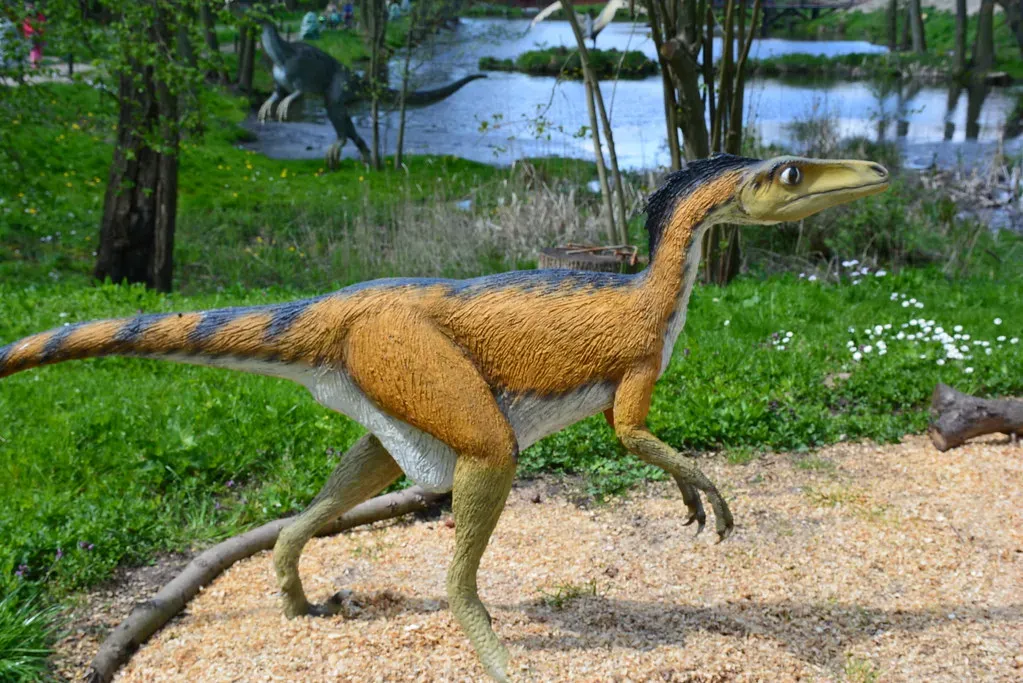
Gemini is curious, restless, and constantly switching topics, and Troodon is one of the closest prehistoric matches for that kind of mental agility. While older studies may have exaggerated its intelligence, Troodon and related troodontids did have relatively large brains for their body size, keen senses, and lightweight bodies suited to quick movement. Their long, grasping hands and sharp, sickle‑shaped claws suggest a flexible lifestyle – possibly hunting small animals, foraging, or even taking advantage of different food sources as needed.
Scientifically, Troodon is a bit of a taxonomic headache, with debates around which fossils truly belong to the genus. That fluid identity fits Gemini in an almost too‑perfect way: always changing, a bit hard to pin down, and thriving in mental and environmental flexibility. If any dinosaur sign was constantly scanning, adapting, and “talking” with its surroundings through sharp senses, Troodon would be it – quick on its feet and even quicker to notice something new.
Cancer – Maiasaura, the Nurturing Herd Guardian
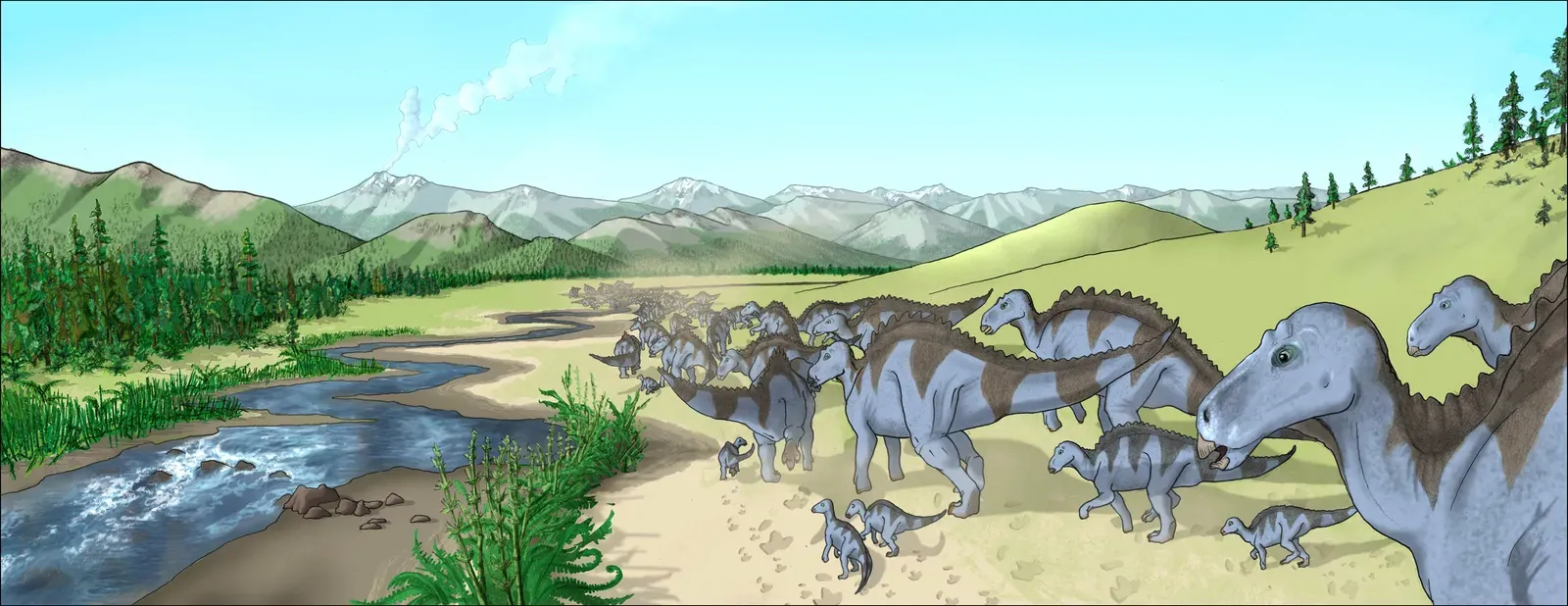
Cancer is deeply emotional, protective, and family‑oriented, and Maiasaura is one of the strongest scientific matches for that energy. Fossil nests, eggs, and juveniles suggest that this duck‑billed dinosaur cared for its young at least during early growth stages. Some bone beds contain multiple individuals of different ages, hinting at social living and possibly cooperative behavior around nesting grounds, which fits beautifully with Cancer’s reputation as the zodiac’s caretaker.
The name Maiasaura literally refers to a “good mother reptile,” and that is not astrology talking – it was coined because evidence points to prolonged parental care, such as feeding hatchlings that were not yet ready to move. For Cancer, that’s the emotional jackpot: a species whose survival strategy revolved around protecting, feeding, and living in groups. Like a sign that builds emotional “nests” and safe homes for the people they love, Maiasaura likely survived by turning family and community into its greatest defense.
Leo – Tyrannosaurus rex, the Charismatic Apex
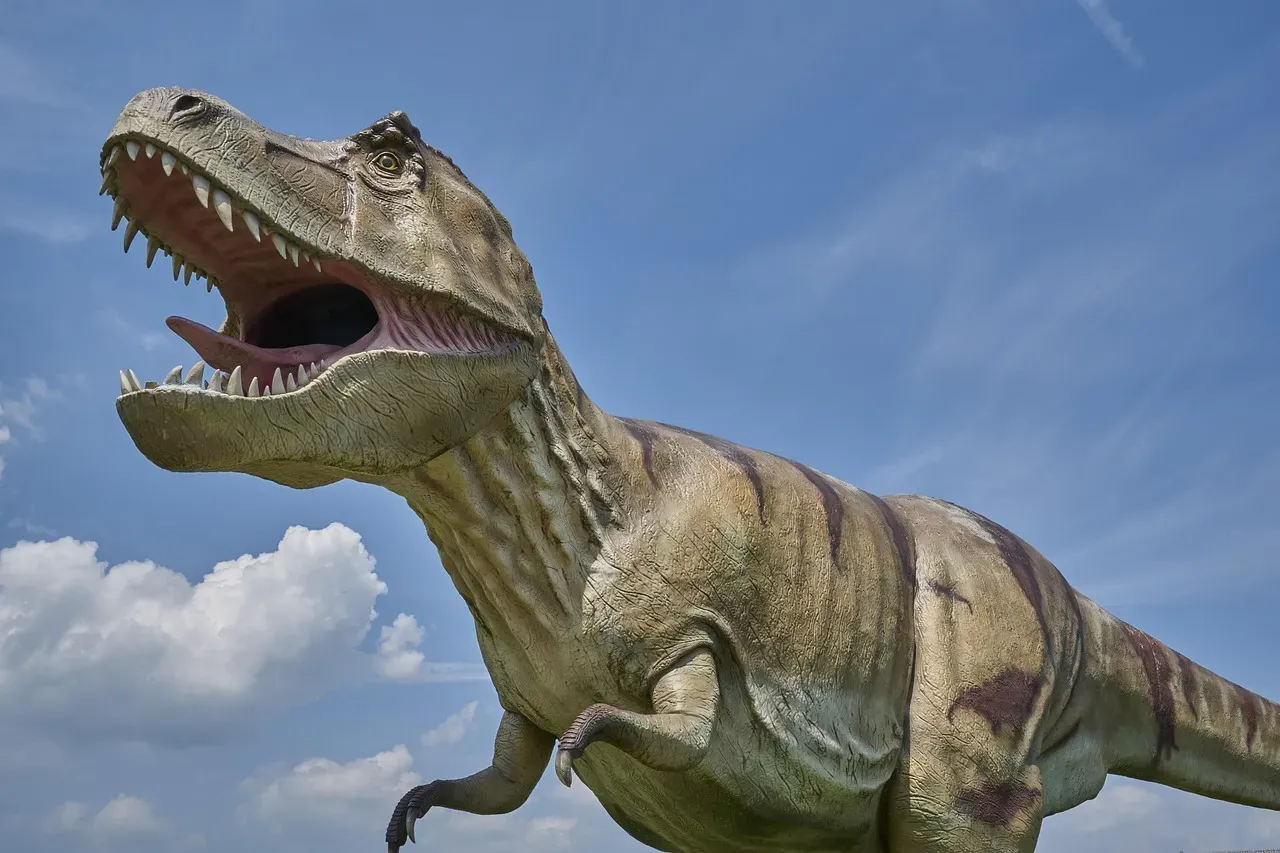
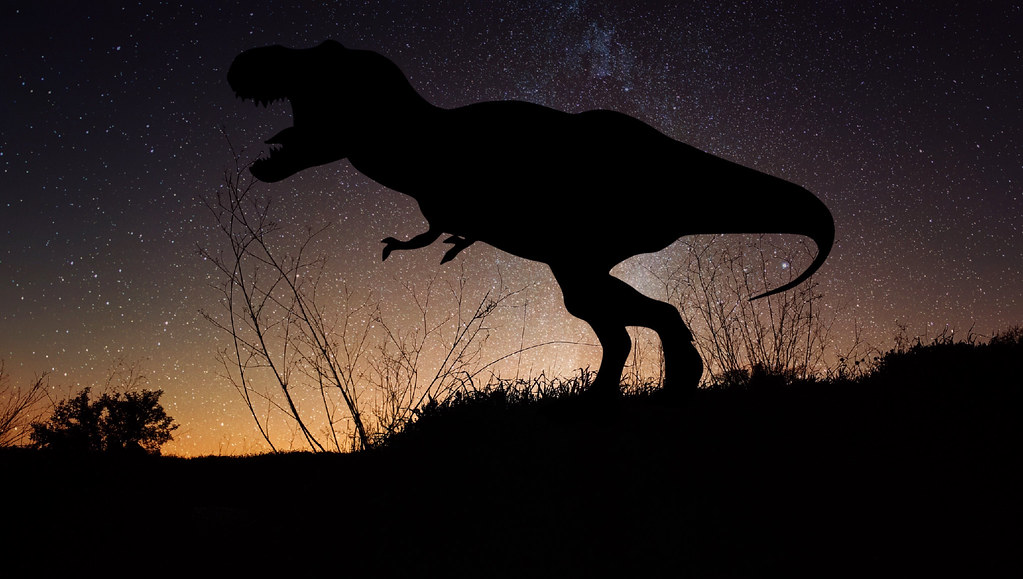
Leo wants to be seen, heard, and remembered, and there is no dinosaur more culturally dominant than Tyrannosaurus rex. T. rex was one of the largest known land predators, with a massive skull, bone‑crushing bite, and a body adapted to powerful, purposeful movement. Evidence from bone strength and muscle attachment suggests this animal was not just big, but biomechanically impressive, occupying the top of its food chain in Late Cretaceous North America.
Scientists have also studied growth rings in T. rex bones and found that it likely had a fast adolescent growth spurt, eventually reaching huge sizes that made it the “celebrity” of its ecosystem. Leo thrives on that kind of dramatic, commanding presence. Just as T. rex dominates museum halls, movies, and imaginations, Leo tends to dominate a room without even trying. It is not just about power – it is about stage presence, and T. rex has been headlining the dinosaur world for over a century.
Virgo – Oviraptor, the Misunderstood Perfectionist
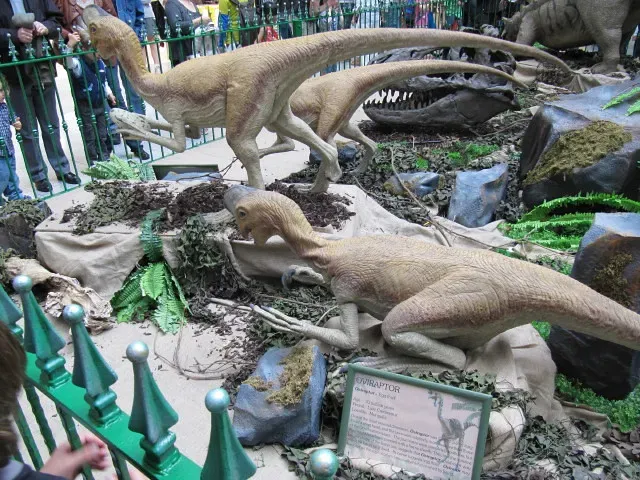
Virgo is detail‑oriented, practical, and often misunderstood, which mirrors the history of Oviraptor. For decades, this small, beaked theropod was portrayed as an egg thief because early fossils were found near nests that were assumed to belong to other species. Later research showed that many of those eggs were probably its own, meaning it was likely guarding its nest rather than stealing from it – a classic case of being unfairly judged at first glance, something many Virgos can relate to.
Anatomically, Oviraptor and its relatives had strong beaks, lightweight bodies, and often elaborate crests or head ornaments. Fossils of related species have been found preserved in brooding positions over eggs, suggesting meticulous nesting behavior and possibly careful regulation of egg temperature with feathers. That neat, attentive, almost fussy behavior lines up with Virgo’s love of organization and doing things the “right” way, even if other people only notice when something goes wrong.
Libra – Parasaurolophus, the Elegant Harmonizer
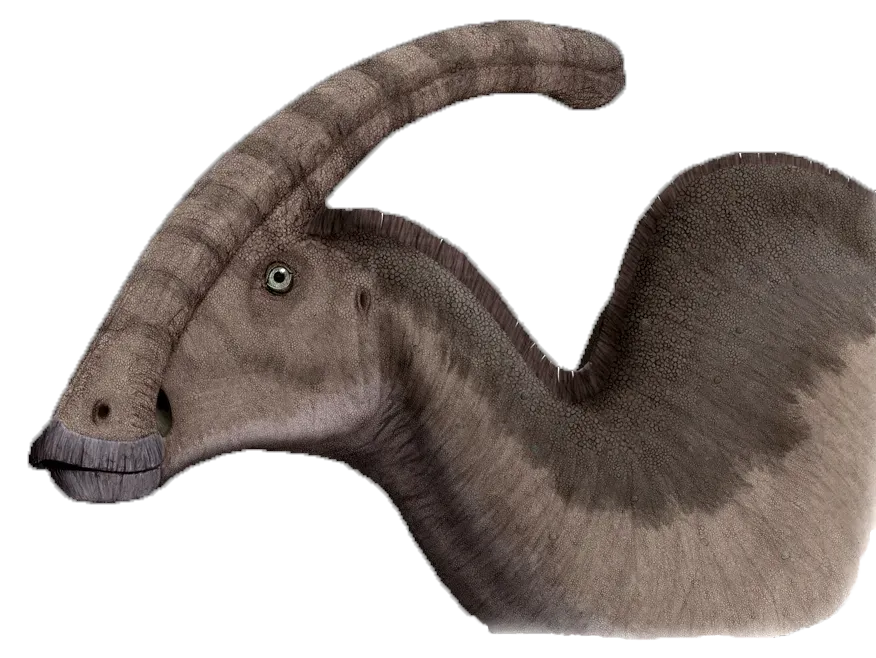
Libra is all about balance, elegance, and social harmony, and Parasaurolophus captures that mix of beauty and function. This hadrosaur is known for its long, backward‑curving cranial crest, which was hollow and connected to the nasal passages. Many researchers think this crest helped produce deep, resonant sounds, allowing individuals to communicate across distances in their herds, coordinating movements or signaling danger – a social skill Libra would fully appreciate.
Visually, Parasaurolophus has one of the most graceful silhouettes of any dinosaur, with its long tail, slender limbs, and that sweeping crest like natural sculpture. Libra is ruled by aesthetics and fairness, and this dinosaur likely lived in herds where communication and group cohesion mattered for survival. Where some dinosaurs survived by brute force, Parasaurolophus seems to have leaned on group living, visual display, and acoustic signals – a surprisingly refined strategy in a dangerous world.
Scorpio – Spinosaurus, the Deep and Dangerous Enigma
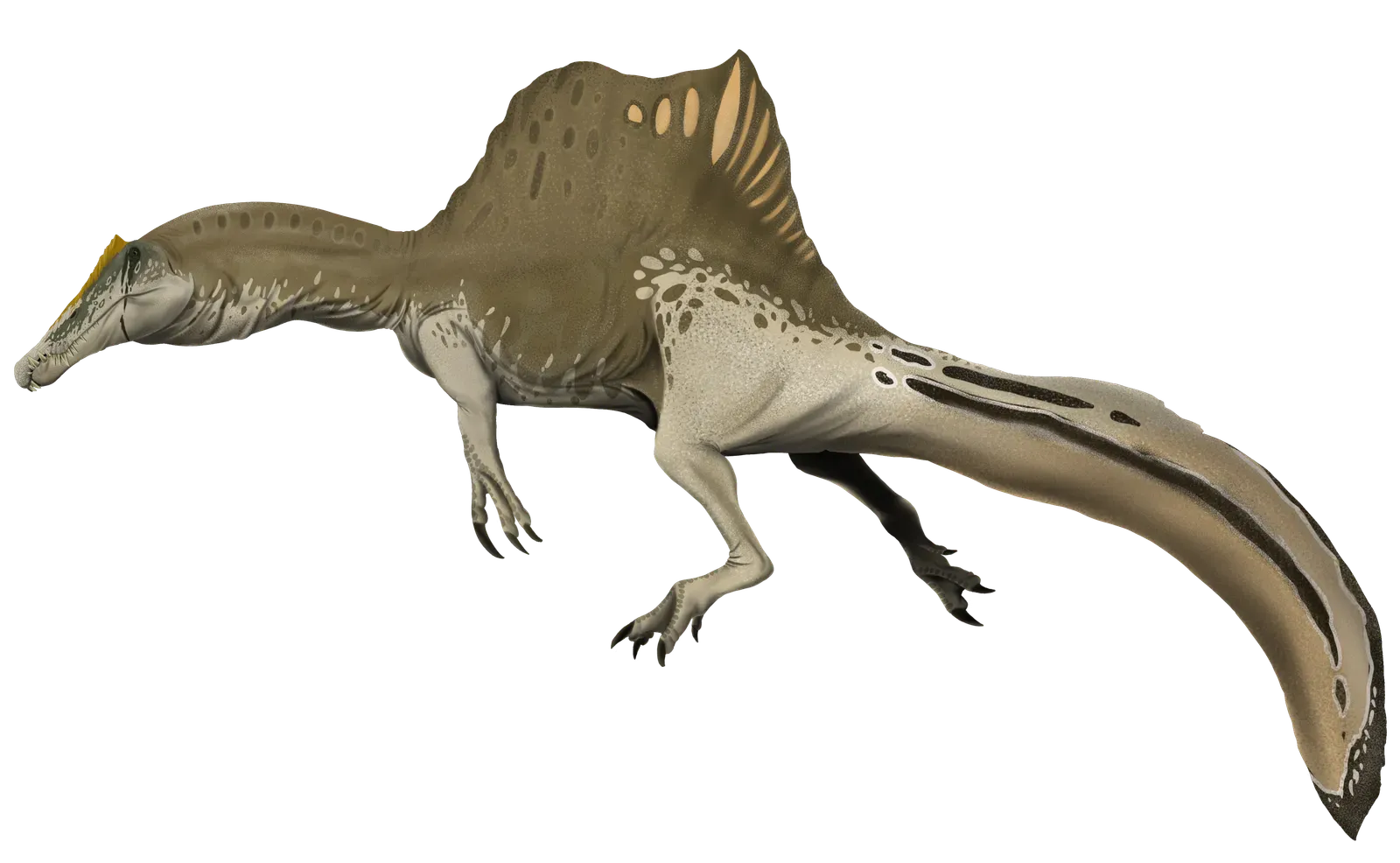
Scorpio is intense, mysterious, and comfortable in emotional “deep water,” which is exactly where Spinosaurus lived – literally. Modern research suggests Spinosaurus was at least semi‑aquatic, with adaptations such as a long, crocodile‑like snout, conical teeth suited for catching slippery prey, and limb and tail features that point to a life spent hunting in rivers or coastal environments. That boundary‑breaking lifestyle, bridging land and water, matches Scorpio’s love of operating where others feel uneasy.
Spinosaurus is also one of the most debated dinosaurs in science, with changing reconstructions as new fossils are discovered and reinterpreted. Sometimes it appears as a towering sail‑backed predator on two legs, other times as a more low‑slung, paddle‑tailed swimmer. This constant evolution of its image echoes Scorpio’s layered personality: hidden motives, deep transformations, and a power that is hard to fully define. If any sign was going to be a predator that hunts in murky depths and keeps everyone guessing, it would be Scorpio.
Sagittarius – Giganotosaurus, the Restless Wanderer
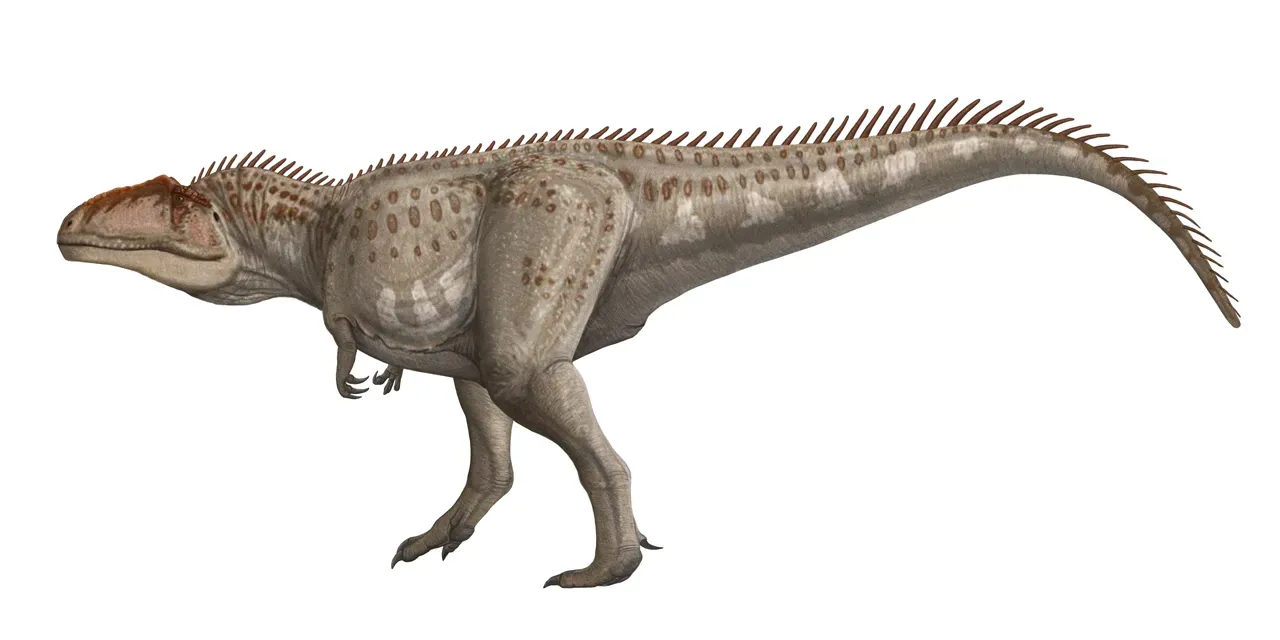
Sagittarius is adventurous, freedom‑seeking, and drawn to big horizons, and Giganotosaurus fits that spirit as an enormous predator of wide, open landscapes. This large theropod from what is now South America rivaled or exceeded T. rex in length, with a more elongated skull and a body built for covering ground. Studies of its limb bones suggest it was capable of relatively fast, sustained movement for an animal of its size, more like a long‑distance road trip than a short sprint.
The environment Giganotosaurus lived in appears to have been populated by huge herbivores that likely migrated or moved widely, meaning this predator may have followed its prey across large territories. Sagittarius loves exploration and hates confinement, and you can imagine Giganotosaurus striding across ancient floodplains, always on the move in search of the next opportunity. It is less about ruling one small patch of land and more about roaming – something Sagittarians instinctively understand.
Capricorn – Ankylosaurus, the Armored Strategist
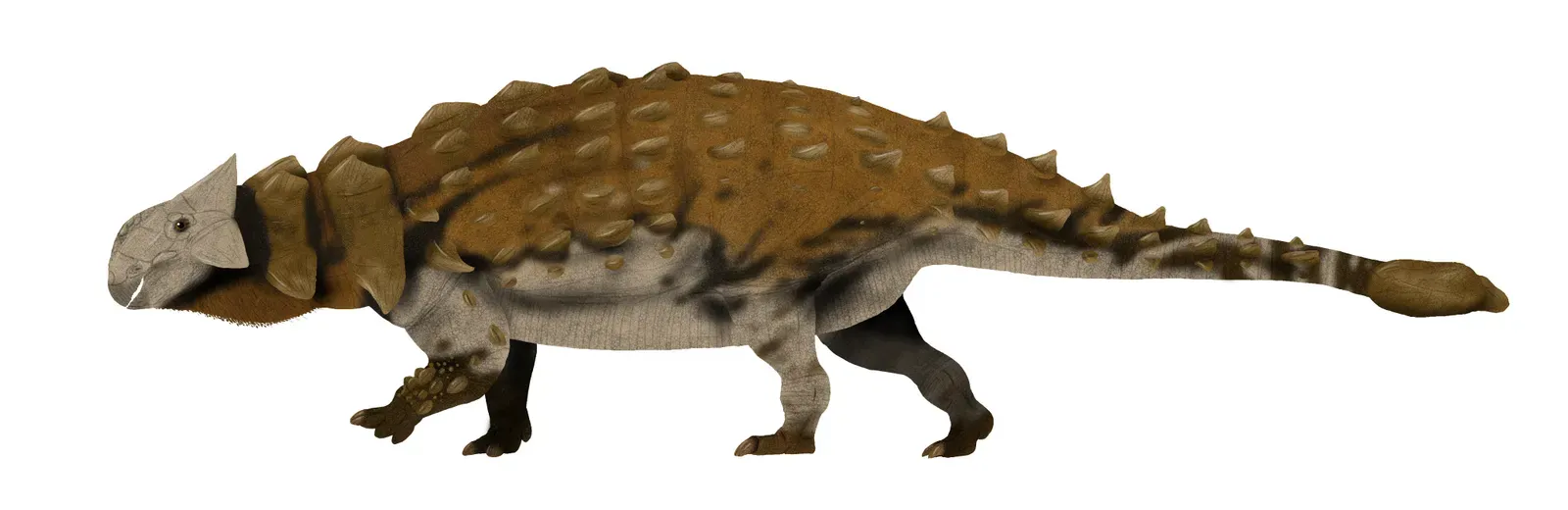
Capricorn is disciplined, cautious, and relentlessly practical, and Ankylosaurus might be the most Capricorn dinosaur that ever lived. This hefty herbivore was covered in bony armor plates and spikes, with a massive club at the end of its tail that could deliver devastating blows. Its body design screams long‑term planning: instead of speed or flashy display, it invested in slow, steady growth and nearly impenetrable defenses, a survival strategy based on patience and preparation.
From a scientific perspective, Ankylosaurus’ armor was not random decoration – it likely protected vital areas while still allowing movement, and the tail club evolved from fused vertebrae and reinforced bone. That kind of structural investment takes time and energy, much like the Capricorn approach to life: build solid foundations, accept short‑term effort for long‑term security, and keep your back covered. When danger comes, Ankylosaurus does not run; it anchors itself and swings, turning discipline into a literal weapon.
Aquarius – Deinonychus, the Revolutionary Pack Mind
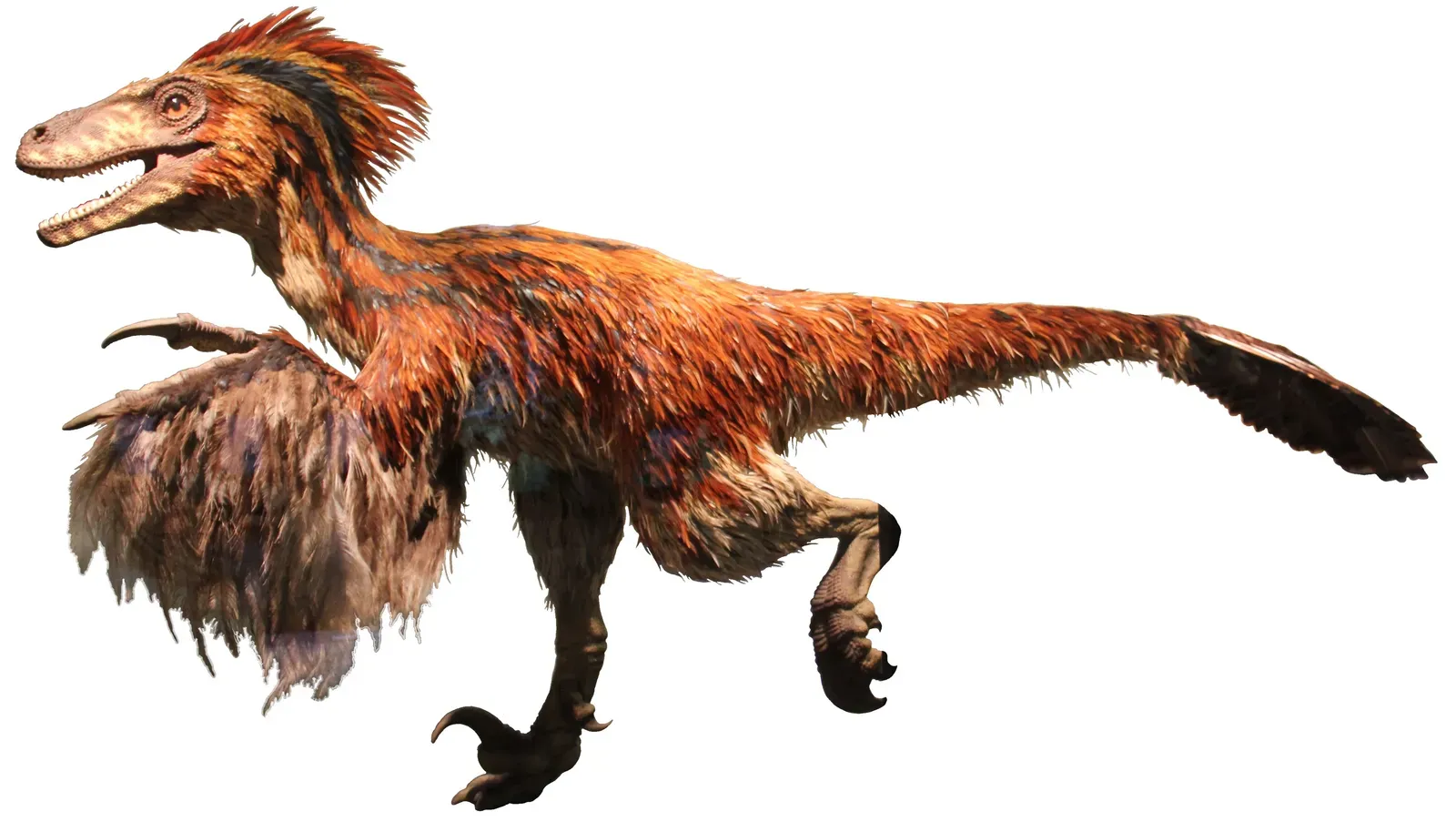
Aquarius is innovative, rebellious, and fascinated by collective systems, and Deinonychus shook up paleontology in a way that feels very Aquarian. This medium‑sized theropod, with its enlarged sickle claw on each foot and lightweight, bird‑like skeleton, inspired a revolution in how scientists viewed dinosaurs: not as slow, sluggish reptiles, but as active, dynamic animals. That paradigm shift reshaped popular science and set the stage for the idea that birds are living dinosaurs.
There is evidence – though still debated – that Deinonychus and similar dromaeosaurs may have hunted cooperatively or at least fed in groups, based on multiple fossils found together and trackways that suggest coordinated movement. Aquarius is all about group behavior, shared ideals, and challenging outdated rules, and Deinonychus did all of that just by existing and being studied. It stands for intellectual disruption and teamwork, the kind of sign that happily tears down old assumptions to build something more accurate and interesting.
Pisces – Elasmosaurus, the Dreamy Drifter of the Ancient Seas
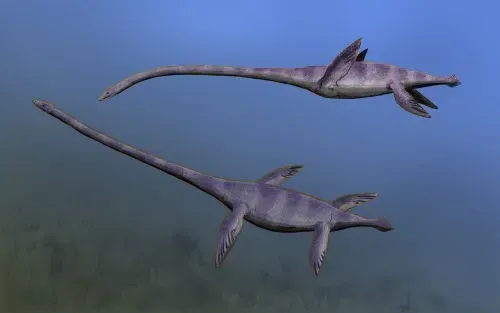
Pisces is intuitive, imaginative, and drawn to the emotional “ocean,” so it pairs perfectly with Elasmosaurus – even though it is technically a marine reptile, not a dinosaur. This long‑necked plesiosaur glided through Cretaceous seas with paddle‑like limbs and a body designed for steady swimming rather than quick dashes. Its extraordinarily long neck carried a small head, likely used for picking off small fish or cephalopods while its body stayed relatively stable, a quiet, almost dreamlike way of hunting.
Scientifically, Elasmosaurus reminds us that not all prehistoric reptiles roamed on land; many ruled the oceans in slow, graceful ways. That watery, flowing existence aligns with Pisces, which often lives more in feelings and imagination than in straight lines and sharp edges. If you picture an ancient animal moving like a living constellation under the waves – silent, persistent, and oddly ethereal – you are basically describing the Pisces experience in reptile form, drifting between worlds but never quite belonging to just one.
Conclusion – What Matching Dinosaurs to Zodiac Signs Really Says About Us
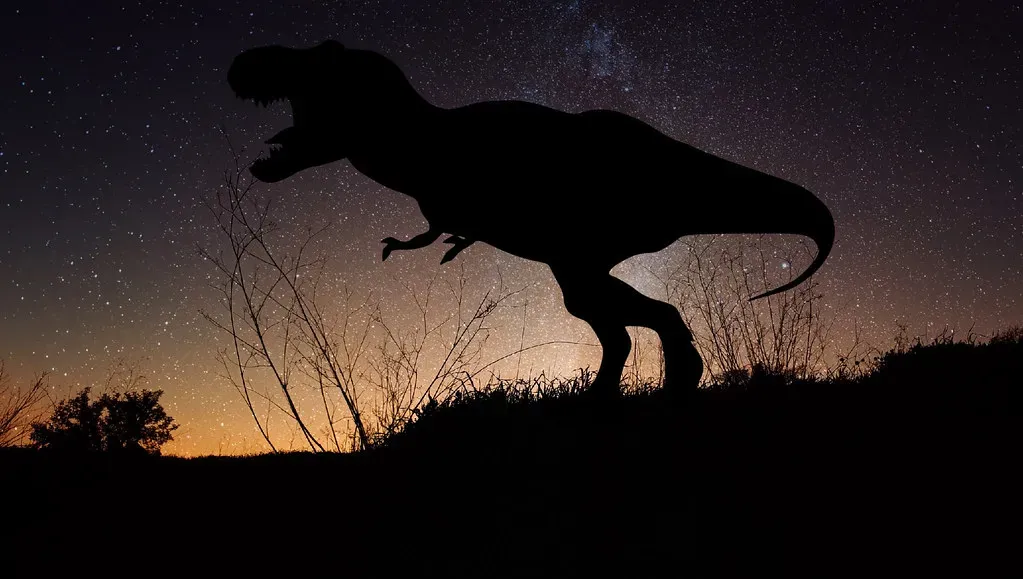
Putting zodiac signs next to real dinosaurs might sound like nothing more than a party game, but there is something deeper hiding underneath the teeth and horoscopes. Each match forces you to look at how these ancient animals actually lived – how they hunted, nested, communicated, or defended themselves – and then ask what human traits mirror those survival strategies. In a way, we are not projecting magic onto fossils; we are using science as a mirror for how we see courage, stubbornness, empathy, and ambition in ourselves.
Is this dinosaur zodiac scientifically necessary? Absolutely not. But it is a surprisingly honest way to get people curious about real paleontology while acknowledging that we love stories, symbols, and a bit of personality drama. If imagining yourself as Carnotaurus, Triceratops, or Spinosaurus makes you look twice at how nature actually works, that is a win for both science and self‑reflection. So, now that you have seen the full lineup, which prehistoric self would you really claim, and does it match what your sign says – or would you rather break the rules and choose another?