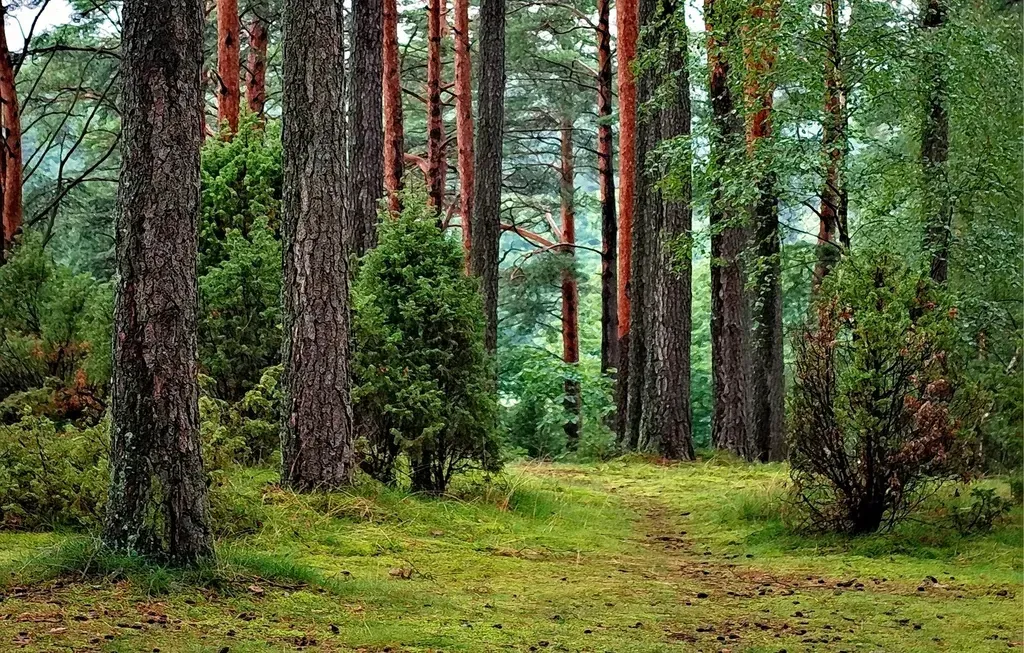
Imagine walking through a forest that, in some form, has been standing since mammoths roamed, giant ground sloths lumbered by, and ice sheets still ruled parts of the continent. That sounds like fantasy, but in North America many of the trees we pass without a second glance are survivors of deep time, with lineages that reach back to the age of early humans or even the dinosaurs. Once you see them this way, every hike feels a bit like time travel.
These eight trees are not just “old” in the sense of a few centuries. Their species, or at least their ancestral lines, were already here in prehistoric times, enduring ice ages, shifting continents, and dramatic climate swings. Some individual trees today are thousands of years old; others are living representatives of lineages that fossil records show have barely changed in tens of millions of years. Let’s walk through this living museum and meet eight of North America’s true ancient ones.
Bristlecone Pine: The Time-Defying Mountain Sentinel
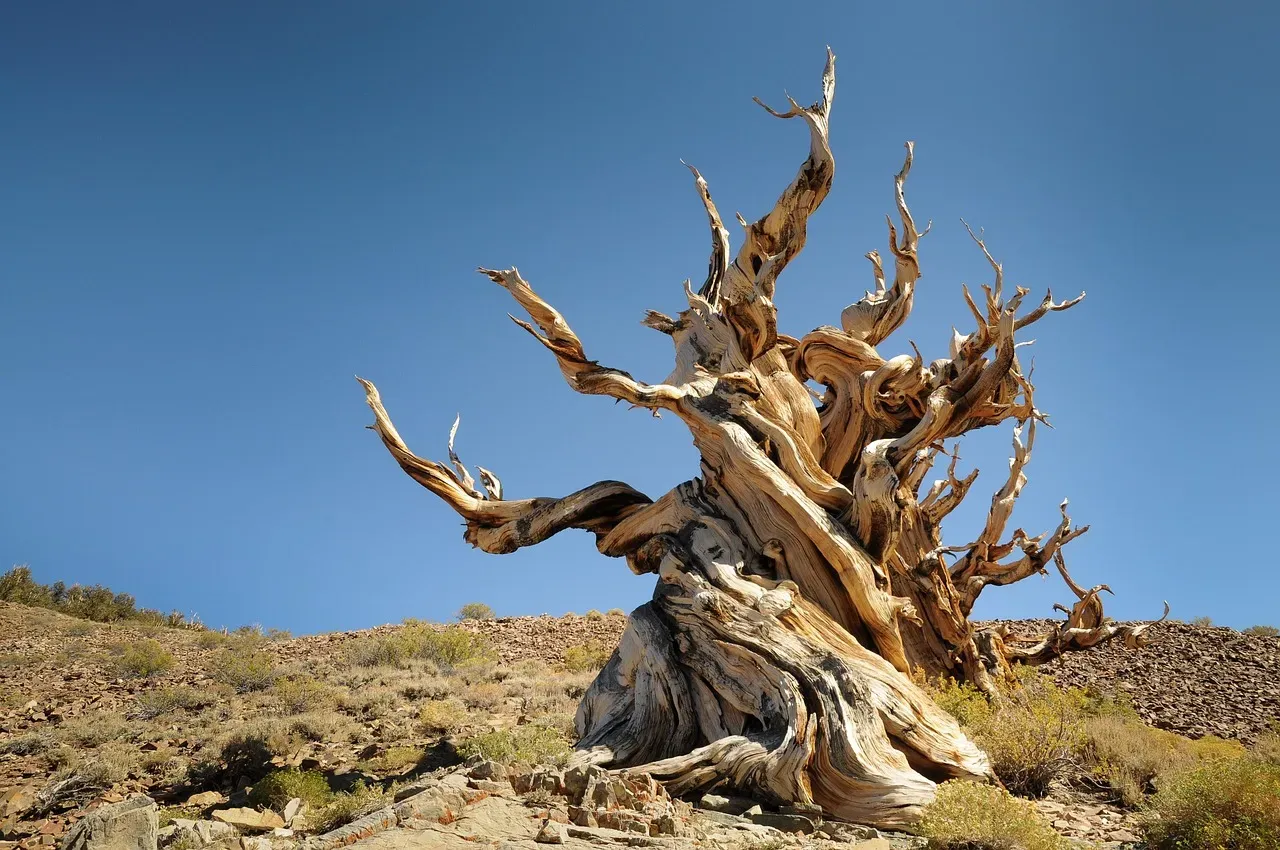
The bristlecone pine is the tree that makes you rethink what the word “old” even means. Some individuals in the White Mountains of California are over four thousand years old, which means they were already ancient when the Roman Empire was just a wild idea in someone’s head. Their lineage, part of a very old pine group, traces back into prehistoric epochs when glaciers repeatedly ground down North America and then retreated again.
What makes bristlecones so long-lived is a mix of slow growth, extreme thriftiness, and brutal habitat selection. They thrive where almost nothing else wants to live: dry, high-elevation slopes blasted by wind and starved of nutrients. Growing painfully slowly in twisted, gnarled forms, they invest just enough energy to stay alive while letting dead wood accumulate as a kind of protective armor. Standing next to one, you can feel that strange mix of fragility and stubbornness – like you’re putting your hand on the shoulder of something that has watched entire human civilizations come and go.
Coast Redwood: Giant Relics of a Warmer, Wetter World
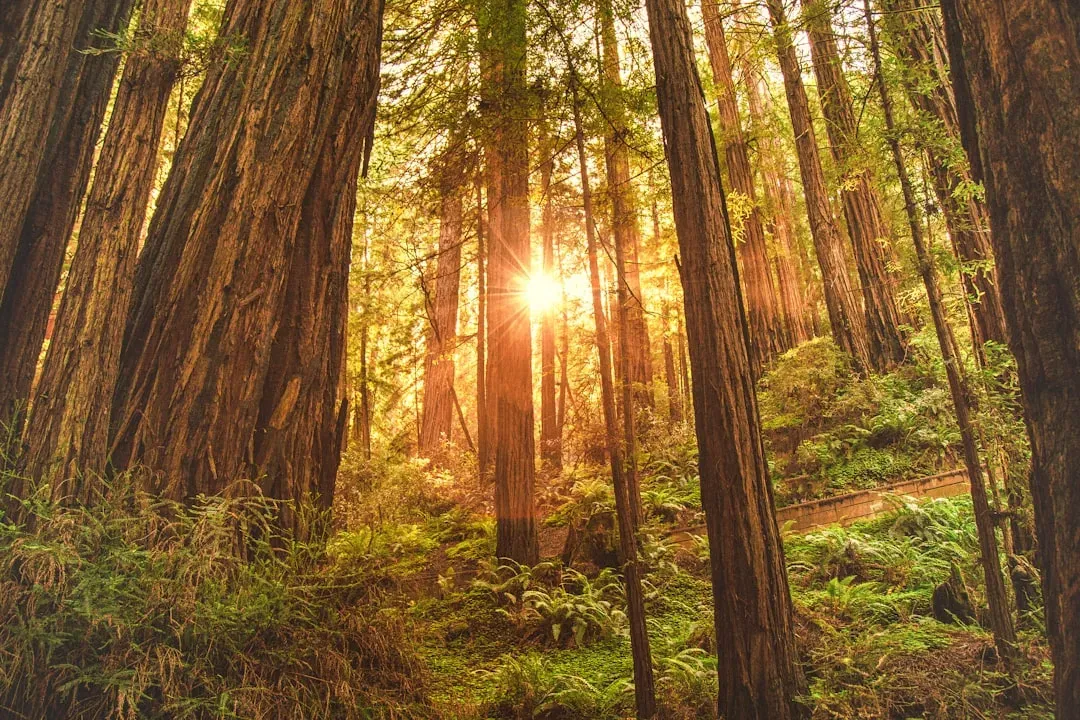
The towering coast redwoods of California and southern Oregon are the closest thing we have to walking among dinosaurs without building a time machine. Their ancestors were once widespread across the Northern Hemisphere in prehistoric times, back when the climate was warmer and wetter and vast redwood-like forests stretched far beyond their current narrow strip along the Pacific coast. Fossil remains show their family line goes back tens of millions of years, surviving major climate flips and the rise and fall of countless species.
Today’s redwoods are literal skyscrapers of wood, with some individuals over three hundred feet tall and living for more than two thousand years. Their thick, tannin-rich bark helps them shrug off many fires, insects, and fungi that would devastate other trees. Walking a redwood grove feels almost staged, like a movie set where someone turned the “awe” dial to maximum – but it is also a reminder that this was once a much more common forest type, now squeezed into a fragile coastal refuge by human impacts and changing climate.
Giant Sequoia: Ancient Monarchs of the Sierra Nevada
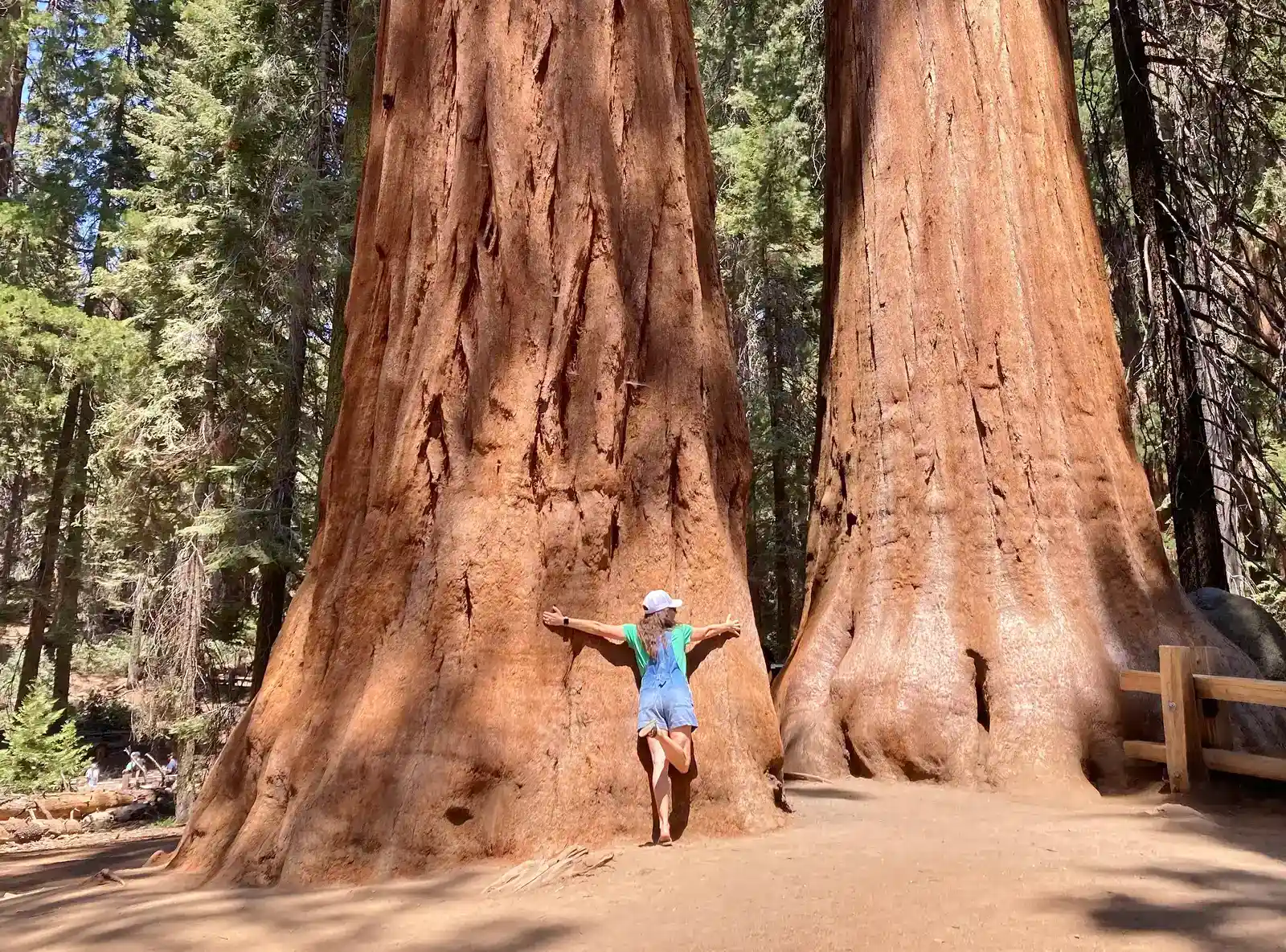
Giant sequoias, cousins of the coast redwoods, might not be the tallest trees on Earth, but they are arguably the largest living organisms by volume. Their prehistoric lineage can be traced back through fossil records that show sequoia-like trees growing across a wide swath of prehistoric North America and beyond. What we see now in small pockets along the western slopes of the Sierra Nevada are the last scattered chapters of a story that began in deep geological time.
Individual sequoias can live for more than three thousand years, surviving everything from wildfire to drought thanks to their thick, insulating bark and deep root systems. The wild thing is that they actually need fire – low to moderate intensity burns help open their cones and clear ground for seedlings. Standing at the base of one of these giants, you’re not just looking at a big tree; you’re staring at a living timeline that started before written language existed, shaped by ancient fire regimes that humans are only just starting to understand again.
Bald Cypress: Swamp-Dwelling Survivors of Ancient Wetlands
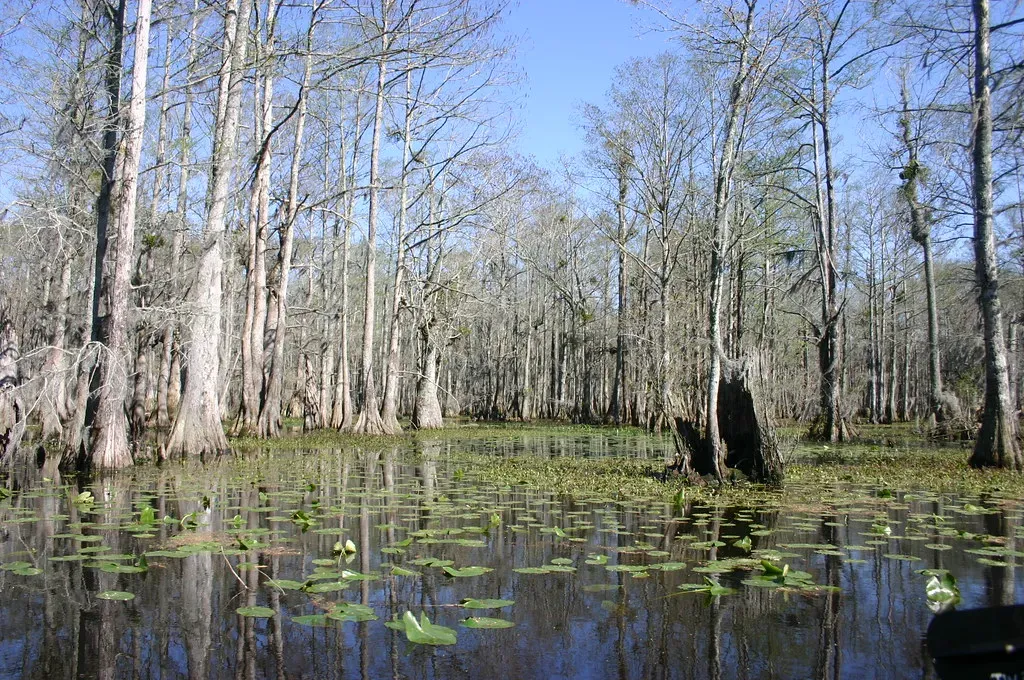
The bald cypress haunts the swamps and bayous of the southeastern United States like an old ghost that refuses to leave. Its lineage reaches back into prehistoric wetland ecosystems that once covered much larger areas of North America. Fossil evidence of cypress-like trees shows they were already doing their swamp thing long before humans ever set foot in the Americas, thriving in warm, soggy, low-oxygen soils that would kill many other plants.
These trees are famous for their flared trunks and “knees” – curious root-like projections that poke out of the water around them. Scientists still debate exactly what the knees do, but they likely help with stability or gas exchange in flooded soils. Some bald cypress individuals have been dated to more than one thousand years old, quietly outliving generations of people and weathering hurricanes, floods, and land-use changes. When you see a ring of weathered cypress knees around a hulking trunk in still, tannin-dark water, it feels like stumbling into a piece of prehistory that forgot to vanish.
Ginkgo (Maidenhair Tree): The Dinosaur-Era “Living Fossil”
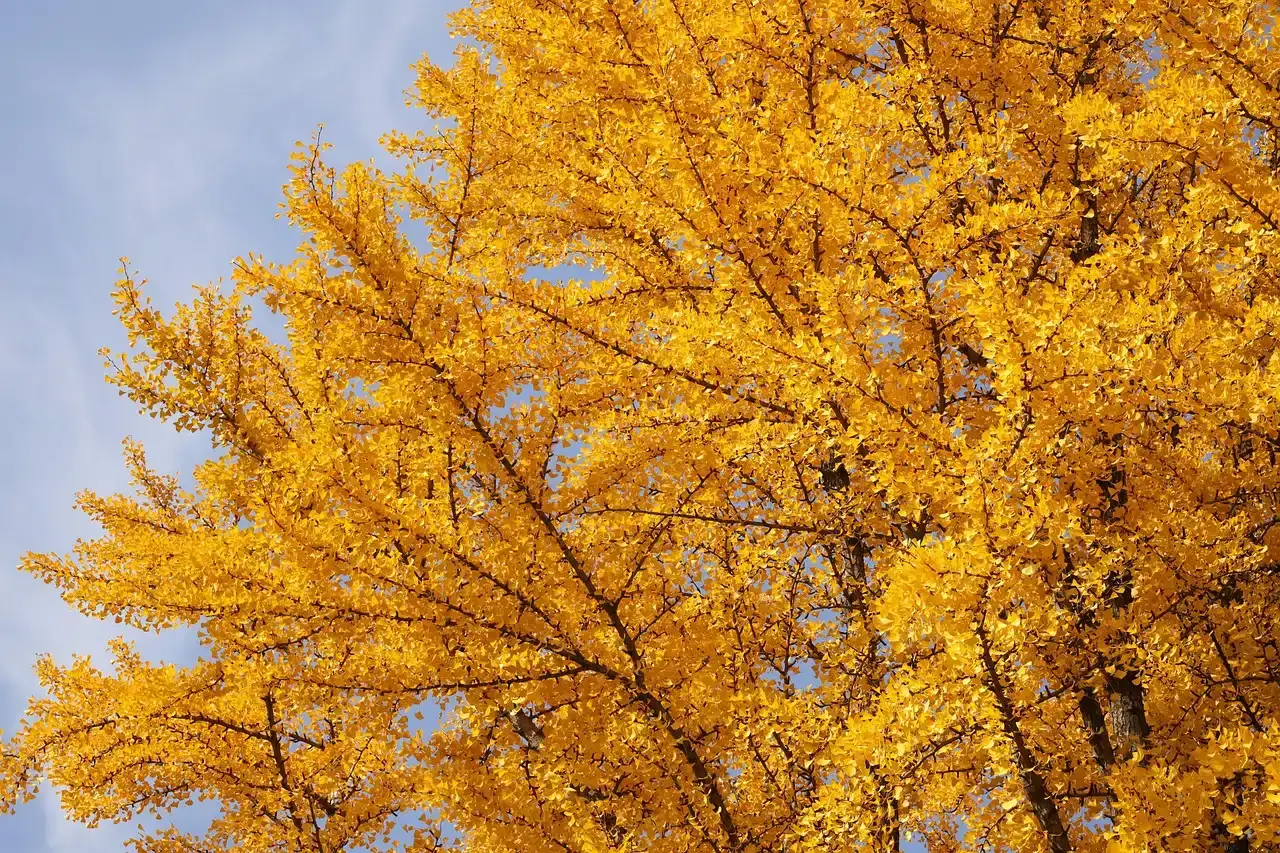
Even though the ginkgo is more iconic in East Asia today, it has a deep fossil footprint in prehistoric North America and across the Northern Hemisphere. Ginkgo relatives were once widespread during the time of the dinosaurs, long before modern pines, oaks, or maples took over. The tree we now know, with its fan-shaped leaves and quirky two-lobed pattern, is often called a living fossil because the modern species looks remarkably similar to ancient fossils tens of millions of years old.
In North America today, ginkgos are mostly found as planted street and park trees rather than in wild native stands, but from an evolutionary perspective that hardly matters. Every time you kick through a pile of golden ginkgo leaves on a city sidewalk in autumn, you are literally interacting with a lineage that survived mass extinctions, shifting continents, and massive climate swings. I still remember the first time someone told me that dinosaurs might have walked under very similar trees; suddenly that everyday city tree looked less like landscaping and more like a quiet time traveler disguised in plain sight.
Dawn Redwood: Once Thought Extinct, Now a Resurrected Relic
The dawn redwood has one of the most dramatic comeback stories in botany. For a long time it was known only from fossils that showed it growing widely across prehistoric North America and Eurasia. Paleobotanists assumed it had gone extinct millions of years ago, another casualty of changing climates and shifting ecosystems. Then, in the mid twentieth century, living dawn redwoods were discovered in remote valleys in China, turning a “fossil” into a real, breathing tree species again.
Since then, dawn redwoods have been widely planted in North America as ornamentals and in arboretums, where they stand as living links to prehistoric forests that once covered the continent. Unlike their massive coast redwood cousins, dawn redwoods are deciduous conifers, shedding their feathery needles each fall in a soft, bronze-colored cascade. Seeing one in a park, especially if you know its story, feels oddly moving: a species that stepped out of the fossil record and back into our everyday lives, reminding us how fragile and lucky survival can be.
Douglas-Fir: An Ancient Evergreen That Defined a Continent
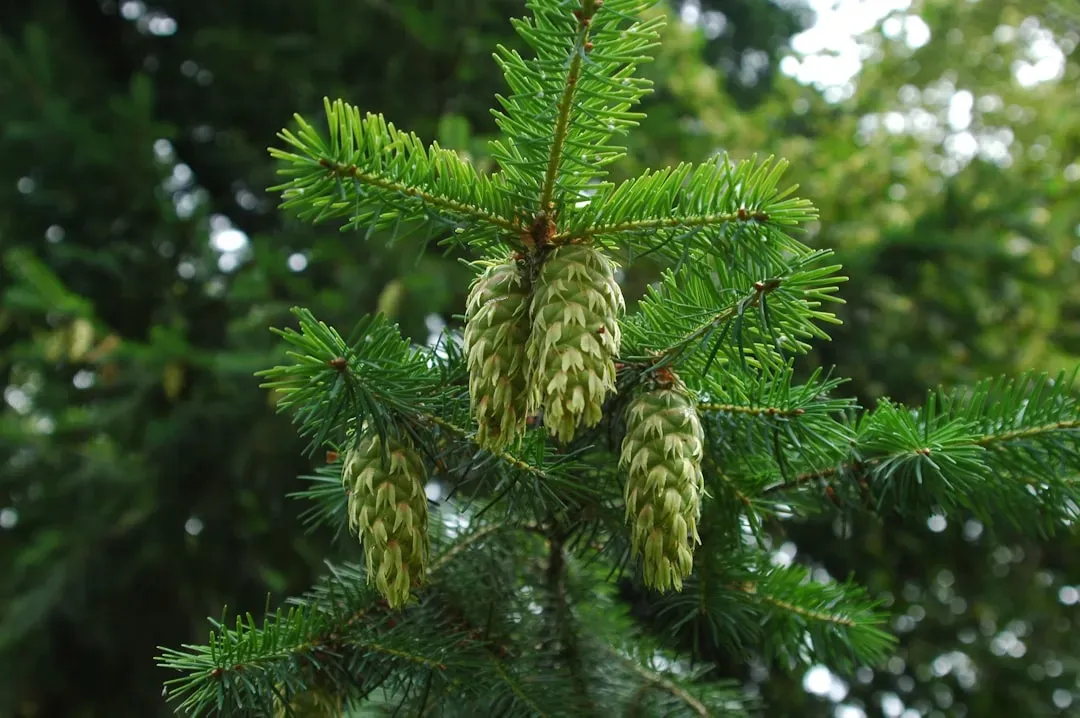
The Douglas-fir might seem like a very modern, almost industrial tree to many people in western North America, thanks to its heavy use in construction and logging. But its lineage belongs to an old group of conifers that rose to prominence long before modern broadleaf forests dominated the landscape. Fossil relatives of Douglas-fir appear in prehistoric deposits, showing that its broader family was already established when early humans were just beginning to spread around the globe.
In the wild, Douglas-firs can live for many centuries, with some individuals reaching well over a thousand years in less disturbed forests. They shape entire ecosystems – supporting diverse fungi, wildlife, and plant communities, and forming the backbone of iconic coastal and montane forests along the Pacific Northwest. I think of them as the quiet workhorses of deep time: not as visibly ancient as bristlecones or as dramatic as redwoods, but carrying a very long history inside their wood and needles that most of us never notice as we walk beneath their dense, shadowy crowns.
Eastern White Pine: A Prehistoric Lineage Behind an Iconic Tree
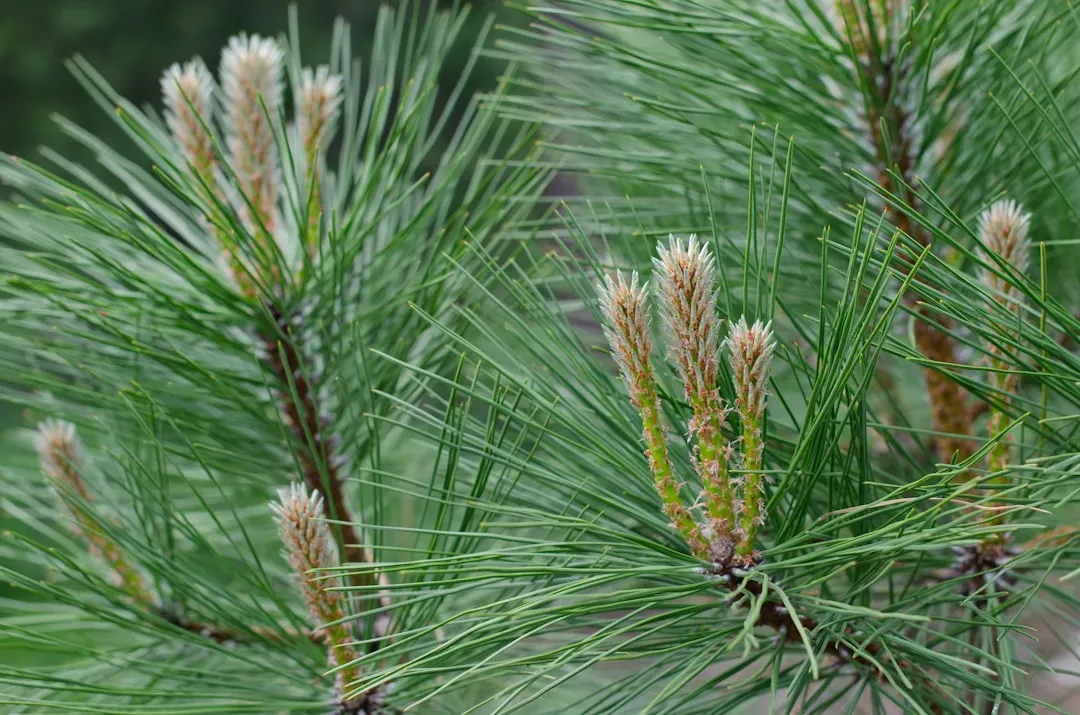
The eastern white pine is one of those trees that feels deeply woven into the story of eastern North America, both ecologically and culturally. Long before European colonization – and long before that, in prehistoric times – its pine ancestors were major players in northern forests across the continent. Its broader pine lineage turns up repeatedly in the fossil record, tied to ancient glacial advances and retreats, recovering quickly from disturbance and reshaping landscapes after fire and ice.
Individual eastern white pines can reach impressive ages and heights when left alone, with older trees towering far above mixed hardwood forests like narrow steeples. Historically, these giants were cut heavily for ship masts and timber, so most people today only see second- or third-growth stands. Still, when you find one of the rarer old-growth white pine groves, the mood shifts: the long, soft needles and high, airy crowns create a cathedral-like feeling. It is humbling to realize that this “ordinary” tree is the modern face of a family that has been writing its story since long before there was a human audience to witness it.
Conclusion: Living With Ancients in a Changing World
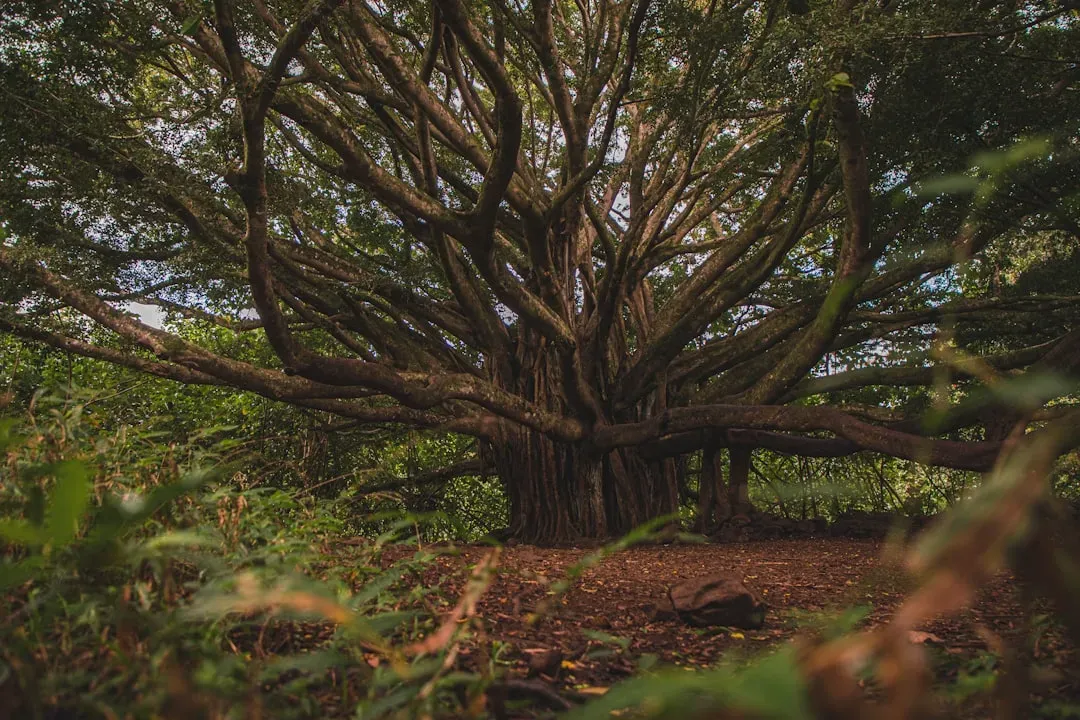
Once you realize how ancient these trees and their lineages are, it is hard to walk through any forest the same way again. You start to notice how many of our daily surroundings – city parks, mountain trails, roadsides – are populated by species that have already survived climate shifts far more dramatic than anything our written history records. At the same time, it would be naive to assume they can simply shrug off whatever we throw at them now; rates of change, habitat loss, and new stresses are often faster and more chaotic than anything they have faced before.
My own opinion is that calling these trees “resources” first and “ancients” second gets the story backward. They are not just raw material or background scenery; they are long-lived partners in a shared experiment that has been running since before our species existed. Treating them with more respect – protecting old-growth stands, restoring damaged forests, and planting with deep time in mind – is less about nostalgia and more about basic survival wisdom. After all, when the world feels unstable, listening to the organisms that have already weathered millions of years of upheaval seems like the most rational move we could make. Which of these ancient trees will you see differently the next time you pass by?