Close your eyes and think of a dinosaur. Odds are, you instantly hear that chilling, drawn‑out roar from a blockbuster movie echoing in your head. It sounds huge, ancient, and terrifying… but it is also completely made up. The truth is, nobody on Earth has ever heard a real dinosaur, and the best science we have suggests their voices may have been far more subtle, strange, or even underwhelming than the cinematic screams we have grown up with.
That disconnect between science and sound design is fascinating. On one side, you have paleontologists digging up delicate bones, analyzing fossilized airways, and comparing dinosaurs to modern birds and reptiles. On the other, you have sound designers layering lions, tigers, alligators, donkeys, and who‑knows‑what‑else to make something that “feels” right on a giant screen. When you realize how wide that gap is, you start to see dinosaur movies in a totally different way.
The Big Roar Problem: Why Hollywood Had to Completely Invent Dinosaur Voices
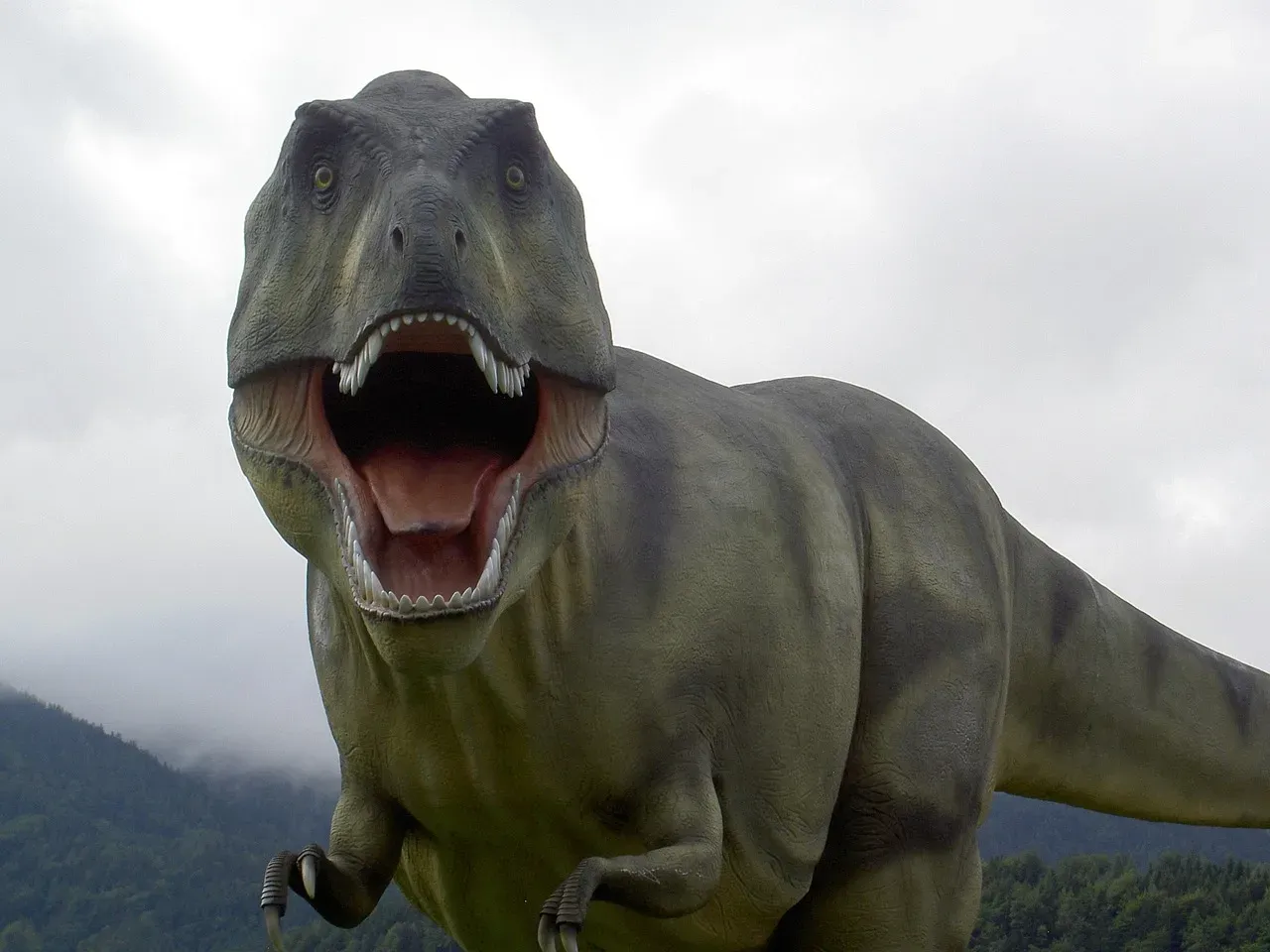
When Hollywood first started putting dinosaurs on screen, there was a basic problem: there is no audio fossil record. Bones can tell you a lot about how an animal moved and sometimes even how it breathed, but they do not store sound the way old vinyl stores a song. Filmmakers were staring at enormous skeletons in museums and had to answer one giant question with zero hard evidence: what does this thing sound like?
To solve that, they did what movies do best: they faked it convincingly. Early films used whatever animal noises they could twist into something monstrous, then modern blockbusters took that to a new level with digital layering and heavy processing. The goal was never to be scientifically precise; it was to make audiences feel awe and fear. That is why the movie version of a dinosaur roar often tells you more about human psychology than prehistoric reality.
What Fossils Actually Tell Us About How Dinosaurs Might Have Sounded
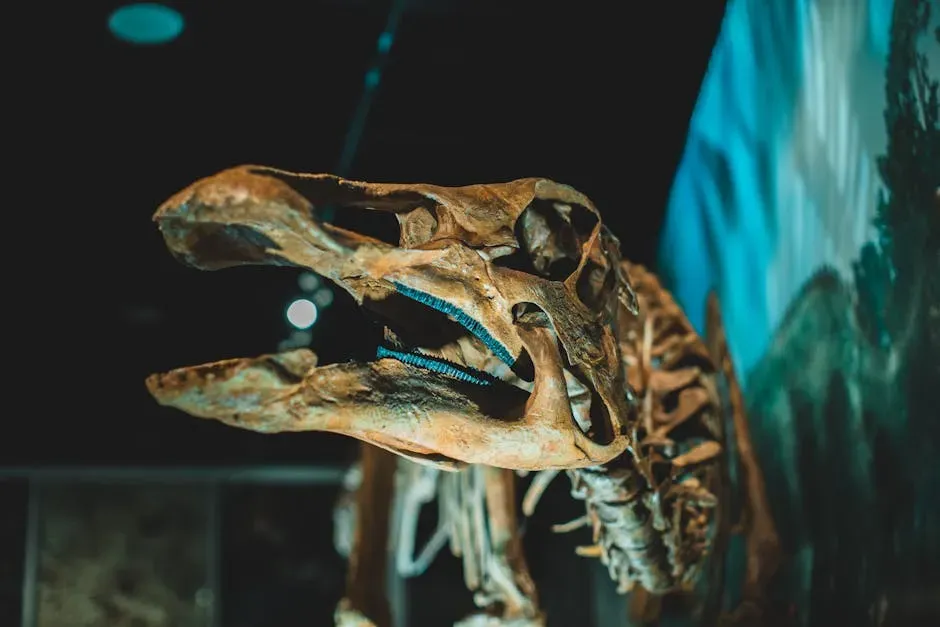
Even though we do not have recordings, fossils are not totally silent. In some rare cases, scientists have found preserved structures related to breathing and sound production, like parts of the windpipe or the bones that supported air sacs. In a few duck‑billed dinosaurs, for example, researchers have studied fossilized skull crests like built‑in musical instruments and used them to model what their calls might have sounded like.
On top of that, we can infer a lot from anatomy and evolution. Dinosaurs were not magical alien beasts; they were animals, with lungs, throats, and mouths shaped by natural selection. By looking at what their closest living relatives use for sound – birds on one branch, crocodilians on the other – scientists can build educated guesses about the kinds of noises dinosaurs could plausibly make. Those guesses do not sound much like the classic cinematic roar.
Birds, Crocodiles, and the Strange Family Tree of Dinosaur Sounds
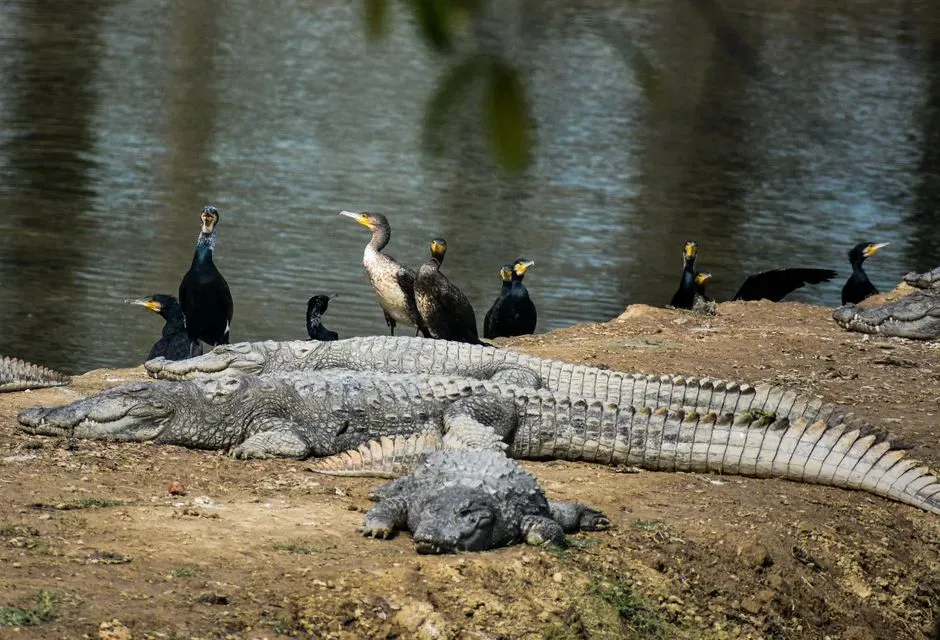
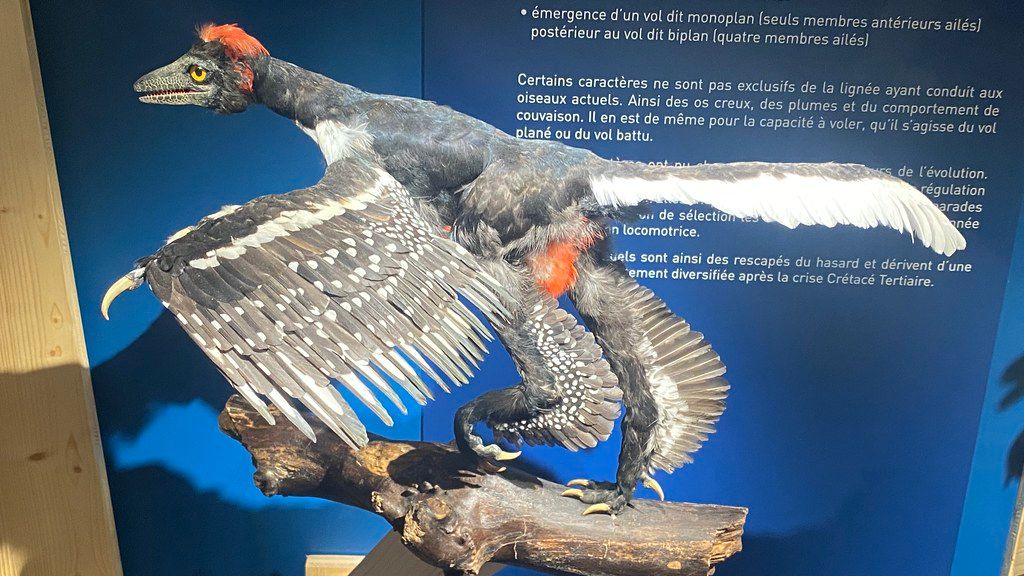
Here is the twist that still surprises people: birds are literally living dinosaurs. They share a direct evolutionary line with theropods, the same large group that includes famous names like Tyrannosaurus. On the other side of the family tree are crocodilians, which are not dinosaurs themselves but are close cousins. If you want a reality‑based preview of dinosaur noises, these two groups are your best guides.
Birds and crocodilians make a huge variety of sounds, and many of them are not open‑mouthed roars at all. Think of deep, booming calls from large birds or low, chest‑shaking rumbles that crocodiles produce using air in their bodies. Some of these sounds are more felt than heard. This makes one plausible picture of dinosaurs as animals that produced low, resonant, sometimes even musical calls, more like distant thunder or bass speakers than a lion‑style roar.
Closed Mouth Calls: Why Real Dinosaurs Might Have Rumbled Instead of Roared
There is growing evidence that many large prehistoric animals, including some dinosaurs, may have used closed‑mouth vocalizations. That means they pushed air through internal structures like resonating sacs or expanded throats while keeping their jaws mostly shut. Modern examples include pigeons, ostriches, and crocodiles, which often inflate their neck or body and emit deep booms rather than dramatic screams.
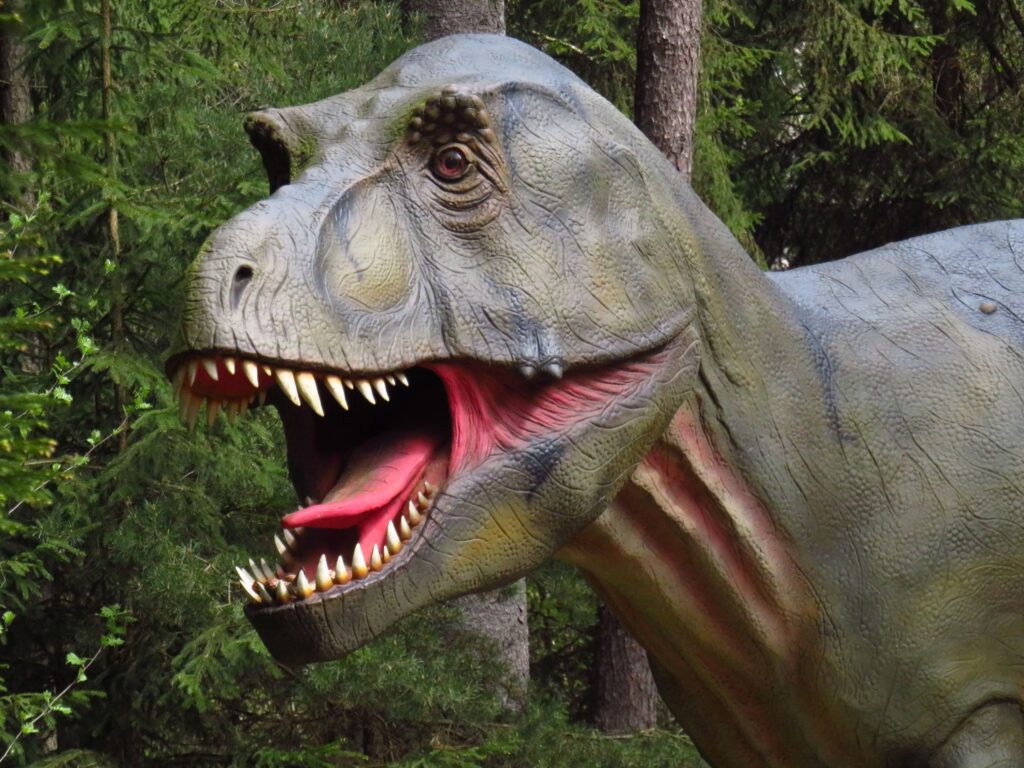
If big dinosaurs did something similar, the result would feel very different from Hollywood’s open‑mouth shrieks. Imagine a massive animal standing still, chest and throat swelling as a low‑frequency rumble rolls across the landscape like a distant train. It might be unnerving, but it would not be the high‑pitched, razor‑edged roar we associate with movie monsters. In a realistic film, a T. rex scene might be more like a subwoofer test than a jump scare.
How Sound Designers Actually Build Those Iconic Dinosaur Roars
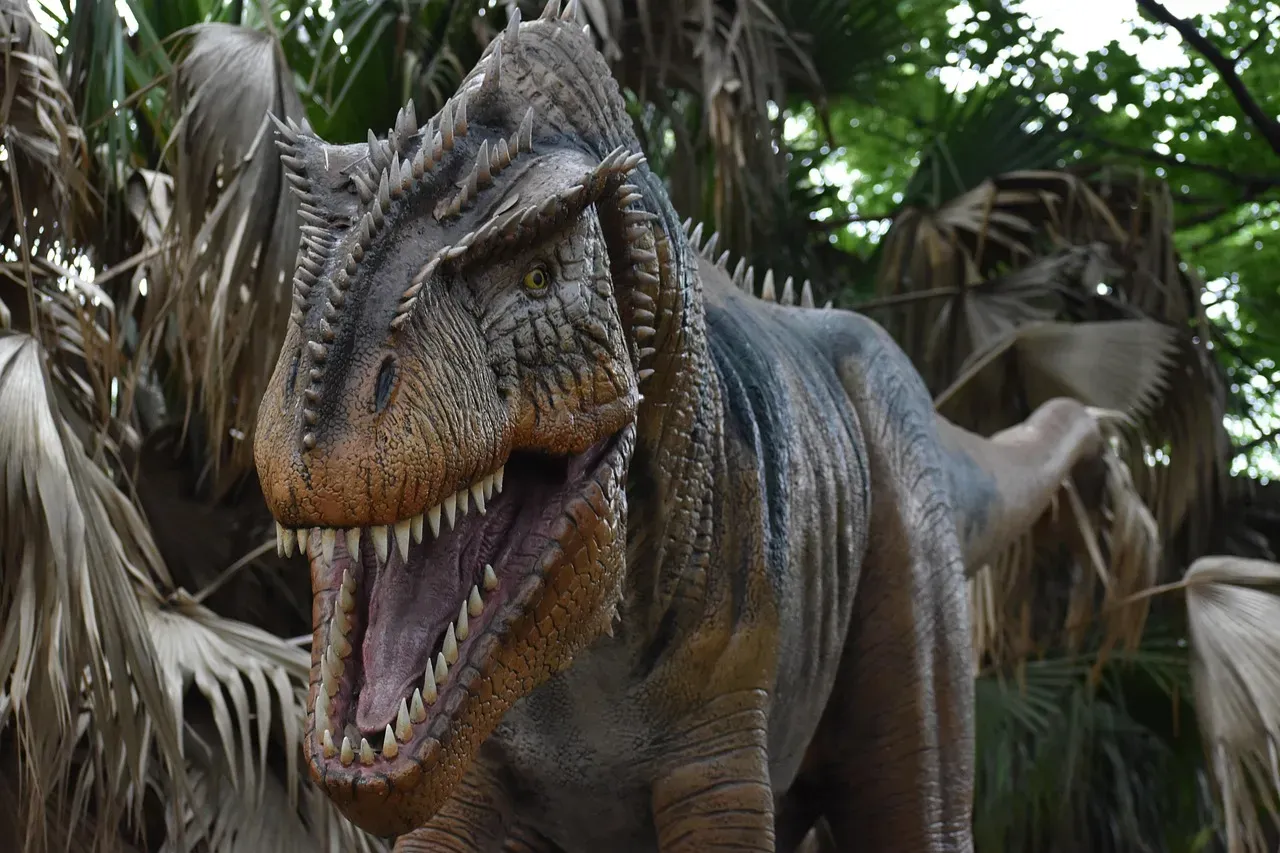
Because science does not give a clear audio reference, sound designers are free to get wildly creative – and they absolutely do. Behind the scenes, a single screen roar is usually stitched together from several real animals layered on top of each other. You might have a big cat for aggression, an elephant or alligator for deep power, maybe some altered bird call for a strange, alien edge. Then everything gets stretched, pitched, and filtered until it feels right for a creature the size of a bus.
I still remember the first time I learned that some famous “dinosaur” sounds in movies come partly from tiny, harmless animals whose calls were slowed down and twisted beyond recognition. It completely changed how I listened. Once you know that, you start hearing the design choices: a little lion snarl here, a bit of alligator hiss there. It is impressive craftwork, but it is closer to building a fantasy monster voice than reconstructing a lost ecosystem.
If Movies Used More Realistic Dinosaur Sounds, the Vibe Would Change Completely
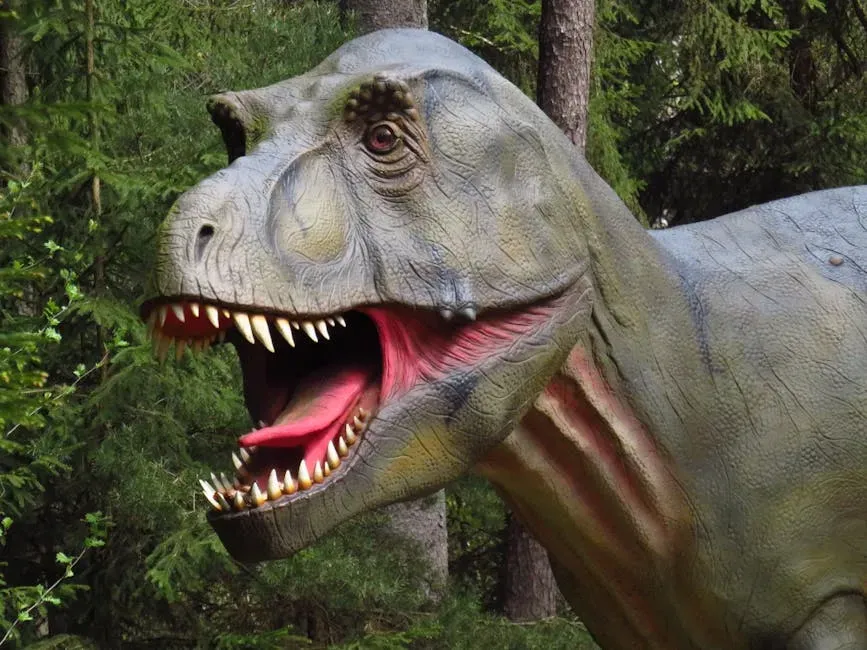
Imagine a big chase scene where a massive carnivore steps out of the trees. Instead of a piercing, wall‑shaking roar, you hear a low pulse that you feel in your chest more than your ears, maybe mixed with breathy huffs or short, percussive grunts. That would still be intense, but it would play more like suspense or dread than the in‑your‑face jump scares we are used to. The whole tone of dinosaur cinema would shift from loud horror toward eerie realism.
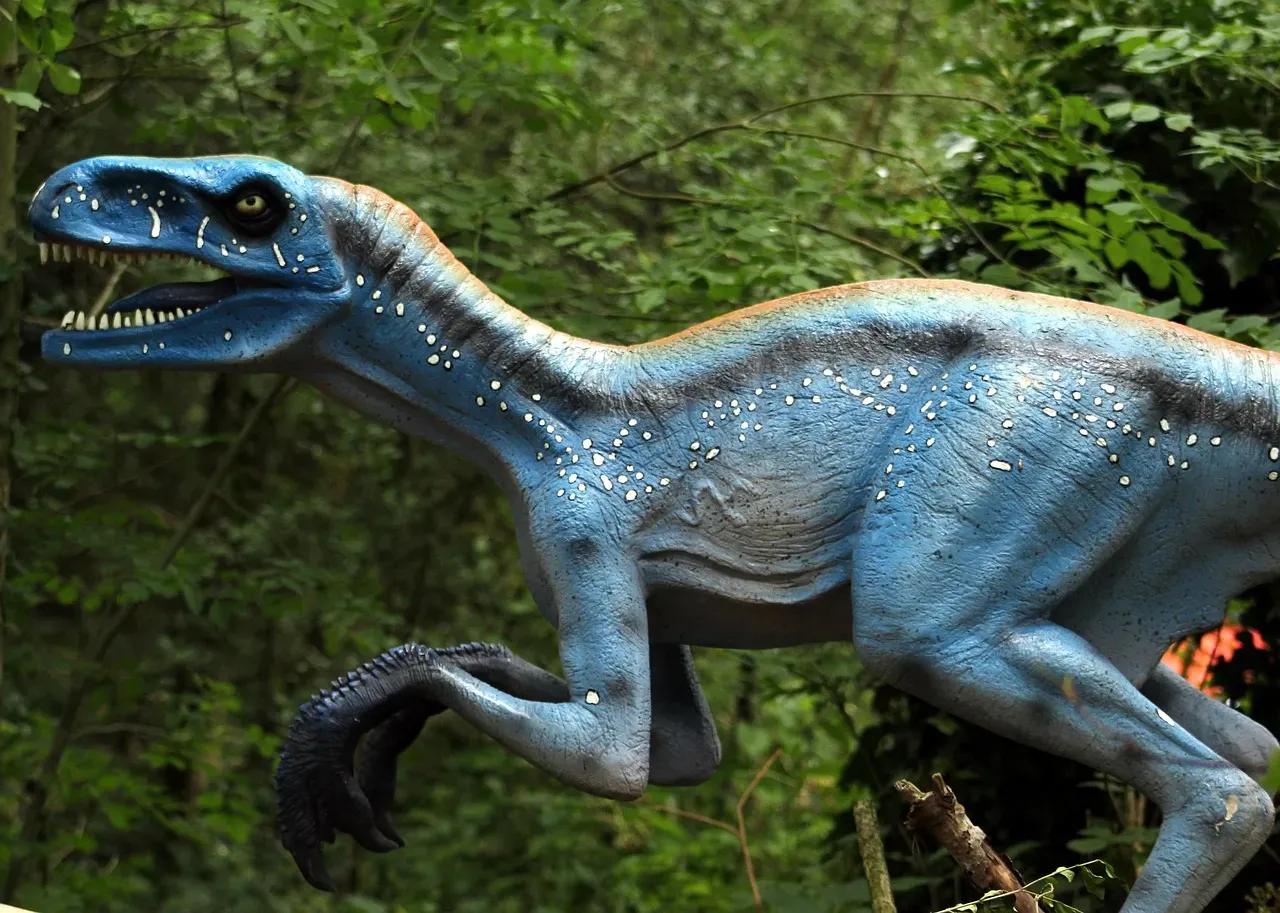
There is also a good chance that some dinosaur calls – especially from smaller or more social species – were surprisingly bird‑like. That might mean chirps, honks, whistles, or complex songs used for mating, territory, or communication within herds. Picture a vast Cretaceous plain filled not with monster screams but with layered bird‑style calls on a gigantic scale. It would feel more like a strange alien jungle soundtrack than a monster movie, and studios might worry audiences would not take it seriously enough.
Silence, Subtlety, and the Emotional Power of a Quieter Dinosaur
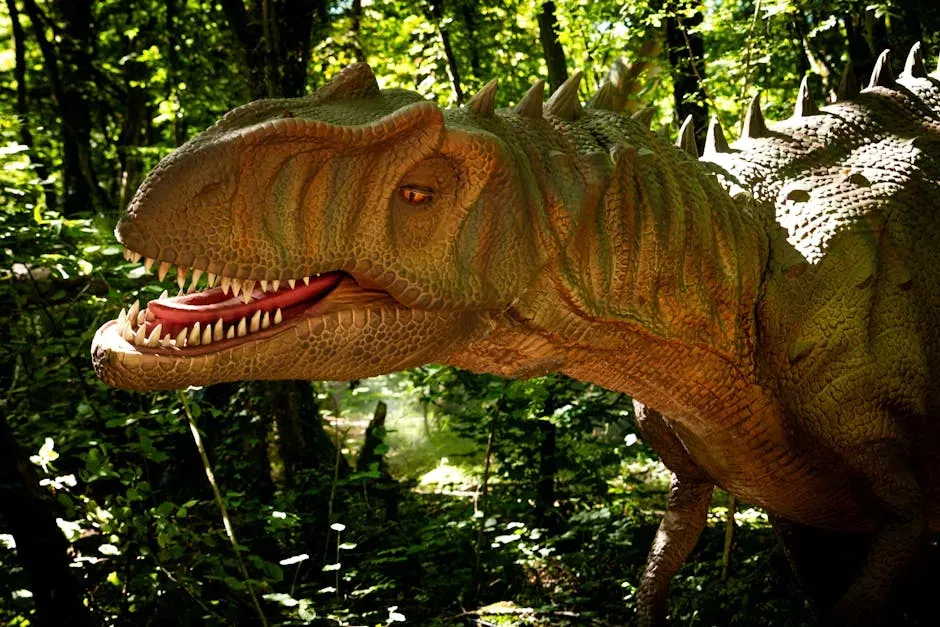
One thing movies almost never lean into is how quiet big animals can be when they are not trying to advertise themselves. In nature, constantly roaring is a good way to burn energy and attract trouble, so many large predators vocalize only when they need to. Dinosaurs likely had similar pressures. Day to day, they may have relied much more on body language, scent, posture, and short, practical sounds than on dramatic vocal performances.
From a storytelling standpoint, that subtlety could be incredibly powerful. A dinosaur slowly emerging in total silence, only the sound of its weight shifting and breath rasping in the air, can be far more disturbing than any Hollywood roar. The problem is that silence is harder to market in a trailer. Studios want that one big sound that sells the creature in two seconds, even if it means discarding what we know about animal behavior and leaning into pure spectacle.
Why Hollywood Will Probably Keep Lying About Dinosaur Sounds – and Why That’s Not All Bad
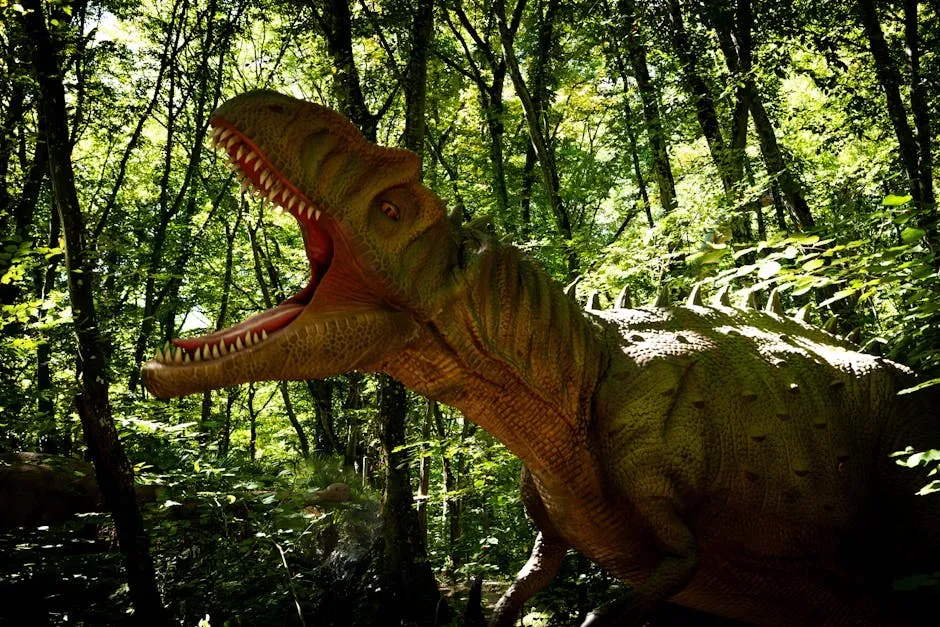
As much as I love scientific accuracy, I think it is worth being honest: those fake dinosaur roars are fun. They are cultural icons in their own right, burned into collective memory and endlessly quoted, imitated, and remixed. Changing them to match current scientific thinking would risk losing some of that magic and might even disappoint people who have grown up with a particular expectation of what a dinosaur “should” sound like. The emotional truth has overtaken the scientific unknown, and Hollywood is not eager to let it go.
At the same time, I would argue that filmmakers are missing a massive creative opportunity by clinging so tightly to the traditional roar. A movie that leaned into realistic possibilities – closed‑mouth booms, chest‑rattling rumbles, eerie bird‑style calls – could feel fresher, stranger, and more unsettling than anything we have now. It would challenge our assumptions instead of just reinforcing them. Maybe the next truly great dinosaur film will not be the one that screams the loudest, but the one that dares to sound almost uncomfortably real. If you could choose, would you rather keep the mythic roar we all know, or hear the unnerving quiet of what they might actually have been?