There’s something oddly funny about how Hollywood keeps doing the same thing with prehistoric life: it finds a genuinely wild animal from Earth’s past… and then makes it less interesting. Extra spikes here, missing feathers there, teeth where there should be lips – the result is a parade of movie monsters that look cool on posters but barely resemble the real creatures that once walked, swam, or flew across this planet.
What makes this almost tragic is that the actual science is usually more dramatic, not less. The way these animals hunted, strutted, displayed, and sometimes blundered through their ecosystems is already pure cinema. Once you peel away the clichés and outdated designs, you get something far stranger and more beautiful than the rubber-suited brutes we keep seeing on screen.
T. rex: Not a Roaring, Naked Monster, but a Powerhouse With Lips and Probably Subtlety
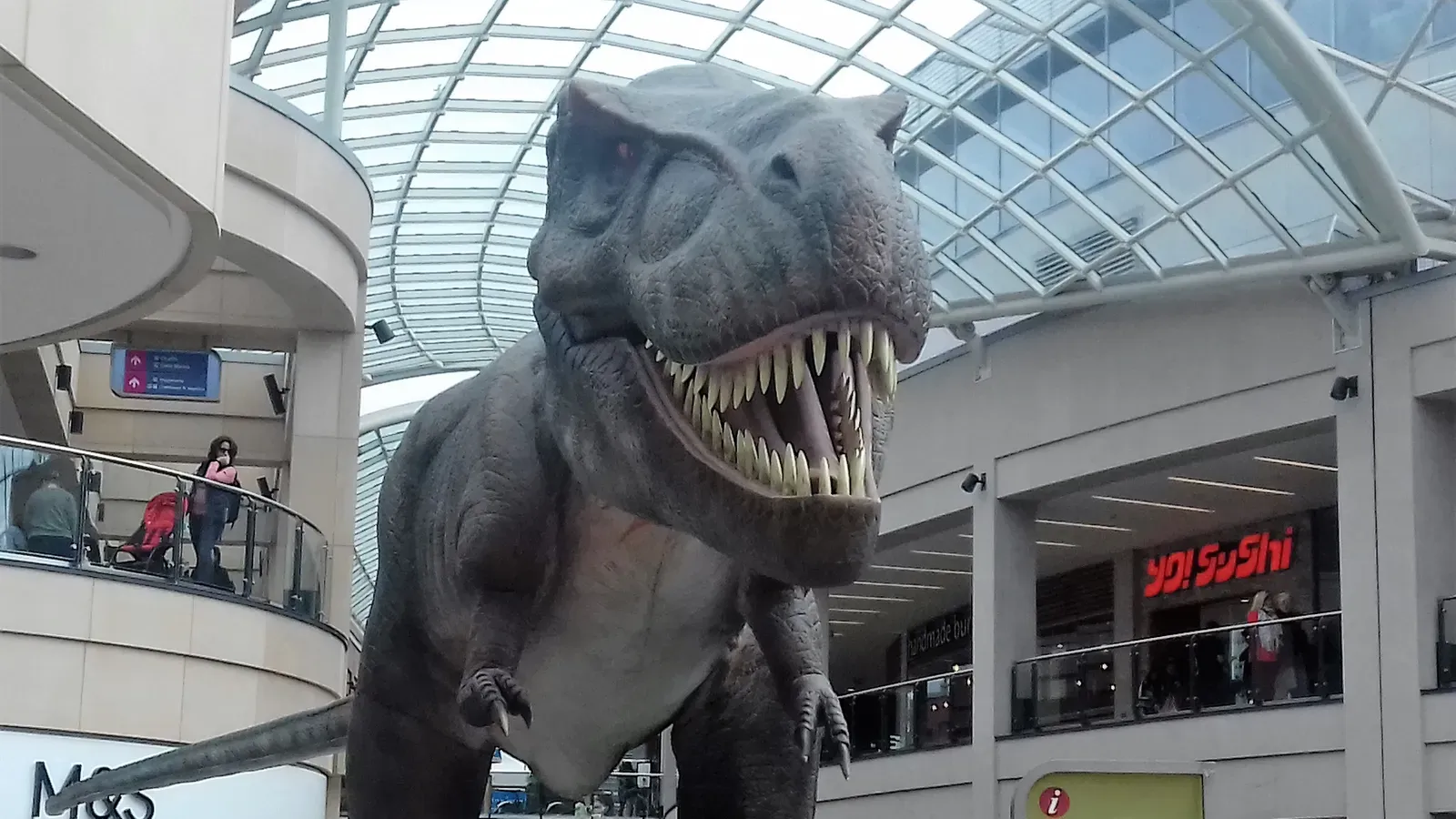
The movie version of Tyrannosaurus rex is basically a dinosaur-shaped dragon: permanently roaring, teeth hanging out even with its mouth closed, and running like a greyhound. Real T. rex, as best we can tell from anatomy and modern research, probably had lips that covered its teeth when the mouth was shut, much like large lizards today. That single detail alone makes its face less skull-like and more alive – more of a thinking predator than a mindless beast.
On top of that, there’s good evidence it was not sprinting at highway speeds but moving with heavy, deliberate power. Its tail balanced a massive body, its eyes faced forward for keen depth perception, and its hearing was likely excellent. Instead of the nonstop-screaming monster we’re used to, imagine a mostly silent, calculating animal, using its senses like a sniper rather than a berserker. That version of T. rex – lips, patience, and all – is far more terrifying than any soundstage animatronic.
Velociraptor: The Naked Movie Raptor vs. the Feathered, Birdlike Real Animal
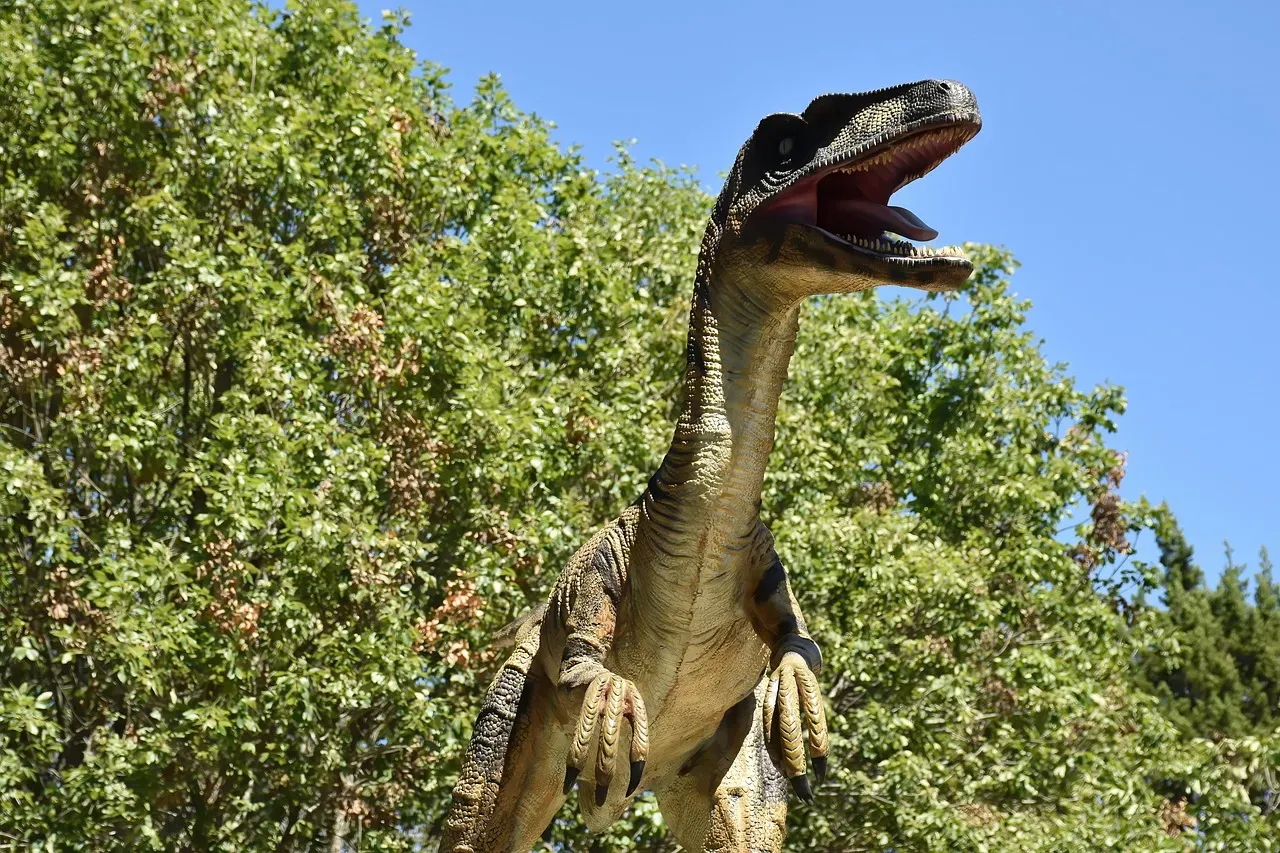
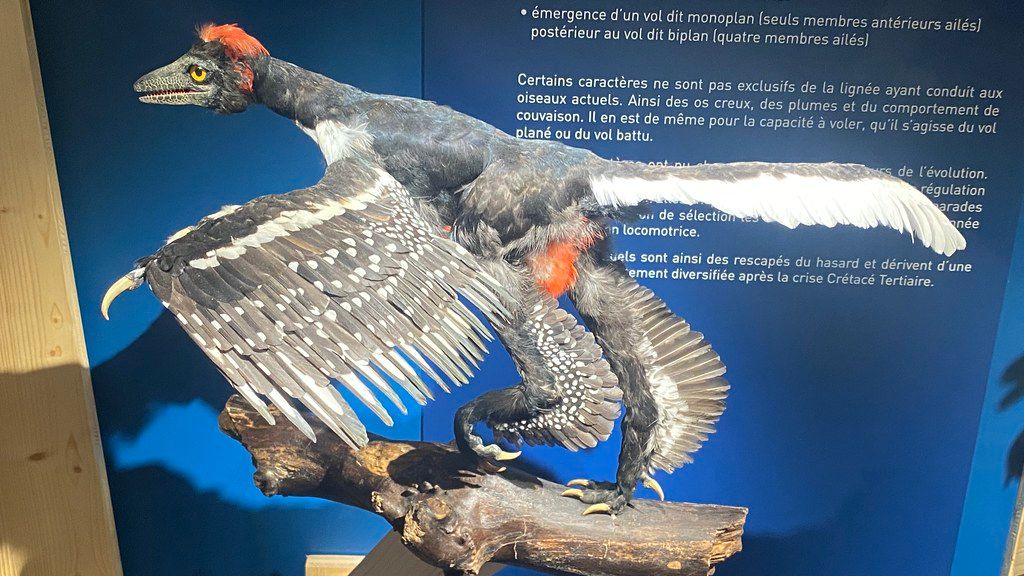
Everyone knows the movie “Velociraptor”: man-sized, scaly, clever girl, opening doors. The real Velociraptor was closer to the size of a big turkey and was covered in feathers, with a long, stiff tail and fully formed wing-like arms. It was not some overgrown lizard, but a hyper-evolved, birdlike predator – closer to an enraged eagle on legs than to a crocodile with sneakers.
Feathers do not make it less scary; if anything, they make it more unsettling. Picture a pack of lean, feathered hunters with expressive tails, flashing color patterns during social displays or territorial fights. Instead of a generic reptilian villain, you get something eerie and agile and unnervingly intelligent, more like a gang of winged street fighters than cold-blooded monsters. Hollywood keeps stripping the feathers off, but the feathered version would be the one you’d least want to meet in a dark canyon.
Spinosaurus: Not a T. rex Clone, but a Semi-Aquatic Super Predator Built for Water
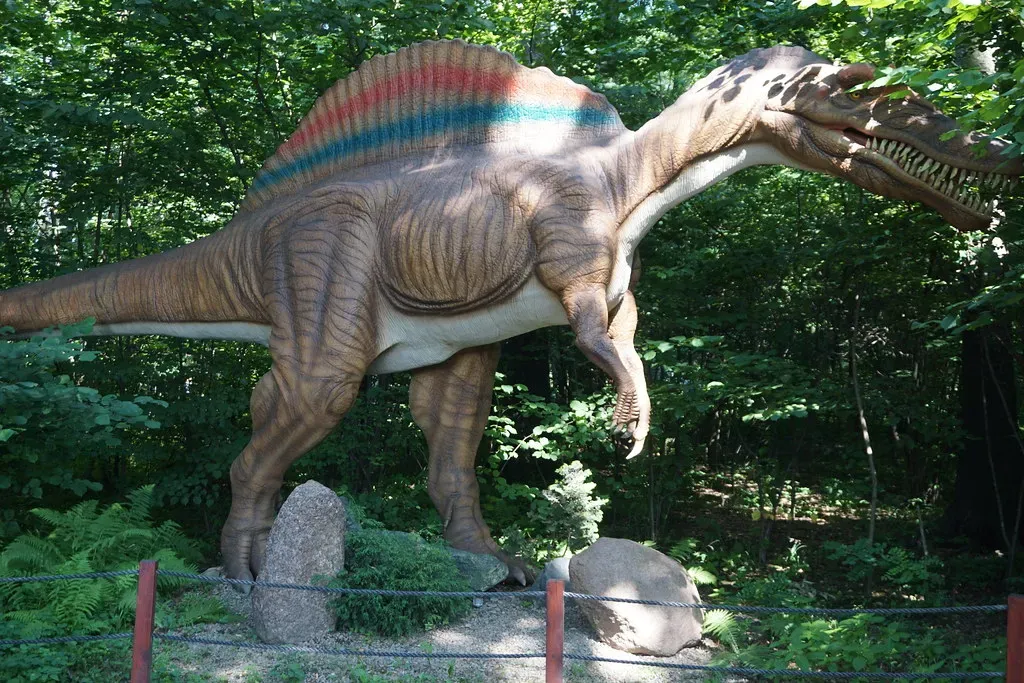
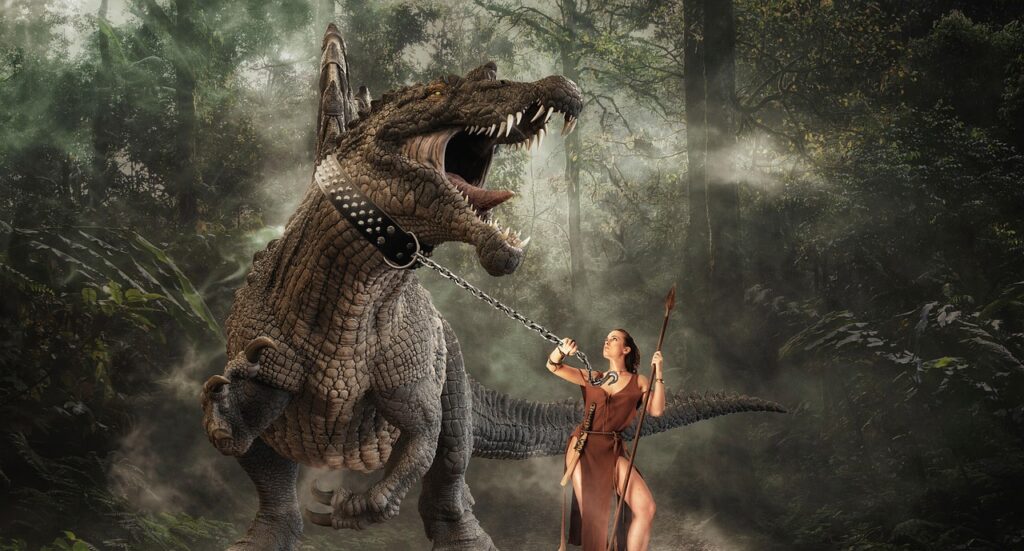
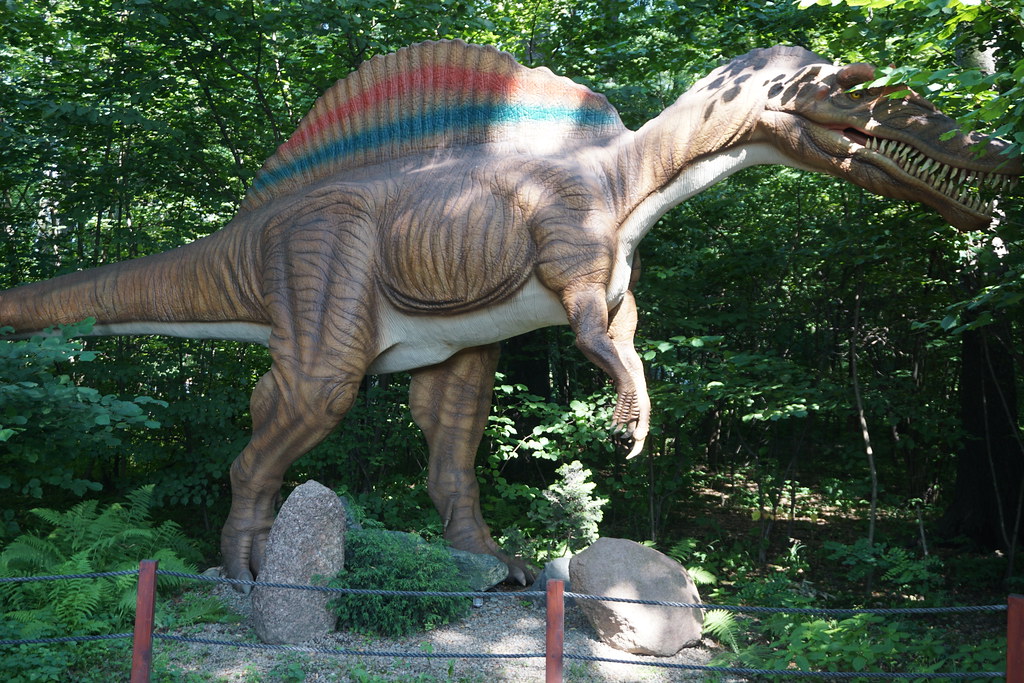
On screen, Spinosaurus is usually just “T. rex, but bigger, with a sail,” stomping around on land and wrestling anything that moves. Modern research paints a much stranger picture: a dinosaur with dense bones, crocodile-like jaws, and a body increasingly interpreted as adapted for a semi-aquatic lifestyle. It likely spent a lot of time in rivers and deltas, chasing fish and ambushing prey the way modern crocodiles and large wading predators do.
Imagine the cinematic potential in that: an enormous animal slipping between land and water, half-submerged like a living submarine, its sail cutting the surface like a fin. Instead of yet another bipedal brawler, Spinosaurus is a horror-film presence lurking just below the murky surface, patient and hidden until it explodes upward. A director leaning into the aquatic angle could turn every river scene into pure tension without needing a single roar-off with T. rex.
Triceratops: More Than a Simple Rhino Tank, a Social, Possibly Flashy Display Animal
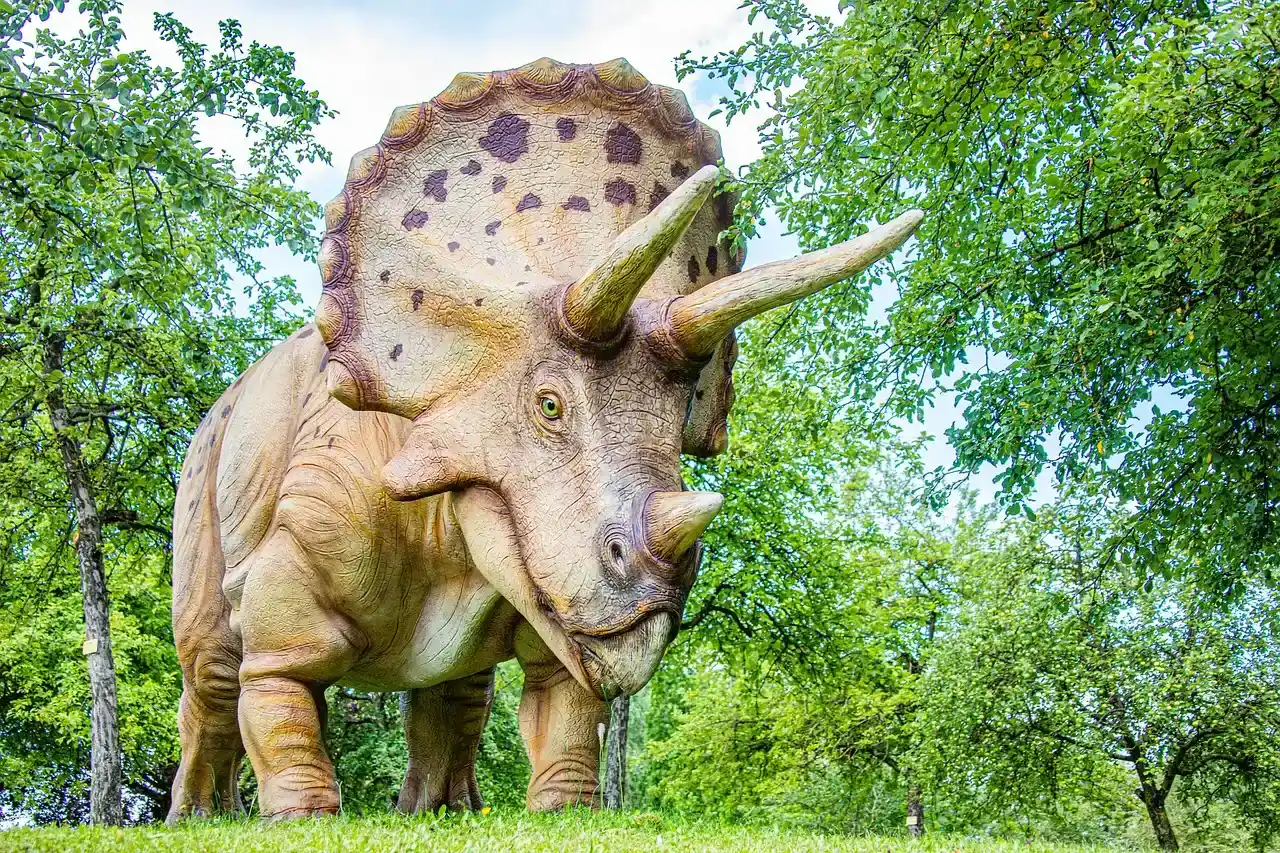
Movies usually treat Triceratops as a living battering ram: head down, charge, crash. While it definitely had serious weaponry in that three-horned skull and shield-like frill, paleontologists increasingly see that frill and horns as playing a big role in social behavior and display. These were not just tools for stabbing; they were also likely billboards for recognition, intimidation, and maybe even species-specific patterns and colors.
That turns Triceratops from a walking bulldozer into a character with nuance. Picture her not just as a tank but as a herd animal, showing off, posturing, and interacting with rivals and allies. Youngsters learning horn etiquette, adults locking horns not just to kill but to dominate, frills flushed with color during mating season – that’s far more cinematic than the usual “background herbivore that occasionally falls over sick.” Hollywood keeps giving it a single note, when it’s got the potential to steal entire scenes.
Pterosaurs: Not Just Flying Lizards, but High-Performance, Fluffy, and Sometimes Giant Aviators
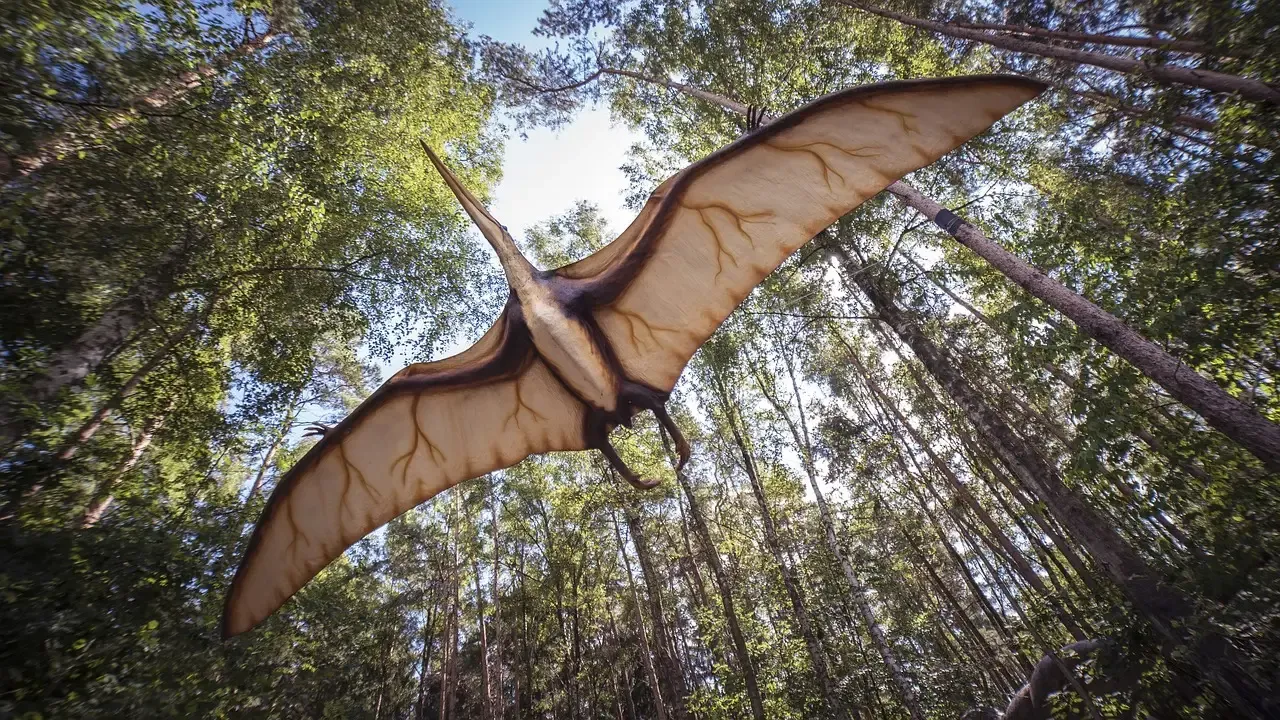
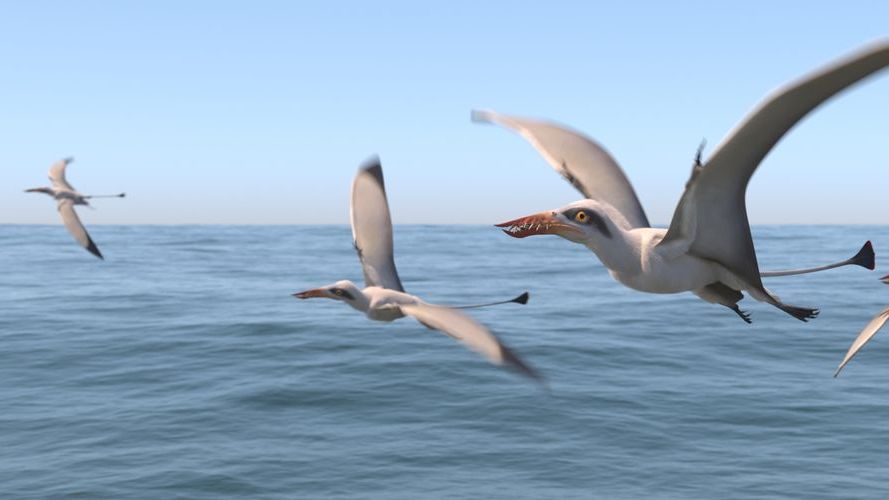
Ask a random movie, and pterosaurs are always the same: leathery-winged dragon things, shrieking as they snatch people off cliffs. In reality, many pterosaurs had a coat of hair-like filaments, giving them a fuzzy appearance, and their wings were intricate structures with muscles, blood vessels, and fine control. Some species were small and delicate, others were the size of small planes, but they all lived in aerodynamic extremes.
Imagine a sky filled with different pterosaurs: some gliding on ocean thermals like giant albatrosses, others sprinting on all fours before launching into the air, their fuzz ruffling in the wind. The giant forms, like the largest known azhdarchids, were towering creatures capable of crossing huge distances, soaring above Cretaceous landscapes with unnerving calm. Instead of treating them like discount dragons, a film that leans into their real diversity and flight abilities could turn the sky itself into an entire ecosystem of tension and beauty.
Saber-Toothed Cats: Not Constantly Roaring Berserkers, but Ambush Specialists With Risky Weapons
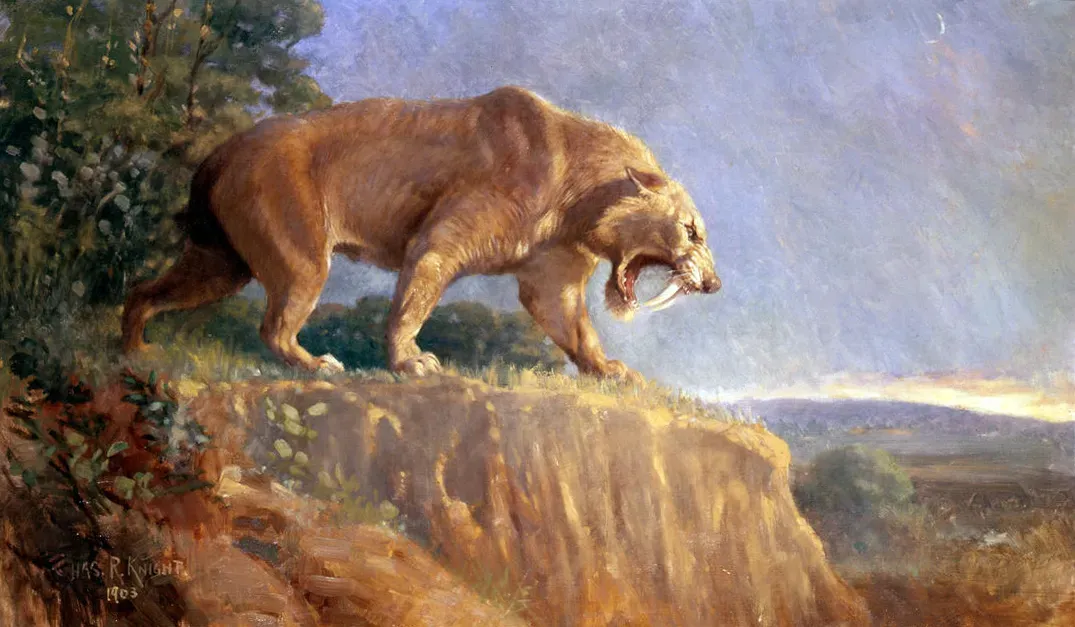
Most depictions of saber-toothed cats, often lumped under the name “saber-toothed tiger,” turn them into generic lion-plus-fangs predators. In reality, animals like Smilodon were built very differently from modern big cats, with incredibly robust bodies, powerful forelimbs, and those long, fragile-looking canines that were probably used in precise killing bites, not wild chomping. They were more like heavyweight grapplers than sprinters, built to pull down large prey and then deliver a careful, devastating strike.
From a cinematic standpoint, this is gold. Instead of nonstop chases across open plains, you’d get slow, nerve-wracking stalking scenes, heavy cats lurking in cover, then sudden close-quarters violence where every move matters because one bad bite could snap those tooth blades. It turns the saber-tooth from yet another big cat into a high-risk, high-reward specialist, living on a knife edge between dominance and disaster. That tension is far more dramatic than the endless roar-and-rip approach we usually get.
Mosasaurus: Not a Giant Crocodile, but a Streamlined, Oceanic Lizard With Shark-Level Presence
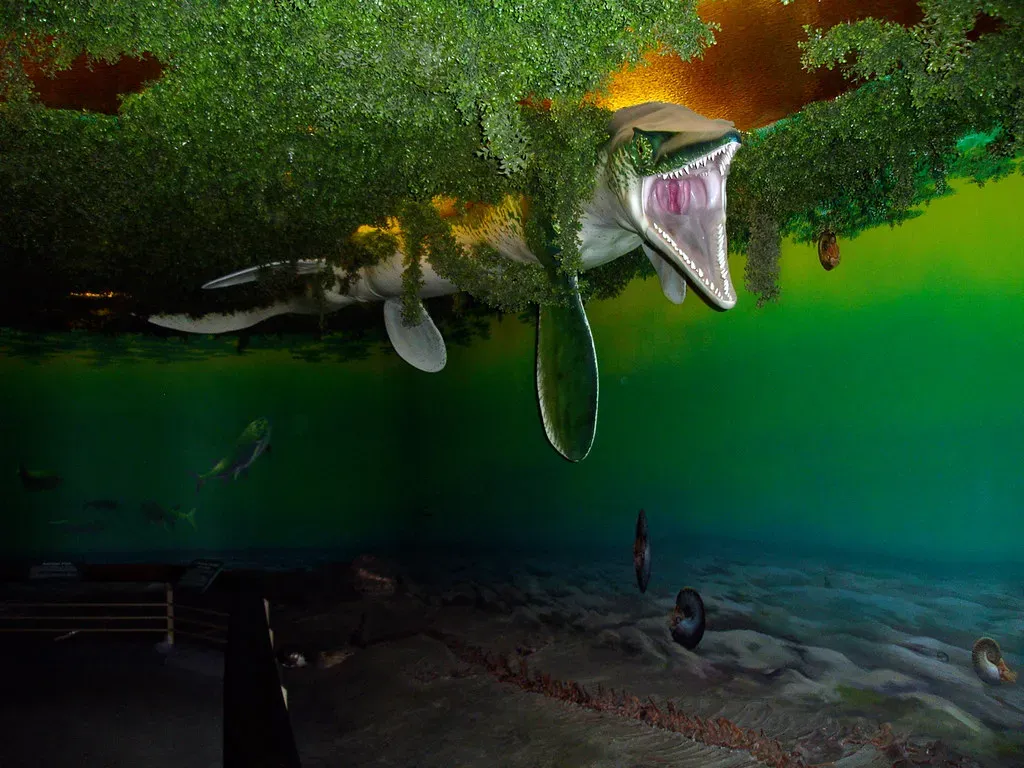
In blockbusters, Mosasaurus tends to be dialed up to absurdity: bigger than it likely was in life, chomping everything from great whites to theme-park attractions, and often moving like a mashup of dolphin and croc. The real animal was a marine lizard, related to monitor lizards, with a long, flexible body, powerful tail, and flippers. It was built for speed and maneuverability in open water, more akin to a reptilian orca in attitude than a sluggish beast.
Picture a hunting sequence that respects that reality: a mosasaur cruising silently through teal water, rolling its body for sudden bursts of speed, ambushing prey from below in a blur. Instead of one overgrown jump-scare, you get a whole visual language of tail-driven movement, surface breaks, and shadows beneath boats or coastal cliffs. The real animal’s elegance, combined with its predatory power, is visually richer than the oversized theme-park monster we usually see.
Ankylosaurus: Not Just Background Armor, but a Living Tank With Strategy and Attitude
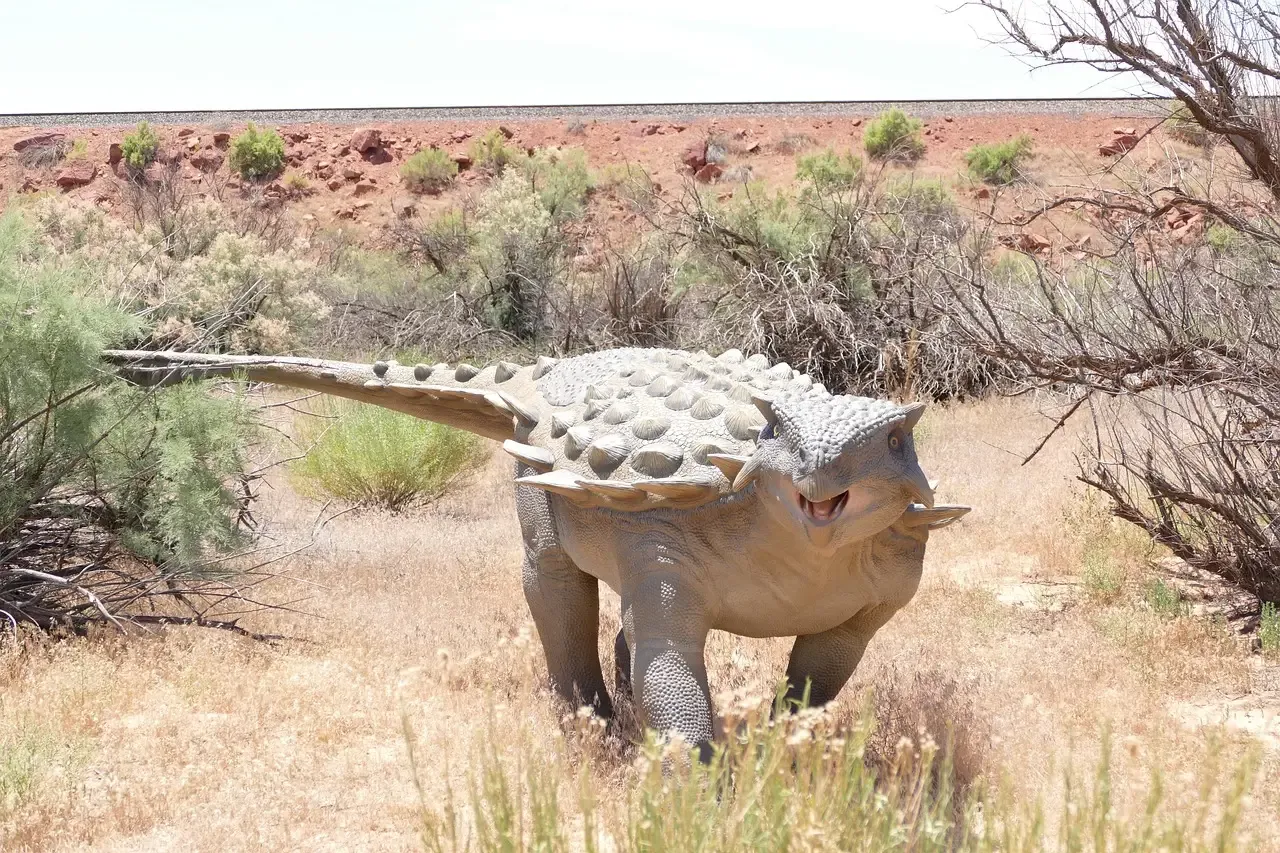
Ankylosaurus often shows up in movies as walking scenery: low to the ground, heavily armored, slowly ambling, sometimes swatted aside by a big predator for drama. But its real anatomy tells a more intense story. This was a dinosaur with a massively reinforced skull, heavy body armor, and a tail club capable of delivering bone-shattering blows. That tail was not decorative; biomechanical studies suggest it could hit with enough force to seriously injure or even cripple an attacker.
A director who leans into that could turn Ankylosaurus into a scene-stealer. Instead of a passive victim, you’d have an animal that chooses when to stand its ground and when to swing, reading the movements of an approaching predator and timing a counterstrike like a seasoned fighter. Picture a silence in the forest broken not by a roar but by the crack of tail meeting bone. That is pure tension and payoff – far more interesting than yet another lumbering extra in the background.
Conclusion: The Real Prehistoric World Is Wilder Than Hollywood’s Monsters
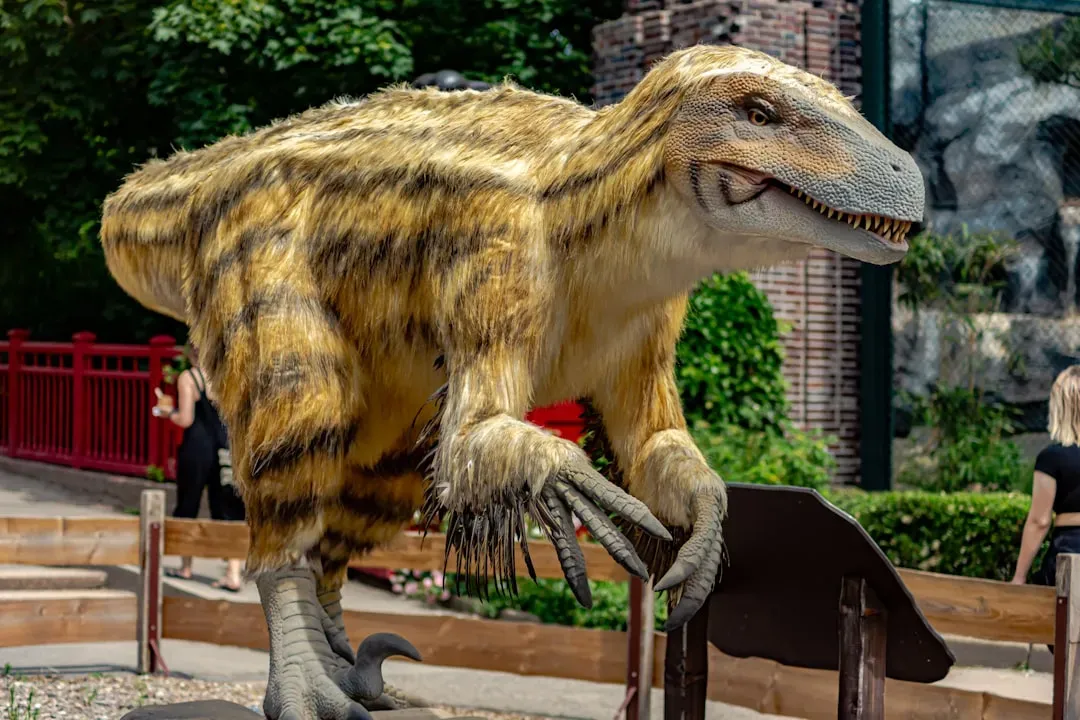
The funny twist in all of this is that the more scientists learn, the more it feels like Hollywood is stuck in the past while the past itself keeps getting more surprising. Feathers, fuzz, lips, colors, social lives, subtle behaviors – the real versions of these animals are not softer, they are stranger, sharper, and more unnerving. When movies cling to the same scaly, roaring stereotypes, they are not just wrong, they are missing out on incredible visual and emotional possibilities.
I honestly think we’re overdue for a big-budget film that dares to go all-in on what we actually know: feathered raptors, lip-covered tyrants, river-stalking spinosaurids, sky-crowding pterosaurs, and armored herbivores that fight back with intent. The science is not a buzzkill; it is a script upgrade waiting to happen. If the real prehistoric world is this weird and cinematic on paper, imagine what it could look like if someone finally had the nerve to show it on screen – which version would you rather watch?