You probably do not put The Land Before Time and Jurassic World in the same mental folder. One is a tear‑jerking, hand‑drawn adventure aimed at kids; the other is a glossy, billion‑dollar franchise about weaponized dinosaurs and theme‑park chaos. But if you quietly ask a few paleontologists which one treats prehistoric life with more respect, you might hear an answer that surprises you.
The truth is slightly uncomfortable for modern blockbuster cinema: that small 1988 animated film often plays much closer to what scientists actually think about dinosaurs and their world than several of the recent Jurassic entries. It is not flawless, of course. Still, in key areas like animal behavior, environments, and even basic anatomy, The Land Before Time lands closer to reality while the Jurassic World movies happily crank the spectacle dial and toss the science out the window. Let’s walk through where the cartoon about an orphaned Apatosaurus quietly outperforms the mega‑franchise about genetic super‑predators.
The Herd Life: Littlefoot’s Family vs Jurassic World’s Lonely Monsters
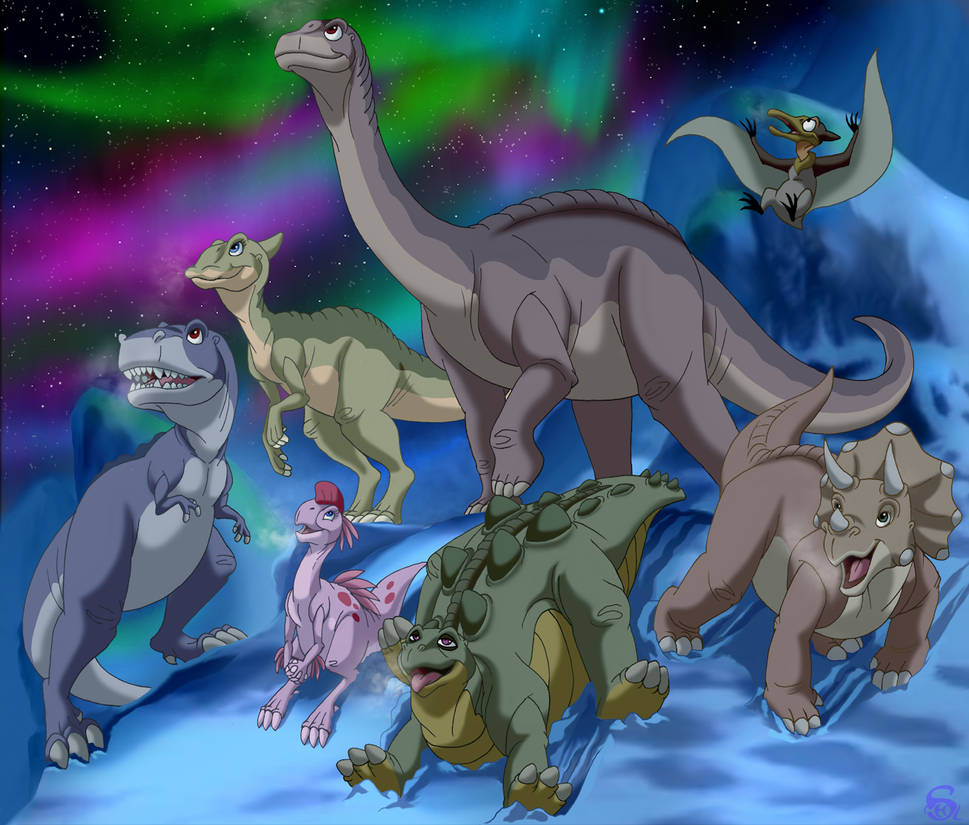
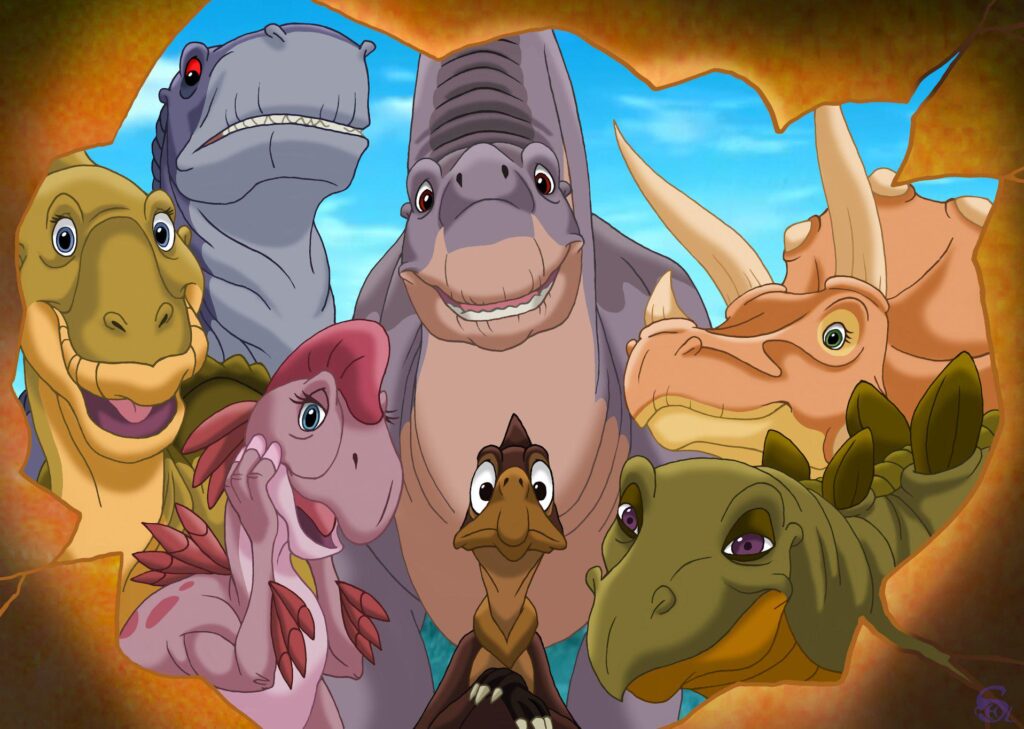
The Land Before Time leans hard into the idea that dinosaurs lived in herds and social groups. Littlefoot, his mother, and the migrating sauropods are shown moving together much like elephant herds today, with adults defending the young and coordinating movement. That picture lines up reasonably well with fossil trackways that show multiple sauropods of different sizes walking in the same direction, plus bonebeds where many individuals of related species are preserved together. The film turns this into emotional storytelling, but the underlying idea of social, herd‑based behavior is not just made up.
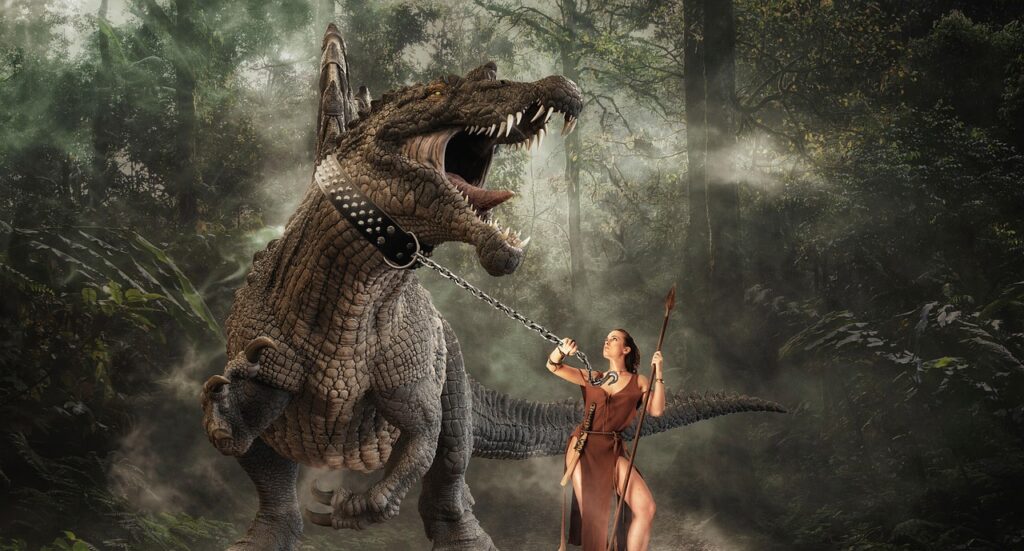
Contrast that with several Jurassic World sequences that default to the lonely‑monster template, especially with big carnivores and hybrid creatures. Apex predators are typically shown as one‑off attractions or weapons, isolated in cages as if their default state is solitary chaos. In reality, even large theropods like tyrannosaurs may have had more complex social behavior than the movies let on, with growing evidence suggesting group movement or at least some degree of social tolerance. The Land Before Time might dramatize herd life, but its basic picture of dinosaurs as animals embedded in social structures is far more plausible than the theme‑park zoo of single, hyper‑individual “monsters” we keep seeing in Jurassic World.
How Dinosaurs Move: Sauropods That Actually Feel Like Animals
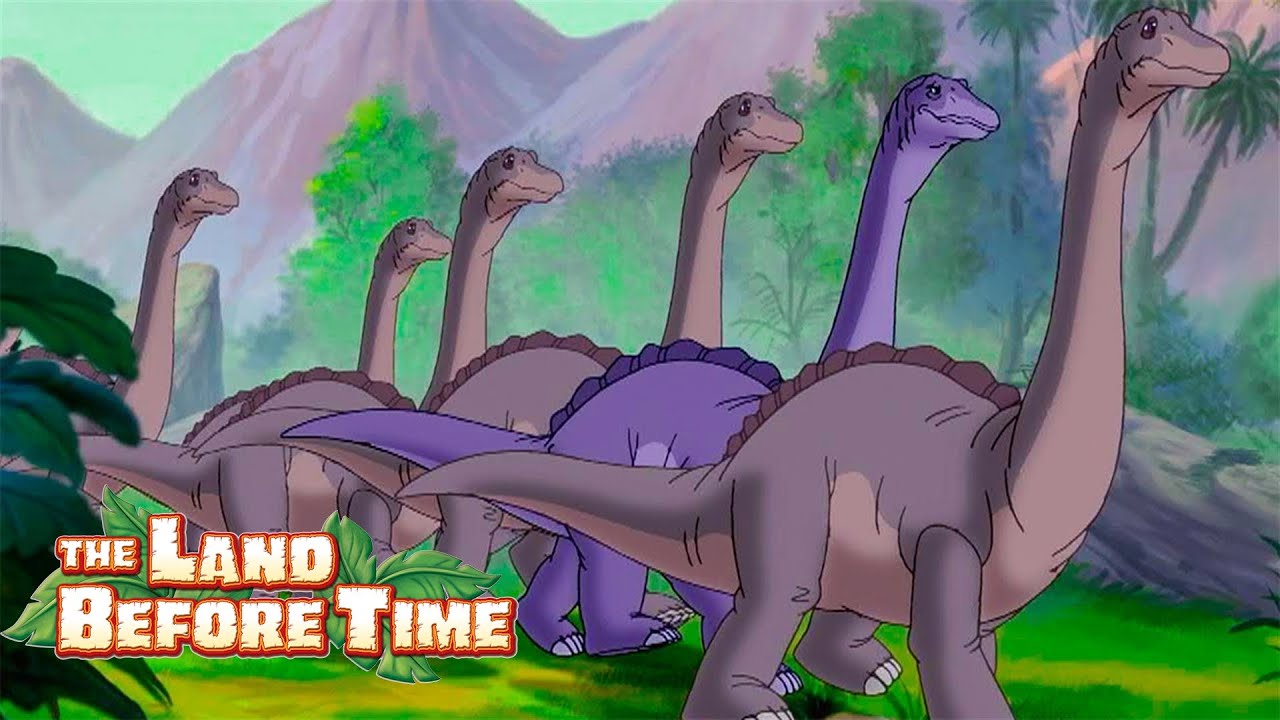
One of the quiet strengths of The Land Before Time is how its dinosaurs move. The animators clearly studied large animals and older paleontological reconstructions, so Littlefoot and the other long‑necks move with weight, momentum, and a sort of cautious grace. Their necks are flexible but not rubber hoses, and their bodies behave like multi‑ton creatures that must think before they pivot or run. Even as a kid, you can feel the mass in every footfall, which is surprisingly in line with how biomechanical studies imagine sauropod locomotion.
In several Jurassic World installments, the physics of dinosaur movement go straight out the window as soon as the plot needs a chase scene. Massive theropods pivot with instant‑turn agility more suited to a motorcycle than a multi‑ton predator, and enormous animals accelerate and stop in ways that ignore basic momentum. Of course, it looks cool. But it turns dinosaurs into CGI superheroes rather than real animals bound by gravity, muscle power, and bone strength. By comparison, The Land Before Time, working within the limitations of traditional animation, unintentionally ends up closer to actual biomechanics simply by insisting that these creatures feel like they have weight and limits.
Ecology and Environments: A Dying World That Feels Uncomfortably Real
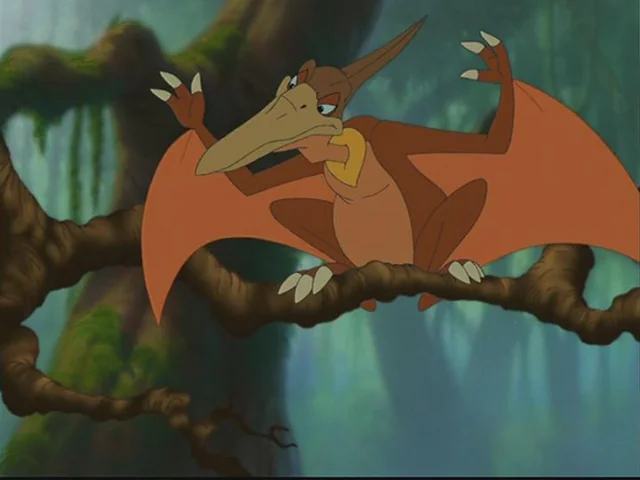
The entire plot of The Land Before Time is built around ecological collapse. The Great Valley represents a shrinking refuge of food and water, and the young dinosaurs are forced to migrate through drought, earthquakes, and a devastated landscape. That picture echoes what we know about Late Jurassic and Cretaceous ecosystems: they were dynamic, often harsh environments with droughts, fires, floods, and shifting continents. The movie’s focus on migration, competition for resources, and changing climate is actually a surprisingly grounded way to frame dinosaur life.
Jurassic World, in contrast, tends to treat the environment as a set piece rather than an ecosystem. Jungle, ocean, city, snow‑covered mountain – the backdrop changes, but the story rarely engages with how real prehistoric animals would have relied on plant communities, seasonal cycles, or climate stability. Dinosaurs are dropped into modern environments with little thought about whether those habitats make sense for them. The parks and islands look spectacular, yet they function mostly like arenas in a video game, not like coherent ecosystems. In terms of capturing the idea that dinosaurs were part of complex, fragile ecological networks, The Land Before Time is quietly, almost accidentally, more honest.
Predators and Prey: Sharptooth Is Scary Without Being a Cartoon Super‑Weapon
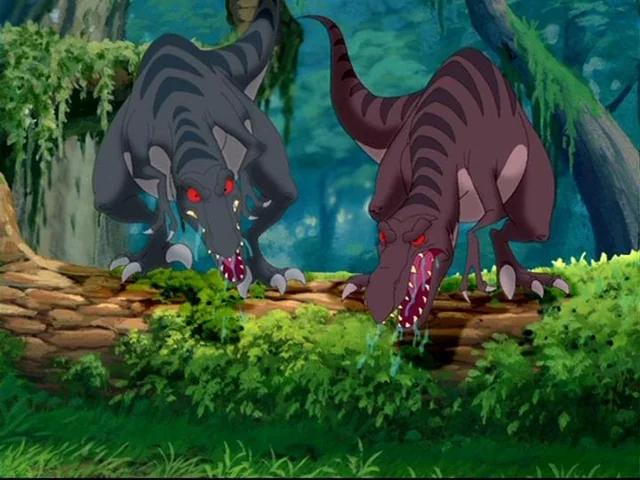
Sharptooth, the main carnivorous threat in The Land Before Time, is terrifying but still recognizably an animal. He is huge, he is dangerous, and he is relentless, yet his abilities stay within the realm of what you could plausibly imagine from a large theropod. He does not teleport across landscapes, detect humans by narrative convenience, or survive every conceivable injury. When the young dinosaurs outwit him, they do so with simple tactics and terrain, not because he turns into an indestructible horror villain that shrugs off physics.
By the time you get to the later Jurassic World entries, the main carnivores have become more like comic‑book super‑weapons than apex predators. They can outrun vehicles, ignore serious trauma, master new behaviors instantly, and bend the rules of biology whenever the script needs another last‑minute jump scare. Even the genetically engineered hybrids push past what genetic engineering can plausibly do, veering into pure fantasy. Sharptooth is dramatized, of course, but he still feels like a very large, very dangerous animal rather than a science‑fiction creature stitched together from horror tropes. That grounded menace is closer to how real predators work: frightening, powerful, but not omnipotent.
Emotional Brains: Social Bonds, Parental Care, and Actual Dinosaur Behavior
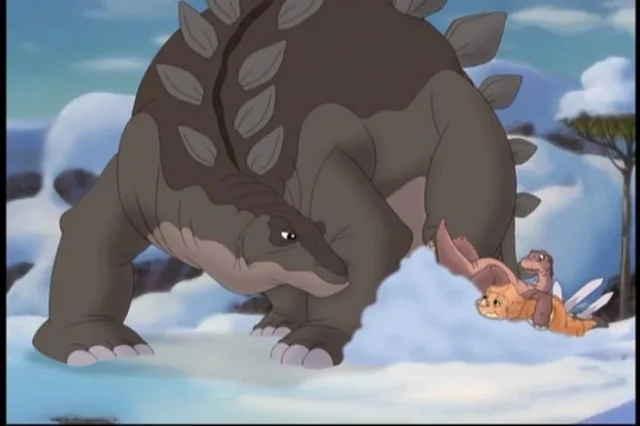
One of the most surprisingly scientific things about The Land Before Time is its insistence on emotional lives and parental care. Littlefoot’s mother protects him, teaches him, and sacrifices herself in a way the film plays for heartbreak, but the core idea tracks with modern views of many dinosaur groups. Fossil evidence of nesting sites, brooding adults, and juveniles staying with older individuals strongly suggests that at least some dinosaurs invested heavily in their young. The movie turns that into an emotional gut punch, but it grows from a seed of genuine behavioral science.
In the Jurassic World films, you get flashes of this – especially with animals like the raptors responding to training or certain herbivores showing distress – but the emotional palette is all over the place. Some scenes treat them like trainable, dog‑like animals, others like cold‑blooded movie monsters, and still others as near‑sentient weapons with military loyalty. The inconsistent characterization makes it harder to see dinosaurs as real animals with species‑specific behavior and evolutionary logic. The Land Before Time, for all its talking and crying and friendship arcs, actually lands closer to how long‑lived, social animals might have viewed their offspring and herdmates: with attachment, learning, and something very much like grief.
Design Choices: When Restraint Accidentally Becomes Scientific Accuracy
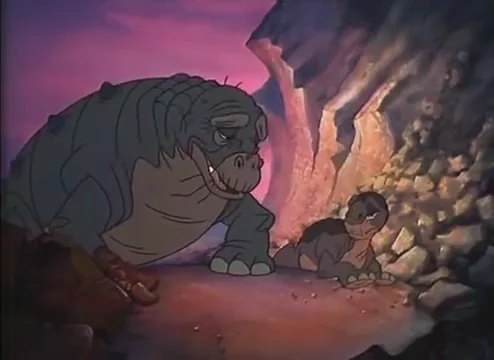
Ironically, one of the reasons The Land Before Time dodges big scientific errors is that it had less freedom to get weird. Working in the late 1980s, the filmmakers pulled from then‑current books and museum exhibits, which, while imperfect, pushed them toward recognizable species and relatively conservative designs. The long‑necks, three‑horns, flyers, and duckbills are simplified, but they are not Frankenstein creations invented for shock value. The movie does not need glowing eyes, camouflage powers, or invisible skin to keep kids engaged; it trusts that reasonably realistic animals in real danger are compelling enough.
Jurassic World, especially in its later entries, often goes the other way. Hybrids are designed not from science but from marketing meetings: bigger, meaner, more teeth, more tricks. Real research on feathers, coloration, and posture takes a back seat to the need for a dinosaur that can fight a helicopter and then crash through a building. Even when the films nod at scientific debates, they usually undercut them in the next action scene. The restraint of The Land Before Time – sticking closer to recognizable body plans and ordinary animal abilities – unintentionally preserves more scientific plausibility than the anything‑goes aesthetic of four modern blockbusters that could have showcased up‑to‑date discoveries but rarely do.
Conclusion: The Small Cartoon That Quietly Out‑Science’d a Billion‑Dollar Franchise
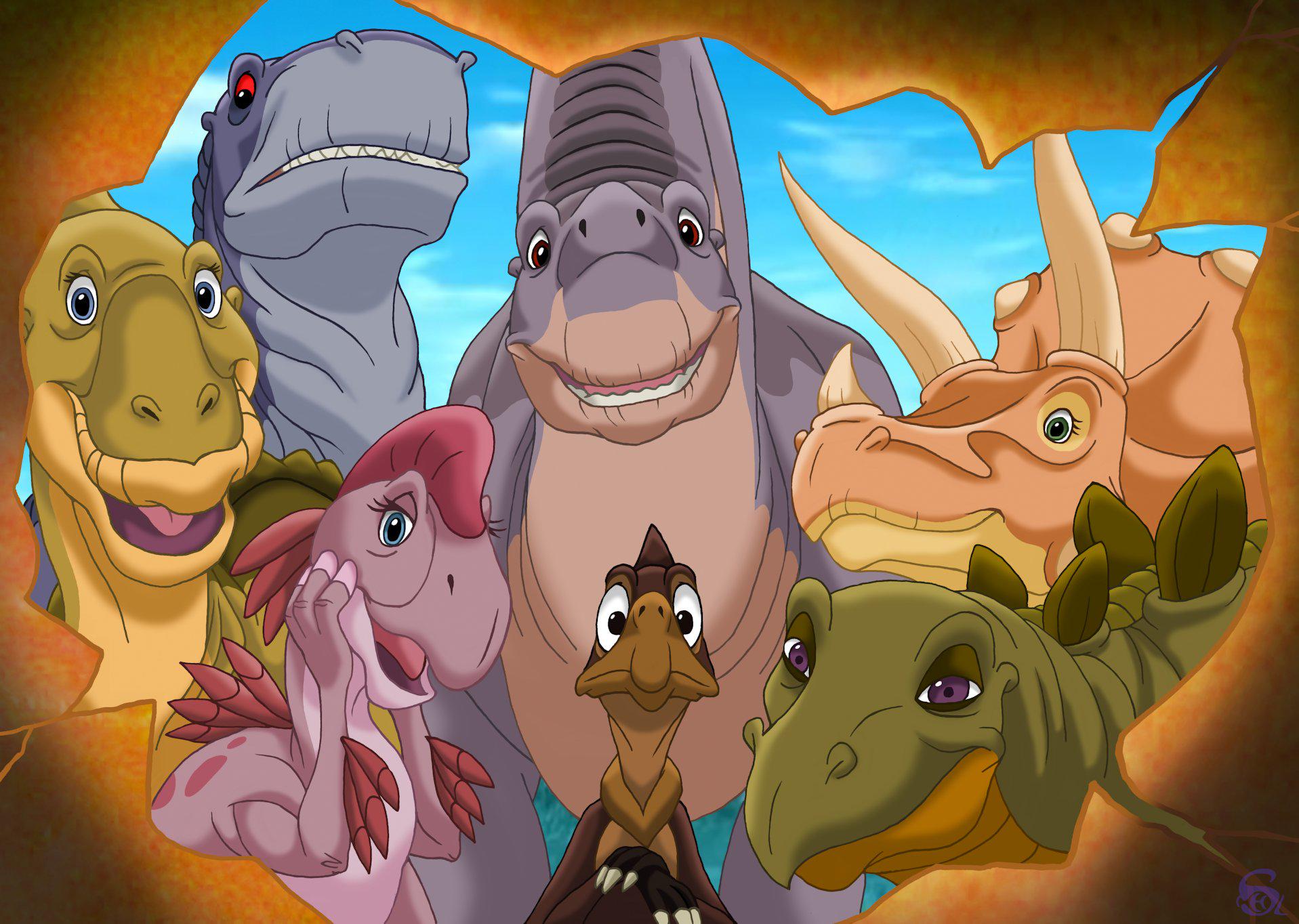
When you stack them side by side, it is almost comical that the tear‑stained VHS staple about a baby sauropod fleeing a famine often feels more scientifically honest than four sleek Jurassic World films armed with the latest CGI and, supposedly, the latest science. The Land Before Time is not a documentary and it certainly carries its own inaccuracies, but it treats dinosaurs as animals in ecosystems, bound by physics, biology, and social bonds. The Jurassic World movies, especially as they go on, treat dinosaurs more and more like customizable boss battles in a video game, free from the constraints that make real prehistoric life fascinating in the first place.
Maybe that is the strangest twist of all: the film that has kids sobbing over a leaf and a lost mother ends up closer to what paleontologists actually describe than the franchise that constantly reminds you how advanced its genetics and technology are. Personally, I find that both a little hilarious and a little sad, because it shows how easily spectacle can drown out good science when a studio thinks audiences will not care. The Land Before Time proves you can be emotional, thrilling, and still keep one foot on solid ground. When you look back now, which vision of dinosaurs feels more real to you?