
You do not have to have ever seen a venomous snake to feel your stomach drop when one slithers across a path. That jolt of alarm shows up in children who have never been taught to fear snakes, in people raised far from any truly dangerous species, and even in lab experiments where the snake is only a picture on a screen. Something about snake shapes, snake movement, and snake eyes seems to plug directly into very old wiring in the brain.
Anthropologists and evolutionary biologists have spent decades trying to explain why this fear is so universal, and why it pops up even where the local snakes are basically harmless. The emerging picture is both eerie and fascinating: the roots of our snake fear likely stretch back before humans even existed, into the deep evolutionary history we share with other primates. In other words, we are not just scared of snakes because they are sometimes dangerous; we are scared of snakes because our ancestors survived by being scared of them.
Why Snake Fear Shows Up Everywhere, Even Where Snakes Are Harmless
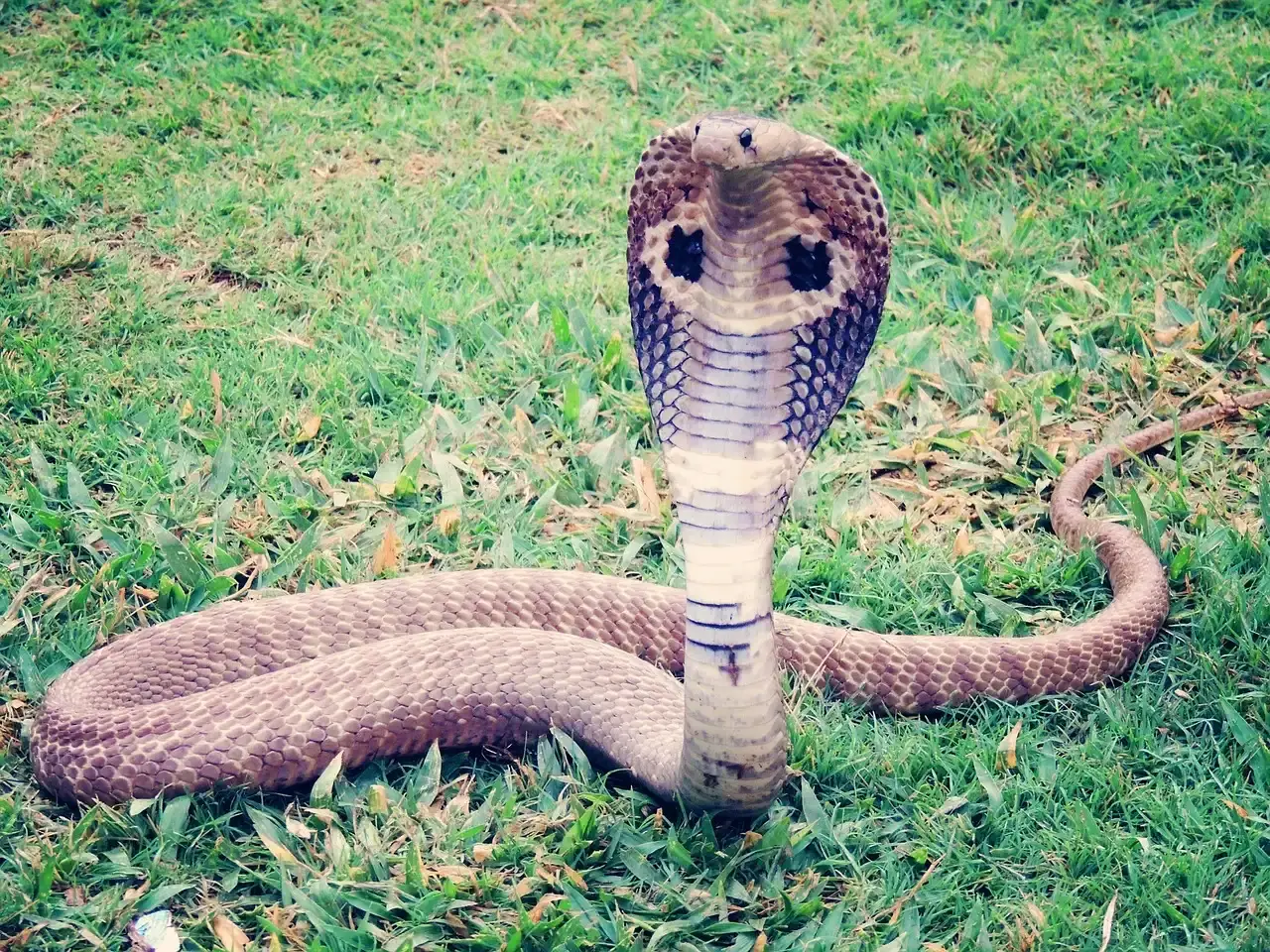
One of the strangest facts about snake fear is its global reach. People living in northern cities who have never seen a wild snake can still freeze when they spot one in a zoo enclosure or on a hiking trail, even if the local species is known to be non‑venomous. Parents do not have to formally “teach” their kids to be wary of snakes; many toddlers react with wariness or distress the very first time they encounter one.
This pattern holds across cultures, languages, and belief systems, even in regions where truly deadly snakes are almost nonexistent or historically absent. If the fear were just cultural, you would expect it to be patchy and heavily dependent on stories, myths, and local experience. Instead, it shows up with a consistency that looks more like a default setting. That is the kind of pattern anthropologists and psychologists look for when they suspect something deeper and older is at work than individual learning.
What Primates Can Teach Us: Monkeys, Apes, and the “Snake Detection” Brain
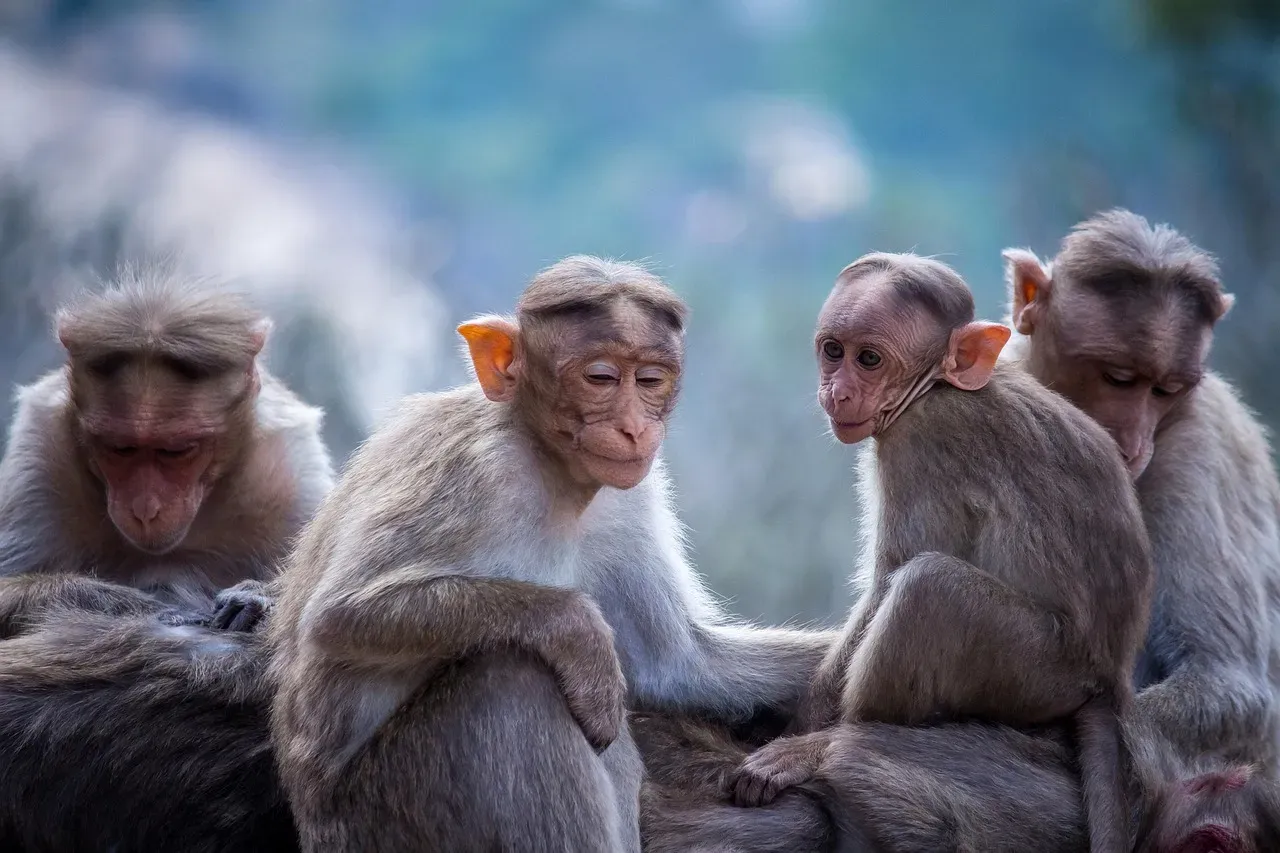
Our closest relatives give this story a powerful twist. Many monkey and ape species react strongly to snakes, producing specific alarm calls, sudden freezing, or frantic escape behaviors even when they have never encountered a snake before. In captivity, some monkeys raised with no exposure to snakes still show heightened attention and stress responses when a snake is introduced, as if their nervous systems were primed in advance.
There is evidence that primate brains are unusually good at spotting snakes against noisy backgrounds, faster and more accurately than they detect many other shapes. Some researchers argue that there are neural circuits in primate visual systems tuned specifically to the coiled shapes, patterning, and movement that snakes tend to have. If that is right, then our fear is not just psychological; it is literally wired into how our eyes and brains evolved to process the world long before anything like “human culture” existed.
The Deep-Time Evolutionary Story: Snakes as Ancient Selective Pressures
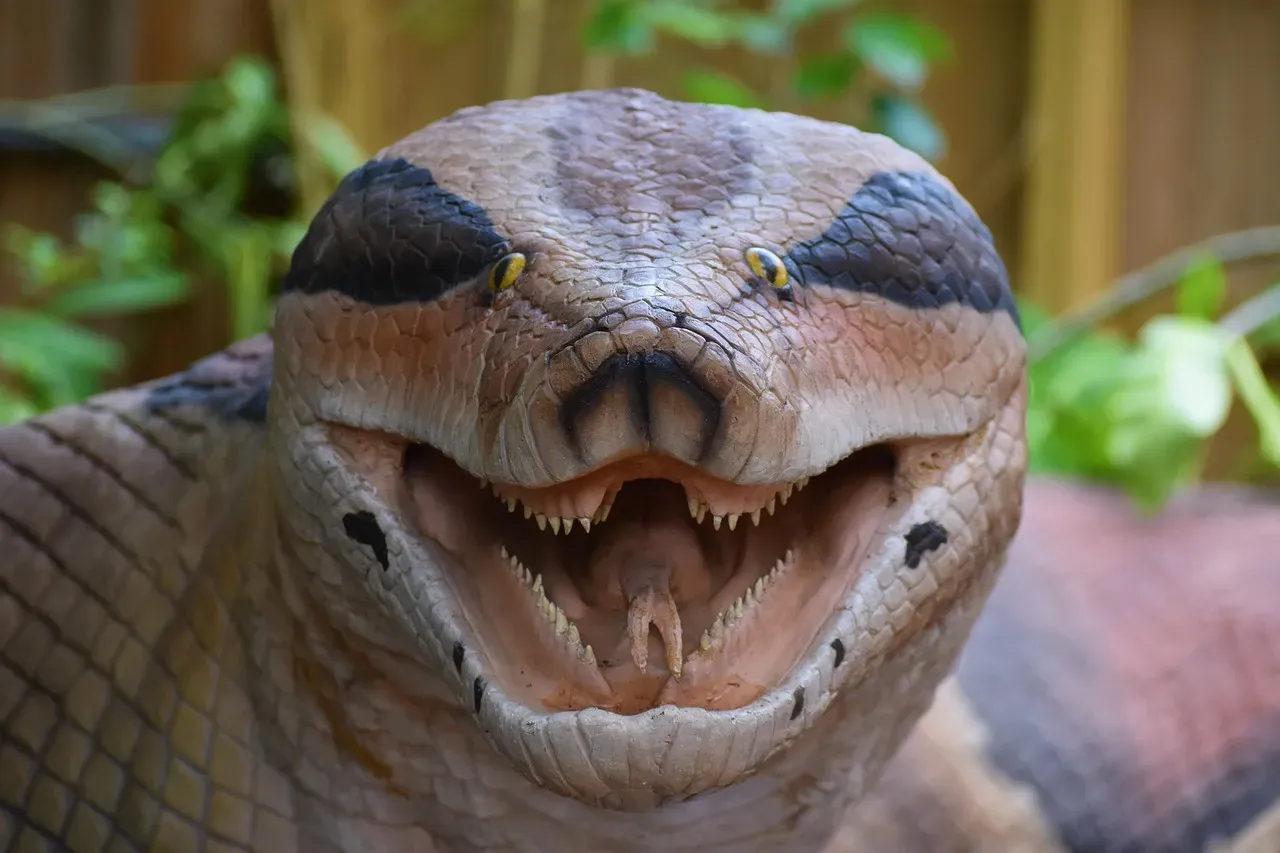
To understand why such wiring would evolve, you have to rewind millions of years. Venomous snakes have been around for a very long time, and for small, ground‑dwelling primate ancestors, they were a serious, recurring threat. Individuals who were quicker to notice snakes and faster to react would have had a real survival advantage. Over countless generations, those advantages stack up and start to shape the population’s bodies and brains.
This is the core evolutionary logic: if a particular danger kills enough individuals over a long enough period, natural selection can carve out specialized responses to that threat. Just as some animals evolve to recognize and avoid certain predator silhouettes in the sky, primates seem to have evolved to recognize and avoid snakes. The key point is that this shaping would have begun long before modern humans appeared. By the time Homo sapiens emerged, the tendency to treat snakes as an urgent problem may already have been embedded in our lineage.
How Infant Studies Reveal Fear That Appears Before Learning

One of the most compelling lines of evidence comes from studies of infants and very young children. Even babies too young to crawl can show differences in attention when presented with images of snakes versus more neutral objects like flowers or ropes. They tend to notice snake images faster and look at them longer, a hint that those shapes command priority in the visual system right from the start.
When toddlers see live or toy snakes, many of them show hesitation, increased heart rate, or move closer to caregivers, even if no one around them is acting scared. This does not prove that they are born with a fully formed fear, but it does suggest there is at least a built‑in bias to treat snake‑like cues as especially important. Later learning, stories, and direct experience can amplify or dampen that bias, but the foundation appears to be there before culture has much chance to do its work.
Culture, Myths, and Religions: Layering Meaning on Top of Old Instincts
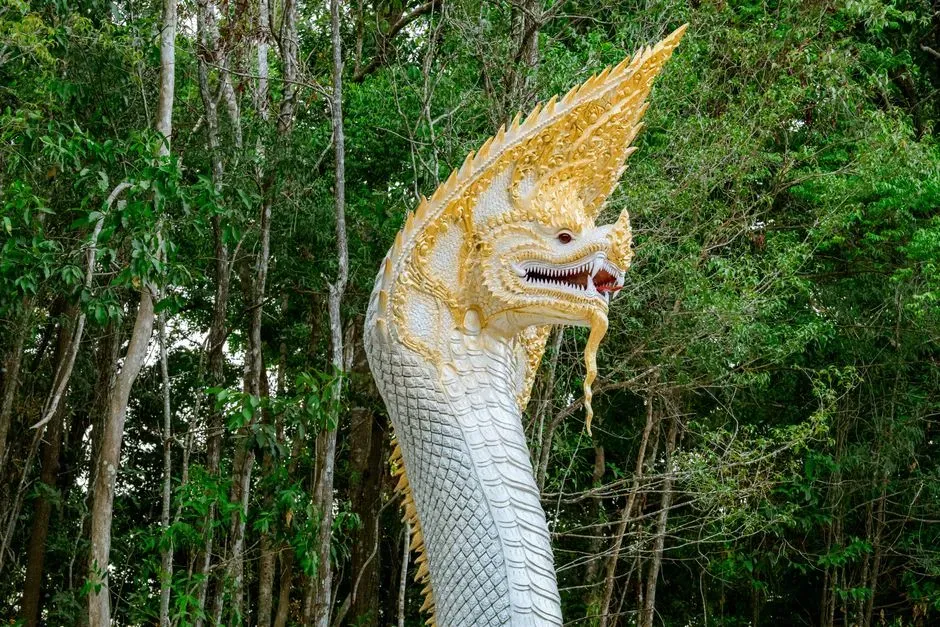
Of course, humans do not just react to snakes with instinct; we also tell stories about them. Across cultures and religions, snakes show up as symbols of danger, wisdom, rebirth, deception, healing, sexuality, or chaos. It is striking how often they are given central roles in myth and ritual, especially compared with many other animals. That recurring attention hints that snakes occupied a psychologically charged space long before people wrote anything down.
Anthropologists tend to see culture as a kind of second layer on top of older biological tendencies. If snakes already triggered strong emotional reactions, it would make sense for them to become natural anchors for moral tales, taboos, and sacred imagery. So while culture can absolutely increase or reshape snake fear, the fact that so many societies independently chose snakes as symbols suggests they were not starting from a blank slate. They were working with an animal that was already emotionally “loud” to the human mind.
Why People in Snake-Free Places Still Flinch: Prepared Minds and False Alarms

Here is where things get especially interesting. In many modern environments, especially cities or colder climates, snakes are rare, small, or not significantly more dangerous than other wildlife. Yet a sudden snake encounter can still provoke a much bigger reaction than, say, seeing a squirrel or a frog. From a purely rational standpoint, that fear looks exaggerated or misplaced.
Evolution does not optimize for perfect accuracy; it optimizes for survival. If the cost of a false alarm is just a moment of panic, but the cost of missing a real threat is injury or death, selection tends to favor systems that overreact. So our brains may be “prepared” to treat snake‑like cues as potential emergencies, even in environments where they pose little real risk. In that sense, people in snake‑free or snake‑safe regions are living with an inherited smoke alarm that still goes off easily, long after the building stopped burning.
Personal Encounters, Phobias, and Why Some People Love Snakes Anyway
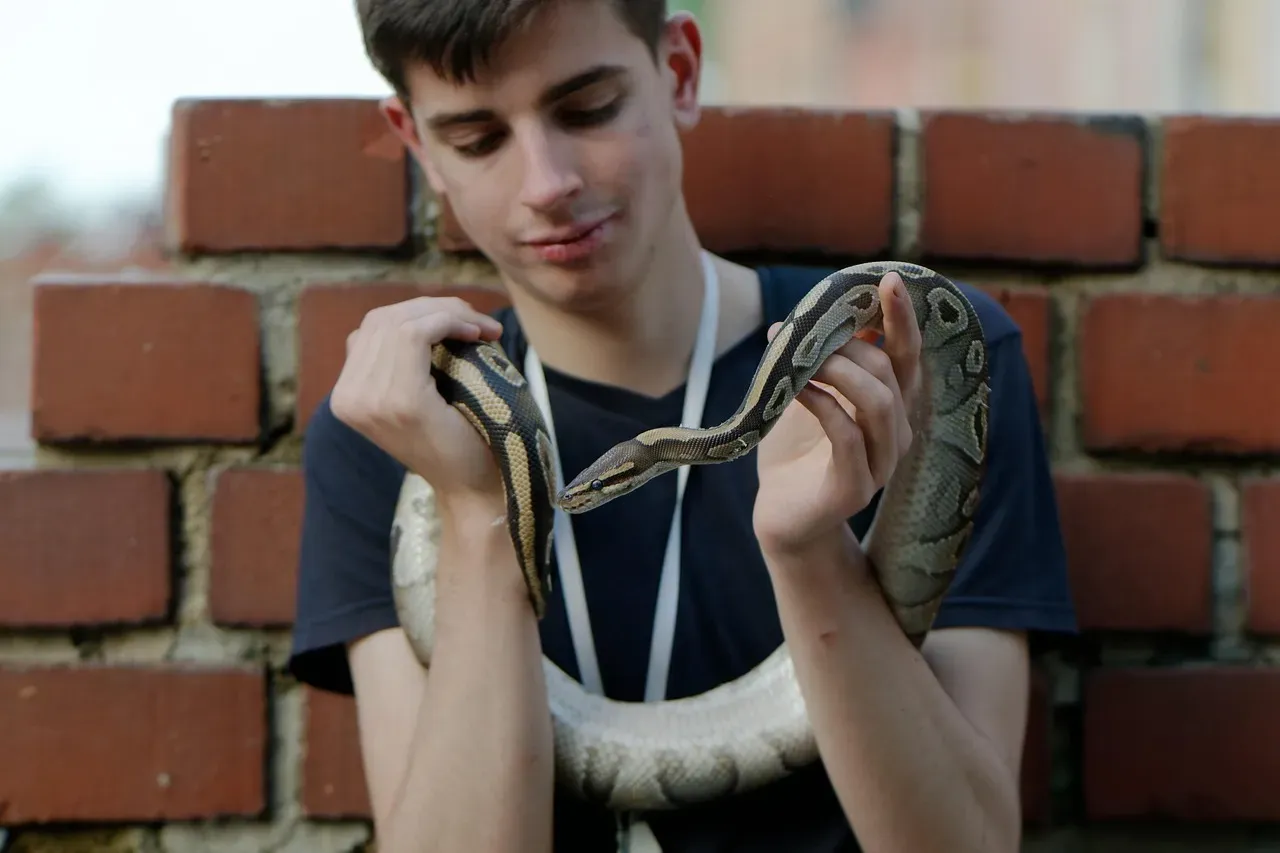
Not everyone I know is terrified of snakes. I remember visiting a friend who kept several pet snakes and watching how gentle and comfortable he was handling them, while I stayed a cautious couple of steps back. That experience drove home how the same underlying bias can be shaped in different directions by personal experience, exposure, and personality. Some people turn that intense attention into fascination instead of fear.
At the other extreme, snake phobias can be debilitating, with people avoiding entire outdoor spaces or refusing to watch certain films. The existence of both extremes does not contradict the idea of deep evolutionary roots; in fact, it fits it. If our brains come pre‑tuned to treat snakes as important, then intense fear and intense curiosity are both plausible outcomes once learning and individual differences get involved. Culture, education, and repeated safe exposure can soften or redirect our responses, but they are working on top of ancient scaffolding, not building from nothing.
What This Ancient Fear Reveals About Human Nature

Stepping back, the story of snake fear is really a story about how little of our behavior is purely “modern” or purely “rational.” We like to think of ourselves as free‑thinking individuals who decide what to fear based on current facts, but a lot of our emotional life is inherited from ancestors who lived in radically different environments. The universal human wariness of snakes, even in places where dangerous snakes are almost nonexistent, exposes one of those hidden threads connecting us to a very distant past.
In my view, that should make us both humble and curious. Humble, because some of our gut reactions are not deep insights but legacy code from another era, and curious, because tracing those instincts back can tell us where we truly came from. The next time you feel a jolt at the sight of a harmless garden snake or even a realistic movie shot, it might be worth asking yourself: is this about the snake in front of me, or about the ghosts of threats my species faced long before it had a name?