Imagine waking up one morning and discovering that almost everything alive is simply gone. The oceans are silent, reefs are bare skeletons, forests are dead, and whole branches of the tree of life have been snapped off forever. That is not a dystopian movie plot; it is what actually happened roughly about a quarter of a billion years ago during the Permian mass extinction.
What makes this ancient catastrophe even stranger is how invisible it is in popular culture. People toss around phrases like dinosaur extinction or asteroid impact, but say the words Permian extinction at a party and you will probably get blank stares. Yet this event was far more devastating than the one that killed the dinosaurs, and understanding it might be one of the most important survival lessons our species ever gets.
The Day the World Almost Ended
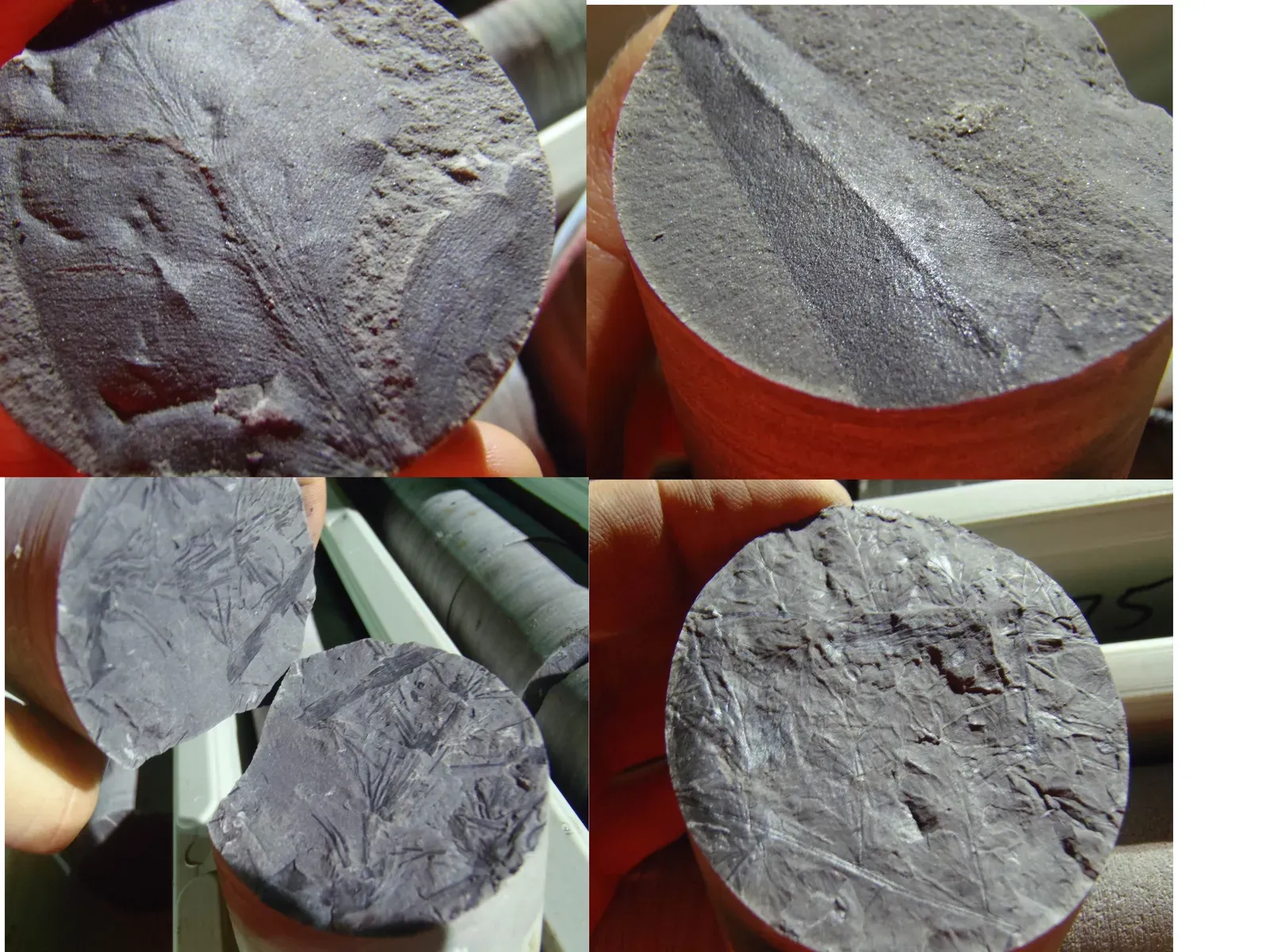
The Permian mass extinction, sometimes called the Great Dying, unfolded around the end of the Permian Period roughly about 252 million years ago. It was the single worst biological crisis in Earth’s history, wiping out about ninety six percent of marine species and roughly seventy percent of land vertebrate species. If life on Earth is a multi‑season series, this was the moment when the writers almost canceled the show altogether.
Before this catastrophe, the planet was full of strange creatures that would look alien to us today: bizarre shelled animals in the seas, towering forests of primitive trees, and reptile‑like creatures dominating the land. Afterward, vast stretches of the oceans were nearly lifeless, ecosystems on land collapsed, and evolution had to more or less rebuild complex life from a brutal bottleneck. Everything that came later, including us, evolved in the shadow of a world that almost completely blinked out.
Why Almost No One Knows Its Name
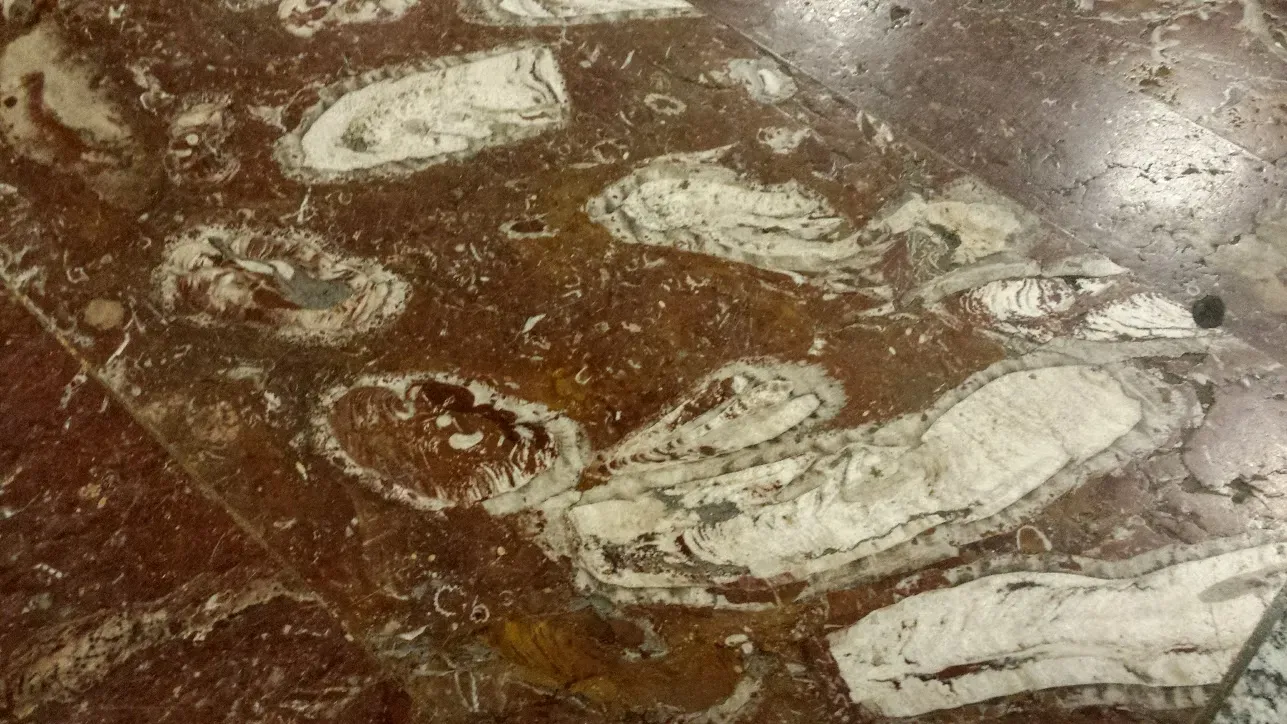
It is honestly wild how the most catastrophic event in the history of complex life is almost totally unknown outside classrooms and research papers. The dinosaur‑killing asteroid sixty six million years ago grabbed the spotlight because dinosaurs are charismatic, kids love them, and you can picture a giant rock slamming into Earth in one dramatic scene. The Permian extinction, by contrast, is slower, messier, and harder to turn into a simple movie image.
There is also a branding problem. The words Permian mass extinction do not exactly scream blockbuster; they sound like a dry chapter title in a geology textbook. Add to that the fact that there were no dinosaurs yet and no familiar animals for people to emotionally latch onto, and you get an event that feels distant and abstract. But the ignorance is not harmless: hiding in that forgotten story are eerie parallels to what we are doing to the planet right now.
Life Before the Collapse: A Very Different Earth
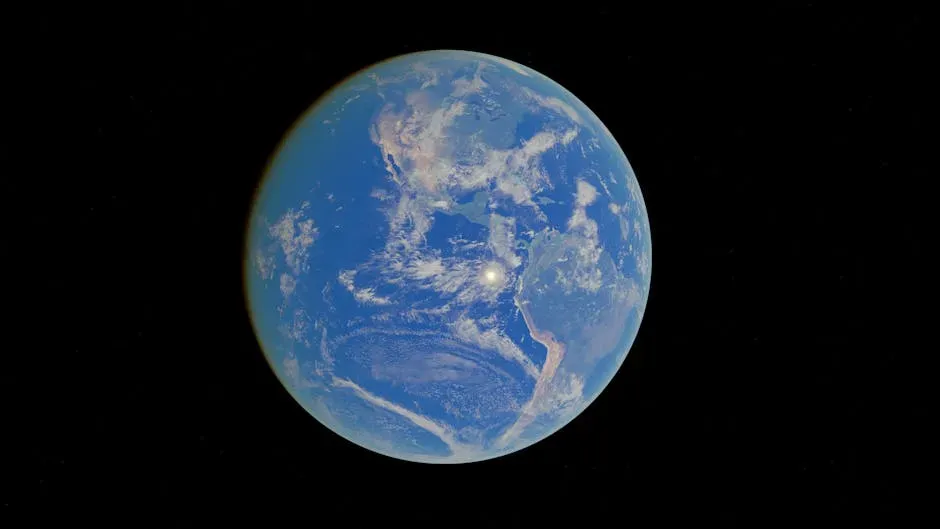
Before everything went sideways, late Permian Earth was in many ways a strange, extreme world. All the major landmasses were clumped together into one giant supercontinent called Pangaea, a massive donut of rock wrapped around a global ocean. That configuration made interior regions brutally dry and seasonal, while long coastlines hosted rich marine ecosystems full of coral‑like reefs and weird shell‑bearing creatures that no longer exist.
The dominant land animals were not dinosaurs but a mix of reptile‑like synapsids, which are actually more closely related to mammals, and other early reptiles. Forests were made of different kinds of trees and plants than today, with dense coal‑forming swamps in some areas and more arid habitats in others. From a distance, it might have looked like any lush, thriving planet, but inside its climate and geology, the seeds of catastrophe were already quietly growing.
The Triggers: Fire From Below and Air That Kills
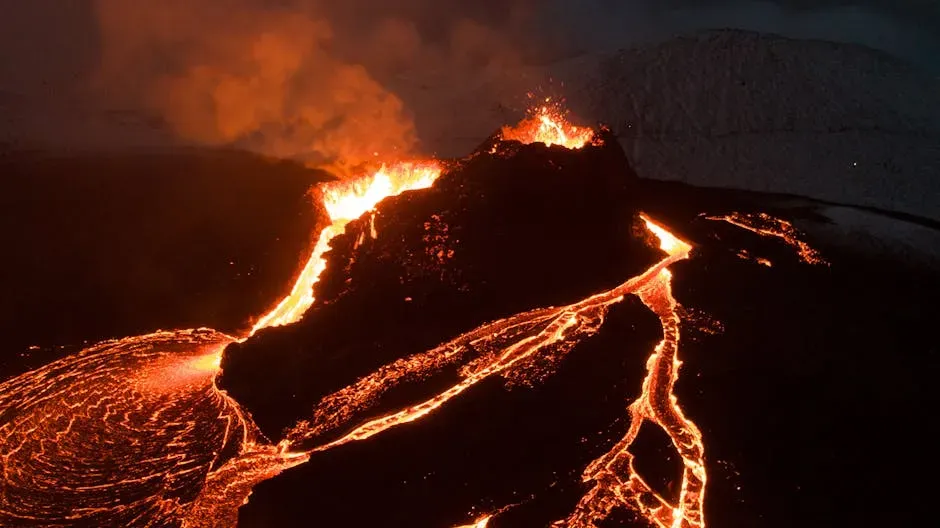
Most researchers today see massive volcanic eruptions as the main trigger of the Permian mass extinction, centered in a region now known as Siberia. Imagine lava flows and volcanic outpourings so intense and long‑lasting that they coated an area larger than many modern countries, continuing in pulses for hundreds of thousands of years. These eruptions spewed enormous amounts of carbon dioxide and other gases into the atmosphere, driving a runaway greenhouse effect.
As the planet warmed, the consequences cascaded through every part of the Earth system. Hotter oceans hold less oxygen, and there is strong evidence that huge areas of the seas became anoxic, basically suffocating marine life. Some scientists have also argued that changes in ocean chemistry made the waters more acidic, dissolving shells and stressing reef builders. It was not one clean kill shot but a chain reaction of geological and chemical punches that life simply could not dodge.
Oceans Turned into Toxic Deserts
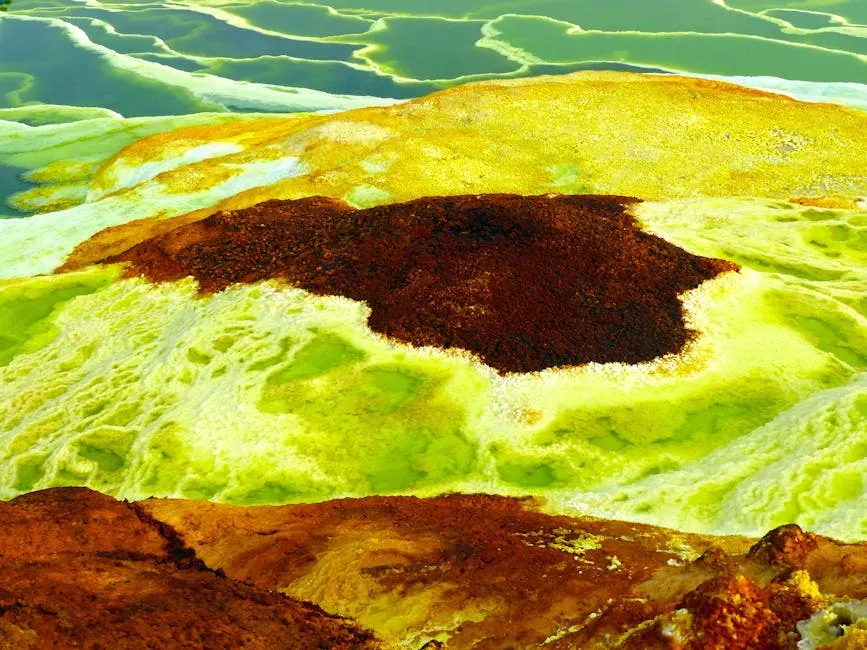
Because marine life is so sensitive to temperature and oxygen levels, the oceans took the hardest hit. When scientists say roughly about ninety six percent of marine species vanished, that number is so high it is almost hard to emotionally process. Entire groups of organisms that had thrived for tens of millions of years disappeared, and the intricate food webs that supported life from plankton to top predators shattered.
In many regions, the sea seems to have turned into what some researchers describe as a toxic, low‑oxygen soup. Warmer waters, stagnant circulation, and altered chemistry made it harder for complex life to breathe, build shells, or recover between stress events. Coral‑like reef ecosystems collapsed, and it took millions of years for new kinds of reefs to emerge. If you were to dive into many Permian oceans at their worst, you might see murky water, bacterial mats, and not much else.
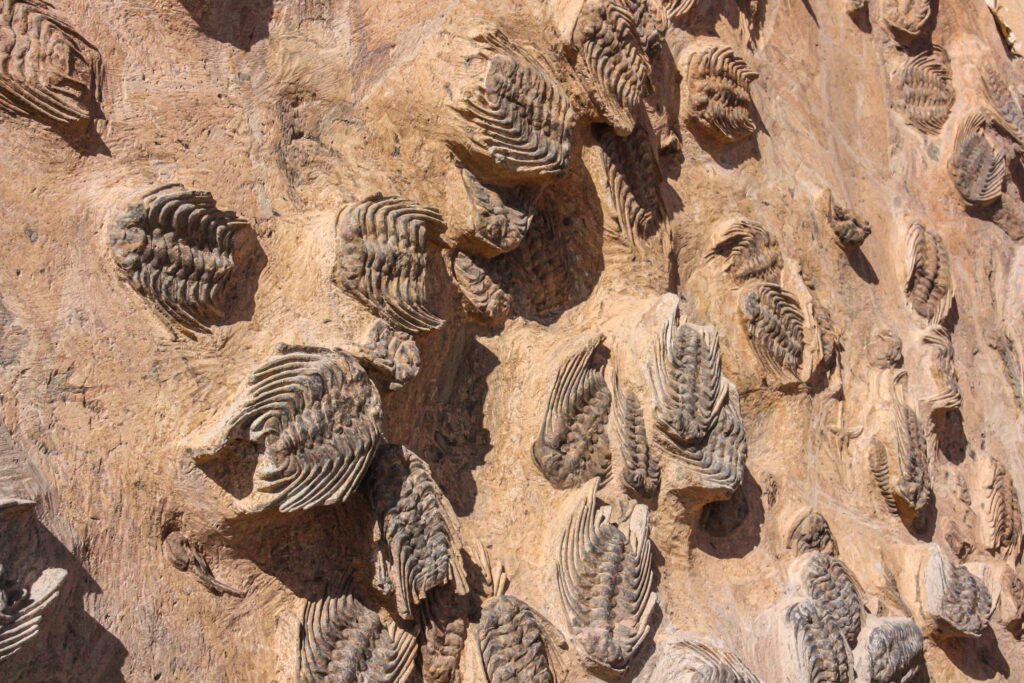
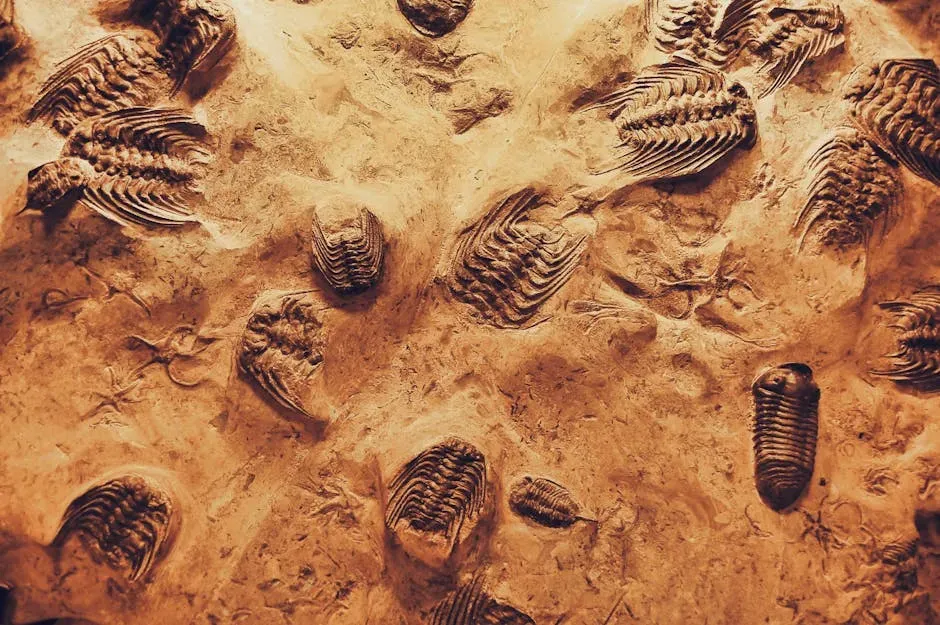
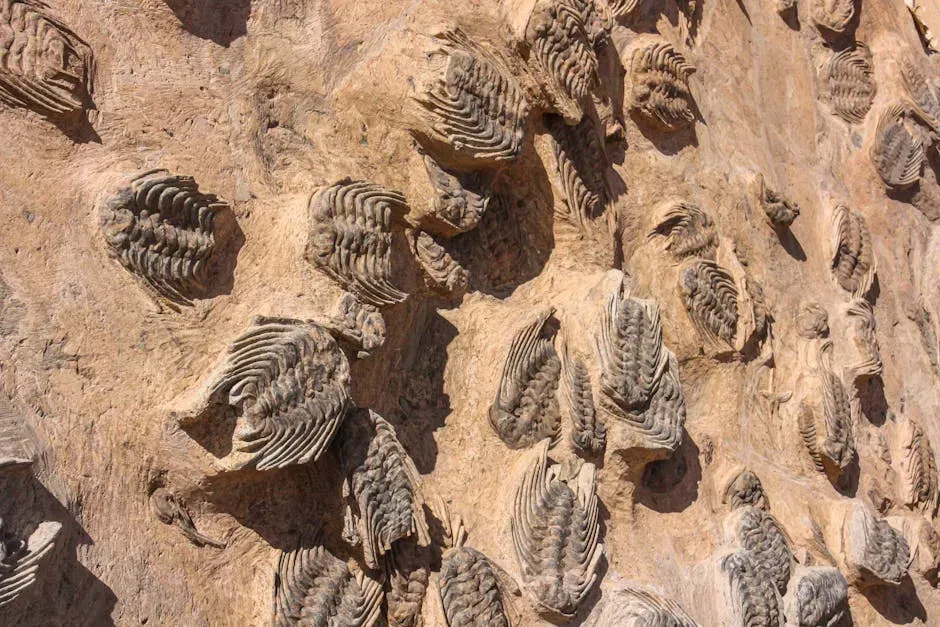
The oceans did not just lose species; they lost entire ways of being alive. Trilobites, which had survived earlier mass extinctions and were once among the most common animals in ancient seas, disappeared completely. Many groups of brachiopods, corals, and other invertebrates also hit a dead end, leaving only distant cousins or no relatives at all. The living seas we know today, with their modern style corals and fish‑dominated food webs, are the result of a long, painful rebuild after this catastrophic reset.
Land Life on the Edge: Forests, Reptiles, and a Harsh New World
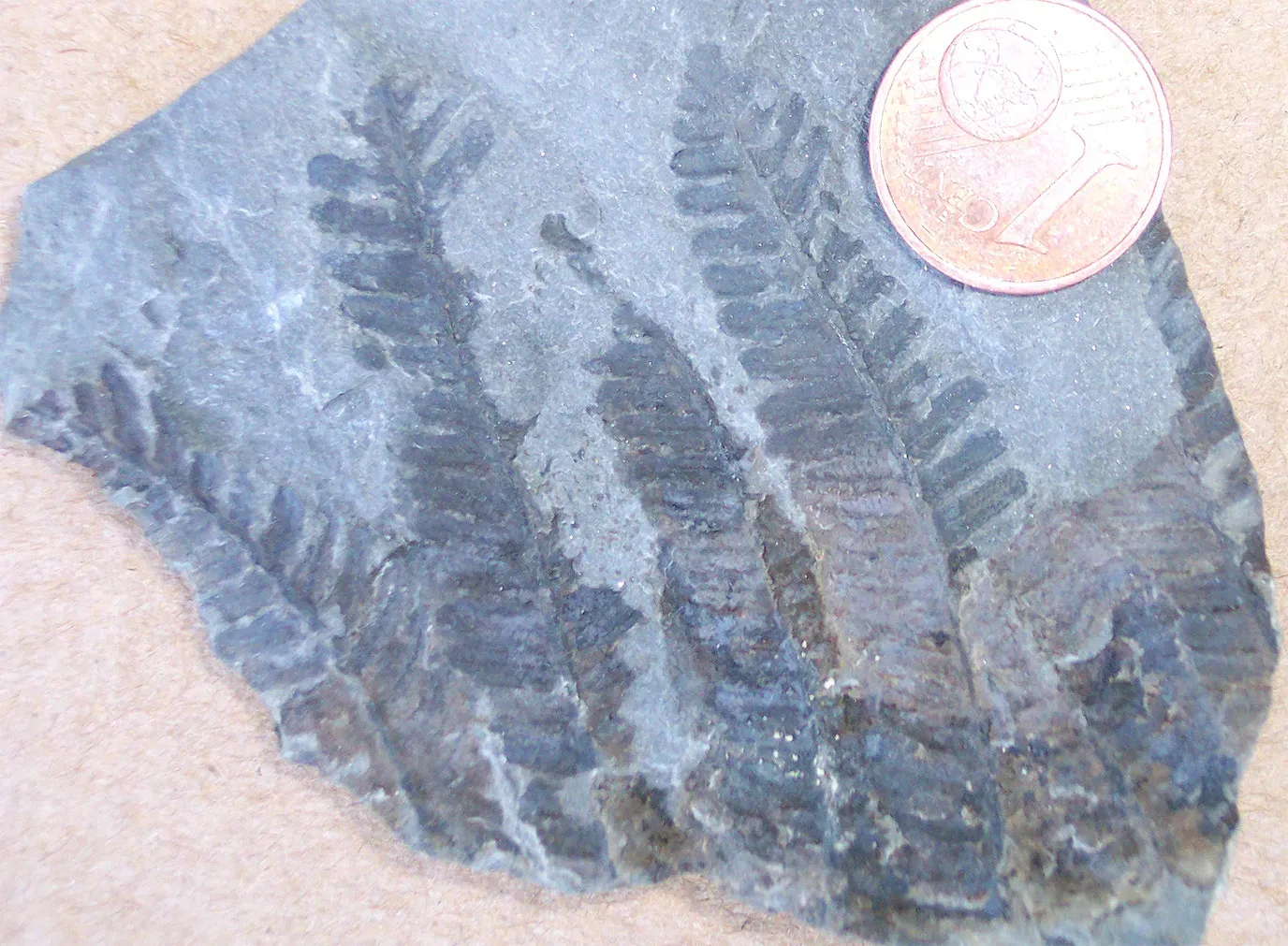
On land, roughly about seventy percent of vertebrate species are estimated to have gone extinct, and the effect on plants and insects was also severe. Fossil evidence suggests that many forests collapsed, leaving behind landscapes stripped of trees and dominated by erosion and bare sediments. When plants die off at that scale, everything that depends on them, from herbivores to top predators, crashes in a chain reaction of hunger and habitat loss.
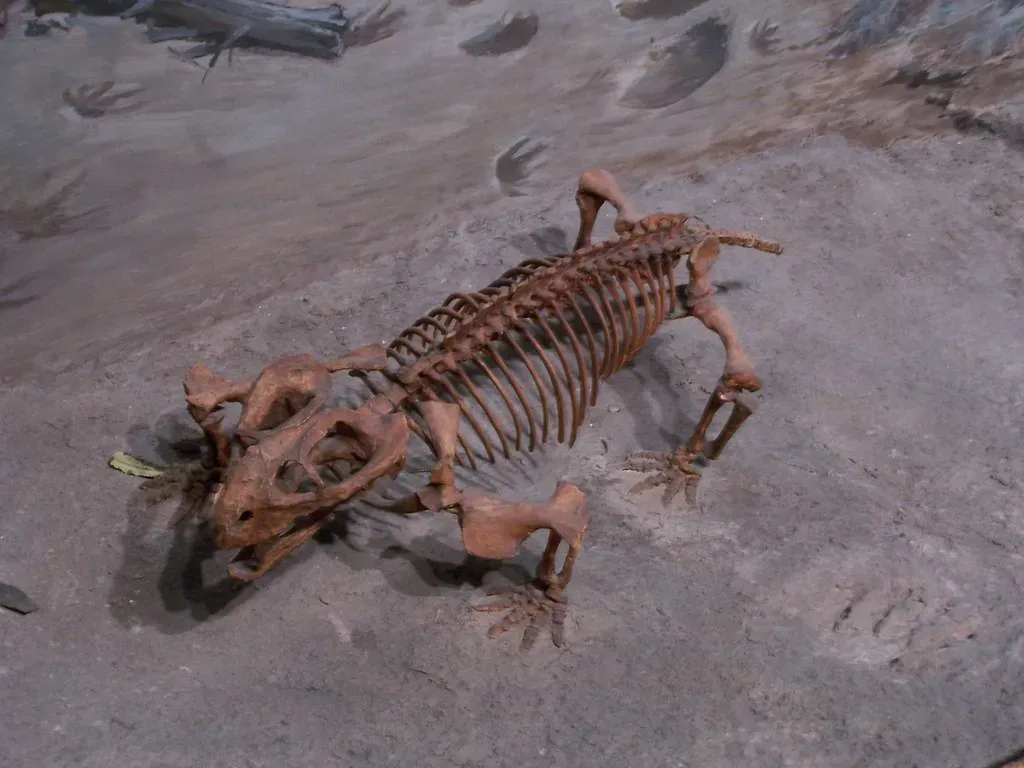
The survivors were not necessarily the biggest or the most impressive animals but the most adaptable, tolerant of heat, dryness, or unstable conditions. Some lineages that made it through this bottleneck would ultimately give rise to modern mammals, reptiles, and other familiar groups. Still, for a long stretch of time after the crisis, Earth’s land ecosystems looked simplified and strange, with fewer species, less structural complexity, and a general sense that life was still reeling from a knockout blow.
How We Even Know This Happened
It is fair to ask how we can say anything confident about an event so unimaginably ancient. The answer lies in layers of rock, fossils, and chemical signatures that, together, tell a consistent and chilling story. Around the Permian–Triassic boundary in the rock record, scientists see a sudden and dramatic drop in fossil diversity, with many species present below that line simply never appearing above it again.
Geologists and paleontologists also examine tiny changes in the ratios of isotopes of elements like carbon and sulfur locked in sediments, which act like fingerprints of past climate and ocean conditions. Those signals show evidence of rapid warming, disrupted carbon cycles, and changing ocean chemistry, all aligned with the timing of the great volcanic eruptions. When multiple lines of evidence all point in the same direction, the picture becomes hard to ignore: Earth really did nearly lose complex life in a geologic instant.
Why the Permian Extinction Should Terrify and Motivate Us
Talking about the Permian extinction is not just academic trivia; it is a disturbing kind of mirror. Back then, huge injections of greenhouse gases from volcanoes drove rapid climate change, ocean warming, and oxygen loss, which devastated life. Today, humans are pumping greenhouse gases into the atmosphere at a rate that, on some measures, rivals or even exceeds those ancient pulses, only this time the source is cars, factories, and power plants instead of lava fields.
We are already seeing ocean heat waves, expanding low‑oxygen zones, coral bleaching, and accelerating extinctions on land and sea. No serious scientist is saying we are about to kill ninety six percent of marine species tomorrow, but the Permian catastrophe shows how far and how fast things can unravel when the climate system is pushed hard. To shrug that off because it feels distant in time is, in my view, a dangerous kind of arrogance.
Conclusion: The Forgotten Catastrophe We Cannot Afford to Ignore
If I sound a bit opinionated about this, it is because the gap between what we know and what we act on feels almost reckless. We have clear evidence that Earth has already come frighteningly close to losing complex life, and yet that story is barely whispered outside scientific circles. Instead, we mythologize the dinosaurs while the truly existential warning, the one where nearly everything dies, sits quietly gathering dust in geology journals.
To me, the Permian mass extinction should be as culturally famous as any war, revolution, or fall of empire, because it shows the upper limit of how bad things can get when the planet’s basic systems spin out of balance. Remembering its name is not about memorizing a trivia fact; it is about honoring a real, world‑shaping trauma and taking its lessons seriously. The real question is whether we will treat that ancient catastrophe as a distant curiosity, or as a blunt reminder that the laws of physics and biology do not negotiate, no matter how clever we think we are. When you hear the words Permian extinction now, will you ever be able to shrug them off again?