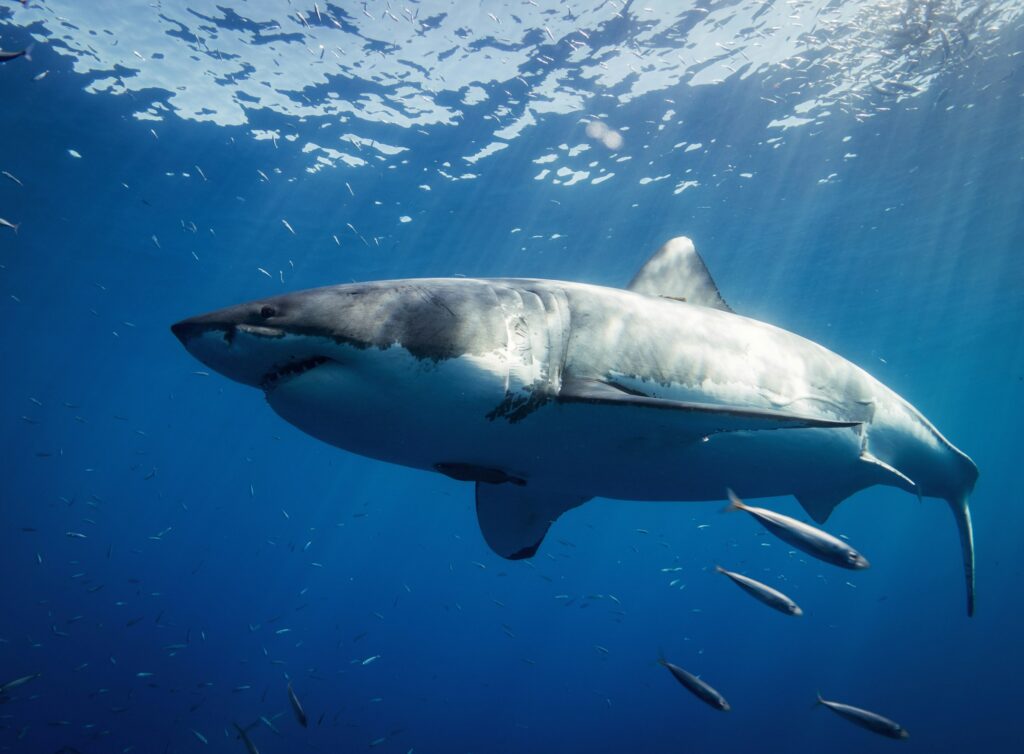
Ask any adult where their shark knowledge actually comes from, and the answer is almost always the same place: a documentary they half-watched as a kid, or a summer blockbuster that never really left them. Ancient. Mindless. Cancer-proof. Able to smell a single drop of blood from a mile out. These aren’t fringe beliefs – they’re the default “facts” most people still repeat as gospel.
Here’s the twist nobody announced out loud: marine biologists quietly stopped saying almost all of it. No press conference, no dramatic retraction – just years of peer-reviewed papers, corrected textbooks, and researchers who’ve gently stopped correcting people at dinner parties because the real story turned out stranger than the myth. Twelve of those quiet reversals are lined up below, counting down to the one correction that’s now reshaping how scientists talk altogether.
#12 – “Sharks Don’t Get Cancer” Is Officially Retired
For decades this was treated as settled biology, repeated in classrooms and health-food aisles alike. It isn’t just wrong – it’s been wrong for over a century.
Scientists have actually known for more than 150 years that sharks get cancer. Yet the myth refuses to die. It exploded after a 1992 book leaned on a real but narrow finding: Johns Hopkins researchers discovered that cartilage could block new blood vessels from growing into tissue, a hallmark of malignant tumors. That research started with rabbit cartilage, moved on to sharks, and then got hijacked – marketers ran with it commercially, not scientifically.
The real data tells a different story. In 2004, researchers from the University of Hawaii surveyed the Registry for Tumors in Lower Animals and found 42 tumors in cartilaginous fish species, including at least 12 malignant ones scattered throughout the body.
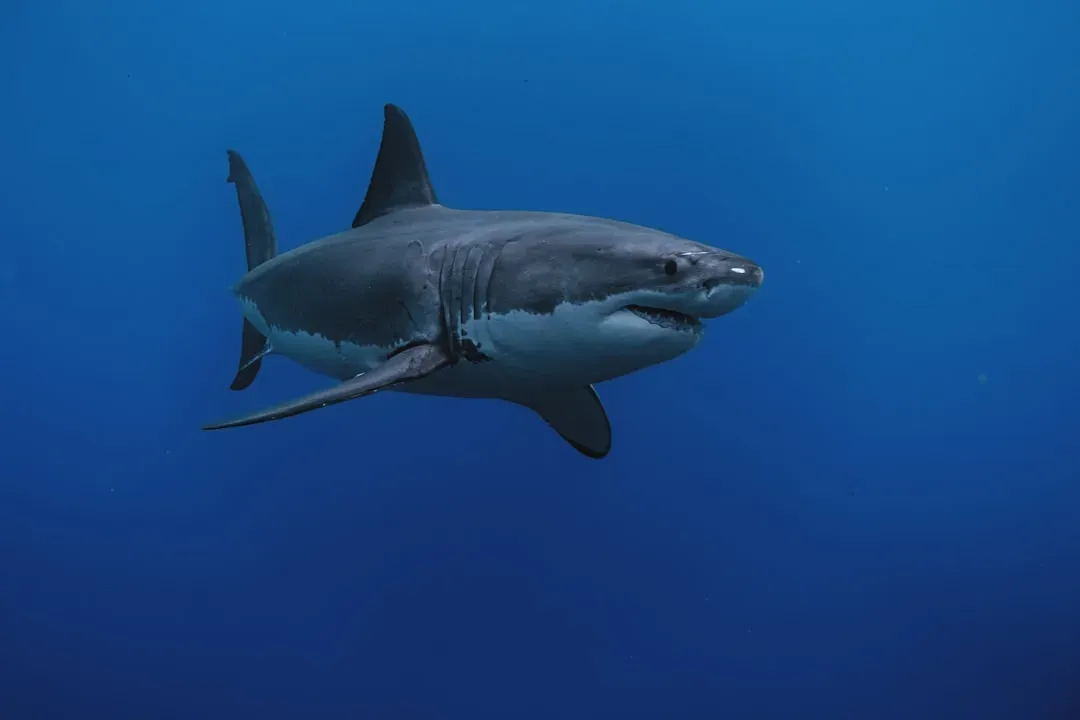
Even great whites aren’t exempt. Australian researchers documented a great white with a tumor on its lower jaw in 2013 – the first confirmed tumor ever recorded in that species. The cartilage pills people still buy have never been shown to treat cancer in a single human trial. But the cancer myth is almost quaint compared to what scientists had to admit about how long great whites actually live.
#11 – The “25-Year-Old” Great White Was a Massive Undercount
For years, marine biology courses taught that great whites lived fast and died young, maxing out around three decades. Scientists have since had to throw that number out entirely.
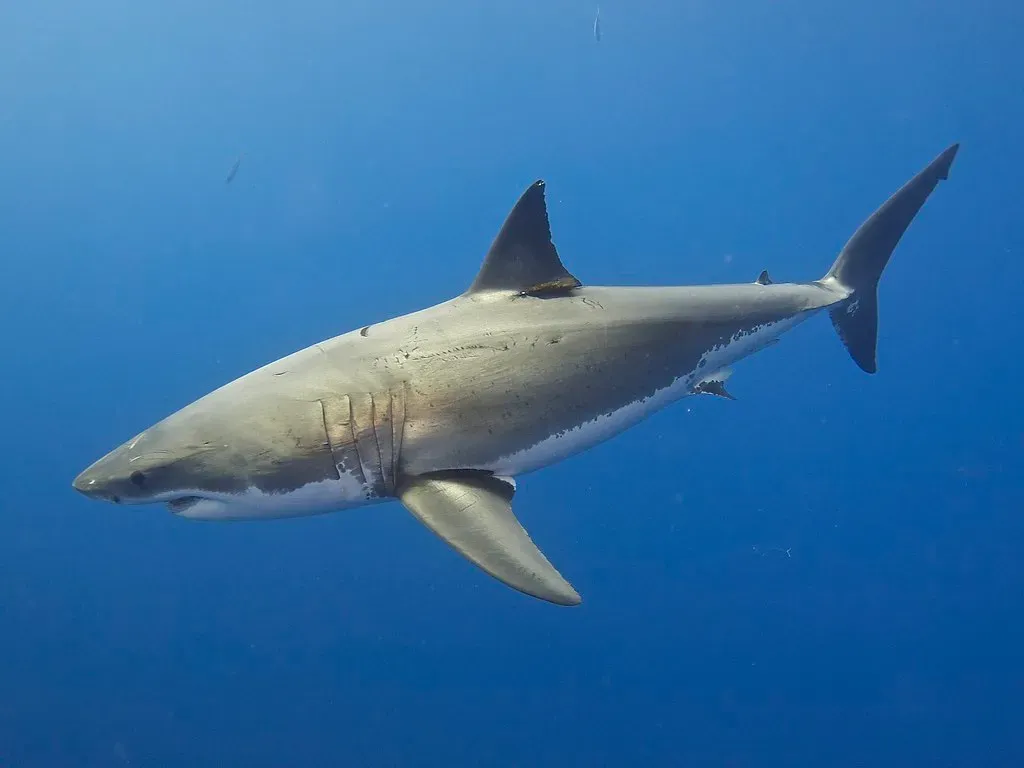
Until 2014, experts thought great white sharks only lived 25 to 30 years – until studies published in Marine and Freshwater Research showed white sharks grow more slowly and live far longer than anyone had assumed. The breakthrough came from an unusual dating method. Using radiocarbon dating techniques, scientists measured the age of sharks from the Northwest Atlantic and found some had lived to 70 years old and beyond.
The old counting method – tree-ring-style bands in vertebrae – had been quietly failing researchers for years. Sharks are usually aged by counting alternating band pairs in their vertebrae, but growth slows as sharks age, so age gets underestimated almost automatically.
Quick Compare
- Old estimate: maximum lifespan around 25 to 30 years
- New finding: sharks confirmed living to 70+, with one at 73
- Old maturity estimate: females mature around 4 to 10 years
- New maturity estimate: females around 33, males around 26
One male shark in the study turned out to be 73 years old – roughly three times the age science had assumed. That single correction reshaped every conservation model built for the species – and #10 flips an even more basic biology lesson upside down.
#10 – Not All Sharks Are Actually Cold-Blooded
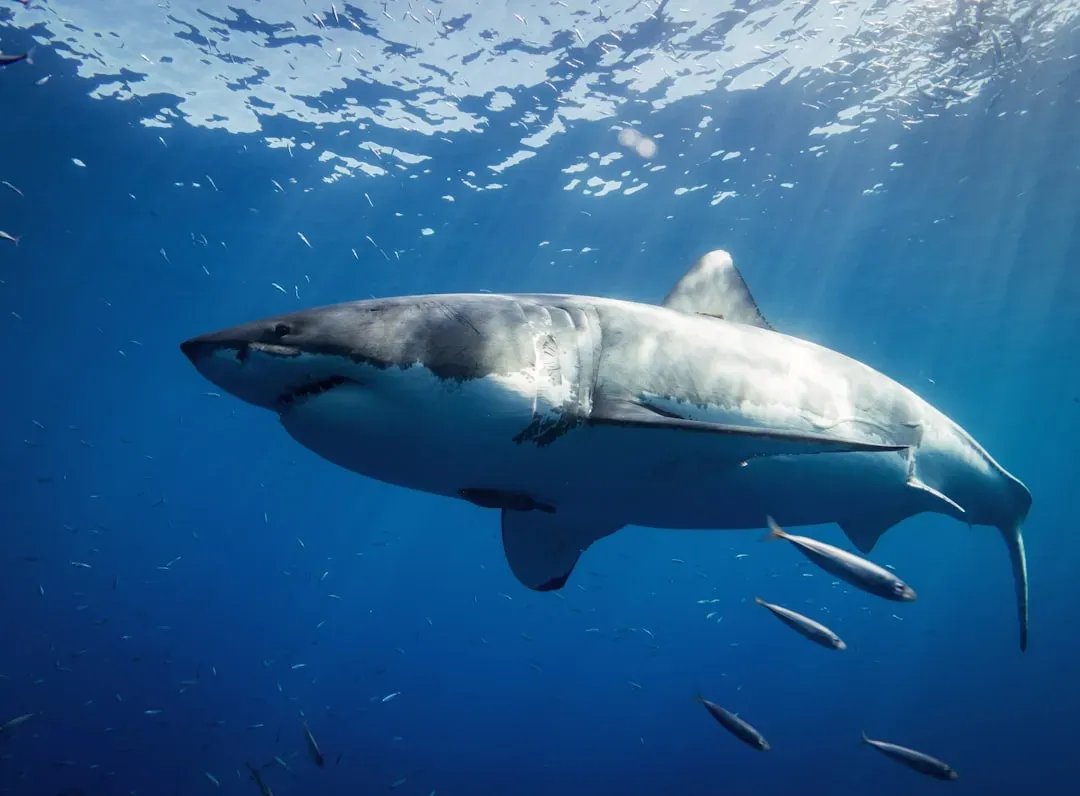
Generations of students were taught a clean rule: fish are cold-blooded, mammals are warm-blooded, no exceptions worth mentioning. That rule just got quietly rewritten.
Roughly 99.9% of fish and shark species are cold-blooded, meaning their body tissue generally matches the temperature of the water around them. But researchers discovered the basking shark is a one-in-a-thousand exception, and that alone stunned marine biologists – basking sharks are slow, gentle plankton eaters, not the athletic predators warm-bloodedness was supposed to require. They also found basking sharks have strong, muscular hearts that likely generate high blood pressure and flow, unlike the relatively spongy hearts of most fish.
Then it got stranger. A follow-up study found more warm-blooded sharks than scientists initially believed, discovering that even sand tiger sharks have physical features suggesting regional endothermy.
We used to think regional endothermy was confined to apex predators like the great white and extinct megalodon, but now we have evidence that deep water ‘bottom dwelling’ sand tigers, and plankton-eating basking sharks also are warm bodied.
Study co-author, on shark thermoregulation research
Warm-bloodedness in sharks evolved far earlier, and far more widely, than anyone assumed – and that discovery just rewrote megalodon’s family tree too.
#9 – The Megalodon’s “Closest Relative” Got Swapped
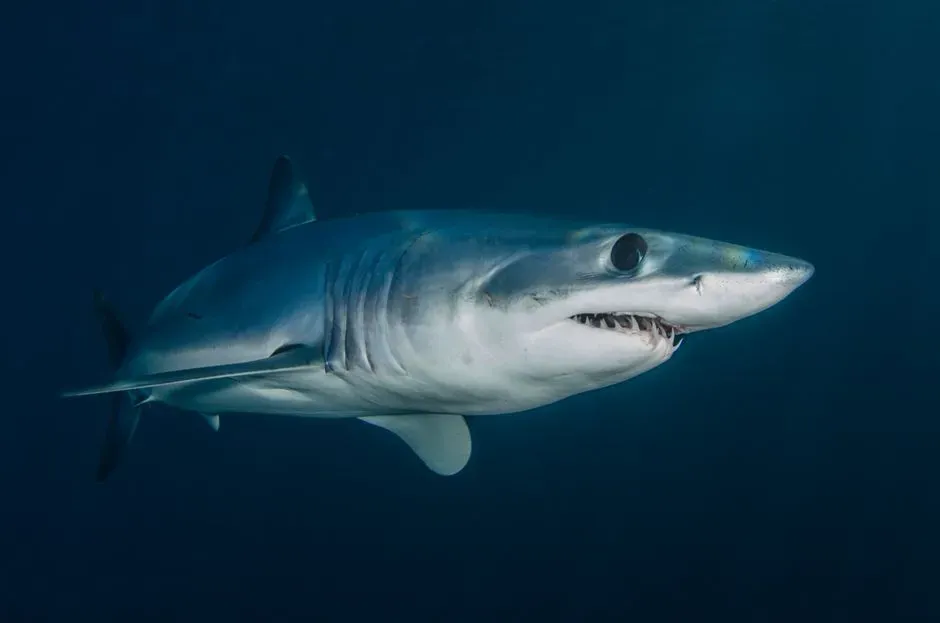
For decades, documentaries confidently told viewers that the great white shark was the terrifying megalodon’s closest living descendant. That family tree has since been quietly redrawn.
There’s no scientific evidence that megalodon sharks still exist; they’re believed to have gone extinct roughly five million years ago after reaching lengths of 18 meters. That part hasn’t changed. What has changed is who gets to claim kinship with it – white sharks were initially thought to be megalodon’s closest living relative, but recent research suggests today’s mako sharks are more closely related.
This isn’t a trivial footnote. It rewrites how scientists model megalodon’s hunting style, metabolism, and even its extinction. Mako sharks are famously fast, warm-bodied hunters, which lines up with mounting evidence that Otodus megalodon was likely warm-blooded or regionally endothermic – like modern makos and great whites – with an estimated average body temperature around 27 degrees Celsius.
The “meg” may have gone extinct partly because that warm-blooded lifestyle became too expensive to fuel as the oceans cooled. Which brings us to the myth that shaped an entire genre of horror films.
#8 – The “Mindless Man-Eater” Script Has Been Shelved
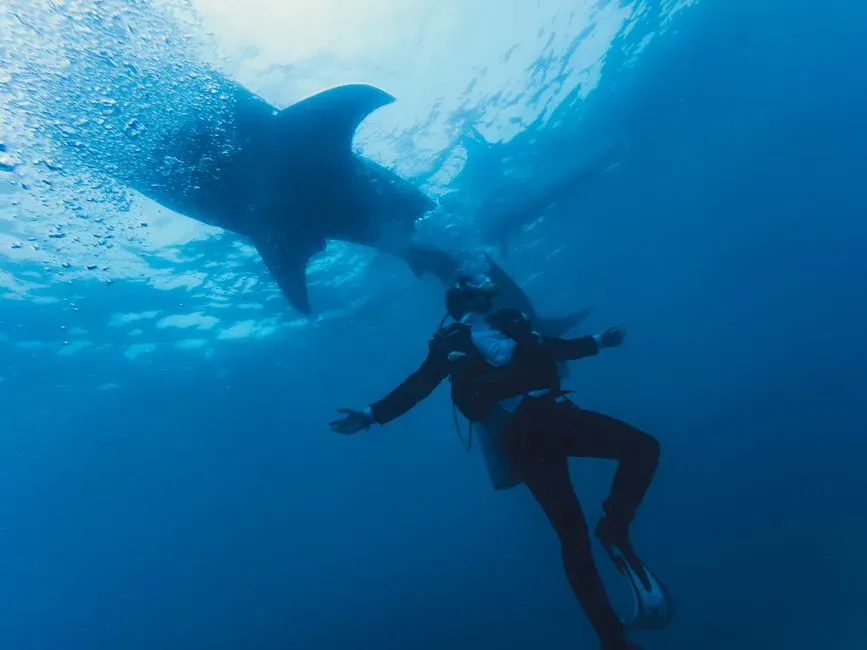
Fifty years of pop culture built sharks into calculating, vengeful killers. Researchers who’ve spent their careers underwater say that image was never based on real behavior.
Because in 1975 marine scientists knew far less and their world than we do now, it was easy for the myth of the rogue shark as a murderous eating machine to take hold – along with the assumption that all sharks must be bloodthirsty, mindless killers. That single film shaped fifty years of public fear before the science caught up enough to push back. Researchers who study the animals directly reject the framing outright; one shark historian and conservationist called the man-eater portrayal not accurate at all, noting that people simply fear primal predators the way they fear lions or bears, reacting to a toothy animal in a domain they can’t control.
The numbers back up the correction. Humans aren’t even considered prey to sharks, which primarily feed on fish, squid, crustaceans, seals, sea lions, and other marine animals depending on the species.
Sharks aren’t hunting people – they’re mistaking them for something else entirely, and rarely at that. It turns out that mistake has a second half nobody mentioned for decades.
#7 – “Humans Look Like Seals” Was Only Half the Story
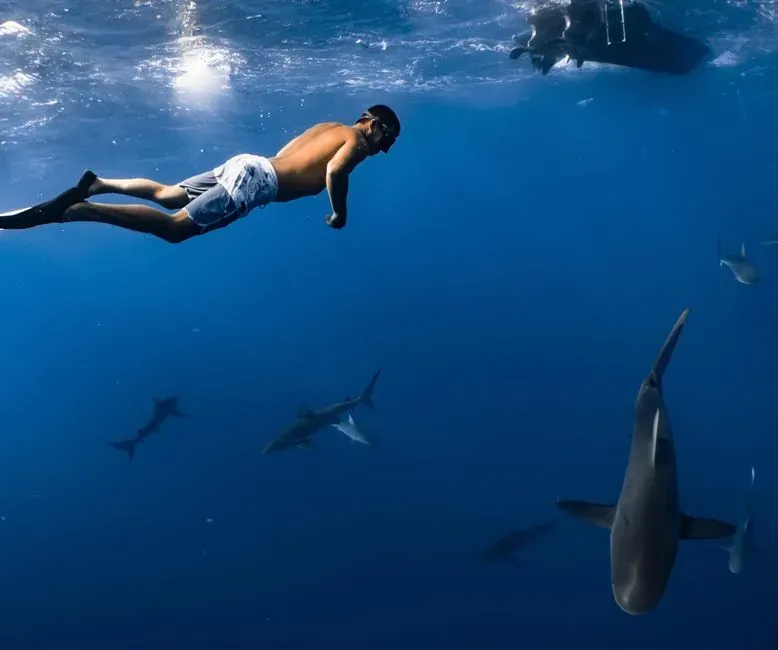
Scientists used to explain shark bites with a single, tidy sentence: sharks confuse humans for prey in low visibility. New field research says that’s incomplete.
When the rare shark bite does occur, experts believe it’s often a case of mistaken identity – in murky water or from below, a swimmer may resemble prey, and once a shark realizes its mistake, it’s unlikely to continue the attack. That part holds up. But researchers have added a second, stranger layer: sharks don’t even seem to like the taste of us.
Humans simply aren’t appetizing to sharks. According to one Shark Lab researcher, humans taste bitter to sharks – more like balsamic vinegar than cake – since sharks are actually hunting seals, dolphins, squid, or clams.
That taste-aversion detail rarely made it into older shark-attack explanations, which focused entirely on silhouette and visibility. A shark biting a human isn’t chasing a meal – it’s making a mistake it doesn’t even want to finish. This correction has quietly reshaped how researchers talk to the public about risk near shorelines. Next, scientists had to undo an even older assumption – about what’s actually going on inside a shark’s head.
#6 – The “Primitive, Solitary Brute” Label Got Dropped
Textbooks once described sharks as simple instinct machines – no memory, no learning, no social structure worth studying. Field researchers have spent the last decade proving otherwise.
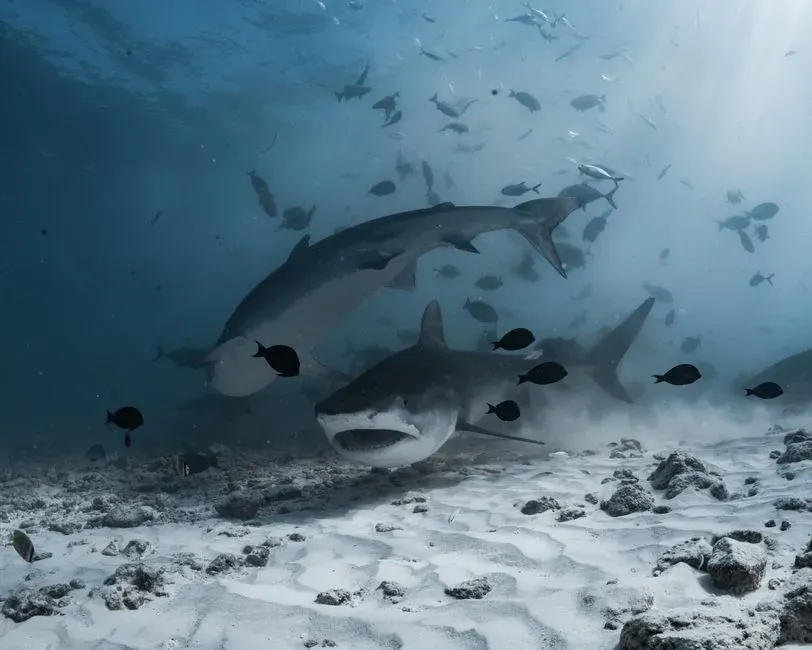
The idea that sharks are primitive animals driven solely by instinct needs to go. Modern research paints a much more complex picture: many species exhibit sophisticated behaviors, learn from experience, remember solutions to problems, navigate mazes, recognize patterns, and adapt their behavior based on previous encounters. That’s a description that could easily apply to a dog, not a “mindless” fish.
The social side is just as surprising. Rather than living solitary lives, some sharks show remarkable social behavior – they form groups, establish social hierarchies, and often interact with the same individuals repeatedly.
Worth Knowing
- Some species can navigate mazes and remember how they solved them
- Sharks recognize patterns and adjust behavior after past encounters
- Certain species repeatedly interact with the same individuals over time
- Stable shark populations are linked to stronger coral reef ecosystems
Sharks recognizing specific individuals repeatedly is a finding that would have been laughed out of a marine biology conference thirty years ago. This matters beyond curiosity, too. When shark populations remain stable, they help regulate fish communities interacting with coral systems, and reefs with healthy shark populations often show stronger ecological stability than depleted reefs. Meanwhile, an entirely different shark “safety” idea was falling apart in the data.
#5 – “Shark Nets Keep Beaches Safe” Quietly Fell Apart
For nearly a century, beach nets were sold to the public as a straightforward safety measure. Long-term data has quietly gutted that justification.
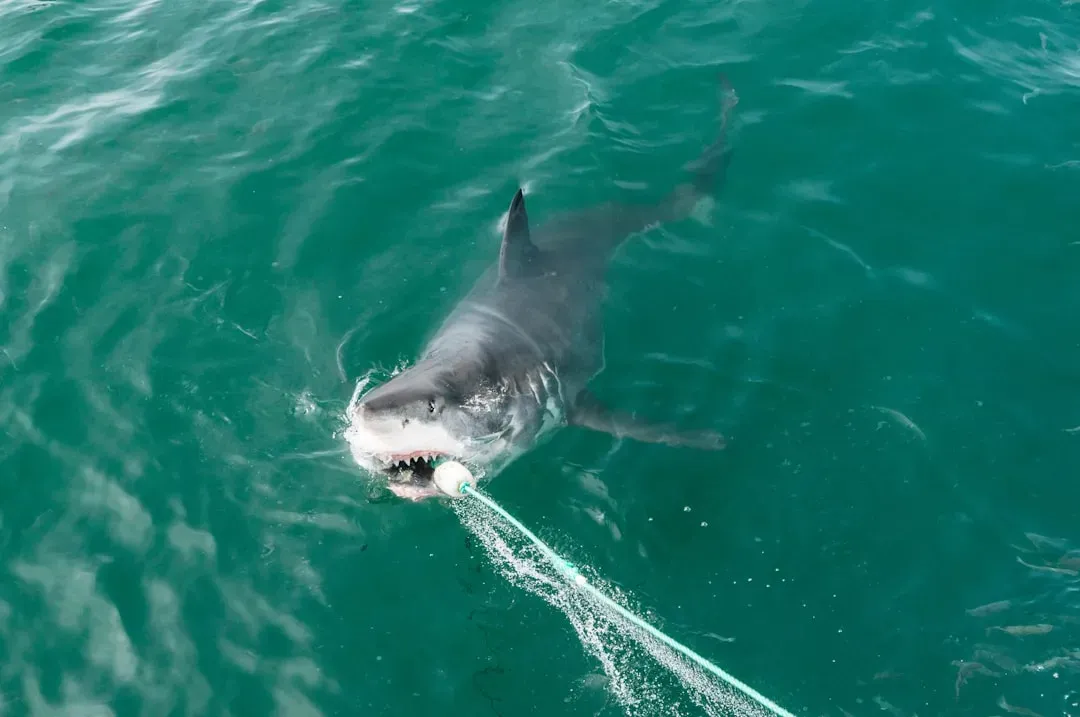
Shark mesh nets were introduced to beaches in New South Wales in 1937 as deterrents, but an environmental science professor’s analysis of 50 years of shark mitigation data shows the nets do very little. The mechanical reason is almost embarrassingly simple: since the nets sit on the sea floor and don’t touch the surface, most sharks swim above or around them, while the ones caught are often already on their way back from the beach.
The real cost falls on everything else in the water. Rather than averting sharks, the nets are detrimental to endangered shark species and other vulnerable marine life, and this “by-catch” has a very low survival rate while being caught more commonly than sharks themselves. One government report backs this up directly: of the 395 marine animals caught in a single reporting year, only 23 were the target species.
Fast Facts
- Shark nets have been used on NSW beaches since 1937
- Nets sit on the sea floor and rarely block surface-level access
- 395 marine animals caught in one year – only 23 were target sharks
- Non-target by-catch has a notably low survival rate
That means roughly 94% of what these “shark safety” nets kill isn’t even a shark. Up next: the correction to maybe the most repeated shark “fact” of all time.
#4 – “Smell Blood From a Mile Away” Was Always an Exaggeration
This claim gets repeated so often it feels like settled fact. It isn’t – and the real number is still impressive without the myth.
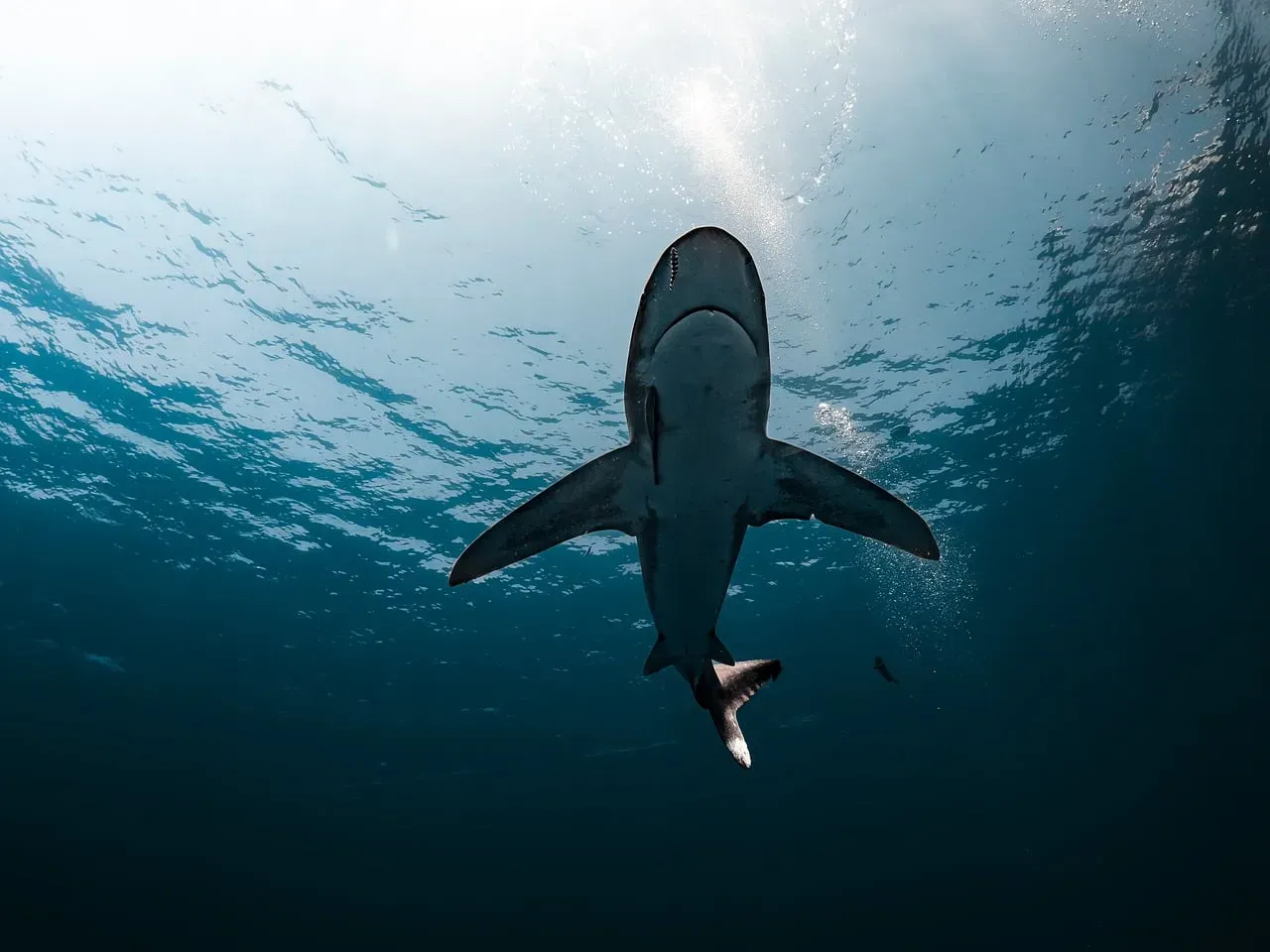
While the “mile away” version isn’t really true, sharks can still detect a single drop of blood in roughly an Olympic-sized swimming pool, and their sense of smell is particularly sensitive to odors from food sources, predators, potential mates, and even human-caused disturbances. That’s a genuinely remarkable sensory feat – it just isn’t the ocean-spanning superpower pop culture describes.
The distinction matters because it changes how researchers talk about risk in the water. A shark detecting blood in a contained pool-sized volume is a localized, close-range sense, not a long-distance tracking system scanning miles of open ocean for a single cut.
Scientists now emphasize proximity and concentration over distance when explaining this ability, because the mile-away version implies sharks are actively hunting from far away – reinforcing exactly the “man-eater” narrative researchers have spent years trying to correct. And the next correction comes straight from two years of drone footage nobody expected to be this reassuring.
#3 – Drone Footage Just Rewrote the “They’re Lurking Offshore” Fear
For years, the assumption was simple: if sharks are nearby, danger is imminent. A two-year drone study over real beaches quietly dismantled that assumption.
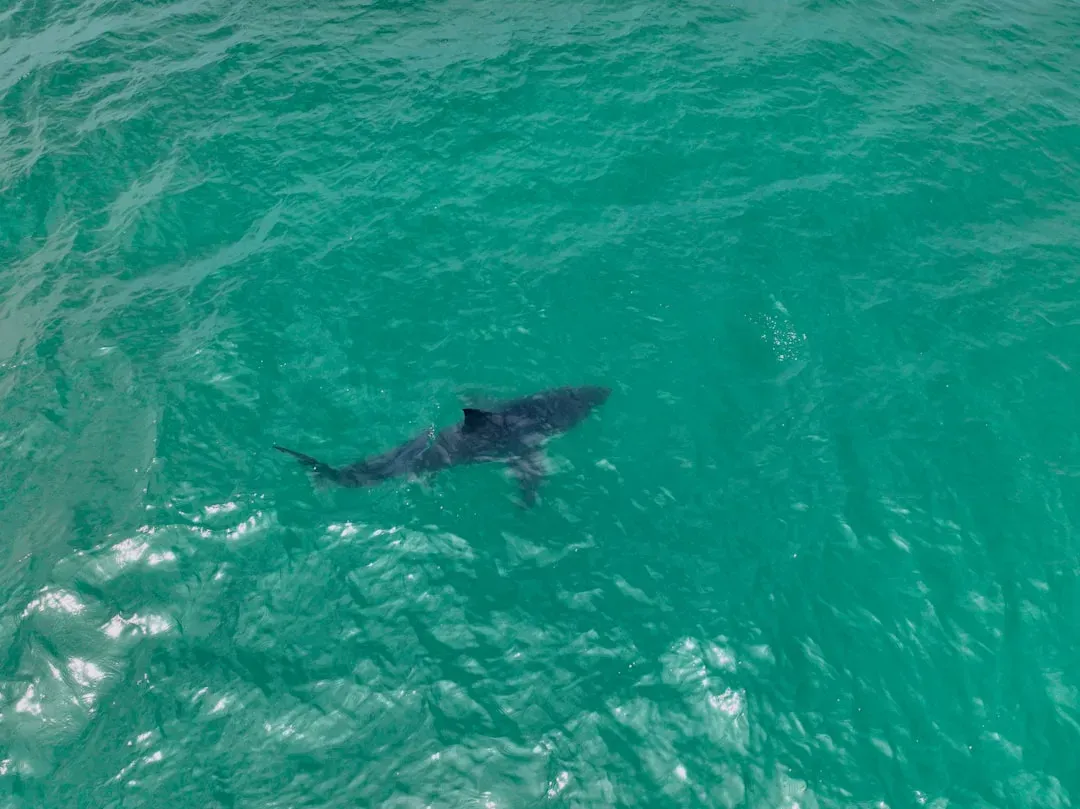
A researcher at Cal State Long Beach’s Shark Lab discovered that juvenile white sharks unknowingly co-exist with swimmers, surfers, and paddle-boarders in Southern California waters, with findings that debunk many myths beachgoers have . The other big myth, the researcher added, is assuming that seeing a shark close by means it’s there to bite or is dangerous.
They really don’t want anything to do with us.
Chris Lowe, Cal State Long Beach Shark Lab
The outcome numbers are the real shock. There were no reported shark bites at any of the 26 Southern California beaches surveyed from January 2019 to March 2021, according to the Shark Lab.
At a Glance
- 26 Southern California beaches surveyed by drone
- Study period: January 2019 to March 2021
- Zero reported shark bites across the entire survey
- Juvenile white sharks routinely swam near surfers and paddleboarders
Juvenile great whites were swimming feet away from surfers for two straight years without a single documented bite. That’s not an absence of sharks – it’s proof that proximity alone was never the danger signal people assumed it was. The next correction picks up right where a bite actually begins.
#2 – “Once They Bite, They Don’t Stop” Has Been Retired
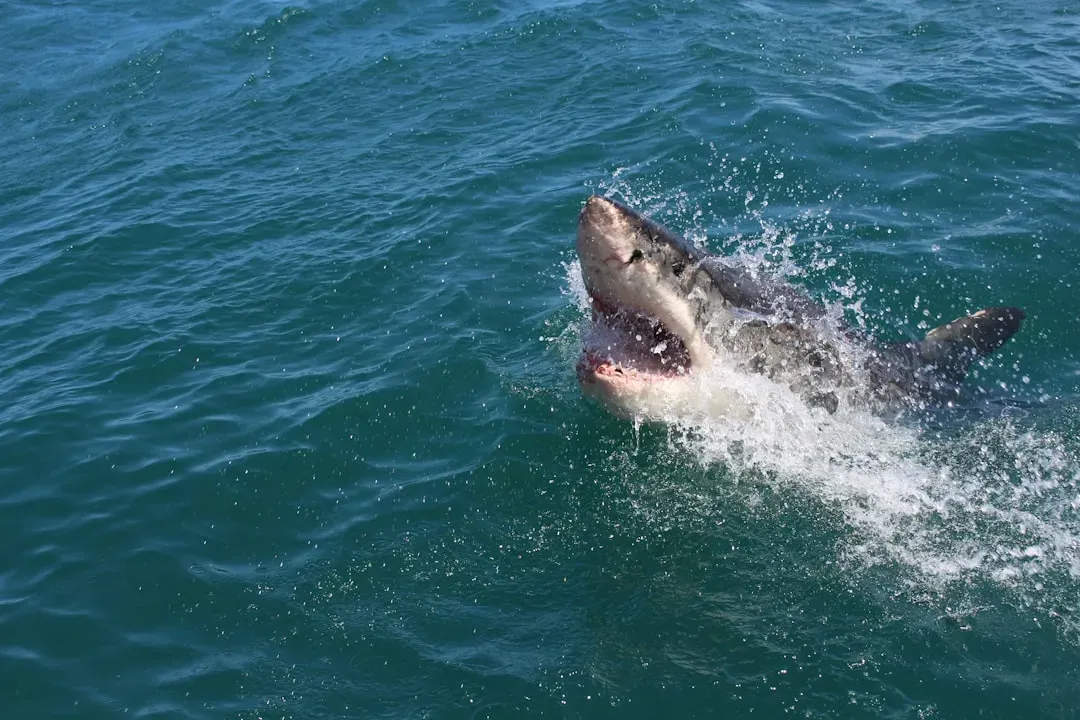
This one fueled decades of panic: the idea that a shark bite is the opening move of a sustained attack. Researchers who study actual bite incidents say that’s backwards.
Experts believe the rare shark bite is often a case of mistaken identity, where a shark may briefly mistake a swimmer for prey in murky water – but once it realizes its mistake, it’s unlikely to continue the attack. That single correction reframes almost every widely circulated “shark attack” story. Most are a single bite followed by immediate disengagement, not a prolonged assault.
Even the self-defense advice reflects this shift in understanding. If you come into a close encounter with a shark, researchers note that hitting the snout – where hypersensitive electro-sensory organs are located – will give you time to get away, though the eyes or gills work just as well.
The advice exists specifically because sharks are quick to disengage once startled, not because they’re locked into finishing an attack. Which leads to the correction that might matter most of all – because it’s not really about shark behavior. It’s about human counting.
#1 – More Sharks Near the Boat Doesn’t Mean More Sharks in the Ocean
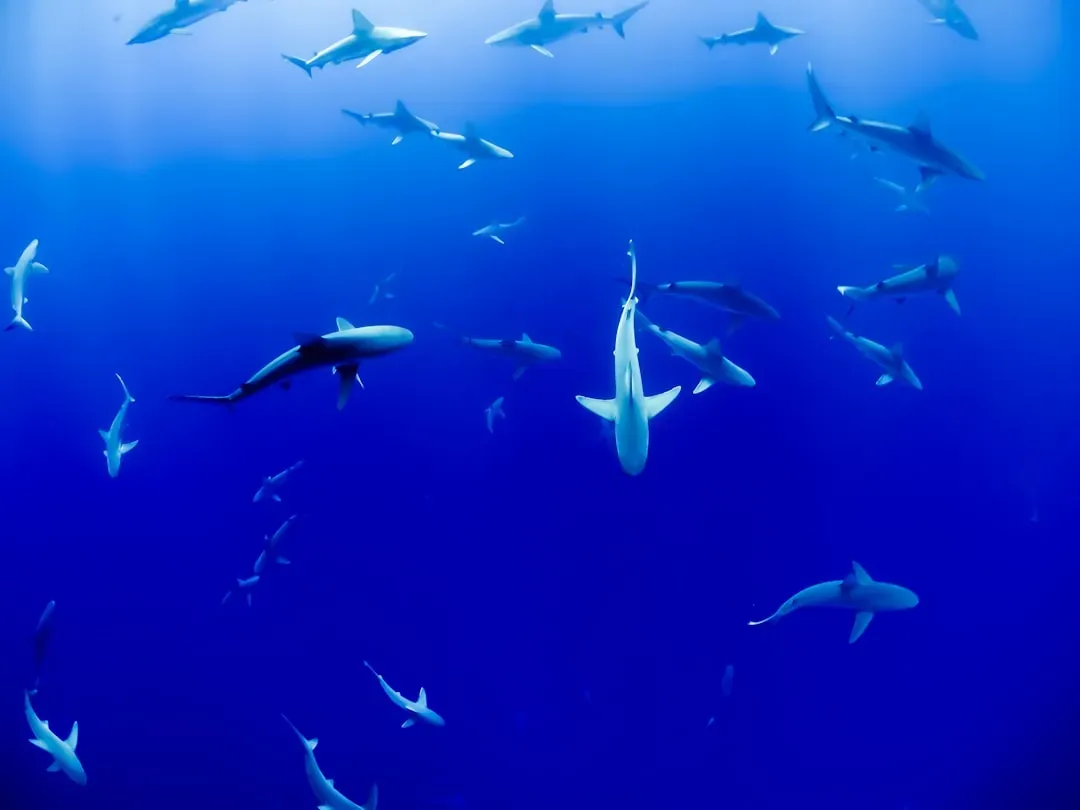
This is the correction that’s reshaping how scientists talk about shark “population booms” entirely – and it comes down to something embarrassingly simple: counting.
If you see the same shark three times, you’ll count three sharks unless you identify individuals. When researchers ID sharks one by one, they recognize returning animals and avoid double counting, which is exactly where perception and reality diverge. A handful of curious, food-motivated sharks circling one boat repeatedly can look, to untrained eyes, like an explosion in local shark numbers. It isn’t.
Researchers now draw a hard line between observation and actual science. Seeing isn’t counting, more sharks by the boat doesn’t equal a population boom, and a baited pass isn’t a natural hunt – the standard now is to bring the same rigor to shark claims that any technical field would demand, methods over mythology.
A single well-fed shark returning to a chum slick can single-handedly manufacture the illusion of a thriving population. This is the correction marine biologists now lead with whenever a viral video claims sharks are “taking over” a coastline.
The Bottom Line
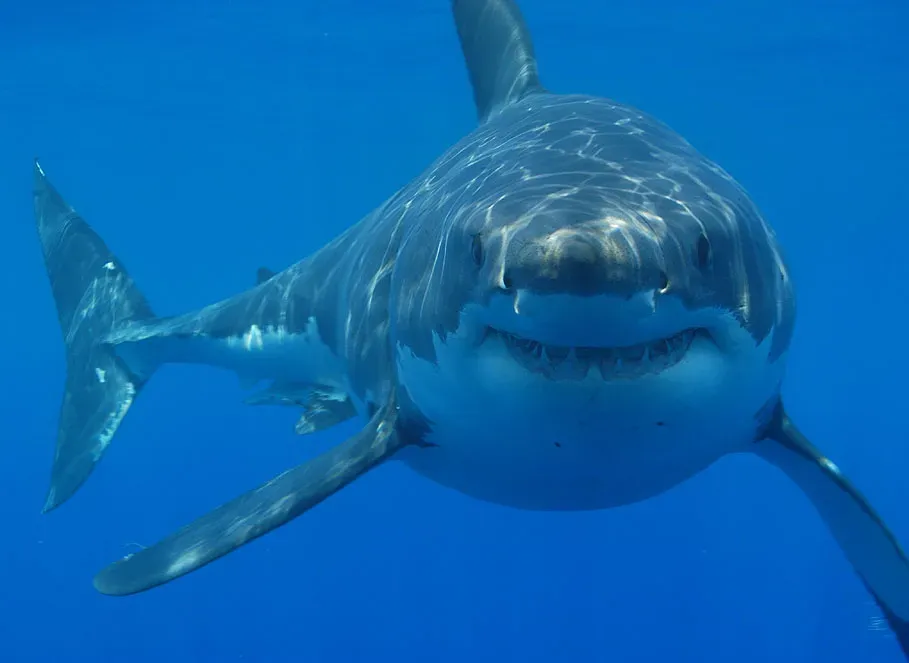
Strip away the recycled Jaws-era talking points, and the actual research paints a far stranger, more interesting animal than the “mindless killer” cliché ever allowed. Sharks get cancer, live three times longer than we assumed, can be warm-blooded, recognize individual humans and each other, and mostly want nothing to do with swimmers.
Here’s the part that bugs me most: almost none of these corrections were dramatic. No headline said “Scientists Were Wrong for 50 Years.” The old story just got quietly swapped out for the true one while pop culture kept running the original clip on a loop. That’s the real myth worth retiring – not any single fact , but the idea that the science ever stood still while we weren’t looking.