
Imagine hitting the reset button on life again and again for over a billion years. Our planet may have done exactly that, slowly filling its air with oxygen, only to lose much of it, and then trying again. This stop‑and‑start story of oxygen is not just a quirky detail; it is central to understanding why complex animals like us appeared so late in Earth’s history.
Recent research paints a picture of an Earth that was anything but stable, with oxygen levels rising and crashing in ways that would have made long‑term, complex life almost impossible for huge stretches of time. Instead of a neat, one‑way climb from a lifeless rock to a blue, thriving world, scientists now see a messy, dramatic saga. And in that chaos may lie the real reason it took so long for complex life to finally take hold.
A Planet That Breathed Unevenly: The New View of Earth’s Early Atmosphere
For a long time, the story in textbooks sounded simple: oxygen appeared, rose steadily, and then boom – complex life arrived. But as geochemists have drilled deeper into ancient rocks, that tidy picture has started to fall apart. The evidence now suggests that Earth’s atmosphere went through repeated pulses of oxygenation, followed by plunges back into more oxygen-poor conditions, long before animals showed up.
You can think of early Earth as a planet that kept trying to take a deep breath but could not quite hold it. Oxygen would build up in the atmosphere and oceans, making things briefly more hospitable, and then geological and biological processes would drag levels down again. This meant early life had to adapt to a world that never sat still, like trying to train for a marathon while someone keeps changing the gravity under your feet.
The Great Oxidation Event: Not a Single Switch, but a Series of Flickers
Scientists often talk about the Great Oxidation Event, roughly over two billion years ago, as the moment oxygen first rose significantly in Earth’s atmosphere. The classic image is a single switch flipped from low oxygen to high oxygen. But newer data from ancient sedimentary rocks hints at something more subtle and frustrating: the rise may have come with repeated false starts and reversals instead of one clean step.
Some layers show signs of oxygen being present, followed by layers that look more like a low‑oxygen world again. In other words, the Great Oxidation Event might have been more like a flickering light bulb than the smooth dawn of a bright new day. That means early microbes and ecosystems likely had to deal with a yo‑yoing environment, where today’s oxygen advantage could become tomorrow’s liability.
How Rocks Became Time Capsules for Ancient Oxygen
We obviously cannot travel back billions of years to measure the air, so scientists turned to rocks as their time machines. Certain minerals lock in chemical fingerprints that form only at particular oxygen levels. By measuring elements like sulfur, iron, and trace metals in ancient sediments, researchers can infer whether the water and air at that time were oxygen‑rich, oxygen‑poor, or somewhere in between.
When you see these chemical markers jumping back and forth through the rock record, it starts to look like a long, uneven heartbeat of oxygen instead of a smooth line. Some rock layers show patterns that only make sense if oxygen spiked and then dropped again, sometimes over tens of millions of years. It is slow on human timescales, but on planetary timescales, that kind of instability can completely reshape the path life is allowed to take.
Microbes as World‑Builders: The First Oxygen Factories
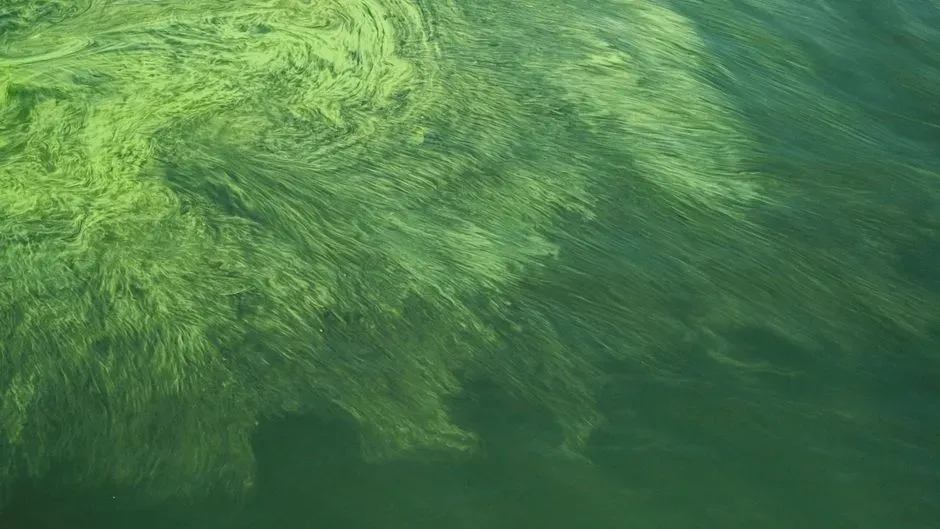
Long before plants and trees, tiny cyanobacteria in ancient oceans were the original oxygen factories, using sunlight to split water and release oxygen as a byproduct. At first, much of that oxygen never made it into the air because it reacted with iron and other elements in the oceans and crust. You can literally see that process preserved as banded iron formations – striped rocks that tell the story of oxygen’s earliest battles with a reducing world.
But microbes were not just innocent oxygen makers; they were also part of a tangled feedback system that could both raise and lower oxygen. The same biological productivity that creates oxygen can also drive the burial of carbon or the production of gases that consume it, depending on conditions. In a sense, early microbial life was both pressing the accelerator and tapping the brakes on Earth’s oxygen, making the path to a stable, oxygen‑rich atmosphere surprisingly bumpy.
Planetary Tug‑of‑War: Volcanoes, Continents, and the Carbon Cycle
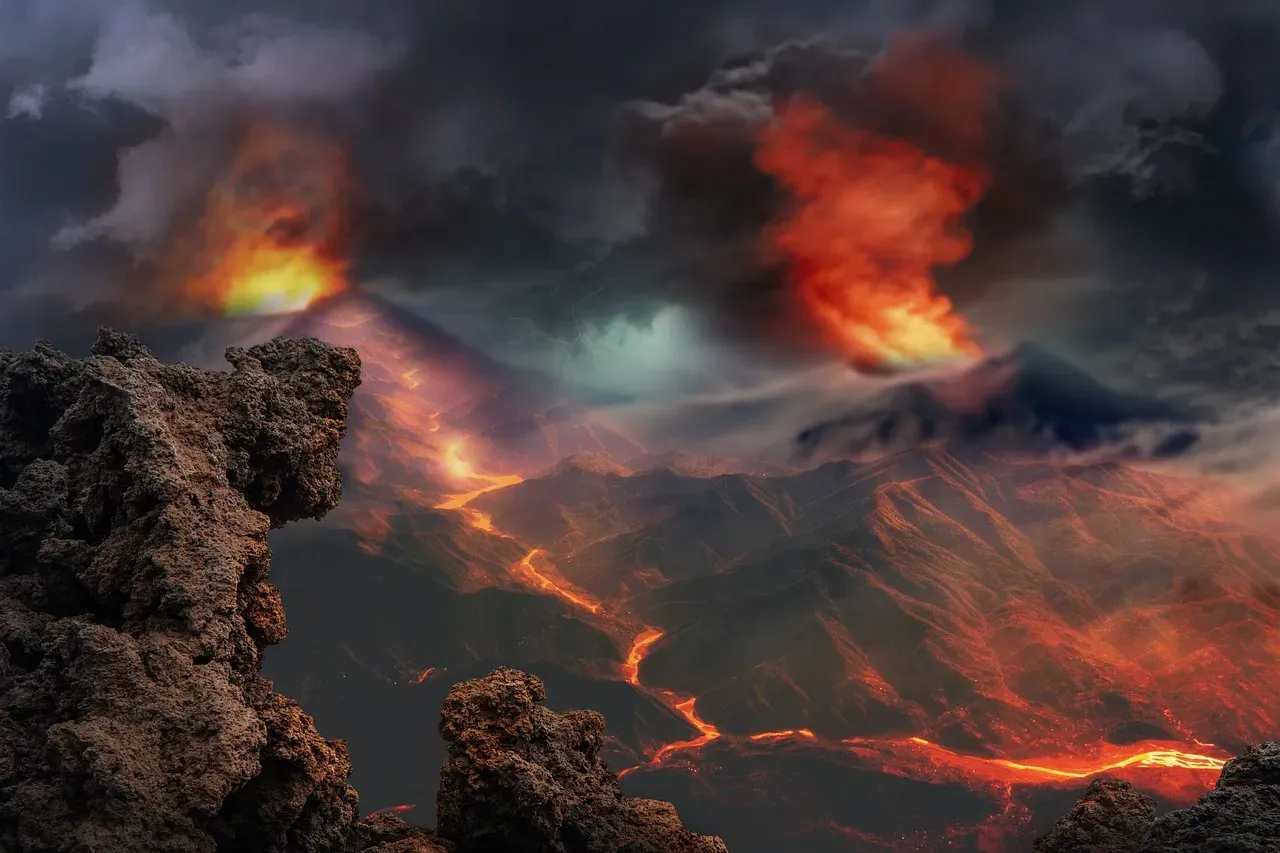
Geology got a vote in this story too, and it was often a loud one. Volcanic eruptions pumped out gases like hydrogen and methane that could react with and remove oxygen from the atmosphere. At times when volcanic activity was intense or the mantle chemistry favored more reducing gases, oxygen gains from photosynthesis could be partly erased, dragging levels back down.
Meanwhile, the slow growth and weathering of continents changed how carbon and nutrients cycled through oceans and air. When more nutrients washed into the sea, photosynthetic microbes could bloom and boost oxygen, but only if enough organic carbon was buried instead of being recycled and consuming oxygen again. This set up a planetary tug‑of‑war where geology and biology constantly pushed oxygen up and pulled it down, sometimes tipping Earth into long‑lasting low‑oxygen phases.
Why Complex Life Had to Wait for Stability

Simple microbes can tolerate a lot of environmental chaos; many of them can switch metabolisms, go dormant, or thrive without oxygen altogether. Complex multicellular life is fussier. Animals, in particular, need relatively stable and sufficiently high oxygen levels to power active bodies, nervous systems, and behaviors like swimming, burrowing, and later walking and thinking.
If oxygen kept rising and falling over hundreds of millions of years, that would have repeatedly knocked back any early experiments in complexity. Imagine trying to build a city in a place where the ground liquefies every few decades – eventually you stop trying. In the same way, the repeated oxygen swings may have kept life at the microbial stage until the planet’s atmosphere finally crossed a threshold of long‑term stability that allowed complex organisms to not only appear, but stick around and diversify.
The Late Bloom of Animals: Coincidence or Consequence?
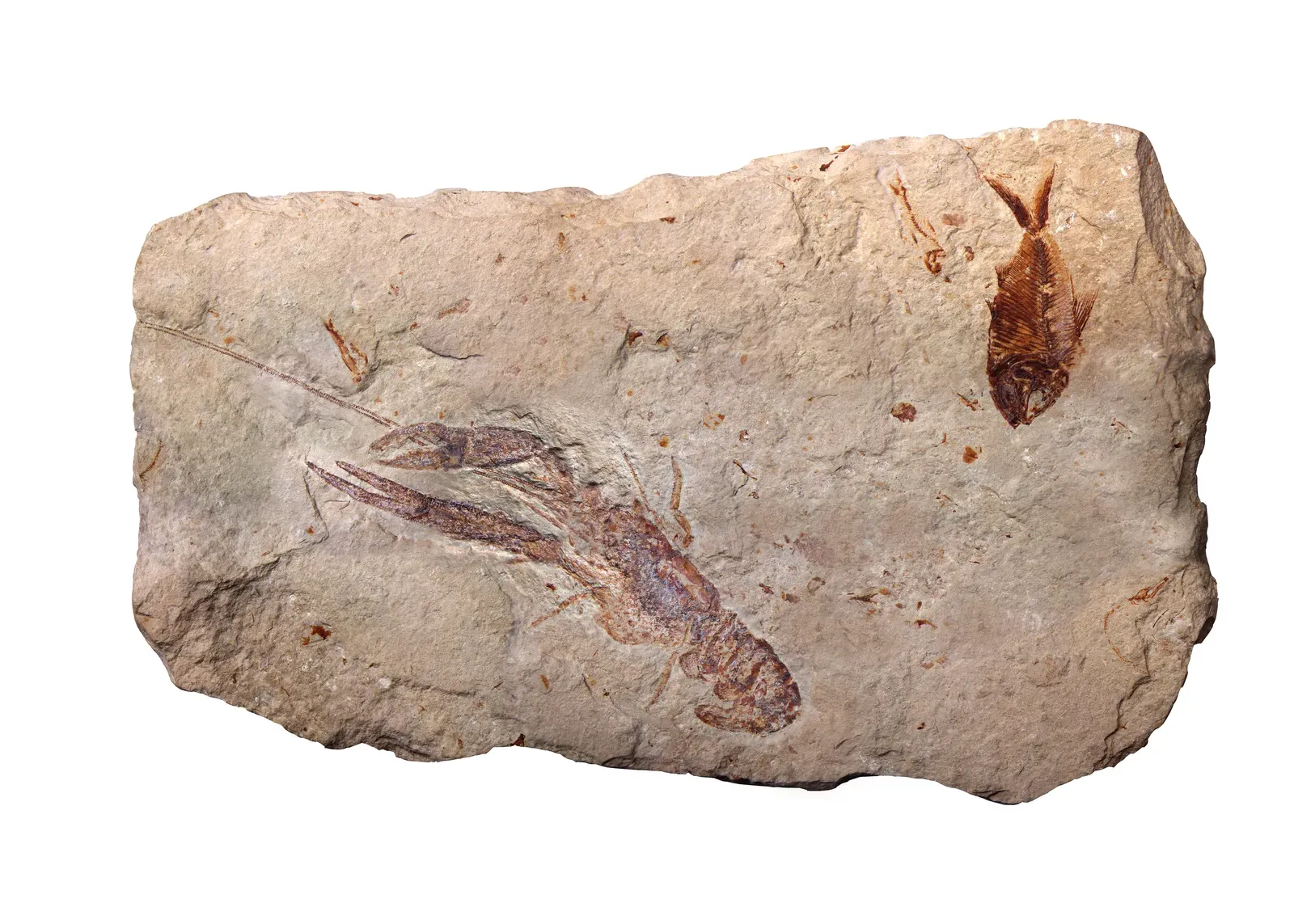
Animals show up relatively late in Earth’s history, with clear fossils appearing well after the first major oxygen rises. Some researchers once argued that oxygen climbed high and then animals simply took their time. The newer, more dynamic oxygen record suggests a different possibility: that truly sustained, reliable oxygen levels suitable for complex life may have only emerged closer to the time animals appear, especially in the deep ocean where many early animals lived.
This reframes animal evolution not as a slow response to a long‑settled environment, but as a rapid and opportunistic expansion once conditions finally stopped seesawing quite so violently. It is a bit like a forest that remains stunted for years because of frequent fires and then suddenly explodes in growth after the last major blaze. From that perspective, animals might not be latecomers at all – they might have shown up almost as soon as the planet finally gave them a fair shot.
What Oxygen’s Wild Past Tells Us About Our Future
To me, the most striking part of this story is how fragile and contingent our breathable atmosphere really is. We tend to treat the air around us as a permanent background feature, but Earth’s history says otherwise. For an enormous stretch of time, the planet hovered near thresholds where relatively small shifts in geology or biology could swing oxygen up or down in ways that reshaped life’s potential.
This does not mean we are about to plunge into a low‑oxygen world tomorrow, but it should make us respect just how special the current balance is. It also changes how we think about life on other planets: a world might have oxygen, lose it, and gain it again, with complex life only emerging during rare windows of stability. The uncomfortable implication is that intelligent life might not just need a habitable planet – it might need a lucky run of planetary calm. And that raises a question I can’t shake: how many worlds out there started down this path, only to have their chance at complexity snuffed out by a few untimely swings in their own cosmic breath?