Take away the drama of volcanoes and earthquakes for a moment, and the real plot twist is this: the ground beneath us has been quietly directing our entire story from the shadows. Before the first city, the first farm, or even the first word, geology had already laid down the rules of the game we call civilization. Where we find water, metal, fertile soil, and safe harbors is not random luck; it is the slow, relentless outcome of deep time carving the planet into opportunity and danger.
In school, we’re taught about kings, wars, and inventions – as if humans were always calling the shots. But many of the biggest turning points in our history trace back to ancient floods, drifting continents, and buried fossils that hardened into fuel. Some of these events happened hundreds of millions of years before humans existed, yet they still control where our cities rise, which nations get rich, and what kind of climate we wake up to. Let’s walk through eight geological events that reshaped our destiny so quietly that most of us never realized they were in charge.
The Breakup of Pangaea: When Continents Scripted Civilization
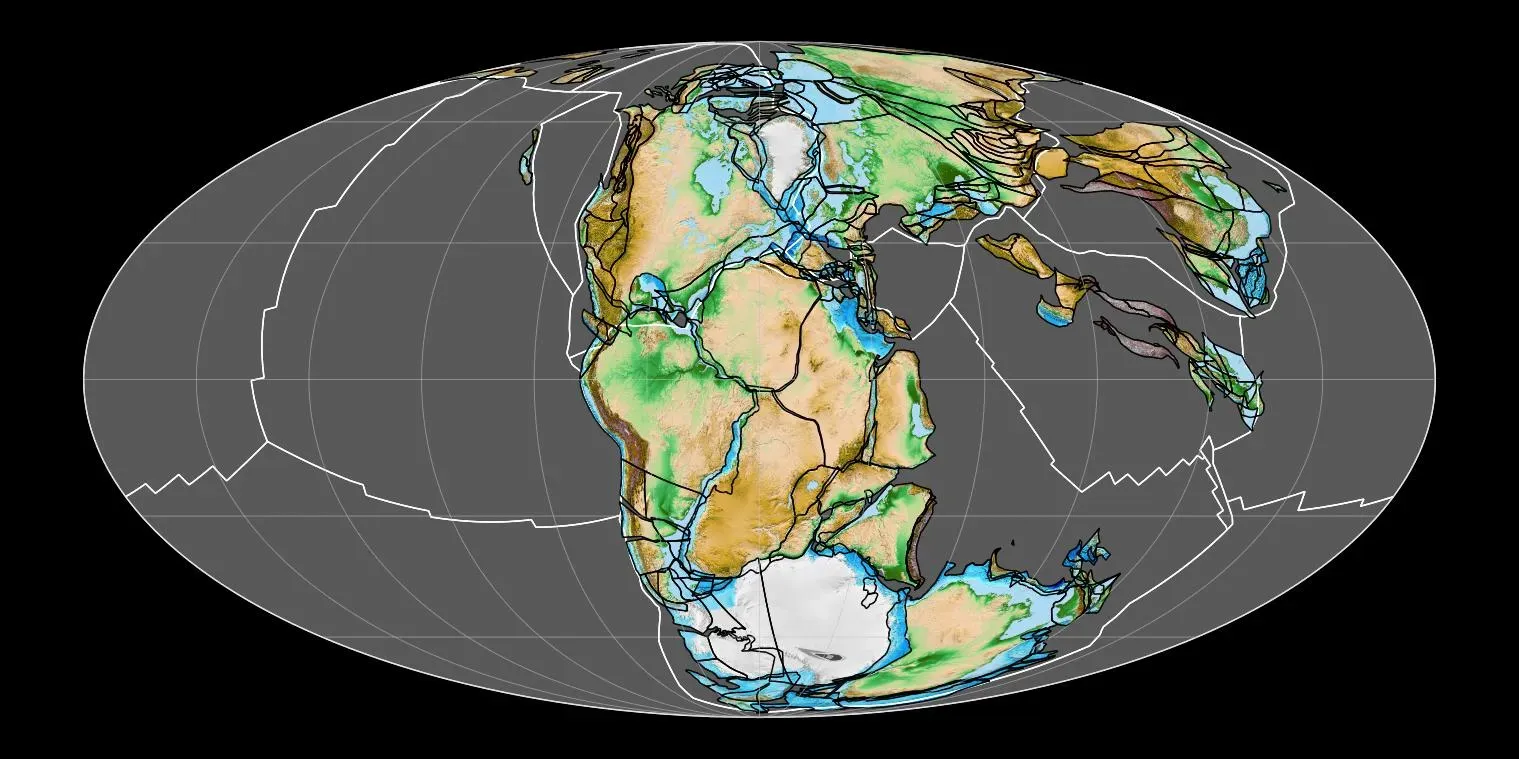
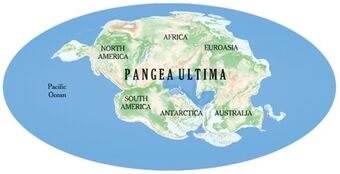
Imagine rewinding the planet until all the continents slam back together into one giant supercontinent: Pangaea. When that landmass slowly tore apart over tens of millions of years, it did far more than rearrange coastlines. It created the basic map of the world we know today – separating Africa from South America, splitting Europe from North America, and isolating Australia and Antarctica. Those drifting chunks of crust carried plant and animal lineages with them, setting up different ecosystems that would later shape what early humans could hunt, gather, and eventually farm.
The way Pangaea broke also influenced oceans and climate, which in turn shaped human migration paths much later. The opening of the Atlantic Ocean, for example, created long western-facing coasts for Europe and Africa and eastern coasts for the Americas, turning the Atlantic into a superhighway for ships in the age of exploration. The distribution of mountain belts and inland seas affected where soils developed, where rivers cut through, and where later humans found fertile basins ideal for agriculture. Long before we drew borders, plate tectonics had drawn the playing field.
The Rise of the Himalayas: A Collision That Rewired the Climate
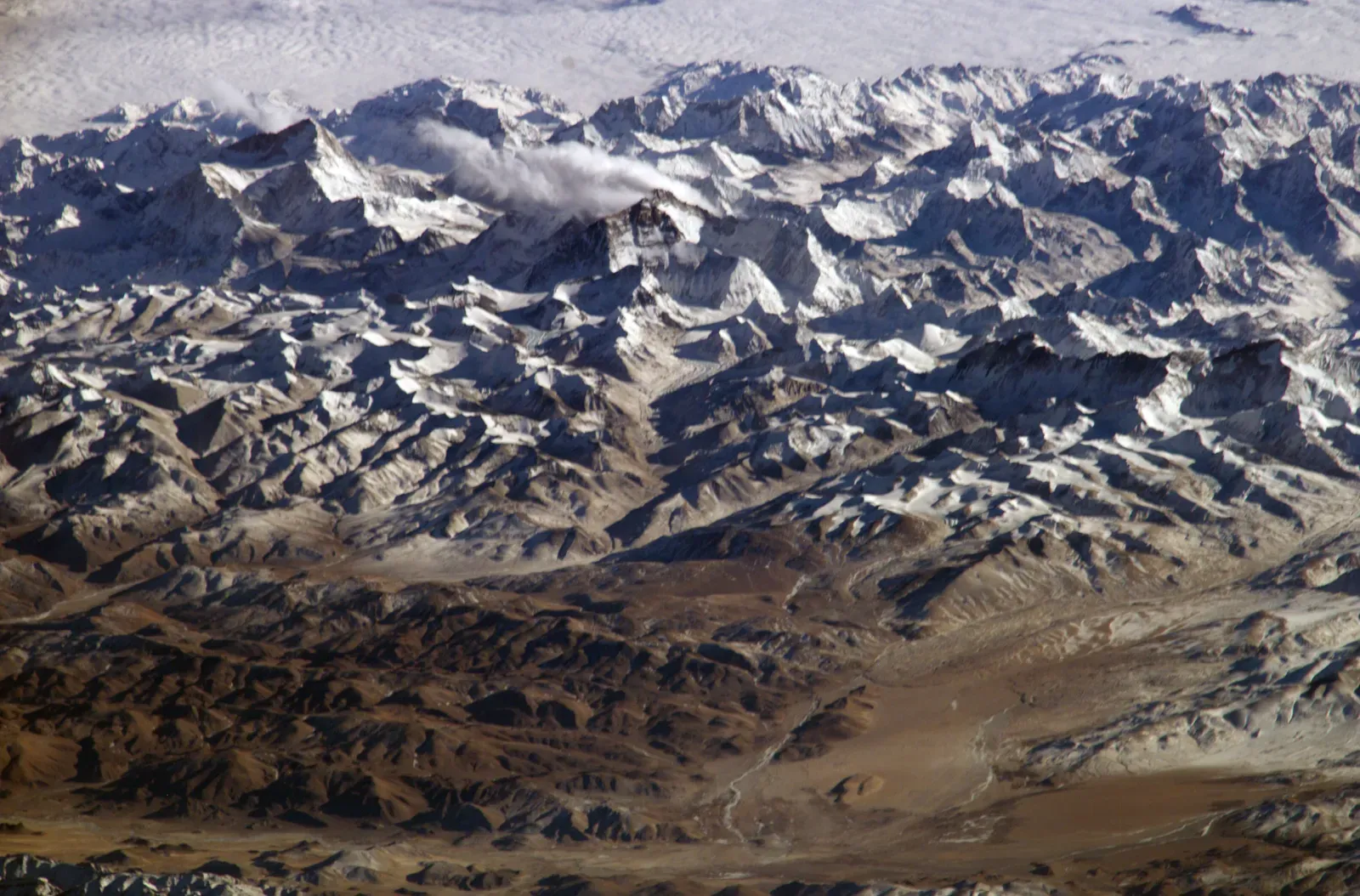
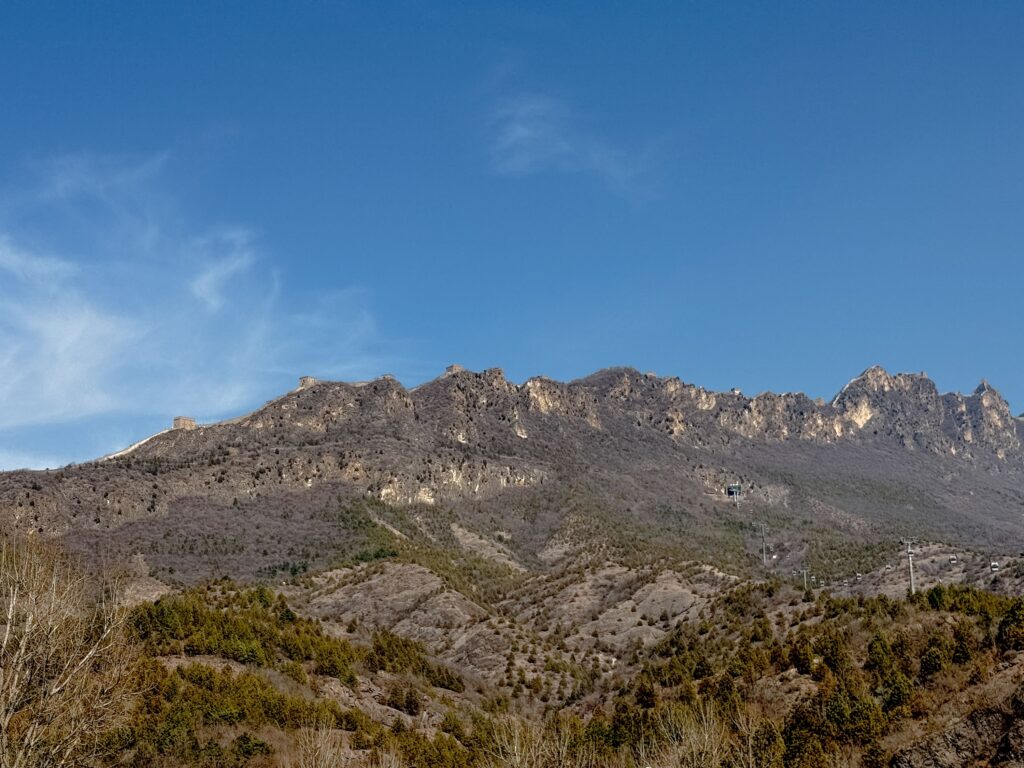
Roughly fifty million years ago, the Indian plate slammed into Eurasia and never really stopped, crumpling rock upward into the Himalayas and the Tibetan Plateau. That collision built the highest mountain range on Earth, and with it, a massive engine for climate and weather. Those towering peaks divert winds, create powerful monsoons, and influence atmospheric circulation across half the globe. The seasonal pulse of rainfall that billions of people now depend on – especially in India and Southeast Asia – is deeply tied to that uplifted landscape.
This collision also accelerated the weathering of rock, which acts like a planetary thermostat by pulling carbon dioxide from the atmosphere over geological timescales. That cooling trend helped set the stage for the ice ages that shaped modern ecosystems and coastlines. Human civilizations along the Indus, Ganges, Yellow, and Yangtze rivers grew in valleys fed by glaciers and snowmelt from those mountains. In a very literal sense, one of the greatest tectonic collisions in Earth’s history wrote the script for where some of the world’s densest and most enduring civilizations would thrive.
The Last Ice Age and Its Meltdown: Sculpting Coasts and Crop Lands
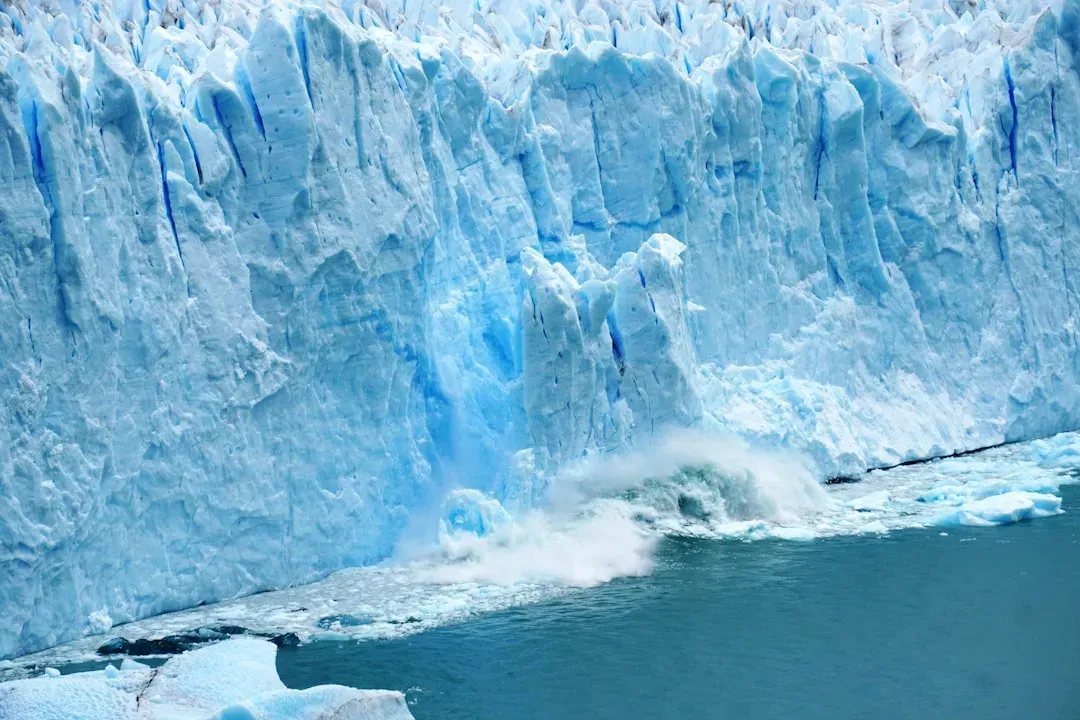
During the last glacial maximum, roughly twenty thousand years ago, massive ice sheets sat on top of North America and northern Europe, grinding mountains into dust and locking up so much water that sea levels were dramatically lower. As the climate warmed and those ice sheets melted, sea levels rose and coastlines marched inland, drowning ancient river valleys and creating today’s bays, estuaries, and continental shelves. Many of our best natural harbors – from New York to the Thames estuary – are products of that meltwater flooding and reshaping the fringes of continents.
At the same time, glaciers carved and then abandoned thick blankets of sediment that became incredibly fertile soils once they thawed. River systems charged by meltwater reworked this material into floodplains and loess deposits ideal for farming. Early agriculture in places like northern China and parts of Europe owes a quiet debt to glacial dust and silt. Even the pattern of human migration out of Ice Age refuges and into newly habitable northern lands was guided by where the ice retreated and what kind of ground it left behind.
The Toba Supereruption: A Near-Miss That May Have Bottlenecked Humanity
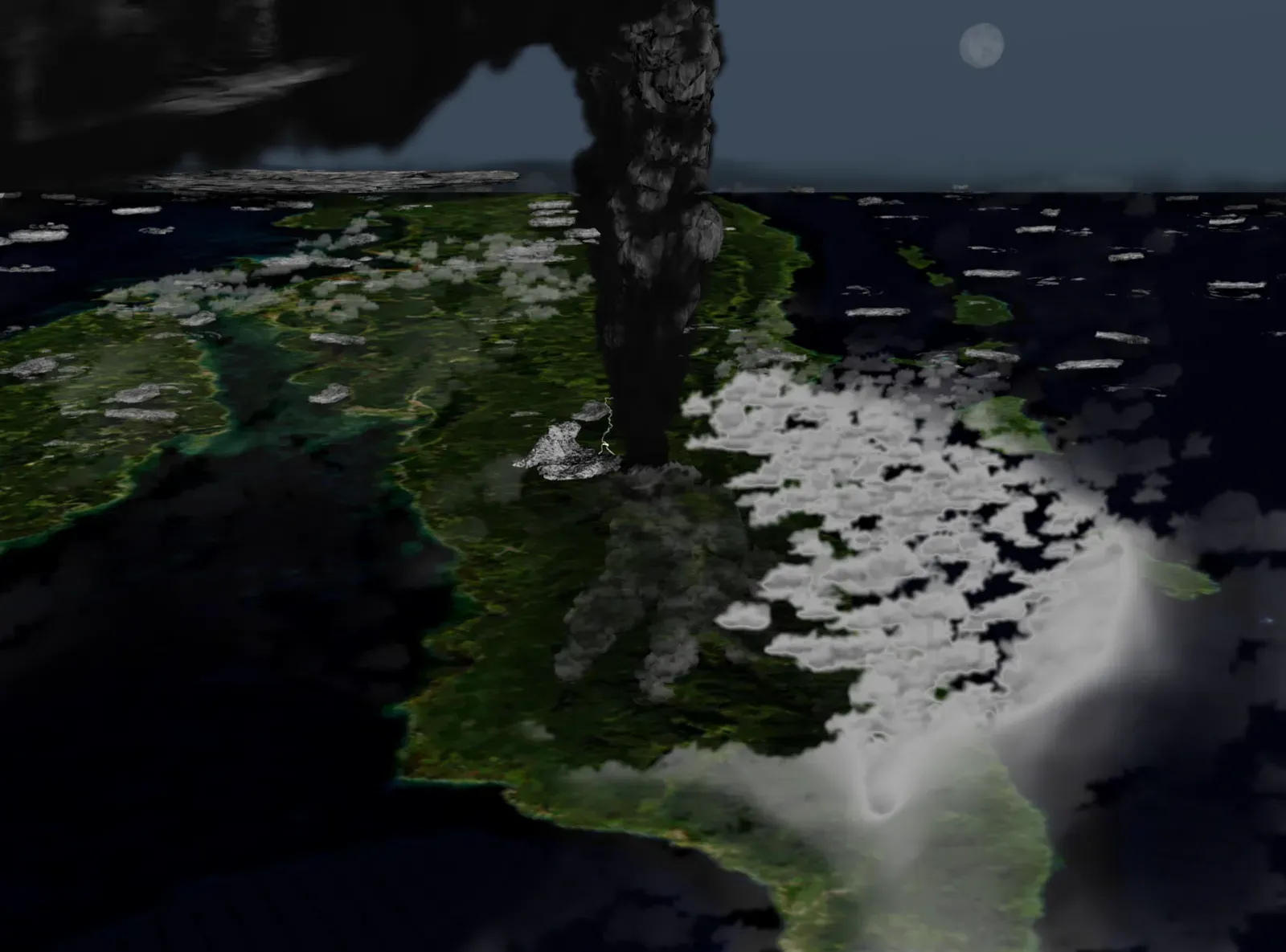
About seventy-four thousand years ago, a volcano called Toba in present-day Indonesia unleashed one of the largest eruptions in the last couple of million years. It blasted ash into the atmosphere on a continental scale and may have triggered a period of cooler temperatures by reflecting sunlight back into space. Some scientists argue that this event contributed to a sharp reduction in human population size, a genetic bottleneck that left its fingerprint in our DNA, while others think its impact was more regionally severe than globally catastrophic.
Regardless of the exact numbers, Toba is a brutal reminder of how a single geological outburst can push a young species to the edge. People living in affected regions would have faced crop failures, collapsing ecosystems, and forced migrations long before they had any concept of what a volcano even was. Our species may have survived in scattered pockets, with harsh selection shaping the genetic and cultural toolkit we carried forward. If that interpretation is right, a single eruption quietly rewrote which lineages of Homo sapiens made it into the future.
The Formation of the East African Rift: A Cradle for Human Evolution
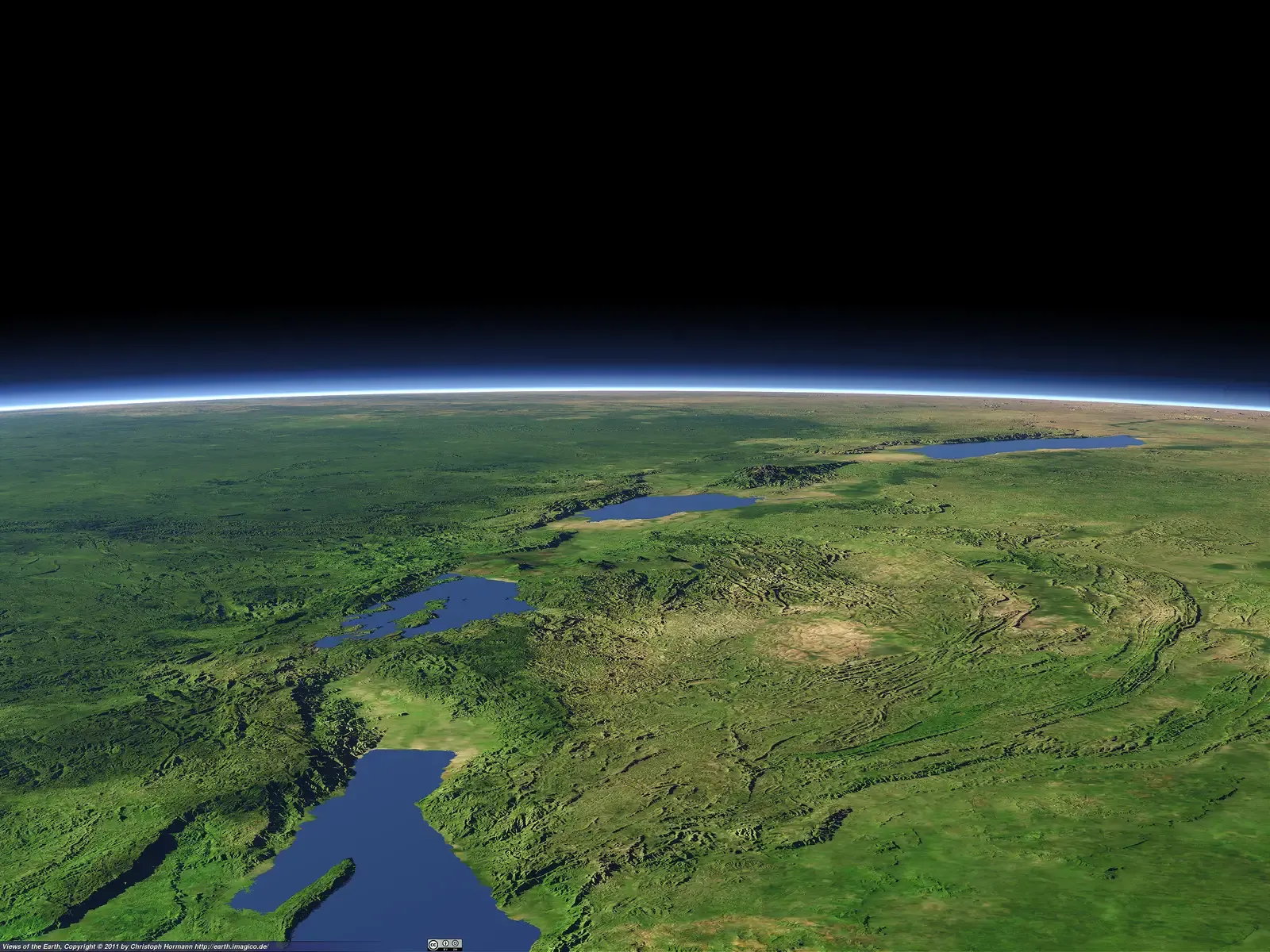
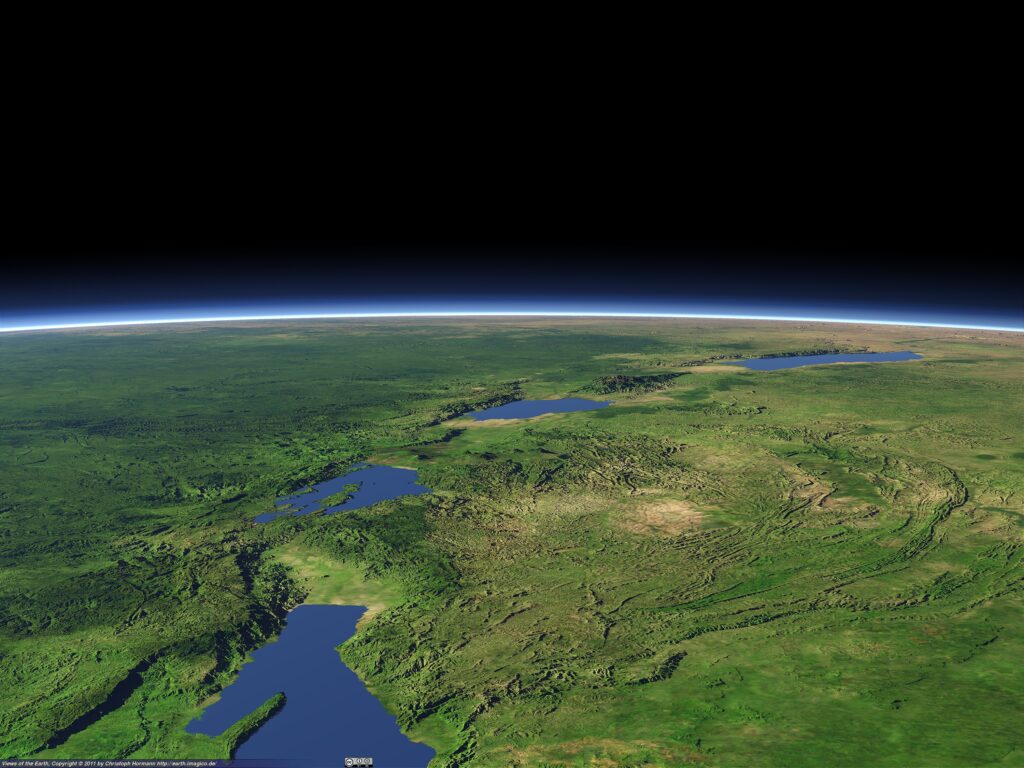
Stretching from the Red Sea down through East Africa, the East African Rift is a giant tear in the continent where the crust is slowly thinning and pulling apart. Over millions of years, this rift created volcanoes, highlands, and deep basins that dramatically changed local climates and ecosystems. Shifting topography altered rainfall patterns and turned once-continuous forests into a patchwork of woodlands and open grasslands. Many paleoanthropologists believe this mix of habitats pushed early hominins to adapt to more varied environments, favoring traits like bipedalism, tool use, and flexible diets.
Crucially, some of the most famous hominin fossils – like those of early ancestors found in Ethiopia, Kenya, and Tanzania – come from rift valley sediments that carefully preserved bones and stone tools. Lakes formed in rift basins became hubs of biodiversity and water sources through dry periods, likely anchoring populations through climate swings. When we talk about humans emerging in an African cradle, we are really talking about a landscape shaped by deep tectonic forces tearing a continent apart at glacial speed.
The Quiet Burial of Organic Matter: How Ancient Swamps Powered the Industrial Age
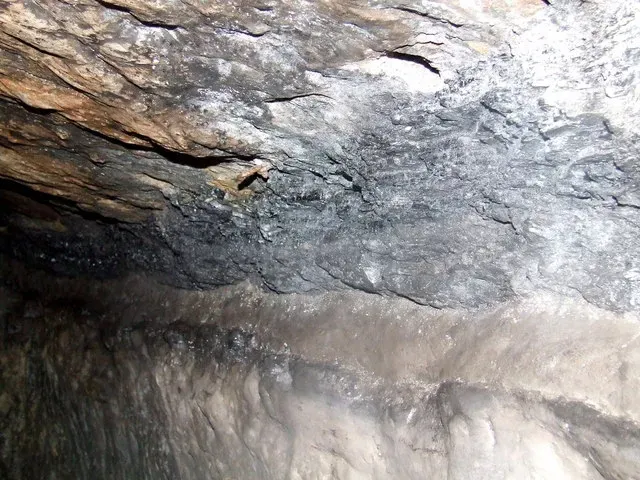
Long before chimneys, engines, and power plants, vast swamps and shallow seas were quietly piling up dead plant and plankton material on the seafloor and in low-oxygen wetlands. Over tens to hundreds of millions of years, pressure and heat transformed that buried carbon into coal, oil, and natural gas. Those fossil fuel deposits did not form everywhere; they require very particular geological conditions. The uneven distribution of these ancient carbon jackpots is a big reason why some regions became energy superpowers and others did not.
When humans learned to tap and burn this concentrated ancient sunlight during the Industrial Revolution, everything changed. Cheap, dense energy made it possible to power factories, railways, ships, and, eventually, cars and planes on a scale that wood or muscle could never match. Nations sitting on thick coal seams or giant oil fields suddenly had a geopolitical advantage. At the same time, releasing that stored carbon back into the atmosphere started driving the modern spike in greenhouse gases, tying our technological leap directly to a slow geological process we barely understand emotionally, even if we understand it scientifically.
The Opening (and Closing) of Land Bridges: Highways for Migration
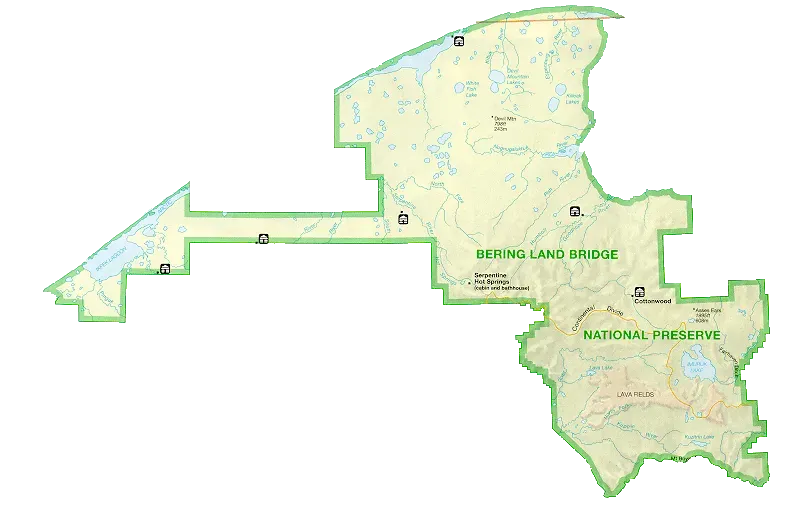
Because sea level rises and falls with the growth and melting of ice sheets, ancient coastlines looked very different at various points in the past. During colder periods, water locked in ice exposed land bridges that are now submerged. The most famous is probably the Bering Land Bridge between Siberia and Alaska, which allowed humans and animals to move into the Americas. Elsewhere, lowered seas in Southeast Asia connected islands into larger landmasses, changing routes for migration and trade long before the first boat was carved.
Once ice melted and sea levels rose again, those same land connections drowned, trapping populations on newly formed islands and isolating them genetically and culturally. That isolation gave rise to diverse languages, traditions, and even physical traits in different human groups. The timing of when these natural highways opened and closed decided when people could reach new continents, how they spread, and which lineages were stranded. In a quiet way, rising and falling shorelines from shifting ice did more to shape human diversity than a lot of the stories we tell about kings and empires.
The Little Ice Age: Subtle Cooling With Outsized Historical Consequences
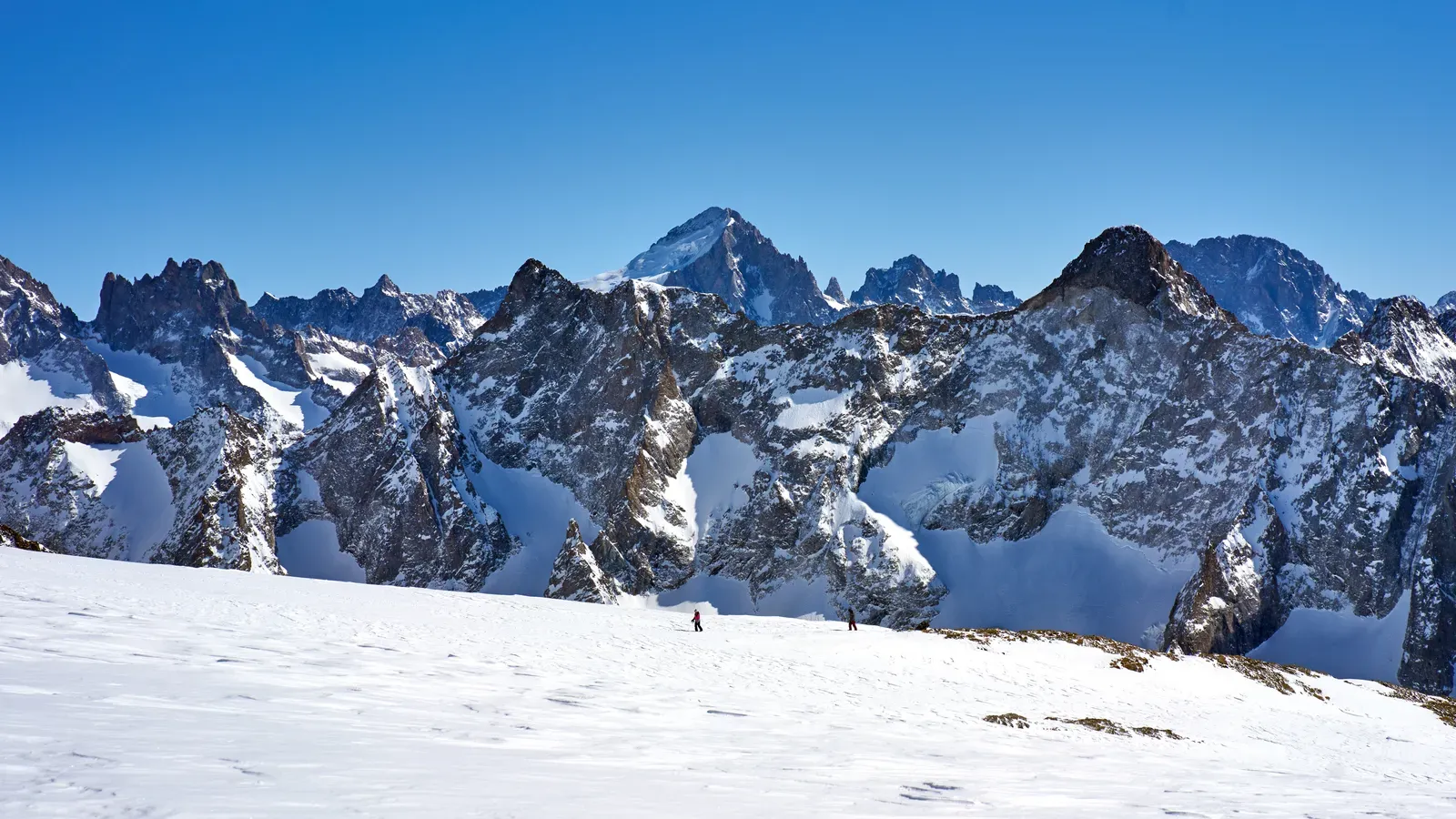
From roughly the fourteenth to the nineteenth century, many parts of the world experienced a period of cooler temperatures often called the Little Ice Age. It was not a full-blown ice age with giant continental ice sheets, but it was enough to shorten growing seasons, expand mountain glaciers, and shift storm tracks. Harvest failures, famines, and social unrest became more frequent in some regions, adding stress to already fragile political systems. You can trace some uprisings, migrations, and even the abandonment of certain settlements to a few degrees of cooling and the weather quirks that came with it.
The causes were a mix of subtle geological and solar factors, including volcanic eruptions that sent reflective particles into the upper atmosphere. Those eruptions were not as apocalyptic as Toba, but a series of medium-sized blasts acted like repeated taps on the planet’s thermostat. People at the time had no concept of aerosols or radiative forcing; they just knew that winters felt harsher and crops were less reliable. Yet this modest climatic nudge helped redirect trade, fuel superstition and scapegoating, and create the backdrop against which modern states and economies were born.
Conclusion: The Ground Beneath Our Stories
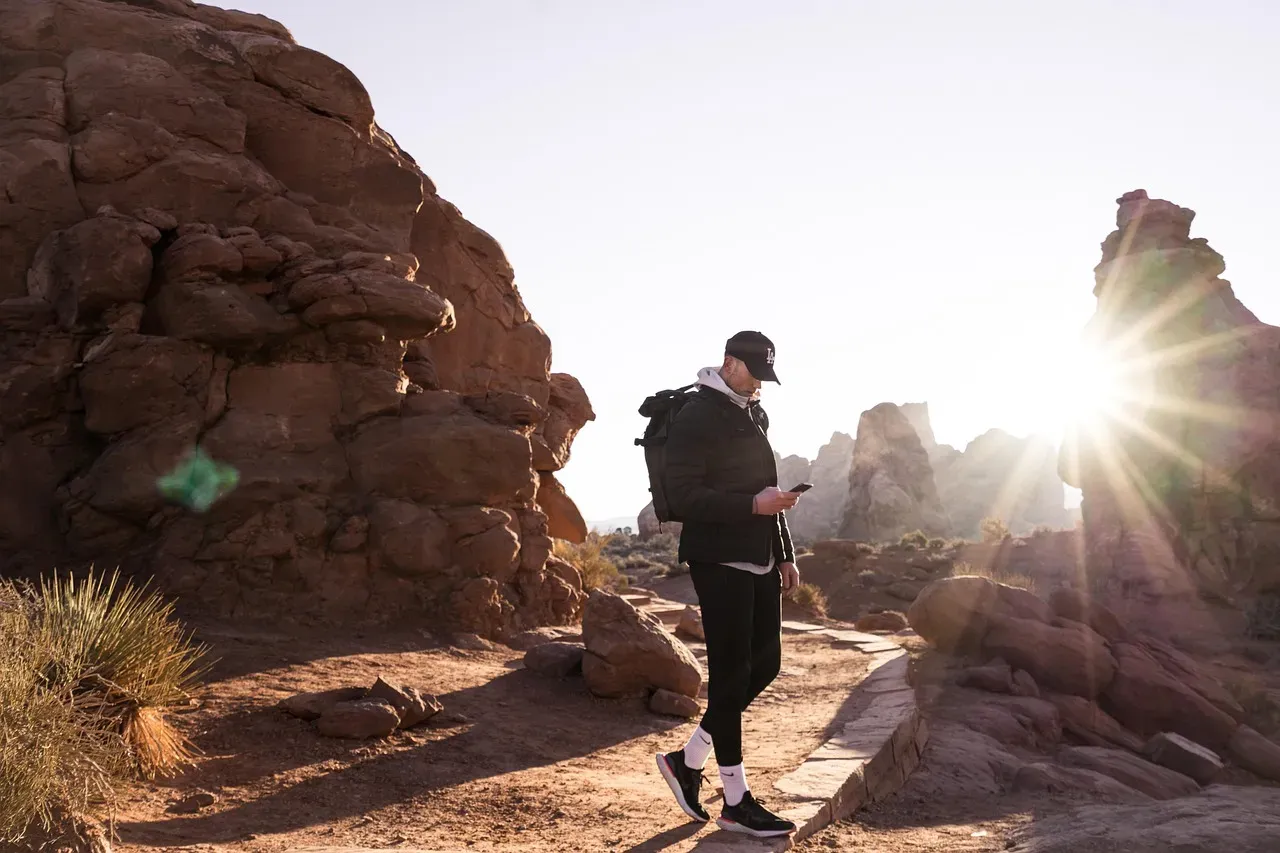
When you stack these events side by side, it becomes hard to argue that humans are the main authors of human history. We are more like improvisers performing on a stage that geology built over unfathomable stretches of time. Supercontinents assemble and tear apart, mountains heave skyward, ice advances and retreats, volcanoes cough ash into the sky, and we react as best we can – with migration, innovation, conflict, and adaptation. The big arcs of where we live, what we eat, how we travel, and even which societies rise tend to follow the deep patterns carved into rock, water, and climate.
Personally, I find that both humbling and strangely comforting. It means some of our biggest turning points were never truly under our control, but it also means we can choose how we respond now that we finally understand the script a little better. We cannot stop continents from drifting or mountains from eroding, but we can decide whether to keep burning fossilized swamps or to work with Earth’s systems instead of against them. Knowing how quietly geology has shaped our past, the real question is whether we’ll let it blindside us again – or use that knowledge to steer a wiser future. What part of your life feels the same after realizing the rocks got the first and last word?