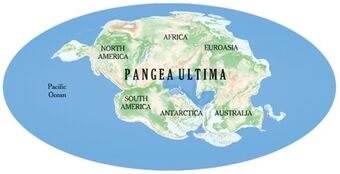
Imagine looking at Earth from space and seeing one gigantic super-continent staring back at you, ringed by an endless world ocean. No Americas on one side and Eurasia and Africa on the other, just one colossal landmass: Pangaea, still intact. It sounds like pure science fiction, but thinking it through forces us to ask some wild questions about climate, evolution, politics, and even our daily lives.
This is not about rewriting history but about using what we know from geology, plate tectonics, climate science, and biology to play the most educated version of “what if” we can. Some parts of this scenario are plausible, others are more speculative, and a few are just fun to imagine. But together, they paint a picture of a planet that would feel strangely familiar and deeply alien at the same time.
A Planet Dominated By One Huge Ocean
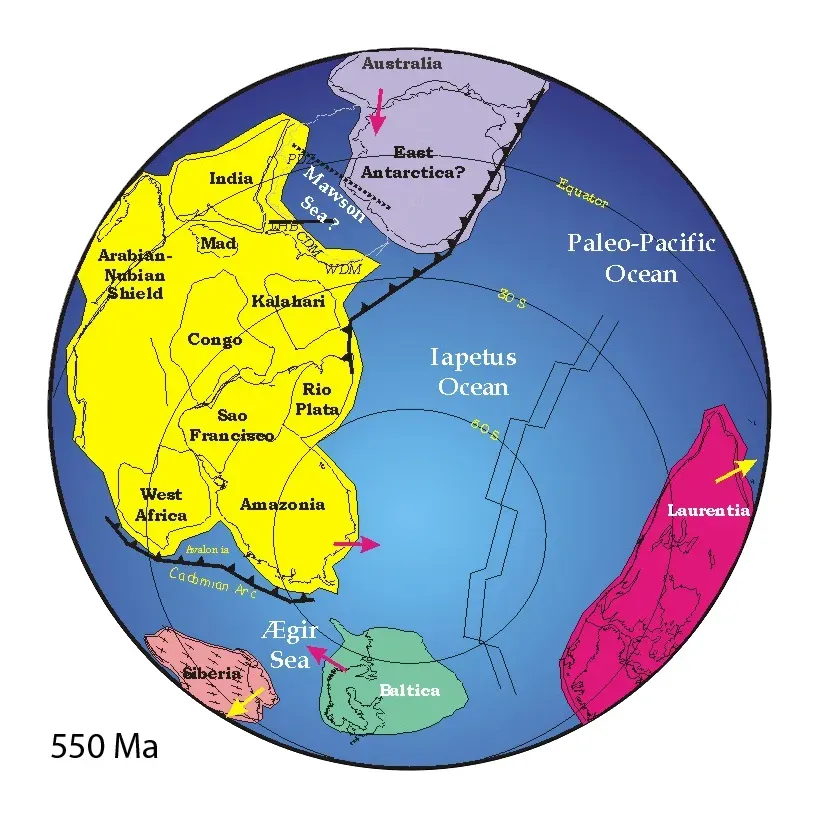
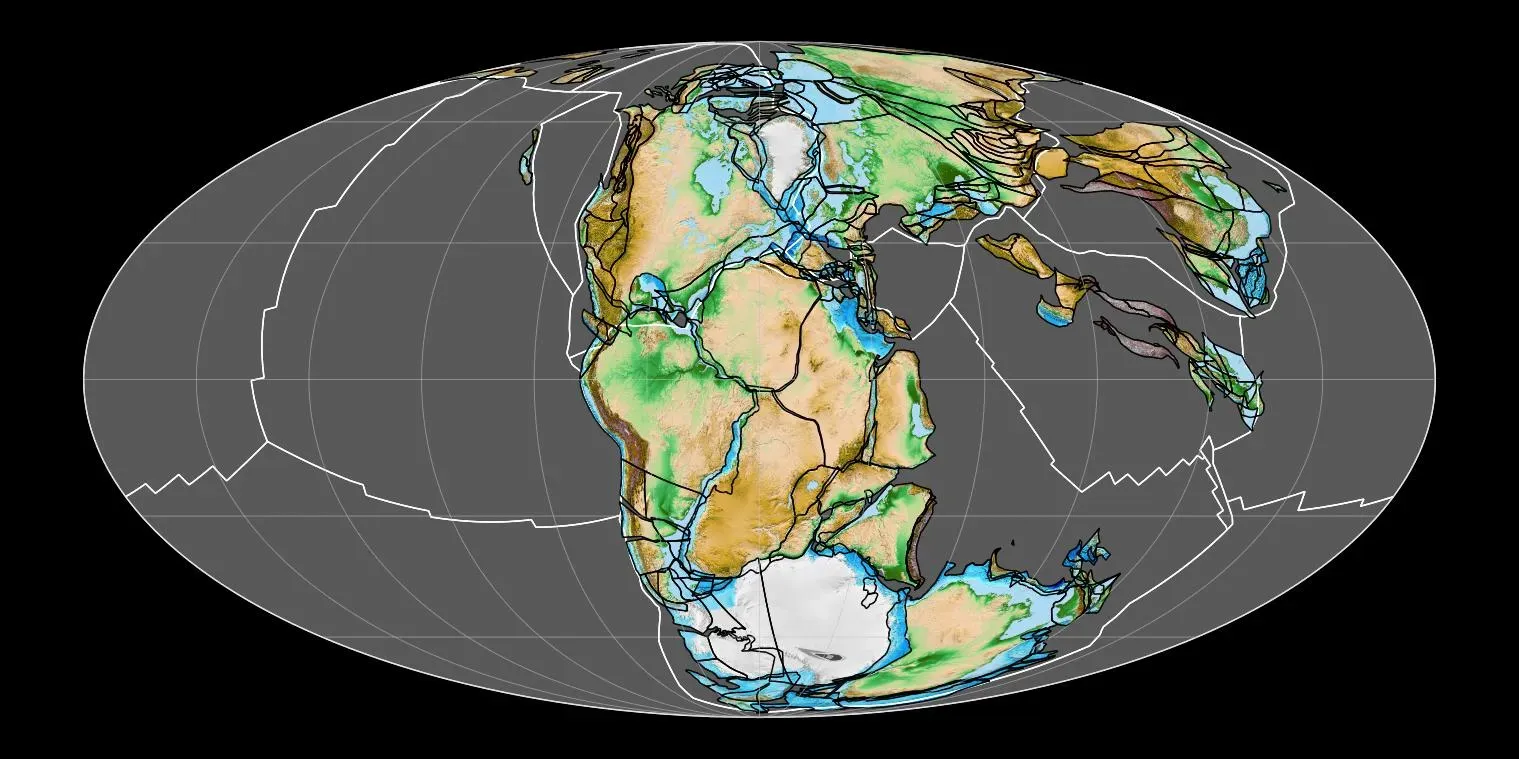
If Pangaea had stayed locked together, we would likely still have one dominant global ocean wrapping around the super-continent, similar to the ancient Panthalassa. That alone would dramatically reshape how heat moves around the planet. Today, the breakup of continents created many smaller oceans, currents, and coastlines that help distribute warm and cold water more evenly.
With one mega-ocean, ocean circulation might be more simplified and possibly less efficient at shuttling heat between the equator and the poles. Think of it like having one big fan in a huge room instead of several smaller fans placed strategically around the house. Some regions could end up with extreme climates because the ocean simply cannot moderate temperatures everywhere as effectively.
Extreme Climate Zones And A Harsh Interior
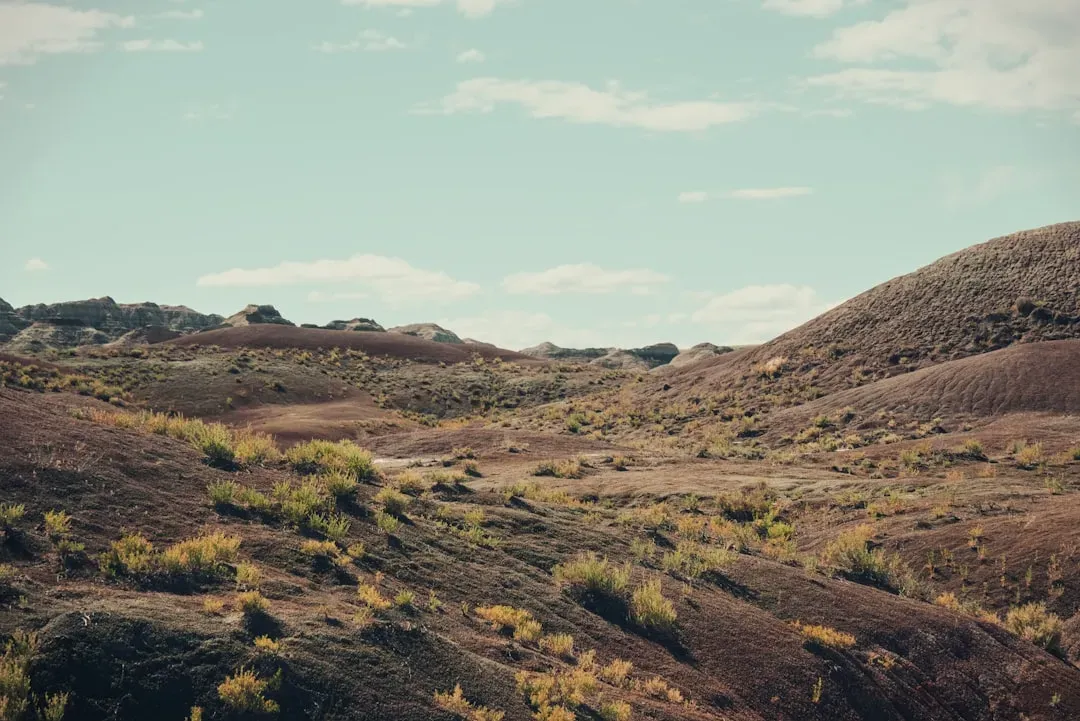
One of the strangest things about a super-continent is how brutal the interior can become. When you are thousands of kilometers from the sea, you lose the ocean’s stabilizing effect. Summers can turn scorching, winters bitterly cold, and rainfall can become rare. Even today, the centers of large continents like Asia can swing between freezing and baking temperatures, and Pangaea’s interior would likely be even more extreme.
So instead of our current patchwork of temperate, tropical, and polar zones scattered over multiple continents, we might see massive belts of harsh deserts, steppe, and semi-arid lands across Pangaea’s interior. Coastal regions could still be mild and wet, filled with lush forests and vibrant ecosystems, but once you pushed inward, you might hit vast dry plateaus and windswept plains that made long-distance travel and dense settlement far more difficult.
Very Different Evolutionary Paths For Life
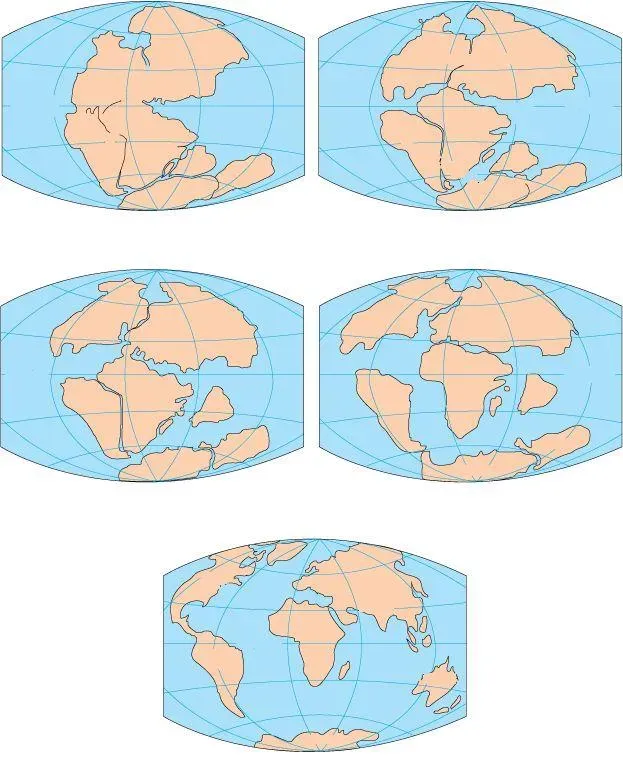
Evolution loves isolation. The breakup of Pangaea gave us separated continents, and over tens of millions of years, animals and plants on each landmass evolved in their own directions. That is why Australia has its marsupials, Madagascar has its lemurs, and South America once had its own strange lineages of mammals. If Pangaea never split, that grand biological experiment in separation would never have happened.
Life would still diversify, of course, but probably along fewer, broader lineages spread over a continuous land. You might get massive “continent-wide” ecosystems instead of the strong continental flavor we see today. Instead of wildly different animals in Africa and South America, for example, there could be more overlap and fewer endemics. We would likely have fewer “island laboratories” like New Zealand or the Galápagos, meaning fewer ultra-specialized oddities and more widely distributed generalists.
Human Migration, Culture, And Conflict On One Landmass
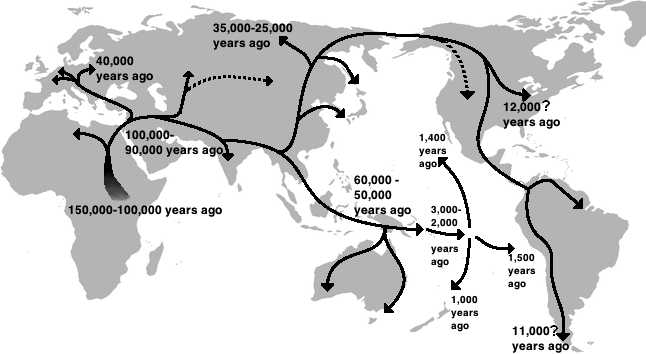
Now imagine humans evolving on Pangaea. With no oceans separating huge chunks of land, the migration story changes completely. Instead of waves of people slowly crossing narrow straits or taking risky sea routes, populations could walk, trade, and migrate across almost the entire world without ever needing to sail. Barriers would still exist, but they would be mountains, deserts, and giant rivers, not whole oceans.
This might mean that human cultures diffuse and mix earlier and more thoroughly. The idea of completely isolated civilizations developing in parallel, like in the pre-Columbian Americas versus Eurasia, might be much less common. At the same time, conflicts could scale up dramatically. When everyone shares one connected land, wars and empires might spread farther, turning power struggles into super-continental dramas instead of regional ones.
Megacities, Trade Routes, And Resource Hotspots
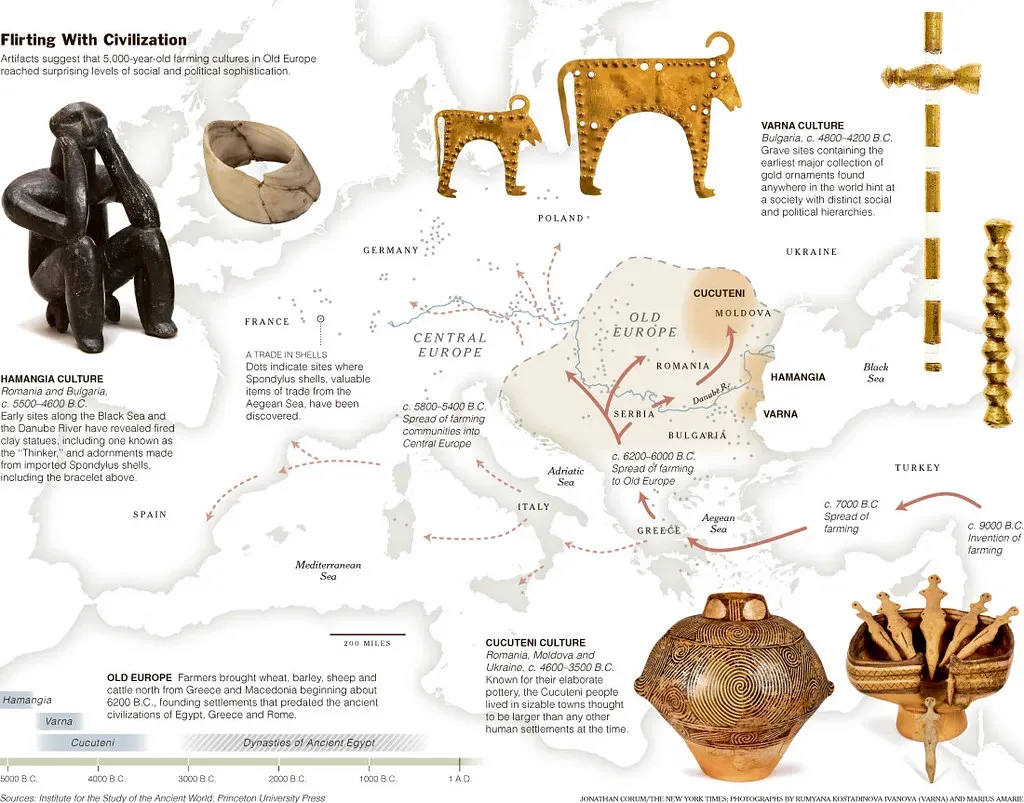
Economically, a single continent could become a gigantic, tangled web of overland trade. Instead of centuries of reliance on dangerous ocean voyages, caravans and rail-like systems might dominate from early on. Think of something like the Silk Road, but multiplied and extended across nearly the entire habitable rim of Pangaea. Those narrow coastal belts with good climate and access to the big ocean would become prime real estate.
We might see enormous chains of megacities hugging the coasts, forming continuous “urban ribbons” where ports, industries, and cultural hubs all cluster. Resource distribution would also shape history in fierce ways. Regions rich in metals, fertile soils, or freshwater would become choke points for power, and because everyone could theoretically reach them by land, these zones might be contested again and again, almost like the whole continent’s version of border towns.
Volcanoes, Earthquakes, And The Limits Of A Frozen Plate
![Volcanoes, Earthquakes, And The Limits Of A Frozen Plate ([1], Public domain)](https://nvmwebsites-budwg5g9avh3epea.z03.azurefd.net/dinoworld/95b16a1ec570586dd673dbab0661548b.webp)
From a geological standpoint, a permanently intact Pangaea is actually pretty unlikely, because plate tectonics never really rests. The heat inside Earth keeps pushing and pulling on plates, and a super-continent tends to trap heat under it, helping weaken and eventually break it. So if we imagine Pangaea somehow not breaking apart, we are also imagining tectonic forces playing out differently than they did in real history.
Even then, the edges of this giant plate would still be tectonic hot zones. Subduction zones, mountain-building, earthquakes, and volcanic arcs would likely ring much of the coastline. Instead of many mid-sized collision zones like the Himalayas or the Andes, you could get truly colossal mountain belts strung along the continental rim. Inland, the crust might be relatively stable in some areas but interrupted by rift valleys and hotspots where the planet is still slowly trying to tear the super-continent open from within.
Less Ocean Diversity, But Wild Coastal Life
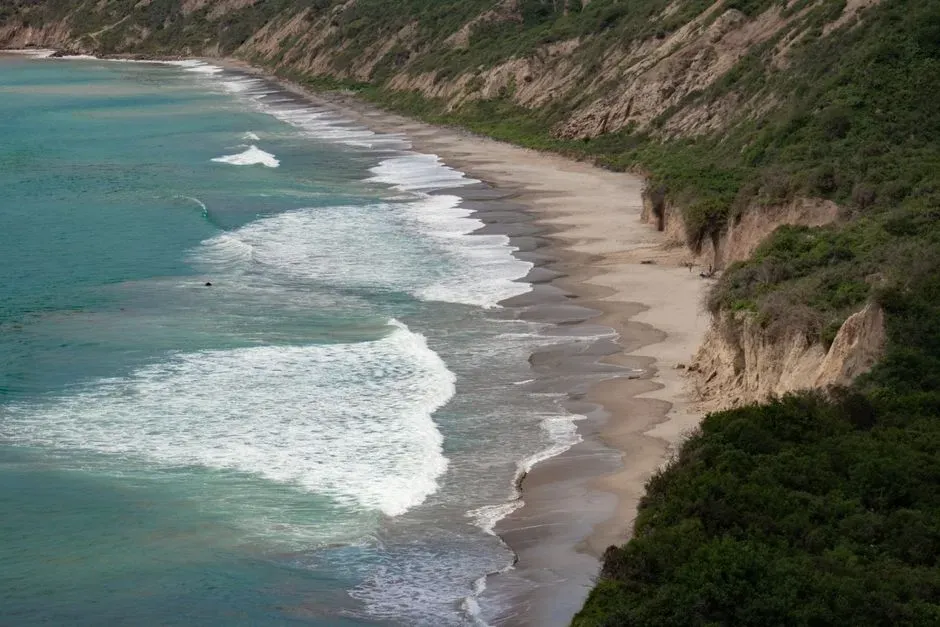
Our modern oceans are shaped by continents acting like giant baffles, splitting waters into basins and allowing a huge variety of currents, temperatures, and nutrient mixes. If you give Earth one continuous ocean around Pangaea, you simplify all of that. There would still be cold polar water, warm equatorial water, and upwelling zones, but the overall pattern might be less varied than on our real Earth with its many separated seas.
That could mean slightly less overall marine diversity in some groups, since varied environments often lead to varied species. But the continental shelf ringing Pangaea would likely be insanely productive, like a massive necklace of coastal ecosystems. Mangrove-like forests, coral reefs (assuming climate allowed), and rich fisheries might wrap around the super-continent almost like a continuous supermarket for coastal civilizations, supporting dense populations along that rim.
Technology, Globalization, And A Different World Map In Our Heads
On a cultural and technological level, a Pangaea world might reach a kind of globalization much earlier. Land-based travel, even if slow, is easier to scale than oceanic adventure when you do not yet have advanced ships or navigation. Ideas, religions, technologies, and languages might spread like chain reactions across huge stretches of the continent. You would probably get giant cultural zones rather than the neatly separated continent-based mental maps we have today.
The world map in people’s minds would feel completely different. Instead of thinking in terms of “East versus West” or specific continents, people might think in concentric rings: coastal belts, inner drylands, mountain arcs, polar edges. The psychological sense of distance would shift too. A journey across the continent by land might become the classic measure of scale, like a legendary route people talk about for generations, the way we talk about crossing oceans or going into space now.
Conclusion: A Unified World, But Not A Gentler One
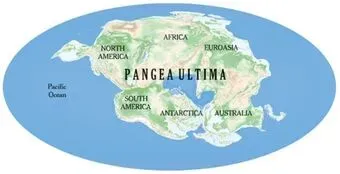
When you really sit with the idea of Pangaea never breaking apart, it starts to feel less like a peaceful, unified Earth and more like a world turned up a few notches in intensity. Climate swings harsher in the interior, life evolves along narrower but broader paths, and human history, if it emerges at all, is written across a single, gigantic stage where almost everyone can eventually reach everyone else. The borders are not oceans but super-deserts, mountain chains, and long corridors of scrubland that both connect and divide.
Personally, I think a Pangaea Earth would be more crowded, more entangled, and probably more conflict-prone, even if it looks “simpler” on a globe. Our actual world, with its broken continents and scattered islands, may be messier on the map but richer in biological wonder and cultural variety precisely because of that fragmentation. In a strange way, the cracks in Earth’s crust gave us much of the diversity we now treasure – would you really trade that away for one massive, continuous land under one endless sky?