Stand in front of a jagged mountain range and it kind of feels eternal, like it has always been there and always will be. But here’s the wild part: some of those peaks were already ancient when the very first dinosaurs were just awkward newcomers on Earth. Long before giant sauropods thundered across the land, long before birds took their first shaky flights, entire mountain systems had already risen, worn down, and in some cases risen again.
Once you realize that, the ground under your feet suddenly feels like a history book with most of the pages missing. We talk a lot about dinosaurs because they’re flashy and dramatic, but the rocks beneath them quietly hold stories that run hundreds of millions of years deeper. Why are some mountains so much older than dinosaurs, and how can we even tell? Let’s dig into the planet’s slow-motion drama.
Dinosaurs Were Here For A Long Time – But Not As Long As The Rocks
First, it helps to put dinosaurs in their proper time slot. Dinosaurs showed up roughly in the middle of Earth’s history so far, not at the beginning. They appeared during the Triassic period and were gone by the end of the Cretaceous, which means they reigned for well over a hundred million years, a shockingly long run by our human standards.
But Earth itself is more than four and a half billion years old, and solid crust has been forming, breaking, and recycling for most of that time. That means a huge amount of geological action was happening long before any dinosaur ever took a step. In simple terms, the rocks that became mountains had a gigantic head start, and many were already old, deformed, and reworked long before any T. rex roared.
How Mountains Are Born: Plate Tectonics In Slow Motion
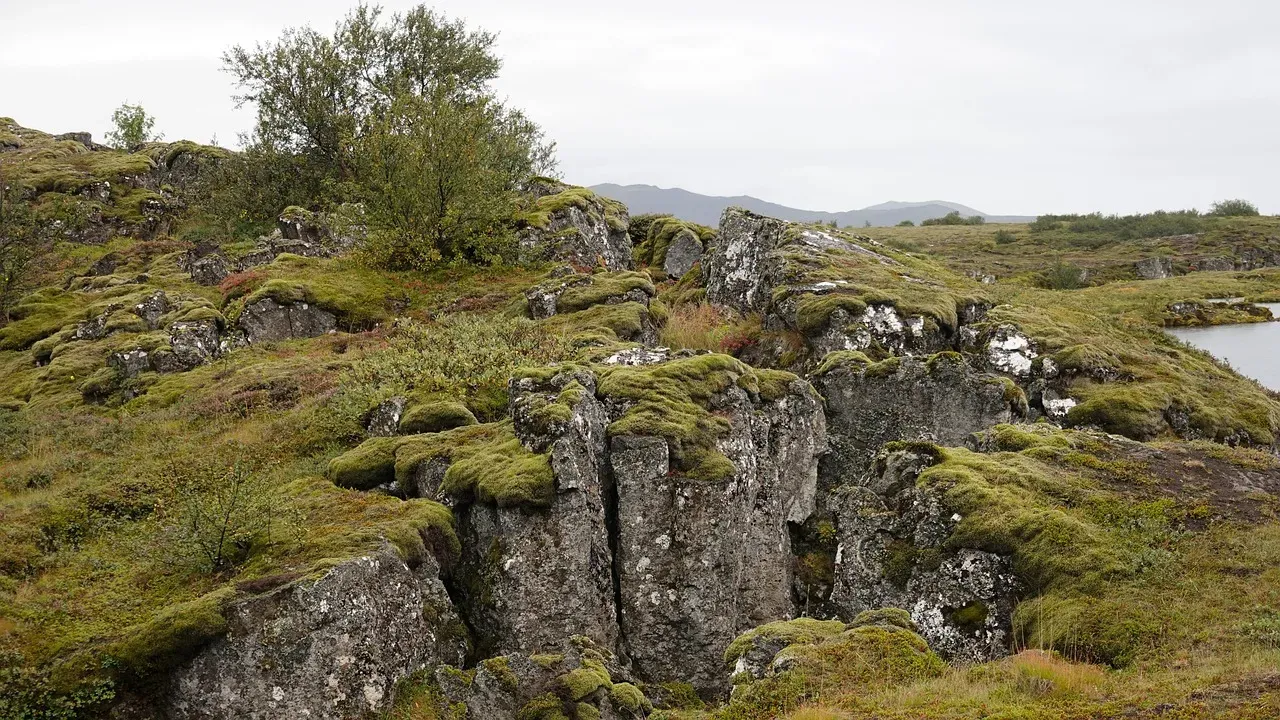
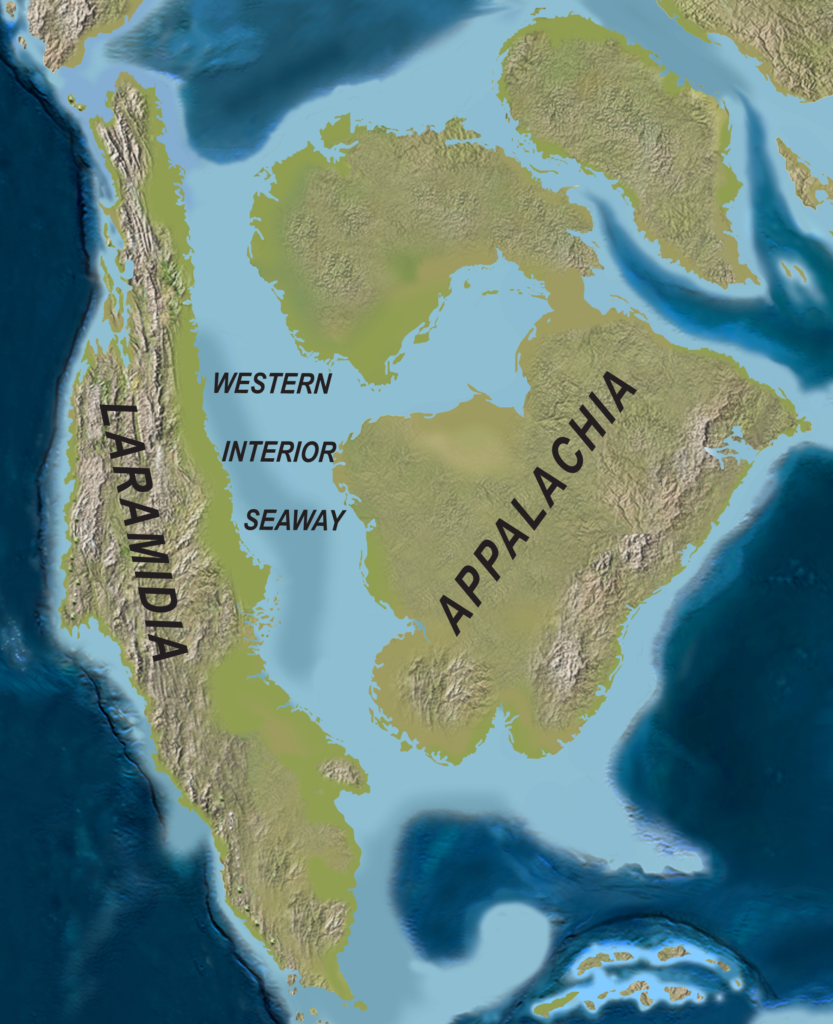
The main reason mountains can predate dinosaurs is that they’re born from plate tectonics, and plate tectonics has been running for a staggeringly long time. The outer shell of Earth is broken into pieces that constantly move, crash, and slide past one another at speeds roughly comparable to how fast your fingernails grow. When two plates collide, especially if they’re both carrying continents, the crust crumples and thickens, building mountain belts.
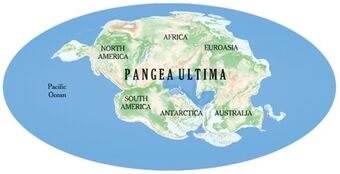
This process is not a one-time event; it’s a repeating pattern. Continents drift together into supercontinents, collide to form vast mountain ranges, and then later rift apart. Each time this happens, new mountains grow from very old rocks. So you can have mountain belts that formed hundreds of millions of years ago from rocks that were already ancient. By the time dinosaurs appear, some of those ranges have already been standing, eroding, and reshaped for ages.
Old Rocks, Young Peaks: The Trick Of Geological Age
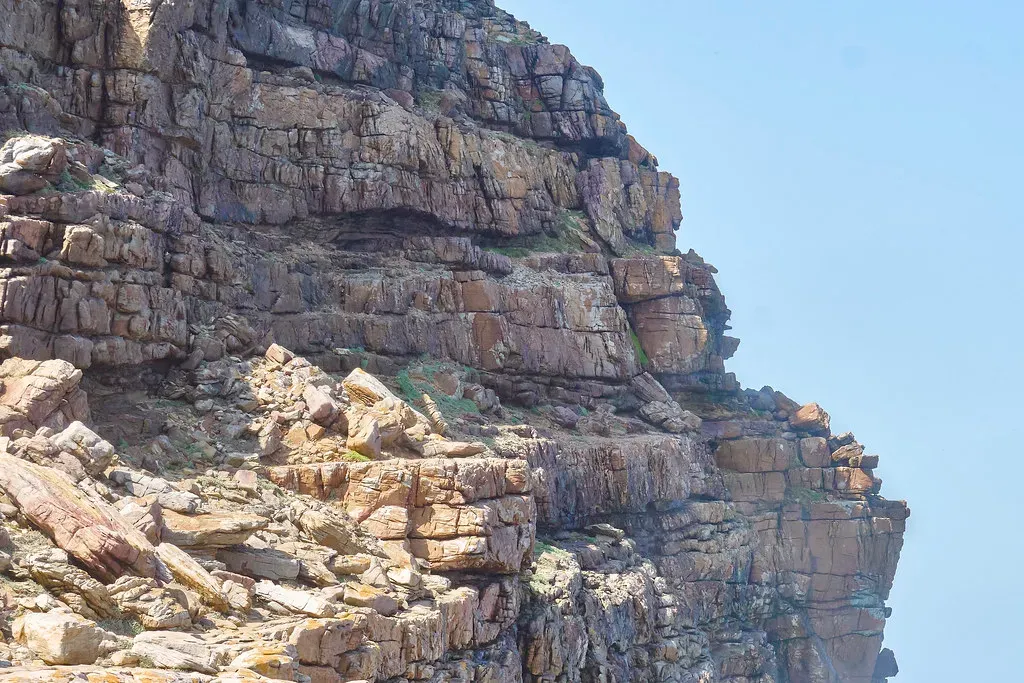
Here’s a subtle but important point: when we talk about “old mountains,” we’re usually talking about the age of the rocks and the original mountain-building event, not necessarily the sharpness of the peaks you see today. The bedrock forming a range might be well over a billion years old, while the modern landscape sculpted into ridges and valleys can be much younger. It’s a bit like renovating an old building: the bricks are ancient, even if the shape feels modern.
This is why a mountain can be older than dinosaurs even if its current form looks relatively fresh. The core of the range might come from a very old collision between continents, with rocks that crystallized or were deposited long before dinosaur times. Later uplift, faulting, and erosion can give that old skeleton a new surface appearance, but the underlying story is still much deeper in time.
Erosion: The Slow Demolition Crew That Never Sleeps
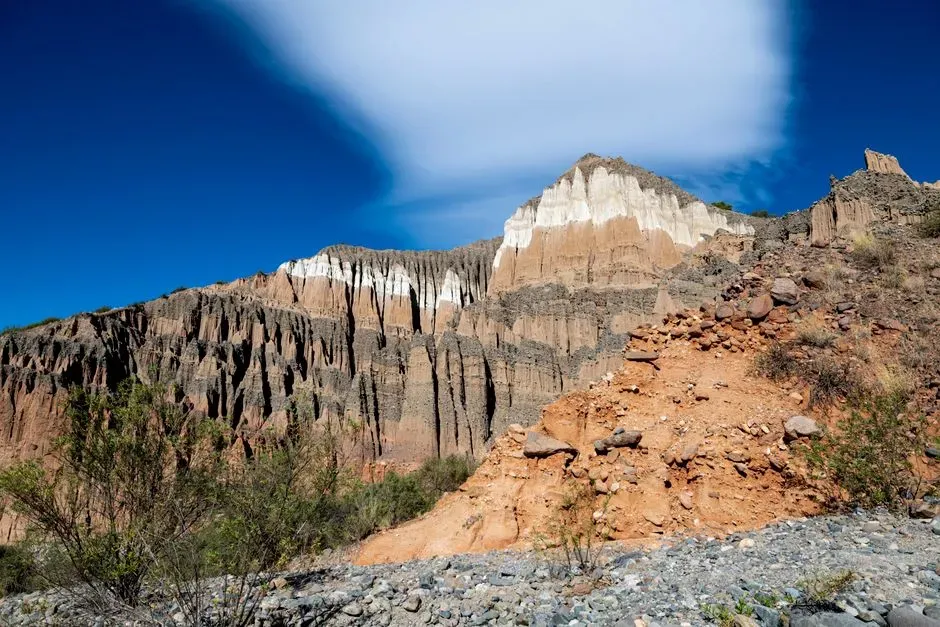
Another reason some mountains are so ancient is that, surprisingly, they are also constantly being destroyed. Wind, water, ice, and gravity work like a patient demolition crew, shaving off peaks and grinding them into sand and clay day after day. Over tens or hundreds of millions of years, a tall, dramatic range can be worn down into rolling hills or even nearly flat plains.
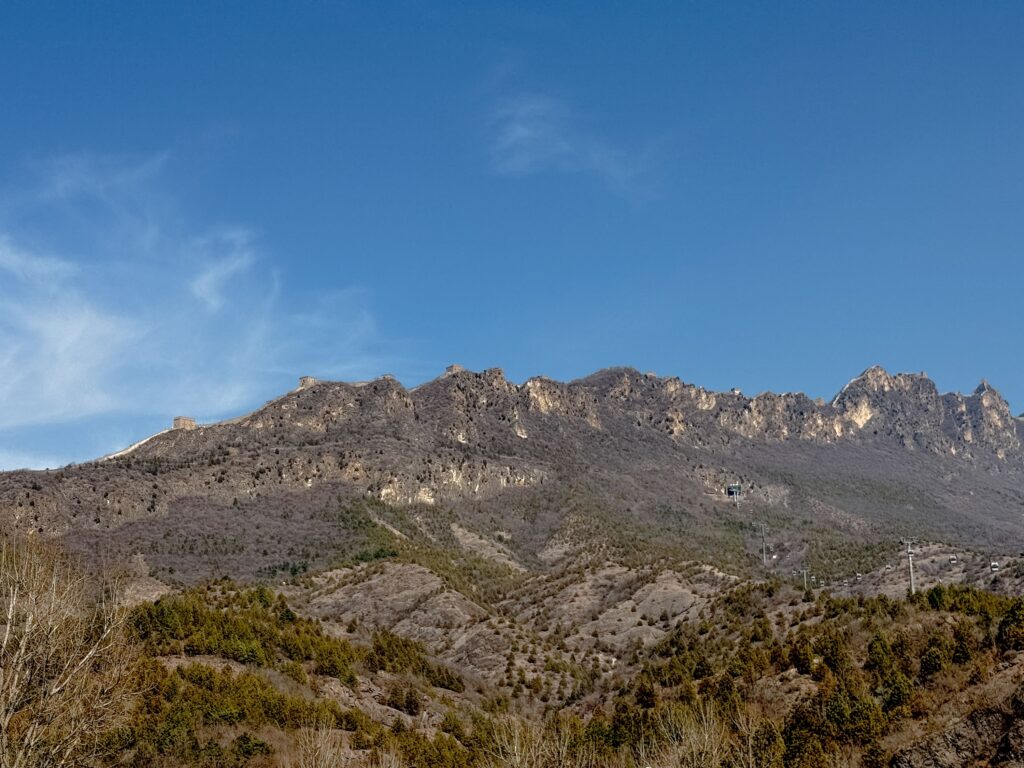
So when we call a range old, we’re often talking about very worn-down survivors of long-gone geological events. Some of the most ancient mountain belts on Earth don’t even look like the cartoon version of mountains anymore. They’re more like scars in the crust: subtle, rounded, and deeply eroded, but still carrying structural clues that point to fierce collisions that happened long before any dinosaur evolved.
Reading The Rocks: How Scientists Can Tell What Came First
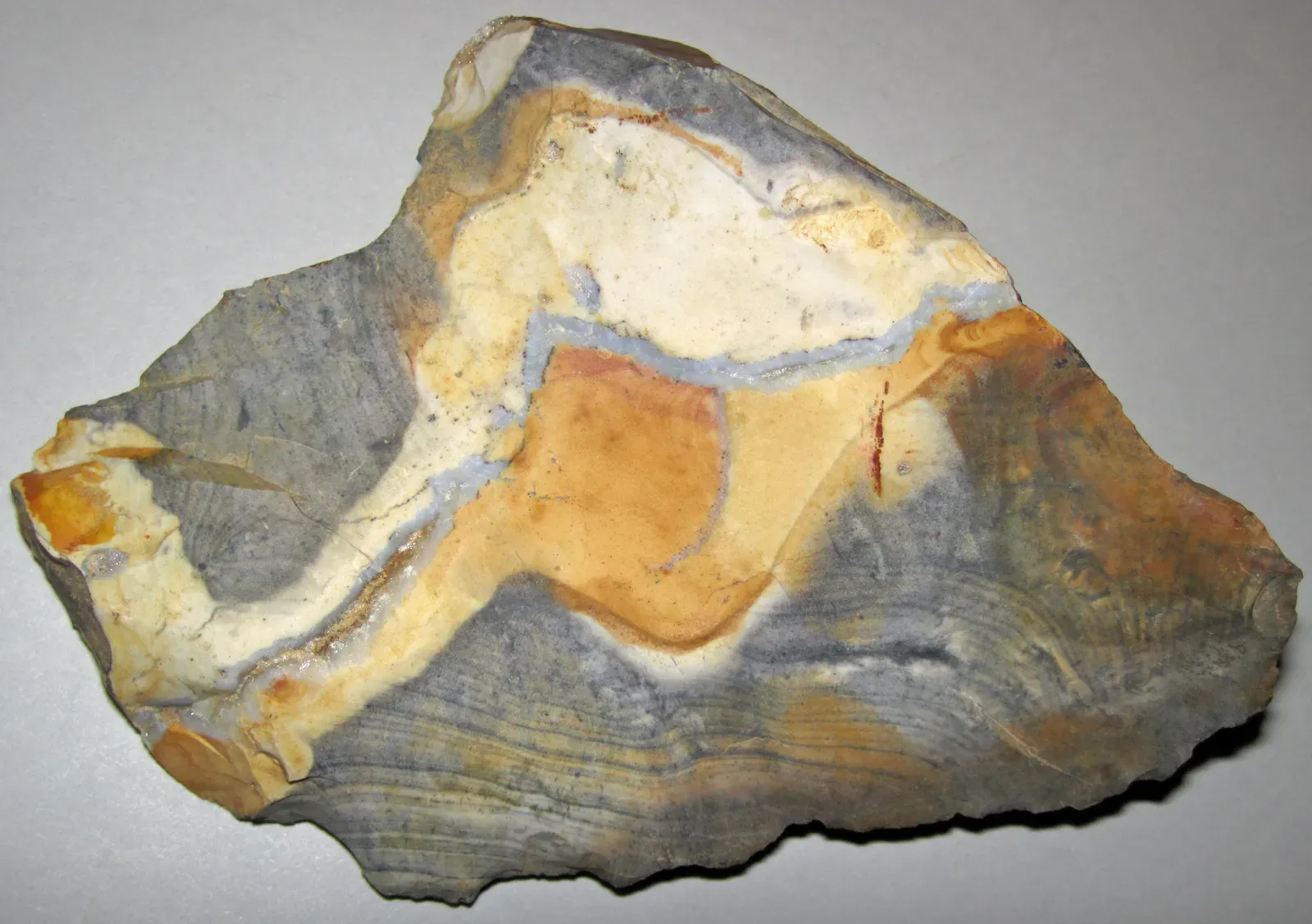
It might sound like guesswork, but geologists have a pretty solid toolkit for figuring out whether a mountain predates dinosaurs. One major method is radiometric dating, which measures tiny amounts of radioactive elements in minerals and uses their predictable decay to calculate ages. If the rocks at the heart of a mountain belt crystallized hundreds of millions of years before the first dinosaurs, that tells you the mountain-forming story started early.
Layered sedimentary rocks help too. If you find mountain-building structures cutting through older layers, and then later, undisturbed layers on top that contain dinosaur fossils, you can tell the mountains were there before dinosaurs walked over their eroded debris. It’s like seeing a cracked, folded older book with a newer, tidy notebook placed neatly on top. The order of events becomes clear once you know how to read the signs.
Supercontinents And Ancient Mountain Chains
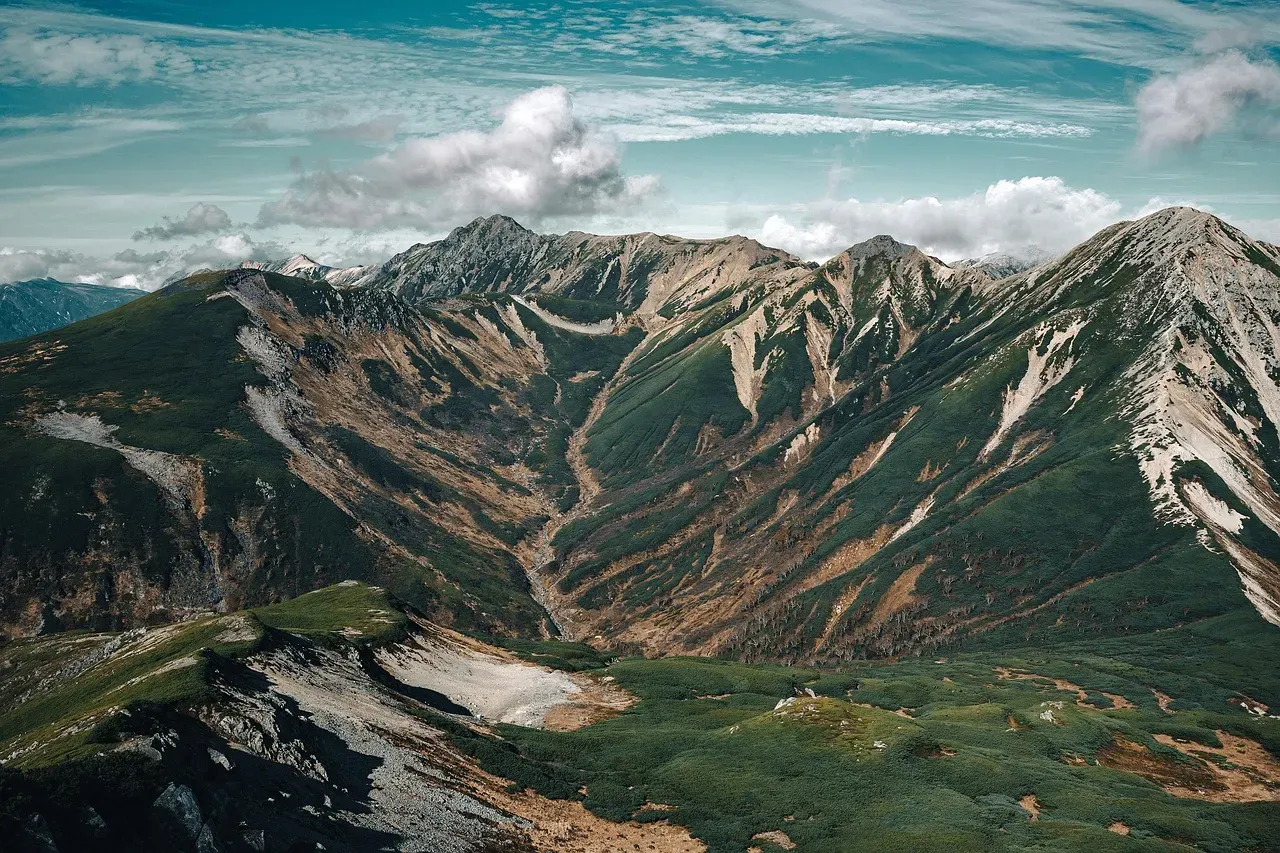
One of the most striking reasons mountains can be older than dinosaurs is the long saga of supercontinents. Before the famous supercontinent that included the dinosaur world, there were earlier ones that assembled and broke apart. Each time massive continents rammed into each other, they built towering mountain chains that stretched across what are now separate countries and even different hemispheres.
When those supercontinents later fragmented, pieces of the same ancient mountain belt were carried off on different tectonic plates. That’s why geologists can match incredibly old rocks and structures on opposite sides of today’s oceans. Many of those mountains were already old by the time dinosaurs evolved on the rearranged continents. Dinosaurs lived on the leftovers of even older geological dramas.
Why Some Mountain Ranges Look Young But Aren’t
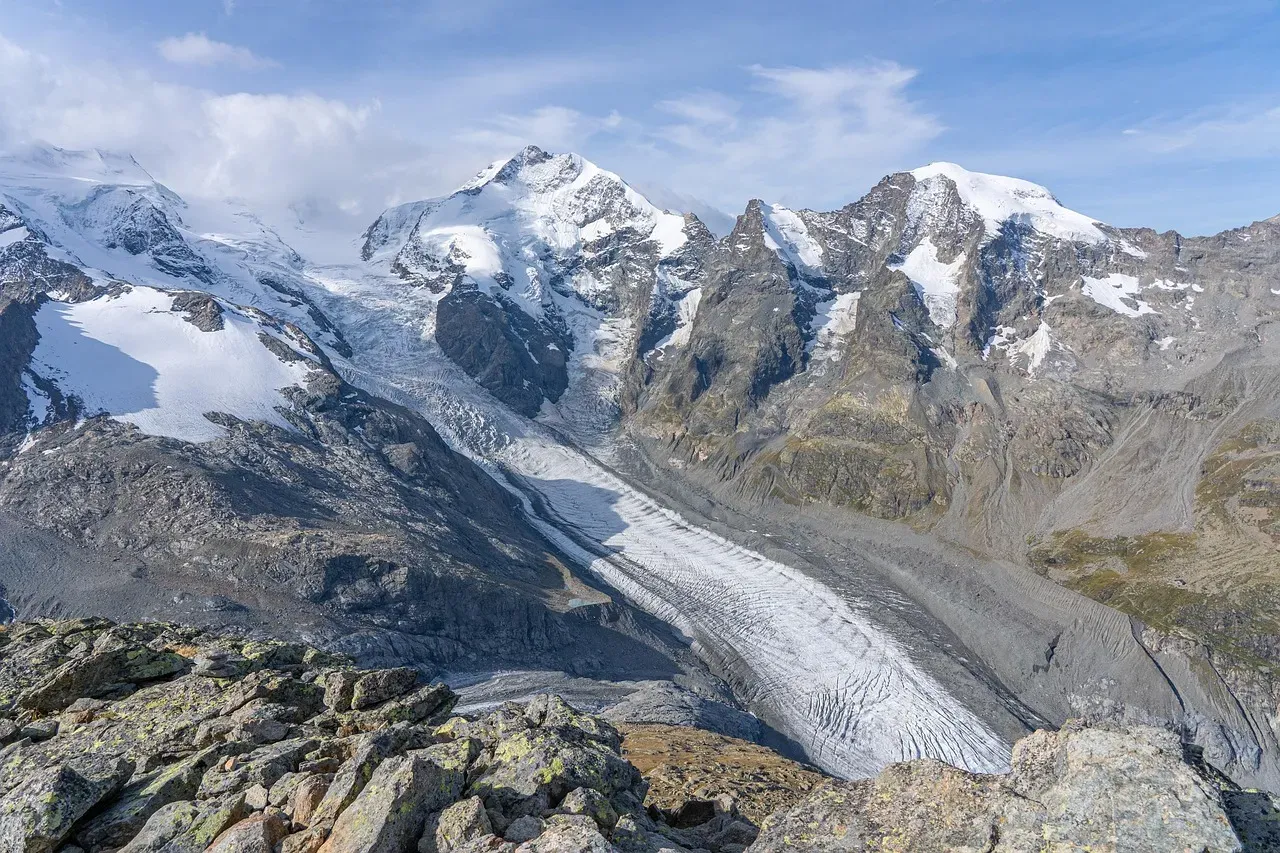
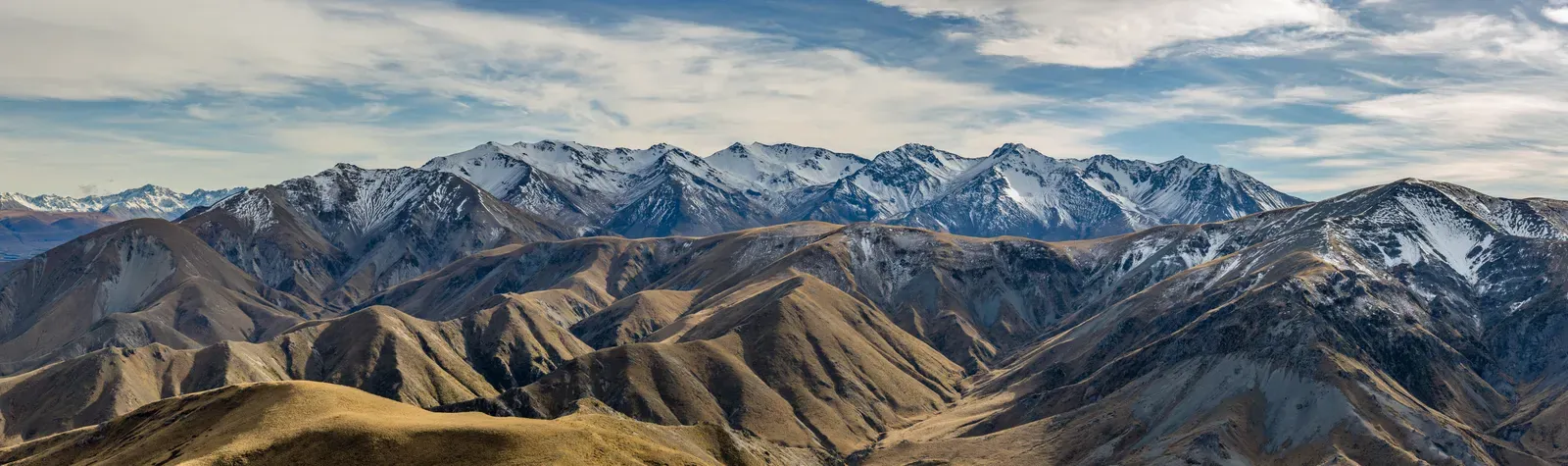
Here’s a twist that trips a lot of people up: sharp, snowy peaks do not automatically mean “young rocks.” Many iconic mountain ranges with jagged summits are actually built from rock that formed long before dinosaurs, even if the most recent uplift is relatively young. Glaciers, landslides, and rivers can carve dramatic geometry into very ancient material in surprisingly short geological time spans.
So the apparent “age” your eyes see is often just the age of the landscape’s latest makeover, not the true age of the rocks themselves. It’s a bit like judging someone’s actual age based only on their haircut. You need to look under the surface – at the minerals, at the structures, at the relationships between rock layers – to know whether you’re dealing with a teenager in geological terms or a true elder of the planet.
Our Place In A Very Long Story
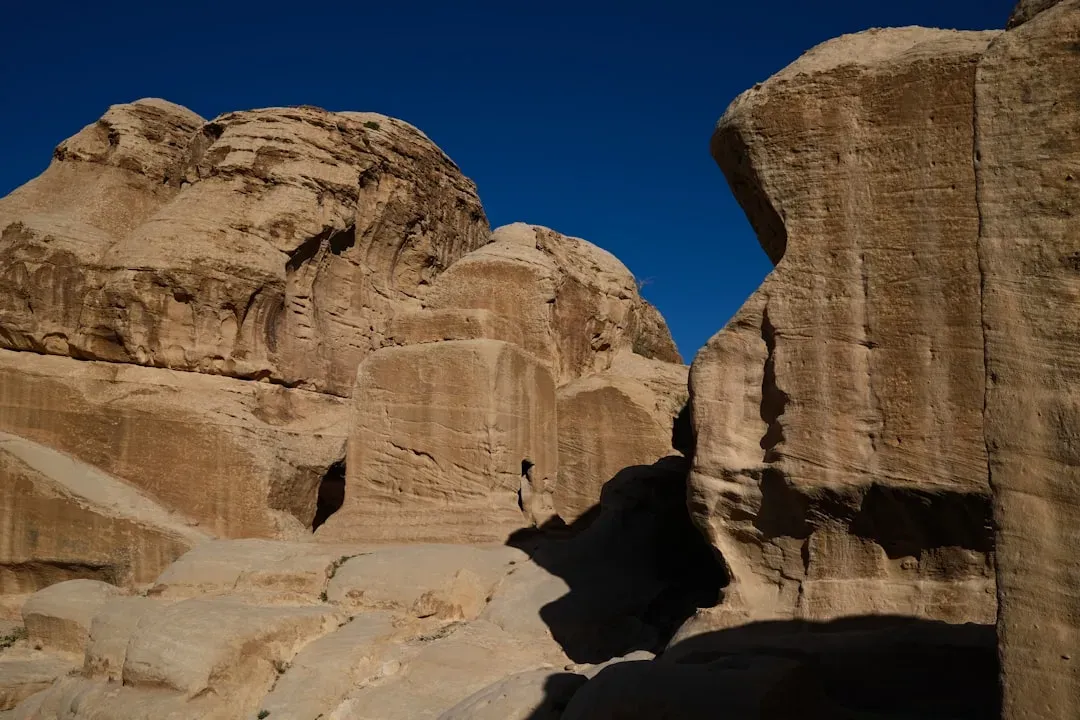
For me, the most humbling part of all this is realizing how tiny our favorite time slices really are. Dinosaurs feel ancient because they are unimaginably old compared to human history, but geological time makes even them look like a relatively recent chapter. The idea that some mountains had already risen, worn down, and partly recycled into new rocks before the first dinosaur ever walked is a reminder that Earth doesn’t measure time the way we do.
It also changes how you look at a landscape. That hill you drive past every day, that rocky outcrop behind your town, might be built from material that watched entire worlds come and go before mammals even got interesting. Once you start thinking that way, it’s hard to see any piece of ground as ordinary again.
Conclusion: Old Mountains, New Perspective
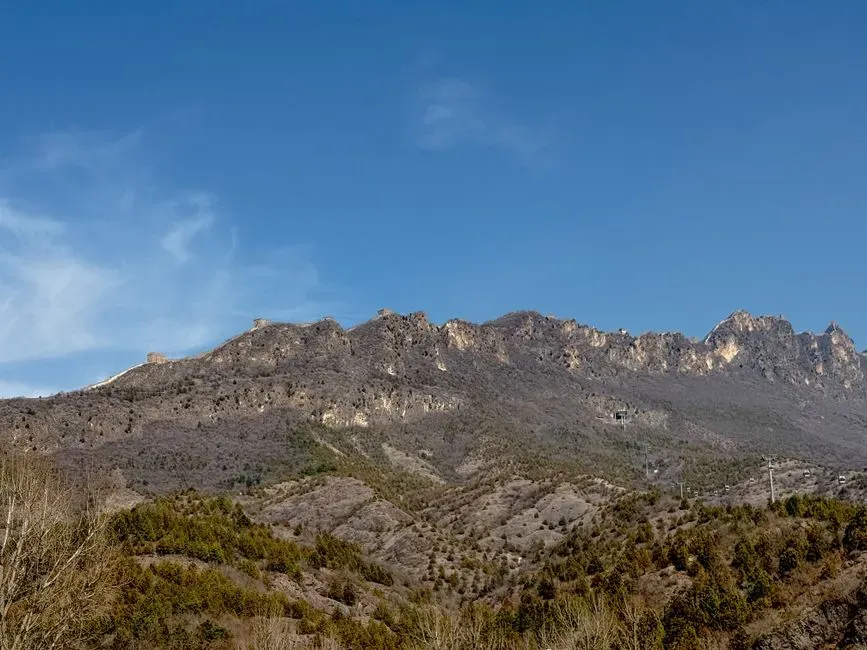
I’m firmly convinced that the fact is one of the most perspective-shifting ideas in all of Earth science. It cuts through the dinosaur hype and reminds us that the real main character here is the planet, with its endlessly recycled crust and slow, stubborn forces that keep reshaping everything. Dinosaurs were spectacular, sure, but they were tenants; the rocks were the landlords, and many of them had been around for a very long time before those famous reptiles signed the lease.
Recognizing this makes our own moment feel both smaller and strangely special. We’re a recent species reading an ancient script written in stone, trying to piece together battles between continents and vanished mountain kingdoms that predate even the age of dinosaurs. Next time you see a range on the horizon, maybe ask yourself: are you looking at mere scenery, or the last worn edges of a story so old that even the dinosaurs would have called it prehistoric?