There’s something quietly thrilling about realizing you live on the same planet as creatures that look almost exactly like their ancestors from hundreds of millions of years ago. It is like walking through a modern city and suddenly noticing an ancient cathedral standing untouched amid the glass towers. These so‑called living fossils are biological time capsules, and when you mentally pair them with each zodiac sign, it feels like you’re getting a personal doorway into deep time.
This is not about saying the signs are literally these animals, or that the astrology is scientifically verifiable. It is about using the symbolic language of the zodiac to emotionally plug into evolutionary history through real, ancient lineages. Each match is grounded in what we actually know about these species – their behavior, physiology, and fossil record – then mapped onto the archetypes of the signs. It is weird, a bit nerdy, surprisingly moving, and honestly, a far better way to think about your “spirit animal” than yet another generic internet quiz.
Aries – Coelacanth, the Underdog Warrior That Refused to Stay Extinct
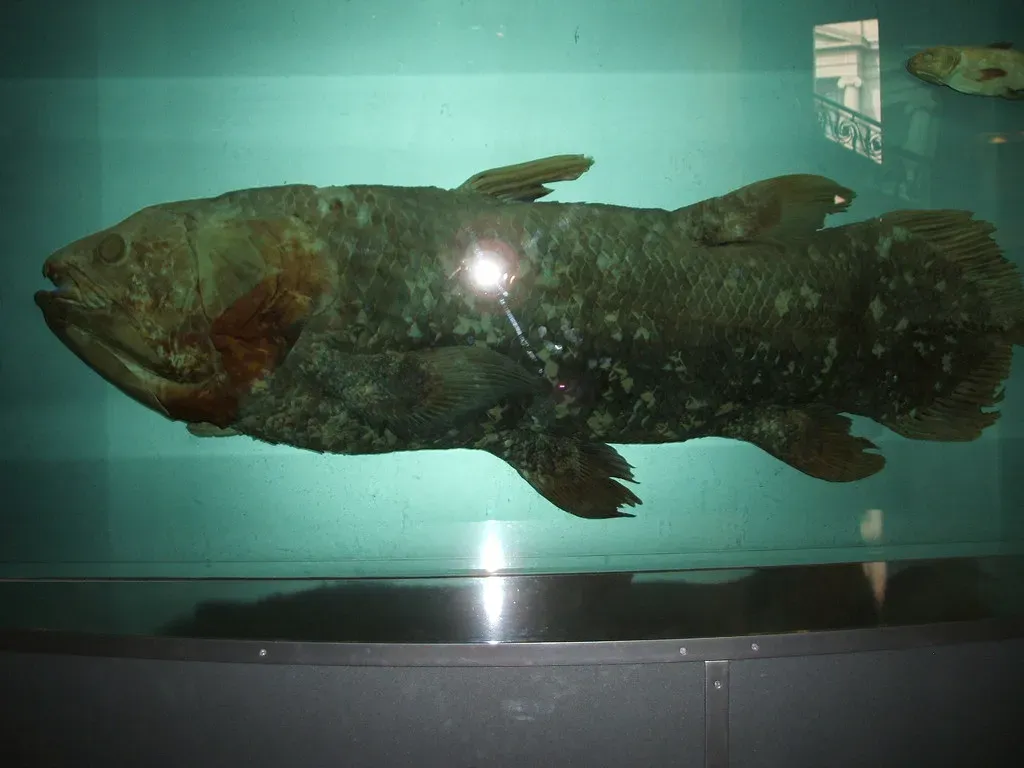
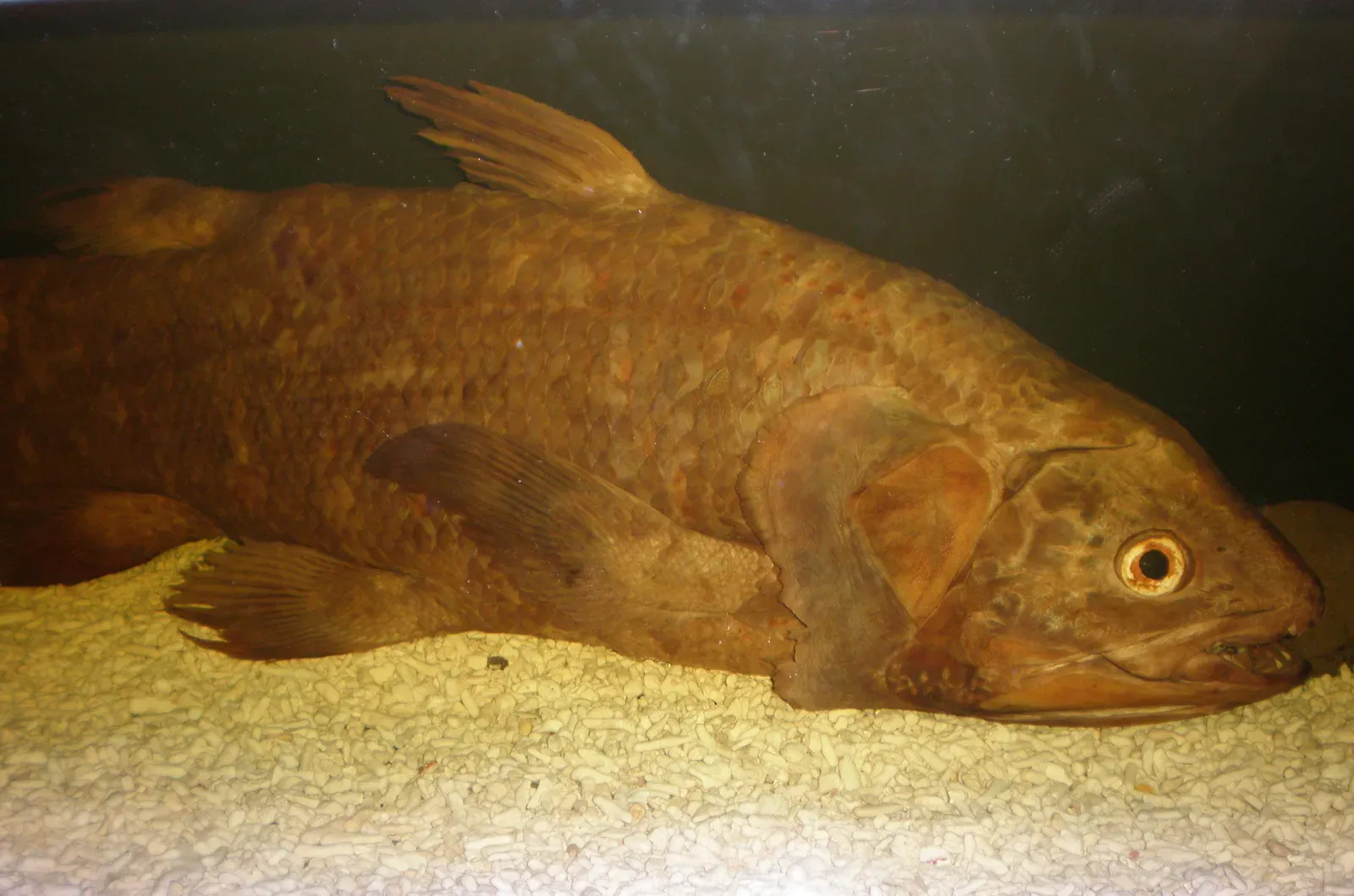
Imagine being written off as extinct for roughly sixty million years, only to suddenly show up alive and very much unimpressed by human assumptions. That is the coelacanth, a deep‑sea lobe‑finned fish whose fossil lineage stretches back over four hundred million years. For a long time, paleontologists believed the entire group had vanished at the end of the Cretaceous, and then in the twentieth century, a living specimen turned up off the coast of southern Africa, as if evolution itself had popped back up to say: not so fast.
That sheer refusal to conform to expectations is peak Aries energy. Aries lives for the moment of shock, the moment where everyone is forced to admit they were wrong to underestimate it. Coelacanths are muscular, slow, stealthy predators that move with a strange, almost four‑limbed gait, echoing early experiments in the transition from water to land. Symbolically, Aries can connect with that raw pioneering edge – the part of you that feels ancient, stubborn, headstrong, and inexplicably still here, even after everyone counted you out.
Taurus – Horseshoe Crab, the Patient Builder of Tidal Eternity
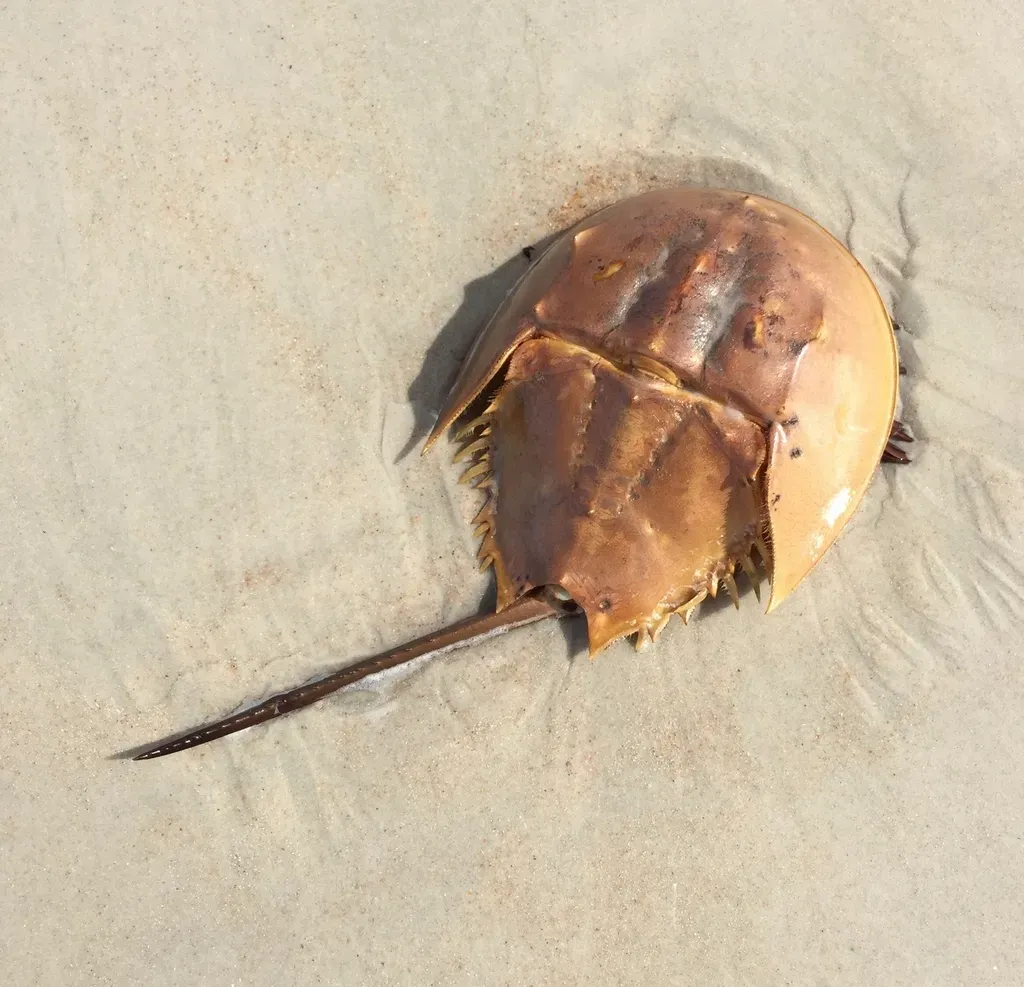
Horseshoe crabs are older than the dinosaurs, older than flowering plants, older even than many of the continents in their present form. Their lineage dates back more than four hundred million years, and their body plan has stayed so stable that modern individuals look strikingly similar to fossils from the Paleozoic era. They trundle along shallow ocean floors and beaches with a slow, methodical determination, completely unbothered by the passing fashions of evolution.
That quiet, immovable presence is very Taurus. This sign is often caricatured as lazy or stubborn, but in reality Taurus is about endurance, stability, and the patient accumulation of value over vast stretches of time. Horseshoe crabs are literally farmed for their unique blue blood, which is used in medical safety testing, so their ancient biology directly protects modern life. Connecting with this animal, Taurus can see itself as a kind of living coastline – solid, dependable, sometimes taken for granted, but absolutely essential to the rhythm of life.
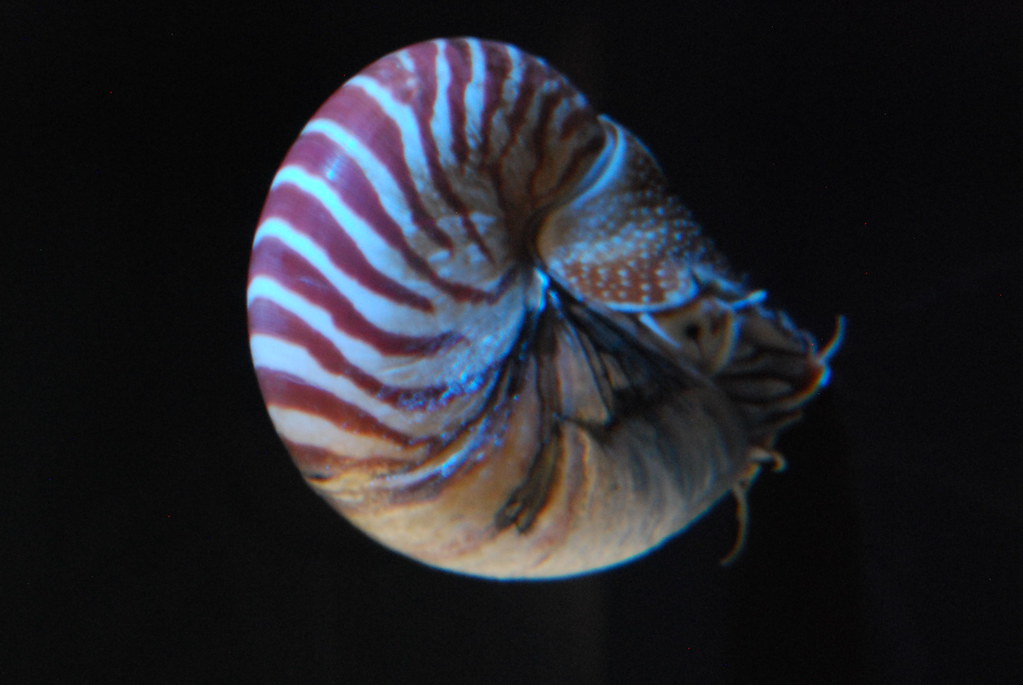
Gemini – Nautilus, the Spiral‑Shelled Storyteller of Ancient Seas
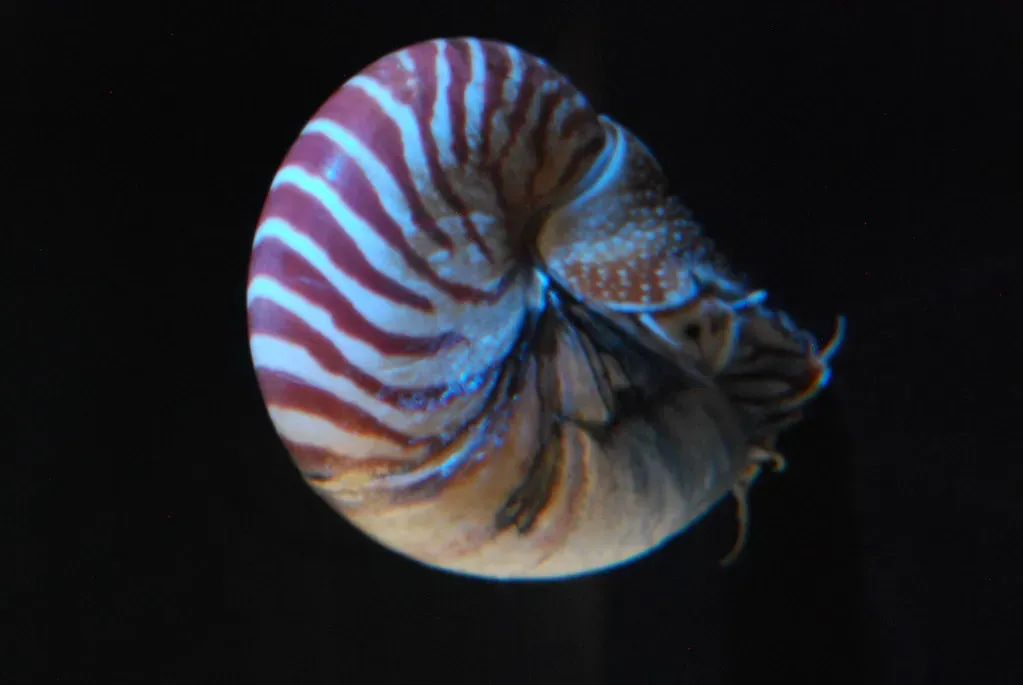
The chambered nautilus looks like a seashell drawn by a mathematician and worn by a poet. Its lineage reaches far back into the age when ammonites and other shelled cephalopods ruled the oceans. While many of its relatives either went extinct or radically reinvented themselves into squids and octopuses, the nautilus kept its coiled, chambered home and its simple, effective way of life, gliding through deep waters with numerous sensory tentacles and a buoyancy system regulated by internal gas‑filled chambers.
Gemini is the sign of language, curiosity, and mental movement, and the nautilus expresses that in an oddly elegant way. It literally grows new chambers as it matures, sealing off older ones behind it – a perfect metaphor for how Gemini accumulates stories, phases, identities, and conversations, always expanding its inner architecture. Where others see just a shell, Gemini intuits a living record of experience, each spiral loop another version of itself, preserved but outgrown, carried forward through deep time.
Cancer – Lungfish, the Ancestral Homebody Between Water and Land
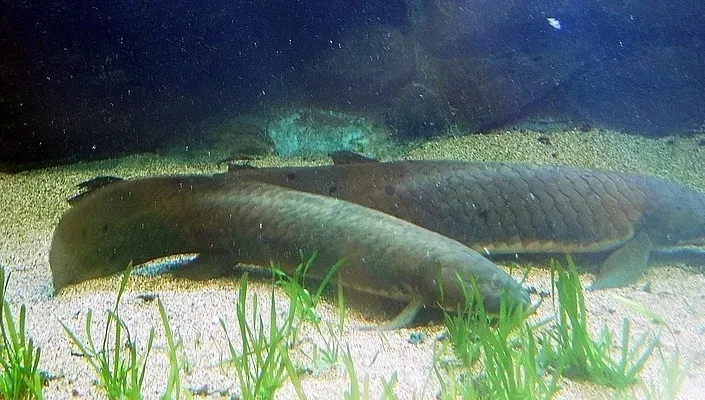
Lungfish are evolutionary liminal spaces made flesh. Their fossil record stretches back hundreds of millions of years, and living species still retain both gills and functional lungs, allowing them to breathe air when their watery home becomes unreliable. Certain lungfish can aestivate – essentially hibernate in a cocoon of dried mud for months during drought, slowing their metabolism and then reemerging when the water returns. They do not abandon the environment; they endure it, adapt within it, and cling to life inside their chosen home.
Cancer, the sign of emotional security, home, and memory, resonates deeply with that instinct. There is something profoundly Cancerian about the lungfish’s choice to stay put and endure rather than migrate or transform into something entirely different. It carries an ancestral blueprint for surviving hard seasons without losing its core identity. When Cancer connects with the lungfish, it taps into a long, long lineage of creatures whose survival strategy is to build inner safety so resilient that droughts, shocks, and emotional dry spells cannot break them.
Leo – Crocodile, the Regal Predator That Outlived Empires
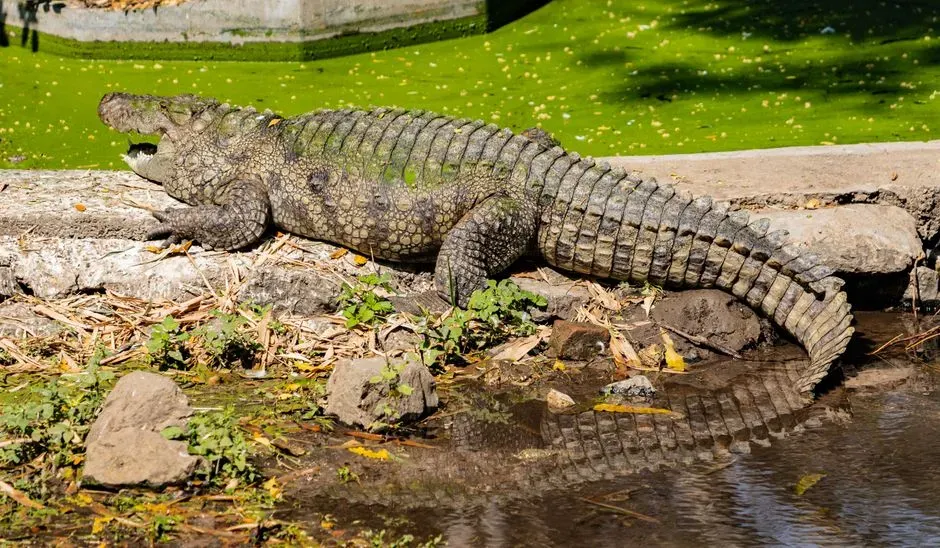
Modern crocodilians are not identical to their ancient ancestors, but they are close enough in shape, behavior, and ecological niche that they read as almost mythic holdovers from the age of giant reptiles. Their lineage stretches back over two hundred million years, and they have survived mass extinctions that wiped out far flashier creatures. A crocodile sunning on a riverbank looks like a living sculpture of raw authority, armored, patient, and terrifyingly explosive when it finally moves.
Leo is associated with royalty, pride, and the dramatic presence that fills a room – even a silent one. Crocodiles embody a kind of primal kingship of the water’s edge. They do not chase; they wait, calculating, knowing that everything eventually must come to drink. For Leo, the crocodile is a reminder that true power does not need constant performance. It is ancestral, heavy, and self‑assured. Connecting with this living fossil lets Leo own its inner monarch not as shallow glamour, but as something that has survived every metaphorical asteroid life has thrown.
Virgo – Sea Lily (Crinoid), the Ancient Architect of Underwater Order
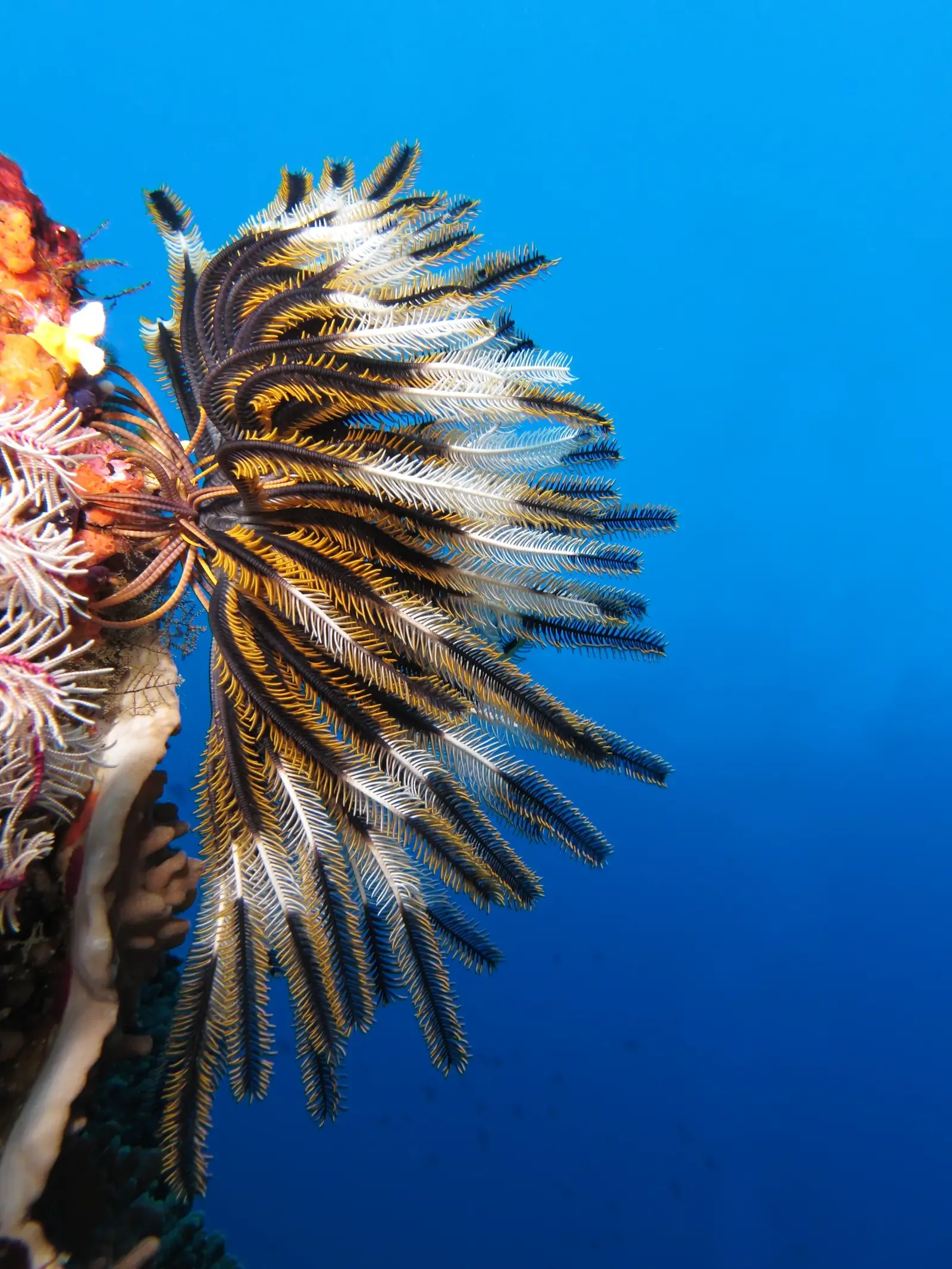
Crinoids, often called sea lilies, are echinoderms related to starfish and sea urchins, with a fossil record extending back to the early Paleozoic seas. Some modern species are stalked and rooted, others free‑swimming, but many retain that delicate, feathery crown used to filter food from the water. In ancient shallow seas, crinoid meadows formed structured, layered ecosystems, their bodies leaving behind entire limestone beds made largely from their skeletal fragments. They quietly stitched order into the chaos of marine sediments.
Virgo is the analyst, the organizer, the one who notices patterns where others see noise. The sea lily’s way of life – sifting, filtering, sorting nutrients from the flowing water – mirrors Virgo’s mental and practical instincts. This sign often feels unglamorous, like the background system keeping everything from collapsing. Crinoids show what that really means in deep time: the humble, repeated act of filtering can literally shape rock over millions of years. For Virgo, connecting with sea lilies is a way to honor the quiet, precise contributions that slowly build the foundation of worlds.
Libra – Ginkgo, the Living Fossil Tree of Delicate Balance
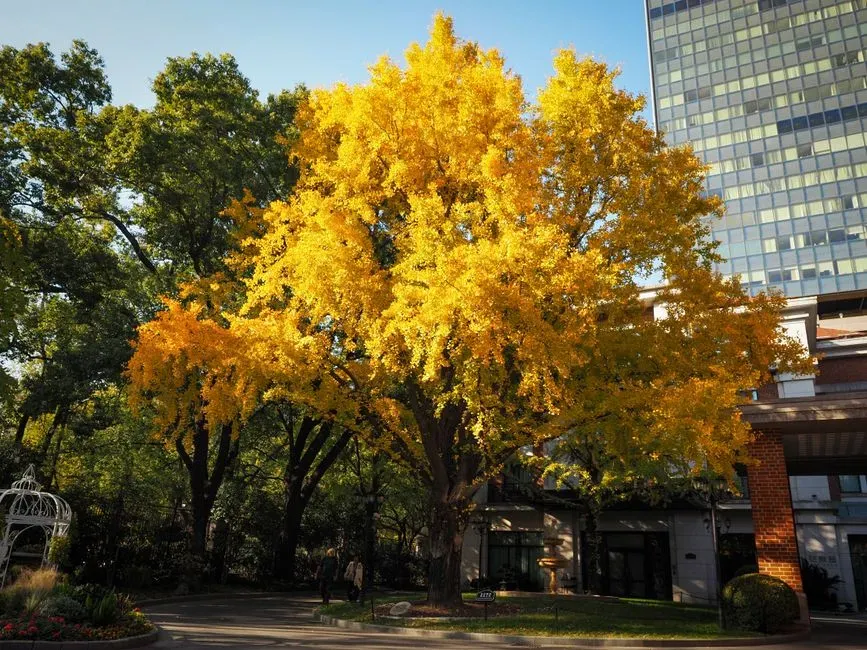
Ginkgo trees are among the most famous botanical living fossils, with fossil leaves remarkably similar to modern ones, appearing in rocks from the age of dinosaurs. Once widespread, their natural range shrank dramatically until human cultivation turned them into beloved urban and temple trees across parts of the world. Their distinctive fan‑shaped leaves, symmetrical yet subtly irregular, flutter in the wind like green paper charms. This tree sits at the intersection of wild prehistory and carefully curated human environments.
Libra is the sign of balance, aesthetics, and relationship, and the ginkgo embodies that delicate midpoint between past and present, nature and culture. It survived mass extinctions and climatic upheavals, then found a second life as a tree chosen for its beauty, resilience, and symbolic weight. Libra can see itself in that arc: an old soul that thrives in social settings, using grace and symmetry to soothe harsh surroundings. Connecting with ginkgo is like touching a leaf that has seen epochs and still chooses harmony over chaos.
Scorpio – Horseshoe Shrimp (Triops), the Resurrection Creature of Hidden Pools
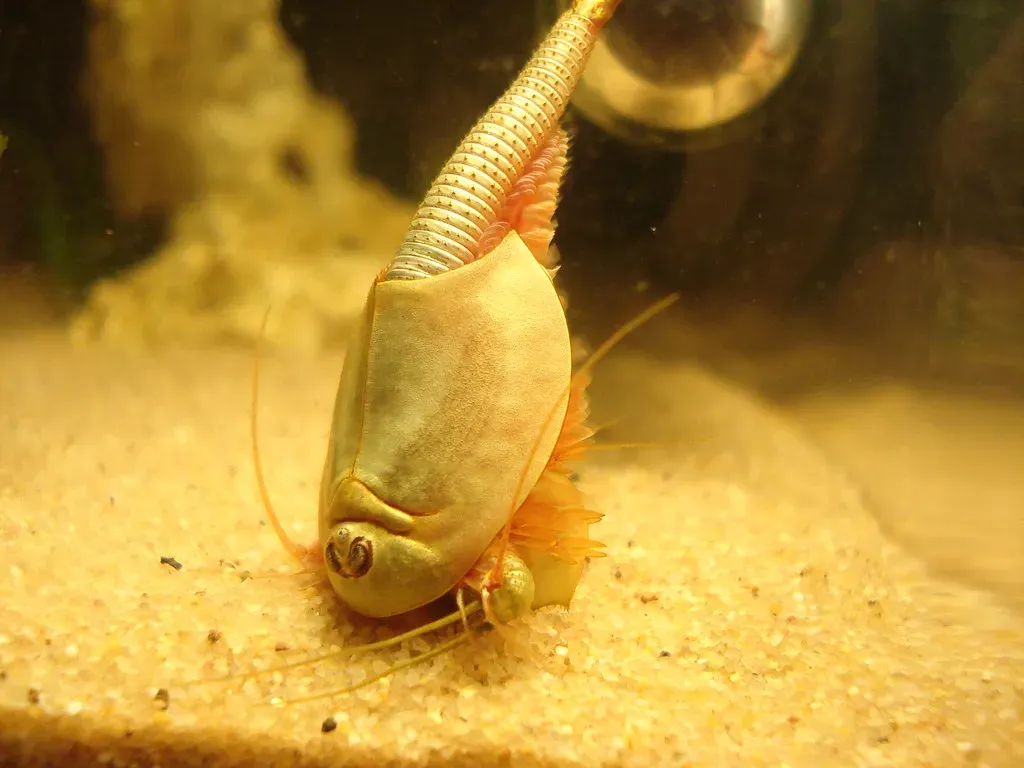
Triops, often sold as “prehistoric pets,” are small crustaceans whose general body plan has changed very little over hundreds of millions of years. Their eggs can lie dormant in dry sediment for long periods, surviving heat and cold, then hatch explosively when rain finally returns and temporary pools form. They appear suddenly in places that looked lifeless, feed, grow, reproduce, and vanish again as the pool dries, leaving behind only microscopic survivals waiting for the next opportunity.
Scorpio is associated with death, rebirth, secrets, and the intense cycles of transformation that most people prefer not to look at directly. Triops are unassuming but deeply Scorpionic in their survival strategy: disappear into apparent nothingness, endure in a hidden form, then surge back into visibility when conditions allow. They are reminders that what looks dead is often just withdrawn, gathering dark, quiet strength. When Scorpio connects with Triops, it is recognizing its own talent for psychological hibernation and shocking return, emerging from invisible depths with a fierce will to live.
Sagittarius – Tuatara, the Ancient Wanderer on the Edge of the World
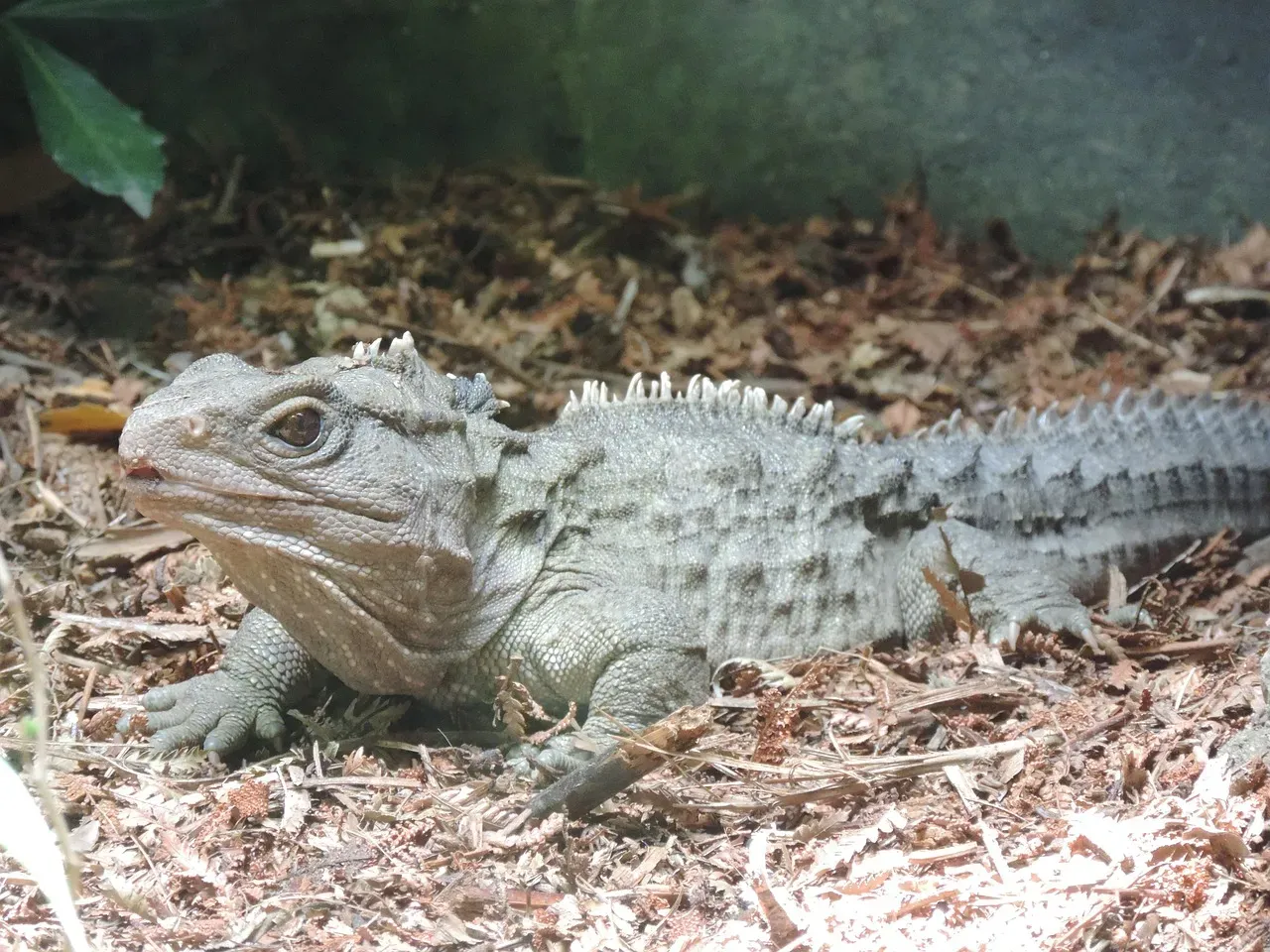
The tuatara is a reptile native to certain islands off New Zealand, and it is the last living representative of an entire ancient order of reptiles that once ranged far and wide. Its skeletal features and some aspects of its biology are closer to Mesozoic relatives than to any modern lizard or snake, which is why it is often described as a living window into that era. Tuataras grow slowly, live for many decades, and thrive in cool, marginal environments where others might struggle.
Sagittarius is the adventurer, the philosopher, and the one who seems most at home on the edge of the map. The tuatara literally lives at the edge of the world in a modern sense, holding the last line of a lineage that refused to be entirely erased. There is a rugged independence here that Sagittarius understands – a life path that does not follow the main evolutionary highway, but a stubborn side road that leads to surprising vistas. Connecting with the tuatara, Sagittarius taps into the part of itself that is ancient, odd, and oddly wise, thriving in remote places where few others bother to look.
Capricorn – Sturgeon, the Armored Climber of Time’s River
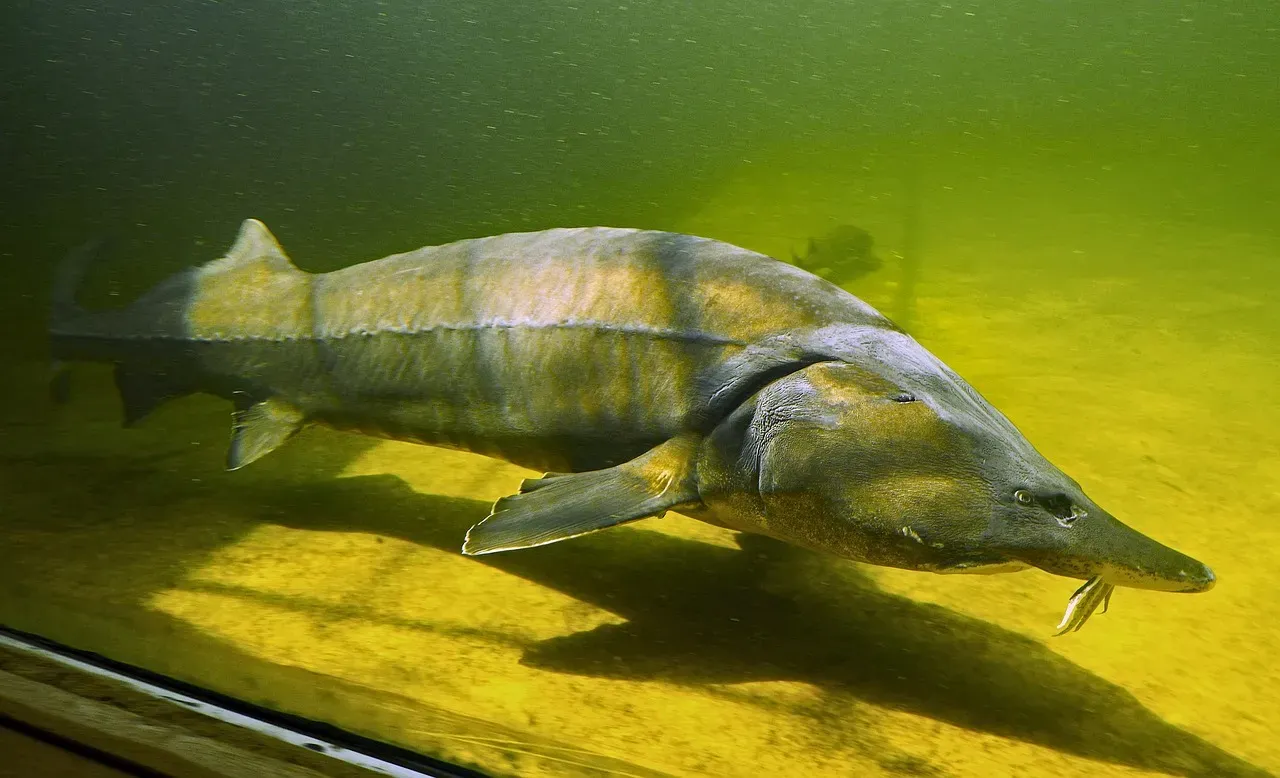
Sturgeons are large, long‑lived fish with bony plates instead of typical scales, and a fossil history that goes back to the age of the dinosaurs. Many species can live for many decades, some approaching a century or more, and they spend much of their lives in deep, cold waters before undertaking arduous migrations to spawn. They are not flashy; they are armored, heavy, and resolutely built for endurance rather than speed or show.
Capricorn, often stereotyped as the workaholic of the zodiac, is really about the long game: ambition measured over years, not moments. The sturgeon embodies that ethic in its very bones, rising slowly and steadily through life’s river. It endures dams, pollution, fishing pressure, and still, in many places, manages to persist, though often precariously. When Capricorn connects with the sturgeon, it is seeing its own capacity to bear weight, move against the current, and invest effort in goals that will not pay off quickly but will matter for generations.
Aquarius – Horseshoe Crab’s Cousin, the Ancient Limulus as Techno‑Mystic Ally
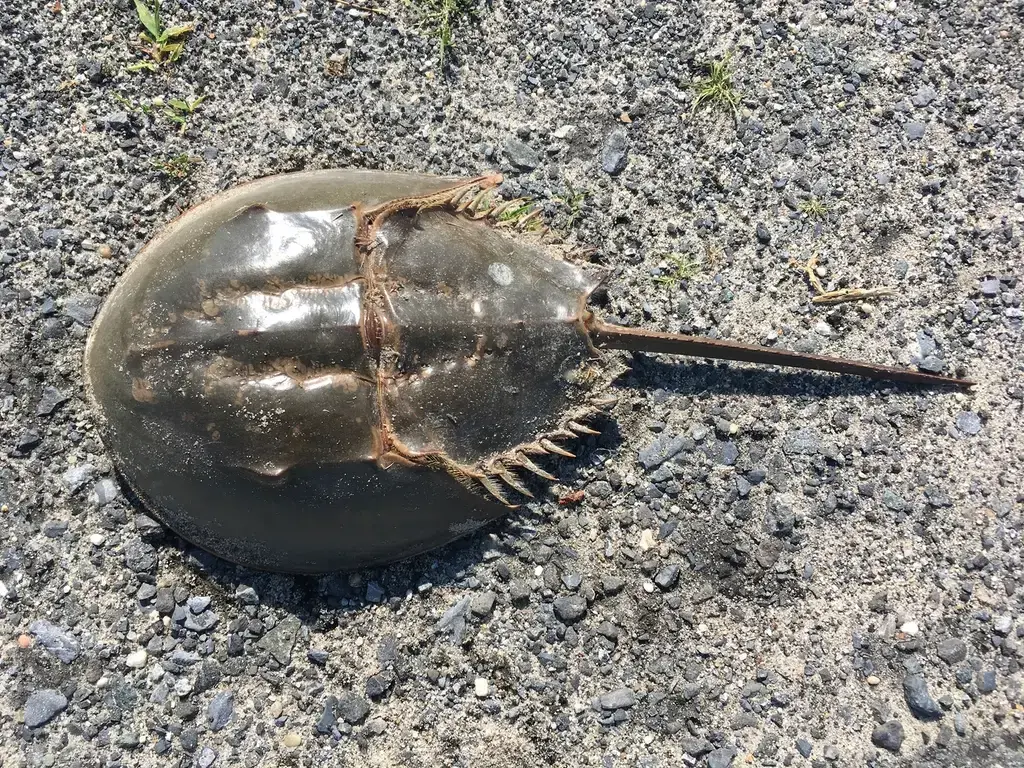
Aquarius could easily claim the horseshoe crab too, but here it connects to the species in a different way than Taurus. Where Taurus resonates with the patient physical presence of these animals, Aquarius resonates with their strange, futuristic biology. The horseshoe crab’s blue blood, rich in copper, reacts sensitively to bacterial toxins, making it a crucial component in testing medical products for safety. In other words, this creature from deep time plays a direct, high‑tech role in modern bioengineering and pharmaceuticals.
Aquarius is the sign of innovation, collective progress, and the oddball outsider who ends up reshaping the future. The horseshoe crab looks alien, like a helmeted rover from another planet, yet its ancient physiology is woven into cutting‑edge science. For Aquarius, that is the perfect metaphor: being out of step with the present while being absolutely vital to what comes next. Connecting with this animal means owning the strangeness, recognizing that being “too early” or “too weird” is sometimes exactly what the future will depend on.
Pisces – Jellyfish, the Drifting Ghosts From Before Bones Existed
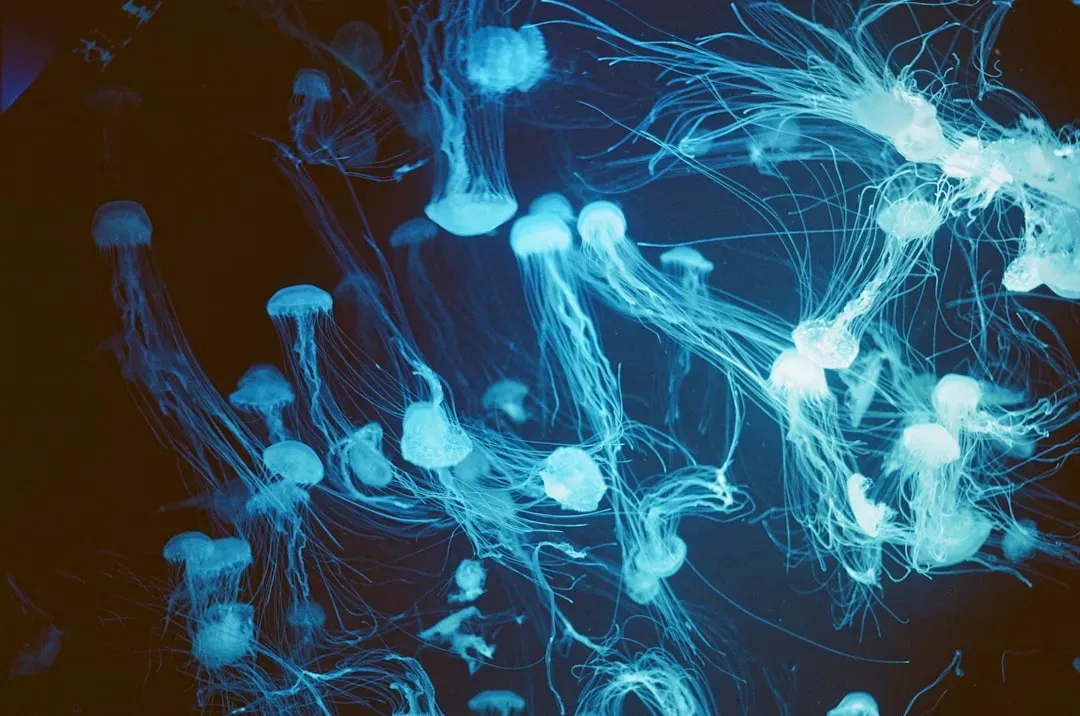
Some jellyfish lineages trace back to incredibly early points in animal evolution, long before vertebrates, before shells, even before many complex body plans existed. They are soft, translucent, and often nearly invisible, pulsing gently through the water in forms that have barely needed to change over vast stretches of geological time. A few species can even reverse their life cycle under certain conditions, reverting to an earlier stage rather than simply dying, complicating our sense of what lifespan even means.
Pisces is the sign of dreams, dissolution, and the fluid, boundary‑blurring side of reality. Jellyfish are like that made literal: bodies without bones, moving by surrender rather than force, letting currents carry them as much as they propel themselves. They are both fragile and strangely eternal, like emotions that keep resurfacing in new shapes. When Pisces connects with the jellyfish, it is recognizing the ancient part of its own psyche that is older than rigid identities and fixed narratives, the part that knows how to dissolve, re‑form, and keep drifting through the oceans of time.
Conclusion – Deep Time, Personal Myth, and Why This Actually Matters
Pairing zodiac signs with living fossils is not about pretending astrology is a hard science or that these creatures somehow “belong” to one sign in a literal way. It is about using symbolic language to reconnect our anxious, screen‑lit lives with the staggering span of evolutionary history still moving quietly around us. You and a coelacanth, or a ginkgo, or a tuatara share the same moment in time, even though their lineage has been around for hundreds of millions of years and yours, as a modern human, is a very recent experiment.
My opinion is that we badly underestimate how grounding this perspective can be. When you see your sign reflected in a creature that has survived ice ages, asteroid impacts, and continental drift, your latest setback at work or in love starts to feel smaller – but not in a dismissive way, more like placing one brushstroke back into the context of an entire mural. You are not meant to be an eternal monolith like these lineages, but you can borrow a little of their patience, their resilience, their stubborn refusal to vanish. If you had to pick one of these ancient beings as your deep‑time mirror, which one would you claim?