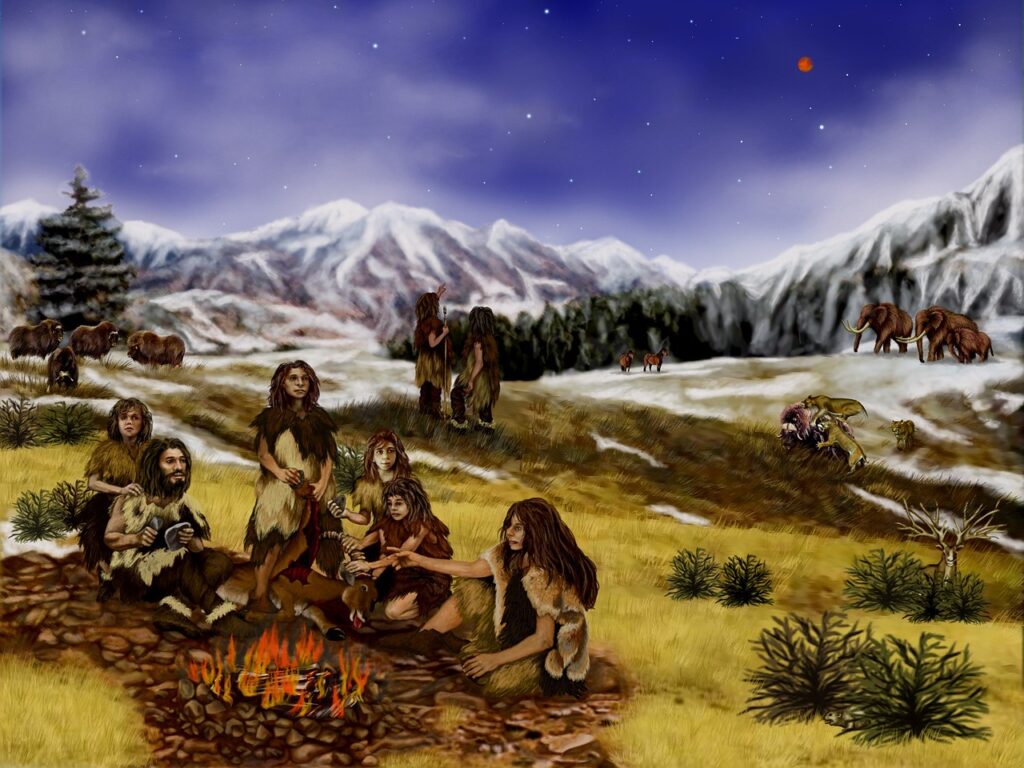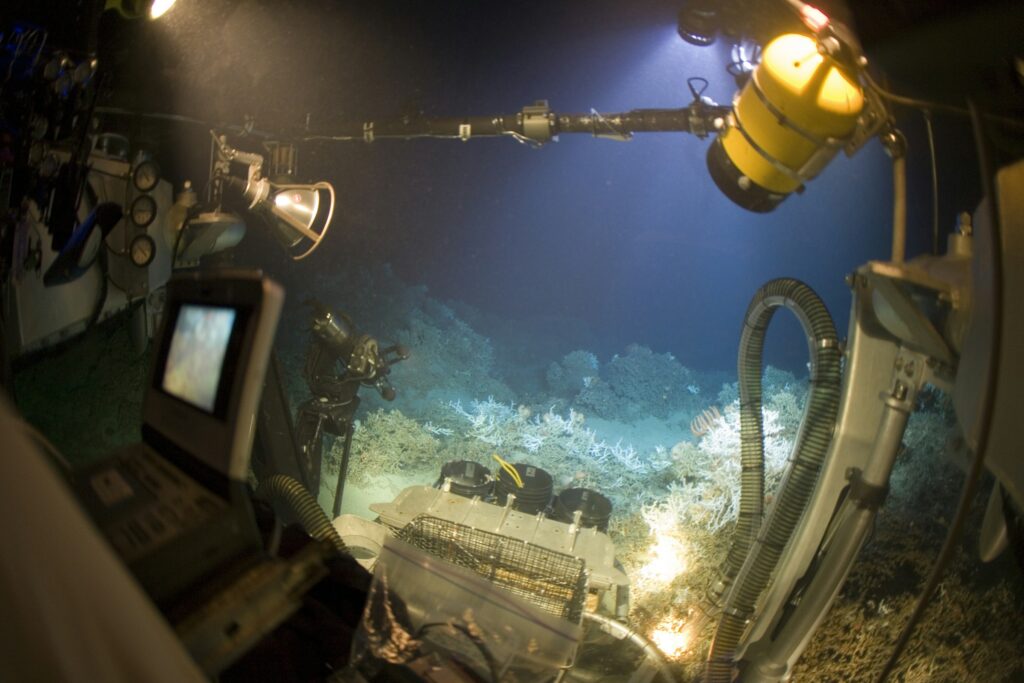
Imagine the biggest plot twists in Earth’s history still sitting, unread, on the seafloor. For all the documentaries, museum fossils, and dramatic animations of dinosaurs vanishing overnight, a huge part of the story may still be missing – quietly buried miles beneath the waves, in places no human eye has ever seen. That is the unsettling and strangely exciting idea behind a growing scientific focus on the deep ocean as an archive of mass extinctions we have not yet discovered.
The twist is this: our entire timeline of life and death on Earth is built mostly from rocks we can reach on land, which is only a thin slice of the planet’s surface. Most of the clues are likely underwater. In the deep sea, mud drifts down grain by grain, building a layered library of ancient crises, climate shocks, and disappearances. Scientists are increasingly convinced that inside those dark, cold sediments lie the fingerprints of major extinction events that never made it into our textbooks – and that could change how we think about our past and our future.
The Deep Ocean as Earth’s Hidden Archive
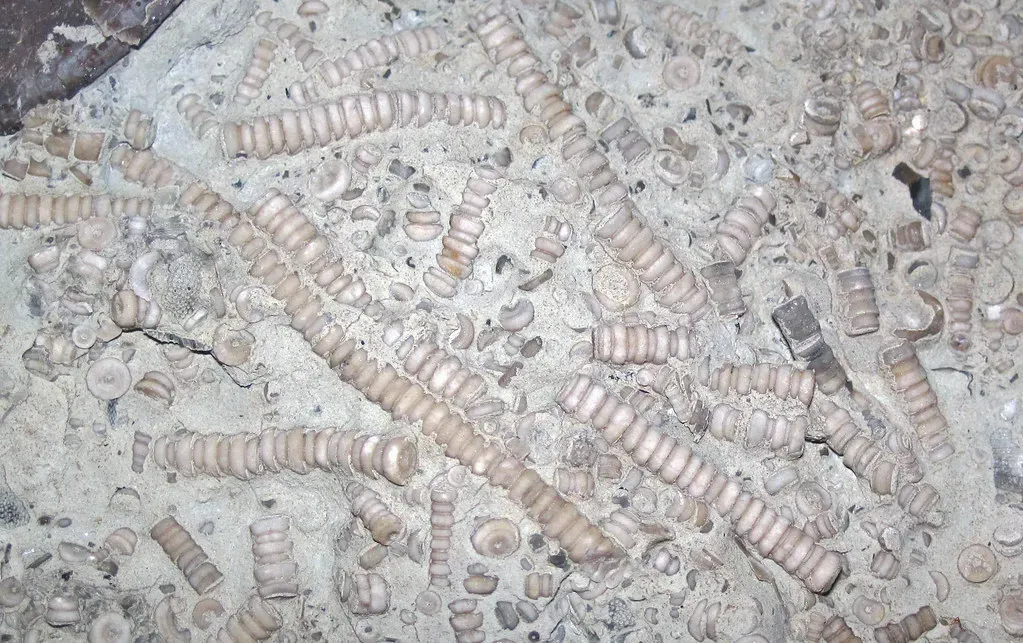
When people think about fossils, they picture cliffs, deserts, and badlands – not black water and pitch‑dark seafloor plains. But the deep ocean is like Earth’s attic: out of sight, rarely cleaned out, and quietly storing everything that falls into it. Tiny shells, dust from continents, volcanic ash, chemicals from the atmosphere, and even microscopic fragments of organisms slowly settle through the water column and pile up in thin layers over millions of years.
Each layer is like a time‑stamped page, preserving what the ocean and atmosphere were doing when it formed. Unlike land, the deep seafloor has no rain to wash things away, no roots tearing through rocks, and far fewer earthquakes ripping it open. That stability turns it into a long‑running tape recorder of environmental change. When something catastrophic happens – an asteroid impact, a burst of volcanic activity, or a mysterious die‑off – its chemical and biological fingerprints can end up locked in those layers, waiting to be read.
Why Many Mass Extinctions May Be Missing From Our Textbooks
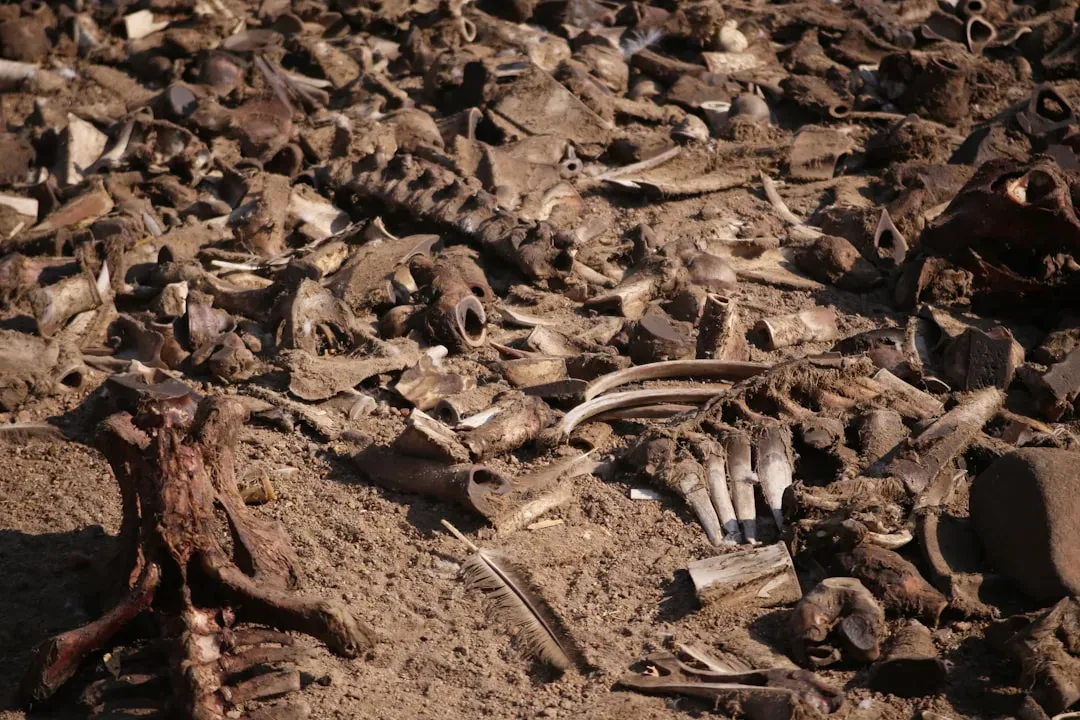
Most of the famous mass extinctions – like the one that wiped out non‑avian dinosaurs – were pieced together from rocks on land. But land is a rough place for keeping records over hundreds of millions of years. Mountains rise and erode, continents collide, rocks melt and recycle into magma. Whole chapters of geological history get crumpled, shredded, or erased. That means our current list of past crises is biased toward what survived on continents, not necessarily what actually happened across the whole planet.
Scientists increasingly suspect there were additional extinction pulses that never left a strong footprint in terrestrial rocks, or that are only fragmentarily recorded. These might have been shorter, more regional, or more selective, hitting certain ecosystems or oceans harder than others. If those events left clearer marks in deep‑sea sediments than on land, we would barely see them today. The result is a kind of historical blind spot: we think Earth had a handful of big die‑offs, when in reality there may have been more, some of them strange enough that we do not yet have names or neat categories for them.
Reading the Seafloor: How Sediment Cores Capture Extinction Clues

To access the deep ocean’s memory, scientists drill into the seafloor and pull up long cylinders of layered mud and rock called sediment cores. Each core is like a vertical timeline, from young layers at the top to older layers at the bottom, sometimes spanning tens of millions of years. By slicing these cores and examining them under microscopes and analytical instruments, researchers can track shifts in chemistry, fossil types, and grain size that hint at upheavals in Earth’s systems.
Some extinction signatures are dramatic: a sharp boundary with almost no fossils, a sudden spike in certain metals, or an abrupt color change from one layer to the next. Others are more subtle – a slow decline in diversity over many thousands of years, or a quiet shift in the types of tiny organisms living in the water column. These cores can preserve the rise and fall of species too small to fossilize well on land, especially marine plankton, which are often the first to react when the climate or chemistry of the ocean suddenly changes.
Geochemical Fingerprints: From Oxygen Crashes to Carbon Spikes
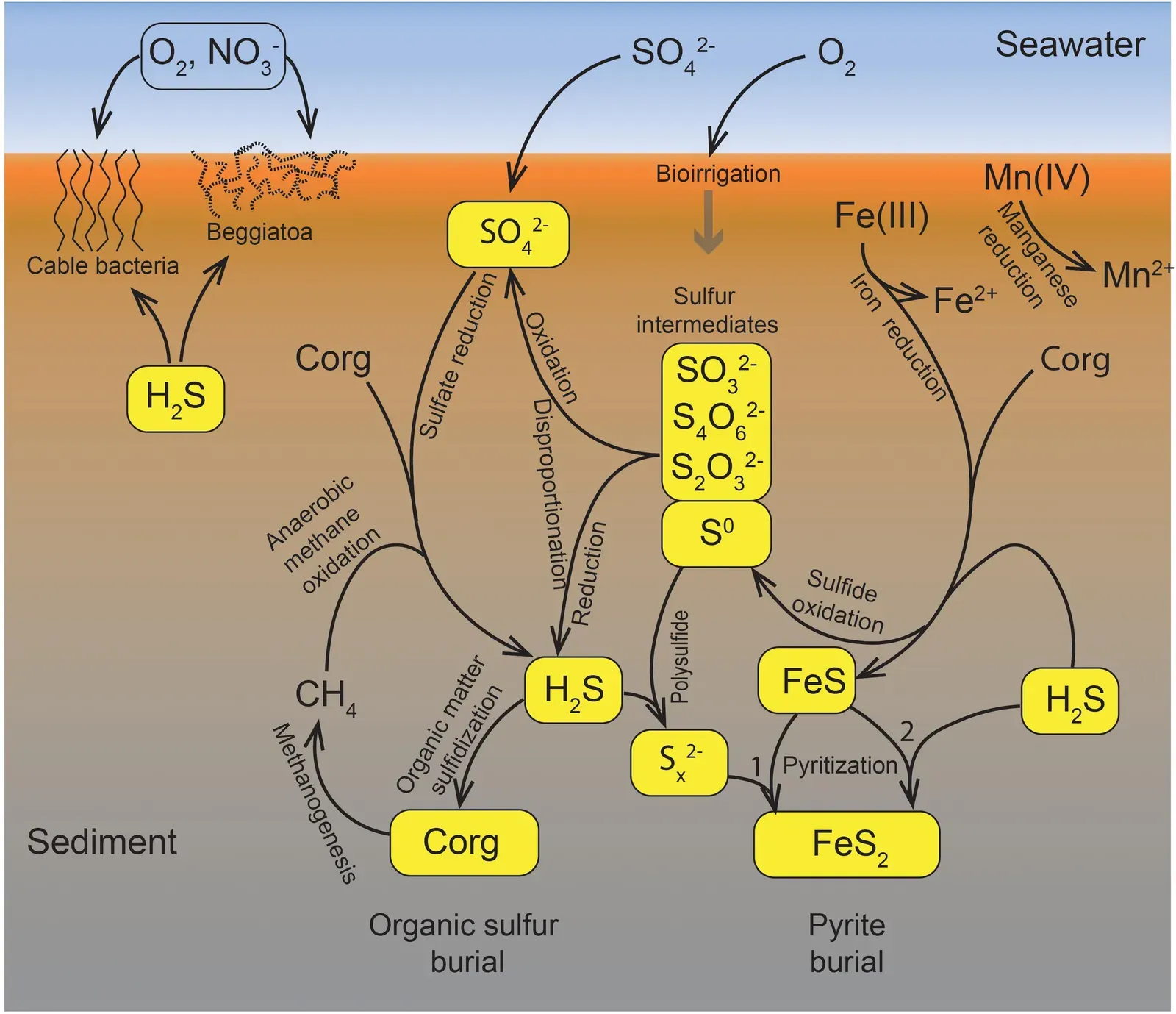
Even when visible fossils are scarce, the chemistry of deep‑sea sediments can scream that something went very wrong. One major clue comes from elements tied to oxygen levels. In times when the deep ocean loses much of its oxygen – so‑called ocean anoxic events – certain metals and sulfur compounds become more common in the layers being deposited. A stretch of sediment rich in these markers can reveal that large portions of the ocean became hostile to most complex life, even if the species that suffered leave few skeletal remains.
Carbon is another powerful signal. By measuring different forms of carbon in sediments, scientists can detect massive injections of carbon into the atmosphere and ocean, often linked to intense volcanic eruptions, methane releases, or giant wildfires. These carbon spikes tend to coincide with warming, acidification, and ecosystem stress. If a core shows a rapid carbon shift paired with changes in microfossils or a thinning of biodiversity, it raises the possibility that an unrecognized extinction or major biological shake‑up took place at that time.
Microfossils: Tiny Organisms, Massive Stories
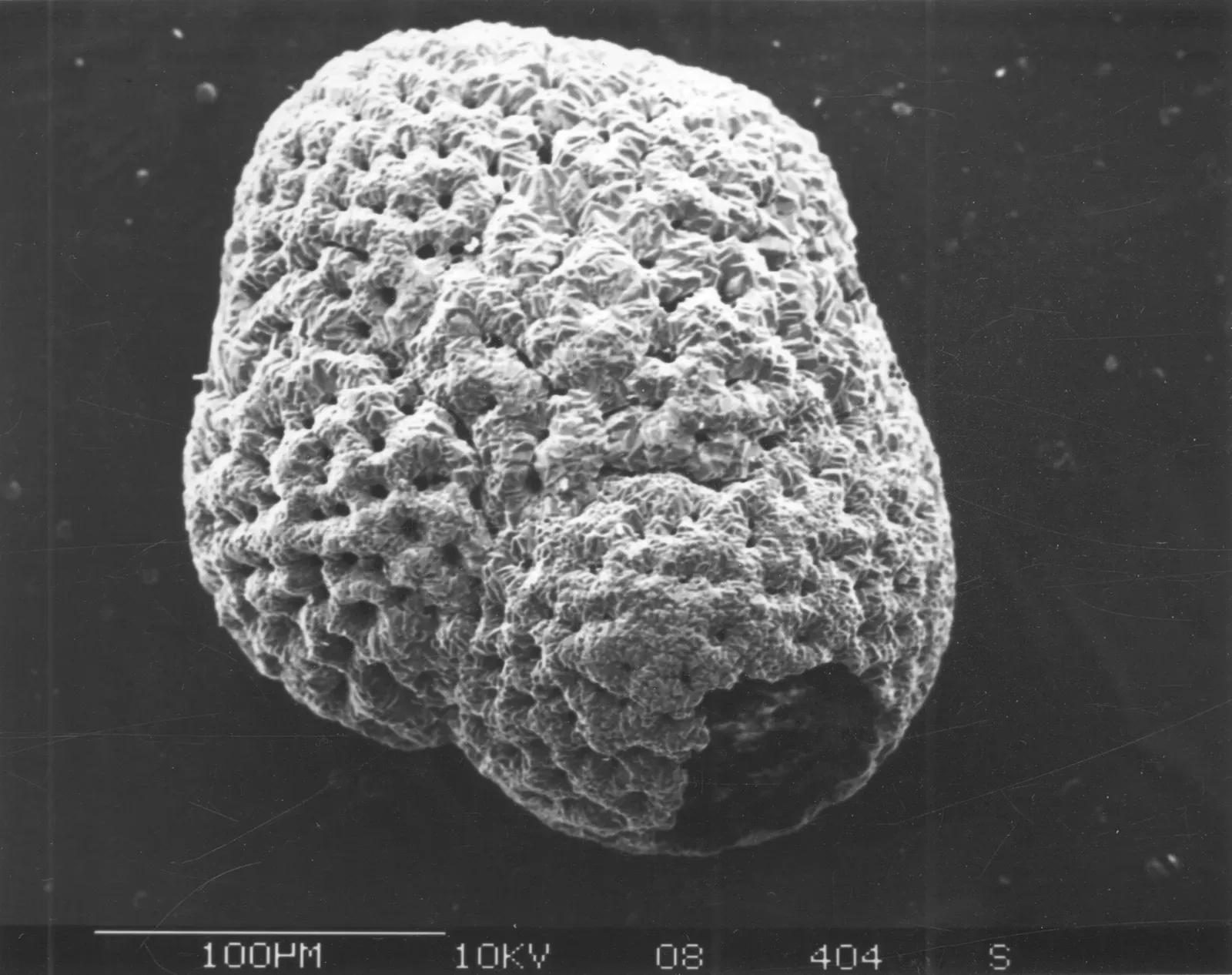
The deep ocean is full of the skeletal remains of plankton – tiny organisms like foraminifera, coccolithophores, and radiolarians – that build shells or skeletons from calcium carbonate or silica. When they die, their tiny bodies snow down into the abyss, creating thick blankets of microfossils over geological time. These organisms respond quickly to shifts in temperature, acidity, nutrient supply, and oxygen, so their sudden disappearance or replacement by different species can flag moments of real ecological crisis.
Some extinction events are already known almost entirely from changes in these microfossil communities, rather than big skeletons like dinosaurs or ammonites. That is part of why scientists think there are more hidden upheavals out there. The ocean hosts an enormous share of Earth’s biodiversity, and much of it is small, soft‑bodied, or otherwise invisible in traditional fossil sites. The deep‑sea record lets researchers see mass changes that might not involve spectacular megafauna, but still fundamentally rewired global ecosystems.
New Technology Is Letting Us See Deeper – and Further Back – Than Ever
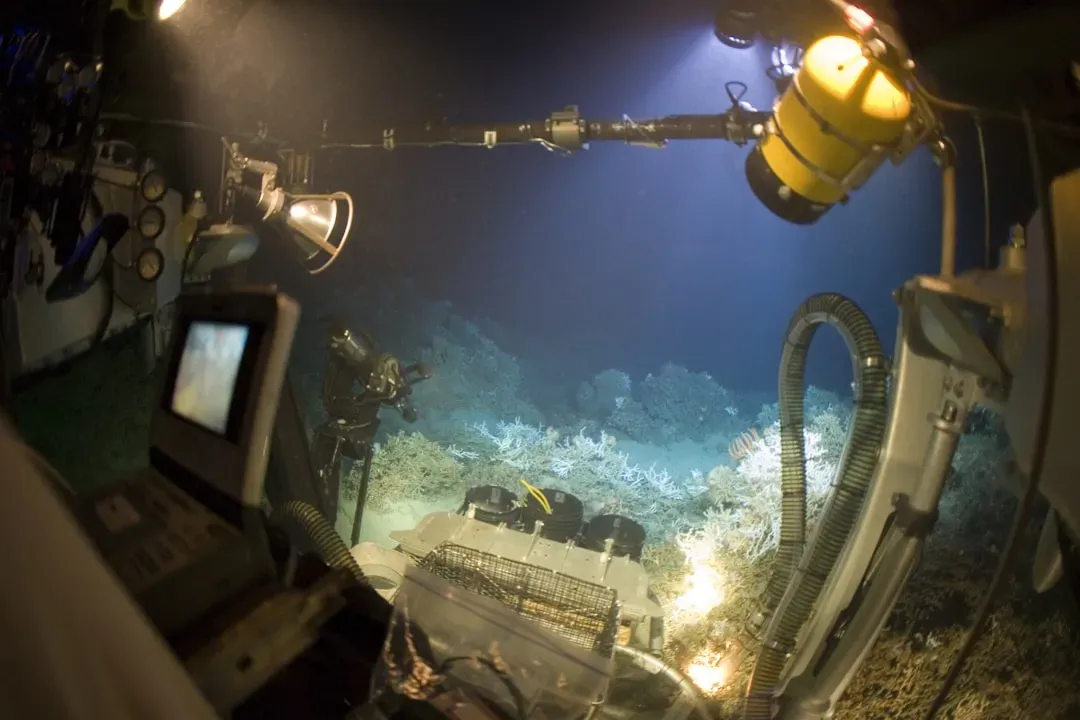
For decades, deep‑sea drilling and coring were slow, expensive, and limited to a handful of expeditions. Now, improved drilling ships, autonomous underwater vehicles, and high‑resolution sensors are opening parts of the seafloor that were completely out of reach a generation ago. Robots can map hidden basins and sediment drifts, identifying spots where sediments have quietly piled up in neat, undisturbed layers for tens of millions of years – a dream scenario for reconstructing past crises.
At the same time, lab techniques are getting far more sensitive. Scientists can now measure tiny variations in isotopes, organic molecules, and trace metals that once would have been invisible. They are even extracting bits of ancient DNA and other biological fragments from sediments, hinting at future reconstructions of past communities at a level we can barely imagine. Put together, these tools turn the deep ocean from a dark question mark into a high‑definition archive, and that makes the idea of undiscovered mass extinctions not just plausible, but likely.
What Hidden Mass Extinctions Could Mean for Our Future
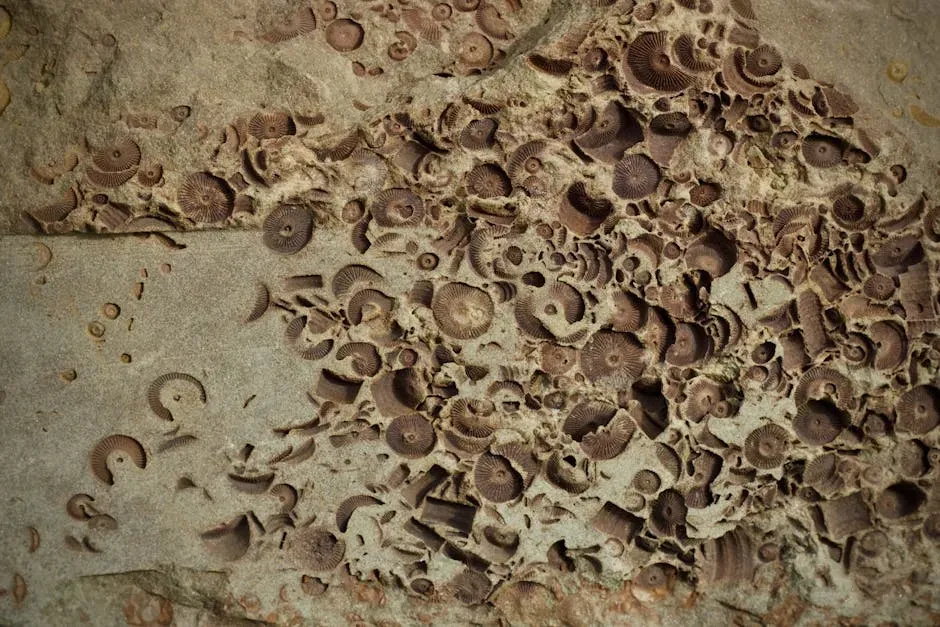
If the deep ocean reveals that Earth has undergone more major die‑offs than we currently recognize, that has a sobering implication: planetary life may be more fragile – and more easily tipped into chaos – than our simplified five‑extinction storyline suggests. Extra events might show that smaller, faster, or more localized crises still count as global turning points, reshaping which groups dominate and which never recover. That would challenge the way we define a “mass extinction” and force us to admit that the boundary between normal change and catastrophe can be thinner than we like to think.
On the other hand, a fuller extinction record could also highlight just how often life has bounced back in strange, unexpected ways. After past wipeouts, new ecosystems eventually emerged, with novel species and inventive solutions to environmental stress. But there is an uncomfortable catch: recovery often takes millions of years. From a human perspective, that is not a comforting resilience; it is a warning. If we are nudging the Earth system toward conditions that resemble some of those deep‑time crises, we are playing a game whose rules we have not fully read yet – and the rulebook may be lying at the bottom of the sea.
Opinionated Conclusion: The Ocean’s Secrets Should Make Us Uneasy – and Curious
I think it is dangerous comfort to assume we already know the full list of Earth’s worst days. The more we learn about deep‑sea sediments, the more it looks like we have been trying to understand a long, complicated novel by skimming a few surviving pages from the middle. That does not mean scientists have been wrong; it means the story is probably bigger, messier, and more surprising than we realized. To me, the idea that there are still unnamed mass extinctions buried under miles of water is both thrilling and deeply unsettling.
We love the drama of the dinosaur‑ending asteroid because it gives us a clear villain, a clear ending, and a neat label. The deep ocean is quietly hinting that reality is not that tidy, and that planetary disasters can unfold in more ways than we have categories for. In a century when we are rapidly changing the atmosphere, warming the oceans, and altering ecosystems at a speed that rivals some ancient shocks, ignoring those hidden chapters feels reckless. The deep sea is not just a scientific curiosity; it is a mirror we have barely looked into. The real question is, when we finally drag those forgotten crises into the light, will we see warning signs that we have been repeating without even knowing it?