Imagine waking up one morning to find your world turning into a desert, or watching lush grasslands transform into frozen tundra over just a few generations. That kind of brutal, fast‑moving climate chaos is not just a dystopian movie plot; it is increasingly what scientists think many ancient humans actually lived through. What is surprising researchers today is not only how harsh those conditions were, but how quickly our ancestors seem to have adapted to them.
New evidence from fossils, stone tools, sediments, and even ancient DNA is painting a picture of humans who were far more flexible, inventive, and resilient than the older textbooks suggested. Instead of lumbering slowly behind climate change, they appear to have pivoted at remarkable speed: shifting diets, moving across continents, reshaping their tools, and even evolving biological traits over relatively short evolutionary windows. That idea is both inspiring and a little unsettling, especially when we compare it with our own struggles to handle climate change now.
Rapid Climate Whiplash: The World Ancient Humans Actually Faced

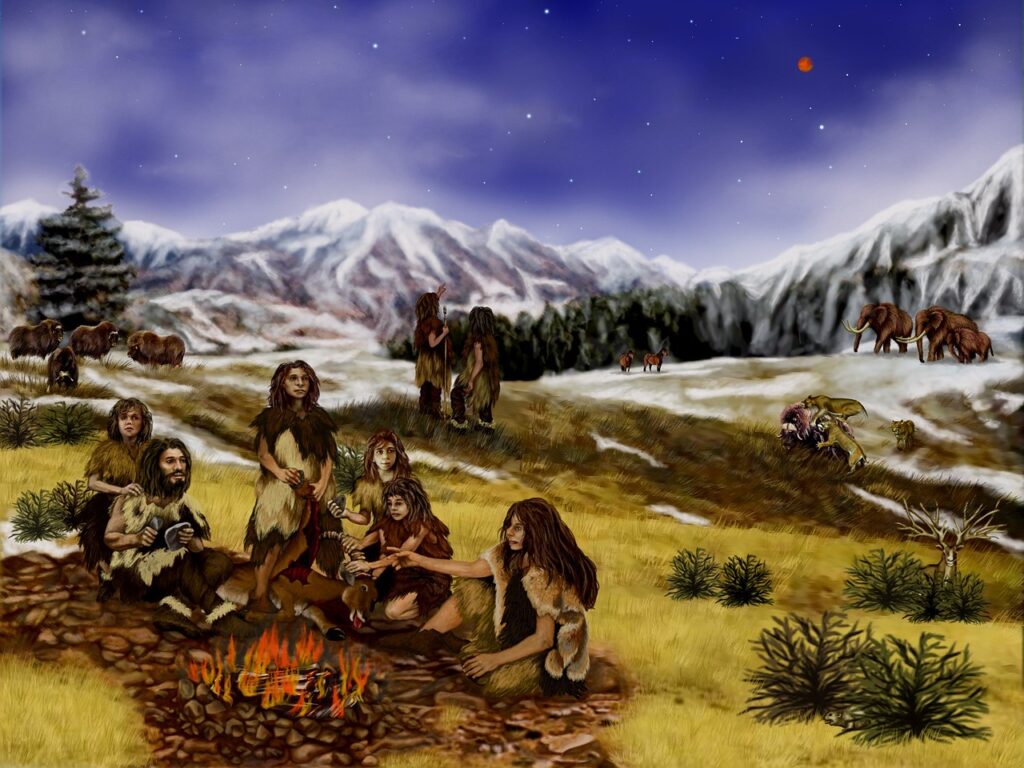
For a long time, many people imagined the Ice Age as one long, unchanging freeze. In reality, climate scientists now see it as a wild rollercoaster, with temperatures and rainfall swinging up and down in a matter of centuries or even decades. Sudden warming events, abrupt cooling episodes, expanding and shrinking glaciers, and shifting coastlines created a world that was anything but stable. Early humans were not living on a slowly changing planet; they were navigating a climate that lurched and jolted like a car on a dirt road.
Layers of ice cores, lake sediments, and ocean mud show these rapid swings with surprising clarity. You can think of each layer as a time‑stamped diary of temperature, dust, pollen, and greenhouse gases. When researchers line up these records with archaeological sites, they keep seeing the same pattern: as environments flip from wet to dry or cold to warmer, human behavior changes right alongside, often within a handful of generations. That tight link is what is fueling the idea that our ancestors were faster on their feet than scientists used to believe.
Moving Fast: Mobility as a Survival Superpower
![Moving Fast: Mobility as a Survival Superpower (Skin colour and vitamin D: An updateProvided under Creative Commons free license (p.1, with link to Attribution 4.0 International (CC BY 4.0) page)"This is an open access article under the terms of the Creative Commons Attribution License, which permits use, distribution and reproduction in any medium, provided the original work is properly cited. © 2020 The Authors. Experimental Dermatology published by John Wiley & Sons Ltd" [1], CC BY-SA 4.0)](https://nvmwebsites-budwg5g9avh3epea.z03.azurefd.net/dinoworld/a381913eabda0ee938fd59935b97da02.webp)
One of the clearest ways ancient humans adapted quickly was by not staying put. When rainfall belts shifted, animals migrated, or coastlines flooded, people followed. Archaeological evidence shows surprisingly rapid expansions of human groups into new areas, from harsh highlands to cold northern latitudes that were once thought off‑limits. In evolutionary terms, these movements happened in the blink of an eye, sometimes within the span of a few hundred years after environments opened up.
This mobility was not random wandering; it was strategic. Groups appear to have tracked herds, targeted resource‑rich river valleys, and hugged coastlines where food was more predictable. I sometimes think of these early humans like expert surfers, constantly scanning for the next viable “wave” of resources and making bold moves to catch it in time. The fact that our species spread so widely during such a turbulent climatic era suggests that moving fast, both physically and culturally, was one of our key adaptation tricks.
Toolkits on Fast‑Forward: Cultural Innovation Under Pressure
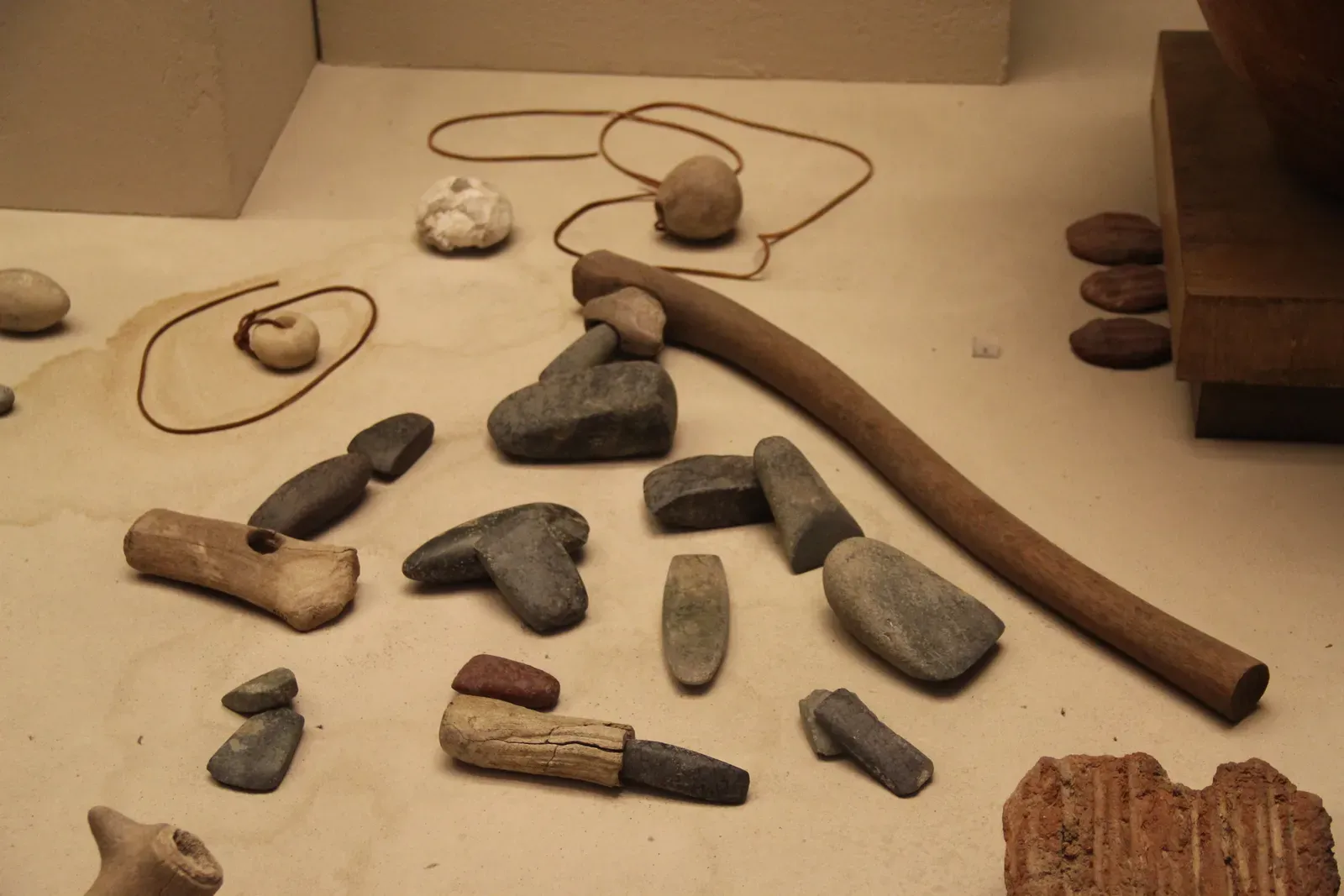
Another big shift in thinking is about how quickly ancient humans retooled their technology when the climate turned. Instead of long, slow transitions between stone tool styles, archaeologists are increasingly finding sharper breaks and bursts of innovation that line up with environmental stress. When landscapes dried out, for instance, people seem to have adopted lighter, more portable toolkits. When prey animals changed, hunting strategies and weapon designs often shifted with them.
In some regions, new tool types, symbolic objects, and even long‑distance trade networks seem to appear right after periods of climatic instability. That timing has led many researchers to argue that climate stress did not just threaten human groups; it also jolted them into creativity. It is a bit like how people today suddenly learn new digital skills or rethink their careers during an economic crisis. Under pressure, ancient humans appear to have sped up their cultural evolution rather than simply clinging to old habits until they collapsed.
Diet Flexibility: From Specialist to Serial Experimenter
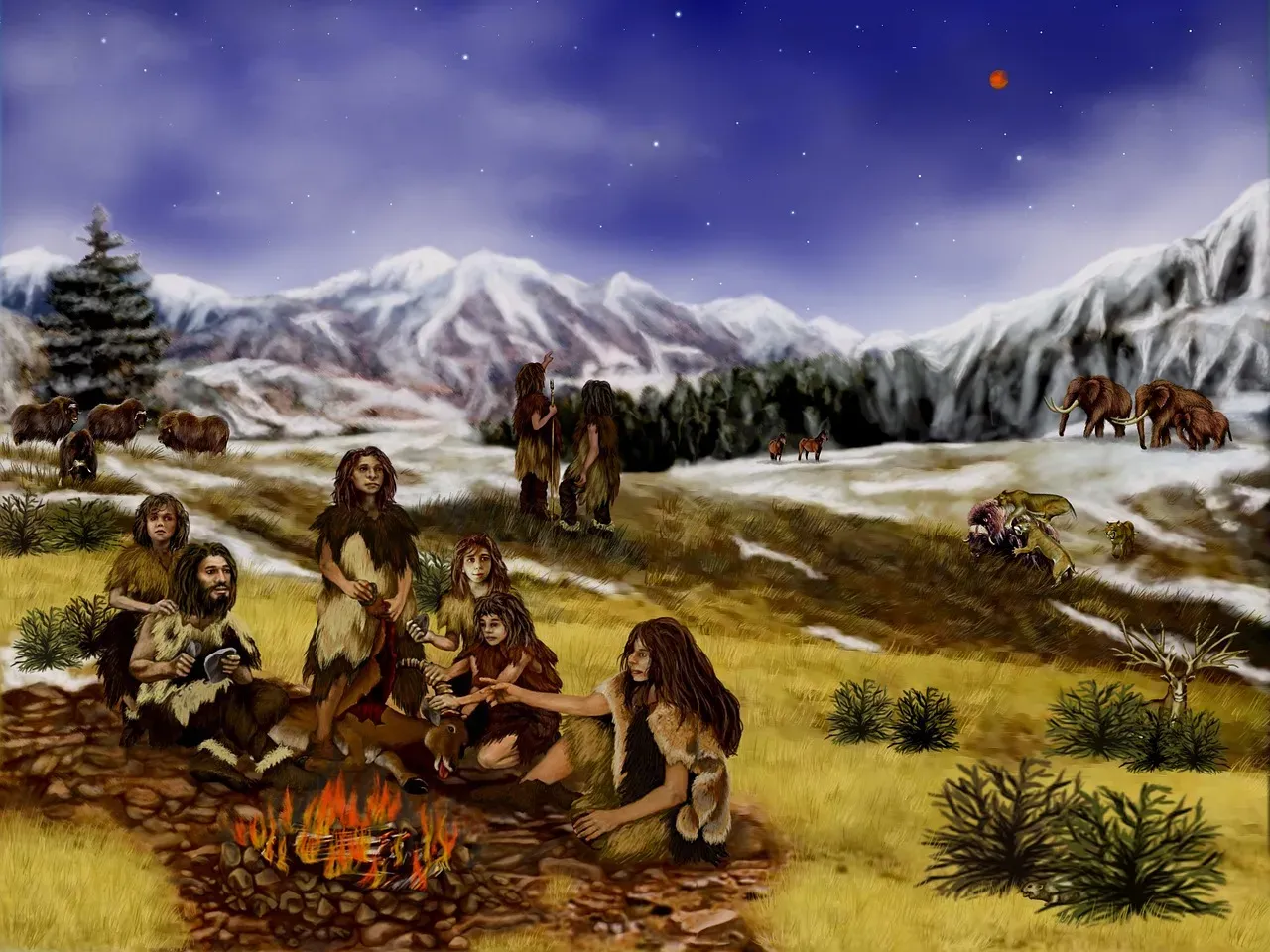
What people ate may be one of the most underrated parts of this fast adaptation story. When climates shifted, ecosystems changed, and with that came new mixes of plants and animals. Evidence from animal bones, plant remains, and chemical signatures in ancient teeth and bones suggests that humans were often quick to broaden or flip their diets. Groups that once relied heavily on big game, for example, sometimes shifted toward smaller animals, fish, or more diverse plant foods when large herds became unreliable.
This kind of dietary flexibility is a massive advantage in a chaotic world. You can picture a community testing new roots, seeds, shellfish, or hunting strategies in order to buffer themselves against sudden losses. It is not always glamorous; sometimes adaptation looks less like heroic mammoth hunts and more like patiently collecting shellfish in cold coastal shallows. But from an evolutionary perspective, that willingness to experiment with food sources may have been one of the fastest and most powerful levers humans had in coping with climate shocks.
Biology in Motion: Did Human Bodies Change Faster Too?
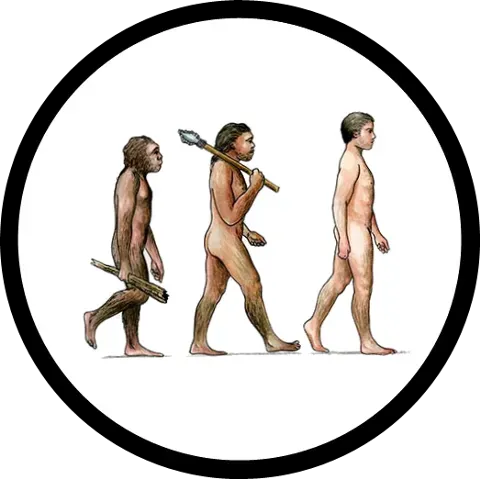
Most scientists still see culture and behavior as the quickest elements of human adaptation, but there is growing interest in whether biological traits also shifted faster than once assumed. Ancient DNA, combined with fossil measurements, hints that some physical and genetic changes may have spread relatively quickly in response to climate‑linked pressures. Traits related to body shape, skin pigmentation, or metabolism are often discussed as possible responses to different levels of sunlight, temperature, or diet in new environments.
To be clear, this does not mean people sprouted new features overnight, and the timelines are still long on a human scale. But compared with older ideas that placed major human biological changes over extremely slow, gradual arcs, new research leans toward a more dynamic picture. Small shifts in survival and reproductive success, repeated over many generations in harsh or novel climates, can act like a quiet but persistent sculptor. The result is a species whose biology has been nudged again and again by the climate roulette it has lived through.
Lessons for Today: Ancient Resilience vs Modern Vulnerability
All of this raises a provocative question: if ancient humans could adapt this quickly to wild climate swings, why do we seem so overwhelmed by climate change today? One uncomfortable but honest answer is that our modern systems are far more complex and rigid than a small band of foragers. Our food chains depend on global trade, our infrastructure is locked into particular coastlines and river systems, and our economies are tangled in energy sources that heat the planet even more. We have incredible technology, yet we are also heavily committed to the way things are.
At the same time, the ancient record is a reminder that humans are not naturally helpless in the face of climate disruption. Our ancestors changed where they lived, what they ate, how they cooperated, and what they built, often faster than we once believed. In my view, the real lesson is not that the past guarantees our success, but that flexibility and courage are deeply part of who we are. The more we lean into that heritage of rapid learning and bold experimentation, the better chance we have of rewriting our own climate story instead of just watching it unfold.
Conclusion: A Fast‑Adapting Species Facing Its Biggest Test
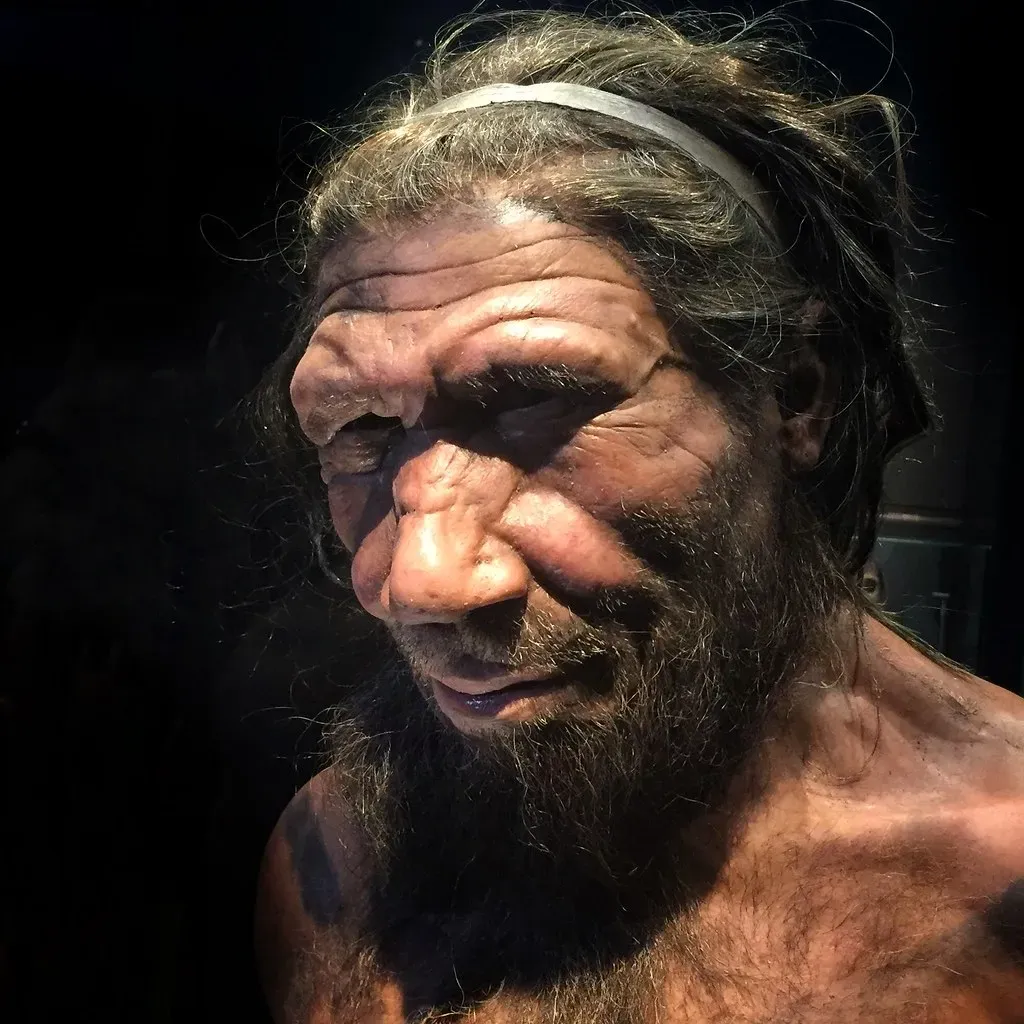
When you put all the pieces together, the emerging picture of ancient humans is not of slow, reluctant adapters dragged along by climate change. It is of a species that could pivot quickly: migrating when lands failed, reinventing tools under pressure, reshaping diets, and gradually even tweaking its own biology in response to new environments. To me, that makes our ancestors feel less like distant museum exhibits and more like tough, inventive survivors who repeatedly stared down a hostile planet and figured out ways to stay one step ahead.
The uncomfortable twist is that we, with all our science and technology, might be less nimble in practice than they were in spirit. We sit in cities, wrapped in infrastructure and habits that do not move easily, even as the climate needle jumps. My opinion is that the real challenge of our time is not whether humans can adapt in theory; our past shows we can. It is whether we are willing to change fast enough in the ways that matter now: energy, consumption, and how we design our societies. If ancient people could cross continents with stone tools, what excuse do we really have for dragging our feet with supercomputers in our pockets?