For more than a century, dinosaurs were mostly imagined from the skeleton up. Artists draped skin and color over the bones using a lot of guesswork, a bit of science, and plenty of movie magic. Now, a quiet revolution is underway: patches of fossilized skin, scales, and even impressions of soft tissue are starting to rip away that veil of uncertainty and show us creatures that look far stranger, softer, and sometimes fluffier than the monsters many of us grew up with.
Instead of just hard, gray skeletons, paleontologists are suddenly dealing with wrinkles, scars, armor plates, pigments, and patterns. These fragile traces of outer coverings are turning dinosaur science into something much more like forensics. And once you see how much we can actually pull from a single skin impression, it becomes hard not to wonder: how many classic dinosaur images would we redraw if we could see their true skins rather than just their bones?
From Bare Bones To Full-Body Creatures
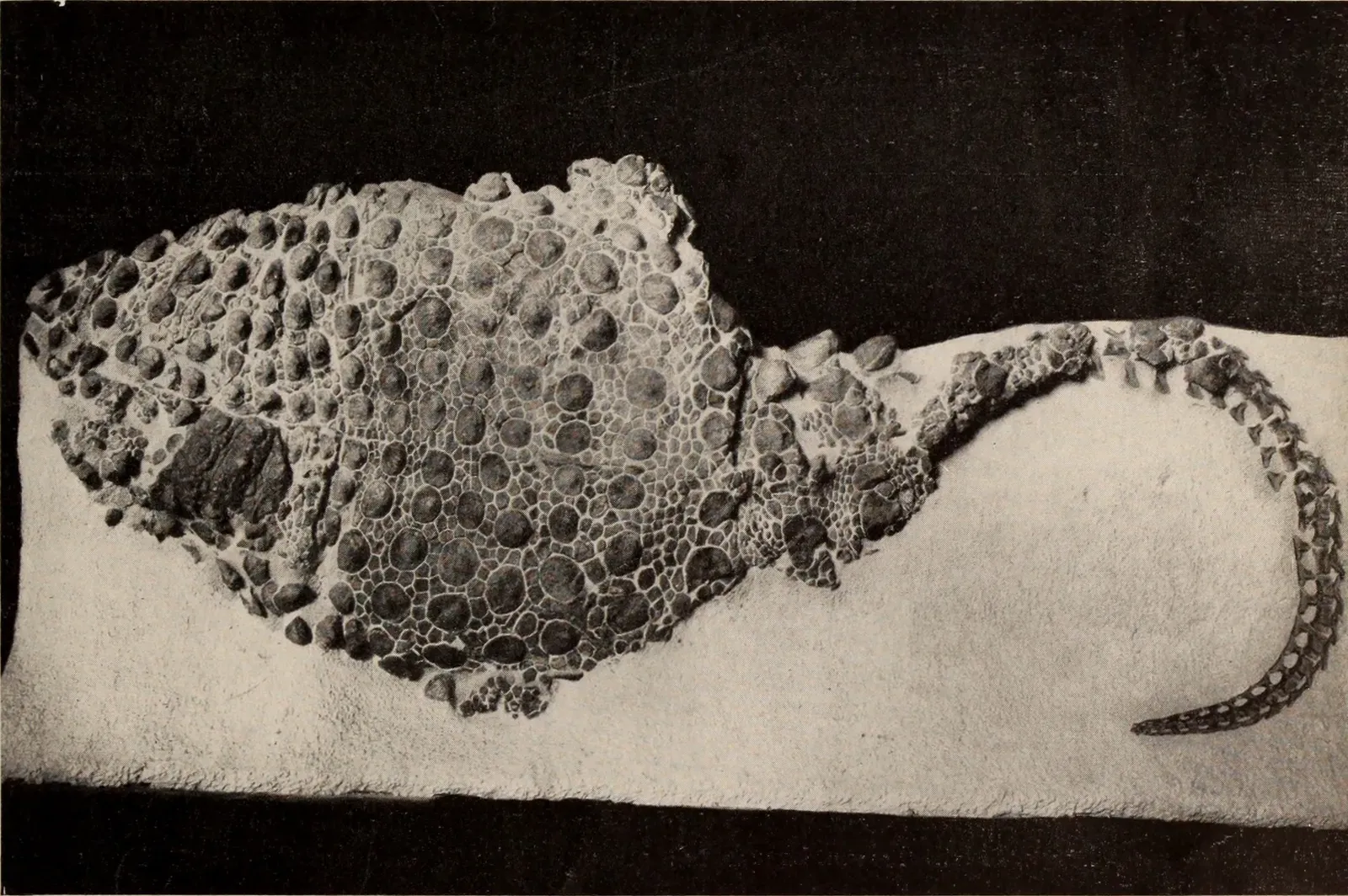
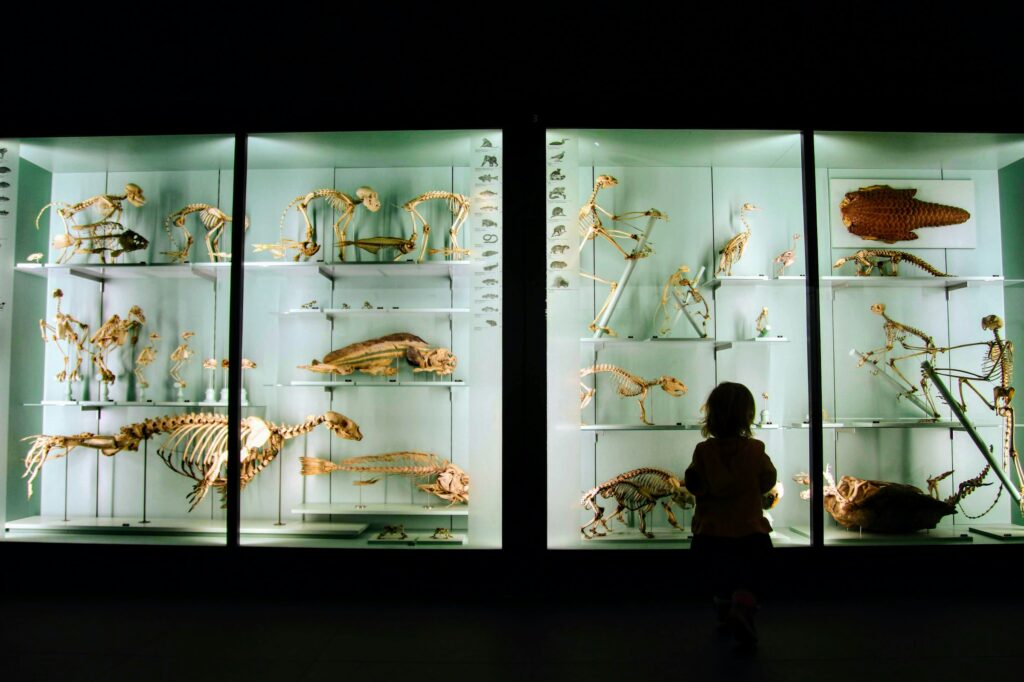
For a long time, bones were the whole story, simply because they were what survived. Museums were full of towering skeletons, and everything else was left to imagination and illustration. It’s a bit like trying to understand a person just from their skeleton; you might guess their height and build, but you’ll miss hair, eyes, expression, even basic body shape in some places.
As more fossil sites with exceptional preservation have been found, scientists are finally filling in that missing outer layer. Skin impressions, patches of scales, and traces of soft tissue give real contours to those skeletons: where muscles bulged, where skin sagged, where armor plates were embedded. The shift is dramatic; dinosaurs are no longer abstract bone puzzles, but full animals that would have cast very specific, sometimes surprising silhouettes in the ancient light.
How Skin Fossilizes When It Really Shouldn’t
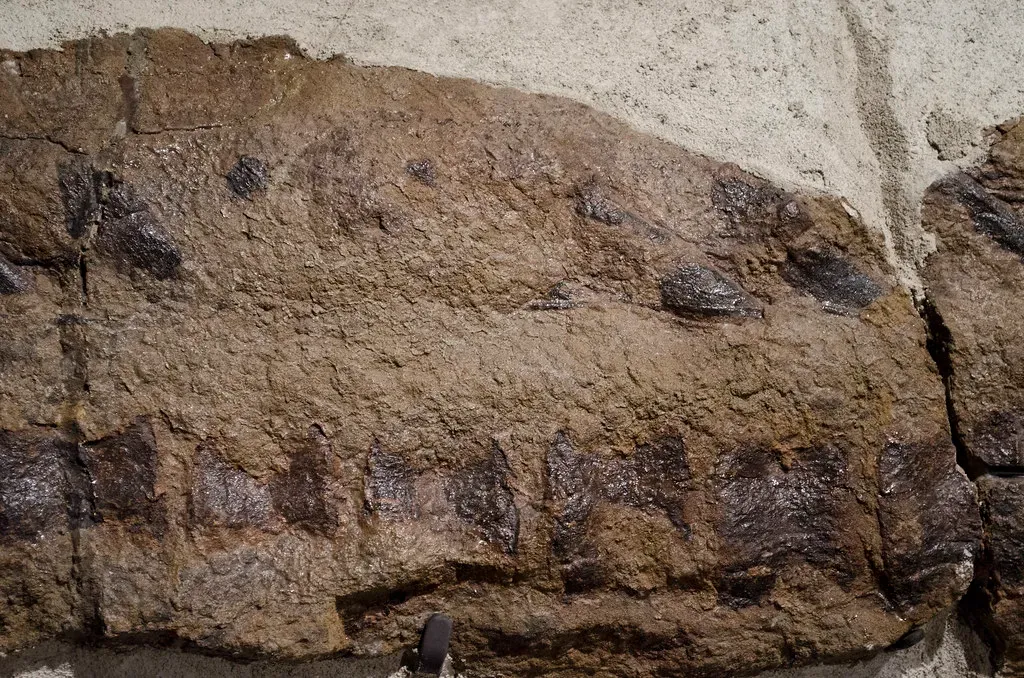
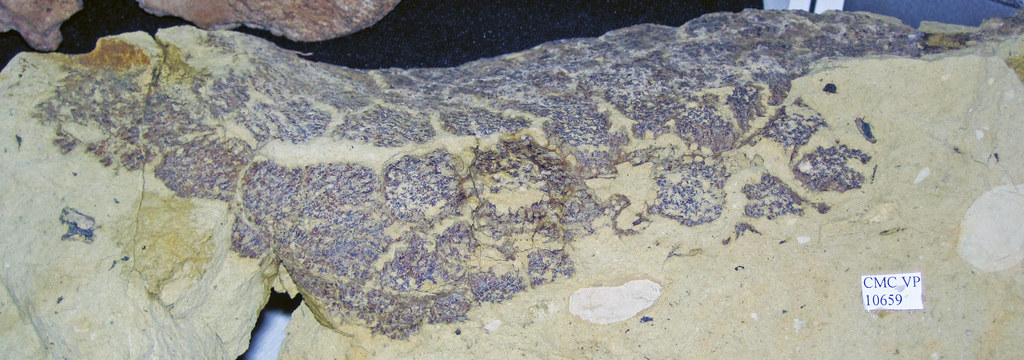
Skin and soft tissue are supposed to rot away fast, so their presence in the fossil record is almost a minor miracle. For dinosaur skin to fossilize, conditions had to be just right: rapid burial, low oxygen, and often fine-grained sediment that captured tiny surface details. Instead of preserving the original flesh itself, what we usually get is a natural mold or cast of the outer surface, sometimes later mineralized in incredible detail.
In a few especially lucky finds, chemical traces of the original tissue, or its organic structure, can persist at microscopic levels. These are not mummies in the casual sense, but they can still preserve structures like scale outlines, feather filaments, or layered skin textures. When paleontologists prepare these specimens under a microscope, they’re not just freeing rock from bone; they’re carefully teasing out the ghost of an animal’s outer layer, one grain of sediment at a time.
Scales, Feathers, And Hybrids You Wouldn’t Expect
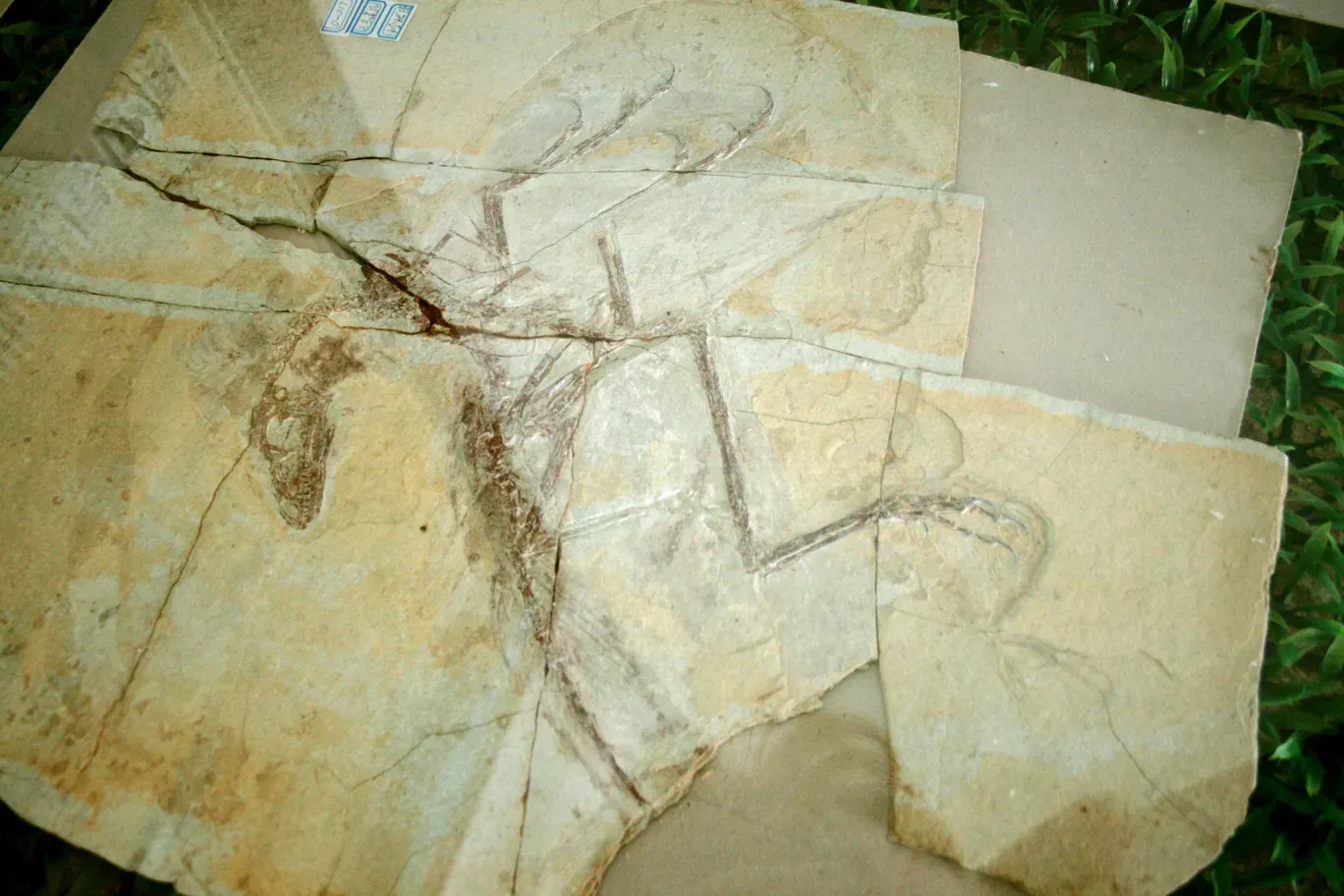
If you still picture dinosaurs as universally scaly, lizard-like beasts, skin fossils have some news for you. Evidence now shows a spectrum: some dinosaurs were draped in overlapping scales, some were covered at least partly in feather-like filaments, and others were strange hybrids with scales on one part of the body and plumage on another. This mosaic of coverings makes them feel less like movie monsters and more like wildly diverse wildlife.
Theropods, the group that includes famous predators like Velociraptor and the ancestors of modern birds, in particular, show extensive feathery coverings in many species. Meanwhile, some plant-eating groups preserved beautiful, pebbly scales and even armored skin reinforced with bony plates. The emerging picture is that dinosaur skin was as varied as mammal fur is today: think sleek like a panther, shaggy like a yak, patterned like a jaguar, all existing side by side in deep time.
Color, Patterns, And The First Real Dinosaur “Camouflage”
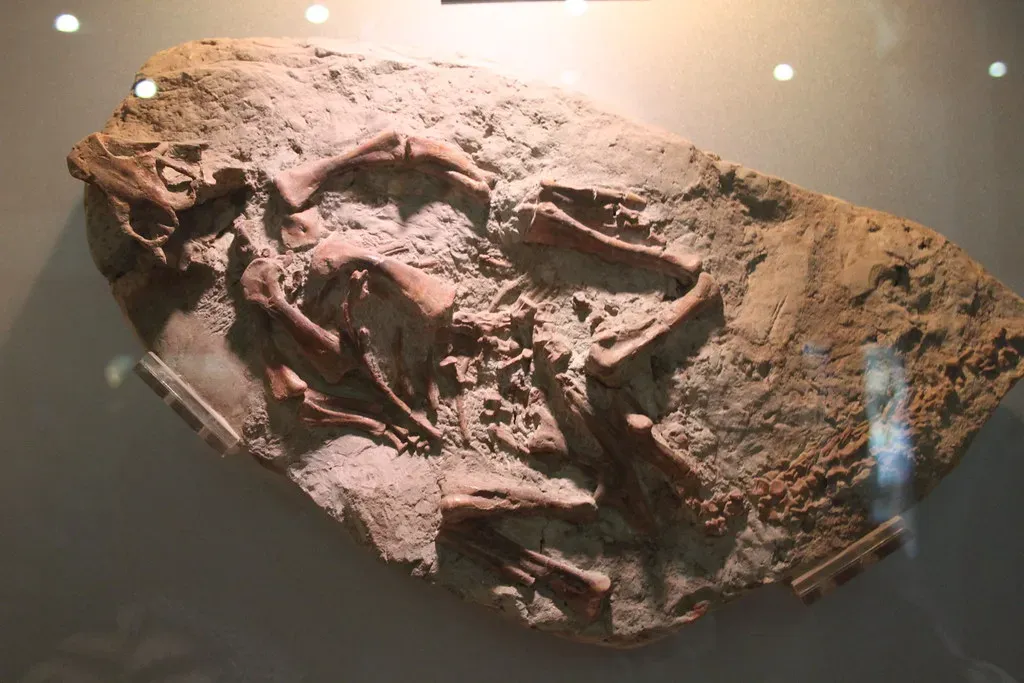
One of the most mind-blowing shifts in the last couple of decades is that paleontologists are not just guessing colors anymore; for a few special fossils, they can actually infer them from microscopic structures. In some feathered dinosaurs and birds from the age of dinosaurs, tiny pigment-bearing organelles have been identified, and their shape and density can correlate with certain color types. That allows scientists to propose patterns like dark backs, lighter bellies, or even banded tails with a straight face and data to back it up.
Even when precise color is uncertain, skin and feather patterns can reveal strategies like countershading, where an animal is darker on top and lighter underneath to blend into the light of its environment. This type of evidence pushes dinosaurs firmly into the realm of ecological realism. They were not bland movie props; they were stalkers, foragers, and prey animals with camouflage, display patterns, and visual signals, just like many birds and reptiles today.
What Skin Says About Muscles, Shape, And Daily Life
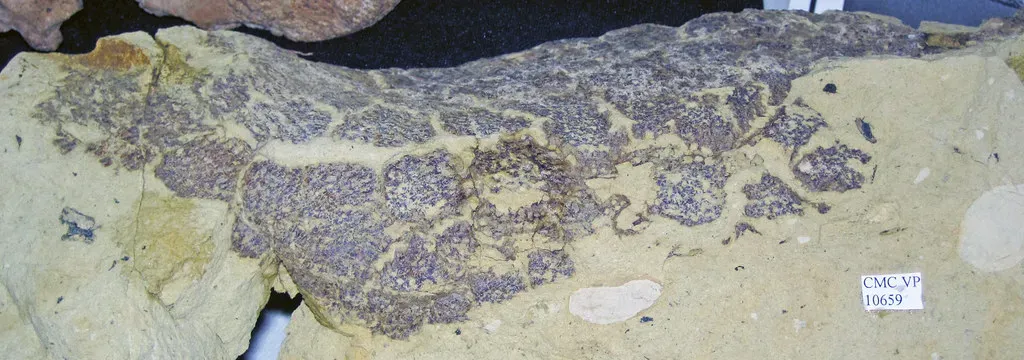
Fossilized skin does more than tell us whether a dinosaur was scaly or feathered; it also hints at body shape that bones alone can distort. Skin impressions wrapping around limbs or torsos can reveal how tightly the skin hugged the skeleton, where soft tissue created bulges or ridges, and how thick certain areas were. Sometimes the outline of a limb in a skin impression is slimmer or rounder than the bone suggests, correcting earlier reconstructions that were too bulky or too skinny.
Surface textures also matter. Thick, pebbled skin in some herbivores suggests built-in protection against predators or environmental hazards, while more flexible, smoother skin may have allowed better maneuverability or faster movement. In my own mind, this turns dinosaurs from generic giants into individuals with trade-offs built into their bodies: some built like tanks, others like sprinters, all shaped not just by skeletons but by the living envelope of skin that held everything together.
Behavior Hints: Display Structures, Social Lives, And Injury Scars
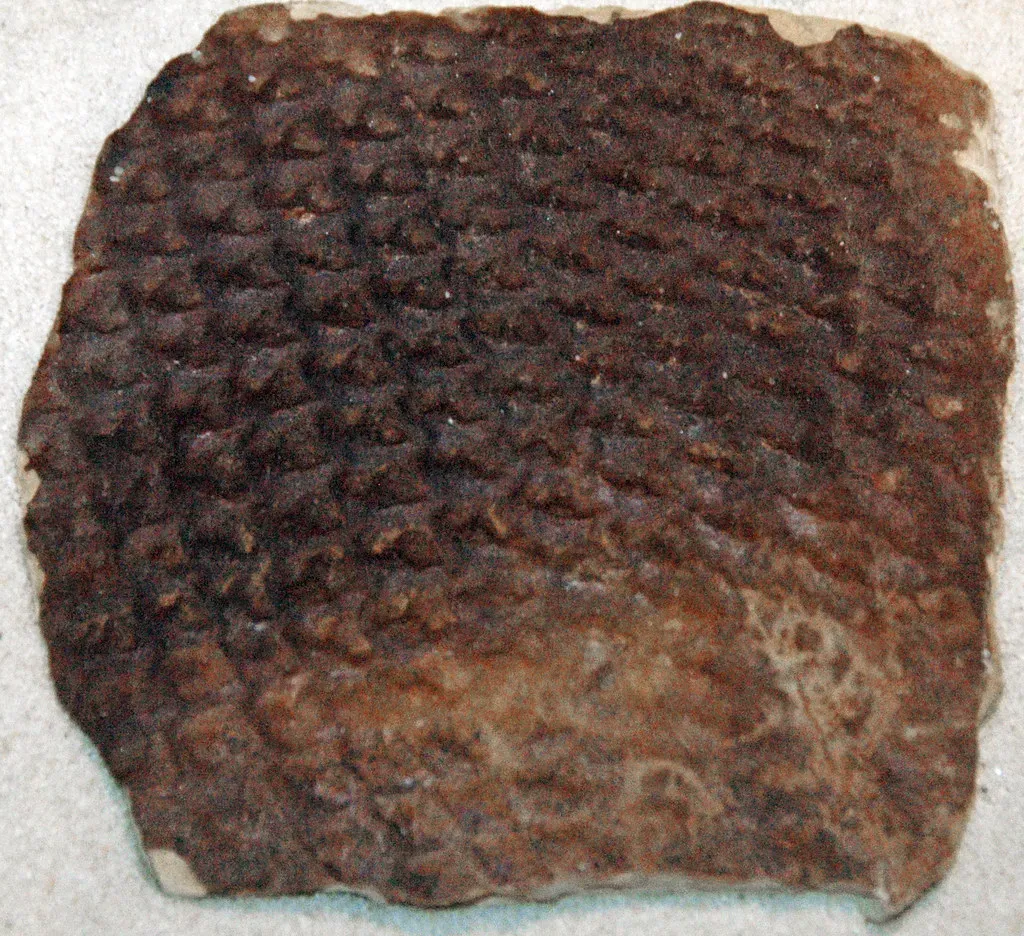
Skin can record the social side of dinosaur life in subtle ways. Raised crests, wattles, or expanded feathered areas suggested by skin and soft-tissue impressions point to display structures used in courtship, intimidation, or recognition. You can almost imagine a dinosaur equivalent of a peacock’s fan or a lizard’s throat flap, except on an animal that might have been as long as a bus.
Some skin-bearing fossils even hint at injuries that healed, such as scarred scales or irregular textures that suggest bites, scratches, or disease. These marks are incredibly intimate: they show individual histories written on the body. Instead of anonymous skeletons, we get animals that clearly survived attacks, infections, or accidents, carried the marks for years, and then just happened to die somewhere their stories could be preserved in stone.
Rewriting Pop-Culture Dinosaurs – And Why It Matters
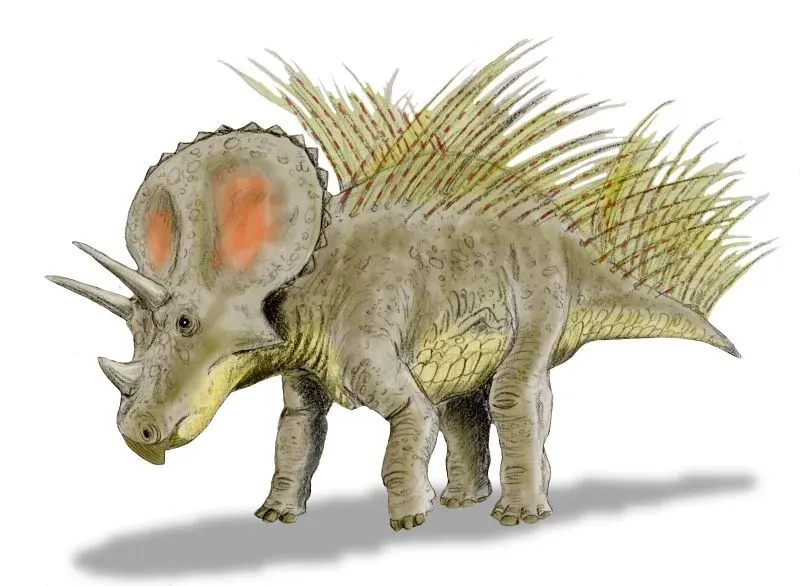
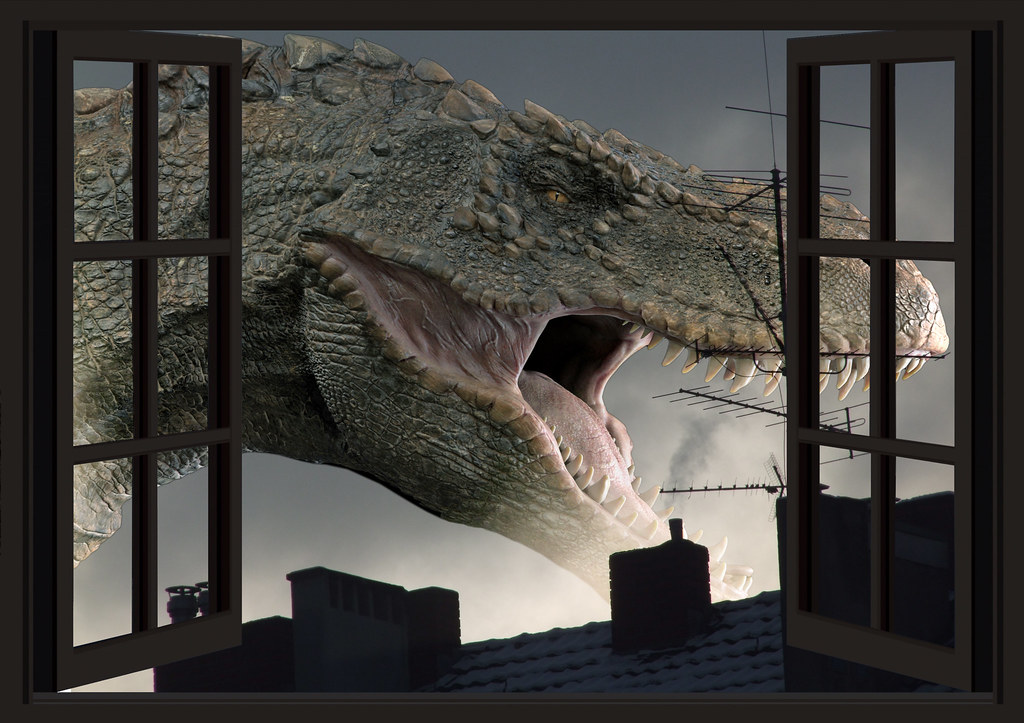
The more we learn from dinosaur skin, the more obvious it becomes that many of the creatures in films, video games, and theme parks are seriously outdated. Smooth-skinned, uniform-colored giants are giving way to animals with textured hides, patchy feathering, and intricate patterns. That might disappoint anyone attached to the sleek, scaly movie versions, but it actually makes the real animals far more interesting and, in a strange way, more relatable.
I think this matters beyond trivia. When people see that science can revise even the most iconic creatures of all time based on new evidence, it models a humble, self-correcting mindset. We’re being asked to let go of childhood images and embrace weirder, more complex dinosaurs that better fit the data. In a world where so many debates dig in on old ideas, there’s something refreshing about a field that cheerfully redraws a Tyrannosaurus because a scrap of fossilized skin says it should.
The Future: What We Still Don’t Know About Dinosaur Skin
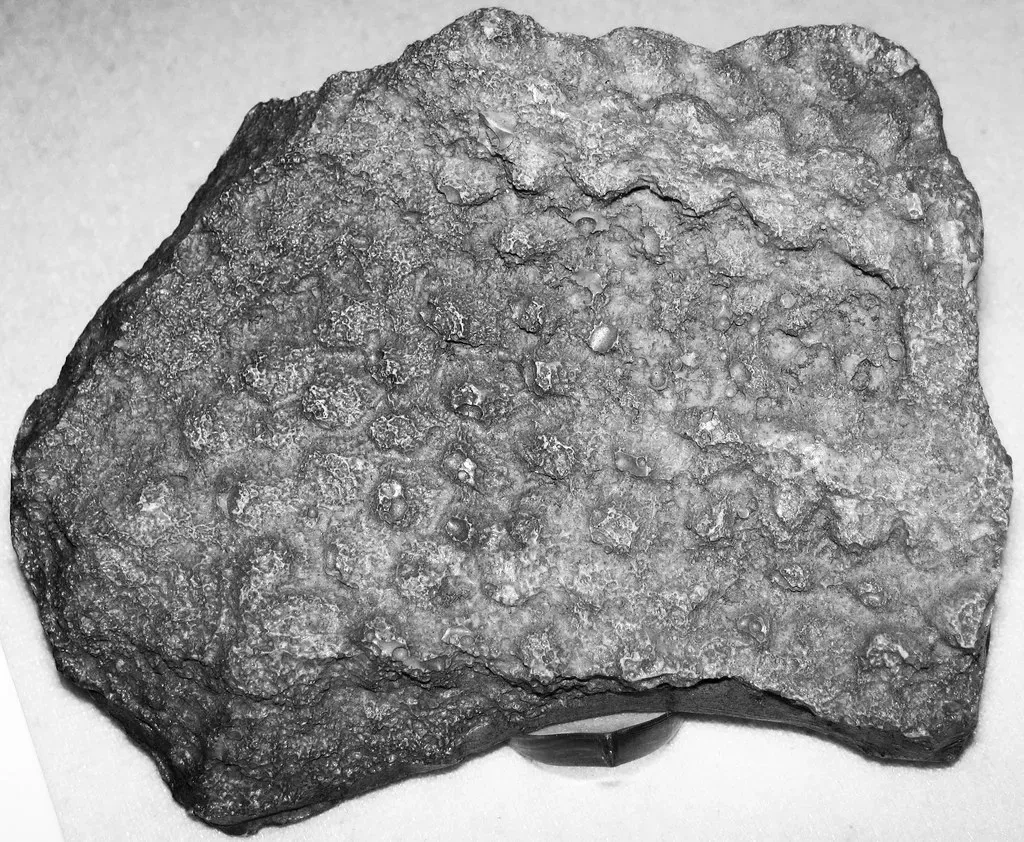
For all the breakthroughs, we’re still working from a tiny, biased sample. Fossilized dinosaur skin shows up only under exceptional conditions and from a handful of regions, which means we’re likely missing many types of coverings. Entire lineages might have had elaborate skin displays, bright colors, or unexpected textures that simply never fossilized. That uncertainty should keep us cautious about making sweeping statements based on a few spectacular finds.
At the same time, new imaging methods, chemical analyses, and careful fieldwork are squeezing more information from every patch of skin we do have. I suspect the next few decades will turn up more species showing surprising combinations: armored yet feathered, colorful yet camouflaged, bulky yet streamlined by clever skin adaptations. If history is any guide, the story of dinosaur skin will keep getting stranger, and that’s exactly why it’s worth paying attention.
Conclusion: Dinosaurs Were Stranger, Softer, And More Beautiful Than We Dared To Draw
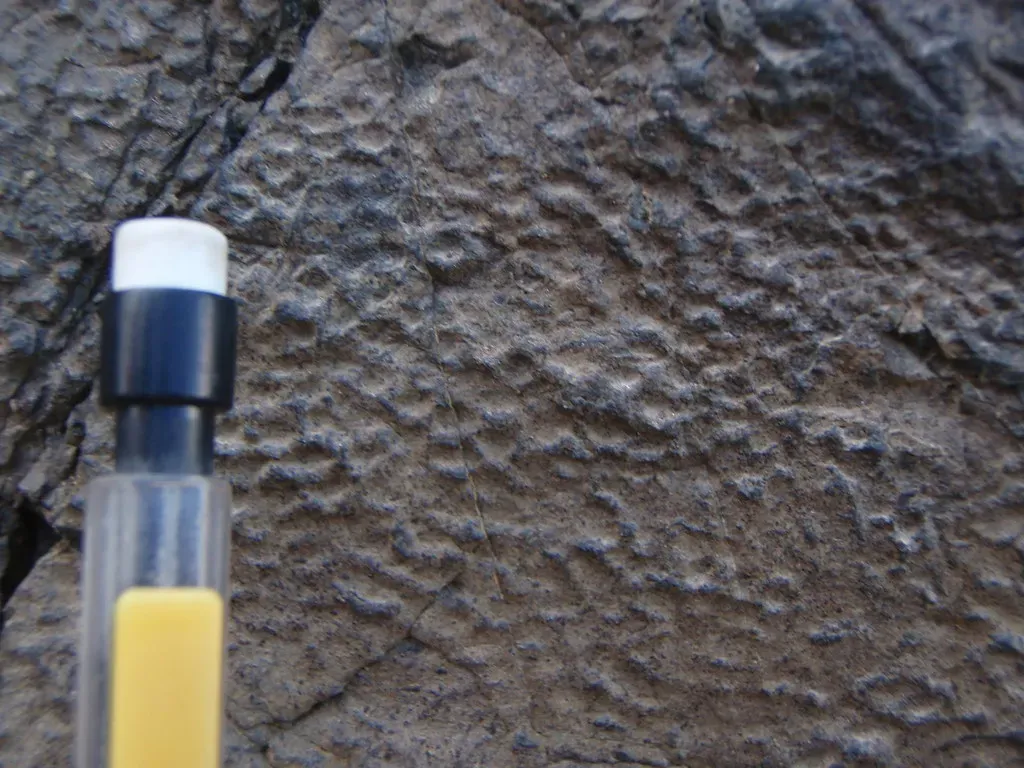
Fossilized skin has basically called our bluff on every lazy assumption we made about dinosaur appearance. Instead of a uniform army of gray, scaly giants, the evidence points to a vibrant, messy reality: animals with diverse textures, patterns, and coverings wired into their survival strategies and social lives. Bones gave us the scaffolding, but skin is giving us the personalities, and I think we have to admit we seriously underestimated how visually wild these animals were.
My opinion is that we’re only at the beginning of this shift. As more fossils with preserved skin and soft tissue turn up, today’s reconstructions will probably look as naive to future generations as the tail-dragging dinosaurs of the early twentieth century look to us now. That’s not a failure of science; it’s the whole point. Letting a thin, fragile film of ancient skin overturn our favorite monsters is exactly how we honor the real animals that once walked this planet. When you picture a dinosaur now, can you honestly still see just the bones?