Most people assume “extinct” means gone forever – case closed, no arguments. But across four continents, hunters, rangers, and villagers keep walking out of the woods swearing they just saw an animal that science says died out decades or even centuries ago.
Some of these claims have photographs. A few have DNA labs quietly re-checking their assumptions. Wildlife agencies have had to formally delay extinction declarations because of these reports – not once, but repeatedly. Here’s what field biologists, indigenous trackers, and government wildlife files actually say about the “extinct” animals that refuse to stay gone.
#14 – The Tasmanian Tiger (Thylacine)
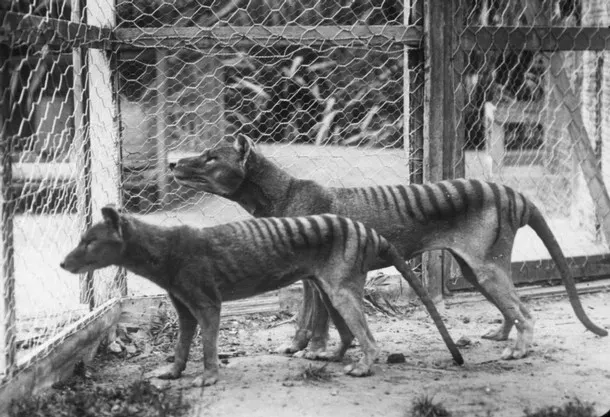
The thylacine is the poster child for “extinct, but not really gone” – and the sighting reports number in the thousands.
On September 7, 1936, the last known thylacine, often called the Tasmanian tiger, is believed to have died in captivity in Hobart, Tasmania. Fifty years later, with no confirmed sighting in the interim, it was officially placed on the extinct list in 1986. That should have ended the story. It didn’t.
Over 1,060 separate sighting reports have been logged across Tasmania, Victoria, Queensland, and even New Guinea. Among the most credible was a 1982 account from Hans Naarding, a park ranger who said he watched one for several minutes under torchlight.
Government files back this up. According to a document from Tasmania’s Department of Primary Industries, Parks, Water and Environment, one recent year alone brought two sightings, including a man who claimed to have found a Tasmanian tiger footprint on Sleeping Beauty mountain. One couple driving near Zeehan filed a strikingly detailed statement.
“A stiff and firm tail, that was thick at the base, with stripes down its back – roughly the size of a large Kelpie.”
Sighting report, Tasmania’s Department of Primary Industries, Parks, Water and Environment
#13 – The Formosan Clouded Leopard
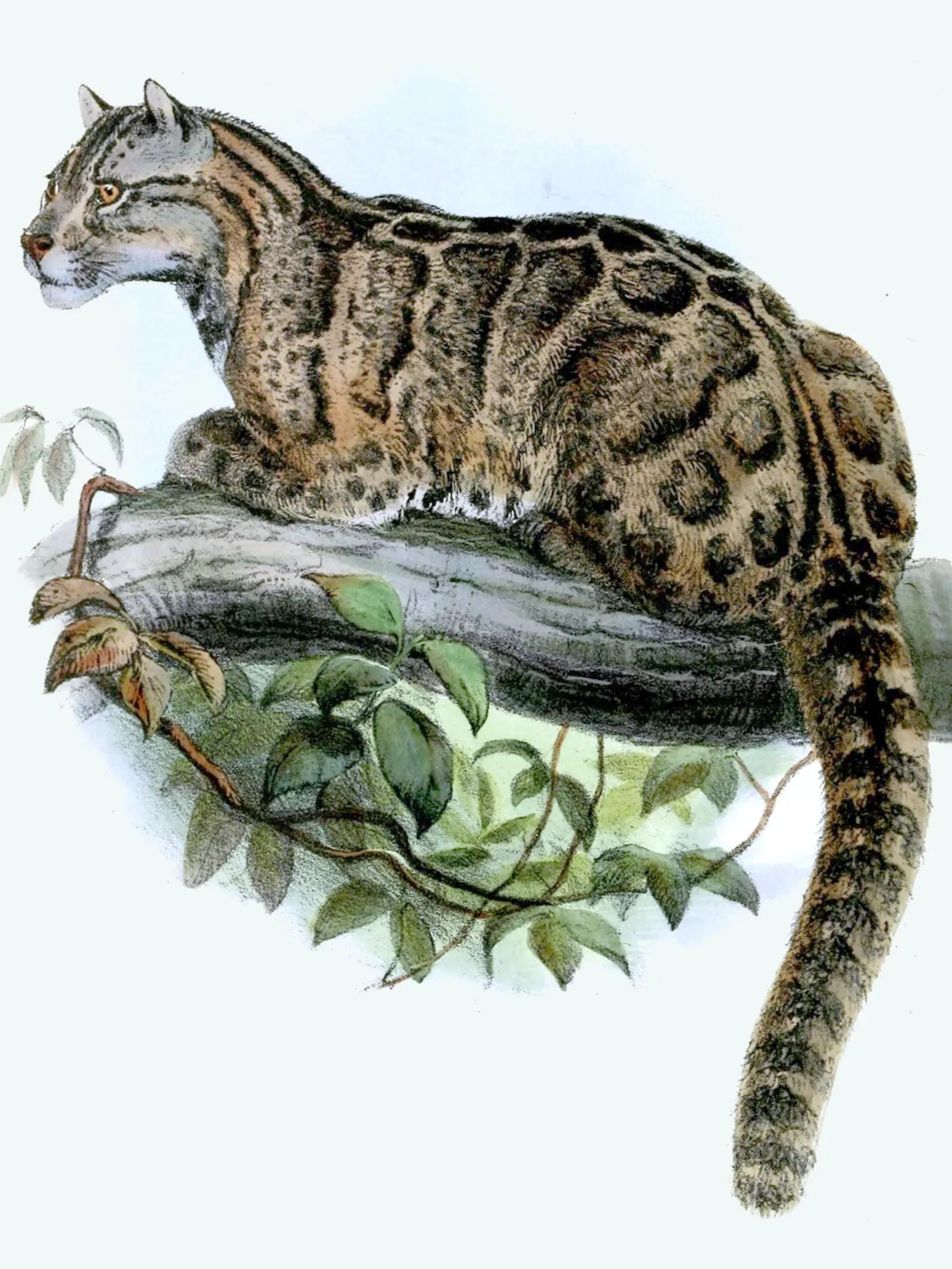
Taiwan’s rangers didn’t just hear rumors about this “extinct” cat – they watched it hunt.
Rangers in Taiwan have reported sightings of the Formosan clouded leopard, an animal listed as extinct since 2013 and last officially spotted in 1983. The animal is known locally as Li’uljaw and is sacred to the Paiwan tribe. What makes this case different is the sheer visibility of the reports: rangers described watching Formosan clouded leopards hunt goats on a cliff face, while a separate group spotted one bolt up a tree after wandering near parked scooters.
Village leaders took it seriously enough to act. The village chief of the Paiwan Tribe confirmed that rangers had been placed on alert and that tribal meetings were held to discuss the sightings and keep hunters at bay.
Even more telling, an academic investigation uncovered a darker layer to the mystery: a professor said indigenous hunters told him they had killed several cats in the 1990s, but burned the pelts out of fear of government repercussions. That means hunters may have been quietly killing an “extinct” species for years without ever reporting it.
#12 – The Ivory-Billed Woodpecker
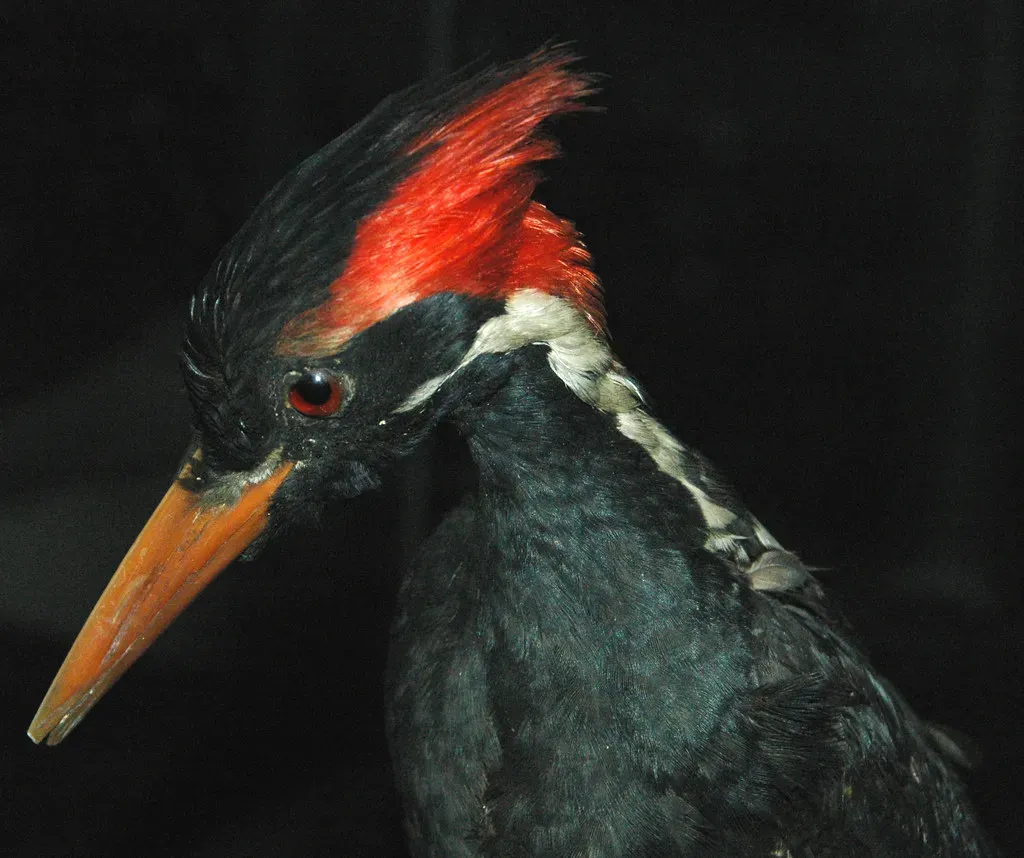
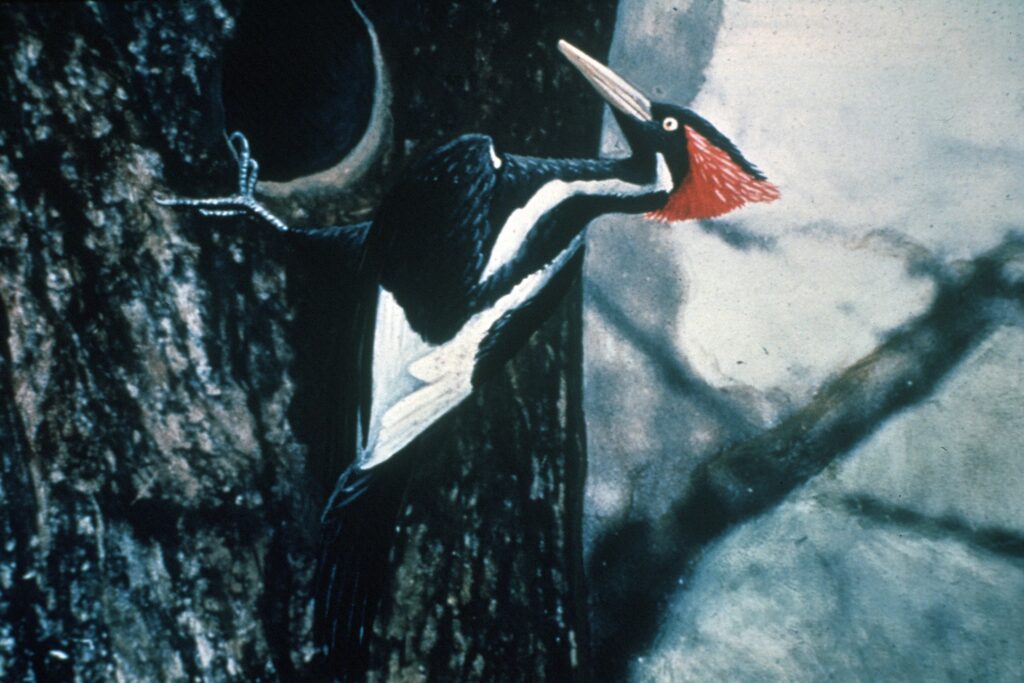
Nicknamed the “Lord God Bird” because that’s reportedly what people shouted when they saw one, this woodpecker has outlasted three separate extinction announcements.
The last “widely accepted” sighting came in 1944. Yet in 2005, a research team announced that at least one male ivory-bill survived in a vast bottomland swamp forest, publishing findings in the journal Science that included multiple sightings and frame-by-frame video analysis gathered during a year-long search involving more than fifty experts. That alone should have settled the debate – instead it reignited it.
Federal officials moved to formally declare the bird extinct, then blinked. The long-awaited decision was delayed for months after grainy photos and videos emerged purporting to show the bird flying through a Louisiana forest.
A peer-reviewed 2023 study went further, presenting data drawn from visual observations, roughly 70,000 hours of acoustic recordings, over 472,000 camera-hours of trail-camera footage, and about 1,089 hours of drone video suggesting intermittent but repeated presence of birds with field marks consistent with ivory-bills. A species can apparently dodge federal extinction paperwork for nearly a century.
Fast Facts
- Last widely accepted sighting: 1944
- 2005 claim: at least one male survived, backed by a year-long search and 50+ experts
- Federal extinction decision delayed after Louisiana forest footage surfaced
- 2023 study logged ~70,000 hours of audio and 472,000+ camera-hours of footage
#11 – The Japanese Wolf (Honshu Wolf)
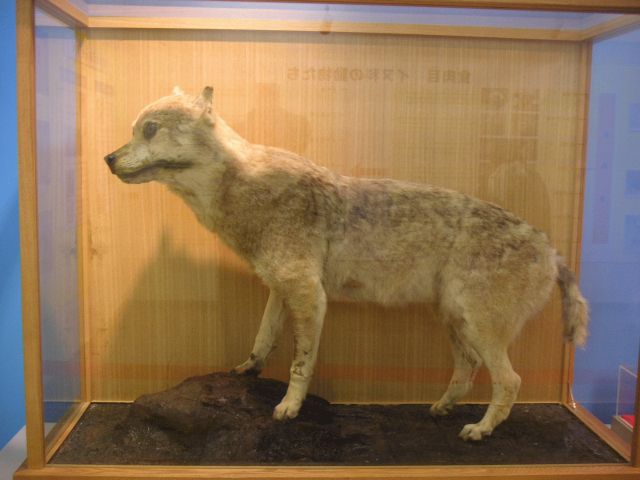
Japan’s mountain villages never fully accepted that their sacred wolf-god vanished – and one man has spent fifty years trying to prove them right.
The last known living specimen met its fate on January 23, 1905, at the hands of hunters in the remote village of Higashiyoshino in the mountains of Nara Prefecture. Yet sightings and the sounds of distant howls are regularly reported in the Okuchichibu and Okutama mountains north and west of central Tokyo, where wolves have long been worshipped as messengers of the mountain gods.
This isn’t fringe folklore – it’s a documented pattern spanning over a century. In 1996, one investigator scouting the Chichibu mountains encountered an animal resembling a wolf and photographed it; a prominent Japanese zoologist studied the images and determined the creature shared 12 characteristics with a Japanese wolf type specimen kept in Leiden, the Netherlands.
That researcher has since collected more than 200 separate sighting accounts. He founded a nonprofit dedicated to uncovering evidence of Japanese wolves and installed upward of 90 camera traps across the Okuchichibu area, continuing regular forays into the mountains to this day.
#10 – The Caspian Tiger
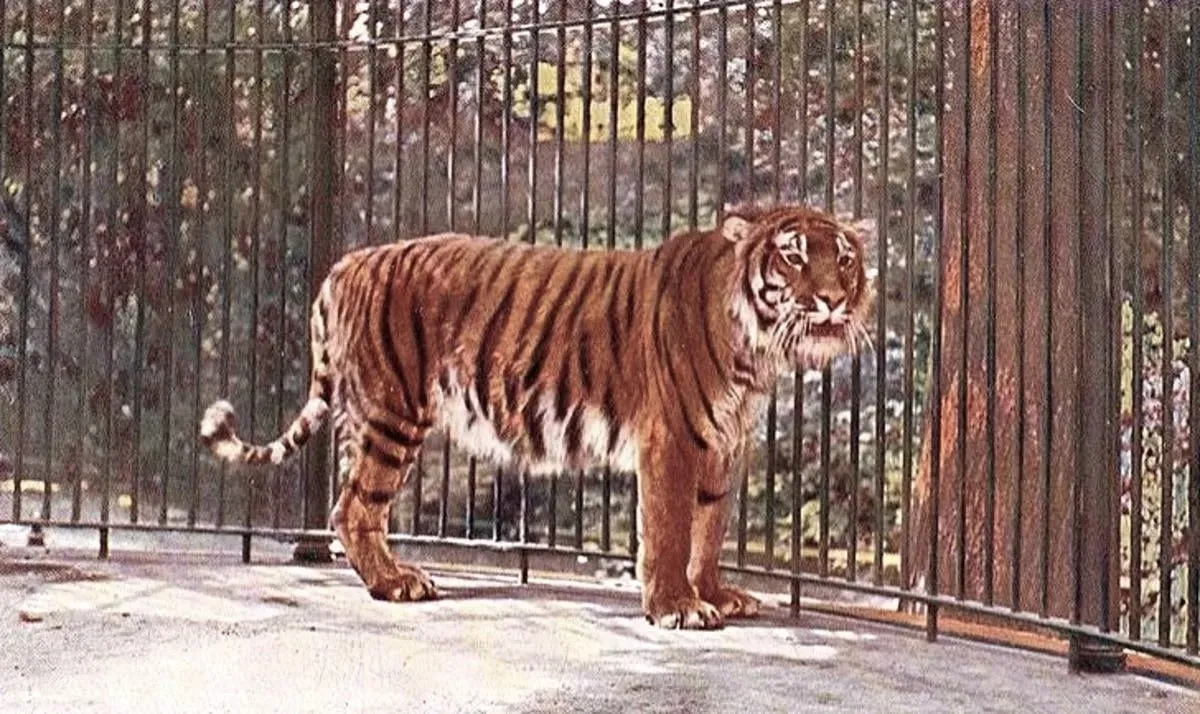
This tiger vanished from Central Asia’s reed forests so recently that people who saw one alive are still around to talk about it.
The Caspian tiger once roamed a vast range stretching from Turkey and Iran through the Caucasus and into Central Asia’s river valleys. Hunting, habitat clearance, and prey depletion pushed the subspecies to the brink through the mid-20th century, and it was formally recognized as extinct decades later.
Genetic testing has since shown the Caspian tiger was almost identical to the Siberian tiger, a discovery that upended how scientists think about the two populations entirely.
Even after the official extinction date, hunters and shepherds in the remote Hakkari mountains of eastern Turkey and forested valleys of northern Iran continued describing large striped cats moving through the reeds well into the late 20th century. None of these reports ever produced a confirmed body, track cast, or photograph strong enough to overturn the listing. Still, the genetic similarity to Siberian tigers was compelling enough that conservationists have floated reintroducing them into the Caspian’s old range as an ecological stand-in.
Quick Compare
- Caspian tiger: extinct, once ranged from Turkey to Central Asia’s river valleys
- Siberian tiger: still alive today, found genetically nearly identical to the Caspian
- Reports since extinction: unconfirmed sightings from Turkey and Iran, no proof strong enough to overturn the listing
- Conservation idea on the table: reintroducing Siberian tigers into the Caspian’s former range
#9 – The Barbary Lion
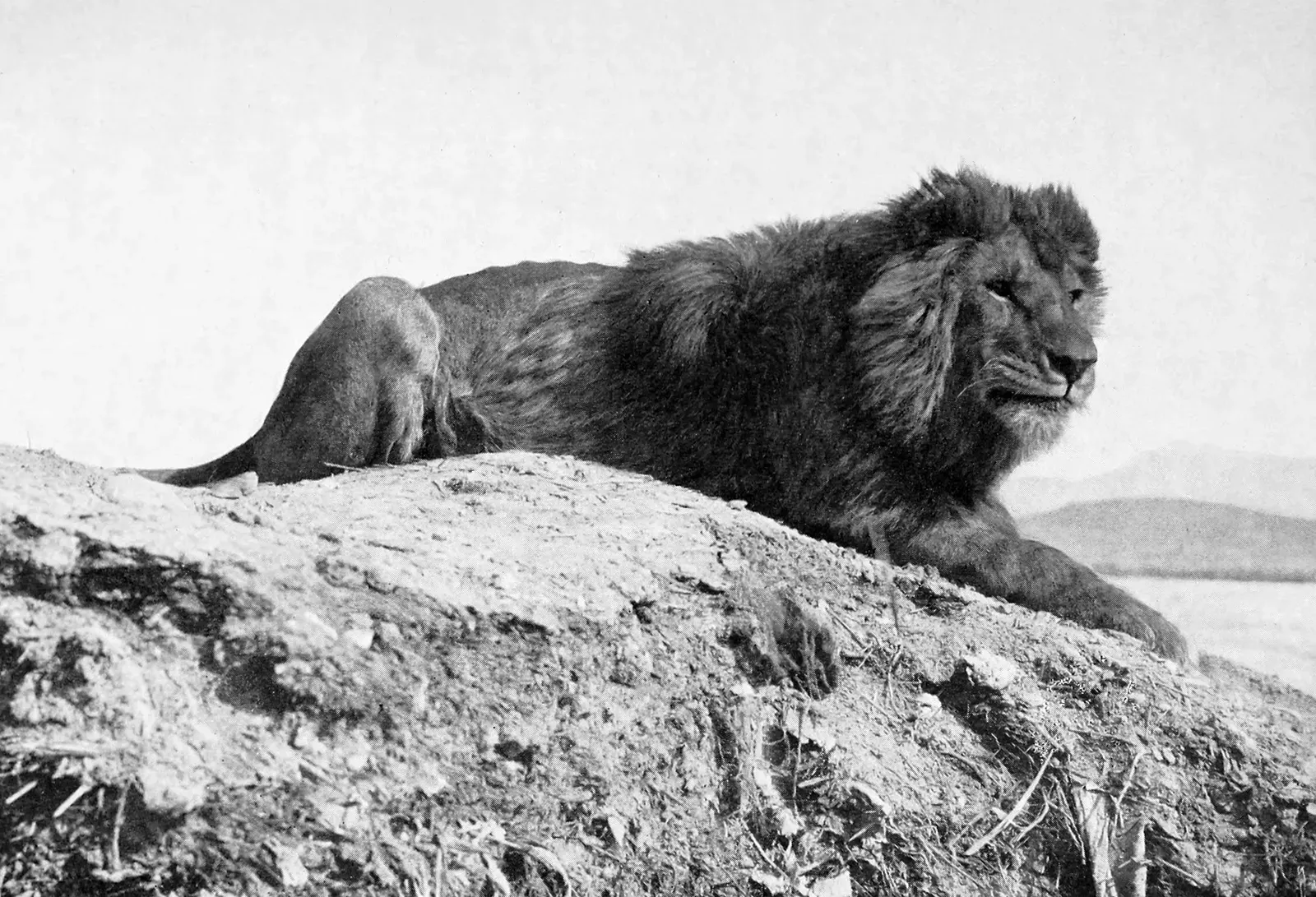
Once the star of Roman gladiator arenas, this North African lion allegedly kept prowling the Atlas Mountains long after biologists gave up looking.
The Barbary lion was the largest lion subspecies, distinguished by an exceptionally thick, dark mane, and it once ranged across the mountains and coastal forests of Morocco, Algeria, and Tunisia. Relentless hunting by colonial-era hunters and local shepherds protecting livestock drove the population to collapse by the mid-20th century, with the last confirmed wild individual shot in Morocco’s Atlas range in the early 1940s.
Locals in remote Atlas valleys kept insisting lions were still out there for decades afterward. Unconfirmed reports of large maned lions trickled in from rural Morocco and Algeria into the 1950s and 1960s, though none were ever verified with a body or clear photograph.
What makes this case unusual is that the bloodline may not be entirely gone – the Moroccan royal family has long maintained a captive lion collection believed to descend partly from Barbary stock, and some zoos worldwide are attempting to selectively breed lions with Barbary-like traits back into visibility.
#8 – The Baiji (Yangtze River Dolphin)

Fishermen along China’s busiest river have never quite accepted the “extinction” paperwork on this gentle white dolphin.
The baiji, a nearly blind freshwater dolphin unique to the Yangtze River, was declared “functionally extinct” after an intensive multi-week river expedition covering the species’ entire range failed to locate a single individual. Industrial shipping traffic, pollution, and fishing-net entanglement had already crushed the population for decades before that survey confirmed what conservationists feared.
A river this heavily trafficked left almost nowhere for a large dolphin to hide undetected – which is exactly why the sightings that followed felt so strange.
Fishermen and local residents along the middle and lower Yangtze have periodically reported spotting a pale, dolphin-like shape breaching near their boats, occasionally captured on shaky video that circulates locally before fading from attention. None of these clips have held up to expert scrutiny, and researchers generally attribute the sightings to finless porpoises, a related species that still survives in the same river system. Still, the emotional pull of the reports persists precisely because the baiji vanished so recently and so visibly.
#7 – The Bali Tiger
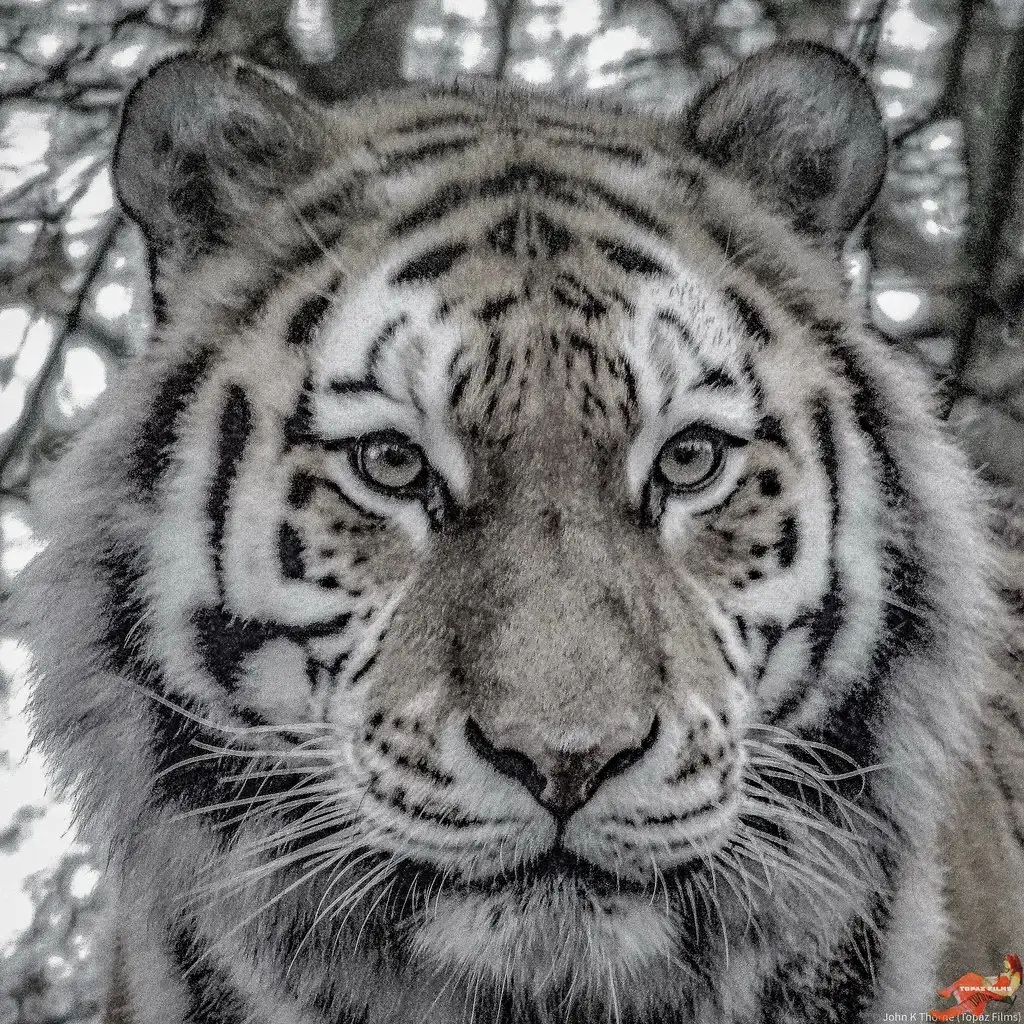
Indonesia’s smallest tiger subspecies was hunted out of existence within living memory – and Balinese villagers have never fully let go of the idea that it lingers in the island’s last wild corners.
The Bali tiger was the smallest of all tiger subspecies, confined entirely to the island of Bali, and it was pushed to extinction primarily through trophy hunting and habitat loss as the island’s forests were cleared for agriculture. The last confirmed individual was shot in the late 1930s, and no verified sighting has been accepted by scientists since. An entire subspecies vanished from one island in a matter of decades.
Despite that, hunters and farmers in Bali’s remaining forested interior have periodically described tracks, scratch marks, or distant glimpses of a striped cat too large to be a civet or wildcat. Wildlife officials investigating these claims have consistently found no supporting evidence – no scat, no confirmed prints, no camera-trap footage – and most experts consider the reports a mix of wishful thinking and misidentified wild dogs. The cultural weight of the tiger in Balinese folklore keeps the rumors alive generation after generation regardless.
#6 – The Eastern Cougar
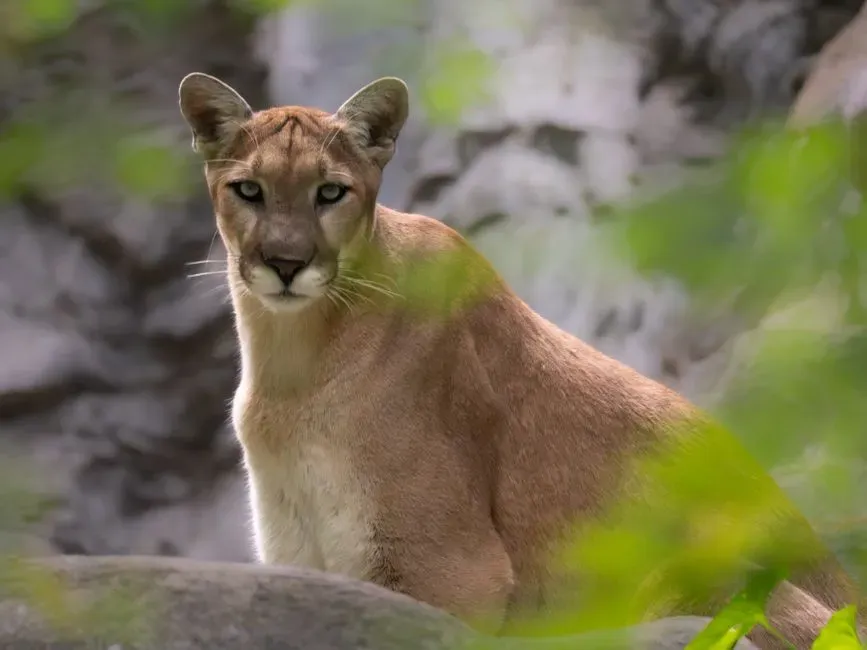
Wildlife agencies officially closed the book on this Appalachian predator, but rural hunters from Maine to Georgia keep insisting the book was closed too soon.
The eastern cougar subspecies was hunted and trapped nearly to zero across the eastern United States by the early 20th century as bounty programs targeted large predators viewed as threats to livestock. After decades without a scientifically confirmed breeding population, wildlife officials formally declared the subspecies extinct, removing it from endangered species protections entirely.
That declaration didn’t stop the sighting reports from piling up by the hundreds every single year. Rural hunters, hikers, and landowners across Appalachian states continue submitting cougar reports to state wildlife agencies, and a handful have even produced blurry trail-camera images.
Investigators who follow up almost always trace these encounters to bobcats, large domestic dogs, or occasionally a genuine cougar – but one that dispersed from western populations rather than descending from the extinct eastern subspecies. That distinction rarely comforts the hunter who swears what he saw had a long, thick tail unlike any bobcat.
Worth Knowing
- Sighting reports arrive by the hundreds every year across Appalachian states
- Eastern cougar was fully removed from endangered species protections after the extinction ruling
- Most follow-up investigations point to bobcats or large domestic dogs
- Rare confirmed cougars are western dispersers, not the extinct eastern subspecies
#5 – The Mexican Grizzly Bear
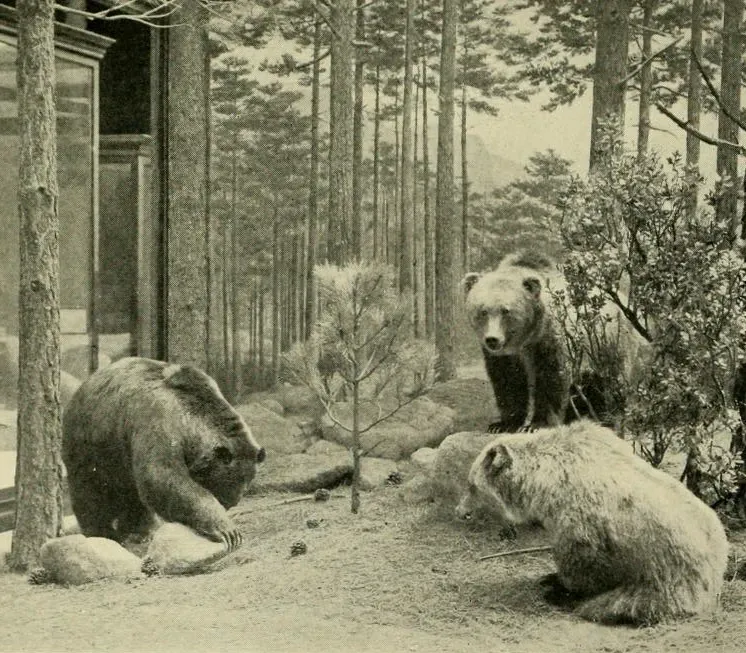
Ranchers in Mexico’s northern Sierra still tell stories about a bear that officially stopped existing decades before most of them were born.
The Mexican grizzly bear once ranged across the mountains of northern Mexico and the southwestern United States, but relentless persecution by ranchers protecting cattle, combined with poisoning campaigns funded by agricultural interests, wiped out the subspecies by the mid-20th century. Unlike its northern grizzly relatives, the Mexican subspecies never had a large protected wilderness left to retreat into.
An entire distinct bear population disappeared largely because of livestock disputes. Despite the accepted extinction, ranchers and hunters in remote parts of Sonora and Chihuahua have occasionally described large, light-colored bears far bigger than the black bears known to persist in the region.
Wildlife biologists who have investigated these claims generally attribute them to unusually large or pale black bears rather than surviving grizzlies, since no genetic or photographic evidence has ever confirmed a holdout population. The reports keep surfacing anyway, often from experienced outdoorsmen who insist they know the difference between a black bear and something much larger.
#4 – The West African Black Rhino
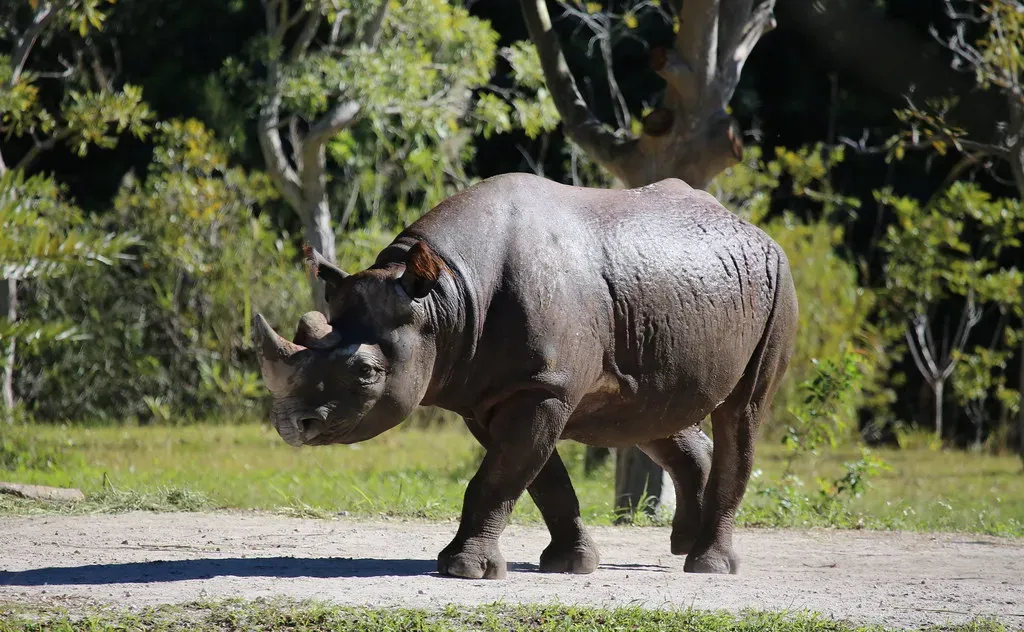
Poachers, not conservationists, were the last people confirmed to have seen this rhino alive – which makes the ongoing rumors especially unsettling.
The West African black rhino subspecies was formally declared extinct after years of failed searches across its former range in Cameroon and neighboring countries turned up no surviving individuals, no fresh tracks, and no genetic evidence of a remaining population. Relentless poaching driven by the illegal rhino horn trade, rather than habitat loss alone, was the primary driver of its collapse.
A subspecies can be poached into total extinction even after conservationists know exactly where the last individuals live. Since the extinction declaration, occasional reports from rangers and local hunters in remote Cameroonian bushland have claimed signs of rhino activity, including disputed tracks and secondhand accounts passed through hunting communities.
Conservation organizations that have followed up on these tips have consistently found nothing conclusive, and most experts treat the reports as either misidentified buffalo sign or wishful storytelling from communities that remember when rhinos were common.
#3 – The Passenger Pigeon
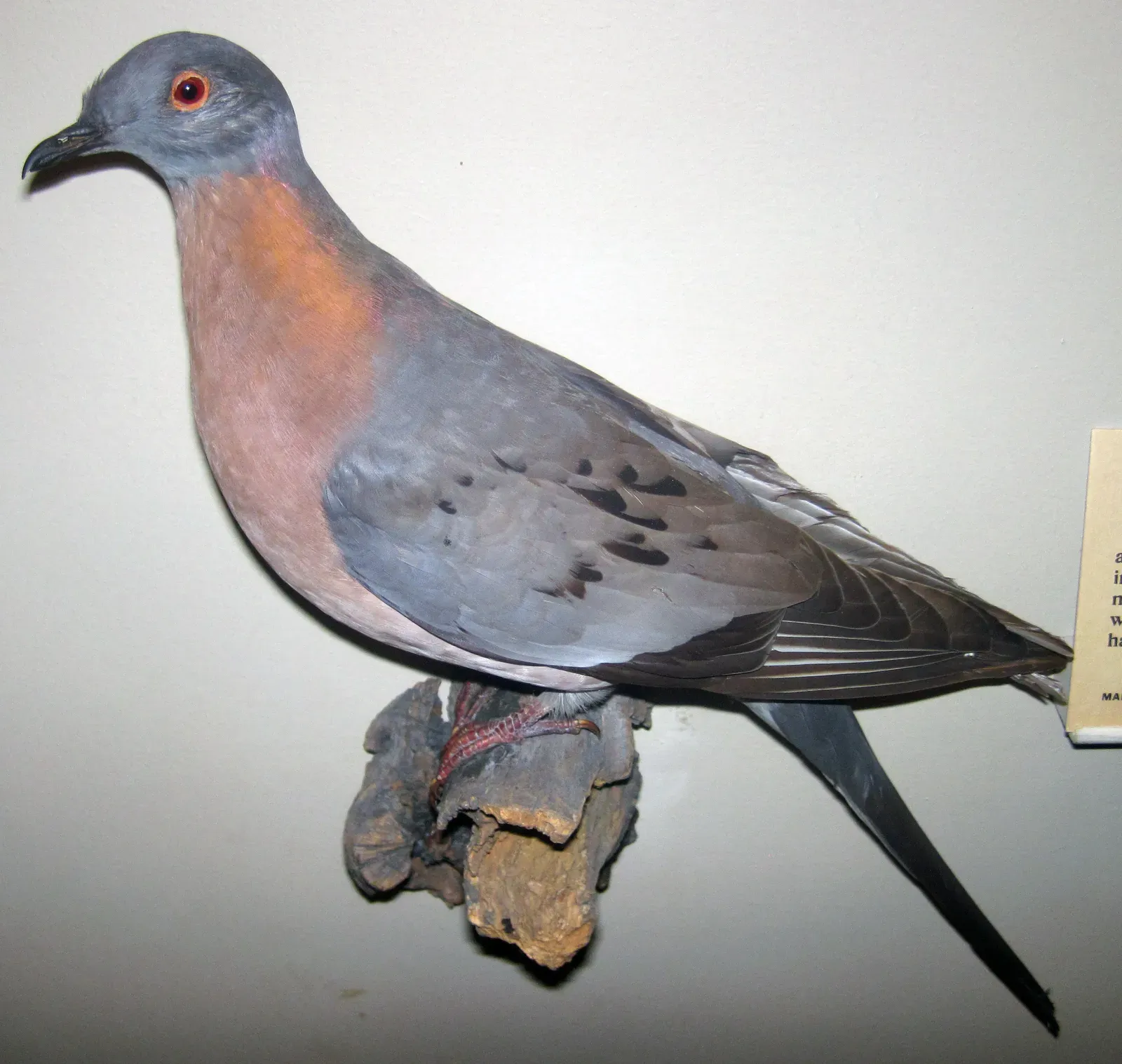
Once numbering in the billions, this bird’s extinction was so abrupt that eyewitnesses to its disappearance were still alive to report seeing “extinct” flocks decades later.
The passenger pigeon was arguably the most abundant bird in North American history, with historic flocks reportedly darkening the sky for hours as they passed overhead. Commercial hunting on an industrial scale, combined with widespread deforestation, collapsed the population from billions to zero in just a few decades, culminating in the death of the last known individual in captivity in 1914. A species that once blotted out the sun went extinct within a single human lifetime.
In the years immediately following that final captive death, and even for a couple of decades afterward, rural residents across the American Midwest and Northeast periodically reported spotting small flocks of pigeons they believed were passenger pigeons rather than the common mourning doves or rock pigeons still abundant in the region. None of these reports were ever substantiated with specimens or photographs, and ornithologists consider the species unambiguously extinct today. The sightings nonetheless reflect how psychologically hard it was for people to accept that such an overwhelming abundance could simply vanish.
#2 – The Toolache Wallaby
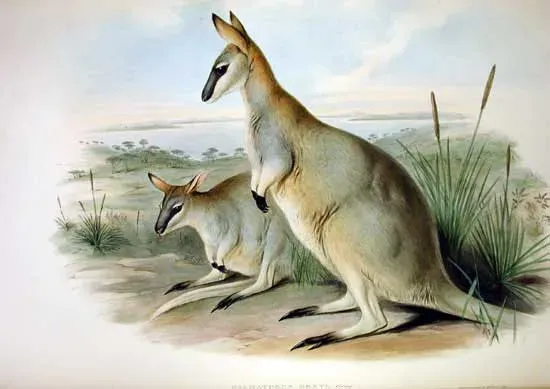
This graceful Australian wallaby was hunted for sport and fur until farmers who once shot them for fun started quietly hoping they’d survived.
The toolache wallaby was known for its unusually swift and graceful movement, which unfortunately made it a popular target for both sport hunters riding on horseback and the commercial fur trade during the early 20th century. Habitat conversion to farmland in South Australia and Victoria compounded the hunting pressure, and the species was formally declared extinct by the mid-20th century after repeated searches failed to locate any survivors. A wallaby prized for its beauty was hunted partly because it was too easy to chase down.
Farmers and rural landholders in South Australia’s remaining scrub and grassland areas periodically reported wallaby sightings they believed matched the toolache’s distinctive markings and gait for years after the extinction declaration. Wildlife authorities investigating these claims generally concluded the animals seen were more common wallaby species, and no genetic or photographic evidence has ever emerged to challenge the extinction listing. The persistence of these reports says as much about regional guilt over the hunting practices that eliminated the species as it does about the animal itself.
At a Glance
- Hunted for both sport and the commercial fur trade in the early 1900s
- Habitat converted to farmland across South Australia and Victoria
- Declared extinct mid-20th century after repeated failed searches
- Post-extinction sightings all traced back to other, more common wallaby species
#1 – Schomburgk’s Deer
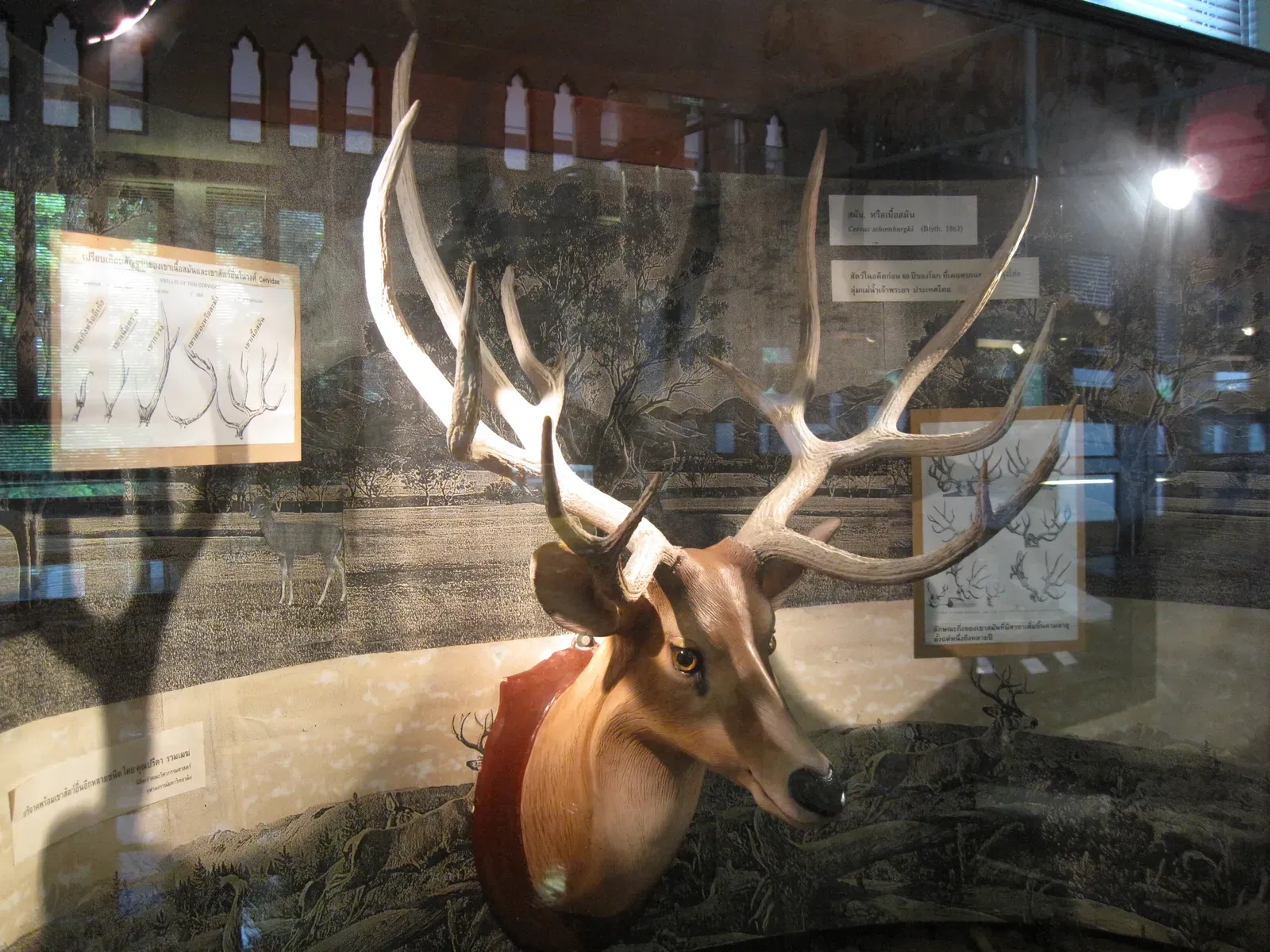
No animal on this list has a stranger paper trail than this Southeast Asian deer – because part of its “extinct” body turned up in a market decades after its official death.
Schomburgk’s deer was a striking, heavily antlered species native to the swampy lowlands of Thailand, and it was pushed to extinction through habitat drainage for rice farming combined with intensive hunting for its distinctive antlers. The last known captive individual died in a Thai temple in the late 1930s, and the species was formally declared extinct shortly after, with no wild population believed to have survived the destruction of its wetland habitat. A species vanished so completely that scientists assumed the story was over for more than fifty years.
Then, in the early 1990s, a set of antlers matching Schomburgk’s deer surfaced in a curio shop across the border in Laos, reportedly taken from an animal killed by a local hunter in a remote area. That discovery reignited a debate that still hasn’t fully settled: did a small, undocumented population survive quietly in Laos’s more remote wetlands for half a century after Thailand’s population was wiped out? No confirmed living individual has ever been found since, but the antlers remain one of the most tantalizing pieces of physical evidence tied to any animal on this entire list.
The Bottom Line
![The Bottom Line (By Original photo by Arthur A. Allen, 1935 [1], watercolored by Jerry A. Payne, USDA-ARS, CC BY 3.0 us)](https://nvmwebsites-budwg5g9avh3epea.z03.azurefd.net/dinoworld/974a3d1908f792279b2cb4fcf04a64f6.webp)
Here’s the uncomfortable truth: extinction declarations are educated guesses, not verified facts, and every animal on this list proves it. From Taiwan’s rangers watching a supposedly extinct leopard hunt goats to Louisiana researchers logging over 70,000 hours of audio hoping for one woodpecker call, the pattern repeats everywhere – local hunters and villagers keep insisting these species never fully left.
Most of these reports will never be confirmed, and skepticism is still the right default. But a few, like the Formosan clouded leopard and the ivory-billed woodpecker, have already forced scientists to eat their words once. That’s the part that should unsettle you: not that hunters keep seeing ghosts, but that science has been wrong about “gone forever” before, and it will probably be wrong again.