
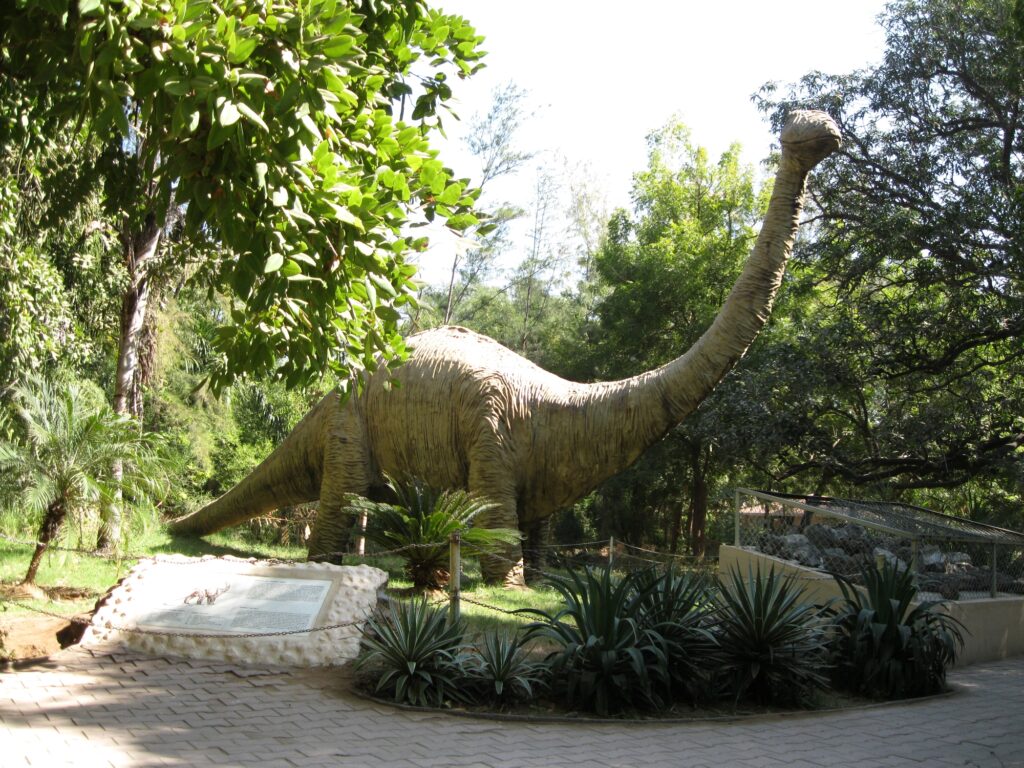
Paleontologists love to call dinosaur biology “settled science.” It isn’t, and it never really was. Museum skeletons have been quietly rebuilt, famous heads swapped out, and entire postures thrown out once better fossils turned up – sometimes decades after millions of kids grew up believing the old version was gospel.
The dinosaur in your childhood encyclopedia probably isn’t the dinosaur paleontologists believe in today. Some of these corrections are minor tweaks. Others are full identity swaps – the wrong skull, the wrong body plan, even a fossil scandal that made headlines worldwide. Here are 15 cases where science admitted it built the picture almost entirely from guesswork, then quietly tore it down once the real bones showed up.
#15 – Dimetrodon Mistaken for a Dinosaur in Popular Reconstructions
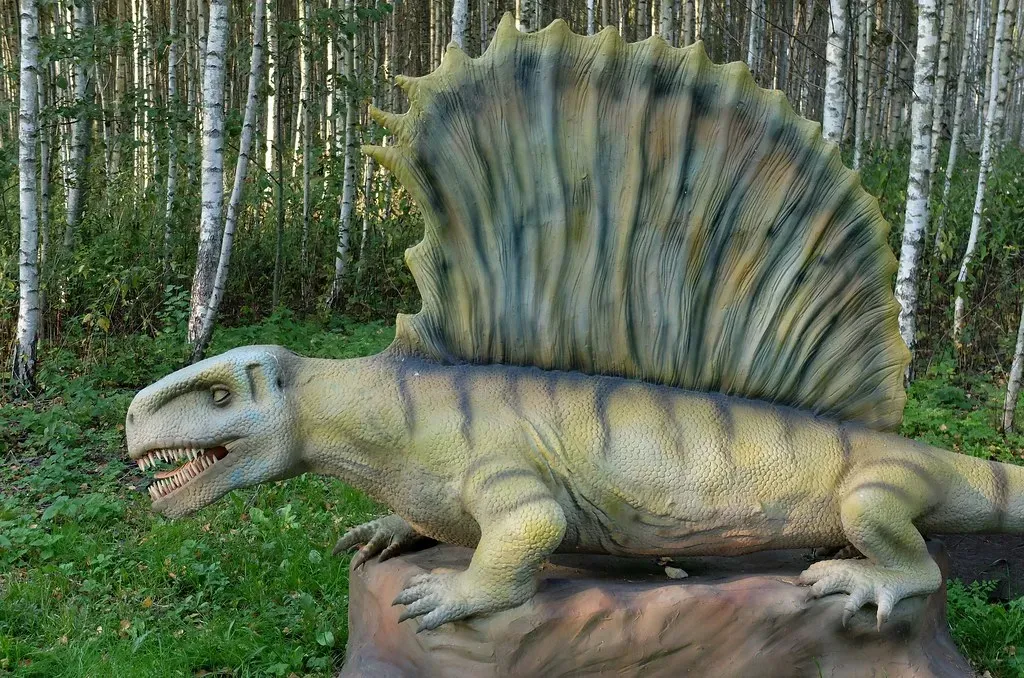
Most people who owned a plastic dinosaur toy set as a kid actually owned a fake dinosaur without realizing it. Dimetrodon, the sail-backed creature that shows up in nearly every “dinosaur” toy bin, coloring book, and cereal box lineup, isn’t a dinosaur at all.
It went extinct roughly 40 million years before the first true dinosaur ever walked the earth, and it’s actually more closely related to mammals than to Tyrannosaurus or Triceratops. Its skull structure places it firmly on the synapsid branch of the family tree – the same branch that eventually produced humans. Early sculptors gave it a lizard-like build and posed it right alongside genuine dinosaurs in museum dioramas, and the confusion never really went away. It’s still marketed as a “dinosaur” today. But #14 is where the mistakes stop being harmless.
#14 – Diplodocus and the Swamp-Bound Sauropod Myth
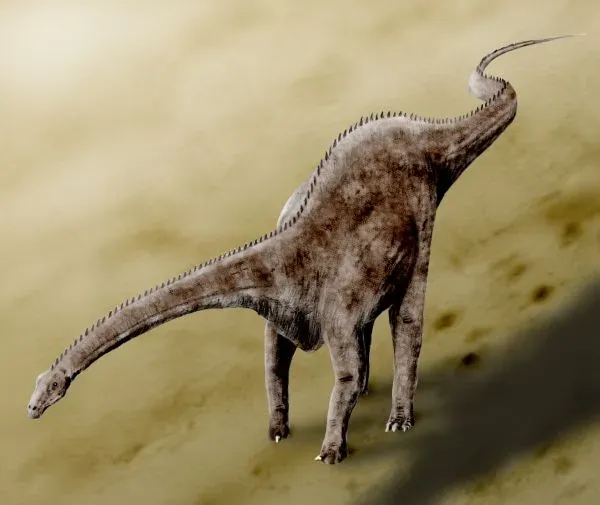
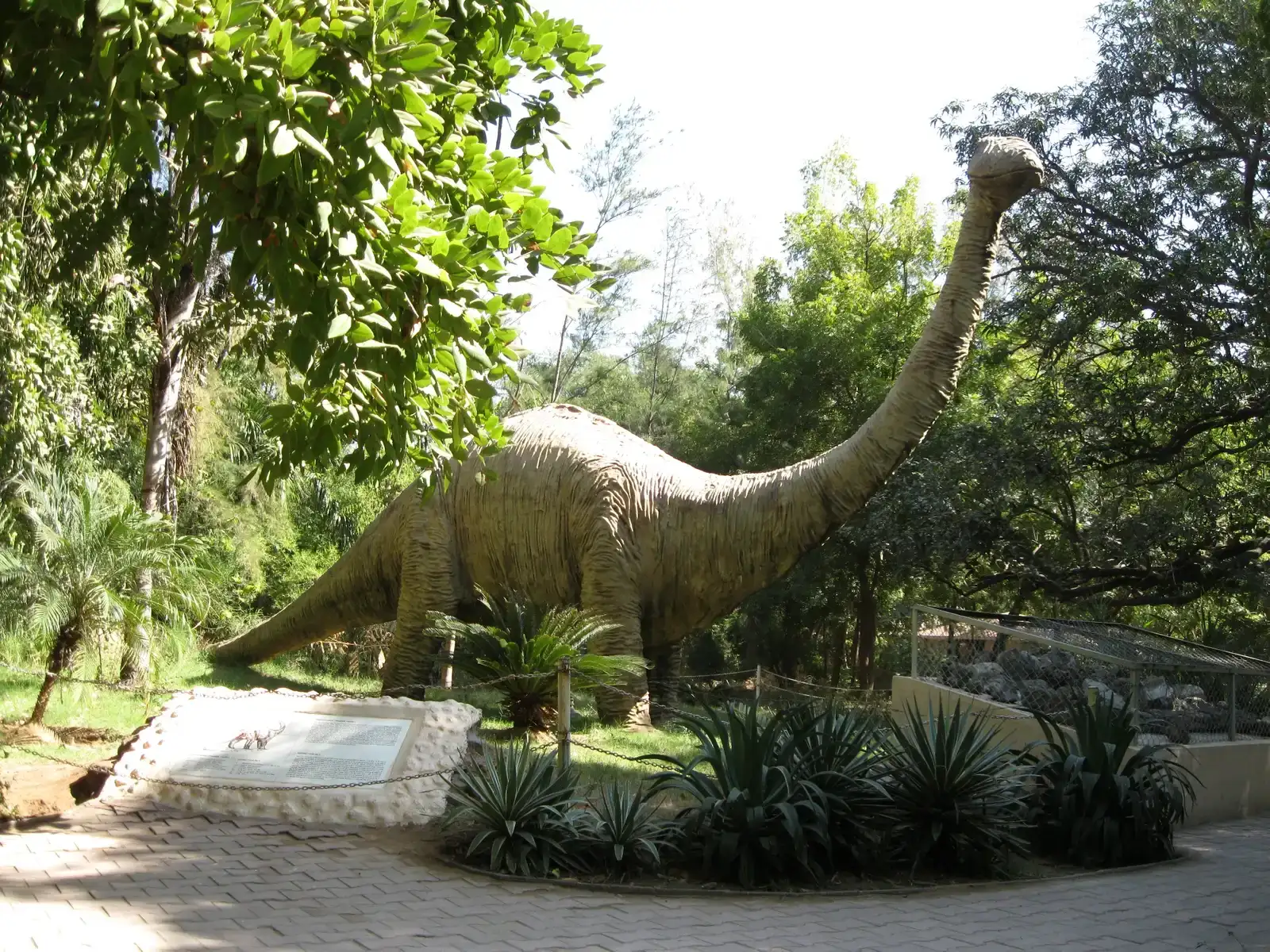
For most of the 20th century, artists insisted the biggest dinosaurs that ever lived couldn’t actually stand up on their own. Early artwork routinely showed giant long-necked sauropods like Cetiosaurus wading chest-deep in murky lakes, on the theory that they were simply too massive to support their own weight on land.
Diplodocus and its relatives got painted as sluggish, semi-aquatic blimps for decades because of it. The reality, confirmed by later bone-density studies and trackway evidence, is that sauropods had column-like limbs perfectly capable of carrying their bulk on dry ground. Fossil trackways showing footprints with no tail-drag or belly marks finally forced illustrators to march these giants out of the swamp for good. But #13 might be the strangest anatomical guess on this entire list.
#13 – Parasaurolophus’s “Snorkel” Crest That Wasn’t
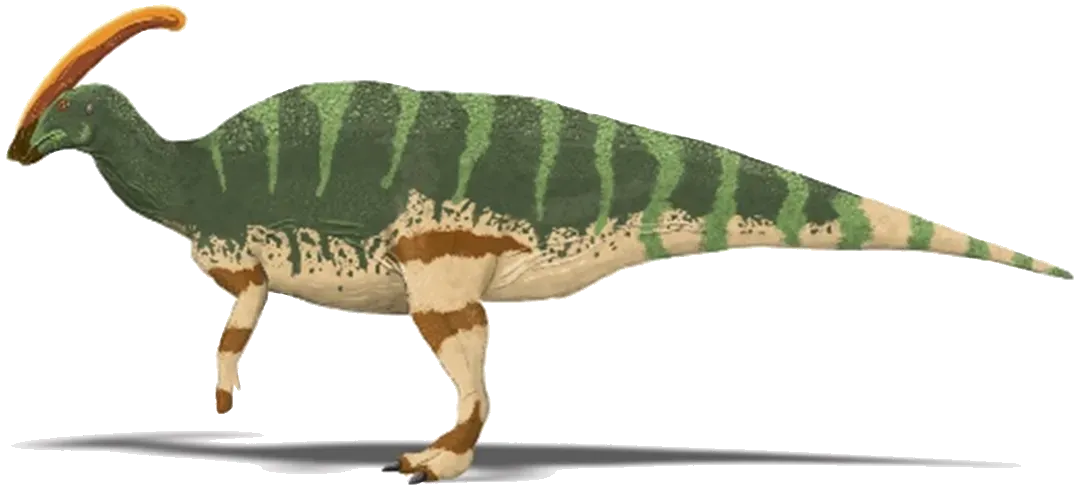
Early researchers were so convinced a duck-billed dinosaur breathed like a submarine that the idea stuck around in textbooks for years. Parasaurolophus’s long, backward-curving head crest was originally imagined as a built-in snorkel, letting the animal submerge its body while keeping the tip of the tube above the waterline.
It’s a wonderfully cinematic idea – and almost entirely wrong. The crest has no opening at the tip at all, which makes the snorkel theory physically impossible. Later anatomical work revealed it’s actually a hollow, looping chamber wired into the nasal passages, more like a built-in trombone than a scuba tank. Researchers now think Parasaurolophus used it to produce deep, resonant calls that could carry across dense Cretaceous forests. But #12 is the one Hollywood still won’t let go of.
#12 – Velociraptor’s Hollywood-Sized Body
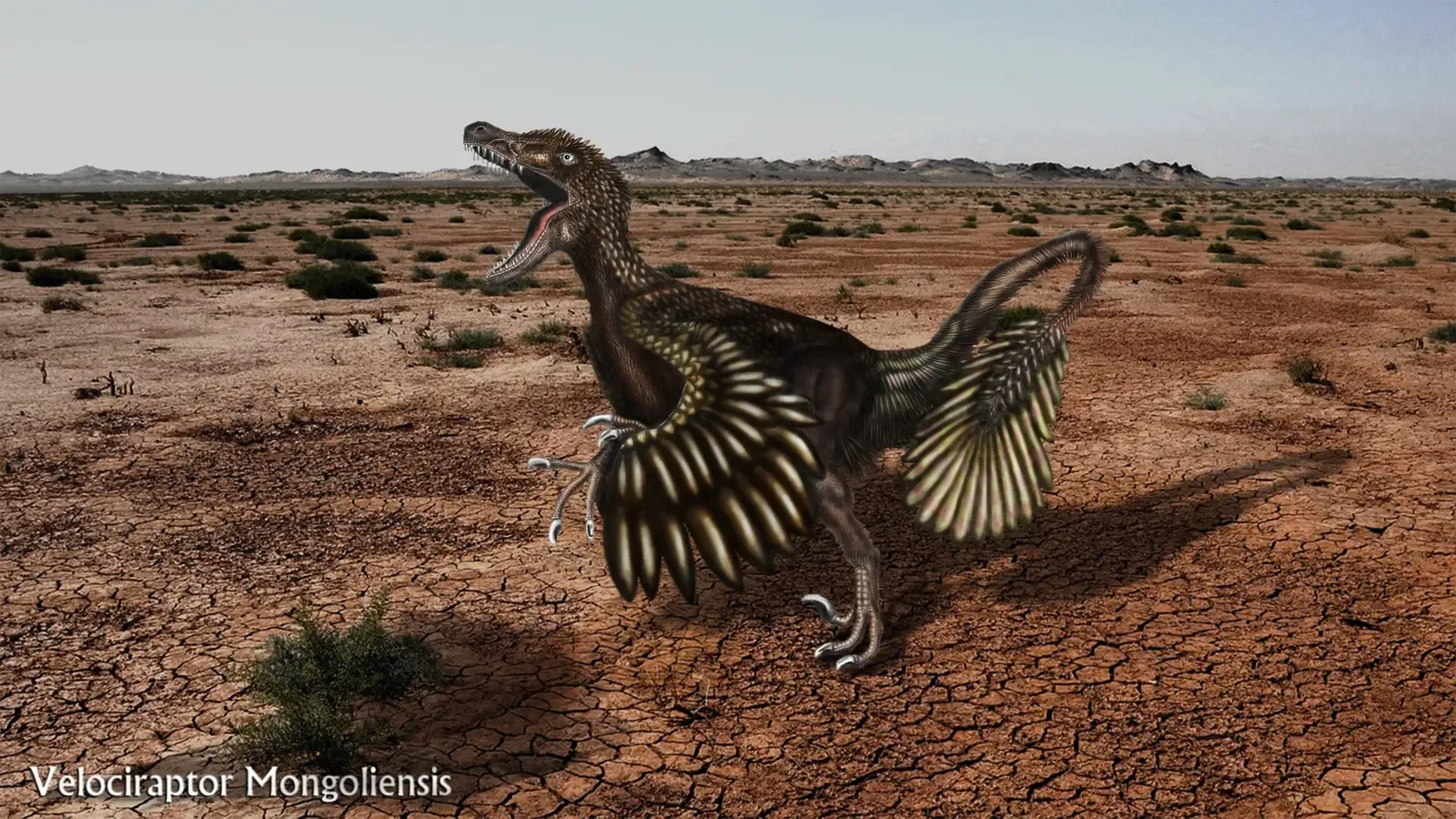
Nearly everyone pictures Velociraptor as a chest-high, razor-clawed predator – and nearly everyone is picturing the wrong dinosaur. The real Velociraptor was roughly the size of a turkey, covered in feathers, and would have looked far less terrifying stalking through underbrush than sprinting across a movie set.
Quick Compare
- Real Velociraptor: about 6 feet long, roughly 1.6 to 2 feet tall at the hip, up to 100 pounds; lived in Mongolia around 75 to 71 million years ago
- Deinonychus (the movie’s real model): about 11 feet long and well over 100 pounds; lived in North America tens of millions of years earlier
- Screen “Velociraptor”: roughly human-sized and scaly – closer in scale to Deinonychus than to the real animal
The larger, more menacing raptor most people know was actually modeled more closely on Deinonychus, a bigger relative from North America. Filmmakers borrowed the more dramatic proportions and kept the catchier name. That creative substitution has proven almost impossible to undo, and museum staff still field confused questions from visitors staring at the real, much smaller skeleton. But #11 involves an actual fraud, not just an honest guess.
#11 – Archaeoraptor: The Fossil That Was Faked From Two Different Animals
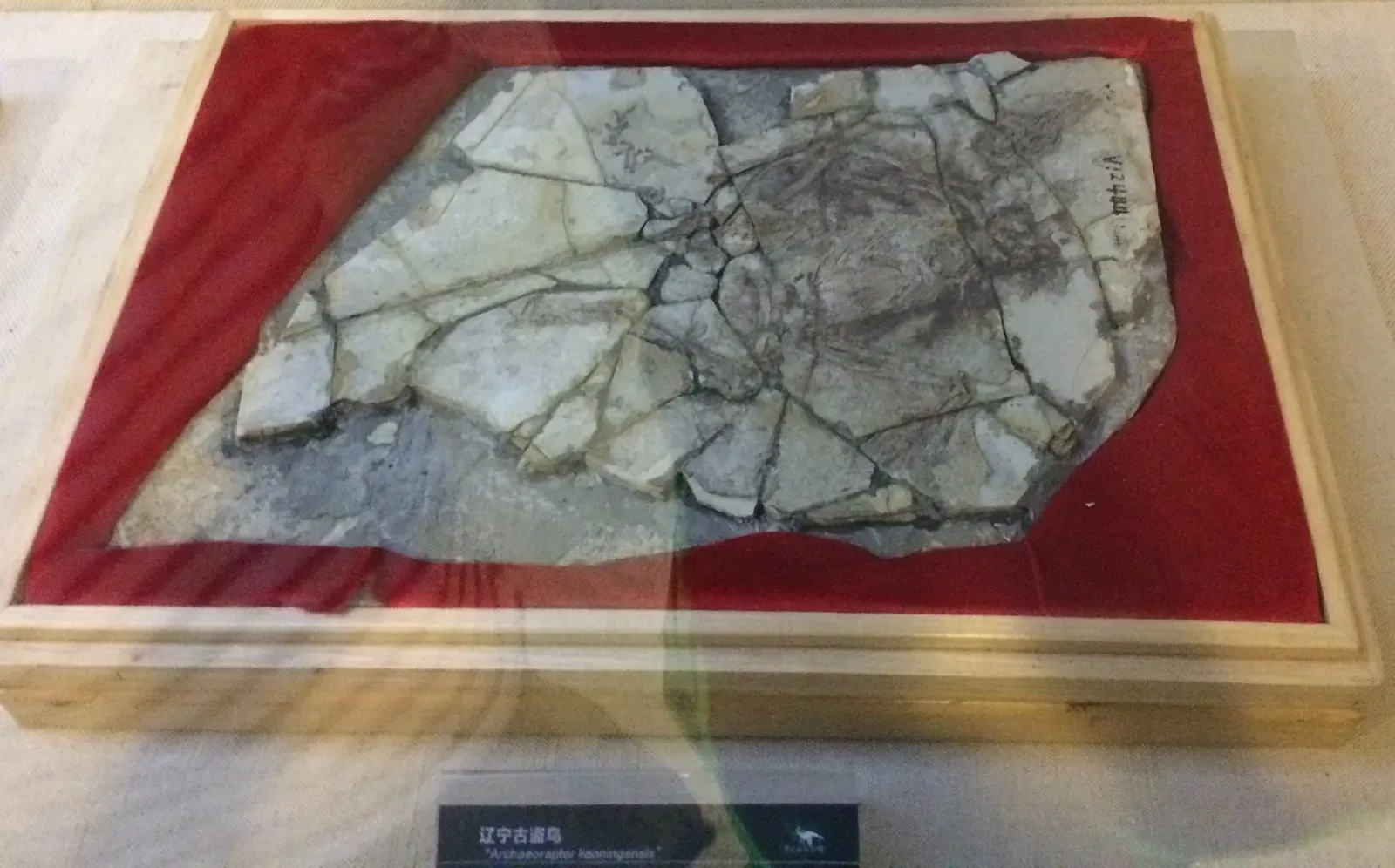
One of the most publicized “missing link” fossils in dinosaur history turned out to be glued together from two unrelated animals. Archaeoraptor was unveiled with enormous fanfare as proof of a direct evolutionary bridge between dinosaurs and birds, complete with a feathered body and a long, bony tail.
Independent analysis eventually revealed the specimen was a composite: a genuine primitive bird’s body fused to the tail of a small dromaeosaur, assembled and sold by fossil smugglers. The scandal forced a public retraction and became a cautionary tale about rushing spectacular fossils into print before independent verification. Ironically, the individual pieces used in the fraud turned out to be real, scientifically important species once properly separated. But #10 turns an accused criminal into a wrongly convicted parent.
#10 – Protoceratops the “Egg Thief” That Was Framed
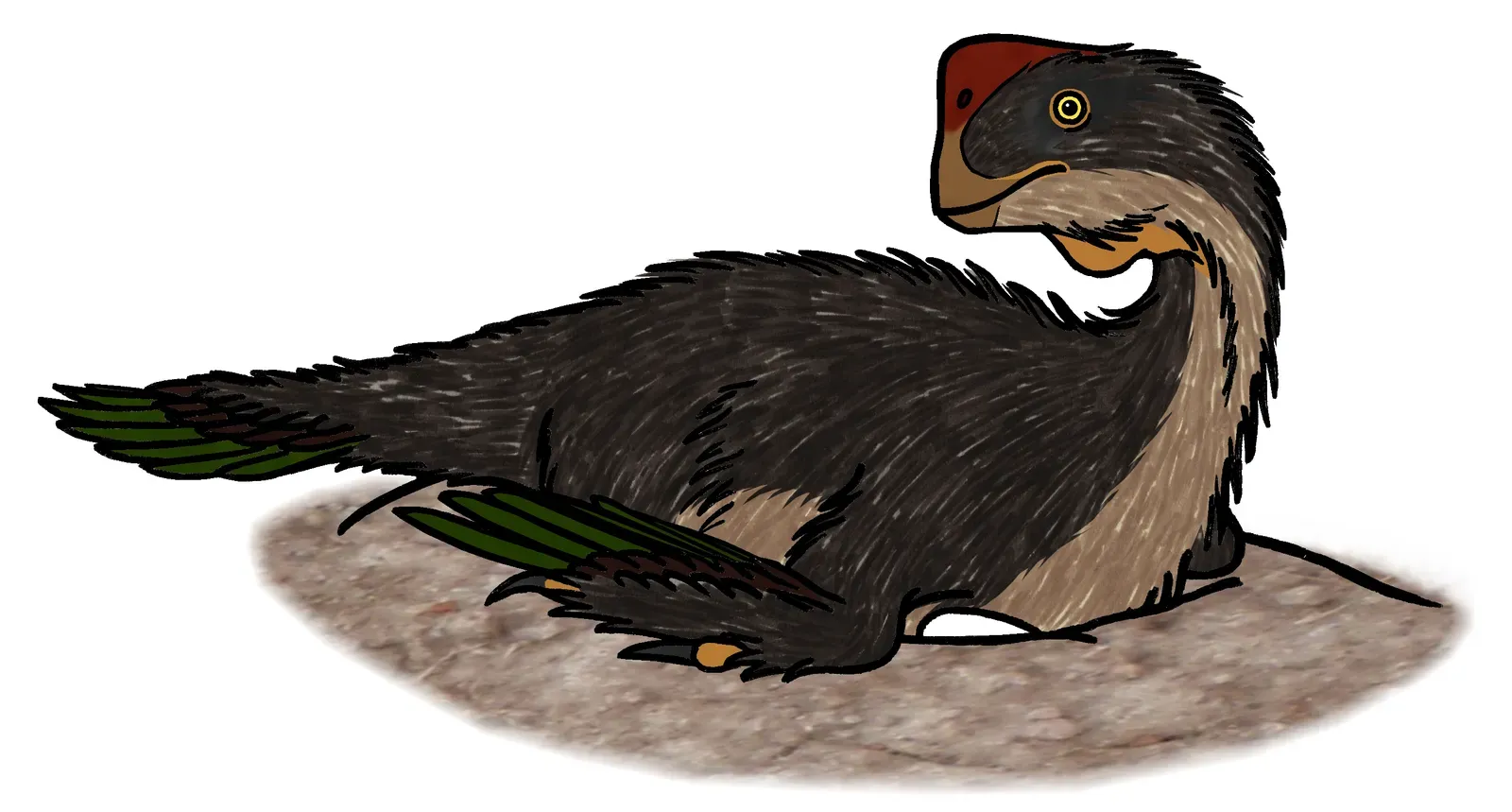
An entire dinosaur species was named after a crime it never actually committed. When paleontologists found a small theropod skeleton positioned directly on top of a nest of eggs believed to belong to Protoceratops, the obvious conclusion seemed to be caught-in-the-act egg theft.
They named the culprit Oviraptor – literally “egg thief” – and the label stuck in popular culture for decades. Later discoveries of oviraptorids found brooding on nests containing their own matching eggs completely flipped the story. That original specimen was almost certainly incubating its own clutch when it died, mirroring modern bird behavior. The “thief” was actually a devoted parent, and paleontologists now consider it one of the field’s more embarrassing early assumptions. But #9 has been redesigned more times than any dinosaur on this list.
#9 – Stegosaurus’s Ever-Changing Plate Arrangement
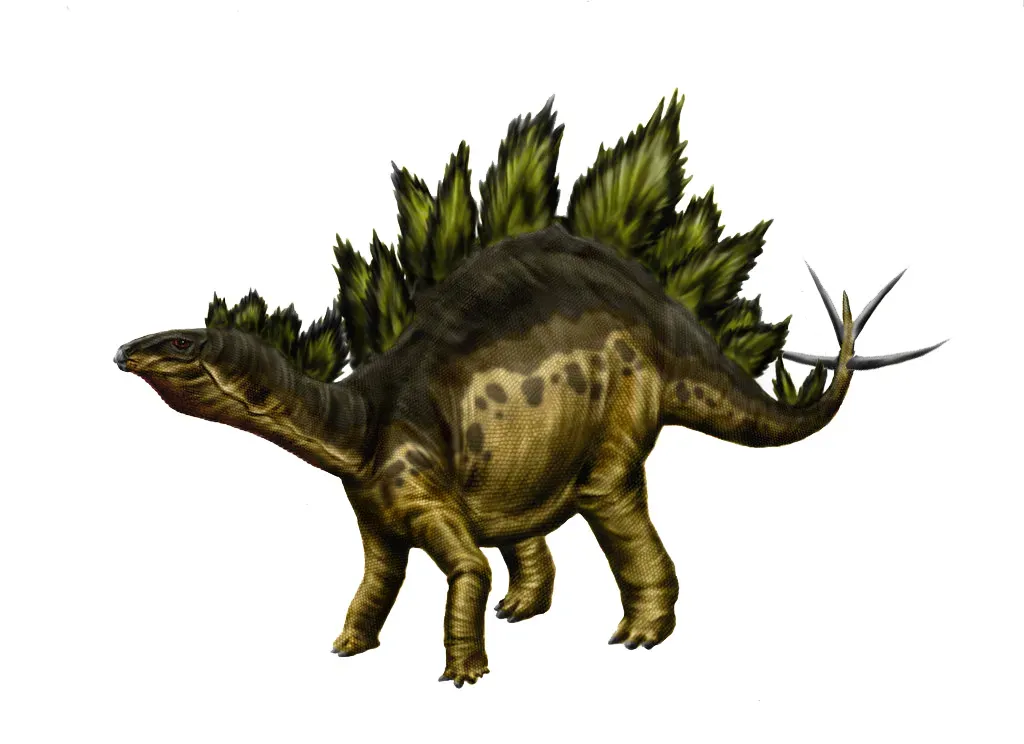
Stegosaurus has been redesigned so many times that no two generations of dinosaur fans grew up picturing the same animal. Early reconstructions placed its iconic back plates in a single row running straight down the spine, giving it a flat, almost armored-tank silhouette. Later researchers rearranged them into paired rows sitting directly across from one another.
Worth Knowing
- Three competing plate theories have circulated for over a century: pure defense, body-temperature regulation, and visual display or species recognition
- Reconstructed layouts have shifted between a single row, mirrored paired rows, and today’s favored staggered zigzag
- No single theory has won unanimous support – many paleontologists now think the plates likely served more than one purpose at once
The version now favored by most paleontologists staggers the plates in an alternating zigzag pattern, a layout debated for over a century with no unanimous consensus. Some experts still argue the plates were pure defense, others insist they regulated body temperature or signaled to other Stegosaurus. Whichever version is in your childhood book, it may already be outdated again. But #8 exposes a mistake almost every dinosaur illustration made at once.
#8 – The Tail-Dragging Dinosaur That Never Actually Dragged Its Tail
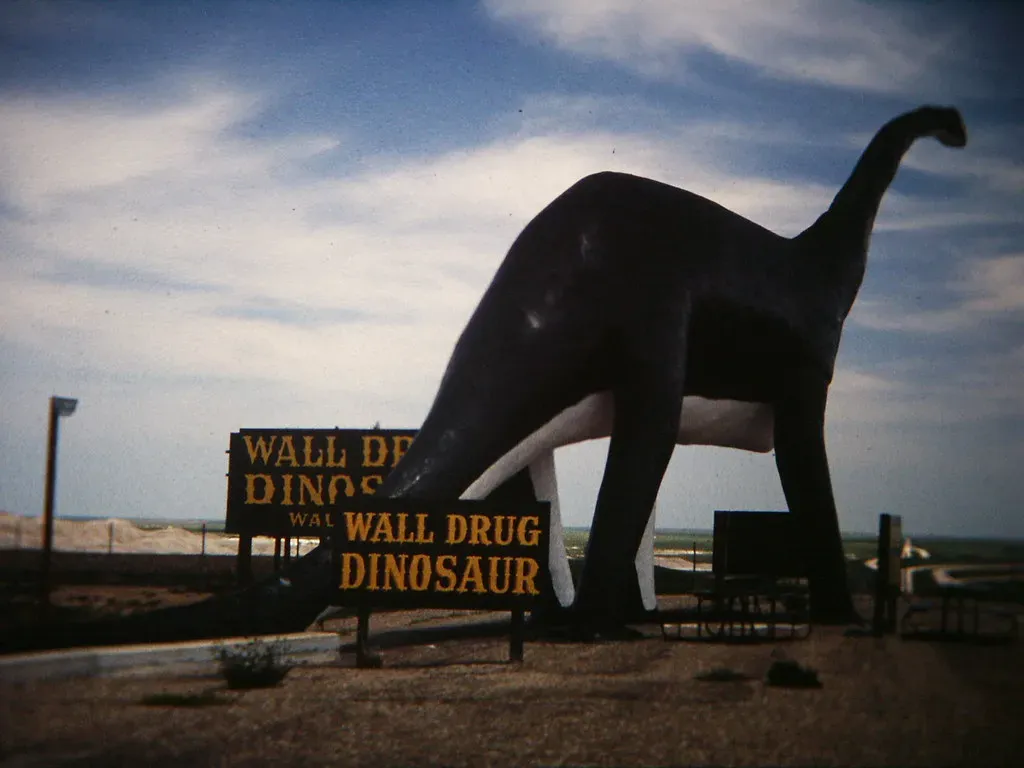
For nearly a century, almost every dinosaur illustration got one basic detail catastrophically wrong. Early artists and museum sculptors routinely posed dinosaurs upright with their tails scraping along the ground behind them, like an oversized lizard trudging through mud. That tripod-style stance became the default image reproduced in textbooks, films, and toy design worldwide.
Fossil trackways later revealed something the old sculptures never accounted for: not a single confirmed dinosaur trackway shows any tail-drag marks at all. Biomechanical research in the 1960s and 70s repositioned dinosaur spines and tails into a horizontal, balanced posture instead. That single shift transformed sluggish museum lizards into active, forward-leaning animals almost overnight. But #7 shows the same mistake nearly broke the most famous predator in history.
#7 – Tyrannosaurus rex’s Kangaroo-Style Tripod Stance
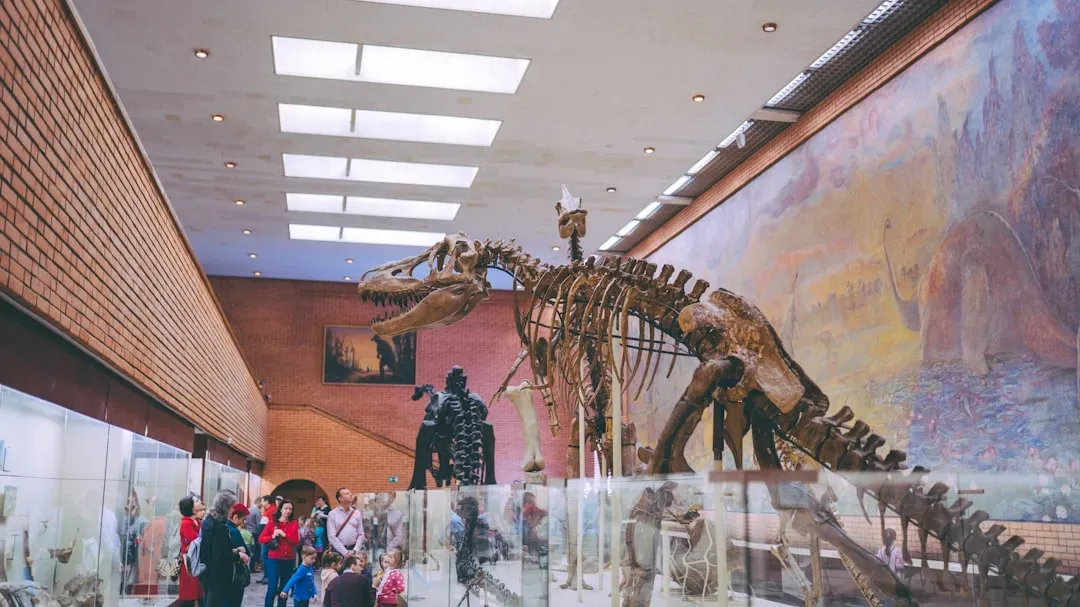
The most famous predator in history spent decades standing in a pose that would have snapped its own spine. Classic T. rex mounts from the early 1900s propped the animal upright on its hind legs and tail, resembling a giant, scaly kangaroo balancing awkwardly in place. Museums built entire skeletal displays around this posture, and it became the default silhouette for generations of movie posters and toys.
Later biomechanical analysis showed this stance would have dislocated the animal’s hips under its own body weight. Paleontologists eventually repositioned the skeleton horizontally, with the head and tail counterbalancing each other over the hips, matching how the joints and muscles actually worked. That single correction turned T. rex from a clumsy tail-sitter into the fast, forward-charging predator we picture today. But #6 is still being rewritten in real time.
#6 – Spinosaurus’s Total Body Overhaul
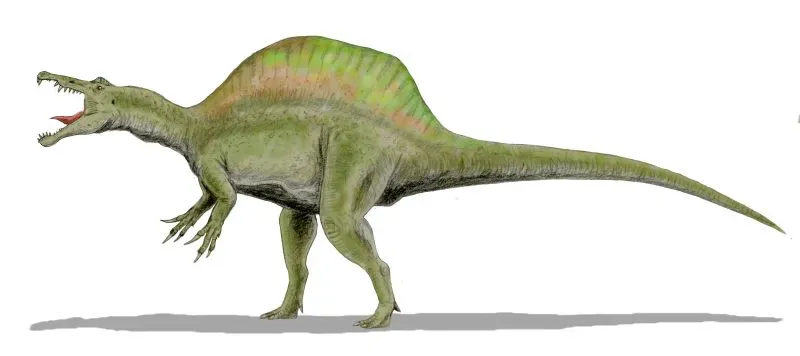
Few dinosaurs have been redesigned as dramatically, or as controversially, as Spinosaurus. The original type specimen – one of the only detailed records scientists had – was destroyed by Allied bombing during World War II, leaving researchers to work almost entirely from old notes and sketches for decades. Based on that scrap of information, Spinosaurus was rebuilt as a fairly standard bipedal predator with a tall sail, similar in build to other large theropods.
Fast Facts
- Estimated body length: roughly 46 to 59 feet, likely making it the longest known carnivorous dinosaur
- Lived in North Africa (Egypt, Morocco, Algeria, Tunisia) around 99 to 94 million years ago
- First discovered in 1912 in Egypt; formally named in 1915 – decades before the original bones were lost in WWII bombing
- Long, narrow, crocodile-like skull and conical teeth point to a fish-heavy diet
Newer fossils recovered from Morocco suggested a radically different animal: short hind limbs, dense bones, and a broad, paddle-like tail built for swimming. Some researchers now argue Spinosaurus spent much of its life hunting in rivers rather than stalking prey on land, while others have pushed back hard on the fully aquatic, quadrupedal version. The debate remains genuinely unresolved, making Spinosaurus one of the only dinosaurs still actively being reinvented in real time. But #5 changed almost every dinosaur illustration on Earth overnight.
#5 – The Scaly Skin That Covered Almost Every Early Dinosaur
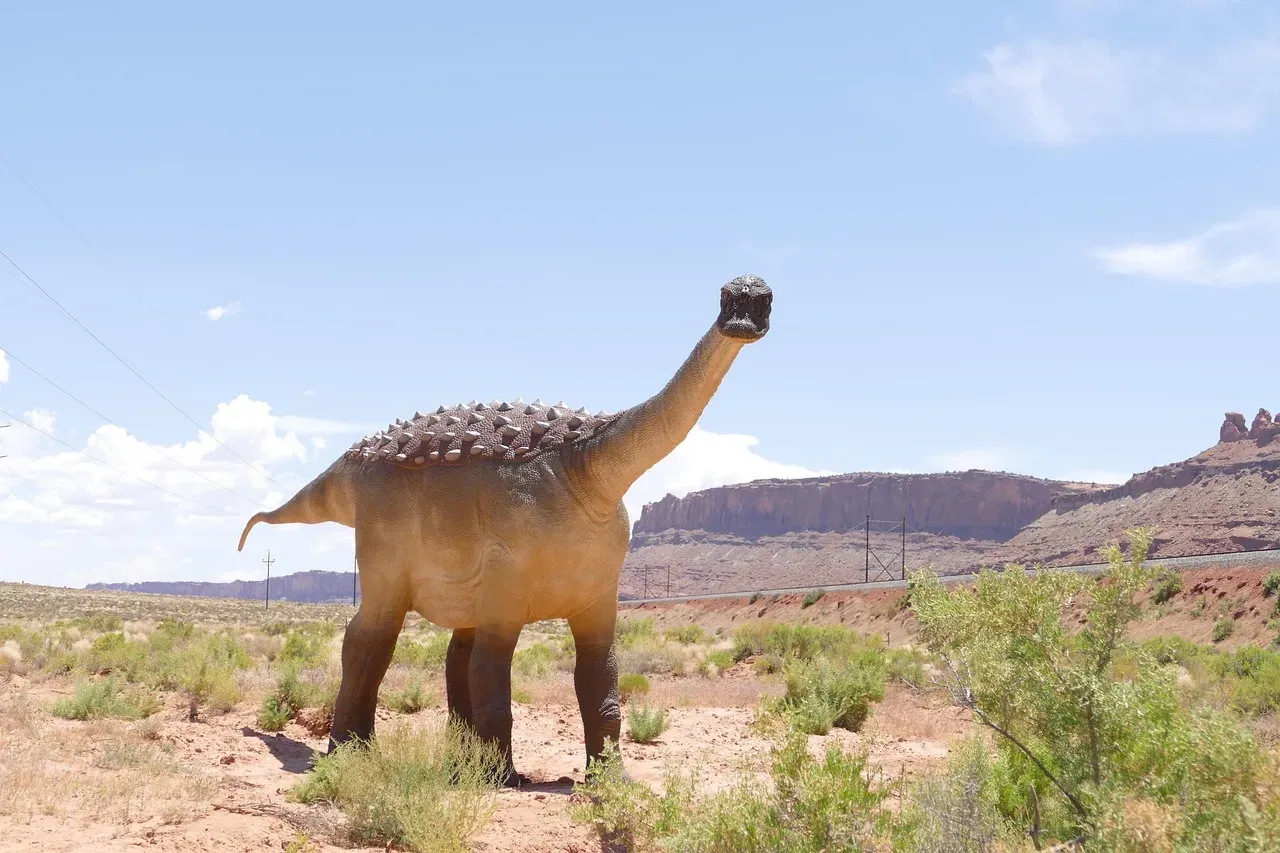
For most of the 20th century, virtually every dinosaur illustration shared the exact same skin: plain, reptilian scales, regardless of species or era. Illustrators simply extrapolated from living reptiles like crocodiles and lizards, assuming scaly skin was the safe, obvious default for any prehistoric animal. That assumption went essentially unchallenged for over a hundred years, shaping everything from museum murals to Hollywood monster designs.
Then fossil beds in northeastern China began producing theropod skeletons preserved with unmistakable feather impressions, upending the assumption almost overnight. Researchers now believe feathers or simple filament-like coverings were widespread among many theropod groups, including close relatives of Tyrannosaurus, not just the small bird-like dinosaurs everyone expected. A huge percentage of “classic” scaly dinosaur art is now considered scientifically outdated. But #4 spent half a century as nothing but two enormous arms.
#4 – Deinocheirus: 50 Years of Guessing From Two Giant Arms
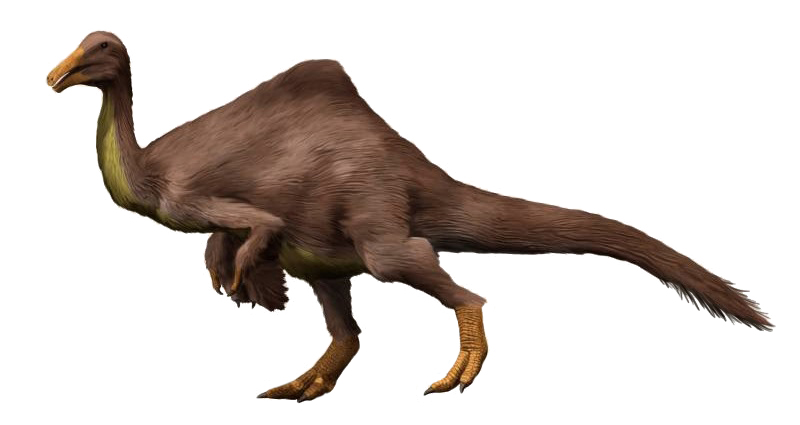
Deinocheirus means “terrible hands,” and for good reason – that’s essentially all paleontologists had to work with for fifty years. Each arm stretched eight feet long and ended in three curved claws, each nearly eight inches. With nothing else to study, researchers filled the silence with imagination; one 1970 paper even proposed the animal was a giant sloth-like creature that hung upside-down from tree branches.
The truth, revealed only after poached fossils were finally repatriated to Mongolia, turned out to be stranger than any of the guesses. Two nearly complete skeletons showed a 36-foot, 6.4-ton animal with a sail-like structure on its back, fused tail vertebrae built to support feathers, and those famous arms attached to a body nobody had predicted. A researcher who’d waited his entire career for the reveal admitted the finished animal was almost impossible to have guessed from the arms alone. But #3 walked around American museums wearing someone else’s face for a century.
#3 – Brontosaurus’s Borrowed Head
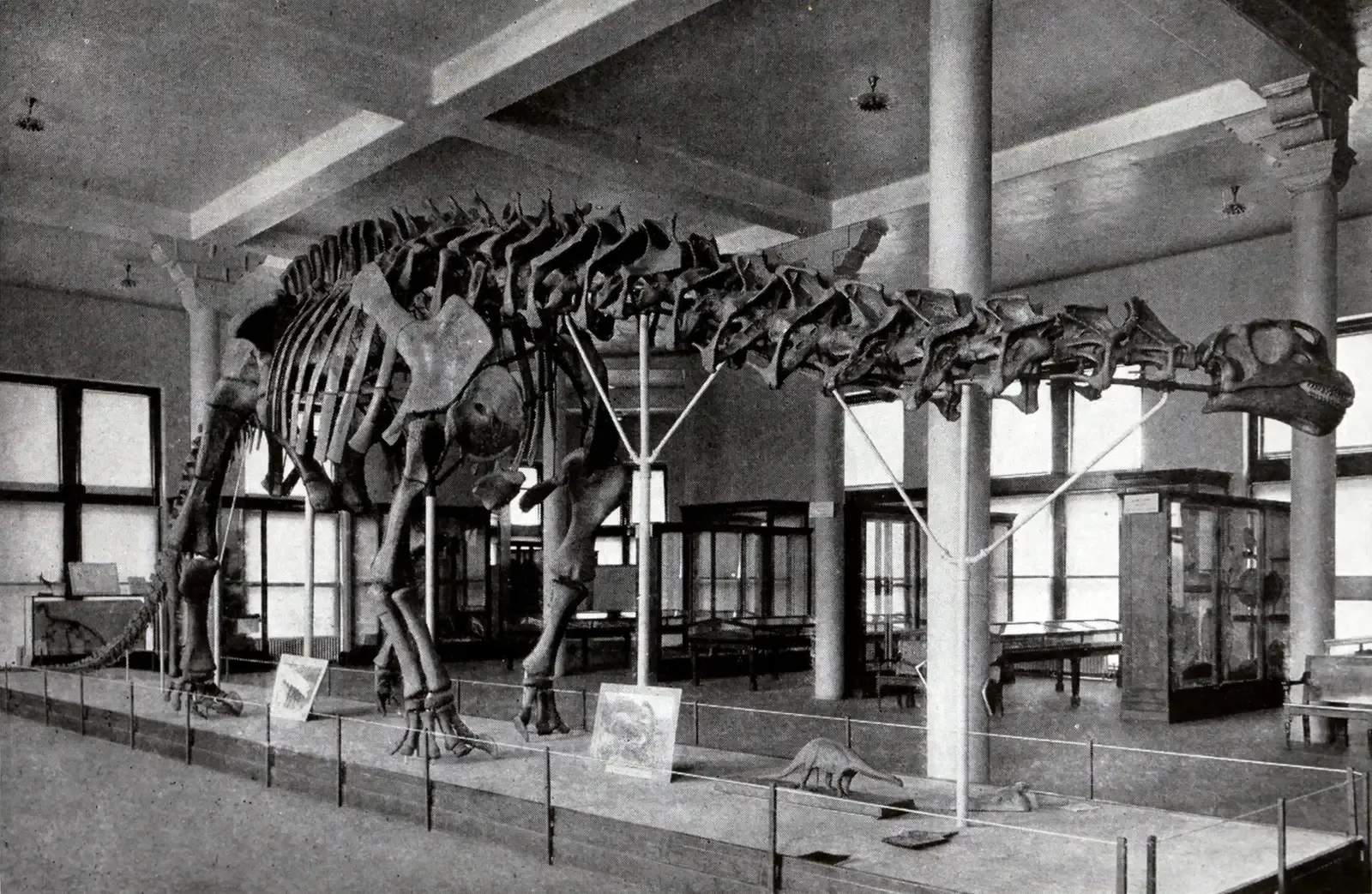
One of the most beloved dinosaurs in American history was on display for decades wearing the wrong skull. Paleontologist O.C. Marsh had published a full restoration of the animal – then called Brontosaurus – in his famous reference book, even though no actual skull had ever been found with the body. So Marsh borrowed one: a Brachiosaurus skull, mistakenly thought at the time to belong to Camarasaurus, recovered from an entirely different site.
That borrowed, blunt-snouted head became the face of Brontosaurus in museums and textbooks for nearly a century before anyone corrected it. In 1970, scientists John McIntosh and David Berman proved Marsh had mounted the wrong head, and that the real skull looks far more like Diplodocus, with a longer snout. The genuine skull had reportedly been sitting in a museum basement for decades before anyone realized what they had. Even stranger, after the name Brontosaurus was scrapped entirely in favor of Apatosaurus, a 2015 anatomical study resurrected it as a genuinely separate genus after all. But #2 came out of one of science’s ugliest rivalries.
#2 – Elasmosaurus’s Head on the Wrong End
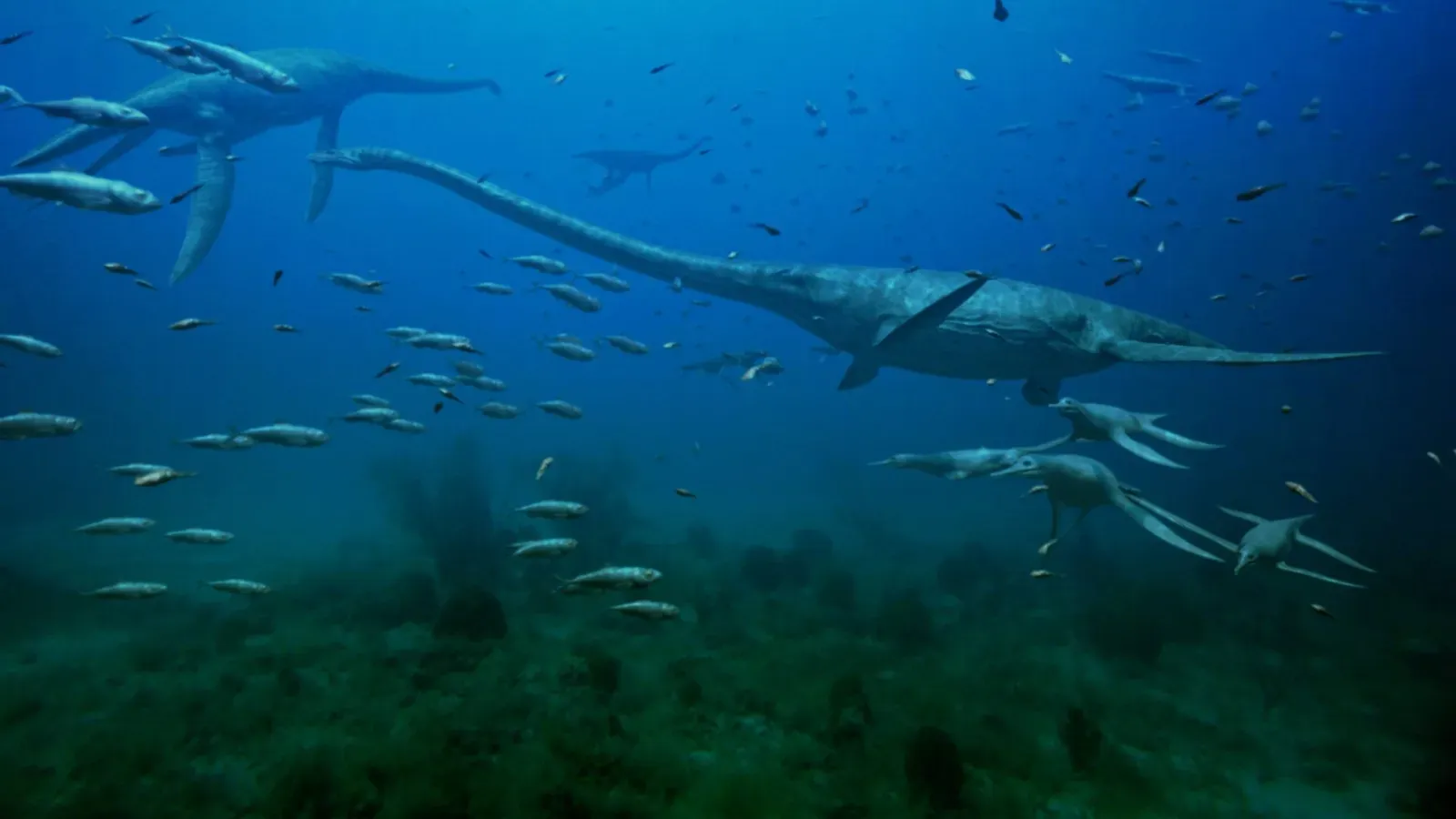
A rushed announcement in the middle of a bitter scientific rivalry produced one of the most embarrassing reconstructions in paleontology’s history. In 1868, Edward Drinker Cope incorrectly restored the type specimen of Elasmosaurus platyurus by placing the skull at the end of the animal’s tail.
Cope had mistaken the animal’s absurdly long neck vertebrae for tail bones, and its short tail for a neck, essentially building the creature backward. The mistake was corrected in 1870 after Joseph Leidy stepped in, and Cope reportedly tried to buy up and destroy every copy of his published paper to erase the evidence. It mattered because Elasmosaurus wasn’t a minor species – this reptile had an astonishing 71 neck bones, and it and its close relative Albertonectes had the longest necks of any animals ever known to have lived. The blunder became so infamous it helped fuel the decades-long feud known as the Bone Wars. But #1 is the reconstruction that started this entire pattern.
#1 – Iguanodon’s Nose Horn That Was Actually a Thumb
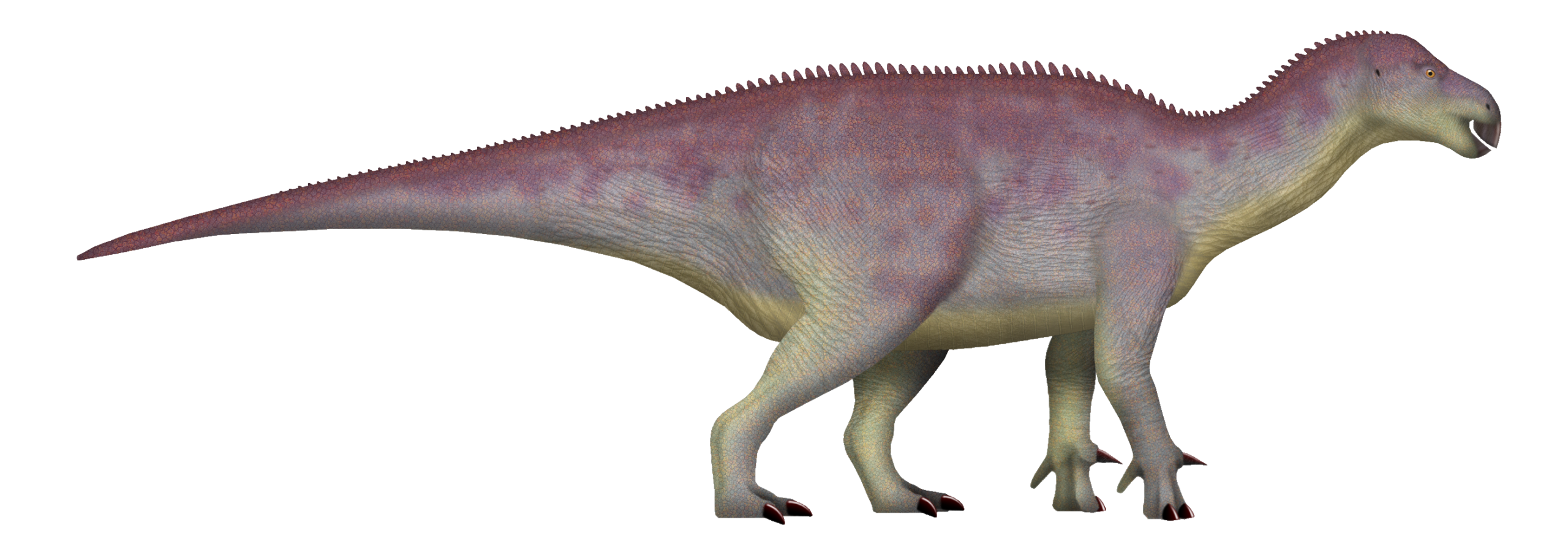
The very first dinosaur reconstruction ever built for the public was wearing its skeleton almost completely inside out. Working from a handful of fragmentary fossils, early researchers interpreted Iguanodon as an elephant-sized, quadrupedal reptile with a horn on its nose. Life-sized concrete models built on that exact assumption were unveiled to the public – and some are still standing today.
At a Glance
- 1822: First Iguanodon teeth discovered in England
- 1825: Officially named and described as a giant, iguana-like reptile
- 1854: Life-size concrete models unveiled to the public, showing a horned, rhino-like quadruped
- 1878: Two dozen near-complete skeletons found in a Belgian coal mine reveal the true bipedal build and thumb-spike
- Today: Understood as a facultative animal, capable of moving on two or four legs
The real bone wasn’t a horn at all – it was a defensive spike that belonged on the dinosaur’s thumb, not its face. It wasn’t until the 1878 discovery of two dozen complete skeletons at the bottom of a coal mine in Bernissart, Belgium, that Iguanodon was reinterpreted as an upright, bipedal animal with a thumb-spike instead of a horn. Even then, paleontologists didn’t fully abandon the tail-dragging kangaroo posture for nearly another century. Iguanodon remains the ultimate cautionary tale: the very first dinosaur ever reconstructed for the public was rebuilt from the ground up not once, but twice.
The Bottom Line
The pattern here isn’t embarrassing – it’s honest. Nearly every “iconic” dinosaur image people grew up loving, from Brontosaurus’s borrowed skull to Iguanodon’s misplaced horn, was a best guess built from incomplete bones, and science kept correcting it as better fossils appeared.
Frankly, that’s the opposite of a scandal. A field willing to publicly admit it glued a horn onto the wrong body part is a field doing exactly what it should. The real mistake would be assuming today’s textbook dinosaur is the final version. Which reconstruction on this list actually surprised you the most? Drop your pick in the comments.