
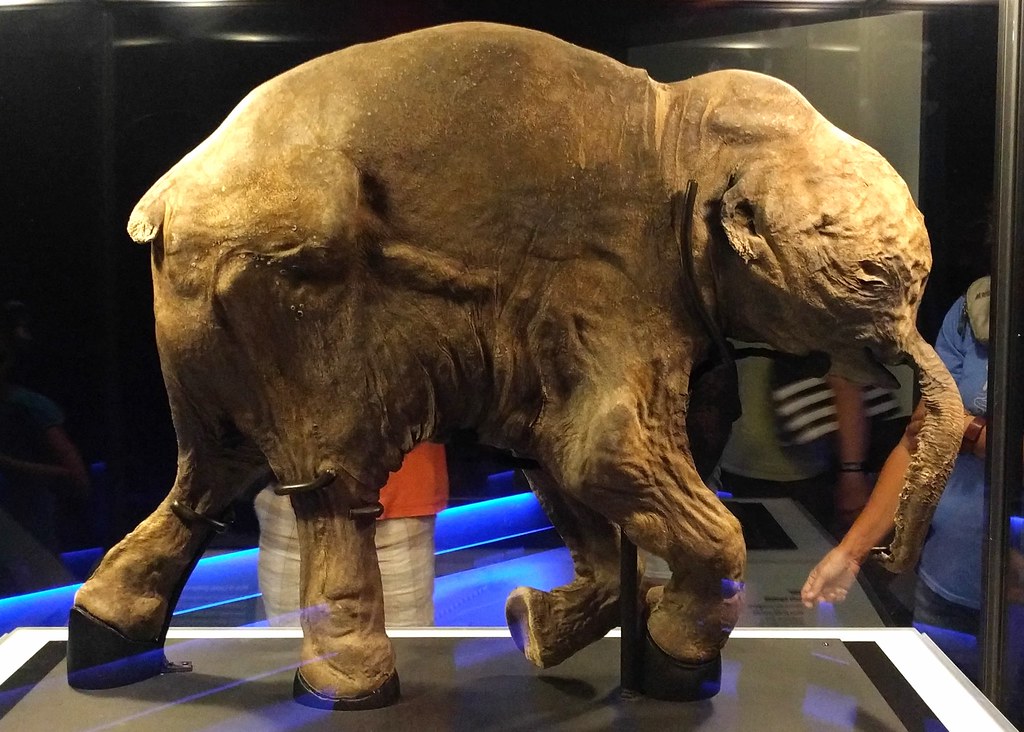
For over 40,000 years, a handful of Siberian mammoth calves have been locked in permafrost like sealed evidence at a crime scene nobody was allowed to open. When scientists finally cracked them open, the shock wasn’t decay – it was how alive everything still looked. Blood that hadn’t fully hardened. Organs soft enough to slice. A last meal still sitting exactly where it landed the moment disaster struck.
Forget the leathery, shriveled mummy you’re picturing in your head right now. These calves kept secrets that modern autopsy tables rarely get to see, and researchers spent years piecing together what every last one of them meant. Here are the 13 things scientists actually pulled out of – and the final one on this list has never been found in any other specimen on Earth.
#1 – Mother’s Milk, Still Sitting in the Stomach
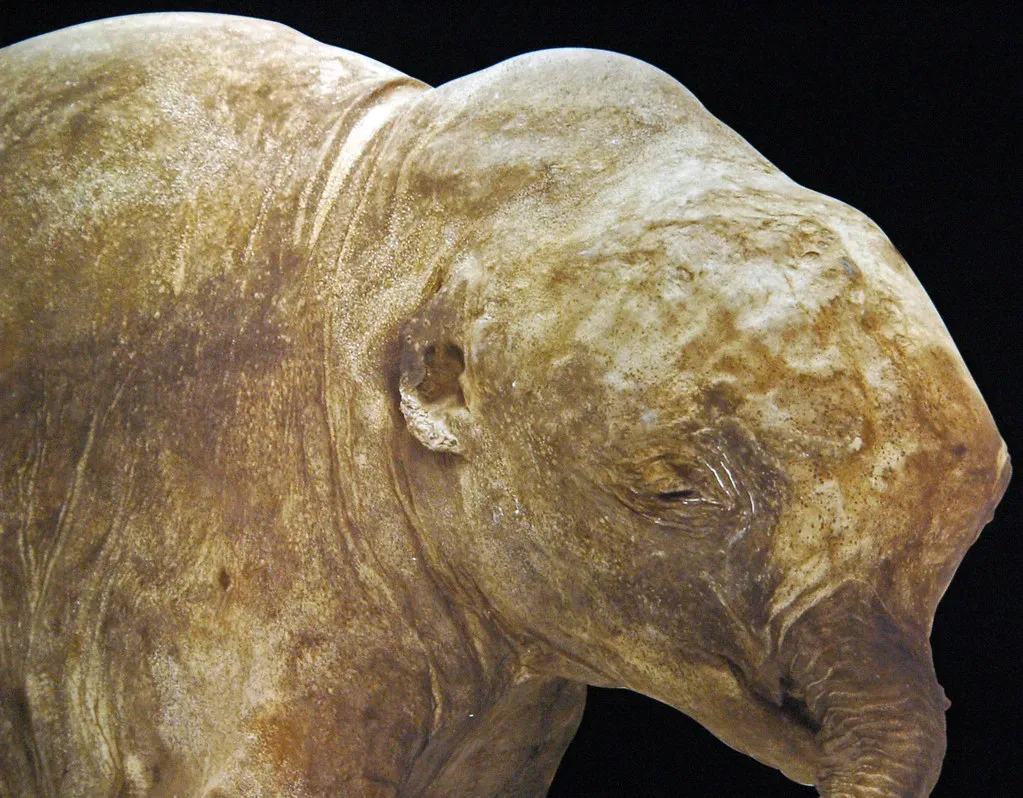
Start with the most heartbreaking find of all: undigested milk, sitting exactly where it landed the day the calf died.
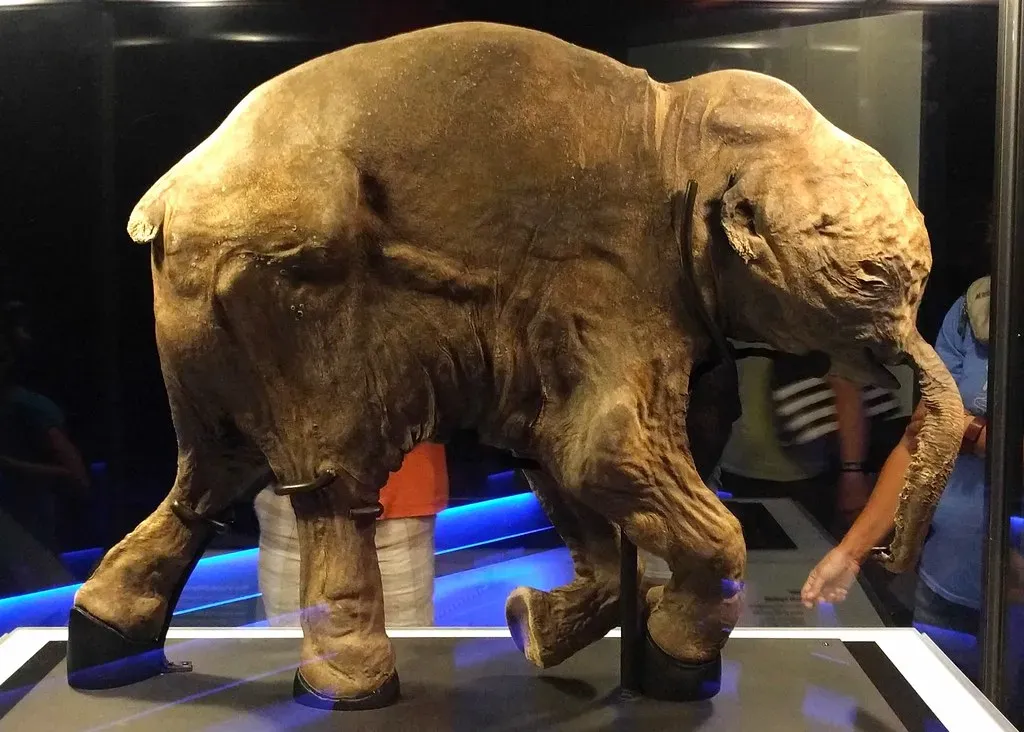
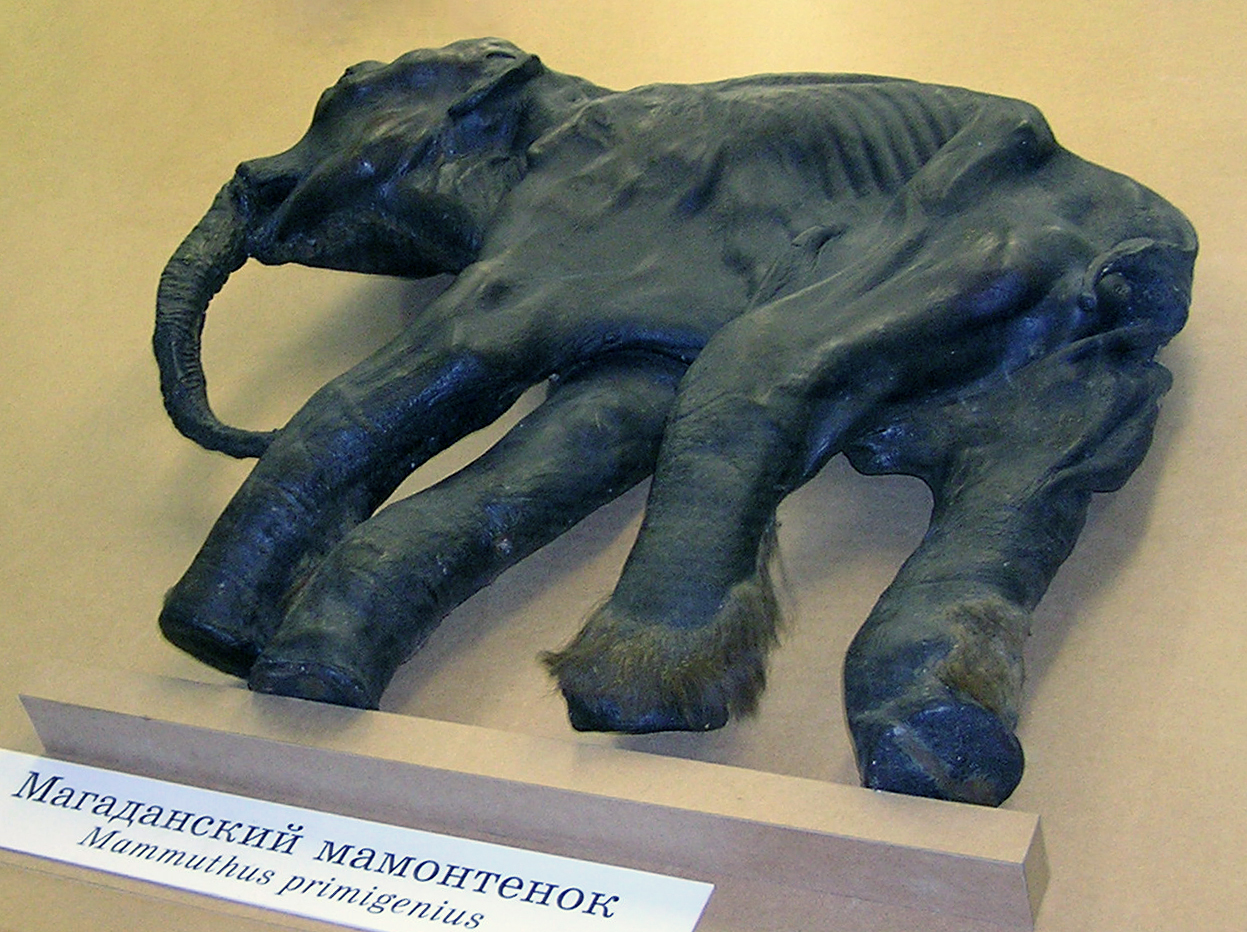
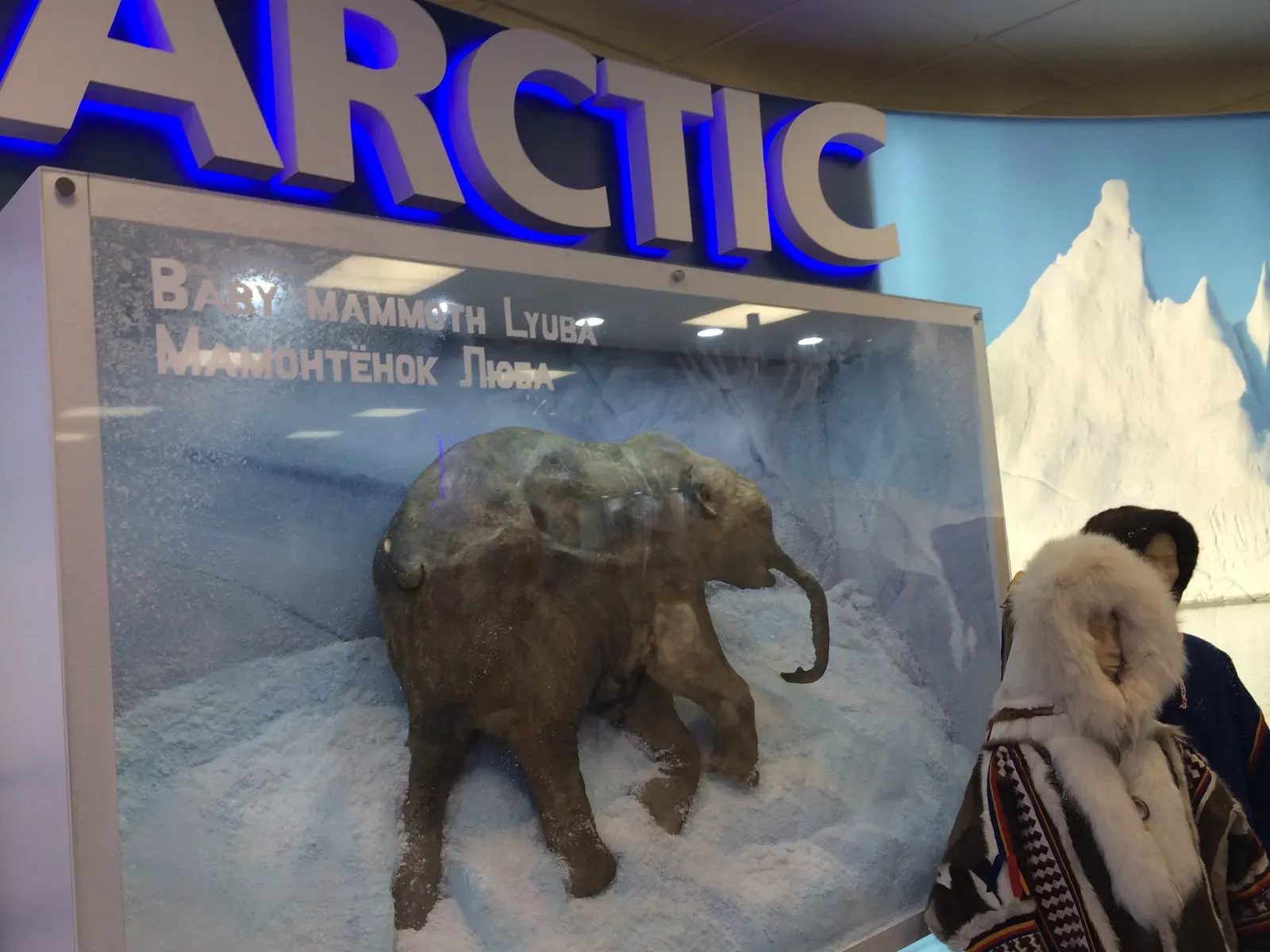
When researchers examined Lyuba, the famous Yamal Peninsula calf, they discovered her final meal frozen in place. Scientists were able to identify milk from her mother in her stomach, and fecal matter in her intestine. This wasn’t a guess based on chemical residue – it was recognizable milk, over 40,000 years after it was swallowed.
Fast Facts
- Discovered in May 2007 by reindeer herders along Siberia’s Yuribei River on the Yamal Peninsula.
- Dental scans later pinpointed her age at death at just 30 to 35 days old.
- She weighed about 110 pounds and stood roughly three feet tall.
- Her remains are estimated to be around 42,000 years old.
She wasn’t alone. Researchers scanning Khroma, another remarkably preserved calf, made a near-identical discovery. Khroma even had clotted blood inside intact blood vessels and undigested milk in the stomach. Two calves, found decades apart and hundreds of miles apart, both died with milk still in their bellies.
The milk proves these calves died suddenly, not from starvation or illness. They were healthy, nursing, and very much alive minutes before disaster struck. What killed them didn’t creep up slowly – and next is proof that even their bathroom habits hid a survival strategy millions of years in the making.
#2 – Their Mother’s Own Dung, Eaten on Purpose
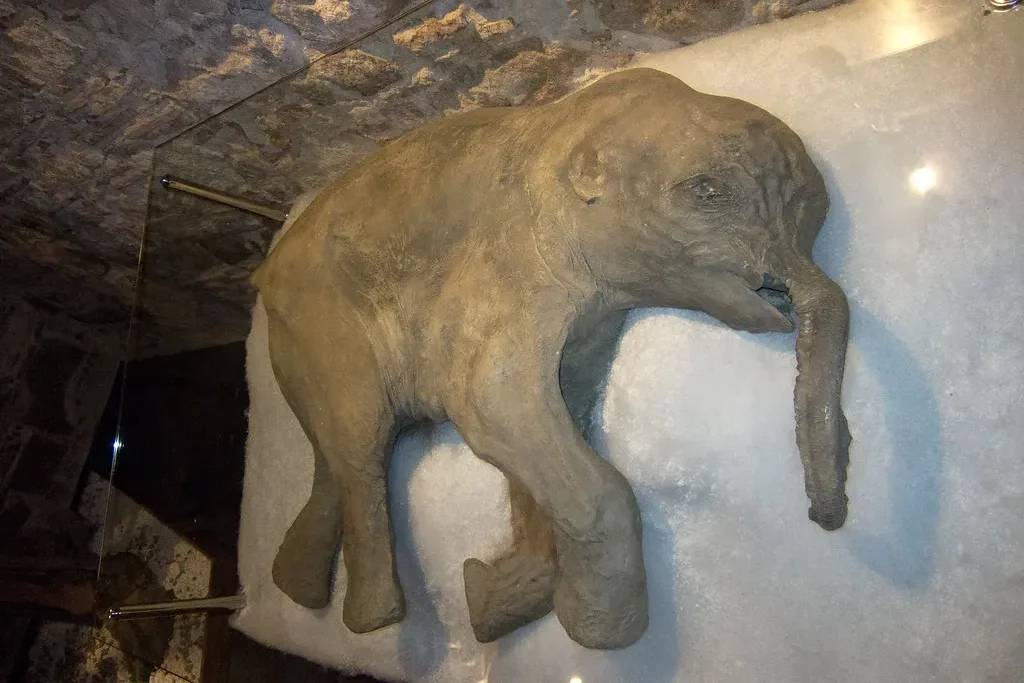
Here’s the detail that makes people squirm: baby mammoths deliberately ate their mothers’ feces, and it wasn’t an accident.
Researchers studying Lyuba’s intestines confirmed this wasn’t contamination from the burial site. Along with mother’s milk, she had ingested some of her mother’s excrement as a way of getting the bacteria needed to digest plants – just like present-day elephant babies do. This behavior, called coprophagy, seeds a calf’s gut with the microbes it needs to eventually digest tough Ice Age vegetation.
Scientists studying the fecal matter noted a specific biological purpose behind it. The fecal matter may have been eaten by Lyuba to promote development of the intestinal microbial assemblage necessary for digestion of vegetation. In other words, this wasn’t gross – it was survival strategy passed down through millions of years of evolution.
Most people assume this is disgusting, but wildlife biologists argue it’s actually one of the smartest adaptations in the animal kingdom, still used by elephants today. Even stranger, the plant matter tangled up in her gut told scientists something no bone could ever reveal.
#3 – Pollen, Algae, and Plant Fragments From a Lost Ecosystem

Buried inside a baby mammoth’s gut was an entire snapshot of an Ice Age landscape that no longer exists.
Even though Lyuba was too young to properly chew solid food, her intestines held plant evidence. Researchers noted that plant remains are abundant in some areas of her intestines, despite the fact she should have been living almost entirely on milk. This suggested she’d nibbled or accidentally ingested vegetation while exploring alongside her herd.
Digging deeper, scientists identified far more than just plant matter. Algae from lake water and traces of pollen from trees and plants were also found preserved inside her. This gave researchers a rare, direct window into the vegetation and water sources of a 42,000-year-old Siberian floodplain – information no fossil bone could ever provide.
This is the closest thing paleontologists have to an actual “menu” from the Ice Age. But the calm ecosystem snapshot in her belly is nothing compared to the chaos scientists uncovered the moment they scanned her trunk.
#4 – A Trunk Completely Packed With River Mud
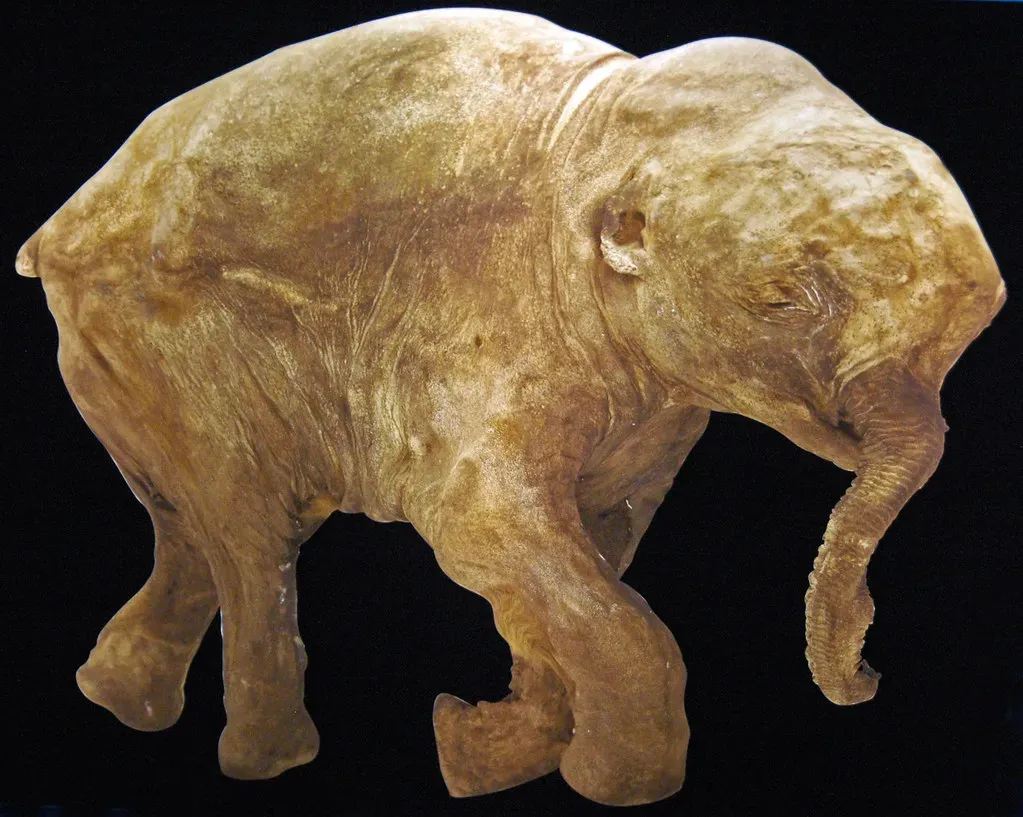
This is the discovery that finally solved a decades-old mystery: how do baby mammoths actually die?
When researchers ran Lyuba through an industrial CT scanner, they didn’t expect to find a solid obstruction. The scans revealed a solid mass of fine-grained sediment blocking the air passages in the middle of the trunk. It wasn’t a small amount, either – the blockage was severe enough to be immediately visible on imaging.
The mud didn’t stop there. Sediment was also seen in Lyuba’s throat and bronchial passages, confirming that she had inhaled thick river mud into nearly her entire airway system. This matched the physical evidence of a calf that had struggled violently while sinking into a muddy riverbed.
Most museum placards simply say “she drowned,” but the CT data tells a far more specific and disturbing story: she suffocated on mud she inhaled while fighting to survive. That fight left behind a mineral clue nobody expected to find in soft tissue.
#5 – A Rare Blue Mineral Called Vivianite
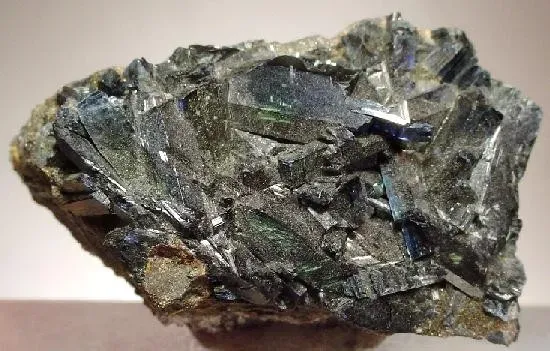
Deep inside Lyuba’s airway, scientists found something that shouldn’t exist in soft tissue at all: a hydrated iron mineral typically associated with bone and rock.
This mineral, called vivianite, formed directly inside her breathing passages. Vivianite (hydrated iron phosphate) was found in Lyuba’s trachea and bronchi, suggesting the cause of death to be suffocation after inhalation of mud. Its presence wasn’t random – it required a very specific chemical environment to crystallize.
Researchers eventually traced the iron source to something unexpected: her own biology. Blood coursing into Lyuba’s brain, due to the mammalian diving reflex, may have provided the iron source for the vivianite nodules, according to the authors. As she struggled underwater, her body triggered the same reflex seen in modern diving mammals, redirecting blood toward her brain – and inadvertently helping create this strange blue mineral.
Few people realize a mammoth’s death struggle left behind physical, mineral evidence of the exact biological reflex firing in her final moments. It’s the kind of detail that turns tragedy into a forensic case file.
#6 – Fully Intact Internal Organs
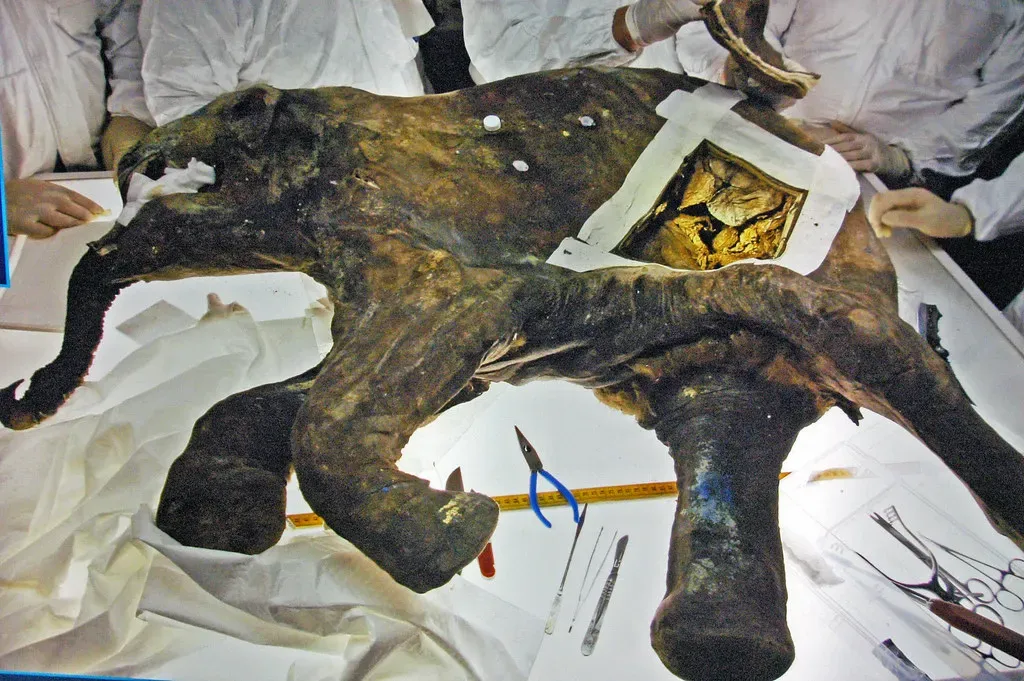
Most 40,000-year-old carcasses are reduced to bone. These calves still had organs soft enough to dissect.
Scientists examining multiple specimens confirmed this level of preservation repeatedly. In addition to fully articulated skeletons, the carcasses held preserved muscle, fat, connective tissue, organs and skin. This wasn’t limited to one lucky find – it was a pattern across several separate mammoth calves recovered decades apart.
At a Glance
- Preserved soft tissue in these calves includes muscle, fat, connective tissue, organs, and skin – not just bone.
- Because the specimens are so complete, researchers were only permitted limited dissection and sampling.
- Non-invasive CT scanning let scientists study internal anatomy without disturbing exhibit-quality tissue.
- Lyuba and Khroma remain among the most complete mammoth specimens ever recovered.
Lyuba specifically stunned researchers with her condition. Lyuba’s organs and skin are in perfect condition, allowing direct tissue sampling instead of relying on guesswork from fossilized remains. One writeup summed up the shock succinctly: it had its eyes, organs, and even its mother’s milk in its belly.
This level of preservation is so rare that scientists initially assumed it must be a fraud. It wasn’t – it was simply an accident of Arctic chemistry, and that chemistry turned out to be stranger than anyone guessed.
#7 – Bacteria That “Pickled” the Body From the Inside Out
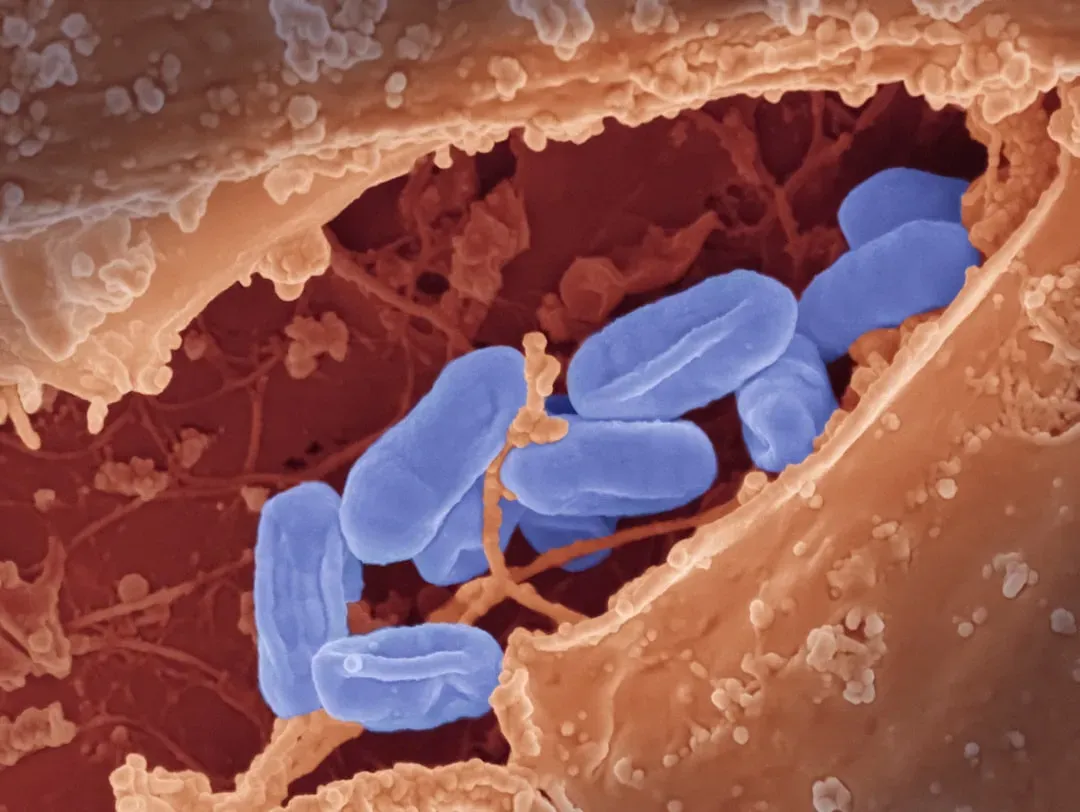
Here’s the twist nobody expected: bacteria are the reason these mammoths look so good today, not despite them.
Instead of simply rotting, Lyuba’s body underwent a natural preservation process driven by microorganisms. Lyuba was almost perfectly preserved because lactic-acid producing bacteria colonized her body shortly after death, in essence “pickling” her and preserving her from hungry scavengers. This bacterial colonization essentially turned her tissue acidic enough to halt decomposition before the deep freeze even set in.
Later microscope work confirmed these bacteria weren’t limited to her skin. Bacteria were seen on the lumen side of the small intestine and caecum, and in the liver and lung tissue. Fungi showed up too, hinting at a brief window of microbial activity before the cold shut everything down.
Many people assume “frozen” means “instantly preserved,” but the real story is messier: bacteria essentially fermented her before ice finished the job. That same head start may explain why later specimens still held blood vessels intact enough to hold their contents.
#8 – Clotted Blood Still Inside Intact Blood Vessels
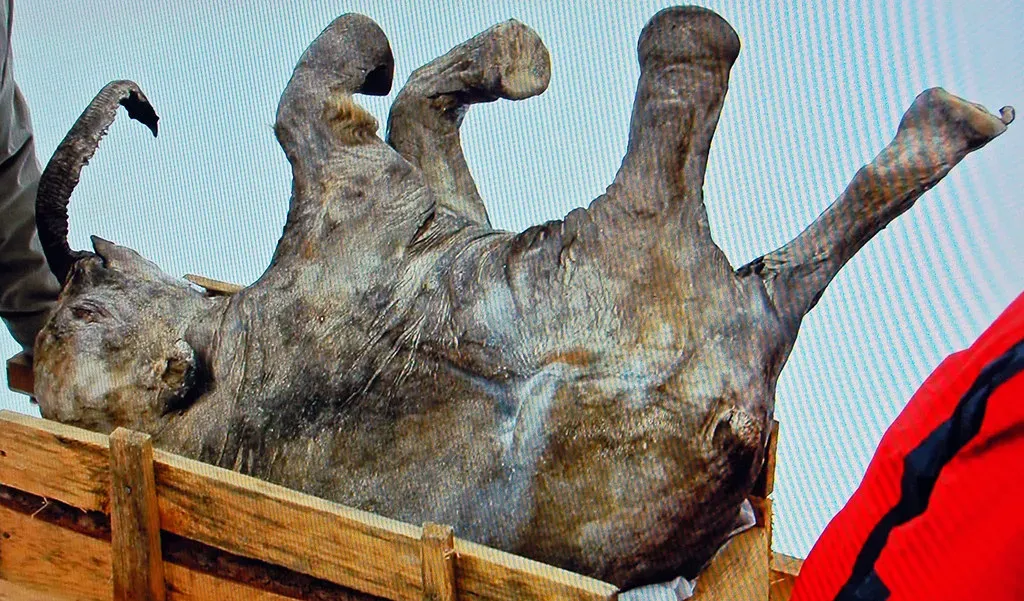
This is the discovery that turned mammoth research into a genuine medical case study.
When researchers CT-scanned Khroma, they didn’t just find preserved tissue – they found vascular structures still holding their original contents. As previously confirmed, Khroma even had clotted blood inside intact blood vessels and undigested milk in the stomach. The blood vessels themselves hadn’t collapsed or decayed; they were structurally sound enough to still contain clotted material.
This finding mattered because it gave scientists something incredibly rare: a direct physical sample of mammoth blood chemistry, sealed away from contamination for tens of thousands of years. Comparative studies between Khroma and Lyuba became possible specifically because both calves retained internal soft tissue this well preserved.
Most fossils give scientists shape. This gave them chemistry. That distinction is why paleontologists treat these two calves as the gold standard of mammoth research – and it’s about to get even stranger.
#9 – Liquid Blood That Refused to Freeze Solid
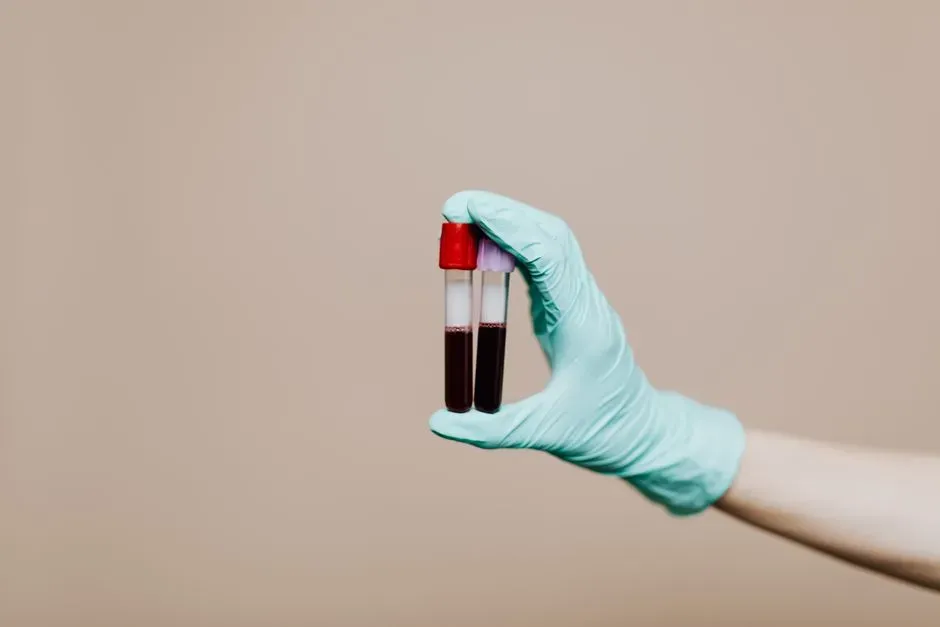
If clotted blood sounds impressive, this next find sounds almost impossible: blood that was still liquid.
Researchers examining Yuka, a young Siberian mammoth pulled from coastal permafrost, made a discovery that stunned the scientific community. What makes the carcass special is that it is extraordinarily well-preserved, with liquid blood present alongside pink flesh and fur. Liquid blood, in an Arctic carcass, defied basic expectations about how long-frozen bodies behave.
The lead researcher on the expedition still remembers the exact moment it happened.
The blood flowed out from there, it was very dark… it was the most astonishing case in my entire life.
Semyon Grigoryev
Scientists later suggested that unique salts or antifreeze-like proteins in the tissue may have kept it from solidifying completely.
Quick Compare
| Specimen | Discovered | Age at Death | Signature Find |
|---|---|---|---|
| Lyuba | May 2007, Yamal Peninsula | ~30-35 days old | Milk and mud packed in the trunk |
| Khroma | October 2008, Yakutia | ~52-57 days old | Clotted blood in intact vessels |
| Yuka | August 2010, Sakha | ~6-8 years old | Liquid blood and a preserved brain |
This single discovery reignited global cloning speculation, though most geneticists remain far more skeptical than the headlines suggest. And the blood wasn’t even the strangest thing sitting right next to it.
#10 – Muscle Tissue the Color of Fresh Meat
Alongside the liquid blood, researchers found something even harder to believe: muscle that still looked freshly butchered.
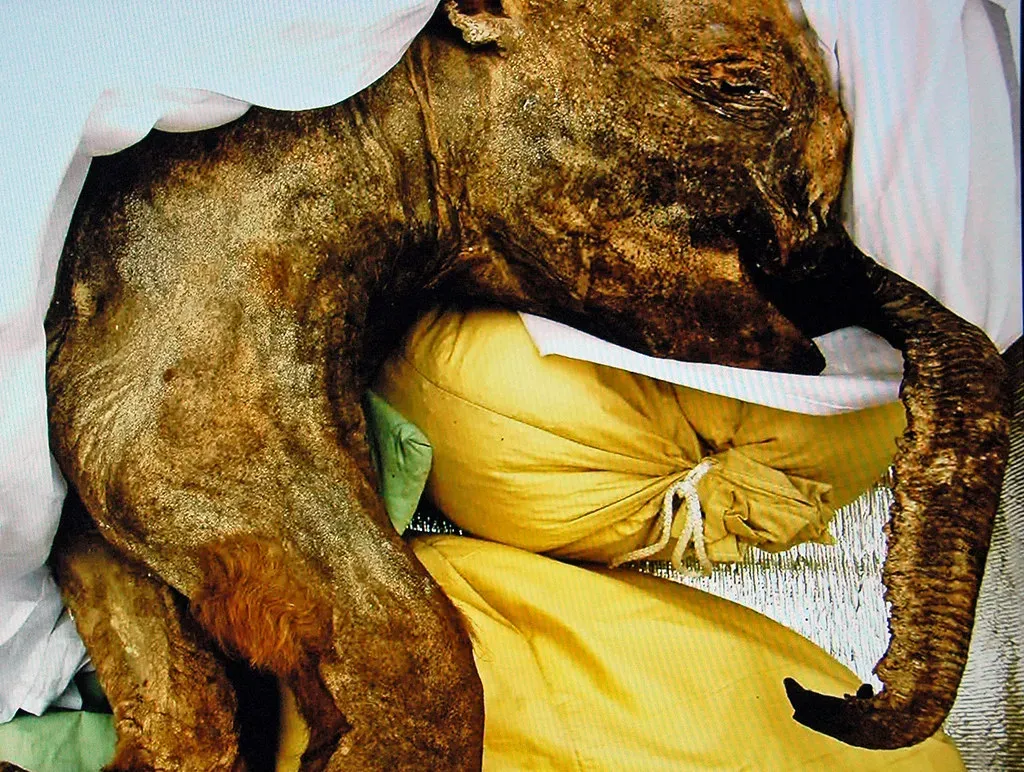
Grigoryev, describing the same specimen, noted the tissue’s unnatural color firsthand, explaining that the muscle tissue was still red, the color of fresh meat – a detail that shocked even veteran mammoth researchers. Muscle tissue typically darkens, dries, or disintegrates over thousands of years, not stay vividly red.
This wasn’t an isolated claim. Multiple expeditions studying separately preserved specimens reported similar textures, describing fragments that looked like they belonged in a butcher’s case rather than a museum freezer. Scientists have since used these samples for detailed cellular analysis, hoping to understand exactly how tissue this fresh-looking survived tens of thousands of years underground.
It’s tempting to call this a “miracle,” but biologists insist it’s simple chemistry – extreme cold combined with rapid burial, nothing supernatural involved. Just as impressive, though, was what had been hiding under the skin the whole time.
#11 – A Thick, Life-Saving Layer of Fat
Every one of these calves carried a hidden survival tool wrapped just beneath their skin.
Adult woolly mammoths were built for brutal cold, and that insulation started in infancy. Highly adapted to the cold, they had a two centimetre-thick hide, eight centimetres of body fat, a dense undercoat and small, fur-lined ears. Even as calves, mammoths were already developing this same protective fat layer.
Lyuba’s dissection confirmed this pattern clearly. Researchers noted that despite the potential lack of high-quality plant foods available to her mother at this time, abundant subcutaneous fat indicates that this mammoth calf was well nourished. This told scientists something important: even during a harsher climate period, mammoth mothers were producing rich enough milk to keep their calves thriving.
A poorly-fed calf simply wouldn’t have this fat reserve, which is exactly why researchers use it as proof of a healthy population, not a starving one. Yet even her fat wasn’t as strange as what turned up deep inside her lungs.
#12 – Fungi and Pollen Buried Deep in the Lungs
Even the lungs held secrets that had nothing to do with breathing at all.
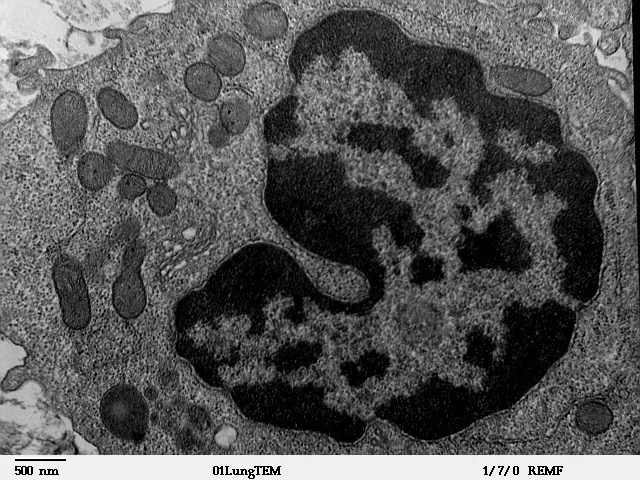
When researchers examined lung tissue samples under a microscope, they didn’t just find bacteria – they found signs of an entirely separate biological invasion. Fungi and pollen were seen in the lung sample as well. This means airborne and waterborne particles had penetrated deep into her respiratory system, likely during the same struggle that filled her trunk and throat with mud.
This detail matters more than it might seem. It confirms that Lyuba’s death wasn’t quiet or peaceful – she was actively breathing, or trying to, while submerged in muddy, contaminated water. Every particle recovered from her lungs adds another data point to the timeline of her final moments.
Most people picture a peaceful “freezing to death,” but the lung evidence paints a far more violent, chaotic final struggle. And still, the single most jaw-dropping discovery in mammoth history was saved for last.
#13 – A Preserved Mammoth Brain – The Only One Ever Found
Save the most extraordinary discovery for last: an actual mammoth brain, intact enough to study.
No other mammoth specimen in history has offered this. Researchers confirmed that Yuka represents the first and only case of a preserved mammoth brain ever recovered from permafrost. Brains are notoriously fragile and typically decay faster than almost any other tissue – making this find almost unheard of in paleontology.
Detailed imaging revealed astonishing structural detail. Scientists reported that she was examined through X-rays, CT scans and MRIs, with a significant focus on the animal’s brain, in which the dura-mater (outer membrane of the brain), folds and blood vessels were clearly visible, along with the cerebellum. Researchers could trace actual brain folds and blood vessel pathways – anatomy previously only theorized from elephant comparisons.
Worth Knowing
- Yuka was discovered by local tusk hunters along Siberia’s coast in August 2010.
- Tooth and tusk analysis suggests Yuka was around 6 to 8 years old at death – far older than either Lyuba or Khroma.
- Predator attack has long been suspected, but no direct evidence of a fatal strike was ever confirmed.
- Yuka has been on permanent public display in Moscow since 2014.
This single brain rewrote what scientists thought was possible to recover from Ice Age permafrost. No bone, no tusk, no tooth has ever told researchers this much about how a mammoth’s mind was actually built.
The Bottom Line
Strip away the headlines about cloning, and what’s left is genuinely staggering: these calves weren’t fossils – they were biological time capsules, complete with milk, blood, mud, and even a functioning brain structure still intact after 40,000 years.
Lyuba proved mammoths suffocated violently rather than freezing peacefully. Yuka proved that liquid blood and fresh-looking muscle could survive nearly 40 millennia underground. Frankly, the “gross” details – the eaten dung, the mud-packed trunk – matter more scientifically than any tusk ever has, and it’s time museums start giving these facts the spotlight instead of burying them for shock value.
Which discovery genuinely surprised you the most? Drop your pick in the comments.