Most people assume our ancestors ate “clean” diets – no chemicals, no shortcuts, nothing but fresh berries and grass-fed everything. They’re wrong. Badly wrong. Prehistoric humans regularly ate things that would send a modern doctor into cardiac arrest: meat aged for weeks without refrigeration, organs so saturated with vitamin A they were essentially poison, and yes, sometimes each other.
Survival beat safety almost every single time, and the archaeological record is far weirder than any paleo-diet influencer would ever admit. Cave art, fossilized bite marks, ancient genomes – the evidence keeps stacking up, and some of it borders on horrifying. Here’s what actually made it onto the prehistoric menu, starting with something sweeter than you’d expect.
#14: Wild Honey, Toxins and All
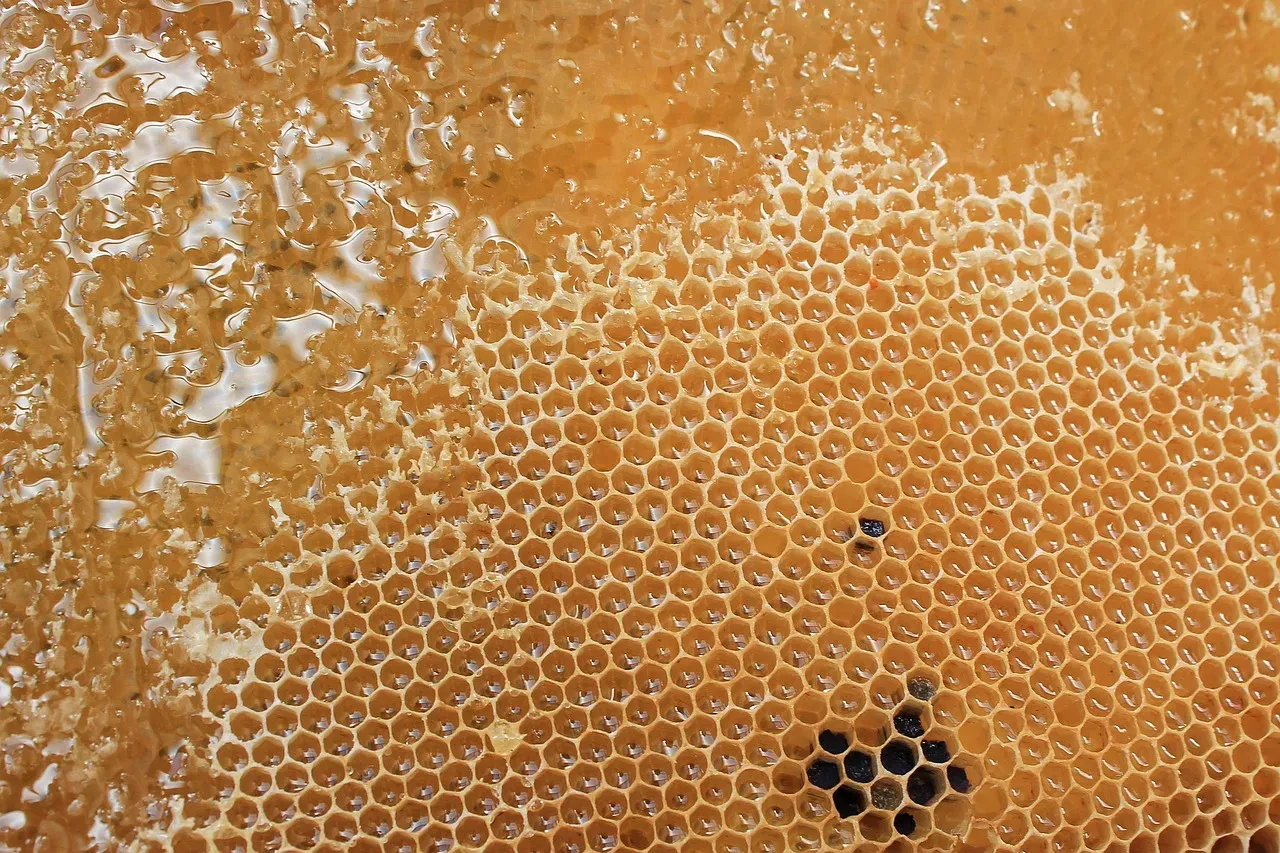
Cave art depicting honey harvesting dates back tens of thousands of years, and prehistoric foragers climbed cliffs and braved furious swarms just to get at it. Honey was rare and calorie-dense in a world with almost no sugar, which made it worth the risk. But not every batch was safe to eat.
In regions where bees fed on toxic flowering plants, the honey itself could carry naturally occurring neurotoxins – the kind that cause dizziness, vomiting, and irregular heart rhythms. There was no lab test for a jar of honey – foragers learned safety the hard way, sometimes fatally. Sweetness was worth gambling on. Sometimes the gamble didn’t pay off.
#13: Raw, Wriggling Insects by the Handful
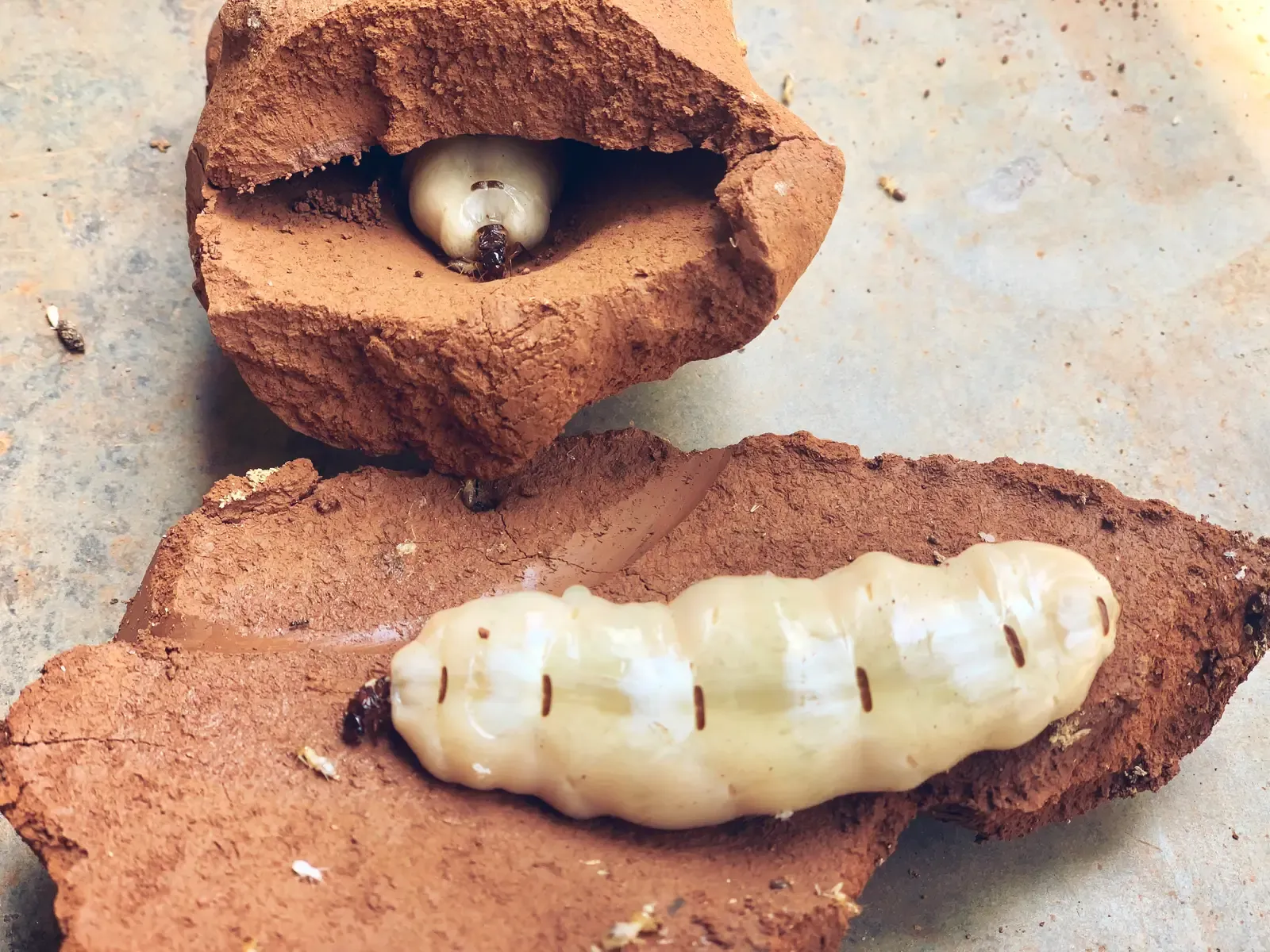
Insects weren’t some desperate last resort for prehistoric humans – they were a dependable protein source people actively sought out. The Magdalenian cave of Les Trois Frères in southwestern France has a grasshopper engraved directly into an animal bone, and Spain’s famous Altamira cave depicts what researchers interpret as edible insects alongside wild bee nests. This wasn’t decorative. It was a menu, carved in stone.
Nutritionally, the choice makes sense: many insects run 40 to 70 percent protein by dry weight, rivaling or beating meat gram for gram. Paleolithic diets combined big-game meat with tubers, nuts, wild grasses, honey, and, yes, bugs – eaten raw, straight off the ground or out of a rotting log, no fire required. To modern eyes it looks primitive. To an ancient forager, it looked like efficient calories.
At a Glance
- Insects appear carved into Ice Age cave art at Les Trois Frères and Altamira, suggesting deliberate significance rather than accidental foraging.
- Many edible insects run 40 to 70 percent protein by dry weight, rivaling or beating meat gram for gram.
- Most bugs were eaten raw and unprocessed, pulled straight from logs or the ground with no fire required.
- Insects were folded into a broader survival diet alongside tubers, nuts, wild grasses, and honey.
#12: Bone Marrow Aged for Nine Weeks
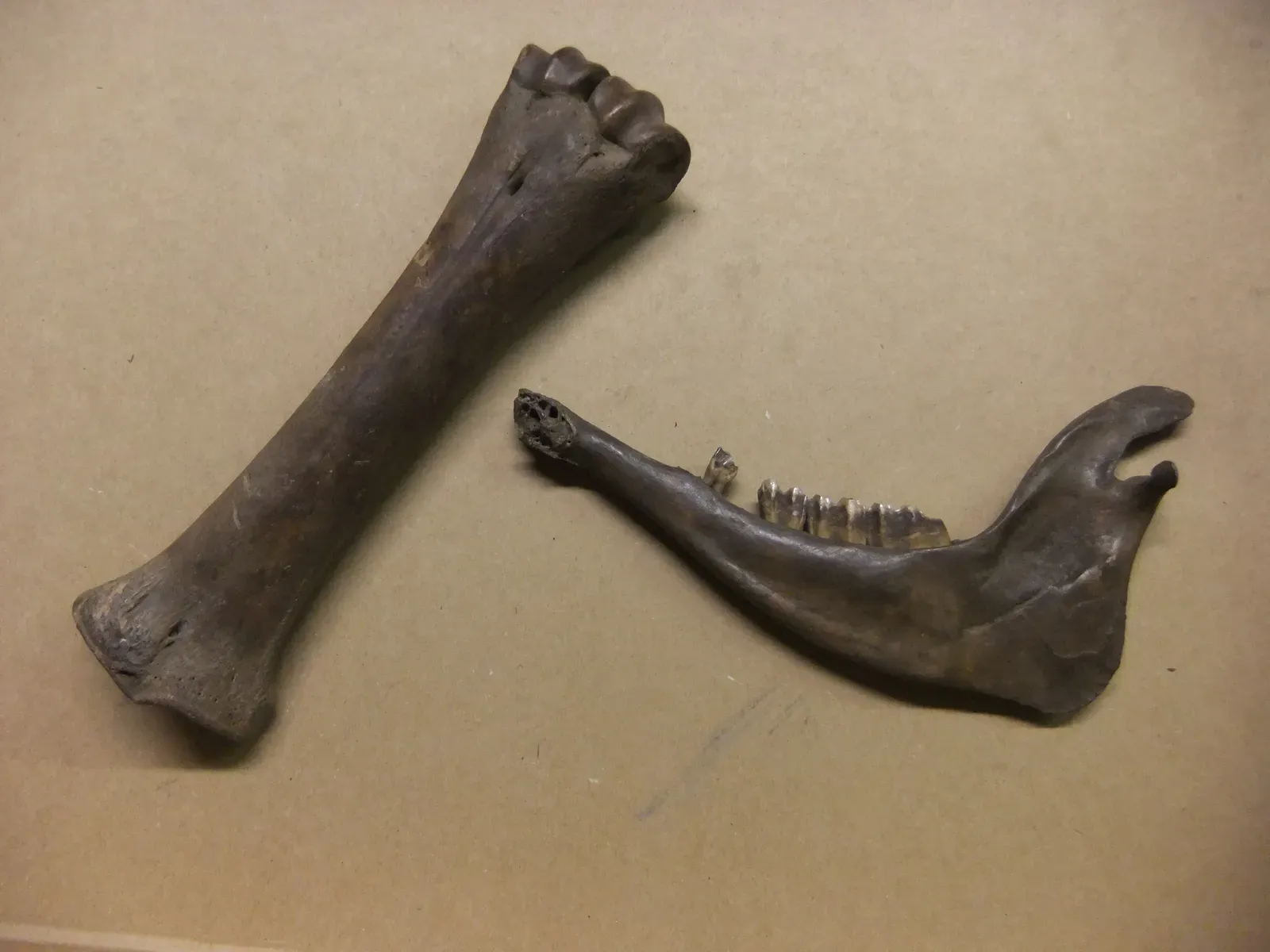
Modern food safety would call this a lawsuit waiting to happen. At Qesem Cave near Tel Aviv, Tel Aviv University researchers found direct evidence that early Paleolithic people stored animal bones – skin still intact – for up to nine weeks before cracking them open and eating the marrow inside. That’s more than two months of raw bone sitting in a cave before anyone touched it.
This wasn’t sloppy hoarding, either. Researchers describe it as a deliberate, sophisticated practice: early humans understood that leaving the skin and bone intact created a natural, if imperfect, seal against bacteria and spoilage, letting them stretch a single kill across weeks instead of days. Nine weeks is longer than most people leave leftovers in a fridge – and this had no fridge at all.
#11: Meat Deliberately Left to Rot
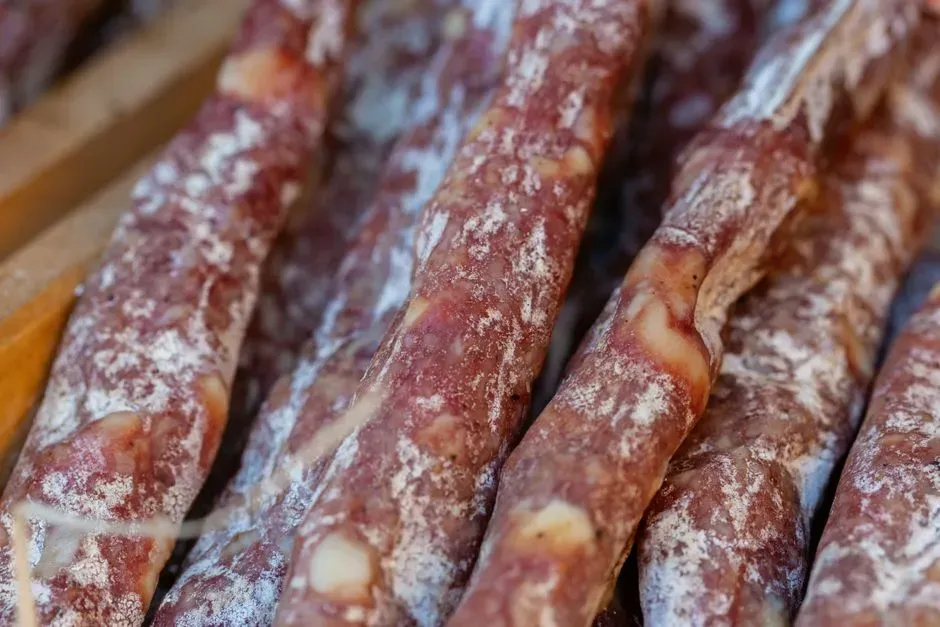
This is the one that makes food safety experts wince hardest, because some researchers argue prehistoric humans didn’t just tolerate rotten meat – they went looking for it. Anthropologist John Speth has spent decades tracing a long, likely ancient practice among northern Indigenous groups: eating fermented and putrid meat, fish, fat, and organs on purpose. His review of historical records turned up putrid walrus, seal, caribou, reindeer, musk ox, polar bear, moose, arctic hare, and ptarmigan, all eaten well past the point a modern nose would tolerate.
This wasn’t some isolated Arctic quirk, either. Anthropologist Frank Marlowe documented the same instinct among Tanzania’s Hadza, who regularly ate week-old, thoroughly rotten meat scavenged from other predators’ kills. Rotting meat wasn’t a mistake ancient humans tolerated – for a lot of groups, it was simply part of the process.
#10: Maggots as a Regular Menu Item
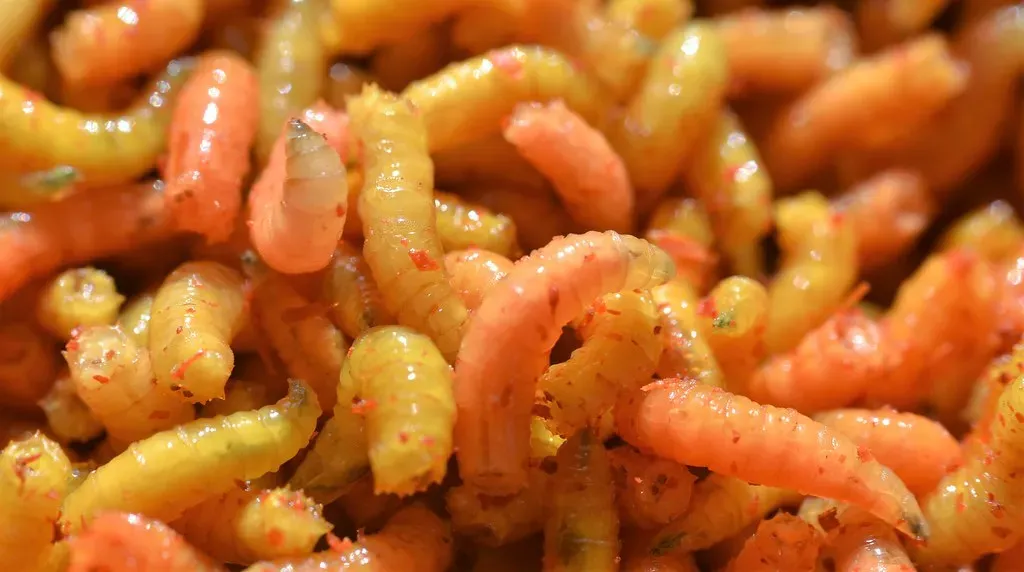
If bugs sound tame, this crosses a line for most modern stomachs: maggots, living and squirming inside decomposing meat, eaten as a matter of course. New research suggests this wasn’t spoiled food eaten out of desperation – it may have been expected, even planned for. The maggots that form as meat decomposes appear to have played a real role in Stone Age diets, not an accidental one.
The research behind this wasn’t easy work, either – the lead researcher has said the two-year study required a genuinely strong stomach. Wil Roebroeks, professor emeritus of paleolithic archaeology at Leiden University, called it a fascinating line of inquiry that reshapes how we think about Neanderthal and other Late Pleistocene diets. What looks like an accident of spoilage to us may have been, to them, a reliable protein source crawling right there for the taking.
“It certainly gives a fresh – if that is the right word here – perspective on Neanderthal and other Late Pleistocene humans’ diets.”
Wil Roebroeks, professor emeritus of paleolithic archaeology, Leiden University
#9: Raw Meat Eaten Half-Frozen Off the Carcass
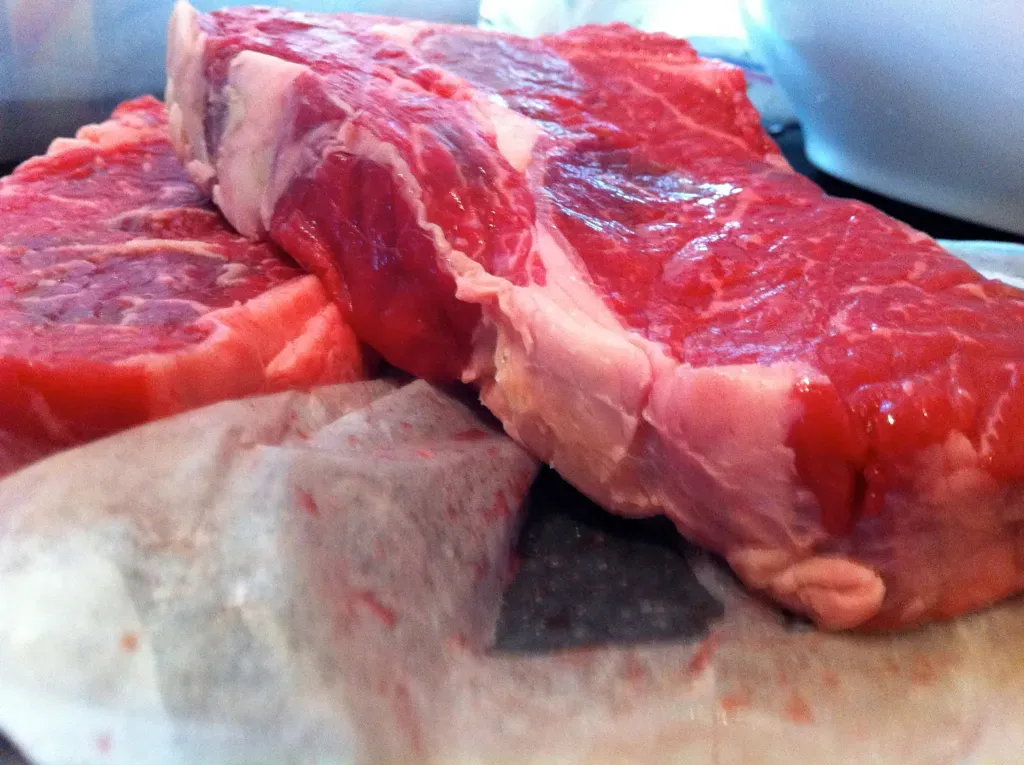
Cooking gets all the credit as humanity’s great leap forward, but plenty of prehistoric meals never saw a flame. Comparisons with modern northern foraging groups point to a pattern that likely goes back tens of thousands of years: meat and fish eaten raw, sometimes frozen and partially thawed for a specific crystalline texture, sometimes dried or smoked, and sometimes still warm, cut straight from a freshly killed animal.
Texture mattered as much as taste, and speed sometimes mattered more than either. Eating a kill warm and raw on the spot skipped the wait entirely, but it came with real risk – parasites, bacteria, zero quality control, no do-overs. Raw and fermented preparations likely coexisted for most of human history, chosen on the fly depending on climate, urgency, and whatever tools happened to be on hand.
#8: Predator Liver Packed With Toxic Vitamin A
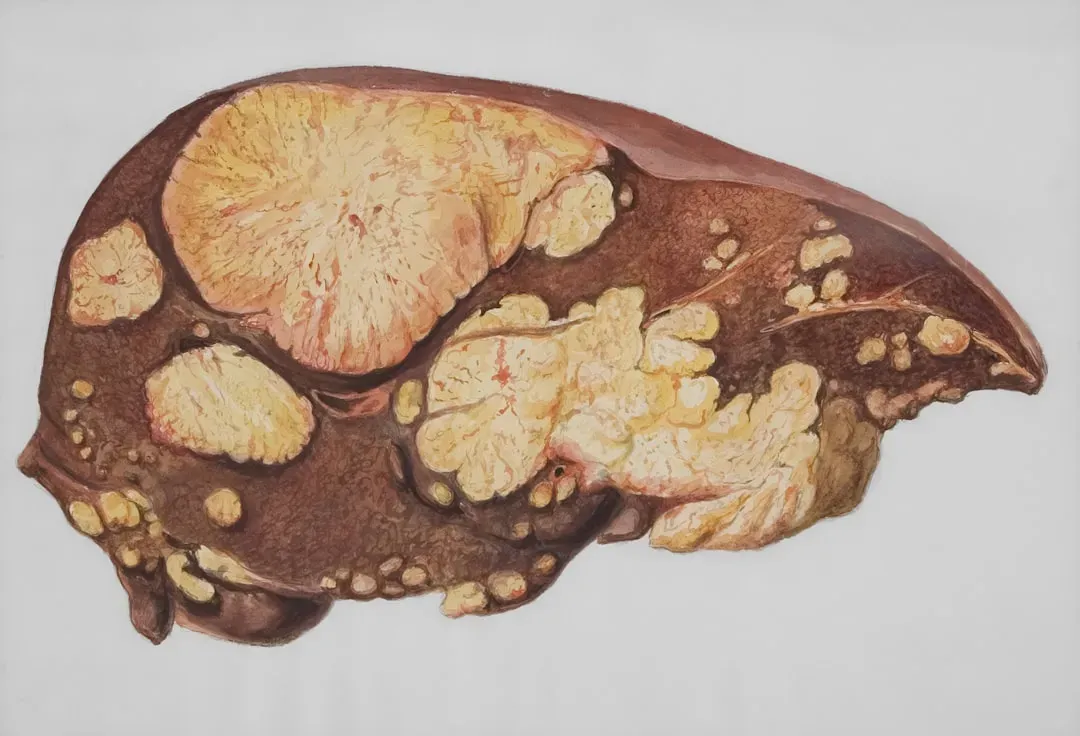
This is one prehistoric food choice modern medicine can prove was flat-out dangerous, not just unappetizing. Vitamin A toxicity was first documented in arctic explorers and Alaskan Natives who fell seriously ill after eating polar bear and seal liver, organs that concentrate extreme levels of preformed vitamin A. And here’s the part that surprises most people: cooking does absolutely nothing to fix it.
Retinol is heat-stable and fat-soluble, so unlike bacteria or certain proteins, its chemical structure doesn’t break down at normal cooking temperatures. No amount of roasting makes a poisoned liver safe. Indigenous groups across Siberia, Alaska, and northern Canada eventually learned this the hard way and made polar bear and seal liver taboo entirely – a rule almost certainly written in blood by prehistoric hunters who didn’t have that warning yet.
Fast Facts
- Common symptoms include dizziness, vomiting, and skin peeling severe enough to alarm anyone who’s never heard of the condition.
- Toxicity has occurred from eating just a few grams to several ounces of liver in one sitting.
- Historic polar expeditions, including the 1911–1914 Australasian Antarctic Expedition, documented fatal cases tied directly to eating bear liver.
- Vitamin A only dissolves in fat, so unlike other vitamins, the excess can’t simply exit the body in urine.
#7: Raw Organs, Entrails and Body Fluids
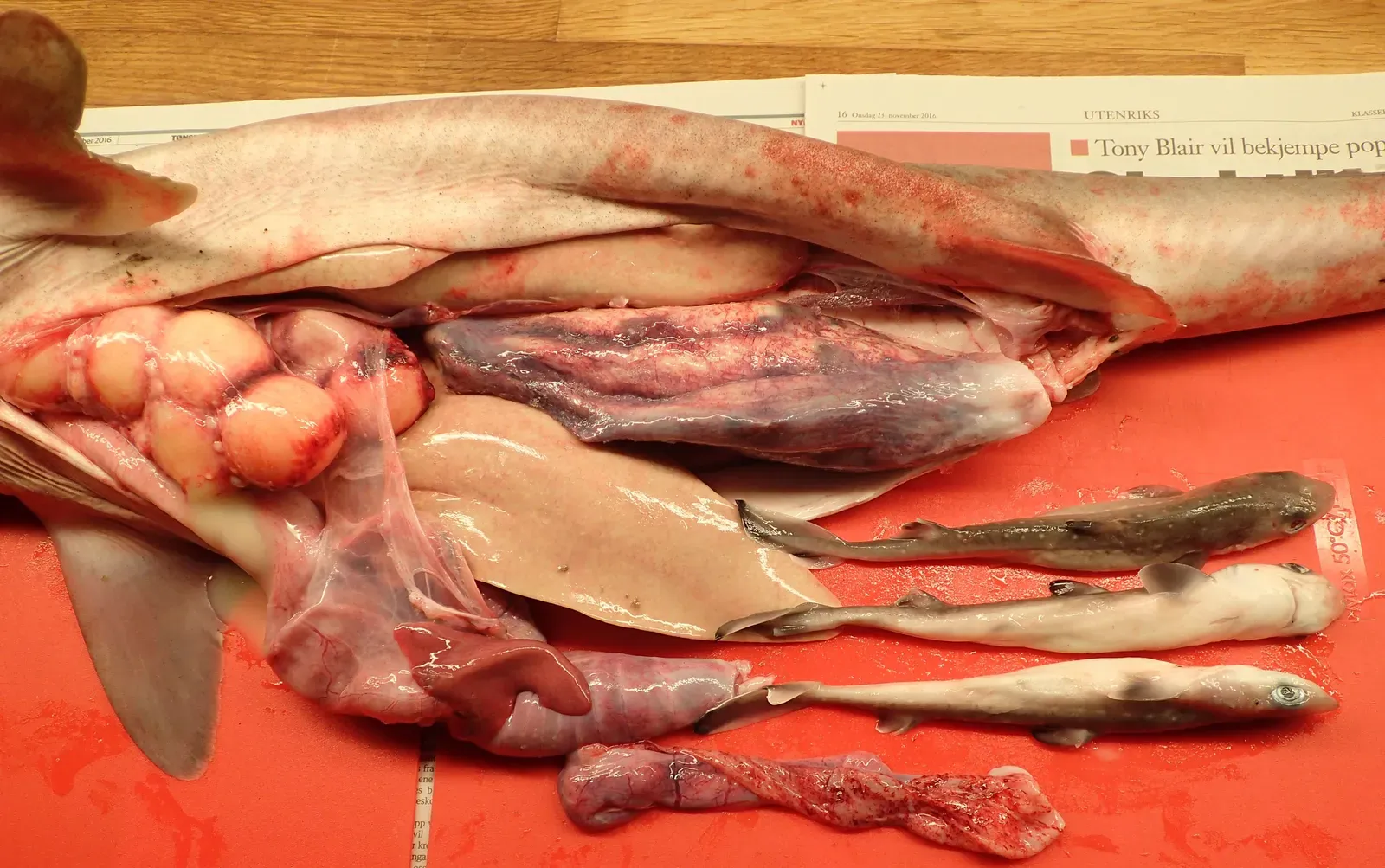
Nothing on a carcass went to waste, including the parts a modern diner would push straight to the edge of the plate. Speth’s research lays it out plainly: prehistoric foragers show no signs of squeamishness about eating organs, entrails, and body fluids, often letting them ferment or even rot as a completely normal part of preparation. This wasn’t a fringe habit reserved for emergencies – it was standard practice across cold-climate hunting cultures.
Strangely enough, this habit may have quietly protected them. Despite limited access to fish and marine mammals, researchers doubt Neanderthal-like foragers suffered much from vitamin C deficiency or scurvy, largely because organs and body fluids delivered nutrients that muscle meat alone simply couldn’t provide. Repulsive by modern standards, sure – but nutritionally, it was smarter than it looks.
#6: Rancid, Oxidized Animal Fat
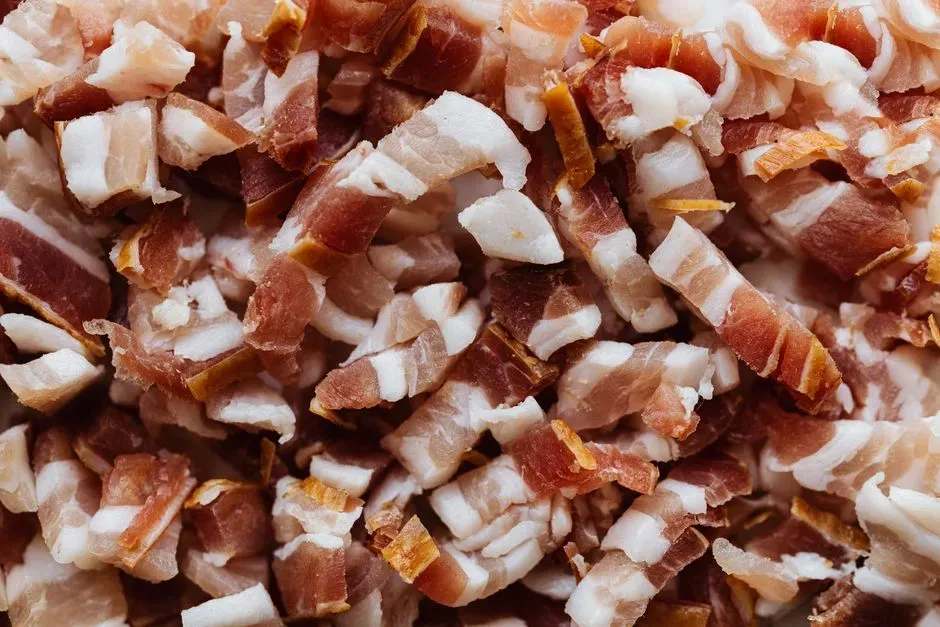
Fat spoils fast, and prehistoric humans ate plenty of it well past the point any modern nutrition label would call “fresh.” The science is unforgiving: the moment an animal dies, its fat begins autoxidizing, turning rancid, with the most nutritionally valuable polyunsaturated fats degrading first. In a warm climate, stored fat could turn within days.
Fermentation, not refrigeration, appears to have been the workaround. Long before anyone understood microbiology, bacteria were doing preservation work for ancient groups – extending the shelf life of fat stores while simultaneously breaking down tough proteins into something easier to digest. It wasn’t clean eating by any stretch, but it was surprisingly functional chemistry, discovered entirely by accident.
#5: Unleached Wild Plants, Roots and Acorns
Meat wasn’t the only risky business. Plenty of plant foods needed serious processing before they were safe, and prehistoric humans didn’t always get it right on the first attempt. Many wild tubers, seeds, and nuts carry natural bitter compounds and tannins that have to be soaked, leached, or cooked out – skip that step, and you’re not just eating something unpleasant, you’re eating something toxic.
Evidence from ancient cooking sites shows people were already experimenting well beyond basic survival needs. Charred plant remains from Shanidar Cave in Iraqi Kurdistan reveal crushed pulse seeds combined with wild plants for a deliberately pungent, bitter flavor – proof that Stone Age cooks were chasing taste, not just calories. But that ambition came with a cost: getting the leaching process wrong on the wrong plant meant real, sometimes fatal, toxicity, and generations likely paid for that knowledge one bad meal at a time.
#4: Whole Elephants and Mammoths, Fat Included
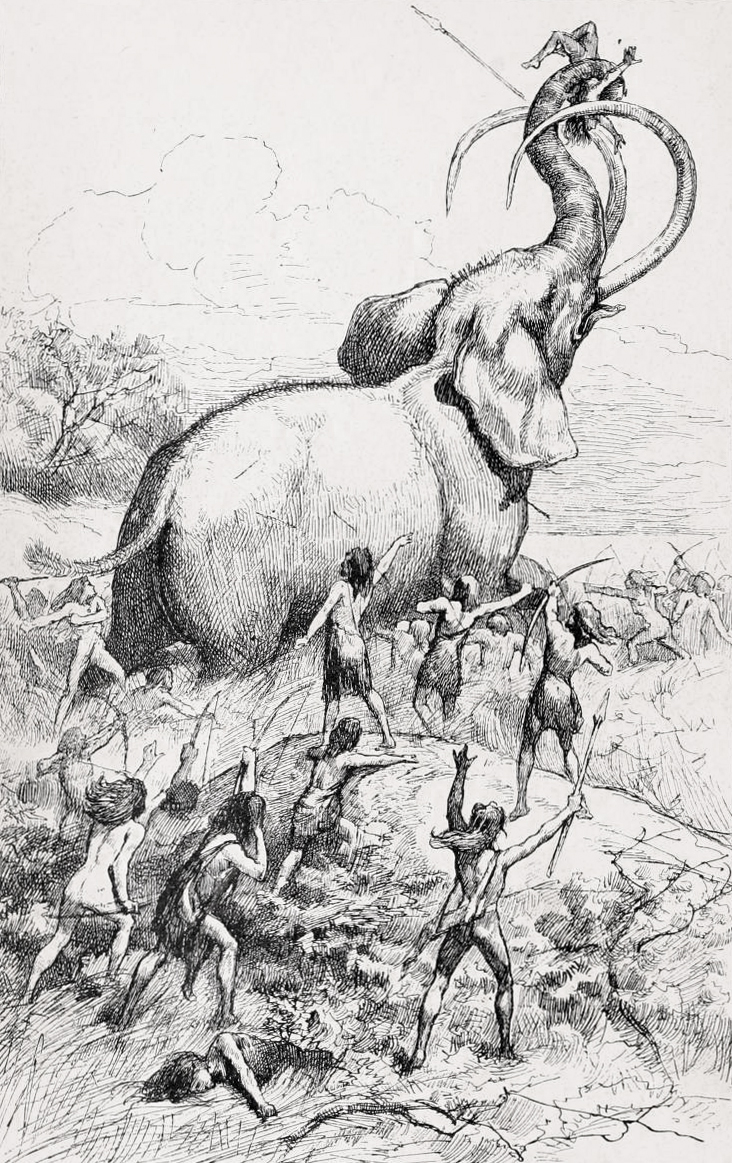
Long before anyone warned against saturated fat, prehistoric humans were hauling home entire megafauna and eating virtually every fatty part available. At Qesem Cave, elephants functioned as a dietary cornerstone for generations – and when they disappeared from the region, it forced a complete reinvention of how people ate and lived.
A single mammoth or elephant could feed a group for a remarkably long stretch, but that also meant enormous quantities of fat consumed in one extended sitting – far beyond anything a modern nutritionist would sign off on. The scale alone is staggering by today’s standards. And when megafauna vanished for good, it wasn’t just a dietary inconvenience; entire survival strategies had to be rebuilt from the ground up.
At a Glance
- At Qesem Cave, elephants served as a dietary cornerstone for generations before vanishing from the region entirely.
- A single mammoth or elephant could feed a group for a remarkably long stretch, fat included.
- Fat consumption in one extended sitting could reach levels far beyond anything modern nutrition guidance would allow.
- When megafauna disappeared, entire survival strategies had to be rebuilt from scratch.
#3: Tortoises, Birds and Small Reptiles, Bones and All
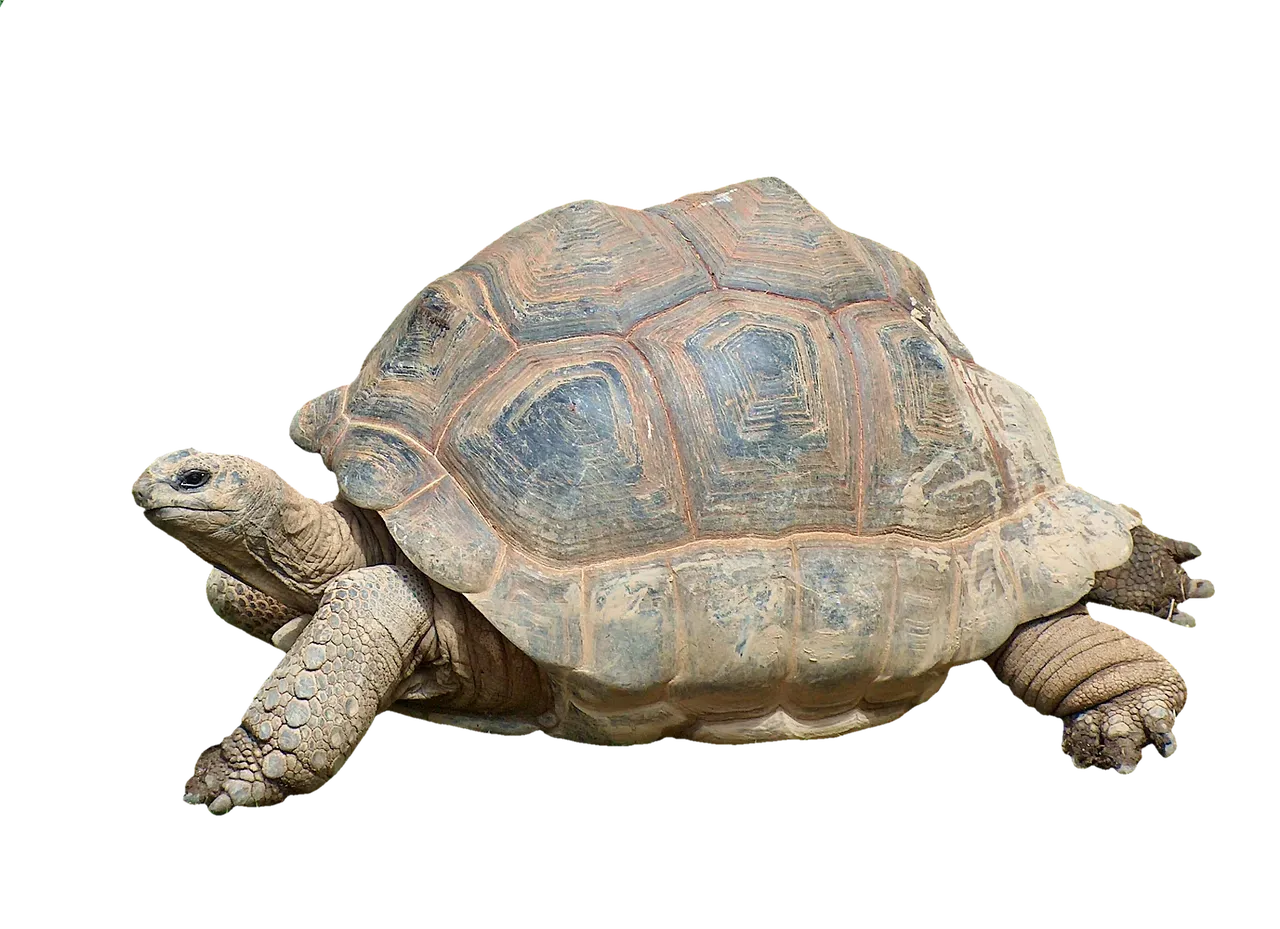
Not every prehistoric meal was a dramatic mammoth hunt. Plenty of protein came from small, unassuming animals eaten with far less caution than any modern chef would allow. Excavation data from Qesem Cave shows a genuinely broad menu – hoofed mammals, tortoises, birds, and occasional carnivores, with Persian fallow deer as the most common catch.
Tortoises in particular required almost no tools or effort to catch, making them the ultimate low-effort, high-reward snack. But small reptiles and birds carry their own pathogen risks – salmonella, parasites, especially when eaten quickly or undercooked in the field. Ancient foragers weren’t screening for any of it. They were just eating fast, before another predator got there first.
#2: Raw Animal Brains, Prions and All
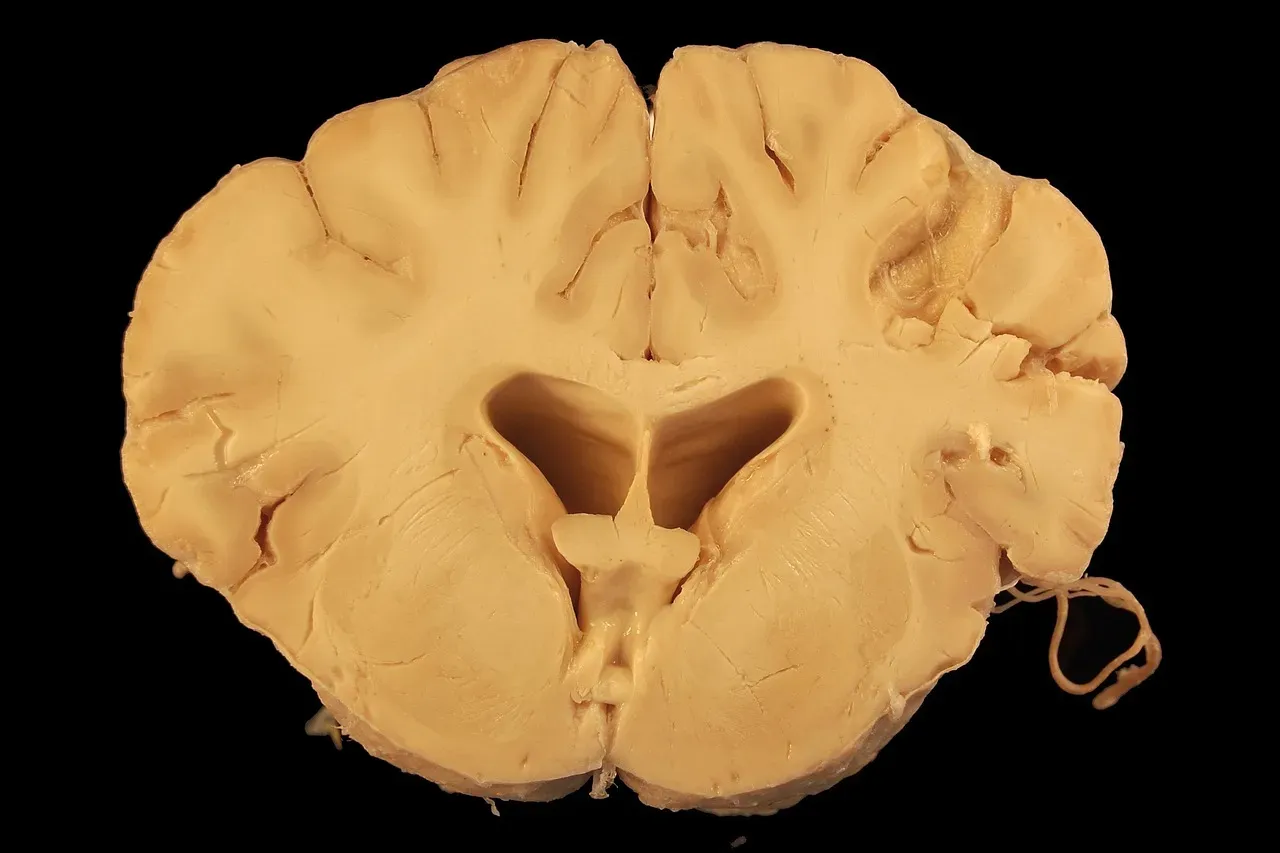
Brain tissue was a prized, calorie-dense delicacy in prehistoric diets – and also one of the riskiest tissues a person could possibly eat, then or now. Along with marrow and other organ meats, brain delivered fat-soluble nutrients that were nearly impossible to get from muscle meat alone, making it a logical choice for people working with limited food options. The problem is that brain tissue is exactly where infectious prion proteins concentrate.
Researchers studying disease-resistance genes have found striking evidence tied to this exact habit. Kuru, a fatal prion disease, became entrenched in one modern population through a mix of infectious prions and ritual cannibalism – eating brains doesn’t cause prion disease every time, but the odds of eating an infected one climb sharply with frequency. Ancient humans had zero way of detecting that risk before it was too late.
Worth Knowing
- Kuru is a fatal prion disease that became entrenched in a modern population through ritual cannibalism.
- Prion proteins concentrate specifically in brain tissue, unlike most other nutrients the body absorbs.
- Genetic studies have identified disease-resistant prion gene variants across multiple, widely separated global populations.
- Eating infected brain tissue doesn’t guarantee illness every time, but the odds rise sharply with repeated exposure.
#1: Human Flesh, Eaten by Other Humans
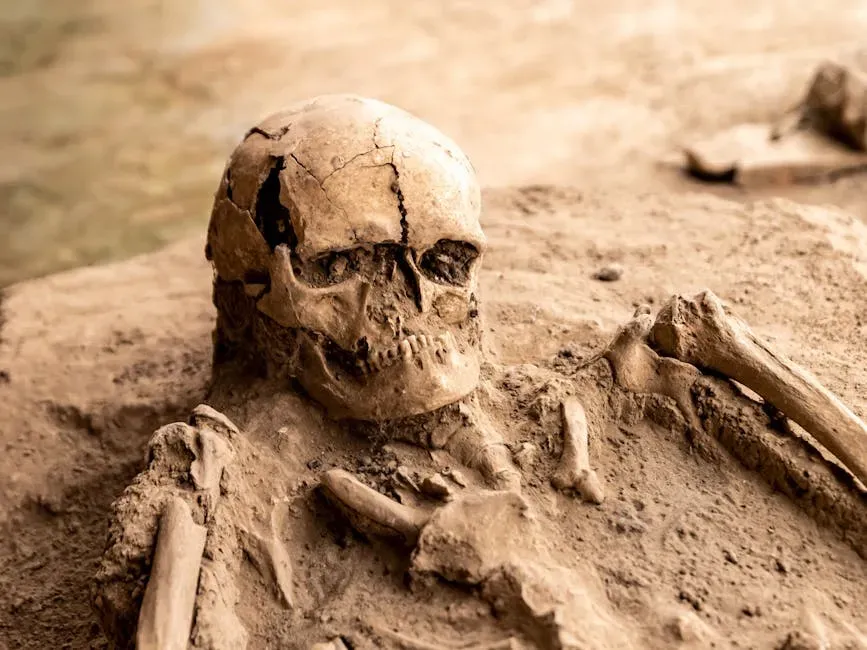
This is the discovery that would alarm any modern doctor more than anything else on this list: prehistoric humans regularly ate each other, and it left a scar still visible in human DNA today. The evidence isn’t speculative – it’s written directly into the genome. Researchers studying the prion protein gene across European, African, Japanese, and Fore populations found protective variations more than 500,000 years old, and cannibalism is the most likely explanation for why they spread so widely.
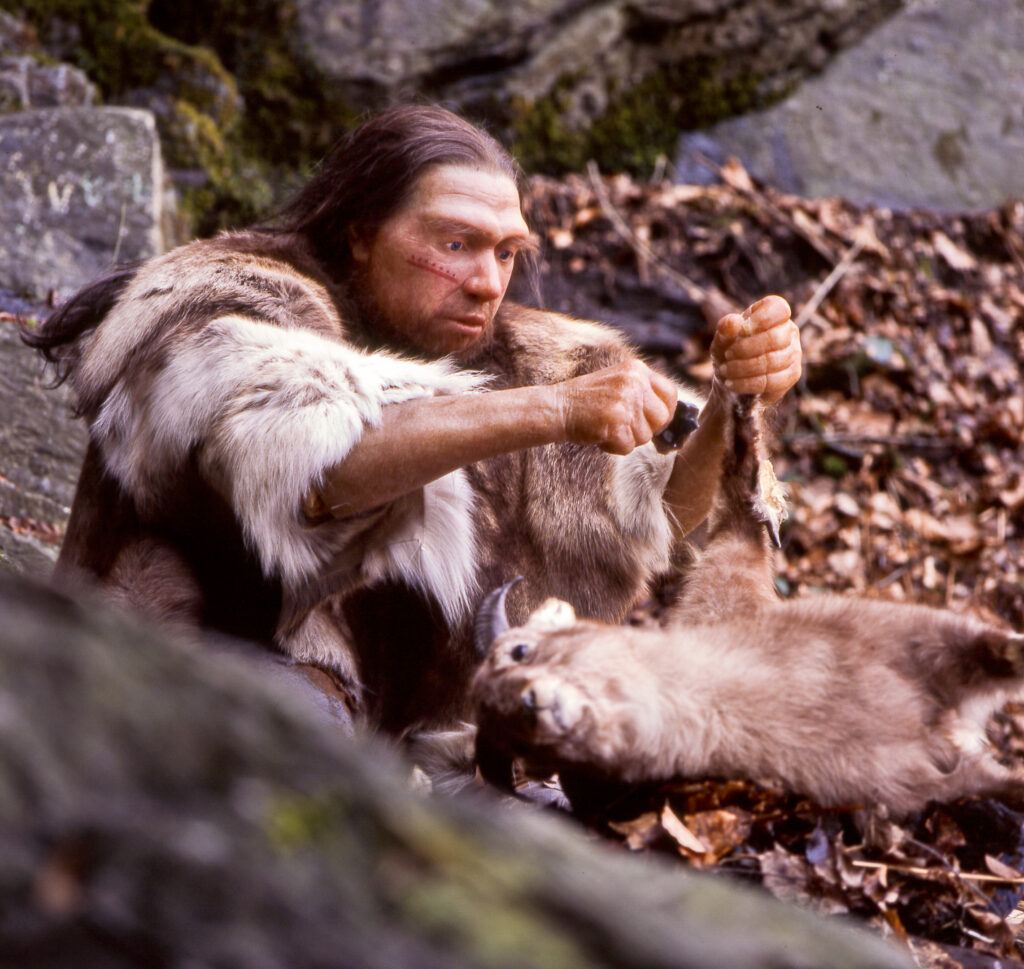
The physical evidence backs up the genetics. Marks on Neanderthal bones show that early humans filleted the chewing muscles from the heads of two young Neanderthals, sliced out at least one tongue, and smashed open a large adult’s leg bone for marrow – the fragments then dumped right alongside butchered deer and other animal remains. No ritual distinction, no ceremony. Human bones were processed exactly like animal carcasses. Ritual versions existed too: bones from Gough’s Cave in Southern England show clear signs of having been chewed by other humans, strongly suggesting anatomically modern humans practiced cannibalism as ceremony, not just survival.
The Bottom Line
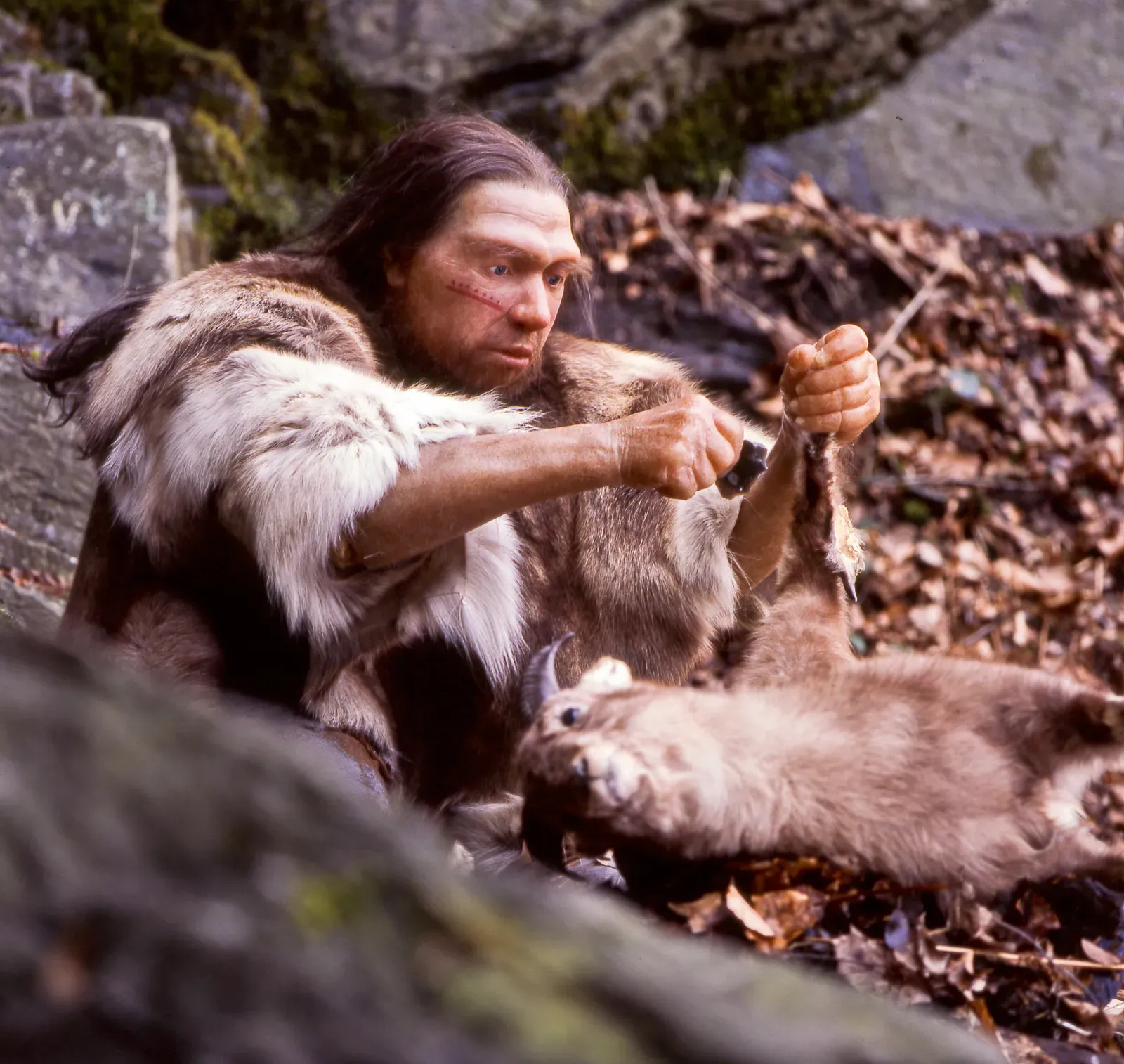
Prehistoric humans weren’t following some pristine, doctor-approved “clean eating” blueprint. They were surviving with whatever was in front of them, safe or not – weeks-old bone marrow, toxic polar bear liver, maggot-riddled meat, and in some cases, each other.
Modern medicine can now explain exactly why several of these choices were dangerous, from heat-stable vitamin A poisoning to prion diseases baked directly into human DNA. And honestly, that’s the real lesson here: the “clean ancestral diet” myth deserves to be retired for good. Our ancestors didn’t thrive because their food was safe – they thrived because they adapted faster than the risks could kill them off, and that messy, opportunistic, occasionally horrifying flexibility is the actual inheritance we’re all walking around with today.