Most people assume scientists have octopuses figured out by now, after all, we’ve kept them in glass tanks for over a century and photographed every color-changing trick they own. Actually, that couldn’t be further from the truth. Marine biologists routinely film behaviors so strange they contradict basic assumptions about brains, camouflage, and even death itself, and none of it is fringe speculation. It’s peer-reviewed footage from real labs and real reefs, and it keeps rewriting the same textbooks that were supposed to have this animal figured out.
Some octopuses appear to have nightmares. Others throw sand at suitors who won’t take a hint, punch fish that refuse to pull their weight on a hunt, or destroy their own arms on a schedule nobody can predict or explain. The deeper researchers dig, the less this animal behaves like anything else alive on Earth, and the countdown below ends with the single behavior even veteran scientists still can’t fully stomach.
#16 – The Parachute Bluff That Confuses Everyone Who Sees It
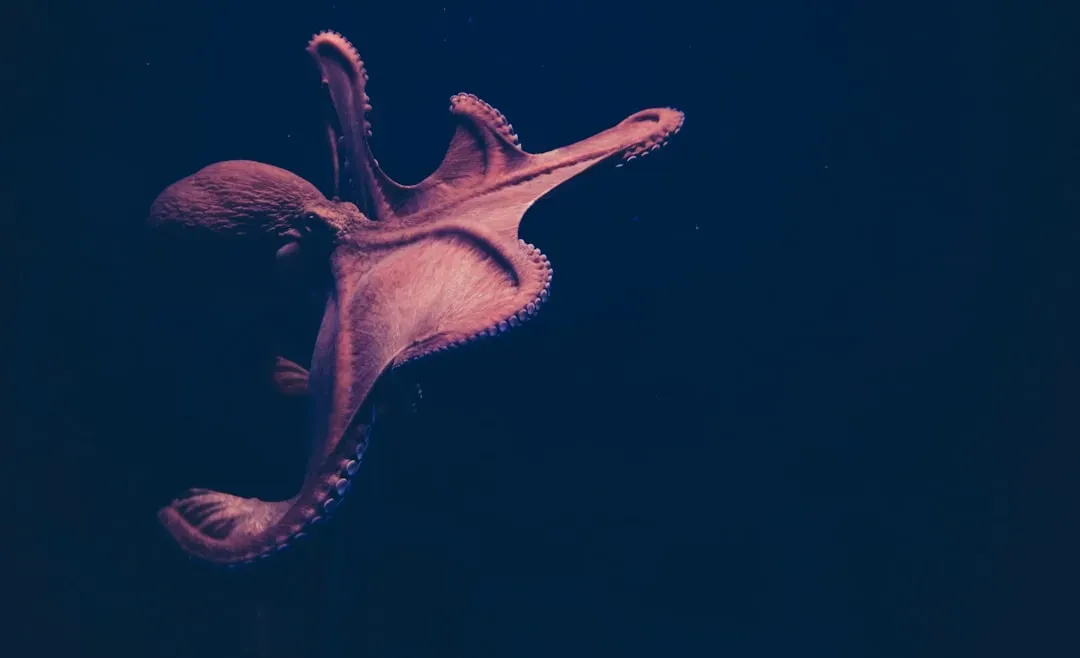
An octopus inflating itself into a giant water-filled balloon has left professional marine biologists publicly disagreeing on camera. In 2017, a diver off the coast of Australia filmed a wild octopus doing exactly this, swelling its body and spreading all eight arms into what looked like a parachute, twice, directly in front of her.
One biologist argued it was a predator-intimidation display, essentially screaming “I’m too big to eat.” Another suggested something far less dramatic: Kathleen Sullivan Sealey, an associate professor of biology at the University of Miami, proposed the octopus was simply hunting, using its inflated body like a net to trap prey against the reef. No consensus exists, and the footage still splits opinion among people who study octopuses for a living.
#15 – Octopuses May Be Having Nightmares
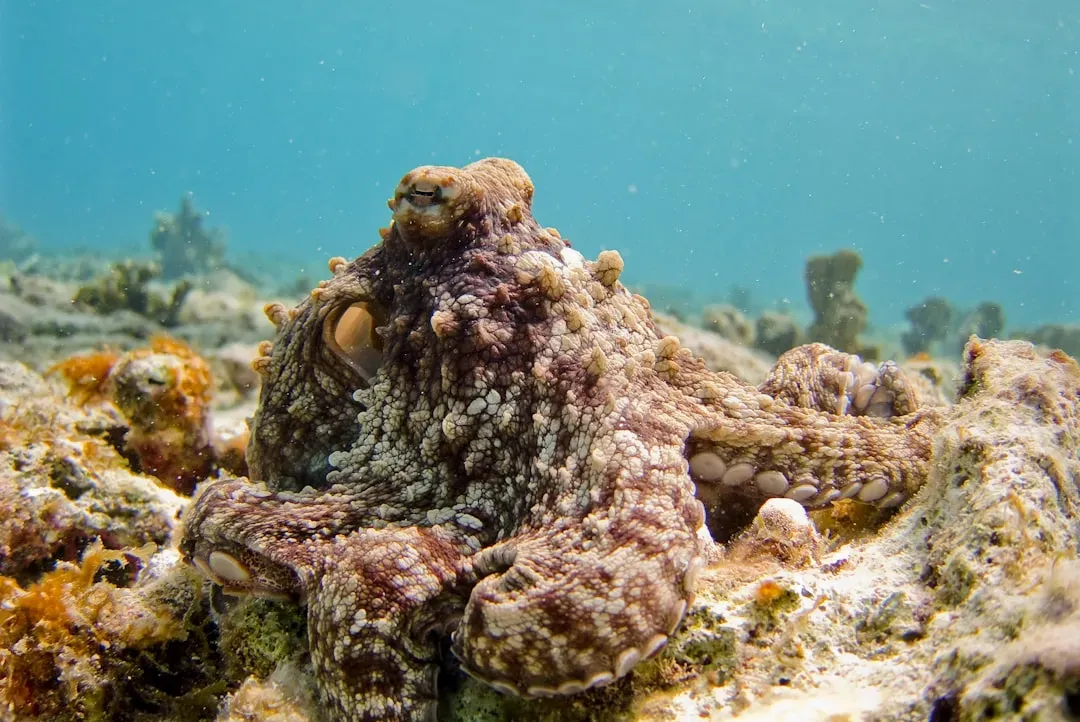
A male octopus in a New York laboratory was filmed jolting violently awake from sleep, over and over, for an entire month, and nobody can say why. The footage went viral for an obvious reason: it looked exactly like a person startling out of a bad dream.
Experts are refusing to call it that, though. “We don’t know enough about the neuroscience of sleep in cephalopods to know if they dream at all, let alone have nightmares,” according to comparative neurobiologist Robyn Crook, who adds that even if octopuses do dream, they might do it in a way that has no human equivalent. That’s a scientist admitting, on the record, that the honest answer is simply “we don’t know.”
#14 – They See Color With Eyes That Shouldn’t Be Able To
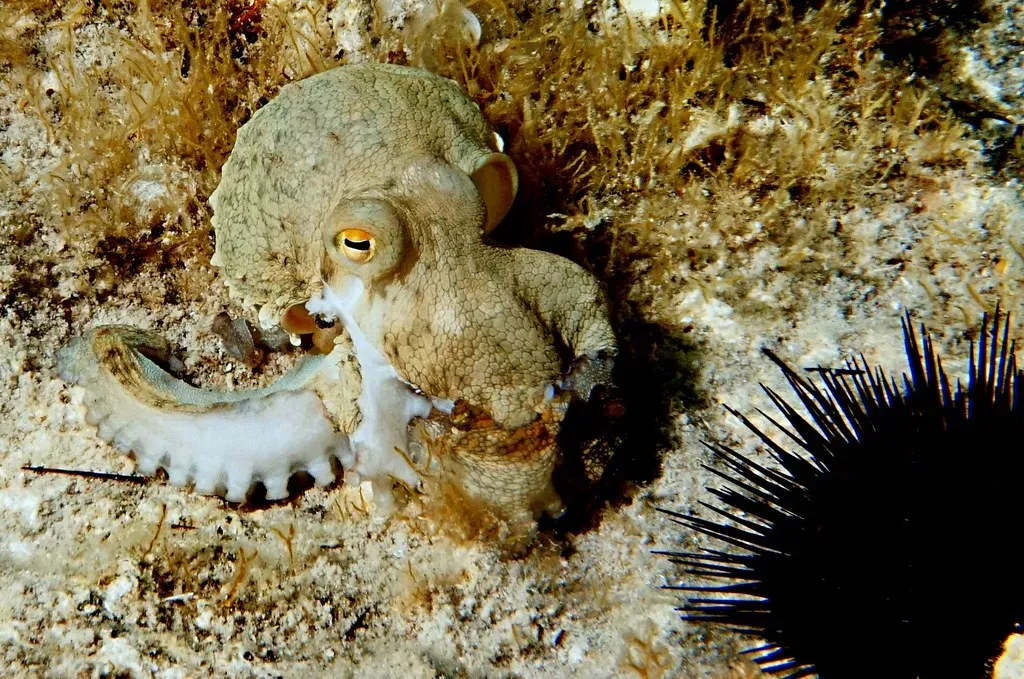
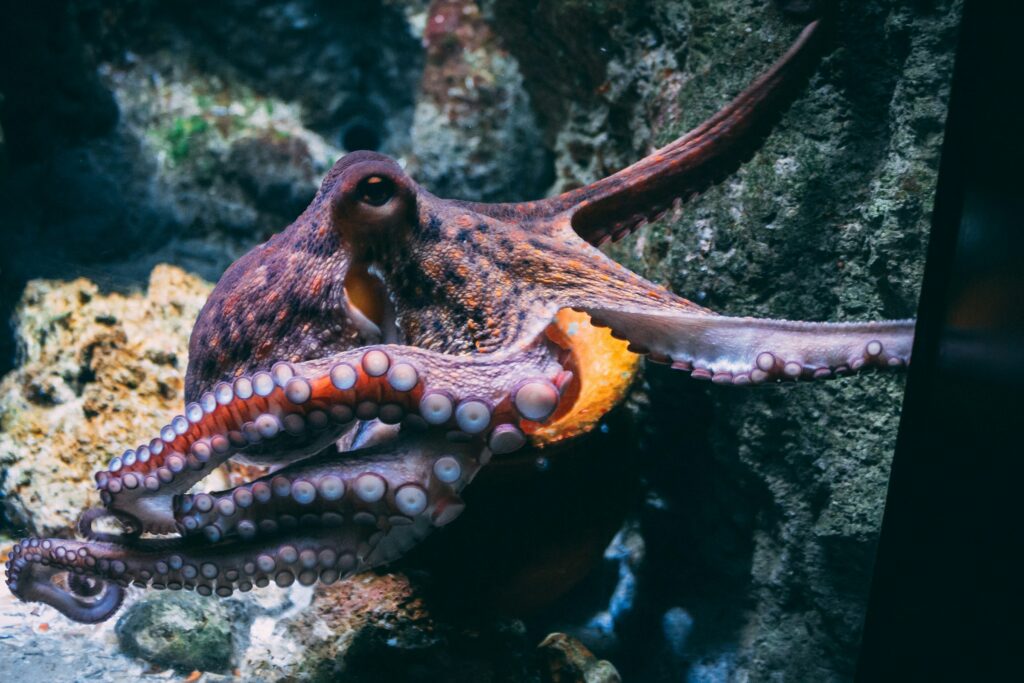
Octopuses match reef colors down to the exact shade during camouflage, despite having eyes that, on paper, are completely colorblind. This ability has genuinely puzzled scientists, because unlike humans, who have three types of color receptors, cephalopods have only one kind. By every textbook definition of vision, this shouldn’t be possible.
Yet divers and researchers alike have documented near-perfect color matching in real time, repeatedly. The leading theory sounds almost too strange to be real: researchers now hypothesize that the octopus’s unique dumbbell-shaped pupils act like prisms, breaking white light into separate wavelengths, and by changing the shape of its eyeball, the animal may bring different colors into focus one at a time. It’s an elegant idea, but it remains a hypothesis, not a confirmed mechanism.
#13 – A Sleep Cycle That Looks Uncomfortably Human
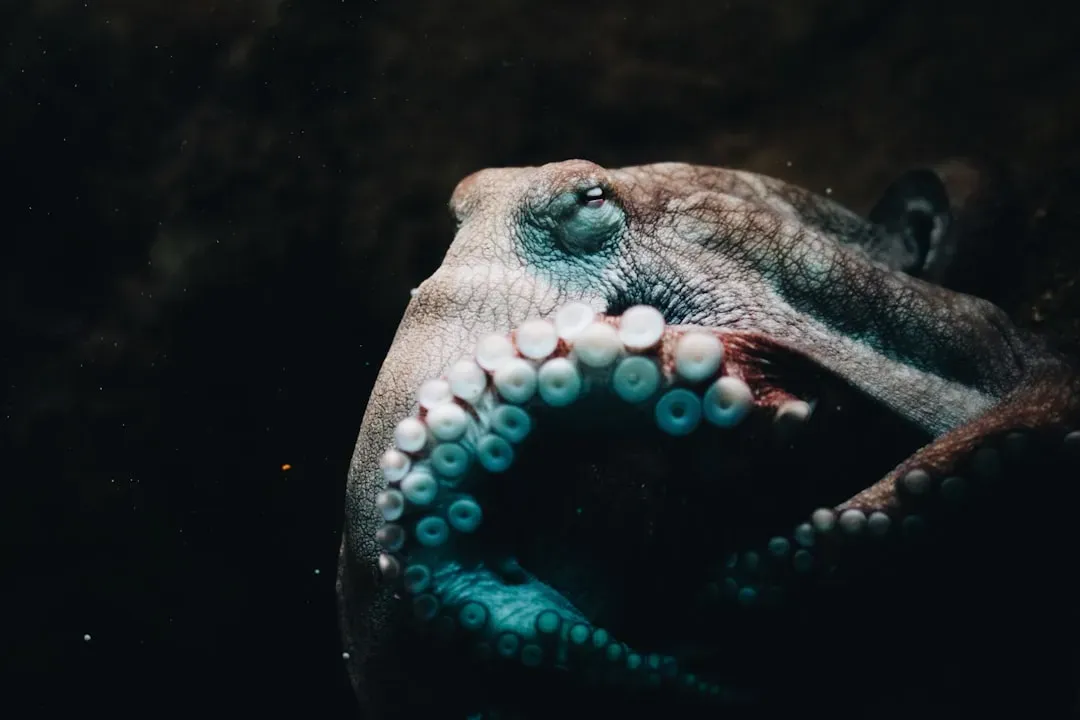
Octopuses don’t just sleep, they appear to cycle through two entirely distinct sleep stages, and scientists only confirmed this a few years ago. There’s a quiet sleep stage involving closed eyes and a flat, relaxed body lasting around 60 minutes, followed by an active stage with twitching eyes, shifting skin color, and a faster breathing rate that closely resembles REM sleep in mammals.
This finding stunned researchers, because REM-like sleep was assumed to require a vertebrate-style brain. Brazilian researchers who documented the pattern in 2021 called it a doorway into something bigger, writing that understanding how organisms as different as humans and octopuses can share a fundamental trait like layered sleep opens new avenues for studying animal cognition itself. If sleep architecture evolved twice, independently, in two totally unrelated branches of life, that raises uncomfortable questions about what else might be shared.
Quick Compare
- Quiet Sleep: Closed eyes, flat and relaxed body, lasting roughly 60 minutes
- Active Sleep: Twitching eyes, shifting skin color, and faster breathing
- Human Parallel: Active stage closely mirrors REM sleep in mammals
- Confirmed: Documented by Brazilian researchers in 2021
#12 – Eight Arms, Eight Separate Minds
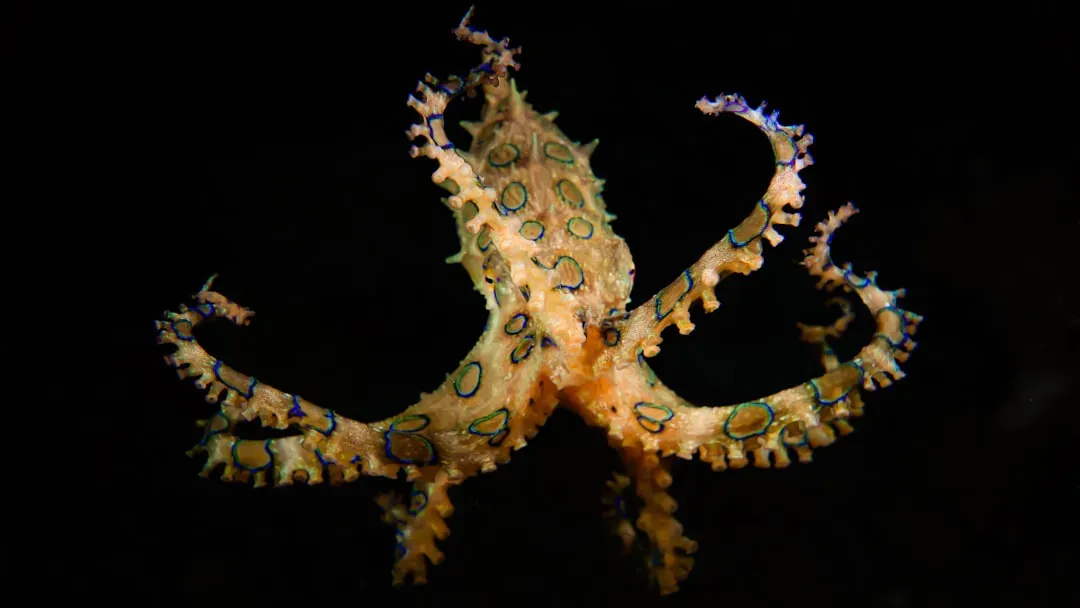
This is the discovery currently rewriting octopus neuroscience textbooks in real time: each arm may function like its own decision-maker. A landmark study published in Scientific Reports in September 2025 documented something marine biologists had long suspected but never quantified, octopuses don’t just have eight arms, they have eight semi-independent processing units, each capable of complex sensorimotor decisions without waiting for input from the central brain.
The implications are genuinely bizarre. The octopus doesn’t have a brain that controls a body, it is a body whose parts collectively generate intelligent behavior, less like a single computer and more like a wireless network processing information simultaneously across every limb. Most animal cognition research assumes one central command center, and octopuses may be quietly proving that assumption wrong.
#11 – The Midnight Raids Nobody Was Supposed to Catch
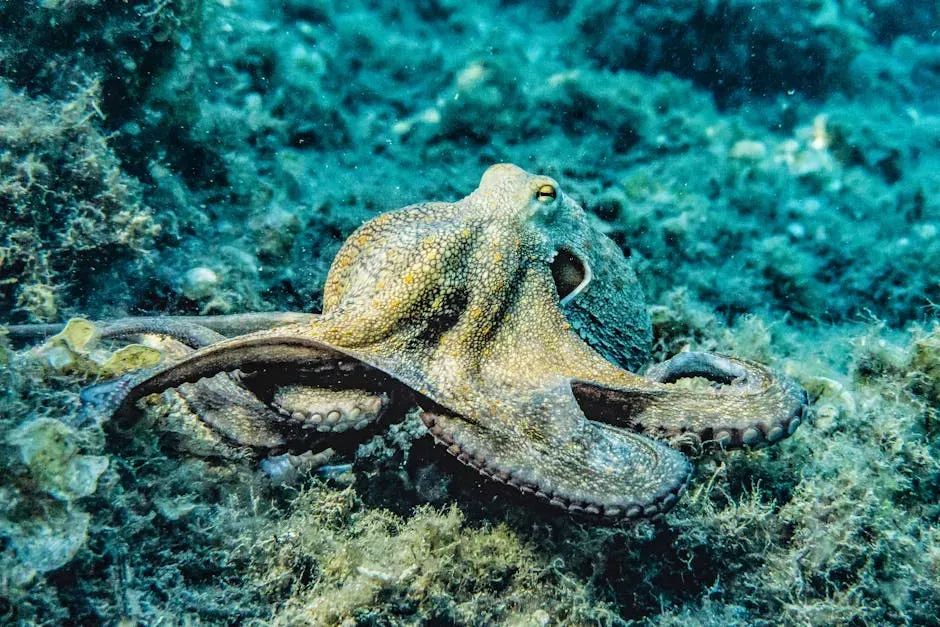
Captive octopuses have been caught on camera sneaking out of their own tanks at night, eating fish out of a neighboring tank, and slipping back home before staff arrive in the morning. This isn’t a one-off anecdote, either. It’s a documented pattern across multiple facilities, and it requires the octopus to actually remember which tank is “home” after an unsupervised nighttime excursion.
What makes this genuinely unsettling is the planning involved. The animal has to squeeze through tight gaps, avoid detection, locate an unfamiliar food source, and then reverse the entire route before it gets caught. That’s not simple instinct, that’s something closer to premeditation, and it’s part of why some aquarium staff now treat octopus enclosures like maximum-security exhibits.
#10 – They Deliberately Flood Their Own Labs
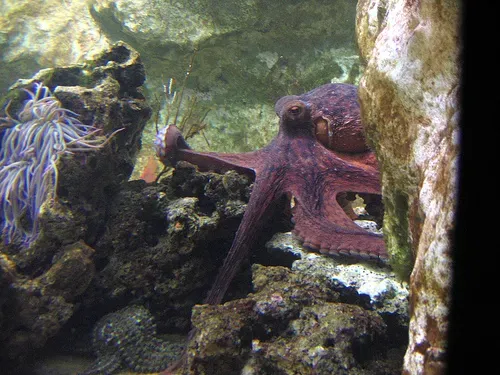
Some captive octopuses have learned to jam their tank’s drainage system on purpose, and researchers suspect they’re doing it out of something close to protest. Philosopher Stefan Linquist, who studied octopus behavior at the University of Guelph, noticed something his fish never did: unlike fish, which have no idea they’re inside a tank, octopuses “know that they are inside this special place, and you are outside it,” and every one of their behaviors seems shaped by that awareness of captivity.
His octopuses would mess around with the tank and deliberately plug the outflow valves by poking their arms into them, apparently just to raise the water level. The result, unsurprisingly, was chaos, the tank-manipulation once flooded the entire lab. Whether this counts as genuine environmental awareness or just curious tinkering is still an open debate.
#9 – They’ve Learned to Short-Circuit the Lights
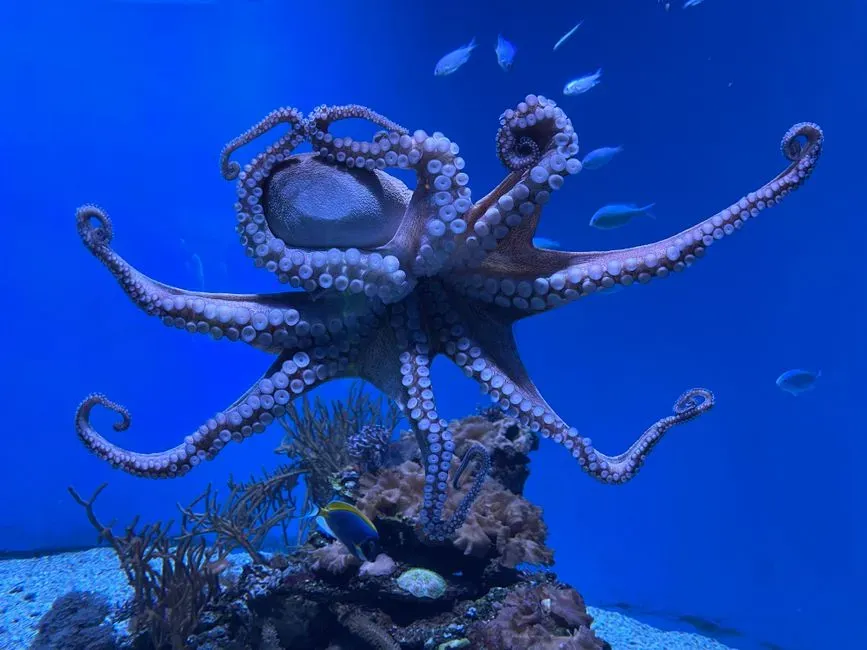
In at least two documented cases, octopuses figured out how to turn off aquarium lighting on their own, by squirting jets of water directly at the bulbs and short-circuiting the power supply. This wasn’t a fluke recorded once and forgotten. It happened repeatedly enough at one facility that staff had to physically intervene.
The financial damage eventually became the actual reason one octopus lost its home. At the University of Otago in New Zealand, this game became so expensive that the octopus responsible had to be released back into the wild. Whether it understood cause and effect or simply enjoyed the darkness that followed remains unclear, but the aim and repetition involved were hardly accidental.
#8 – Wild Octopuses Are Throwing Things at Each Other
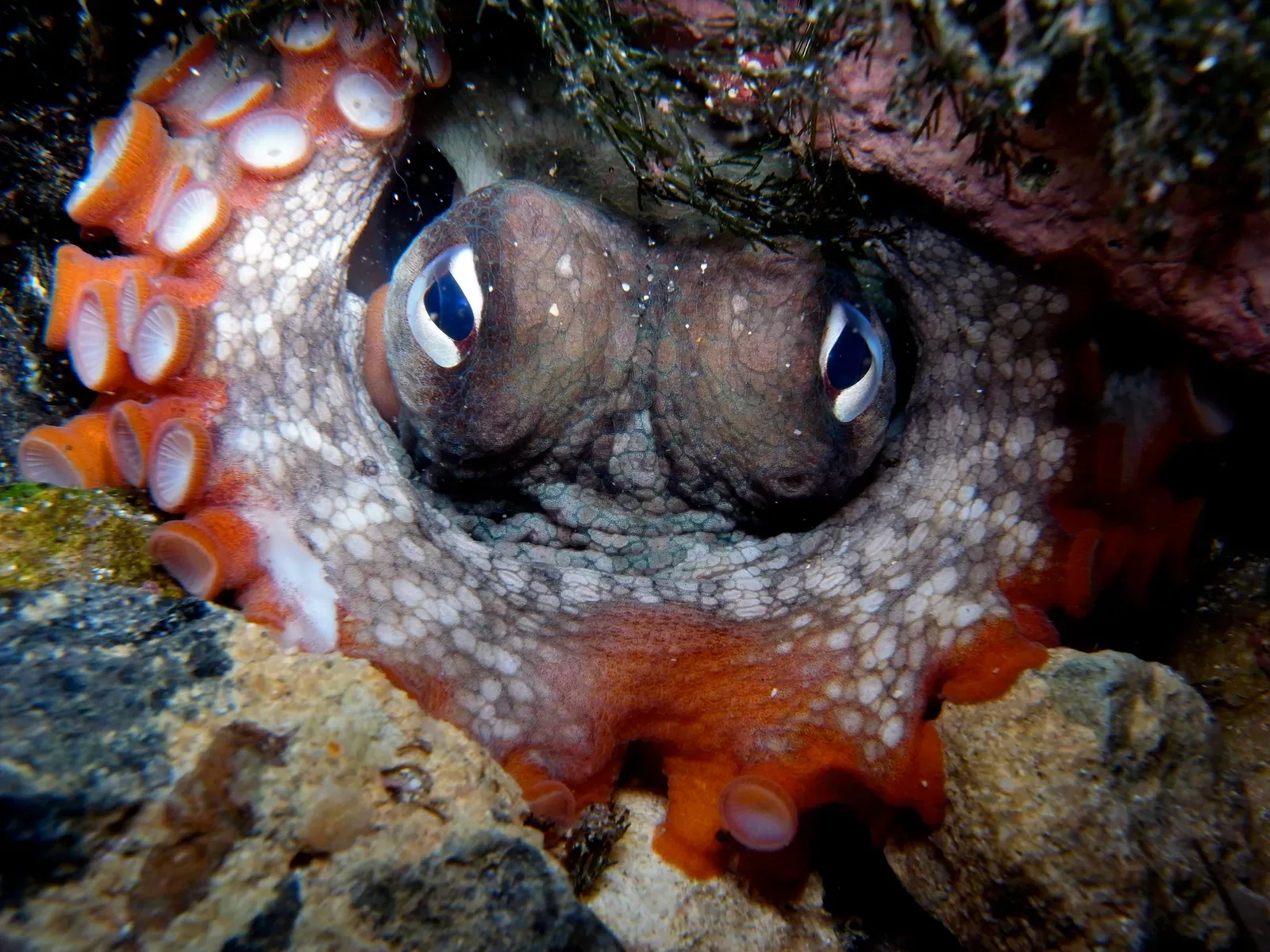
Off the coast of Australia, researchers filmed groups of octopuses hurling shells and silt through the water, sometimes directly at one another. From 2015 to 2016, scientists observed this unusual behavior in groups of gloomy octopuses in Jervis Bay, Australia. The reason still isn’t clear, though researchers confirmed the throwing is deliberate and appears to serve some kind of social role.
Throwing with aim is exceptionally rare in the animal kingdom, and almost no species outside primates and a handful of mammals does it. Experts have only documented targeted object-throwing in a short list of animals, including chimpanzees, elephants, mongooses, and a few birds. Octopuses had never made that list before this study, which recorded 102 separate throwing moments among a group of roughly 10 octopuses, with 66 percent of the throws coming from females.
At a Glance
- Observed 2015-2016 in Jervis Bay, Australia
- 102 separate throwing moments recorded
- Group size: roughly 10 gloomy octopuses
- 66% of all throws came from females
#7 – Females Are Targeting the Males Who Won’t Leave Them Alone
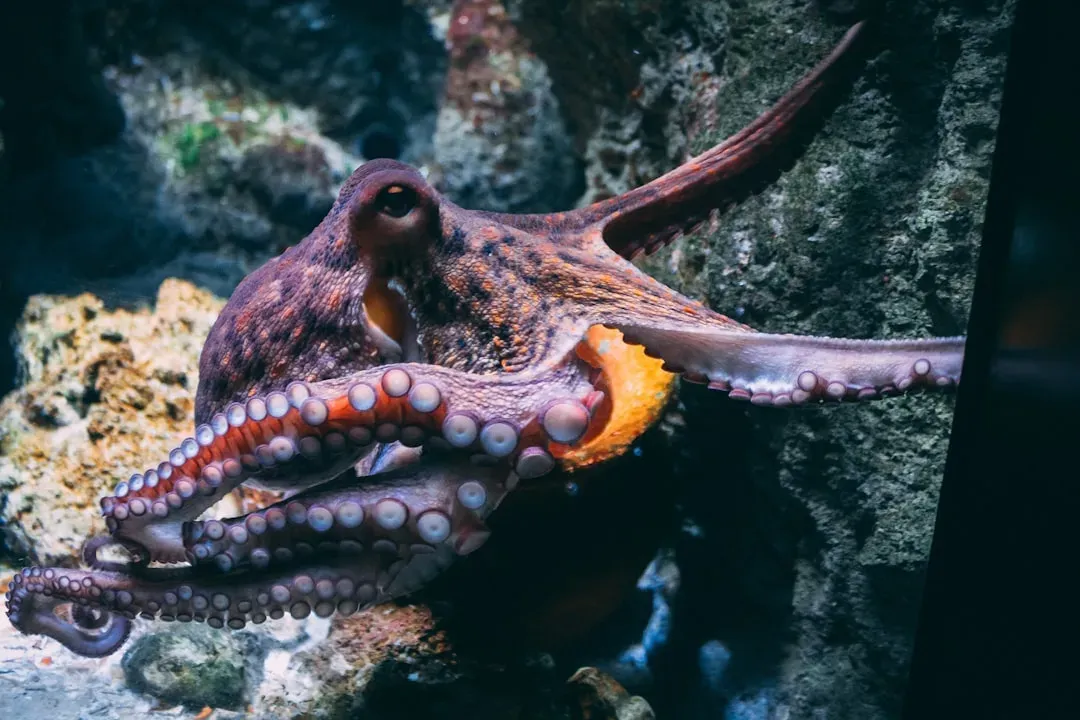
The Jervis Bay footage revealed something even stranger buried inside the throwing data: females appear to be specifically weaponizing debris against unwanted mating attempts. In one instance captured in 2016, a female octopus threw silt at a male attempting to mate with her, hitting him on five separate throws while he dodged with only about fifty percent success. That level of precision doesn’t look accidental.
Researchers now believe this behavior crosses into a very short list of species that deliberately target their own kind with thrown objects, alongside chimps and elephants. The lead researcher on the project put it plainly:
I think quite a lot of it is a bit like an assertion of ‘personal space.’
Peter Godfrey-Smith
That’s a controversial read for an animal long assumed to be a mindless loner.
#6 – A Hunting Style Nobody Had Ever Documented Before
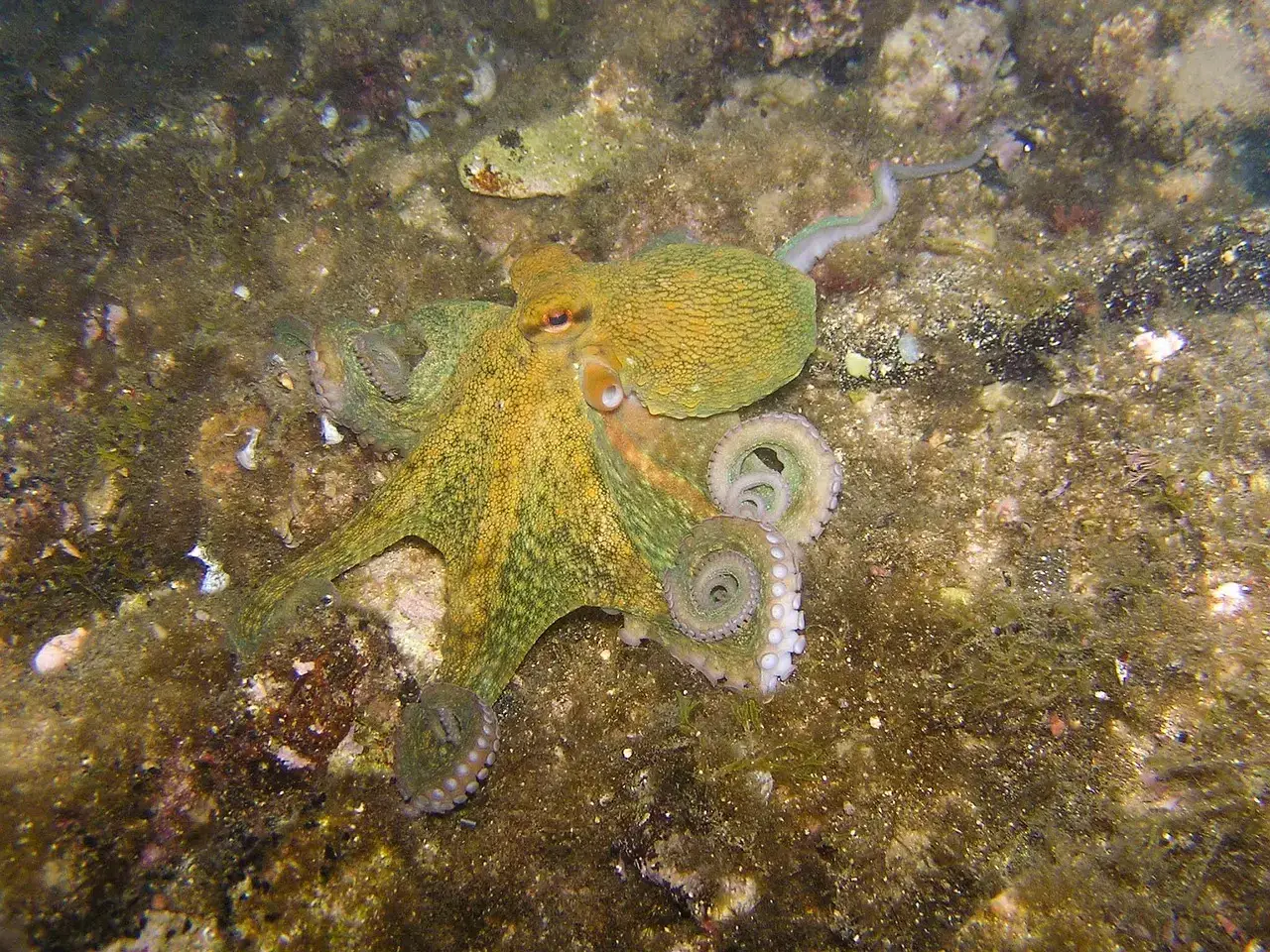
Most octopuses ambush prey with brute force, all eight arms at once. One rediscovered tropical species does something almost delicate instead: it subtly taps its prey on the shoulder and startles it directly into its waiting arms.
A veteran cephalopod researcher at UC Berkeley admitted he’d never encountered anything like it in decades of fieldwork. “I’ve never seen anything like it,” said marine biologist Roy Caldwell, describing how most octopuses simply pounce or poke around in holes until they find something, while this species compresses itself, creeps up, and extends a single arm over the shrimp before touching it on the far side, either catching it outright or startling it into its other arms. Nobody knows why this one species evolved such a careful approach when brute force works fine for every one of its relatives.
#5 – The “Solitary” Octopus That Refuses to Be Solitary
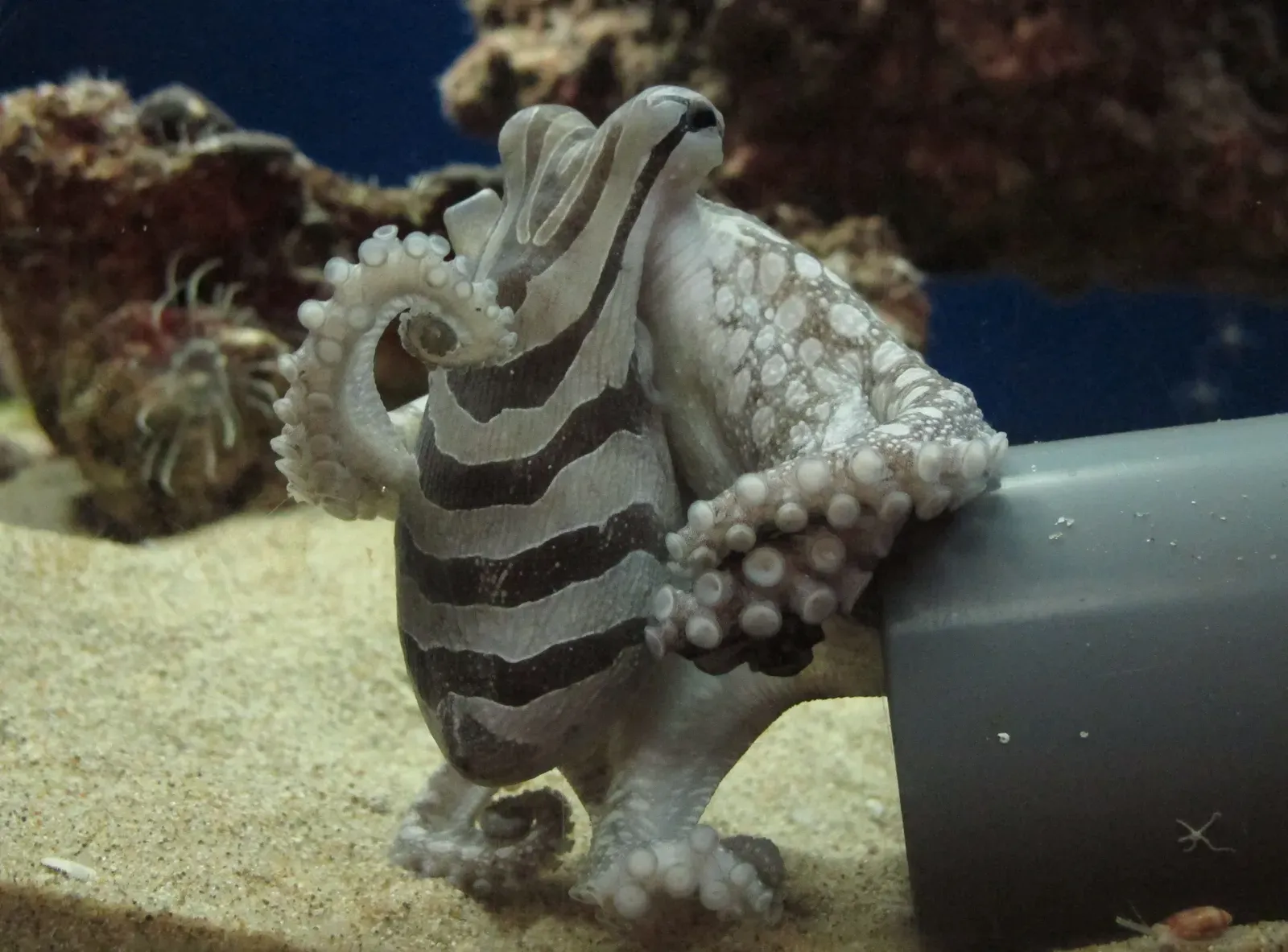
For decades, textbooks treated octopuses as strictly antisocial loners. Then researchers rediscovered a species that breaks every one of those rules. When the larger Pacific striped octopus was first observed in the 1970s, its social and mating behavior were so strange that no journal would publish the findings.
Researchers have since confirmed it’s all true: this is a gregarious, not solitary, octopus that briefly cohabits with its mate and breeds repeatedly over months rather than just once. Most octopus species mate a single time and die shortly after. This one doesn’t, and scientists still can’t fully explain why one branch of the octopus family tree abandoned solitary living and single breeding entirely while every close relative kept both traits. Since most octopus research is based on just a handful of the more than 300 known species, that gap in understanding might be far bigger than anyone assumes.
#4 – Octopuses Are Bossing Fish Around During Hunts
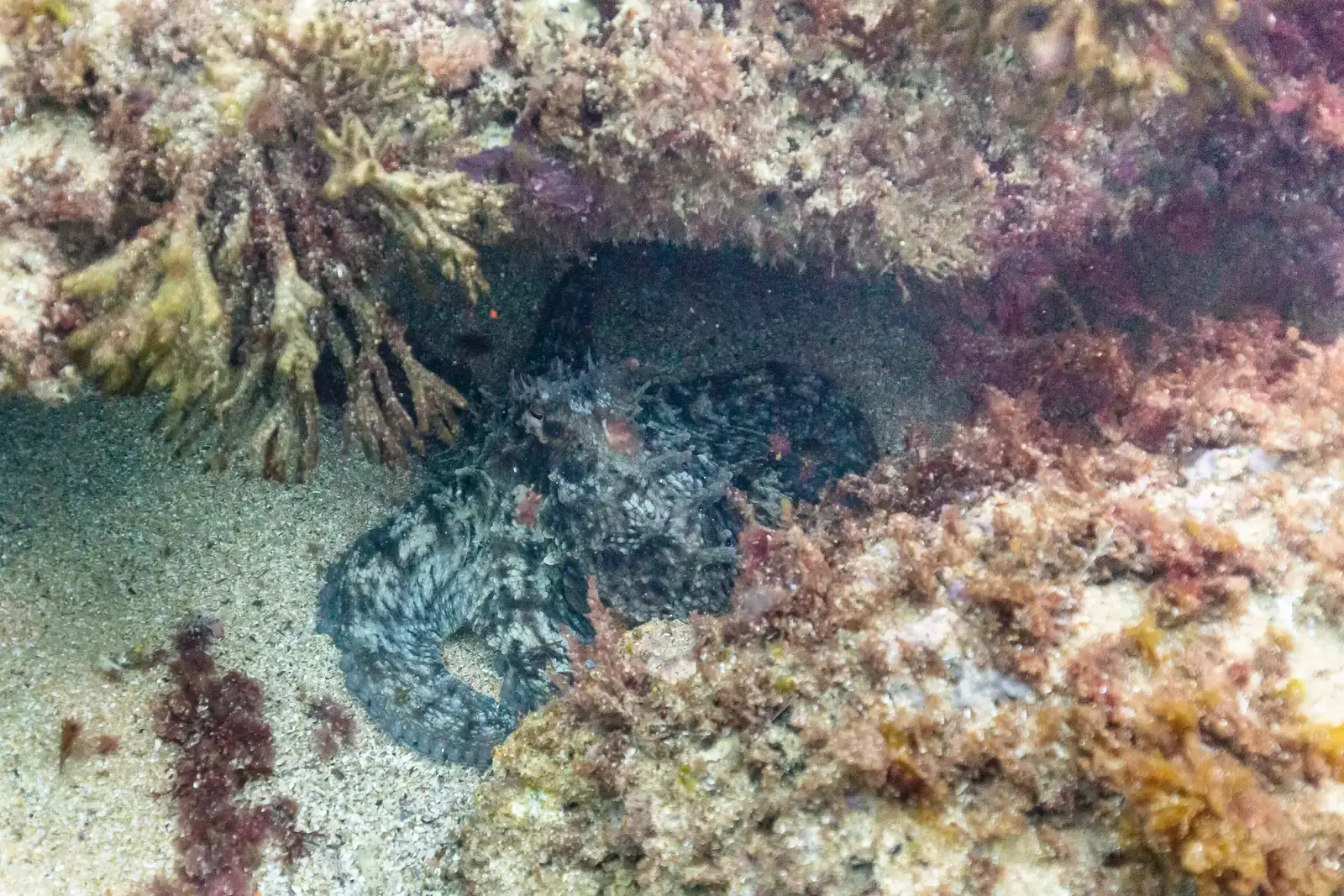
Wild octopuses have been filmed leading multi-species hunting parties made up of fish that evolved on a completely separate branch of life more than 500 million years ago. Tracking 13 mixed-species hunting groups over 120 hours of diving, Max Planck Institute behavioral ecologist Eduardo Sampaio and colleagues found that different species contributed different skills, and the octopus was the one calling the shots.
The big blue octopus determined when the hunt actually began, leading Sampaio to say “the octopus basically works as the decider of the group,” and that “there’s a sign that some cognition is occurring here, for sure.” Both species benefited from the arrangement, with octopuses and fish both increasing their catch rates of crustaceans, fish, and molluscs when hunting together. That an animal famous for hunting alone would evolve cross-species leadership has genuinely surprised researchers who study social cognition.
Fast Facts
- 13 mixed-species hunting groups tracked in the wild
- 120 hours of underwater observation logged
- Led by Max Planck Institute researcher Eduardo Sampaio
- Both octopuses and fish raised their catch rates by hunting together
#3 – The Cooperative Hunts That End in Actual Punches
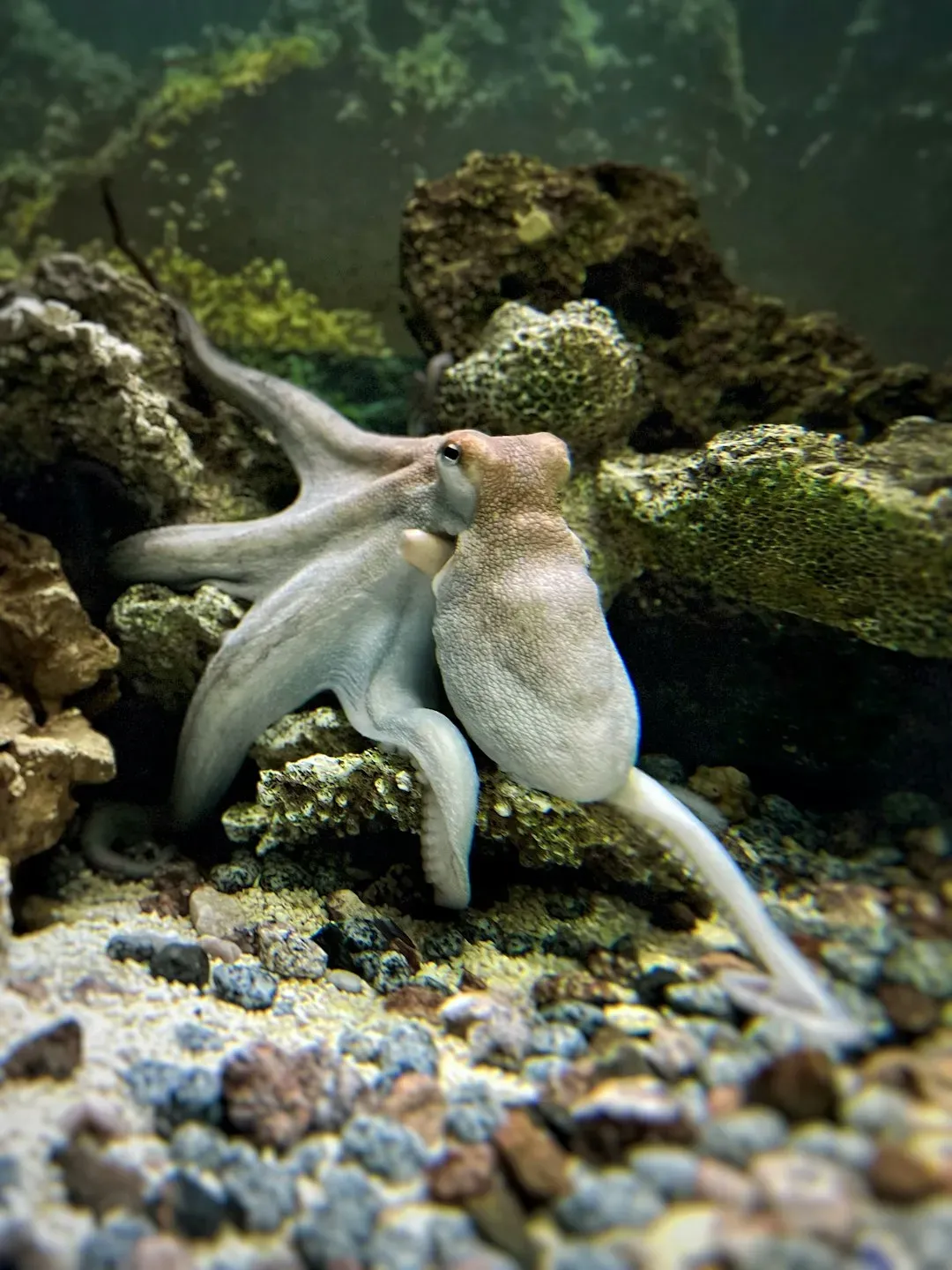
Those same interspecies hunting parties come with an enforcement mechanism nobody expected: the octopus physically strikes fish that don’t pull their weight. If freeloading fish hover around looking to benefit from the hunt without contributing anything, the octopus punches them away, and it appears to discern which species are helping and which are exploiting the group.
The species on the receiving end most often was a specific type of grouper.
It turns out that the punching is directed to fish that try to exploit the octopus and the group, particularly the blacktip grouper species.
Dr. Eduardo Sampaio
This isn’t random aggression, it changes group behavior measurably. Fish that get punched tend to move away from the octopus or drift to the periphery of the group afterward, and researchers describe it as a form of social sanctioning never before documented in any cephalopod.
#2 – The Self-Destruction Timer Nobody Can Explain
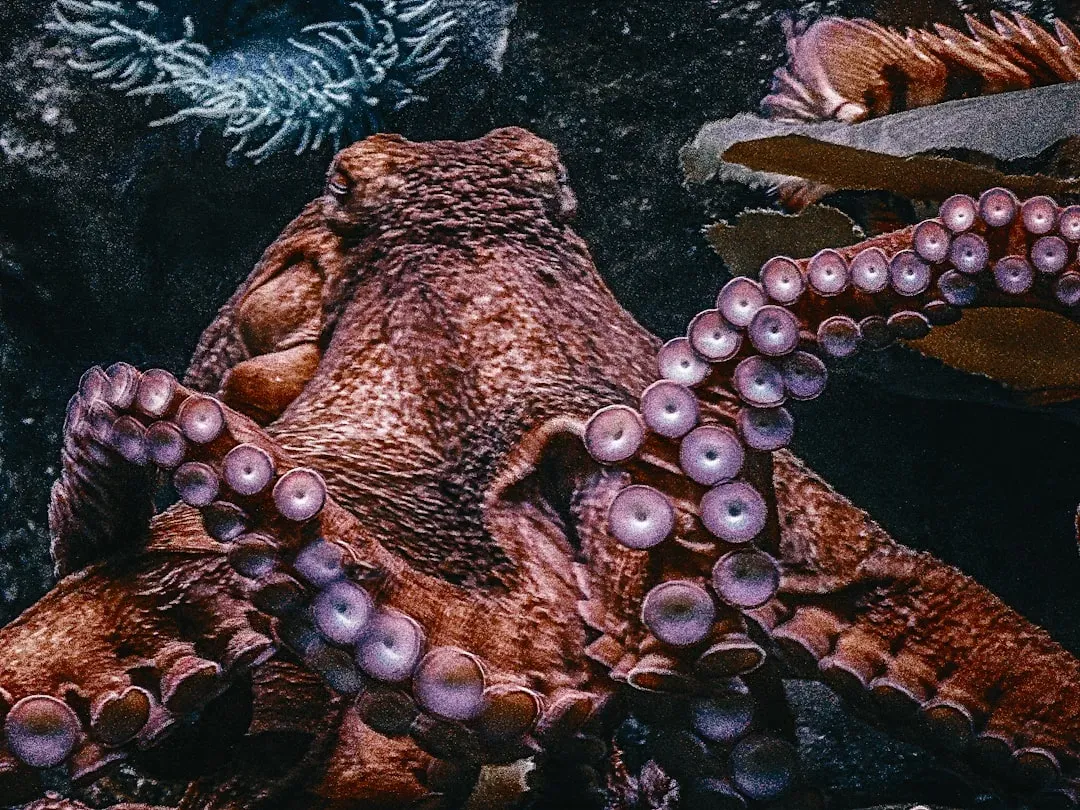
Female octopuses of most species do something almost no other intelligent animal does: they follow a biological countdown to their own death immediately after motherhood begins. The mother stops eating, guards her eggs around the clock until they hatch, and then dies almost immediately afterward.
Hormonal imbalances, particularly shifts in steroid hormone levels after egg-laying, are implicated in the self-destructive behaviors that follow, triggering a cascade that leads to self-mutilation and death as a natural, if tragic, part of the life cycle in some species. Scientists frame this less as tragedy and more as evolutionary strategy, a mechanism that may clear resources for the next generation. Researchers have connected the sequence to a hormone-producing organ near the eye called the optic gland, but the full molecular trigger that flips the switch after eggs are laid is still not completely mapped.
Worth Knowing
- Trigger is linked to the optic gland, a hormone-producing organ near the eye
- Steroid hormone levels shift sharply after egg-laying
- Cascade leads to self-mutilation and death shortly after eggs hatch
- The exact molecular switch is still not fully mapped
#1 – The Arms That Eat Themselves for No Clear Reason
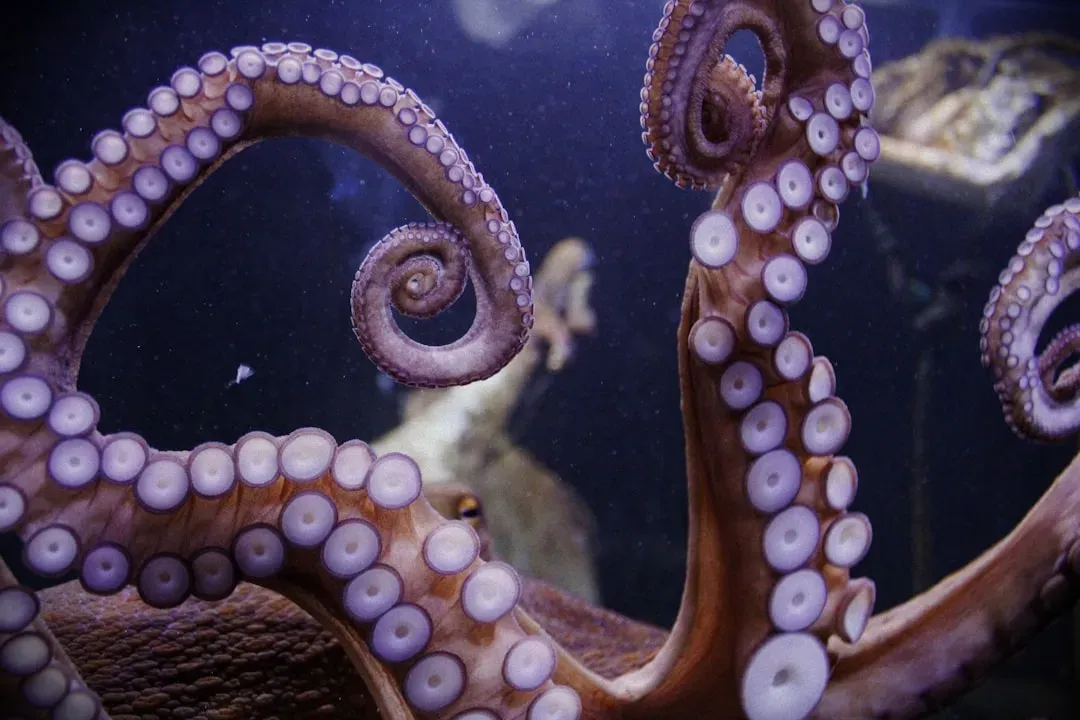
The single most disturbing and least understood octopus behavior on this entire list is autophagy: octopuses consuming their own arms while otherwise appearing perfectly healthy. Aquarium biologists first assumed hunger was the trigger, so they tried overfeeding affected animals. It didn’t stop.
Stress seemed like the obvious next suspect, except that theory collapsed too, since no change to the environment affected the behavior. Based on 161 documented cases in Octopus vulgaris, researchers concluded that although the data are still limited, autophagy is not caused by hunger or stress at all, it appears to be an infectious, deadly disease, with an incubation time of one to two weeks and death occurring one to two days after the self-consumption starts. Nobody has ever isolated exactly what that infection is, and that unresolved mystery sums up the entire animal: even the experts who’ve spent careers studying octopuses are still, quite literally, watching one eat itself and shrugging.
The Bottom Line
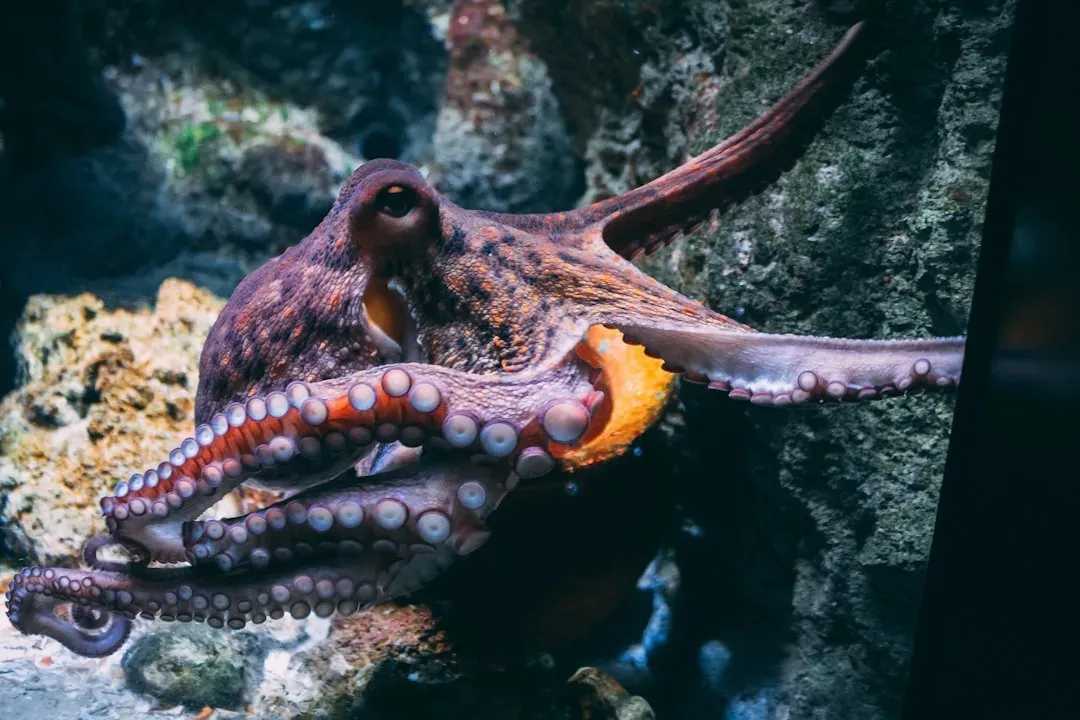
After combing through the research, one thing is obvious: octopuses aren’t just intelligent, they’re operating on rules biology hasn’t finished writing down. The most shocking finding isn’t any single behavior, it’s how often the honest scientific answer is simply “we don’t know.”
From arms that think for themselves, to females weaponizing silt against unwanted mates, to a self-destruct sequence nobody can fully explain, this animal keeps breaking the models built to describe it. My honest take? We’ve been studying octopuses like they’re simple invertebrates, when the evidence increasingly suggests they deserve to be studied as something closer to an entirely separate form of intelligence, one that just happens to live in our oceans instead of somewhere stranger.