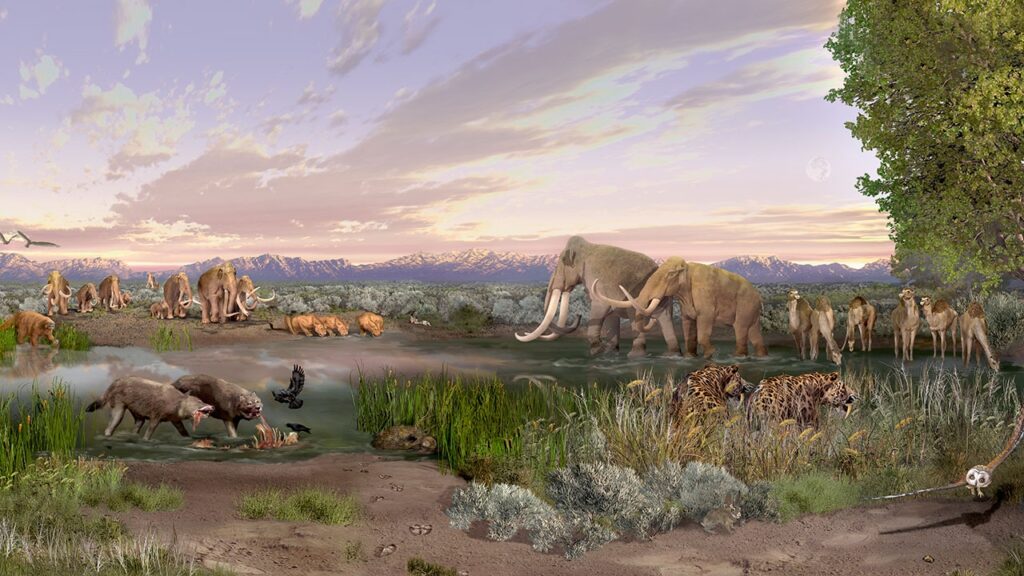
Most people assume the Ice Age ended like a light switch flipping off – one catastrophic moment roughly 11,000 years ago that wiped out mammoths, sloths, and saber-toothed cats all at once. That’s the version in every textbook diagram, and it’s largely wrong. Fresh radiocarbon dating, ancient DNA pulled from frozen permafrost, and quietly reanalyzed fossil collections are rewriting the ending.
Several of these giants didn’t disappear with the glaciers at all. Some lingered thousands of years longer, overlapping with pottery, farming, and even the pyramids. Here’s what the fossil record actually says – and the further down this list you go, the stranger the timeline gets.
#16 – The American Cheetah That Wasn’t Even a Cheetah
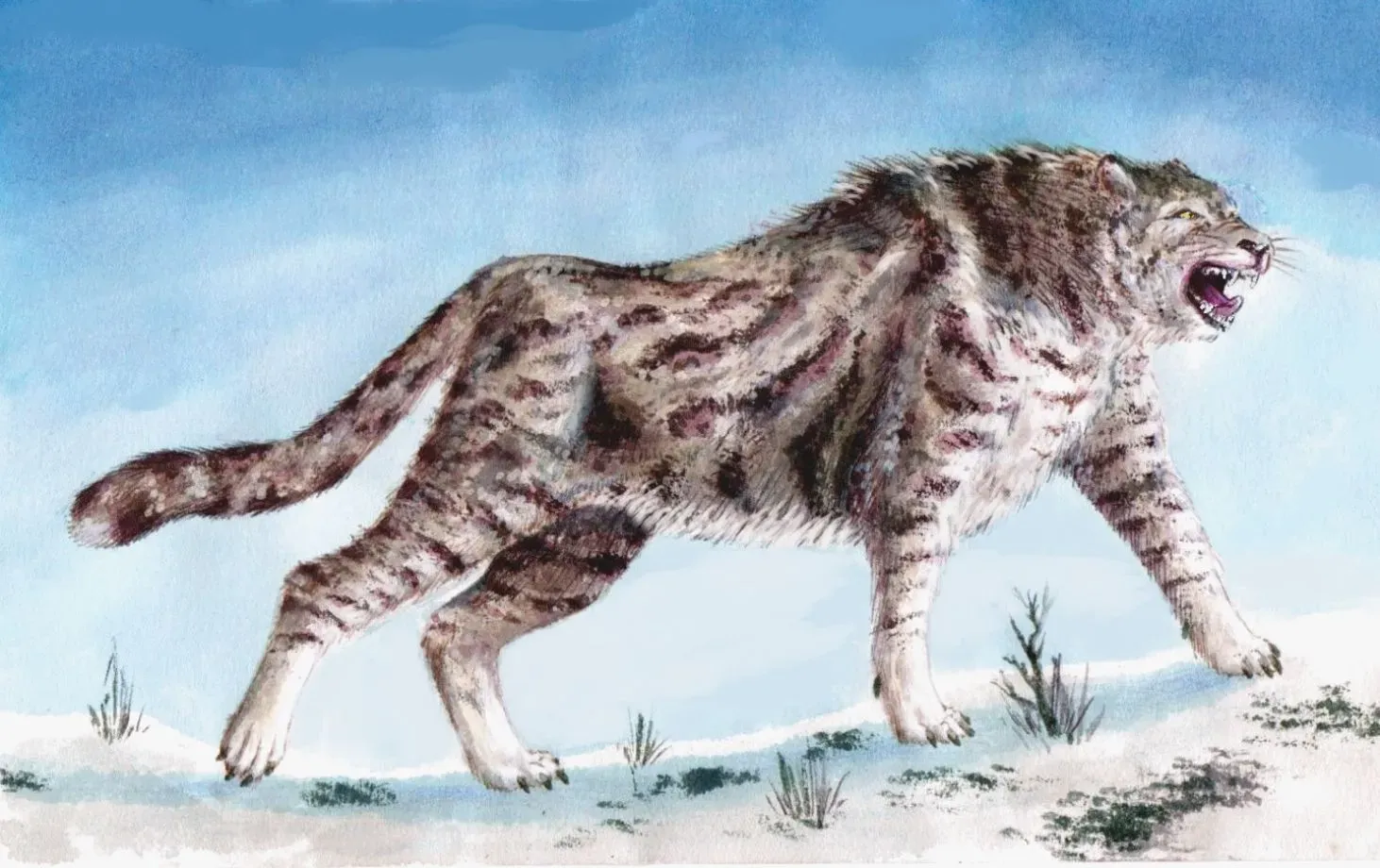
Scientists spent decades confidently naming this animal, and they got the name wrong the whole time.
For most of the last century, paleontologists assumed the American cheetah went extinct in one tidy wave alongside the rest of the Ice Age giants. Until the end of the last ice age, American cheetahs, enormous armadillo-like creatures, and giant sloths called North America home. It’s long puzzled scientists why these animals vanished around 10,000 years ago. Its remains have turned up across a huge range, from West Virginia to Arizona and even Wyoming.
Here’s the twist nobody saw coming: genetic analysis proved it’s not actually related to true cheetahs at all. This big cat kept the cheetah name out of habit, but American cheetahs are actually closely related to modern cougars. Despite the misleading title, compared to a modern cheetah, the American cheetah stood about 2.75 feet (0.85 meters) high and weighed around 156 pounds (70 kilograms) – a mid-sized cat wearing a borrowed name.
Fast Facts
- Height: about 2.75 feet (0.85 meters) at the shoulder
- Weight: roughly 156 pounds (70 kilograms)
- Range: fossils found from West Virginia to Arizona and Wyoming
- Closest living relative: the cougar, not a true cheetah
#15 – The Armored Tank That Outlasted Its “Extinction Date” by 2,000 Years
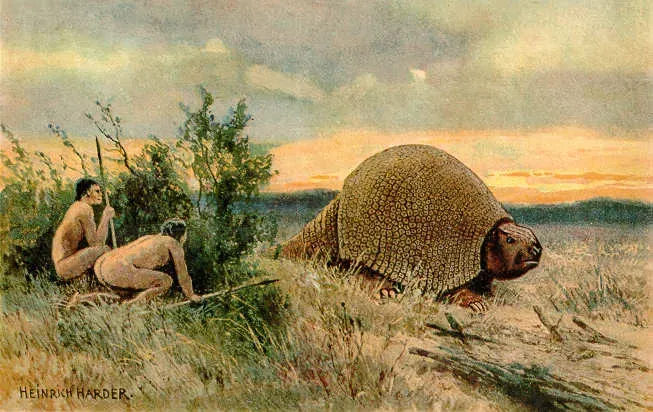
Most extinction charts give the glyptodont a single, final year. The fossils disagree.
This armored giant looked like an armadillo that had been fed steroids for a million years. Glyptodon is an extinct genus of mammals that lived in South America and parts of North America from 5 million to 11,000 years ago, related to the modern armadillo, with bone plating covering its body like a walking shell. Size-wise, it was a genuine monster: Glyptodon grew to almost 3 meters in length and 1.5 meters in height, weighing up to 4,000 pounds.
Here’s the part most lists skip. The North American glyptodont’s last known remains were found near the Gulf of Mexico coast, dating back to around 9,000 to 11,000 years ago. That 9,000-year mark isn’t a rounding error – it means some glyptodonts were still lumbering around nearly two millennia after their supposed extinction date, quietly outliving the story written about them.
#14 – The Pig-Sized Peccary Nobody Expected to Find So Late
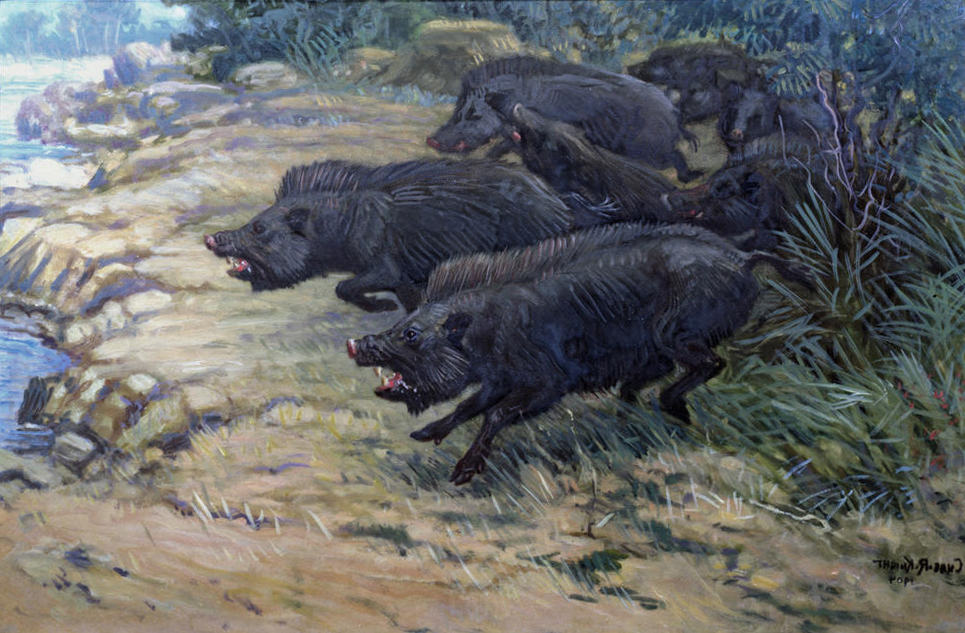
Everyone remembers the mammoths. Almost nobody remembers the flat-headed peccary, and that’s exactly the problem.
This pig-like animal wasn’t some rare oddity – it ranged across a huge chunk of the continent. The flat-headed peccary (Platygonus compressus) lived in the southern and eastern United States and northern Mexico. It was common enough to show up in cave deposits from Pennsylvania to Texas, yet it rarely gets top billing in Ice Age documentaries.
The dating on its last appearance quietly pushes past the “official” mass-extinction window. Its last remains are from about 10,700 to 11,000 years ago, meaning some populations were still rooting through the underbrush after the so-called mass extinction was supposedly already finished. That overlap window is the same pattern showing up again and again in this list, and it’s not a coincidence.
#13 – The Deer-Moose Hybrid That Confused Even the Experts
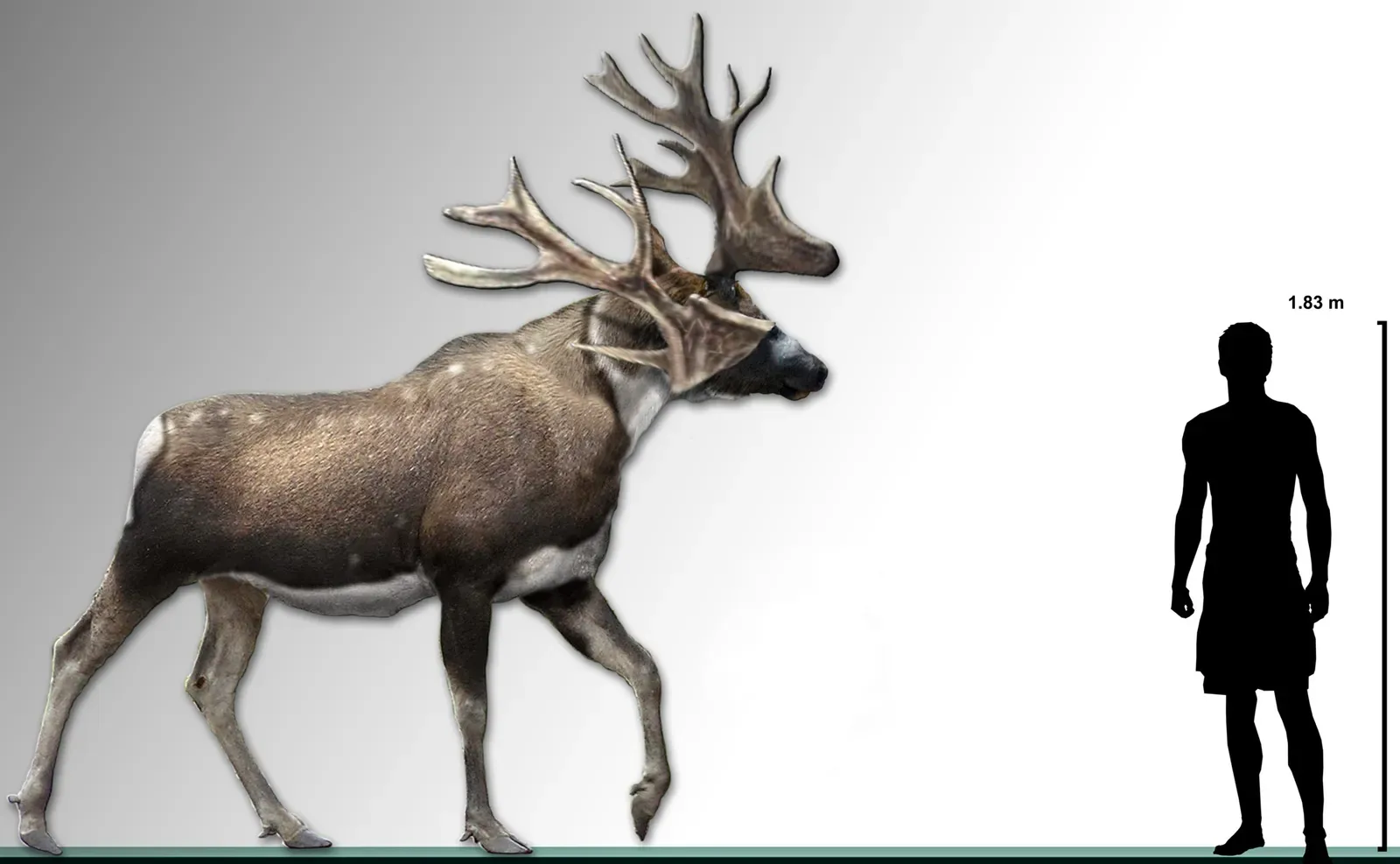
Imagine a moose crossed with an elk, and you’ve basically got the stag-moose.
This oddball herbivore ruled the wetlands of the upper Midwest. The stag-moose (Cervalces scotti) was a large deer-like animal that lived in the Great Lakes region. Its antlers and proportions were so strange that early paleontologists genuinely argued over which modern animal it most resembled, and honestly, the debate has never fully settled.
What’s actually notable is the timing of its disappearance. Its last remains are from about 10,900 to 11,200 years ago – a range that stretches meaningfully later than the neat “10,000 years and done” story most casual readers grew up with. Even a couple of centuries matters when you’re talking about a supposedly instant, continent-wide die-off.
#12 – The Desert Camel America Forgot It Ever Had
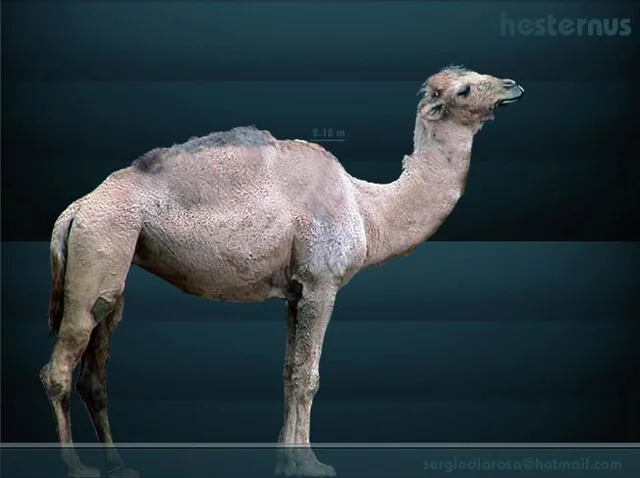
Yes, camels are originally an American animal. Most people have no idea.
Long before camels became synonymous with the Sahara, they were a native western species. The western camel (Camelops hesternus) roamed sagebrush flats and river valleys from California to the Rockies, built for exactly the kind of arid terrain camels are famous for today, just on the wrong continent by modern standards.
Here’s where it gets interesting: fossil evidence shows it held on nearly a thousand years past the commonly cited mass-extinction marker. Its last remains are from about 9,800 to 10,100 years ago – late enough to put western camels wandering the Great Basin at roughly the same time humans were first domesticating wheat on the other side of the planet.
#11 – The Beaver the Size of a Black Bear
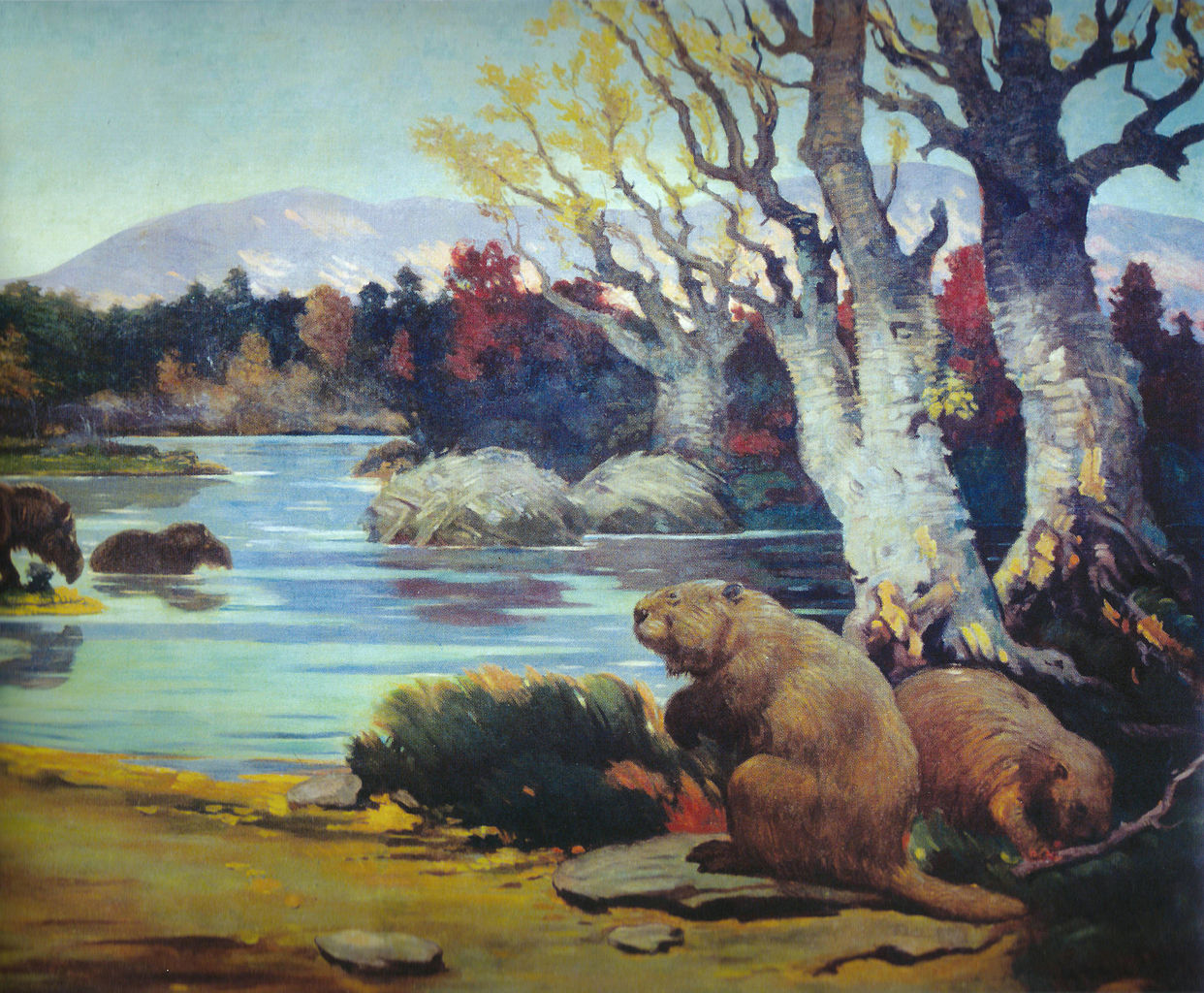
Modern beavers top out around 60 pounds. Their Ice Age ancestor was built on an entirely different scale.
This wasn’t a slightly bigger beaver – it was a different category of animal. The giant beaver was the largest rodent ever found in North America, comparable in size to a black bear, and it spent its life paddling through lakes and ponds eating aquatic plants. Picture a beaver hauling itself out of a Great Lakes marsh at roughly the same weight class as a modern black bear, and you start to understand why fossil hunters still get excited about finding one.
Quick Compare
- Modern beaver: tops out around 60 pounds
- Giant beaver: comparable in size to a black bear
- Diet: aquatic plants in lakes and ponds, same as modern beavers
- Last appearance: about 10,100 to 10,200 years ago
Its exit from the fossil record also landed later than the “clean sweep” narrative suggests. The last giant beavers disappeared around 10,100 to 10,200 years ago. That’s still centuries after the supposed single-event extinction most museum plaques describe.
#10 – The Apex Predator Nobody Talks About Anymore
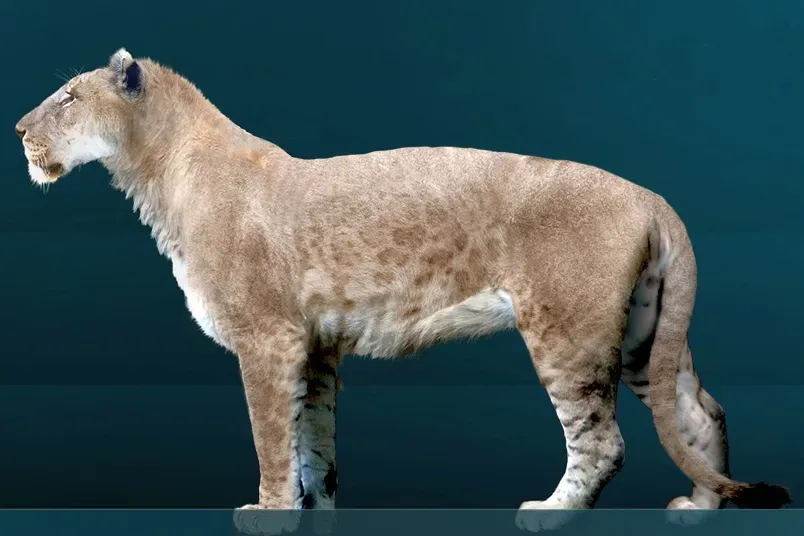
America once had lions. Actual lions. Bigger than the ones in Africa today.
This animal sat at the very top of the Ice Age food chain, and it had been doing so for a genuinely staggering length of time. Among the megafauna that shared North America – mammoths, mastodons, the American cheetah, the short-faced bear, and the dire wolf – the North American lion was the apex predator, first appearing in the fossil record about 1.8 million years ago. That’s not a typo – nearly two million years of dominance before it vanished.
It wasn’t confined to North America either. Originally a North American animal, the American lion also spread into South America when falling sea levels caused by the Ice Age produced a land bridge between the continents. A predator that ruled two continents for 1.8 million years disappearing in a single climate blip never made much sense – and increasingly, researchers agree.
#9 – The Dire Wolf Wasn’t Even a Wolf
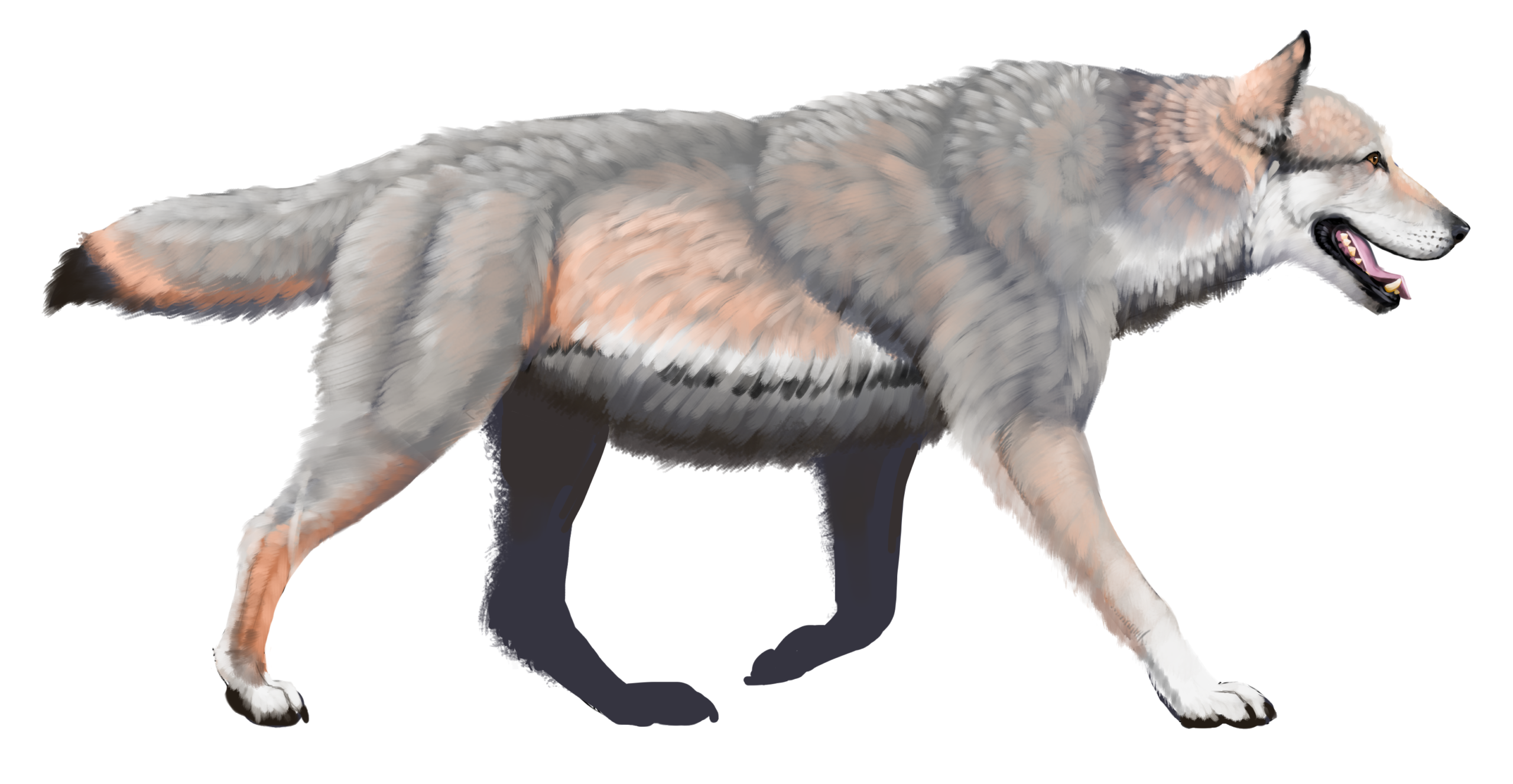
Pop culture turned this animal into a legend. The actual science is stranger than the fiction.
For over a century, it was filed away as simply an oversized wolf. Then genetics blew that assumption apart. DNA samples collected from preserved dire wolf remains revealed the dire “wolf” actually belongs to its own lineage, the genus Aenocyon, meaning it isn’t a true wolf at all. That single discovery forced a full rewrite of the species’ place on the mammal family tree.
It also wasn’t the unstoppable killing machine its reputation suggests. Dire wolves competed with a broad variety of other large carnivores, including saber-toothed cats like Smilodon, the American lion, and larger grizzly bears and jaguars. They weren’t necessarily the apex predator in their environment, and were sometimes bullied off kills by cougars, coyotes, and even gray wolves. The “dire” reputation may owe more to Hollywood than to the fossil record.
#8 – The Wild Horses That Grazed Long After Textbooks Said They Died
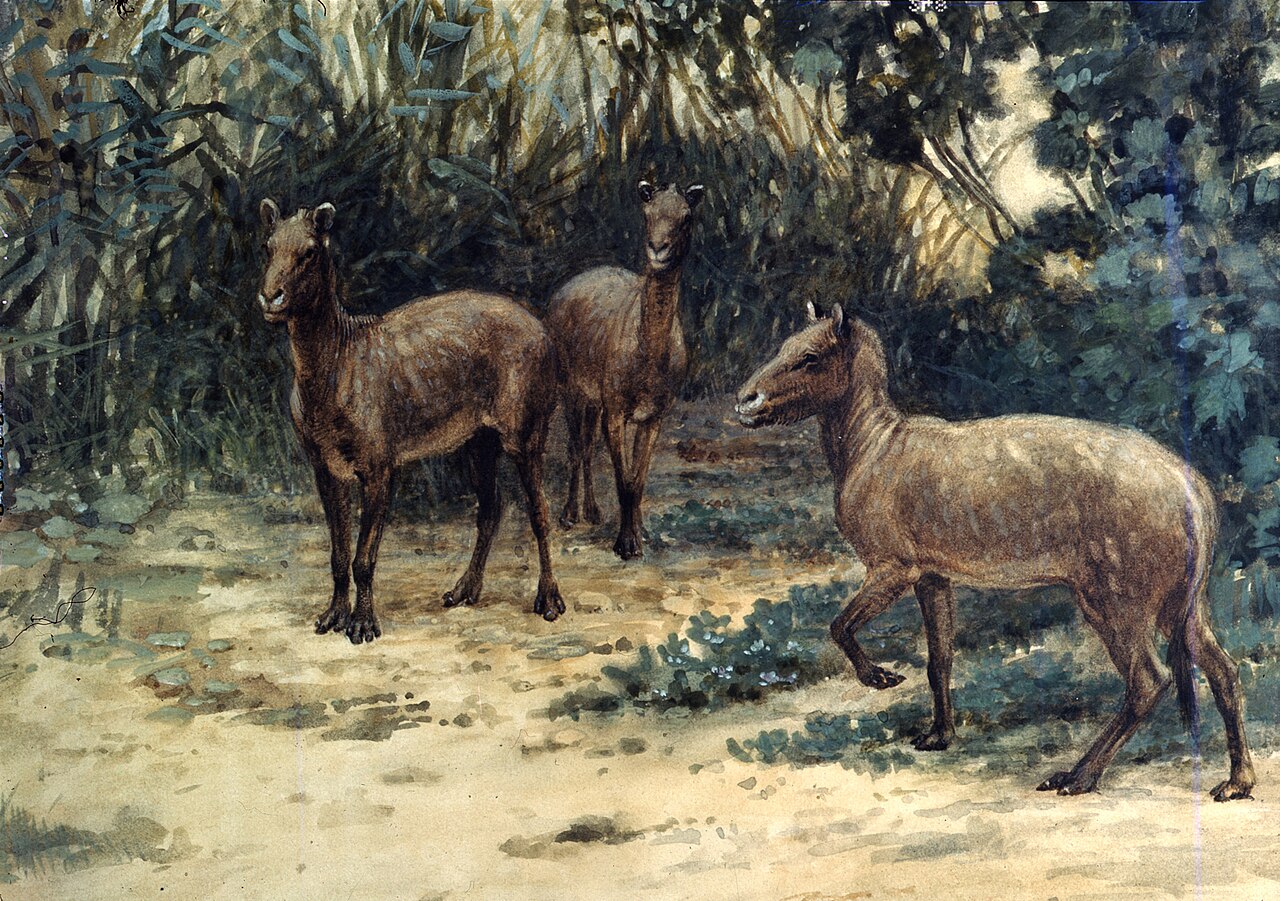
Here’s a fact that surprises almost everyone: horses are a North American invention, and they hung on far longer than assumed.
For decades, the story was simple – native horses vanished from the Americas around 13,000 years ago, and the species only returned when Europeans brought them back centuries later. New DNA evidence demolishes that timeline. According to findings out of McMaster University, mammoths didn’t die out until about 6,000 years ago – more recently than previously believed – and the wild horses that once grazed the plains of North America held on for roughly the same stretch of time.
At a Glance
- Old estimate: horses and mammoths gone by about 9,700 years ago
- New evidence: both survived until roughly 5,000 to 6,000 years ago
- Correction size: nearly 5,000 years later than previously believed
- Source of proof: ancient environmental DNA pulled from soil, not bones
The evidence didn’t come from bones – it came from dirt. Ancient environmental DNA shows that woolly mammoths and horses continued living in North America until as recently as 5,000 years ago, during the mid-Holocene, whereas researchers had previously assumed these animals died out some 9,700 years ago. That’s a nearly 5,000-year correction on an animal most people assumed had already vanished by the time the pyramids were built.
#7 – The Bear So Big It Could Look a Grizzly in the Eye Standing Up
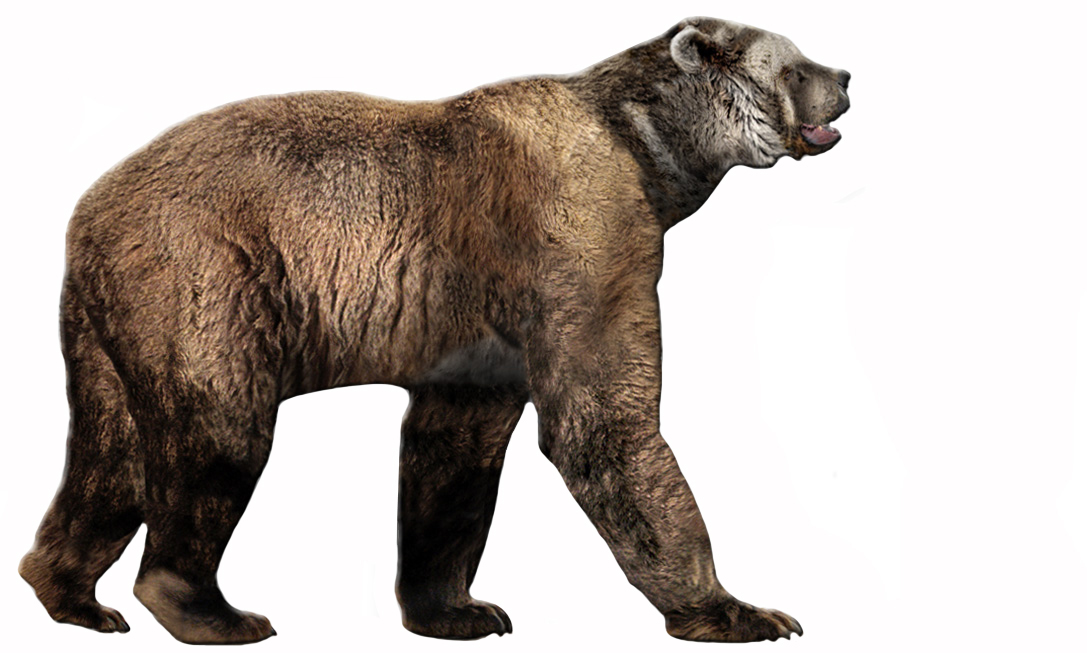
This wasn’t just a large bear. It was arguably the largest land carnivore North America has ever produced.
The numbers alone are hard to process. Short-faced bears were among the largest terrestrial mammalian carnivores to ever live in North America, with males potentially weighing up to 2,110 pounds and standing 5.5 feet at the shoulder on all fours – or up to 12 feet tall on their hind legs. That’s a predator capable of looking into a second-story window while standing flat-footed.
Recent dating work on individual specimens has also pushed some survival estimates later than expected. Researchers examining one preserved skeleton found that the Huntington bear lived sometime between 12,764 and 13,058 calendar years ago, refining a timeline that had previously been far less precise. A creature this size surviving into such a narrow, well-documented window shows just how much modern dating tools have changed the story.
#6 – The Ground Sloth That Refused to Read the Extinction Memo
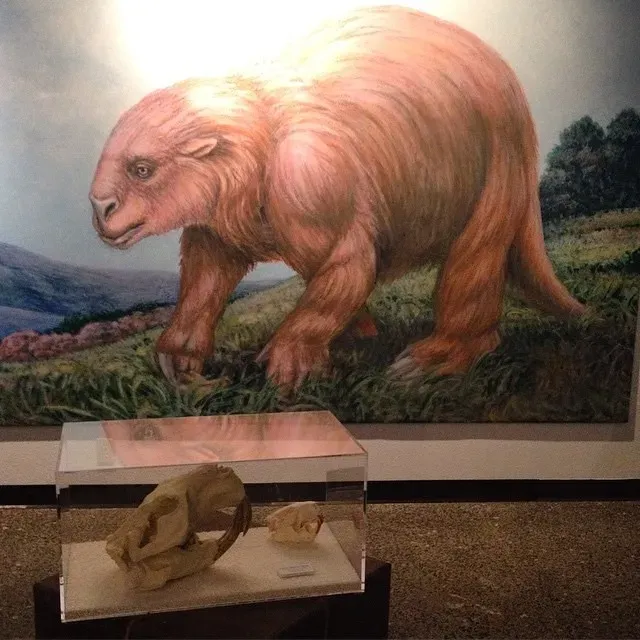
While most Ice Age lists lump all ground sloths together, Harlan’s ground sloth deserves its own entry – because it simply didn’t leave on schedule.
This heavyset herbivore covered an enormous range across the American Southwest. Harlan’s ground sloth (Paramylodon harlani) roamed Mexico and the southern and western United States. It was a bulky, low-slung animal, built more like a tank than the tree sloths people picture today, thriving in open scrubland long before humans ever set foot on the continent.
Its final appearance in the fossil record stretches noticeably later than the standard narrative allows. Its last known date is about 10,000 to 12,000 years ago – a two-thousand-year spread that shows this wasn’t one clean extinction event, but a slow, staggered fade. Most people assume every giant sloth vanished on the exact same calendar date. The fossils say otherwise.
#5 – The Sloth That Stretched From California to the Yucatan
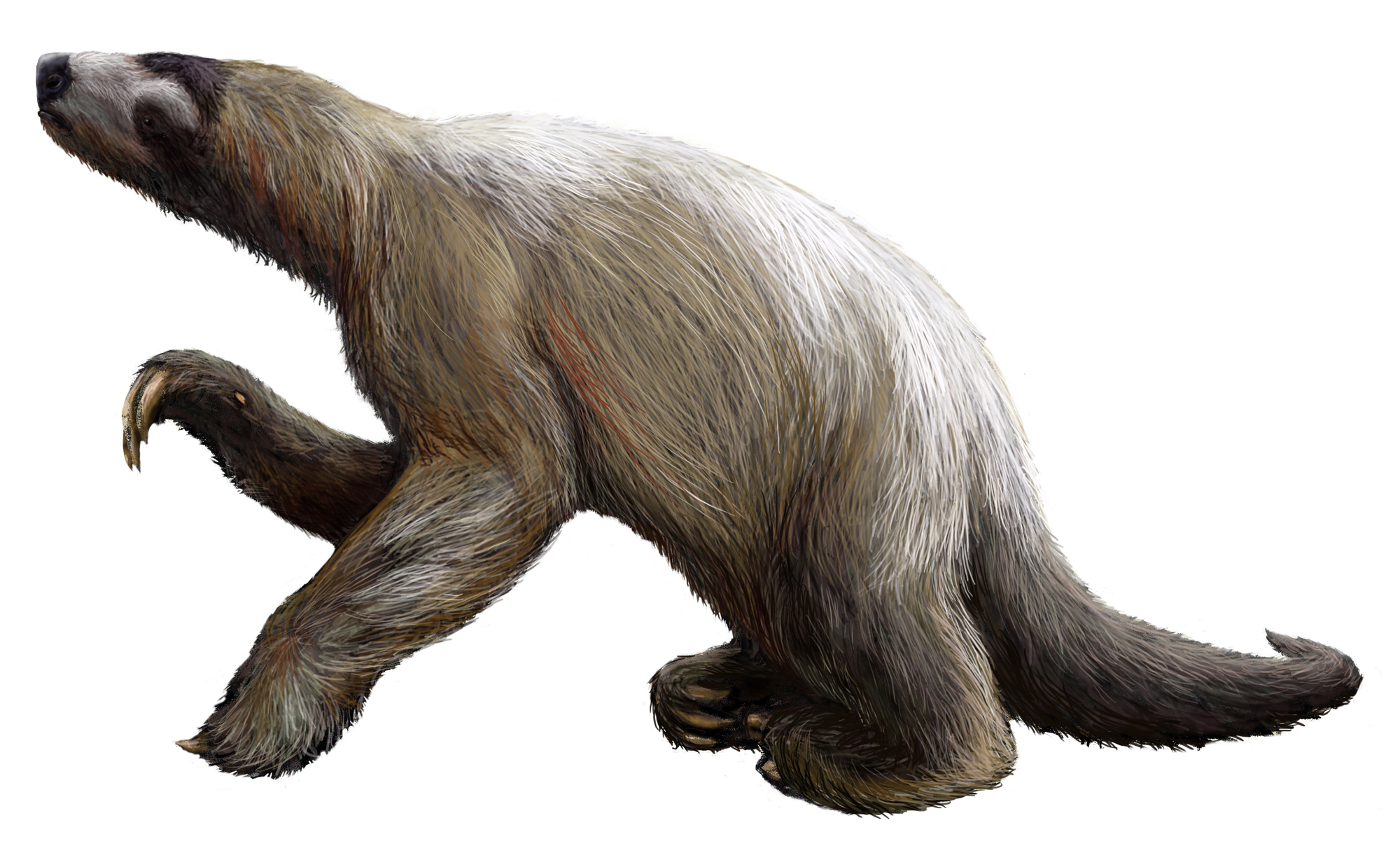
This is the ground sloth species most likely to have its bones sitting in a museum drawer near you, and its range was almost absurdly large.
Few Ice Age animals covered as much geographic ground as this one. The Shasta ground sloth (Nothrotheriops shastensis) lived from California to the Yucatan – a north-south range spanning thousands of miles, crossing deserts, mountains, and tropical forest. That’s an ecological flexibility modern sloths, confined to a handful of rainforest species, could never dream of matching.
Broader research into North American ground sloths as a group backs up the pattern seen throughout this list. Last-appearance dates only tell us when we found the youngest known bone, not when a species truly died out, and the youngest known sloth remains from North America currently date to about 11,000 years ago. Every time scientists dig up a fresher bone, the “final” date moves later.
#4 – The 2,200-Pound Sloth That Outweighed a Grand Piano
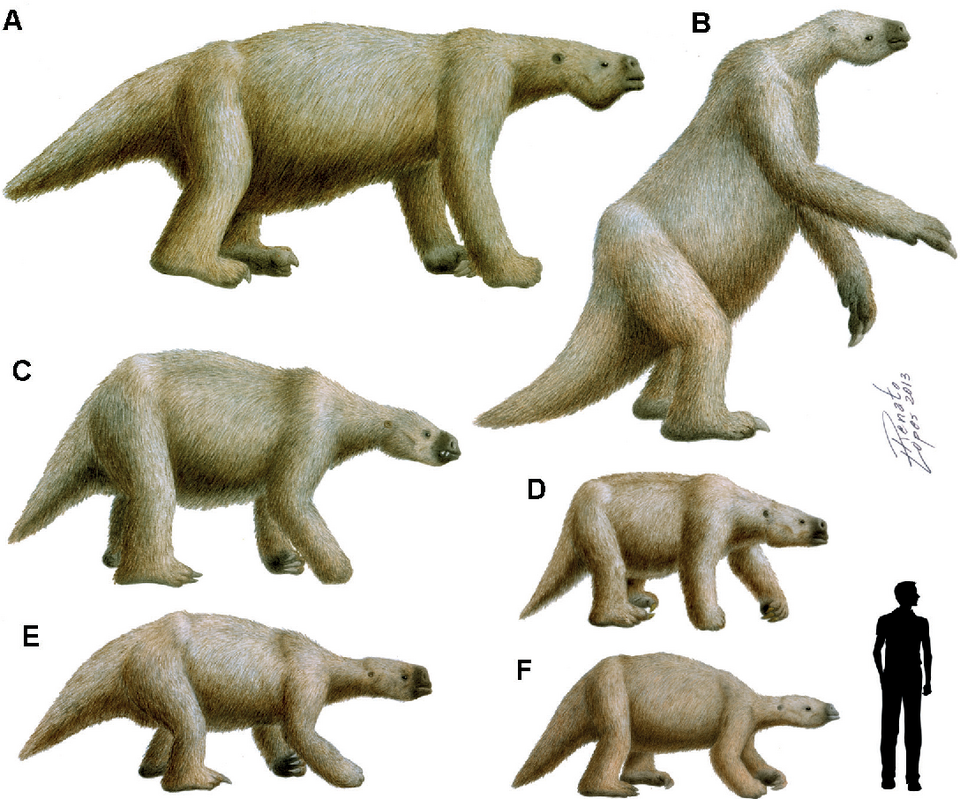
Named after Thomas Jefferson himself, this ground sloth was less “cute rainforest creature” and more “small building with claws.”
The scale of this animal is genuinely hard to picture. Megalonyx jeffersonii stood about 9.8 feet (3 meters) tall and weighed an estimated 2,205 pounds (1,000 kilograms). Its range was equally massive – Jefferson’s ground sloth lived from Alaska all the way down to northern Mexico, meaning this single species tolerated everything from subarctic cold to desert heat.
Its documented survival window edges past the commonly cited mass-extinction line. The last ones lived about 11,000 to 11,500 years ago, with separate zoo research placing survival at roughly 11,000 years ago as well. A 2,200-pound animal with a range from Alaska to Mexico wasn’t going anywhere quickly or quietly – its slow disappearance fits a gradual decline far better than a single dramatic event.
#3 – The Island Sloths That Outlived the Mainland by 6,000 Years
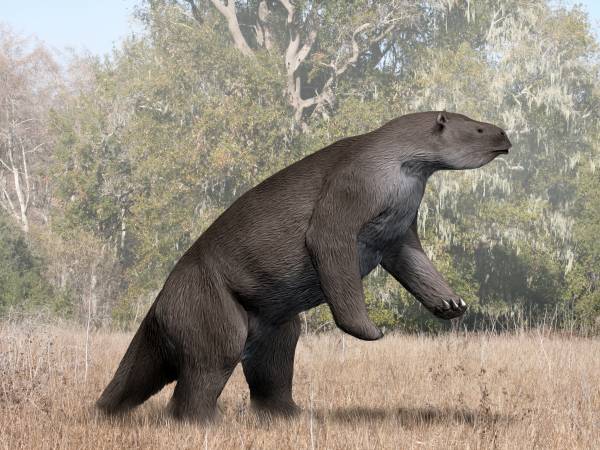
This is where the “everything died at once” theory completely falls apart. While mainland ground sloths vanished, their island cousins kept right on living – for thousands more years.
The contrast is staggering. The youngest known sloth remains from North America date to about 11,000 years ago, and South America’s ground sloths soon followed, with the youngest samples dating between 10,600 and 10,200 years ago. But for another 5,000 years, ground sloths kept surviving, scattered through the islands of the Caribbean. That’s not a footnote – that’s an entire lineage quietly surviving while everyone assumed the group was already extinct.
The specific dates make it even more remarkable. Parocnus, found on Cuba, lived until about 4,960 years ago, the small ground sloth Neocnus trundled over Hispaniola until about 4,500 years ago, and separate research on Megalocnus found it survived to at least 4,200 years ago.
These sloths were alive at the same time the Great Pyramid of Giza was being built.
Fossil record, cross-referenced with Egyptian chronology
Say that sentence out loud. It still doesn’t feel real.
#2 – The Mastodon That Refused to Vanish With Its Hunters
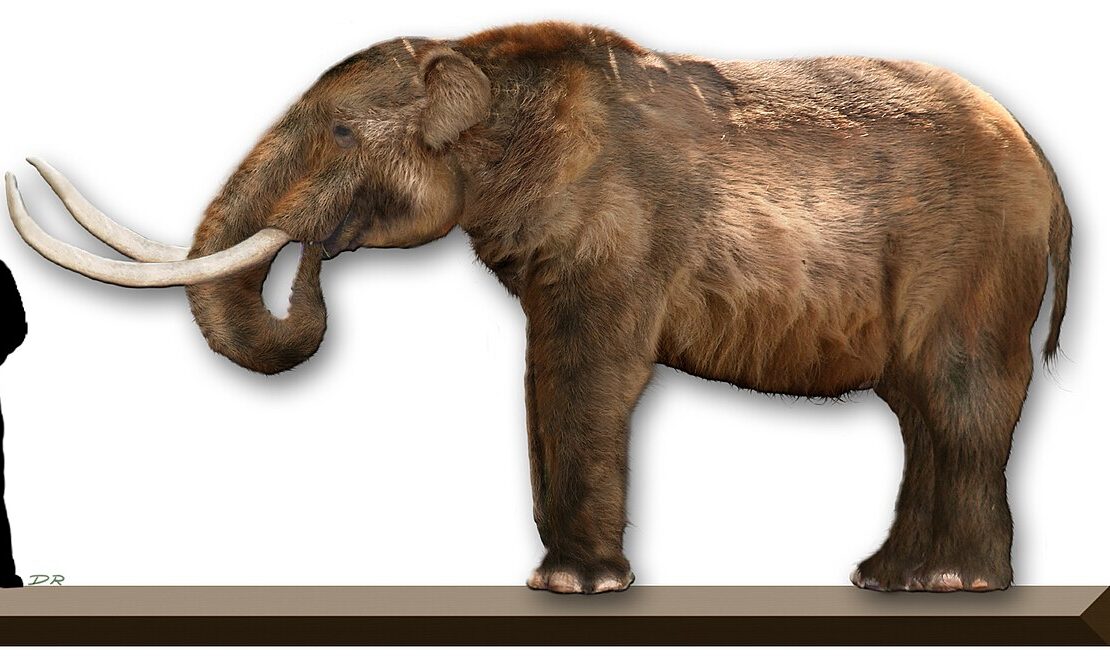
Mastodons are usually described as a Clovis-era casualty, wiped out right alongside the famous mammoth-hunting culture that supposedly finished them off. New fossil evidence says that story is incomplete.
A radiocarbon-dated specimen from Indiana rewrote the timeline entirely. Radiocarbon dating of enamel and filtered bone collagen from an extinct American mastodon in northern Indiana yielded direct dates showing the animal survived beyond the Clovis time period and into the late Younger Dryas. That single mastodon outlived the very culture most textbooks blame for its extinction.
The implications are bigger than one fossil. This late survival in mid-continental North America doesn’t remove humans or climate change as contributing causes of the late Pleistocene extinctions – but it does mean neither Clovis hunters nor the climate shifts of the Younger Dryas were immediately responsible for driving mastodons extinct. That’s a direct challenge to the tidy “one cause, one moment” extinction story most people were taught in school.
#1 – The Woolly Mammoth That Was Still Alive When Cities Were Being Built
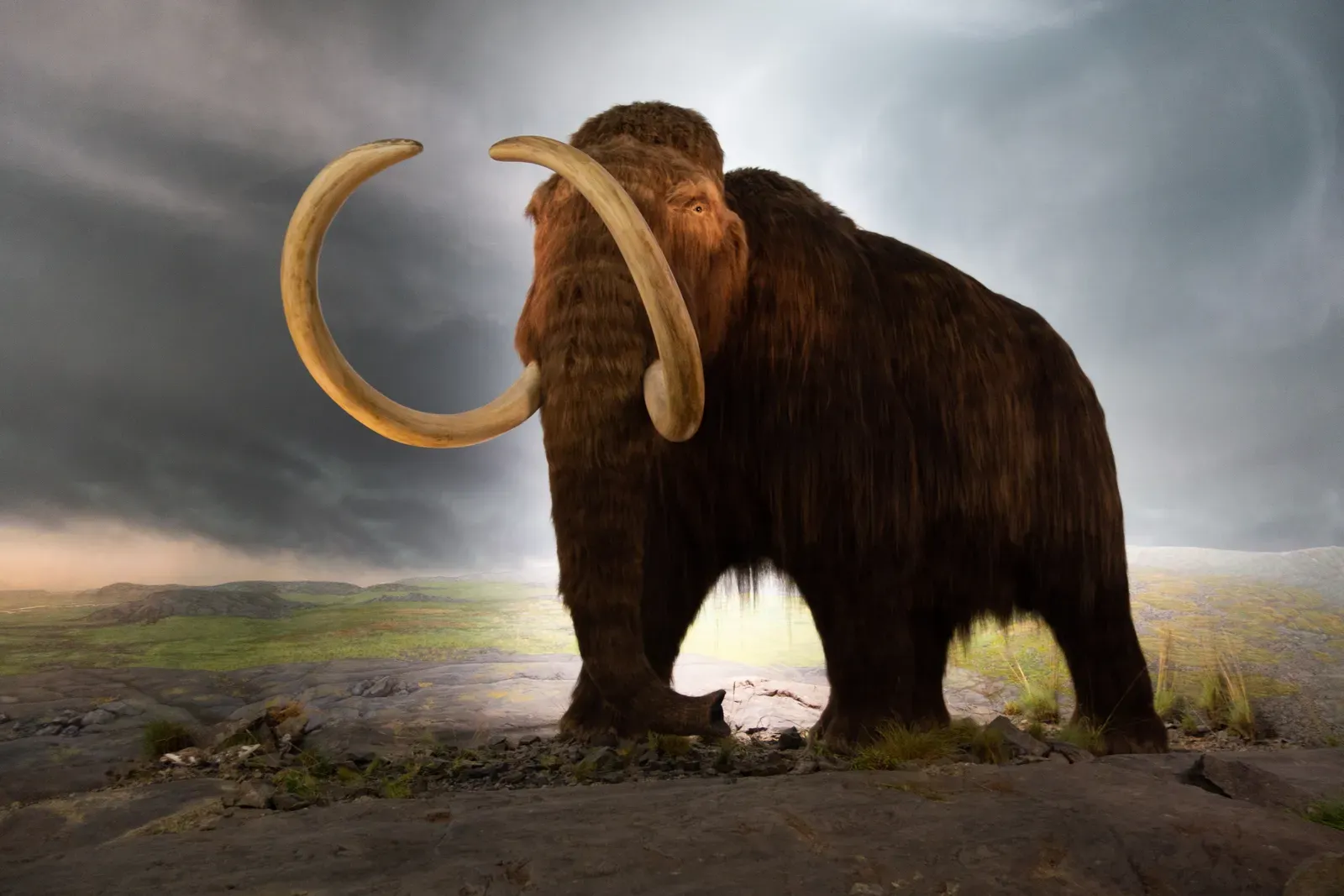
Forget everything you learned about mammoths dying out with the last Ice Age glaciers. The real story is almost unbelievable.
Frozen dirt, not bones, cracked this case wide open. Vials of Alaskan permafrost reveal that woolly mammoths may have survived in North America thousands of years longer than scientists previously thought – the hairy beasts might have persisted in what is now the Yukon, in Canada, until around 5,000 years ago, roughly 5,000 years longer than experts previously estimated. That’s not a minor correction. That’s doubling the animal’s known lifespan on the continent.
Worth Knowing
- Last known location: the Yukon, Canada
- Revised survival estimate: until around 5,000 years ago
- Scale of the correction: roughly double the previously accepted lifespan on the continent
- Overlap: still alive as early human cities were forming during the Holocene
The context makes it even more jarring. That timeline puts the disappearance of Yukon mammoths well into the Holocene, the current geological epoch that began about 11,000 years ago – meaning that by the time mammoths vanished from the region, human civilizations were emerging around the world and early cities were developing. Woolly mammoths were still alive on North American soil while the first cities on Earth were being founded. Most people picture mammoths as strictly a “caveman” animal. The truth is far stranger than that.
The Bottom Line
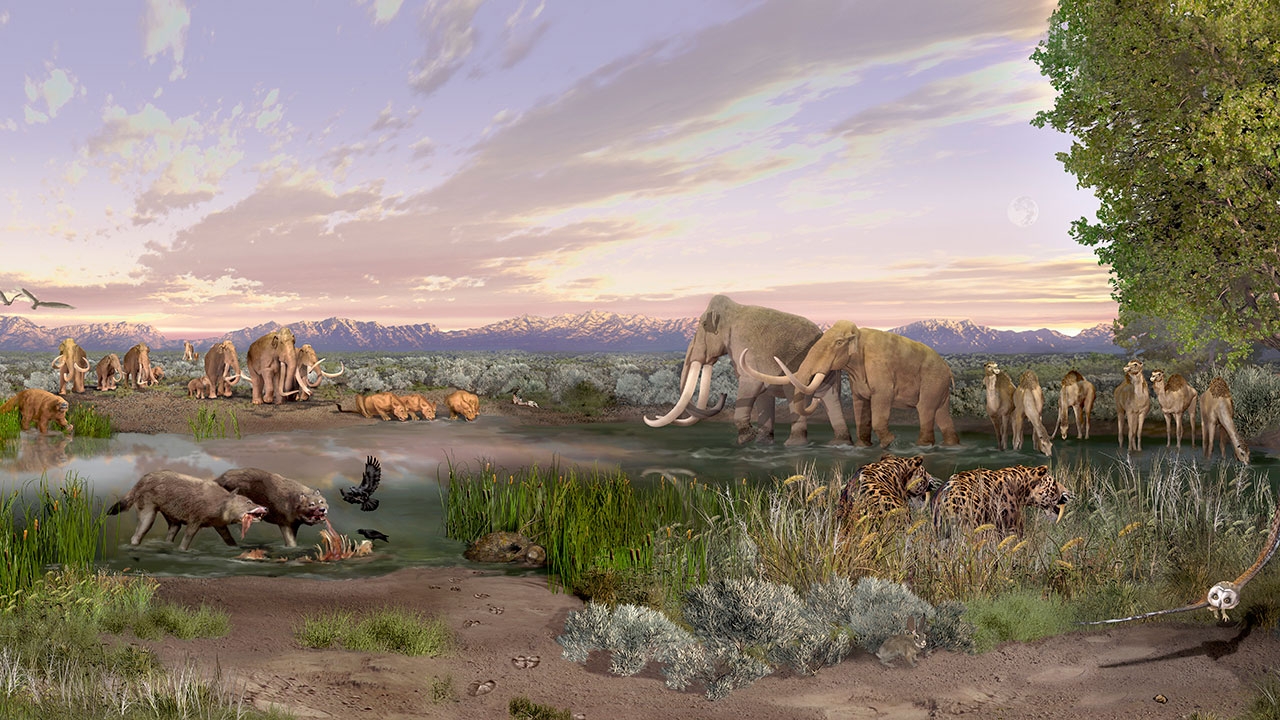
The tidy version of the Ice Age extinction story – one climate shock, one wave of human hunters, everything gone by 11,000 years ago – simply doesn’t hold up anymore. Mammoths and horses lingered in the Yukon until roughly 5,000 to 6,000 years ago. Ground sloths clung on in the Caribbean until pyramid-building times. Mastodons outlived the very hunters blamed for killing them.
The real extinction wasn’t a single event. It was a slow, uneven collapse that took thousands of years longer than anyone wants to admit, playing out differently on every coastline, island, and river valley across the continent. So which explanation do you actually buy: overhunting, climate collapse, or something science still hasn’t figured out? Drop your theory in the comments.