If you imagine dinosaurs as nothing but building‑sized monsters stomping through jungles, you’re missing the weirdest, most delightful part of the story. Some dinosaurs were so tiny that if they wandered into a modern backyard, they’d be dodging between flowerpots and hiding under patio chairs like nervous sparrows. That image alone flips the usual Hollywood vision on its head.
When I first learned that a few dinosaurs were smaller than today’s average chicken, it honestly broke my brain a little. It turns the age of dinosaurs from a world of only colossal beasts into something much more familiar, almost cozy: flocks, scramblers, insect hunters, and delicate little runners that would have looked more at home in a suburban garden than in a monster movie. Let’s walk through that world together and meet some of the tiniest members of prehistory.
The Dinosaur-Chicken Size Plot Twist
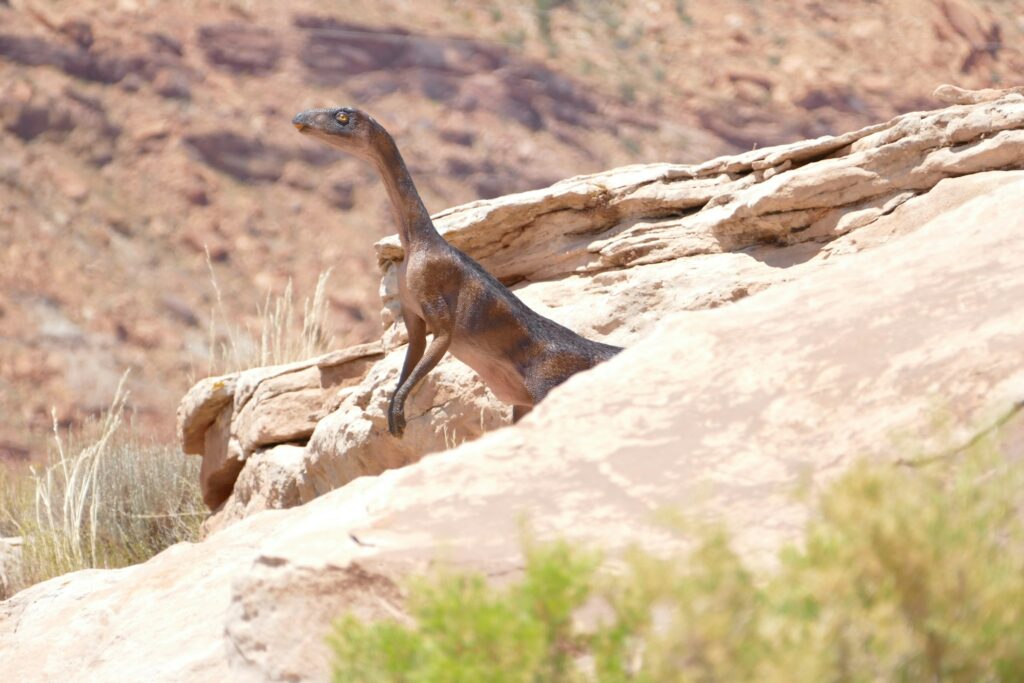
Here’s the twist most people never see coming: not all dinosaurs were giants; some could literally sit in your hand. A modern backyard chicken weighs a few pounds and stands maybe a foot or so tall, and there were dinosaurs that fit inside that same size range or even a bit below it. Once you know that, the whole mental picture of the Mesozoic era starts to shift from endless titans to a far more layered ecosystem.
Scientists have identified small, lightly built dinosaurs with bodies shorter than a house cat and lighter than a big rooster. Instead of towering like a T. rex, these little animals scurried, hopped, and darted around the feet of the bigger species. Thinking of dinosaurs on a chicken scale makes them feel less like distant monsters and more like strange, ancient neighbors we simply never got to meet.
Microraptor: The Four-Winged “Crow” of the Cretaceous
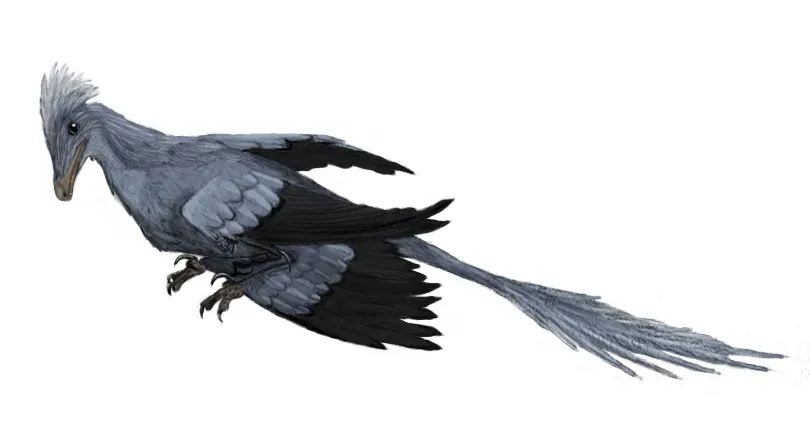
One of the most remarkable small dinosaurs is Microraptor, a tiny predator with feathers on both its arms and legs, giving it four wing-like surfaces. It was roughly about crow-sized, and in some reconstructions it looks more like a glossy, dark bird than something out of a dinosaur textbook. Picture a sleek, feathered creature only a bit larger than a backyard hen, gliding from branch to branch instead of clucking in the dust.
This little dinosaur lived in the Early Cretaceous in what is now northeastern China, in forests laced with trees, lakes, and undergrowth. Its teeth and claws suggest it hunted small animals like lizards, insects, or maybe even other tiny dinosaurs, the way a hawk might swoop on unwary prey today. If you could time-travel and drop Microraptor into a modern farmyard, it would look oddly at home perched on a fence post, just with a far more dramatic wing setup.
Compsognathus and Other “Pocket-Sized” Predators
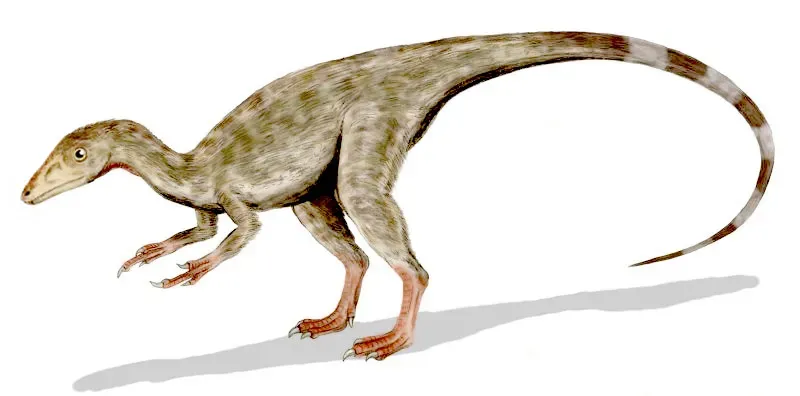
Another small dinosaur that often comes up in conversations about size is Compsognathus, a slender, long-tailed predator from the Late Jurassic. Depending on the specimen, it is often described as being about the size of a domestic chicken or a bit larger, with a lightweight, narrow body perfect for quick movements. Early on, it was sometimes hailed as one of the smallest known dinosaurs, which helped cement the idea that “dinosaur” doesn’t automatically mean huge.
Imagine a Compsognathus weaving through a vegetable patch, snatching at insects or small vertebrates the way a cat might chase mice. It had long legs, a pointed snout, and probably moved with a quick, bird-like gait. While it would have been a skilled hunter in its own realm, next to a chunky backyard hen it might have looked more like a nervous, wiry stray dog than a roaring movie monster.
Dinosaur Babies: Tiny from Day One
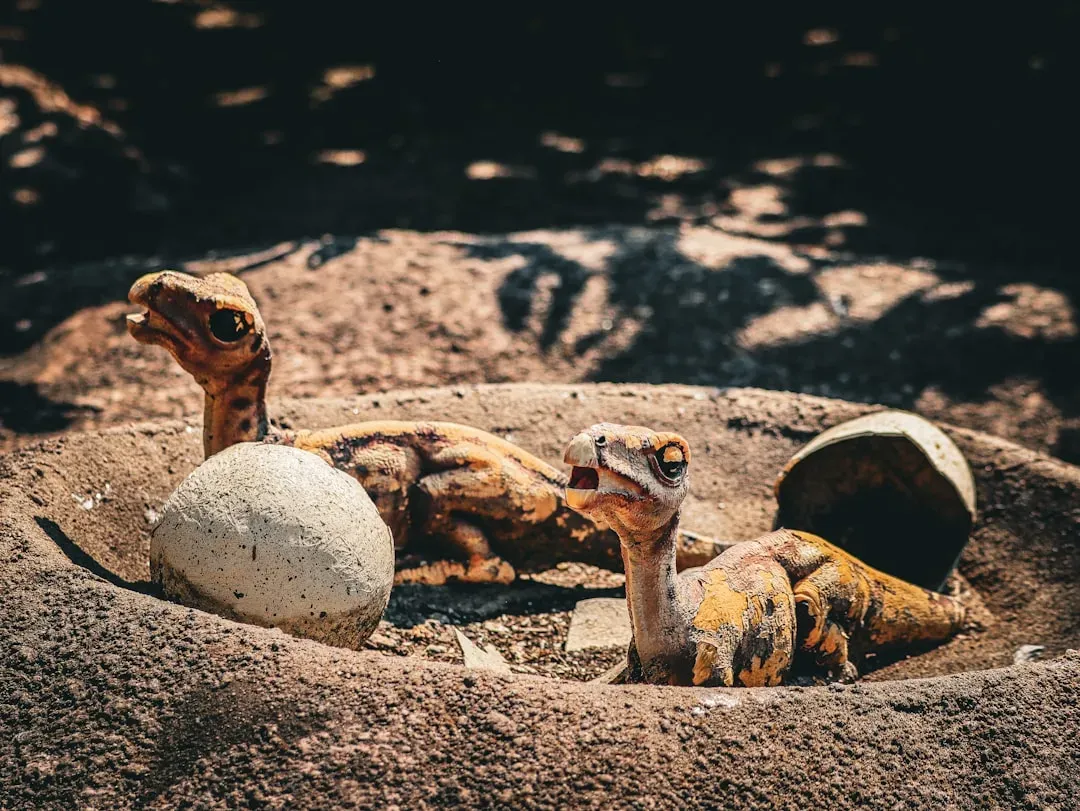
Even the biggest dinosaurs started off incredibly small. Fossilized eggs and embryos show that hatchlings of huge species emerged at sizes that could easily be compared to chicks or small ducklings. A baby sauropod that would one day grow into a multi‑ton giant started life small enough that, put next to a modern chicken, it wouldn’t have seemed so impressive at first glance.
This matters because it reminds us that the dinosaur world was full of vulnerable, miniature lives as much as it was full of towering adults. Nesting grounds, tiny tracks, and eggshell fragments show whole dramas playing out at scales that would fit easily inside today’s backyard. I like to imagine a fresh clutch of dinosaur hatchlings wobbling around like awkward chicks, testing their legs, surrounded by predators big and small, with odds stacked brutally against them from the moment they cracked their shells.
The Bird Connection: Chickens as Living Dinosaurs
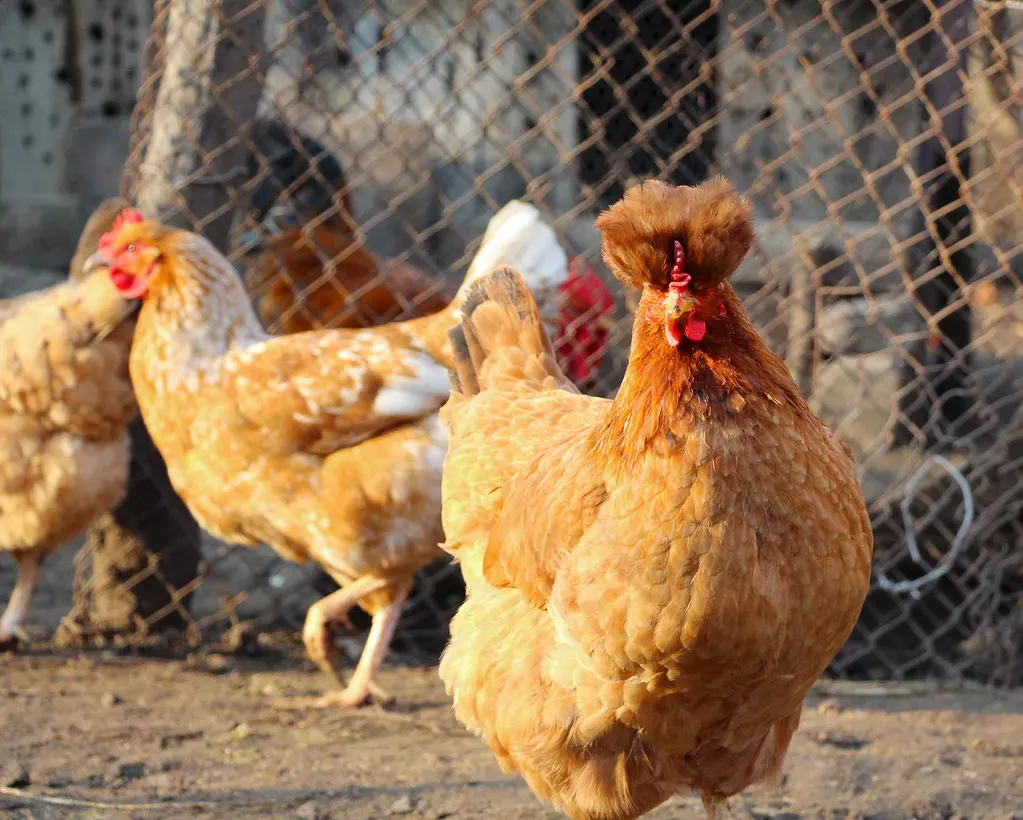
Here’s where things really get fun: chickens themselves are, in a very real scientific sense, dinosaurs. Birds evolved from small, feathered theropod dinosaurs, closely related to the group that includes famous names like Velociraptor. That means your feisty backyard hen scratching around in the dirt is part of the only dinosaur lineage that made it through the mass extinction and is still clucking defiantly today.
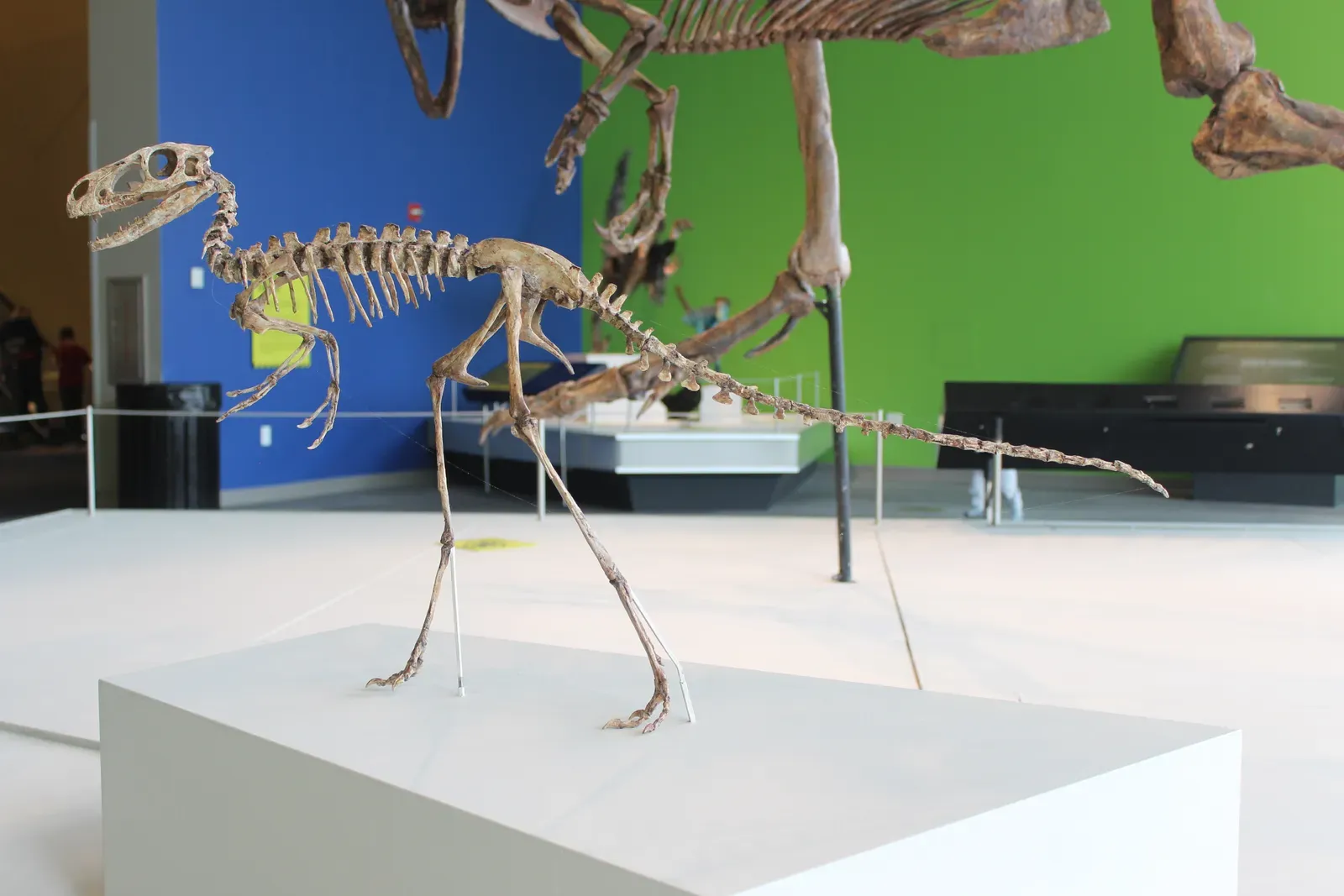
When you put a skeleton of a small theropod next to a bird skeleton, the similarities are almost spooky: hollow bones, three-toed feet, similar hip structures, and in many cases feathers. So when we say some dinosaurs were smaller than chickens, we are also talking about distant cousins of those very chickens. It is like learning your pet is secretly royalty and has been part of a long, wild, ancient story stretching back more than sixty million years.
Life at Ground Level: Why Being Tiny Was an Advantage
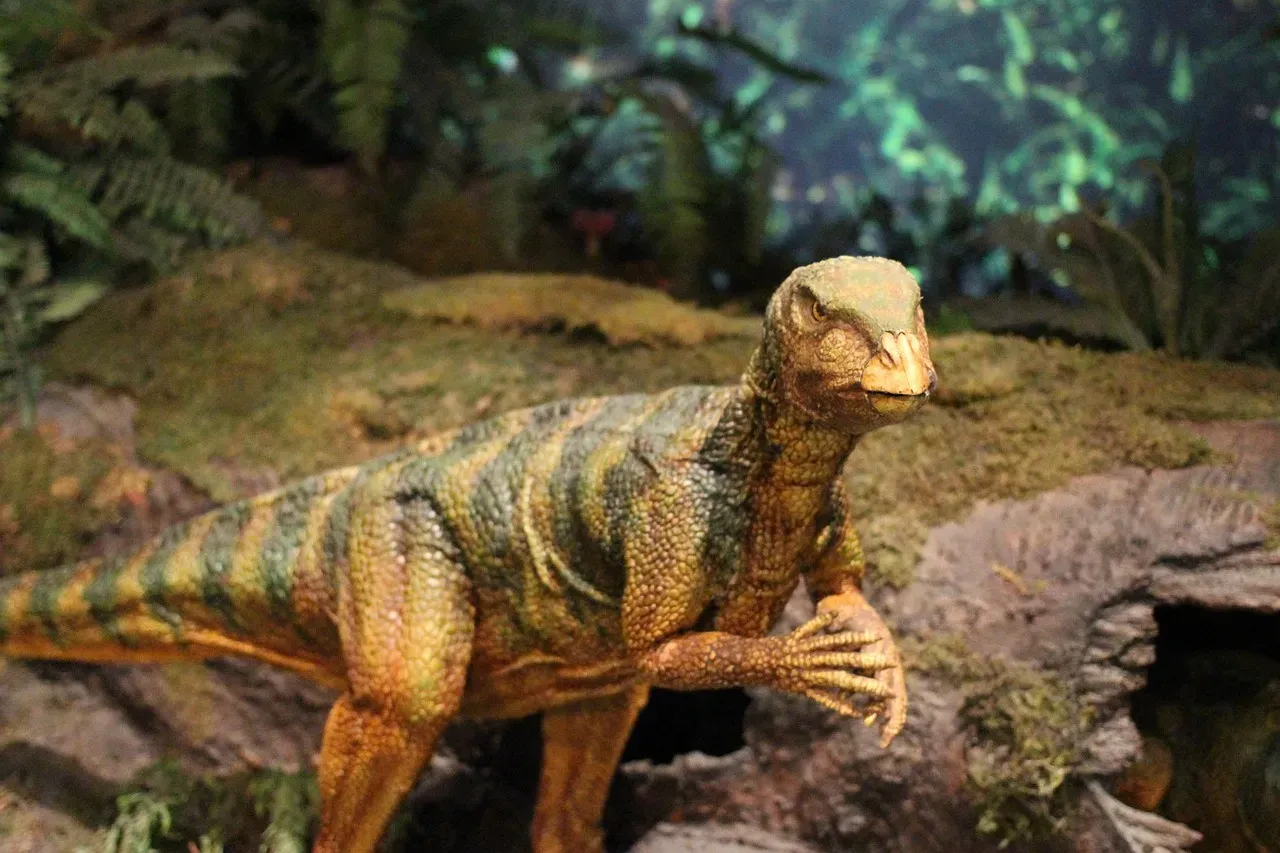
It might sound like a disadvantage to be tiny in a world where some animals were the size of buildings, but small dinosaurs carved out their own clever niches. Being small meant they needed less food, could hide more easily, and could slip into habitats larger dinosaurs simply could not use. Think of them as the nimble scooters weaving through traffic while the giant trucks lumber along the main road.
Many small dinosaurs were likely insect eaters, scavengers, or opportunistic hunters, darting between foliage and rocks, staying light on their feet. Their size allowed them to survive in crowded ecosystems and possibly cope better with certain environmental changes. When I picture them, I do not see victims; I see survivors, hustlers of the ancient world, using speed, stealth, and sheer adaptability to stay alive under the feet of giants.
Rethinking Dinosaurs: From Monster Myths to Complex Ecosystems
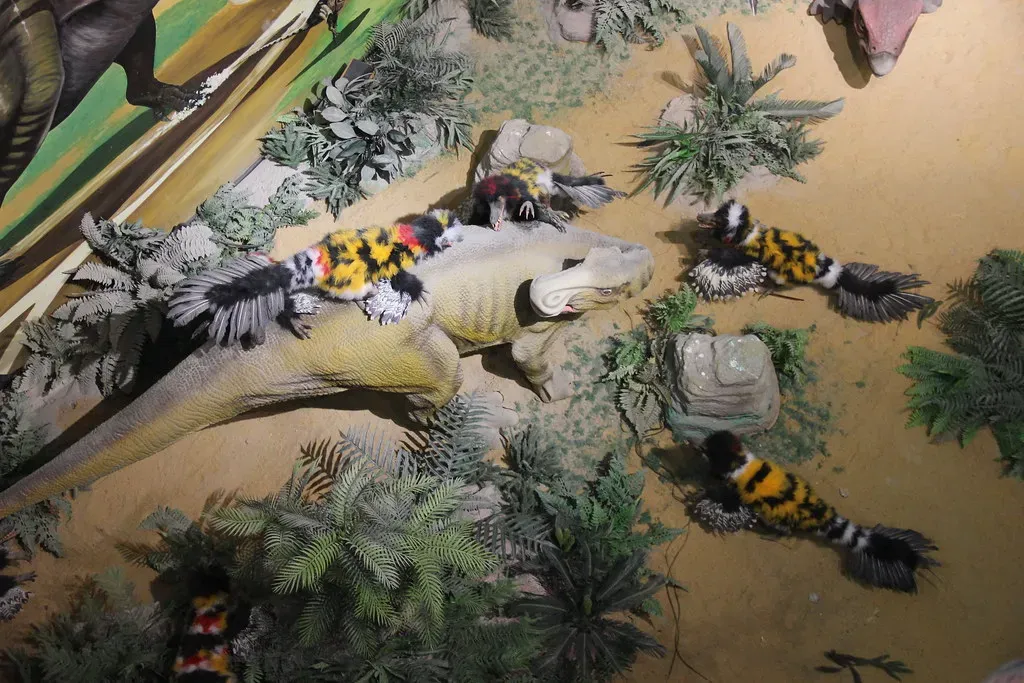
Once you accept that some dinosaurs were smaller than chickens, the old image of a “world of monsters” feels flat and outdated. The dinosaur era becomes less like a monster movie and more like a fully functioning planet, filled with predators, prey, scavengers, gliders, diggers, and everything in between. You start to see forests echoing with calls, underbrush alive with movement, and tiny feathered forms slipping through the shadows.
I think that shift is incredibly important, because it pushes us away from cartoonish stereotypes and toward a richer, more honest picture of life on Earth. Dinosaurs were not just freakish giants; they were also delicate, nimble, odd, and sometimes downright cute. For me, that makes their story feel closer, more human, and strangely comforting, as if the line between their world and ours is thinner than we usually admit.
Conclusion: The Smallest Dinosaurs Change the Biggest Story
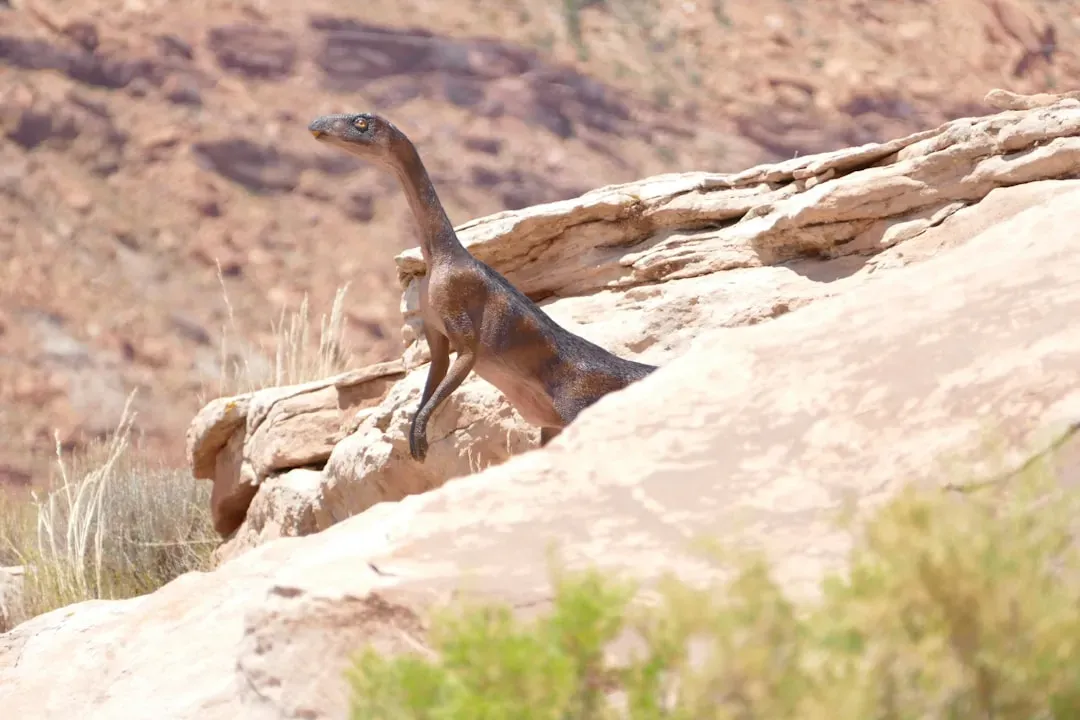
To me, the real shock is not that some dinosaurs were smaller than backyard chickens, but that we spent so long pretending dinosaurs were only enormous and terrifying. The tiny ones expose that blind spot and remind us that nature almost never tells a one‑note story. Once you picture a flock of feathered, chicken‑sized dinosaurs darting between the legs of a passing giant, the whole Mesozoic suddenly feels more alive, messy, and real.
My opinion is that we should stop treating dinosaurs as a separate category of mythical beasts and start seeing them as what they truly were: animals, diverse and complicated, with some small enough to roost on a fence and others big enough to reshape a landscape. Next time you see a chicken scratching calmly in the dirt, try to imagine its distant cousins doing much the same under a Cretaceous sky. If you had to guess, would you have ever believed that one of the most ordinary birds in your backyard holds the key to understanding some of the strangest, smallest dinosaurs that ever lived?