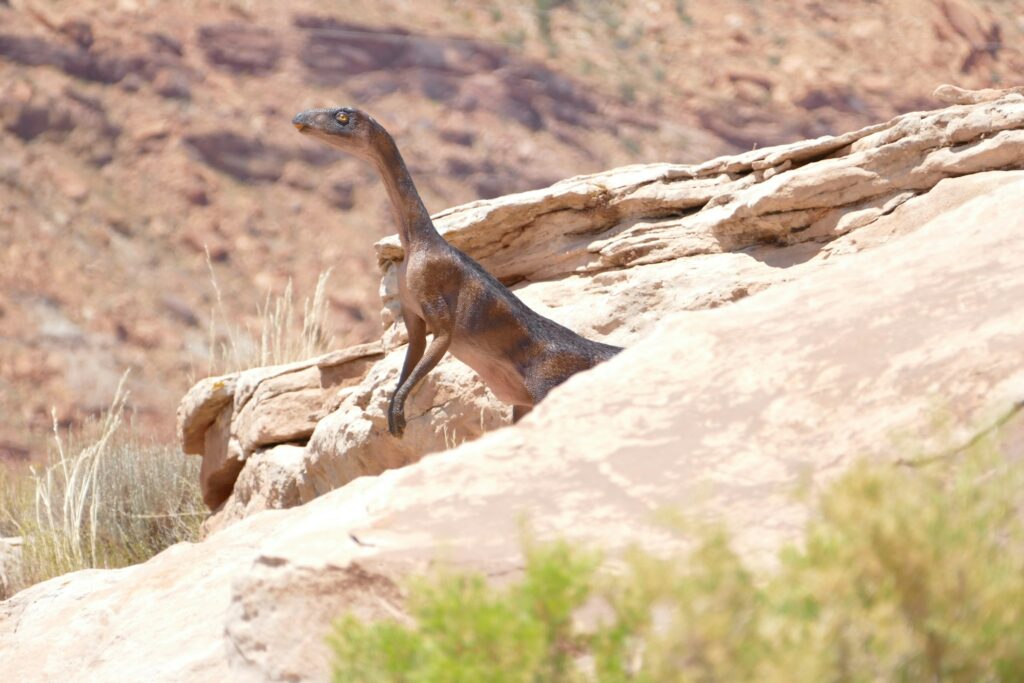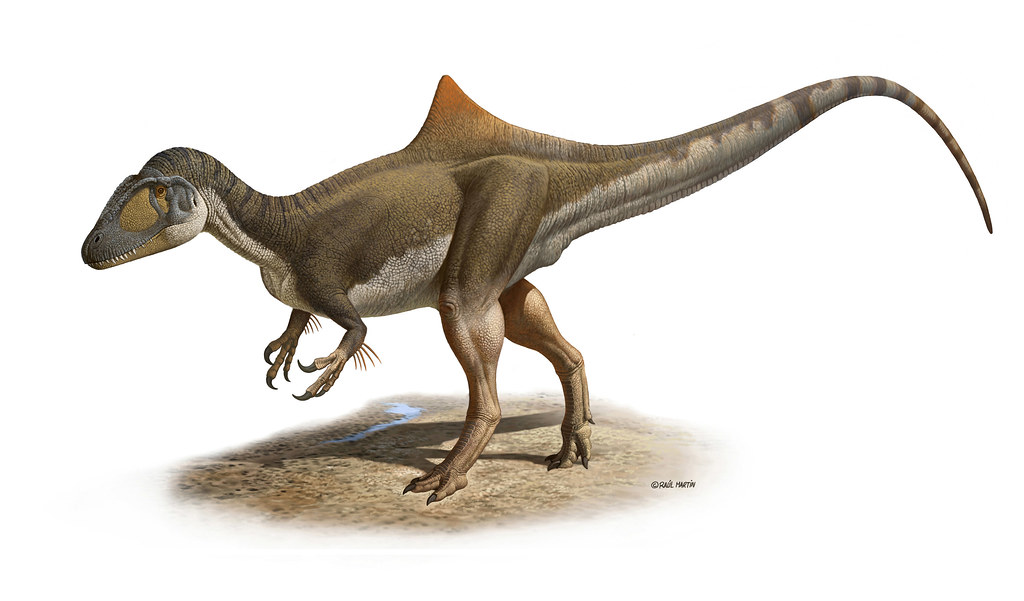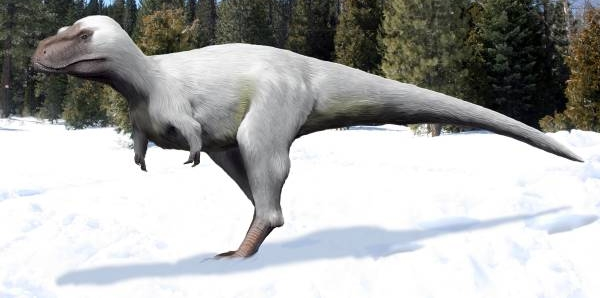
If you picture dinosaurs, you probably imagine steamy jungles, swampy riverbanks, and massive reptiles basking in endless heat. But the rocks are telling a very different, almost unsettling story: some dinosaurs were living in places that would later sit above the Arctic Circle, enduring long, dark winters and chilling seasonal swings. That image alone completely rewrites the way most of us learned about the Age of Dinosaurs.
What fascinates me is that these discoveries don’t just tweak a footnote in dinosaur history; they challenge the whole idea of what a dinosaur could be. Warm-blooded? Feathered? Nesting in freezing soils? As paleontologists dig into ancient polar sediments, they’re uncovering a world that feels both alien and strangely familiar – dinosaurs pushing the limits of life in a climate that was milder than today, yet still brutally seasonal. The deeper we look, the more it feels like we’ve underestimated them.
Dinosaurs at the Top of the World: Not a Sci‑Fi Concept Anymore
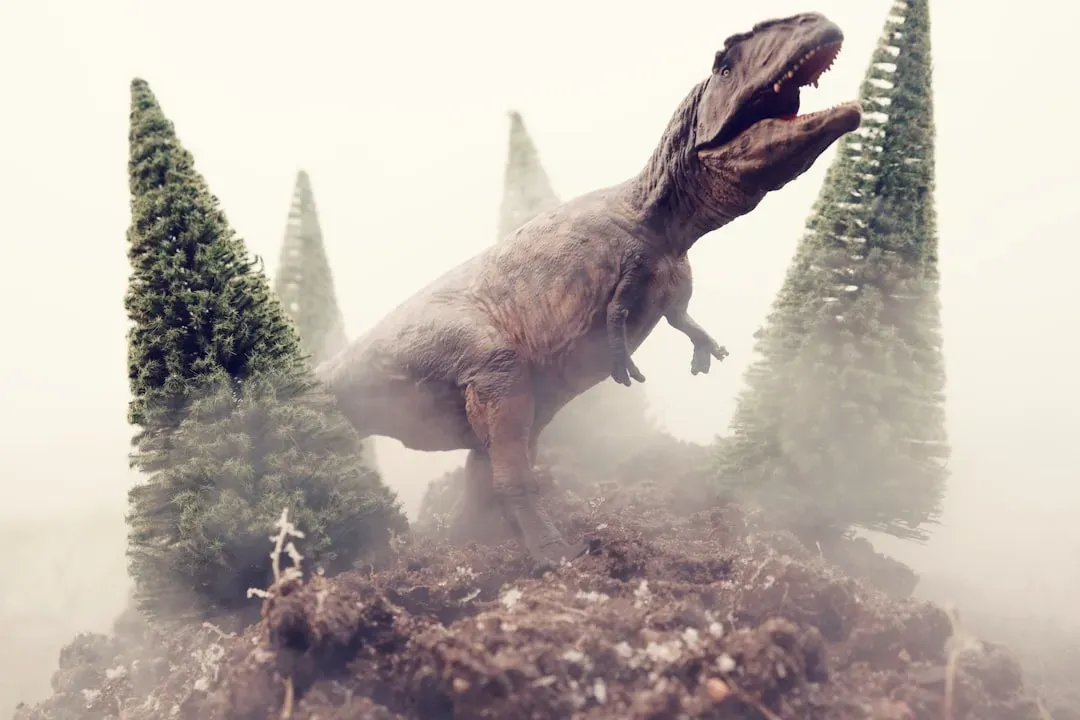
For a long time, the idea of dinosaurs living year‑round in high Arctic regions sounded like a stretch, even to many scientists. If you assume dinosaurs were sluggish, cold-blooded reptiles, the thought of them surviving months of darkness and chilly temperatures seems impossible. Yet fossil sites in what is now northern Alaska and Arctic Canada keep turning up bones, tracks, and even nests that belonged to dinosaurs who apparently stayed put instead of migrating south.
This is not just a stray bone here or there; it is entire communities preserved in ancient river floodplains and coastal environments that once lay well within polar latitudes. Researchers have found evidence of herbivores, predators, and even tiny, bird-like dinosaurs all sharing these ecosystems. That means the Arctic during the dinosaur age was not some empty, marginal habitat – it was a fully functioning ecosystem, with food webs and life cycles running all year long, even as winter darkness settled in for months.
A Warmer Earth, But Still a Harsh Polar Neighborhood
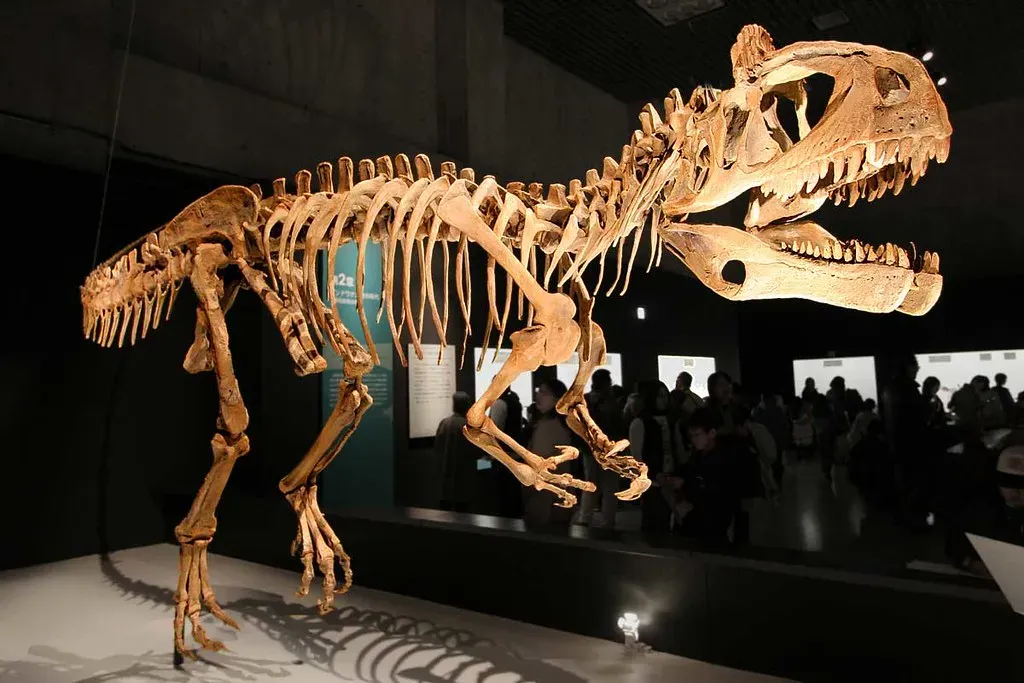
It is true that during much of the Mesozoic, especially the late Cretaceous, Earth was warmer overall than it is today. There were no massive ice sheets sitting on the poles, and global sea levels were dramatically higher. That warmth has sometimes been used as a casual excuse to wave away the difficulty of polar dinosaur life, as if a warmer world means the Arctic was just another tropical beach. The reality is more complicated and, honestly, more impressive.
Even in a greenhouse climate, high latitudes still deal with one stubborn fact: the tilt of Earth’s axis. Above the Arctic Circle there are months of continuous daylight in summer and months of near total darkness in winter. Temperatures would have been milder than modern Arctic winters, but not exactly comfortable, with cool seasons, frosts, and a landscape locked in darkness for long stretches. Dinosaurs living there were not just heat-lovers – they were creatures adapted to extreme light cycles, seasonal cold, and big swings in food availability.
Fossil Nurseries in the Arctic: Babies in the Cold
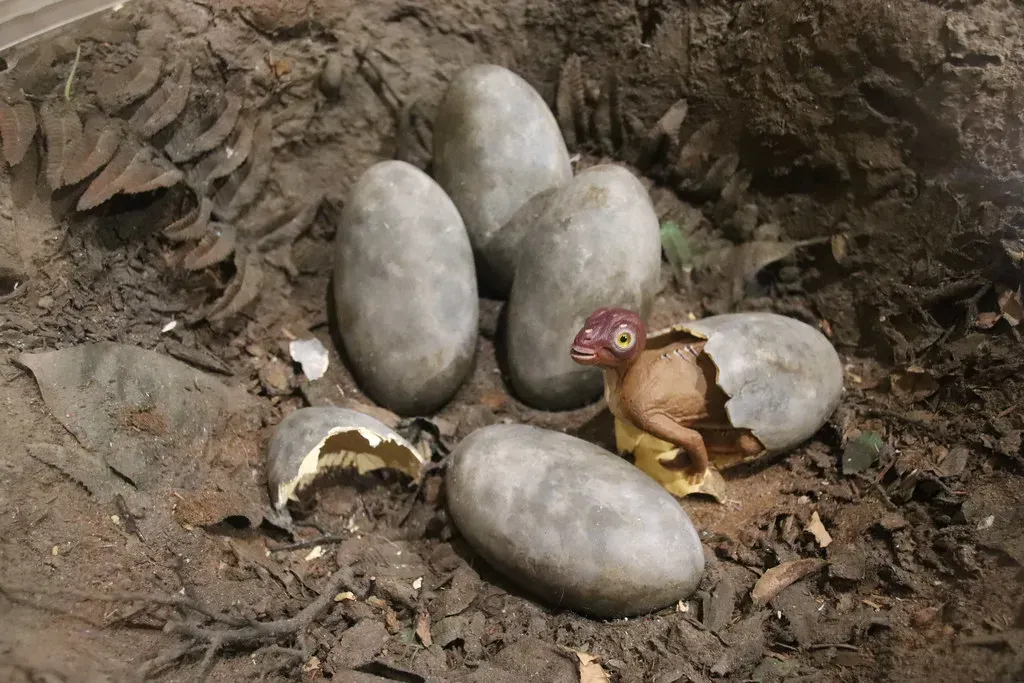
One of the most surprising pieces of evidence is that paleontologists are finding dinosaur nests and very young juveniles in these ancient polar deposits. That changes the story completely. If these animals had simply migrated in and out seasonally, you would expect mainly adults and maybe older juveniles passing through. Instead, the rock record shows that at least some species were breeding, nesting, and raising their young locally, right there in high-latitude regions.
Hatchlings and very young individuals would not have been able to handle thousand-kilometer migrations. Their presence strongly hints that these dinosaurs stayed in the region year-round, facing winter darkness and whatever cold came with it. To me, that is the most powerful argument that we should stop thinking of them as fragile heat-seekers. They behaved more like resilient northern mammals and birds do today, timing reproduction to the short but intense polar summer and then riding out the lean season with specialized adaptations.
How Do You Survive Months of Darkness if You’re a Dinosaur?
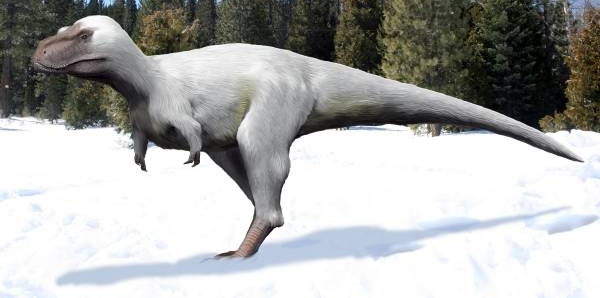
That question has sparked some of the most heated debates in modern paleontology. To withstand long, dim winters, Arctic dinosaurs likely needed more than just luck. Many scientists suspect that at least some of them had high, bird-like metabolic rates, allowing them to generate internal heat rather than relying solely on the environment. Feather-like insulation, especially in smaller, predator-type dinosaurs, is another piece of the puzzle that suddenly makes a lot more sense in a polar setting.
Larger herbivores may have used sheer body mass, herd behavior, and perhaps a thick seasonal coat of proto-feathers or filamentous covering to retain warmth, much like large mammals today. Then there is the question of food: with winters cutting down plant growth, these animals may have depended on evergreen vegetation, stored energy in their bodies, or highly efficient digestive systems. We do not have all the answers, but the existence of thriving polar dinosaur communities pushes the field toward a more dynamic, almost mammal-like view of dinosaur physiology.
Arctic Fossils That Rewrite the Dinosaur Stereotype
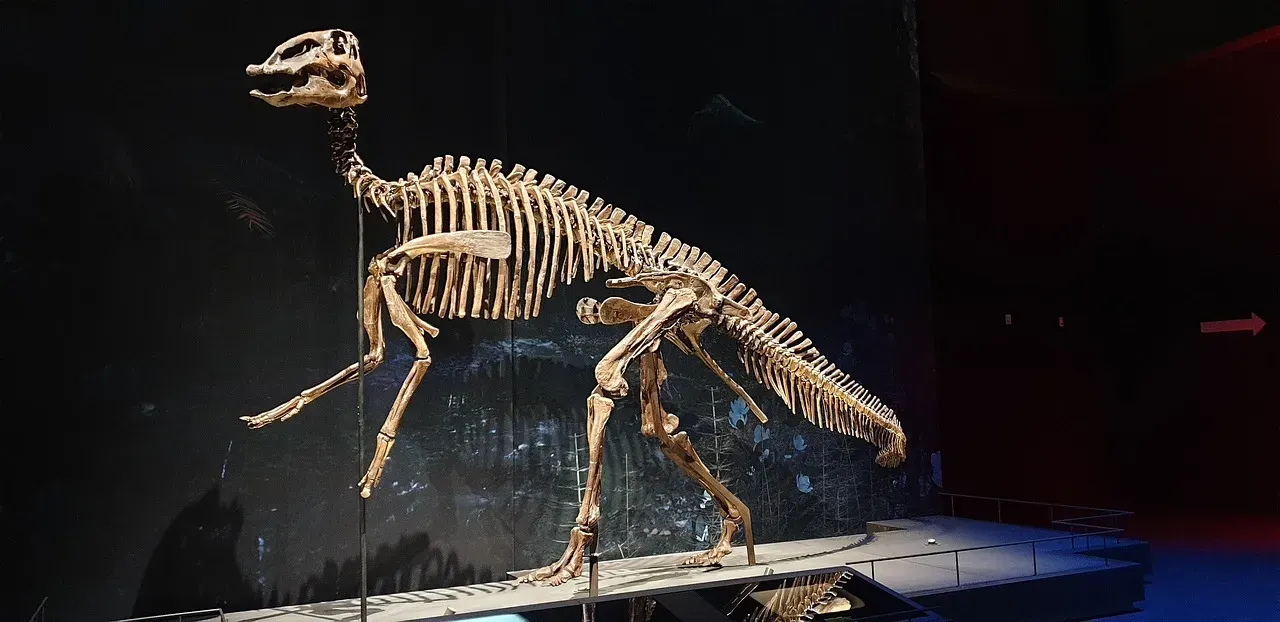
What I love about the Arctic sites is how they demolish the old mental image of dinosaurs as simple, scaly swamp dwellers. You have evidence of duck-billed herbivores trudging through floodplain forests, horned dinosaurs browsing in cool, conifer-dominated habitats, and agile, bird-like predators darting through undergrowth under a pale, low sun. Some bones show signs of growth patterns that hint at seasonal slowdowns, a kind of built-in response to harsher months.
These fossils tell stories not just about who lived there, but how they coped. Microfossils of plants, pollen, and even ancient soil layers reveal forests that would have looked more like dark, tangled northern woodlands than sunny palm groves. If you stand back and think about it, the Arctic Mesozoic world feels oddly similar to modern boreal ecosystems: long summer days of frantic activity, then long, dark winters where only the tough and well-prepared survive. Dinosaurs, it turns out, were up for the challenge.
Why Polar Dinosaurs Matter for Understanding Climate and Evolution
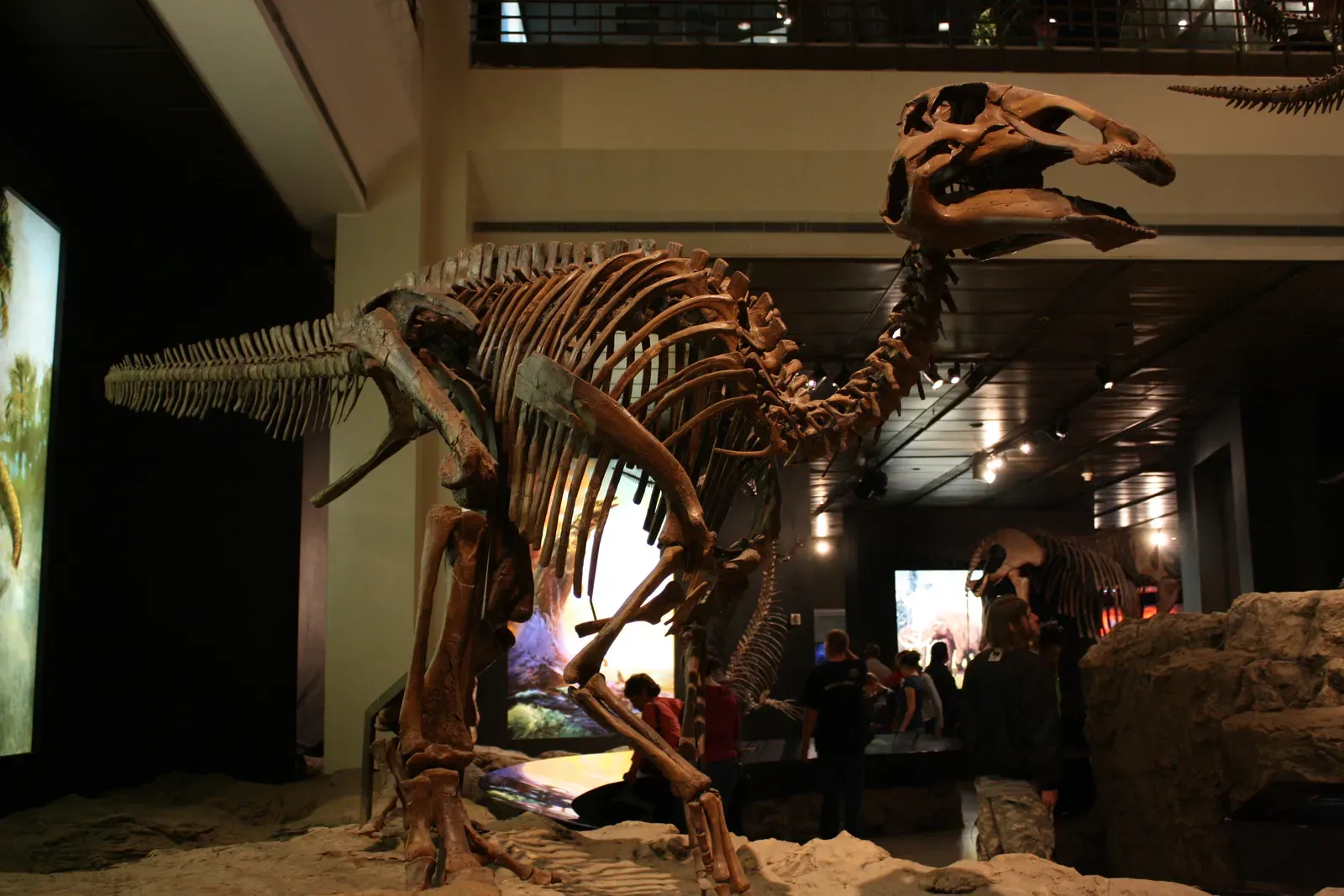
It might sound like a niche topic – dinosaurs in the Arctic, a fun fact for trivia night – but it cuts straight into some of the big questions we wrestle with today. These animals thrived in a greenhouse world with no permanent ice caps, yet they still had to deal with seasonal extremes. That makes them a kind of deep-time case study for how life responds to shifting climates and non-intuitive environmental combinations: warm overall, but locally tough, unpredictable, and highly seasonal.
By studying polar dinosaurs and the ecosystems around them, scientists get a clearer picture of how evolution tinkers with body plans, metabolism, and behavior to handle environmental stress. It is not just about one group of prehistoric animals; it is about the broader rules of resilience. In a world where our own climate is changing rapidly, there is something sobering and oddly hopeful in seeing how life has adapted – sometimes spectacularly – to strange combinations of warmth, darkness, and seasonal scarcity.
The Arctic Then vs. the Arctic Now: A Planet in Flux
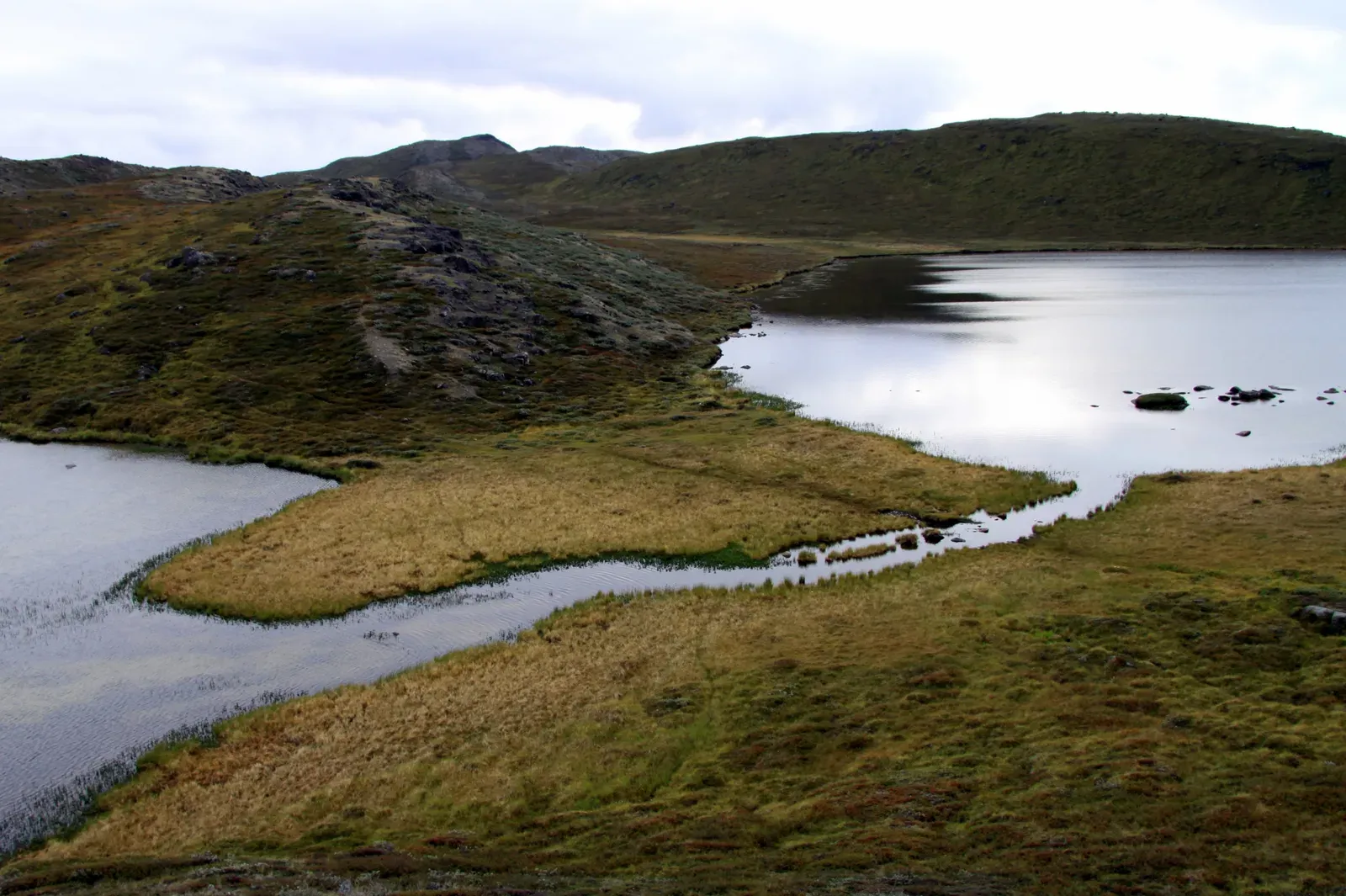
It is tempting to look at ancient Arctic dinosaurs and draw a straight line to the modern Arctic, but the comparison is more like a mirror funhouse than a neat timeline. Back then, there were no humans, no industrial emissions, and no ice sheets capping the poles. Yet the high-latitude regions were still uniquely challenging, shaped by Earth’s tilt and seasonal rhythms. Dinosaurs adapted to that world, not to ours, and their success tells us how different the rules can be under a very different climate baseline.
At the same time, the contrast is striking. Today’s Arctic is rapidly warming, sea ice is retreating, and ecosystems are shifting faster than many species can keep up. Looking back at a time when the poles were ice-free but still extreme puts our present situation in perspective: Earth can support wildly different climates, but every version of the planet favors some life forms and sidelines others. Dinosaurs once owned a warm, seasonally harsh Arctic; now we are the ones testing our limits on a changing planet. That parallel is hard to ignore.
Conclusion: Polar Dinosaurs Prove We’ve Been Underestimating Life All Along
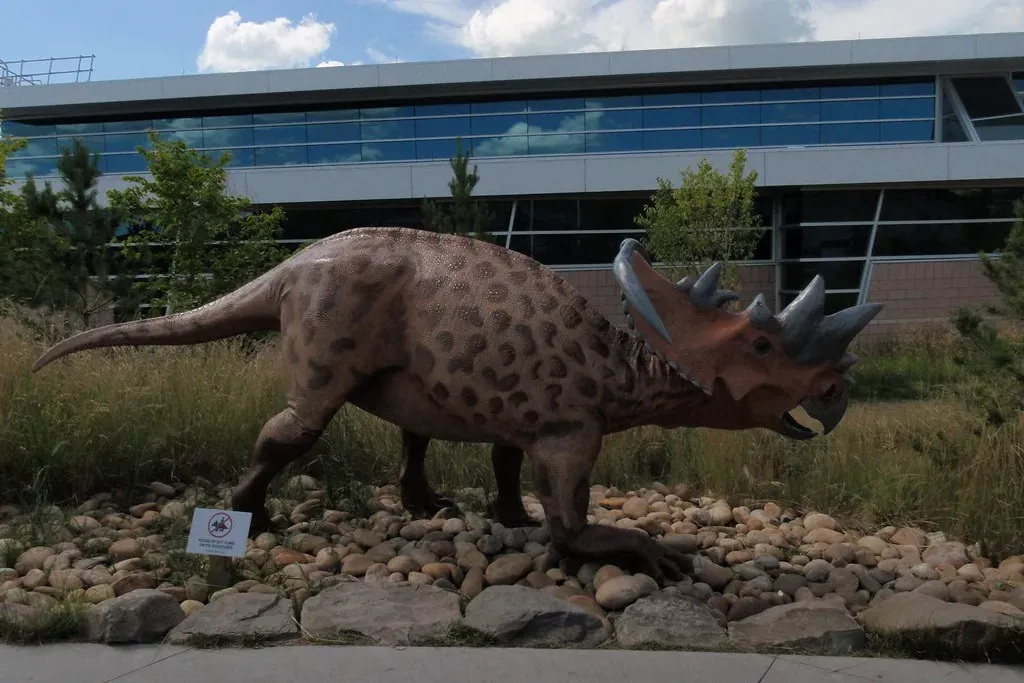
To me, the story of dinosaurs living above the Arctic Circle is one of the most humbling chapters in paleontology. It shatters the comfortable, outdated image of dinosaurs as slow, semi-tropical reptiles that simply lounged their way through a uniform, steamy world. Instead, we see tough, adaptable animals nesting in high-latitude forests, enduring months of darkness, and thriving in landscapes that would test even modern wildlife. If anything, it feels like we are finally catching up to how complex and versatile they really were.
My opinion is that polar dinosaur research should stop being treated as a quirky side topic and be put front and center in how we think about dinosaur biology and climate resilience. These animals show that life can stretch far beyond what we once thought possible, reshaping bodies, metabolisms, and behaviors to fit even the strangest corners of Earth. The more we learn about them, the more they force us to confront our own assumptions about what is “normal” for a living planet. When you picture dinosaurs now, do you still see them only under blazing tropical suns – or can you imagine them under a star-filled Arctic sky, waiting out the long night?