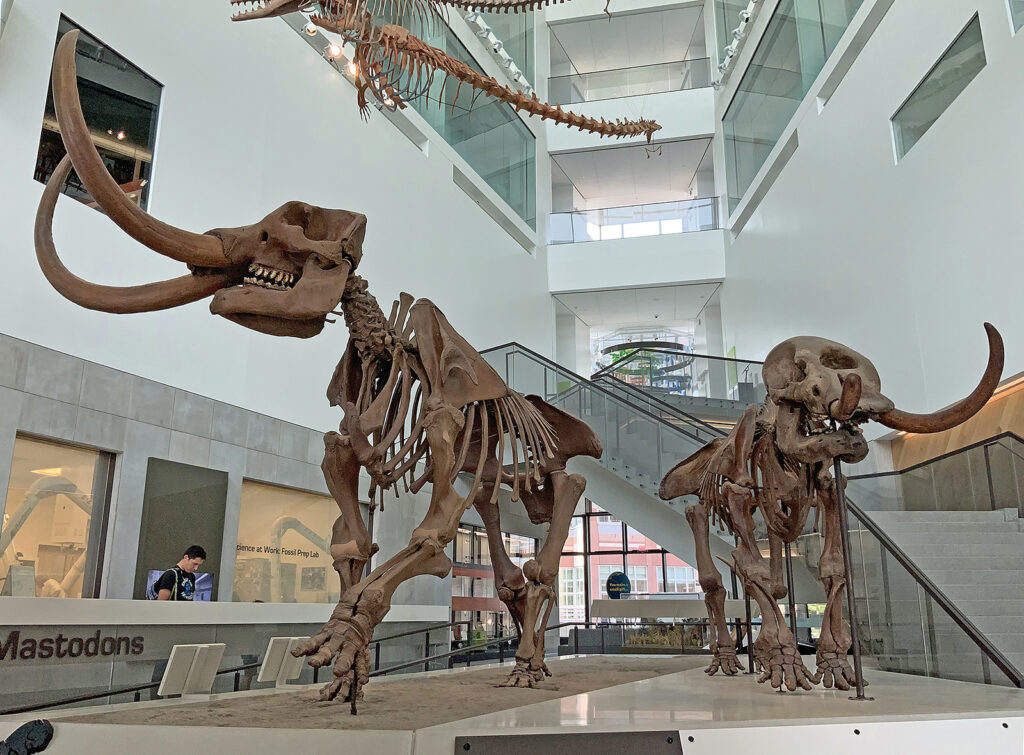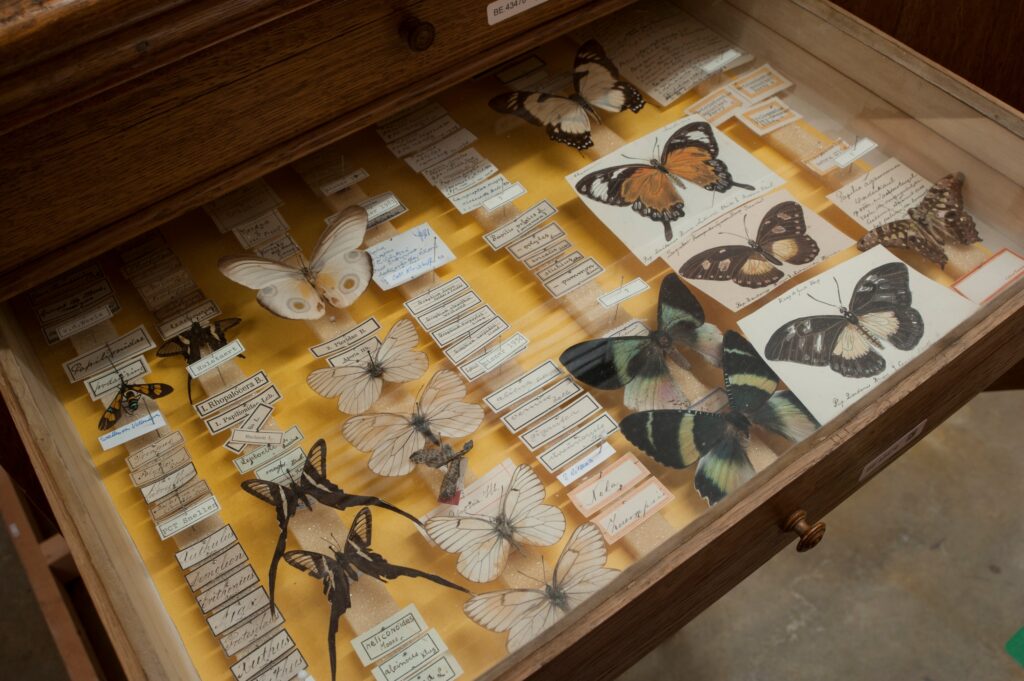
Walk through any grand natural history museum and it feels like humanity already conquered the natural world – every bone labeled, every beetle pinned under glassy certainty. That confidence is mostly theater. Behind the walls, in rooms visitors never see, curators are quietly sitting on millions of specimens nobody has ever gotten around to identifying, some collected before the Second World War and still waiting for someone to open the drawer.
Scientists studying this problem think as much as half of everything stored in the world’s museum collections could be misidentified or entirely unclassified – species we’ve technically already discovered but don’t yet know we have. Ahead are 13 real, documented cases of exactly that: extinct animals that weren’t, evolutionary missing links mistaken for junk, and one lag-time statistic so blunt it might change how you read every ‘newly discovered species’ headline from now on.
#13 – The American Museum of Natural History’s 2025 Backlog Haul
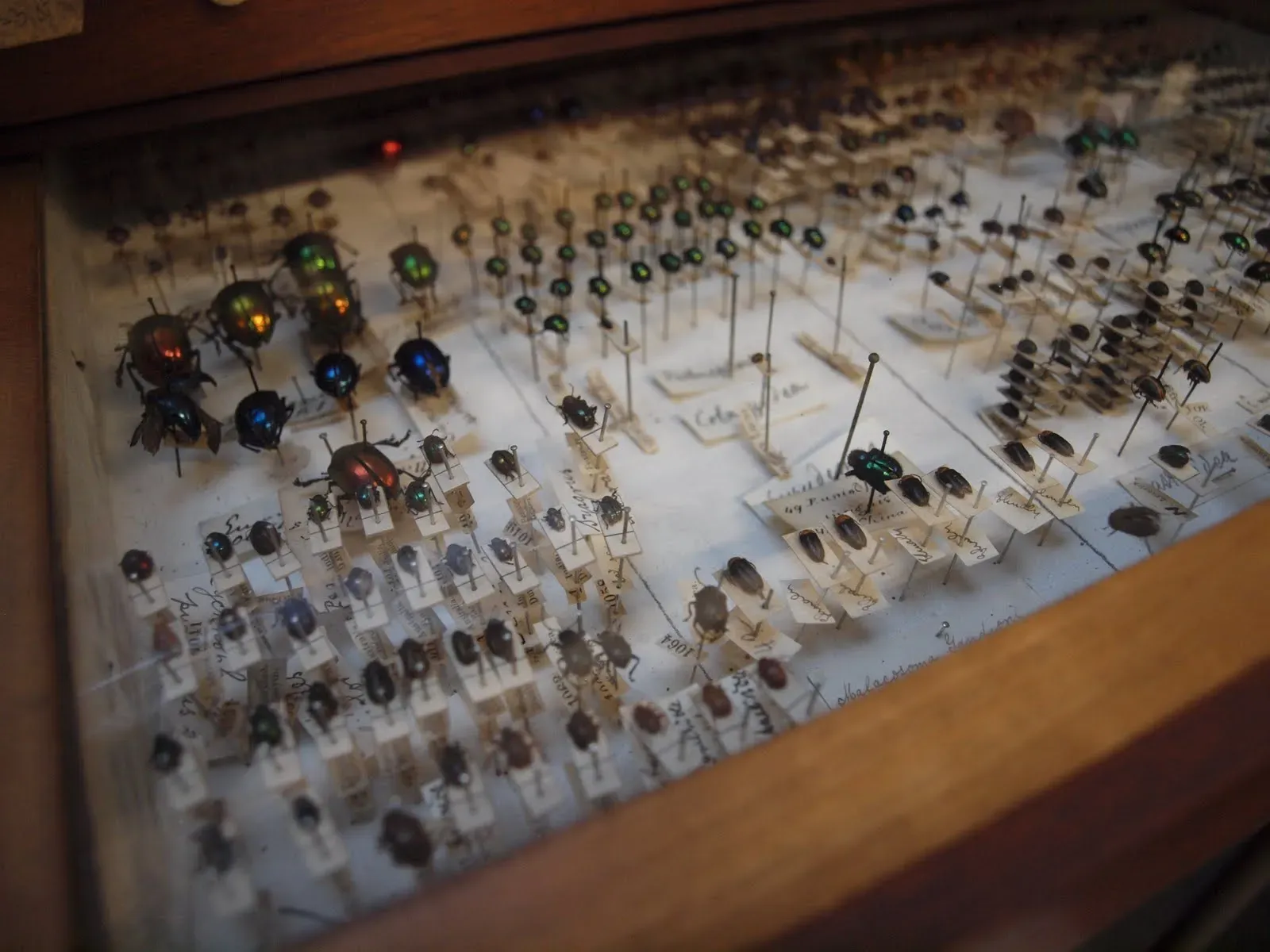
A single year of drawer-diving at one museum just produced more new species than most countries discover in a decade. In 2025, researchers announced over 70 new species in a single year, including bizarre insects, ancient dinosaurs, rare mammals, and deep-river fish. The wild part? Many were found not in the wild, but in museum collections, proving major discoveries can still hide in plain sight.
Not every specimen came from a fresh expedition. Some were pulled from modern fieldwork in remote regions, but others came to light only after researchers reexamined specimens that had been sitting in storage for decades. One feathered dinosaur had literally been resting in a drawer with its last meal still preserved inside it, unrecognized for years. Most visitors walking past those storage floors have no idea they’re standing feet away from species science hasn’t even named yet.
Fast Facts
- Over 70 new species announced from one museum’s 2025 review
- Finds spanned insects, dinosaurs, mammals, and river fish
- Many turned up in storage, not in new field expeditions
- One feathered dinosaur was found with its final meal still preserved
#12 – Vienna’s Drawer of Unidentified Fossils
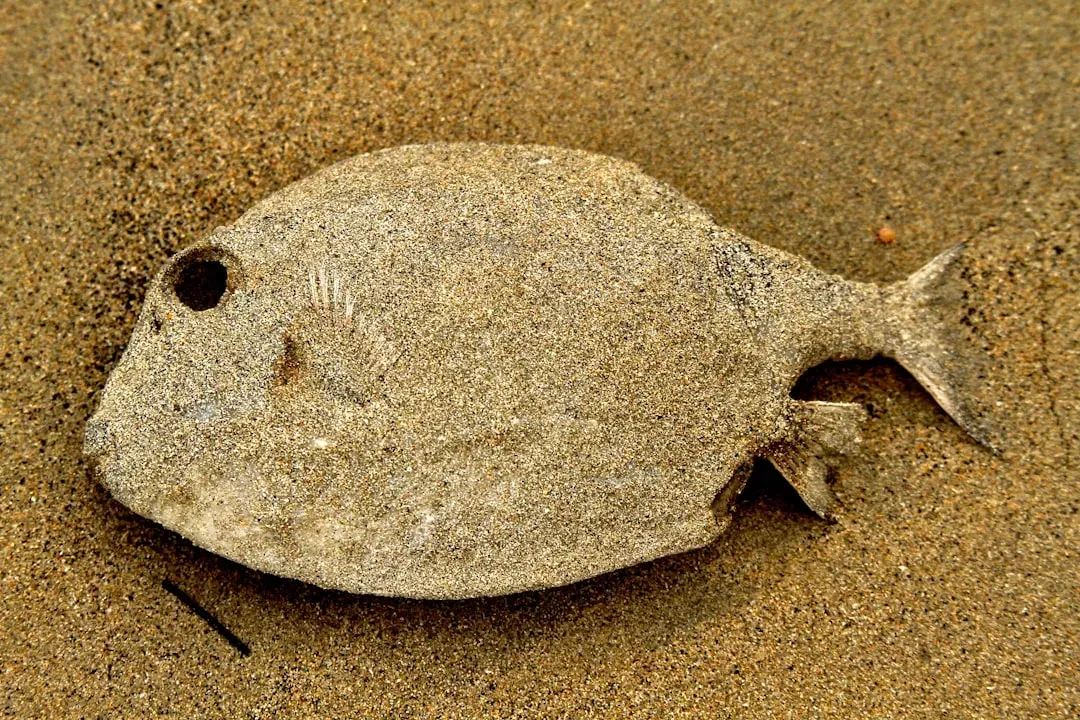
An entire evolutionary missing link was hiding in a box labeled, essentially, ‘unknown.’ A strange flatfish ancestor that may explain how these lopsided creatures evolved turned up not in the ocean, but in a drawer of unidentified fossils at the Natural History Museum of Vienna, researchers reported in 2012. This wasn’t a random old bone – it was the missing evolutionary step nobody had spotted.
Here’s the detail that stops people cold: the 50-million-year-old fish, Heteronectes, has an eye partway migrated across its head, but hasn’t quite reached the point of having both eyes on one side like a modern flounder. The specimen had been sitting in storage, fully preserved, showing evolution frozen mid-motion, while nobody looked closely enough to notice. Vienna’s basement isn’t an outlier – large European collections built up over centuries simply outpaced the number of specialists available to sort through them.
#11 – The Royal Ontario Museum’s Forgotten Crocodile
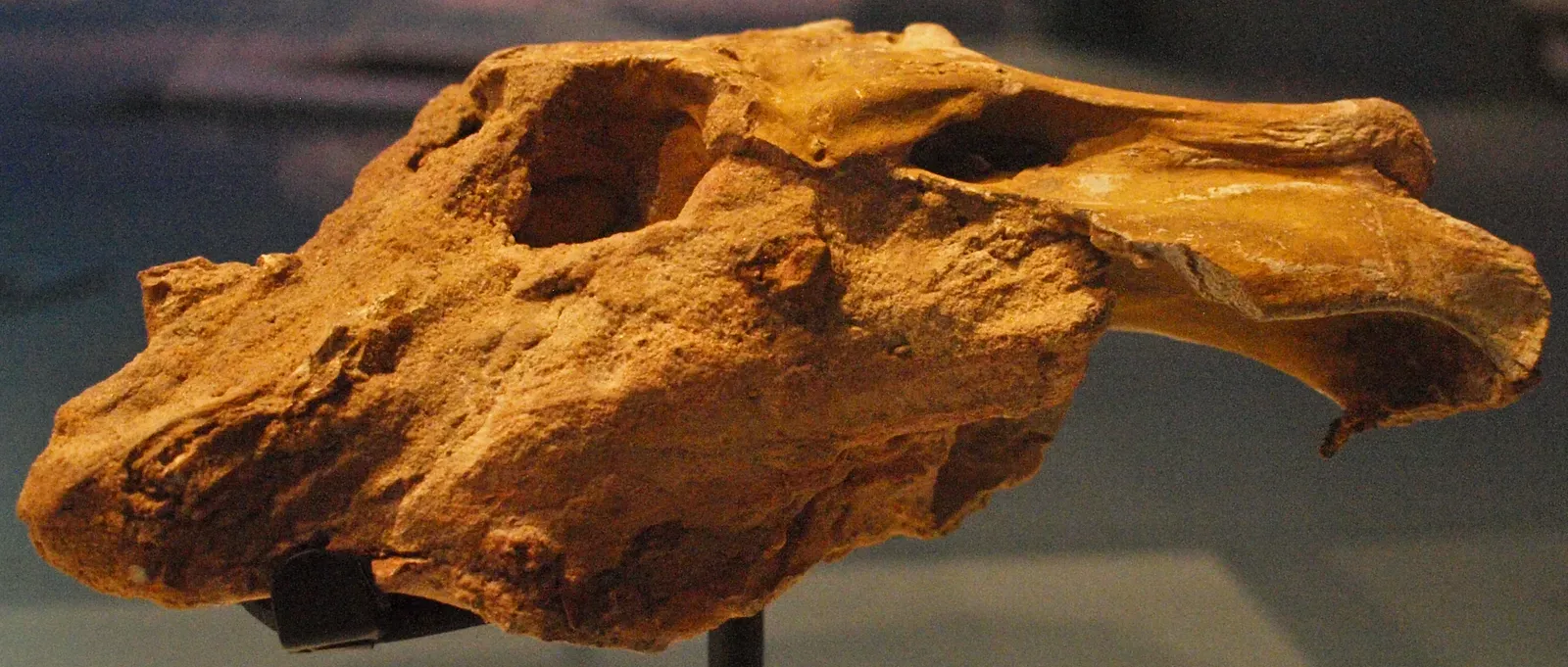
A prehistoric predator with an ornamental head shield sat quietly in storage while paleontologists chased flashier fossils. ‘Shieldcroc,’ an enormous ancient crocodile, sported a thick-skinned shield on its head and likely used its long jaws to snap up fish. Dubbed for its bizarre headgear, Aegisuchus witmeri turned out to be the oldest modern crocodile ancestor found in Africa.
What most visitors don’t realize is that the specimen was originally collected in Morocco, then sat at the Royal Ontario Museum for years before scientists finally turned their attention to it. A creature that would go on to reshape crocodile evolution simply waited its turn on a shelf, no different from an overdue library book. Specimens don’t get studied by order of importance – they get studied by order of who has time.
#10 – Denver’s Hummingbird-Sized Giant Ant
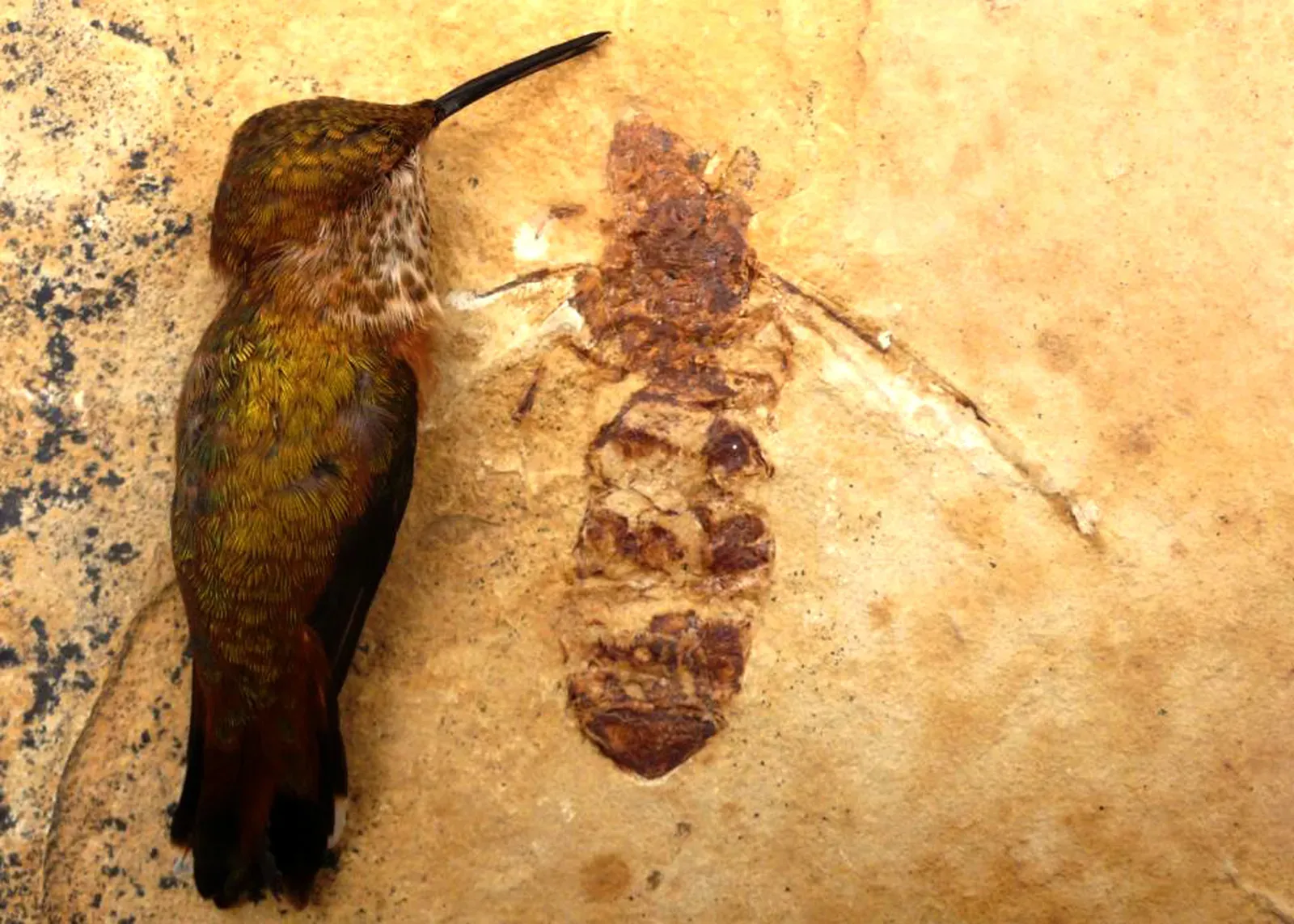
A fossil the size of a hummingbird turned out to be one of the largest ants that ever lived, and it sat unclassified for years. An extinct, hummingbird-size ant fossil sat inside the Denver Museum of Nature and Science until 2011, when researchers finally identified it as a brand-new species and named it Titanomyrma lubei. The surprising part is that this giant insect had been catalogued under a generic label for years before anyone flagged it as something entirely new to science.
Denver’s paleontology storage isn’t small potatoes, either – more than 3 million specimens make up the museum’s world-class collections, and only a sliver can ever be on display at once. Some new species get spotted in the field and identified almost immediately, but many more sit in museum drawers for years before anyone gets around to classifying them. If a giant prehistoric ant can slip through undetected, imagine what smaller, less dramatic fossils are still waiting.
At a Glance
- Fossil ant reclassified as Titanomyrma lubei in 2011
- Sat under a generic label for years before being flagged
- Denver’s collection holds more than 3 million specimens
- Only a small fraction is ever on public display
#9 – London’s 1886 Wasp That Waited 139 Years
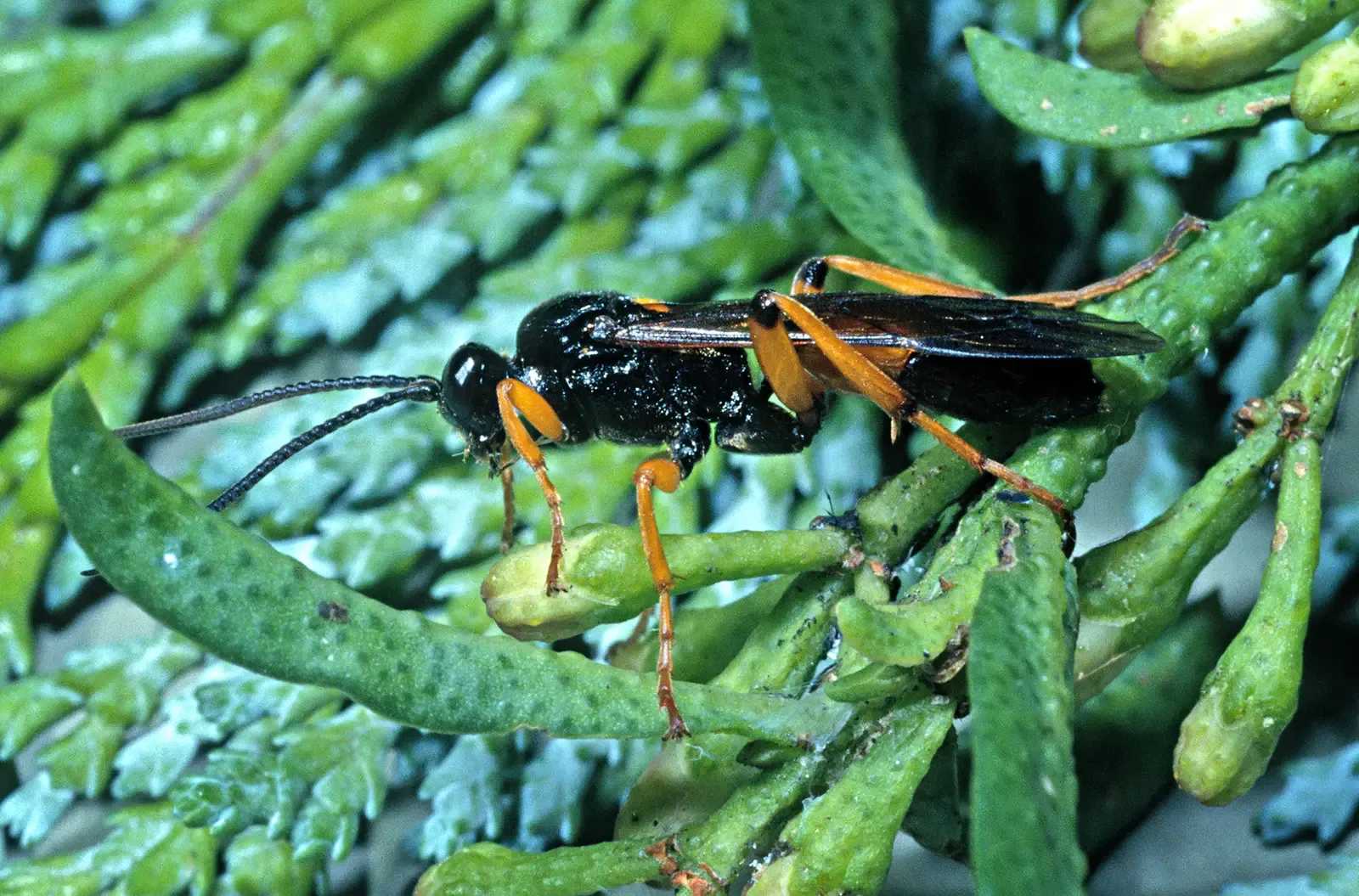
Some specimens don’t wait decades for their scientific debut – they wait over a century. At the Natural History Museum, London, specimens of a hitchhiking parasitoid wasp sat undescribed in the collections since 1886. That’s not a typo. A wasp collected during the Victorian era sat in storage through two world wars before anyone formally described it.
This wasn’t just academic housekeeping. The discovery of this new parasitoid wasp could help protect an endangered Pacific butterfly – a specimen ignored for over a century turned out to have direct conservation value today. It’s also the most uncomfortable part of the whole story: museums are sometimes accused of quietly hoarding specimens for prestige rather than actively using them for research that could protect living species right now.
#8 – The ‘Extinct’ Echidna Hiding in a London Collection
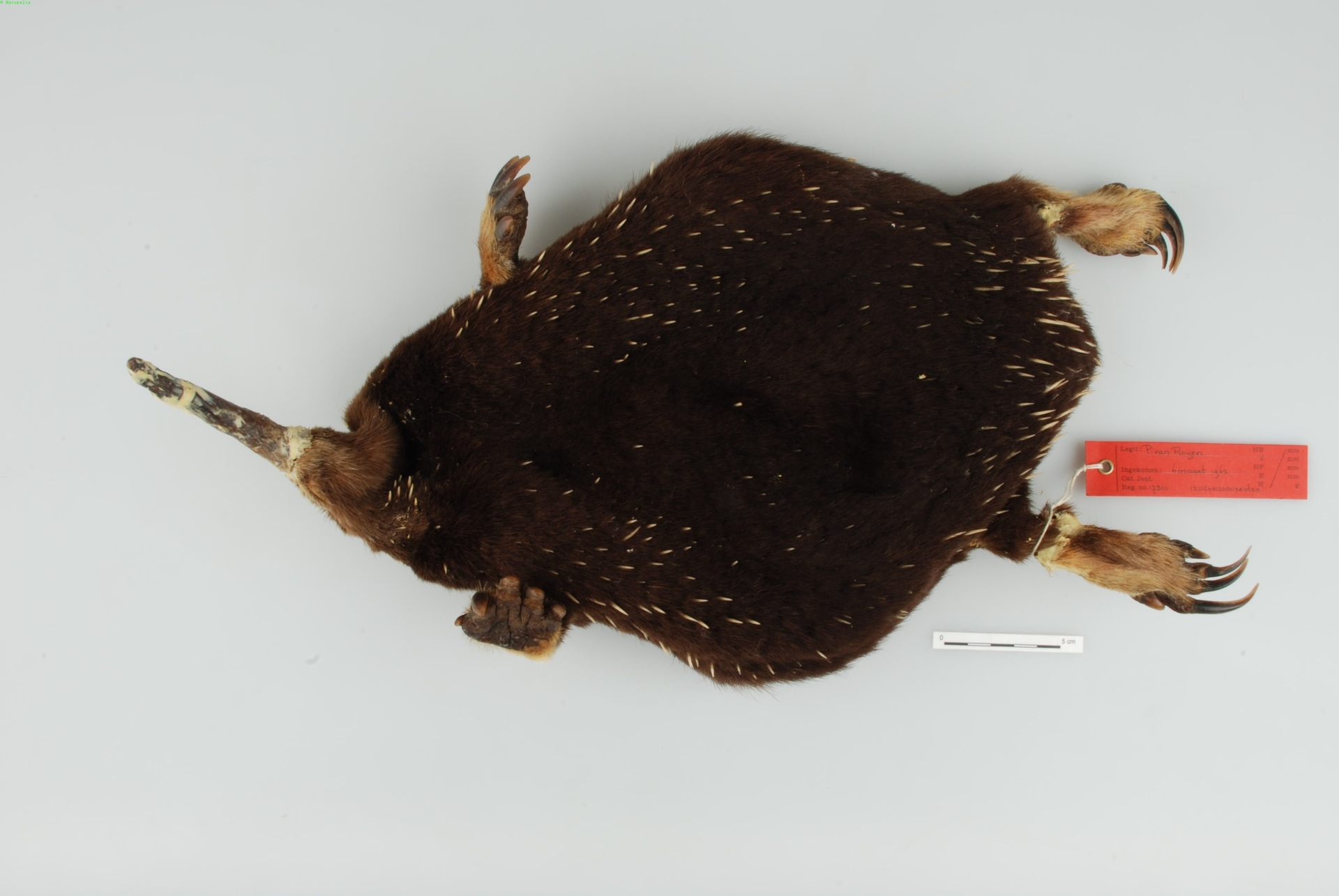
A species presumed extinct for tens of thousands of years was actually alive well into the 20th century, and the proof was sitting in storage the entire time. A well-kept collection at the Natural History Museum in London made it possible for former Smithsonian mammalogist Dr. Kristofer Helgen to discover that a species of echidna, long thought extinct in Australia, was still alive in 1901. The takeaway most people miss is that the specimen wasn’t newly dug up – it had been sitting cataloged in a drawer, just under the wrong assumption, for over a century.
This single re-identification rewrote the extinction timeline for an entire species. It also proves a blunt point taxonomists rarely say out loud in public: extinction dates listed in textbooks are often just ‘last time someone checked a museum drawer,’ not biological fact. That’s an uncomfortable truth for anyone who trusts official extinction records at face value.
#7 – London’s Blue Butterfly Project Uncovers Nine Hidden Species
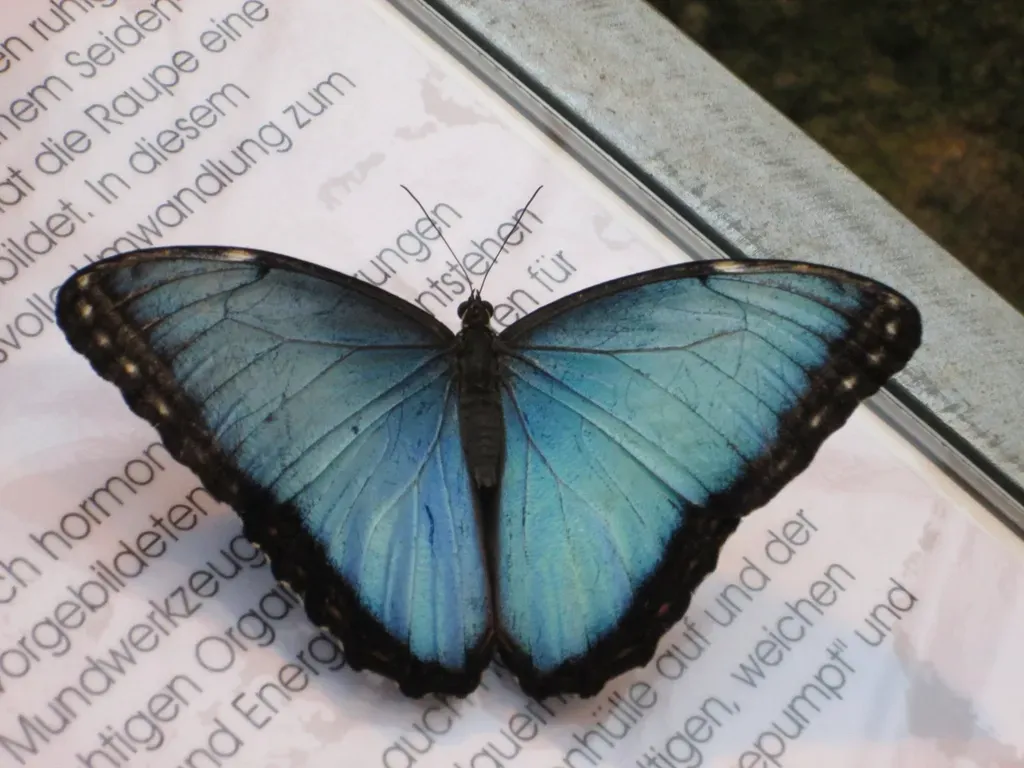
An international research effort recently proved that entire genera of butterflies have been miscounted for a century. Led by London’s Natural History Museum, the AMISTAD project examined a group of blue South American butterflies. Using more than 1,000 samples pulled from collections around the globe, researchers discovered nine previously unidentified species in the Thereus genus.
Thanks to the genetic revolution and the collaboration of researchers and museums in various countries led by London’s Natural History Museum, century-old butterflies are now speaking to us.
Christophe Faynel
Here’s what should worry conservationists: some of these newly identified species were collected a century ago in habitats that might no longer exist, according to Blanca Huertas, Principal Curator of Butterflies at the museum, which underscores the urgency of the work. Nine species existed on paper this whole time, just filed under the wrong name – meaning official biodiversity counts have quietly been wrong for generations.
#6 – Switzerland’s Inherited Spider Collection
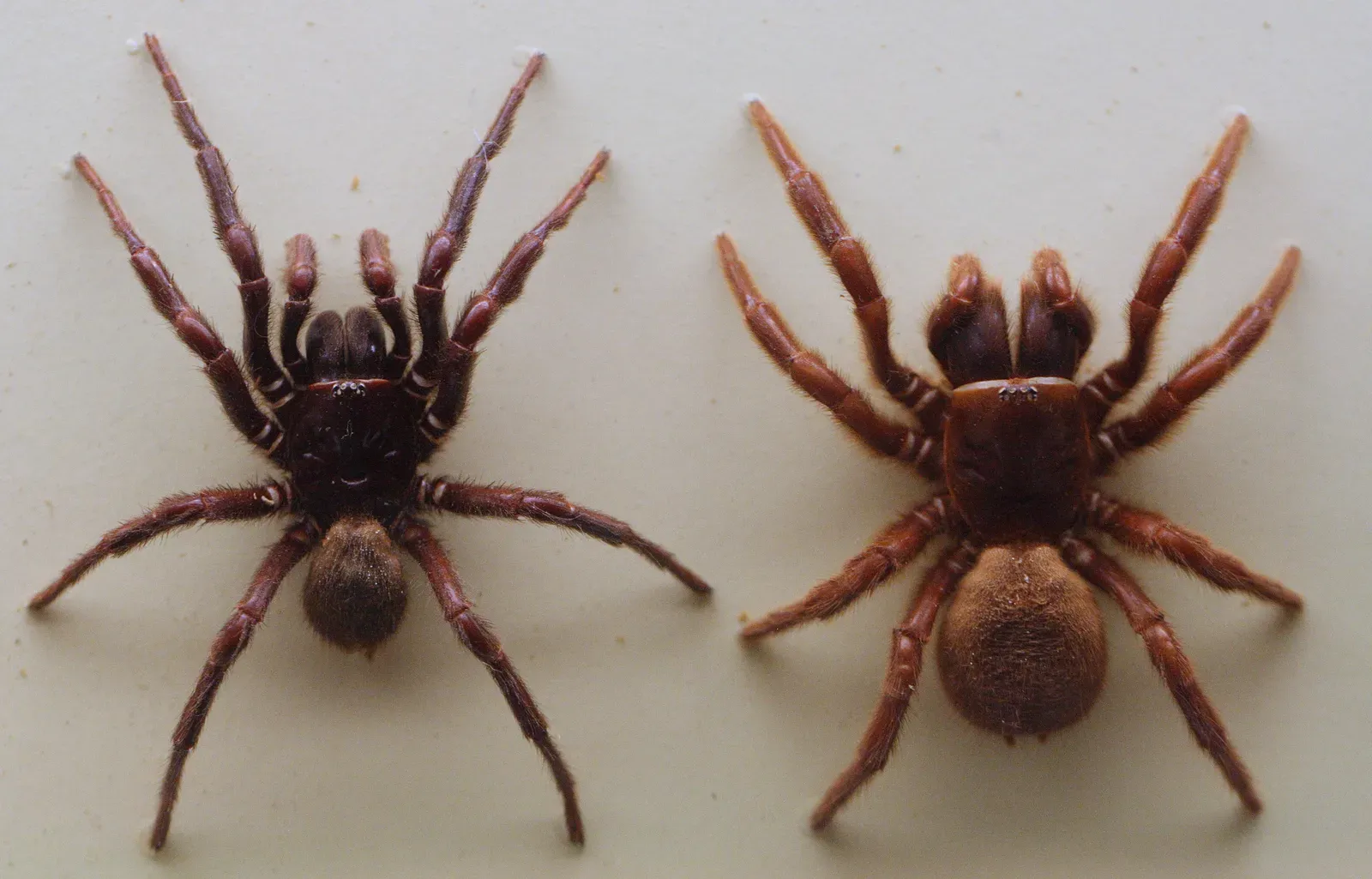
Not every backlog comes from expeditions – some arrive by inheritance, and nobody ever gets around to sorting them. At the Natural History Museum of Bern, arachnid specimens have piled up for a very specific reason: in most museums, a significant proportion of specimens are acquired through donations or inheritances and remain only marginally identified, investigated, or digitized. Translation – somebody’s late relative’s private spider collection is probably still sitting in a box, technically ‘in the collection’ but functionally invisible to science.
This is a detail most people never consider when they imagine museum acquisitions. It’s not always a scientist in the field with a net – it’s often a family cleaning out an estate, donating grandpa’s old bug boxes, and museum staff simply not having the capacity to process every jar. Multiply that across hundreds of institutions worldwide, and you get an enormous shadow collection that officially exists but practically doesn’t.
#5 – Ecuador’s 58-Year Type Specimen Backlog
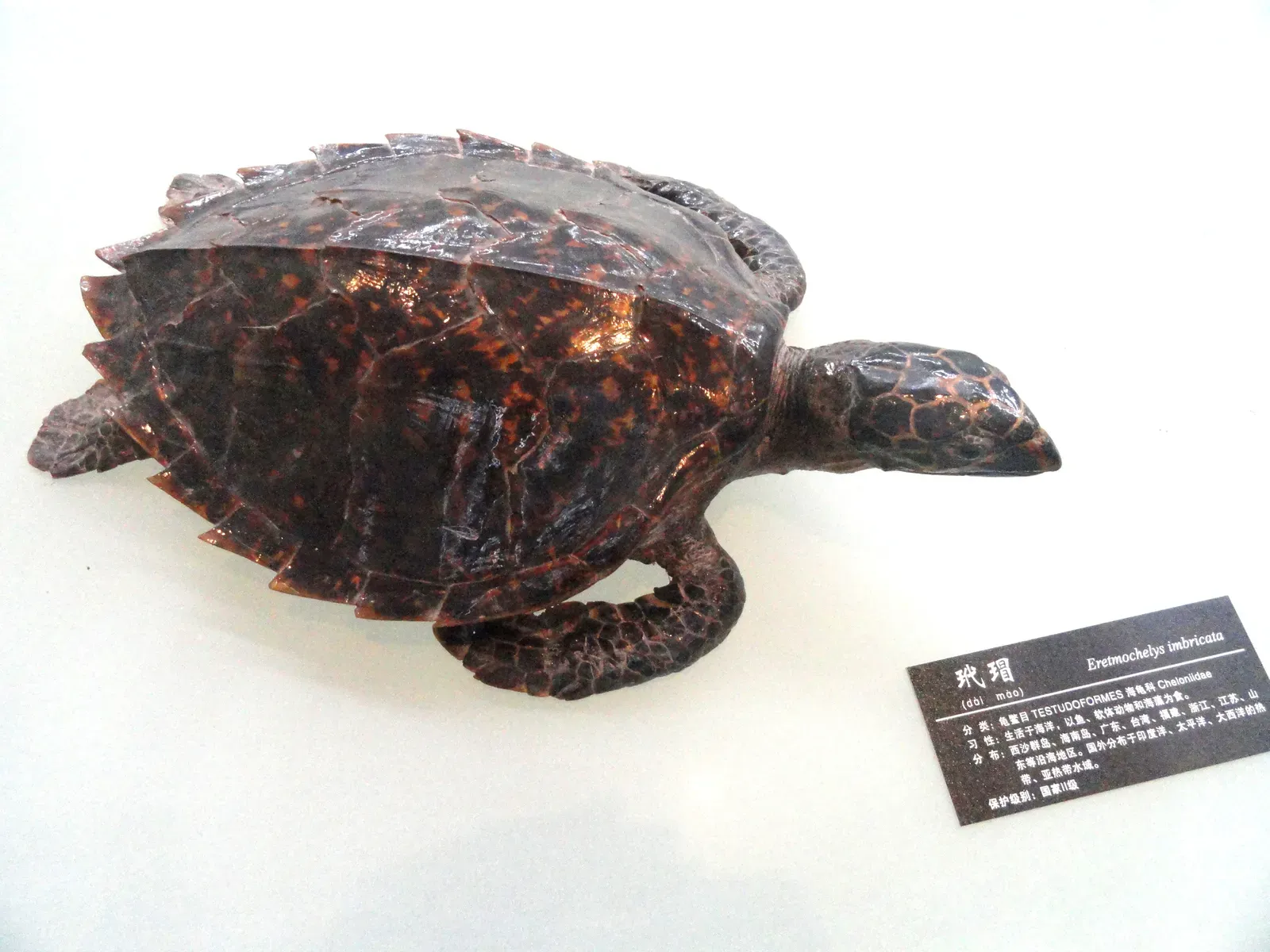
A collection holding some of the rarest reference specimens on Earth quietly spans nearly six decades of accumulated, unresolved taxonomy. The Herpetology Collection at Ecuador’s Natural History Museum Gustavo Orcés V. maintains more than sixteen thousand curated specimens and ranks as Ecuador’s second-largest collection of reptiles and amphibians. Inside it sit 193 type specimens – 14 holotypes, 34 paratopotypes, and 145 paratypes – covering 10 families, 17 genera, and 32 species.
The detail that stands out is the timeline: these type specimens were collected between 1955 and 2013, a 58-year window of irreplaceable reference material for frogs and reptiles like Atelopus and Pristimantis – genera facing real extinction pressure today. Much of it was only formally catalogued decades after collection. When the ‘official’ record of a species’ existence lags that far behind the actual specimen, conservation policy is essentially working from outdated information.
Worth Knowing
- 193 type specimens on file, covering 32 species
- Breakdown: 14 holotypes, 34 paratopotypes, 145 paratypes
- Collection window spans 58 years, from 1955 to 2013
- Includes vulnerable genera like Atelopus and Pristimantis
#4 – The Smithsonian’s Digital Iceberg
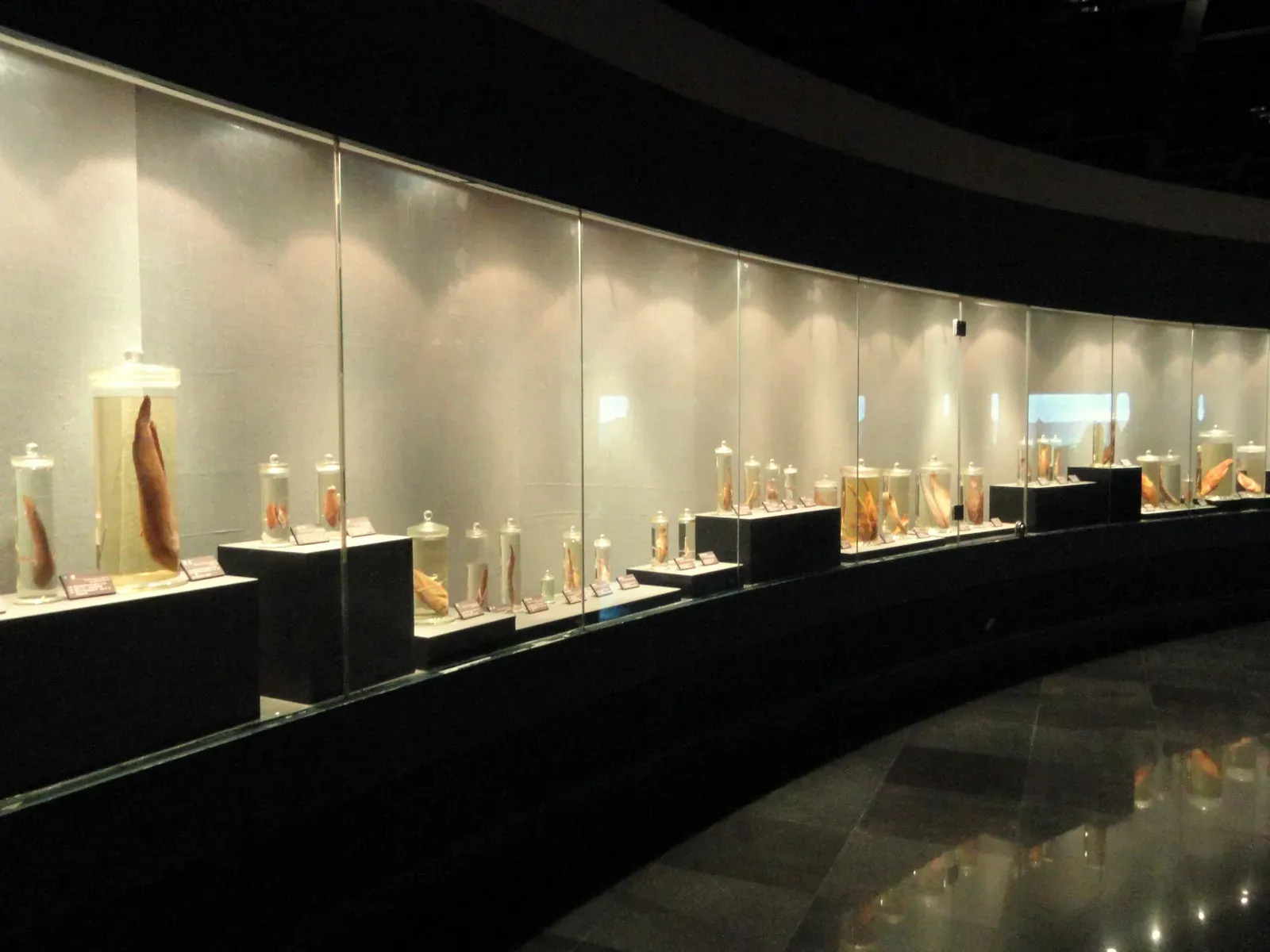
The single largest natural history collection in the world has only digitized a fraction of what it actually owns. Research collections of the National Museum of Natural History list more than 11.6 million specimen records currently searchable to the public. That sounds massive, until you read the fine print.
Here’s the number that should stop you cold: those electronic records do not represent the museum’s full collection or all of its currently digitized specimens. The Smithsonian’s total holdings run into the tens of millions, meaning the searchable database most researchers rely on is just the visible tip of a much larger, physically stored iceberg. Many specimens have no digital footprint at all – no photo, no searchable label, nothing. If a specimen isn’t digitized, it’s effectively invisible to almost every scientist who might need it, no matter how important it turns out to be.
#3 – Los Angeles’s ‘Thousands’ Sitting on the Shelf
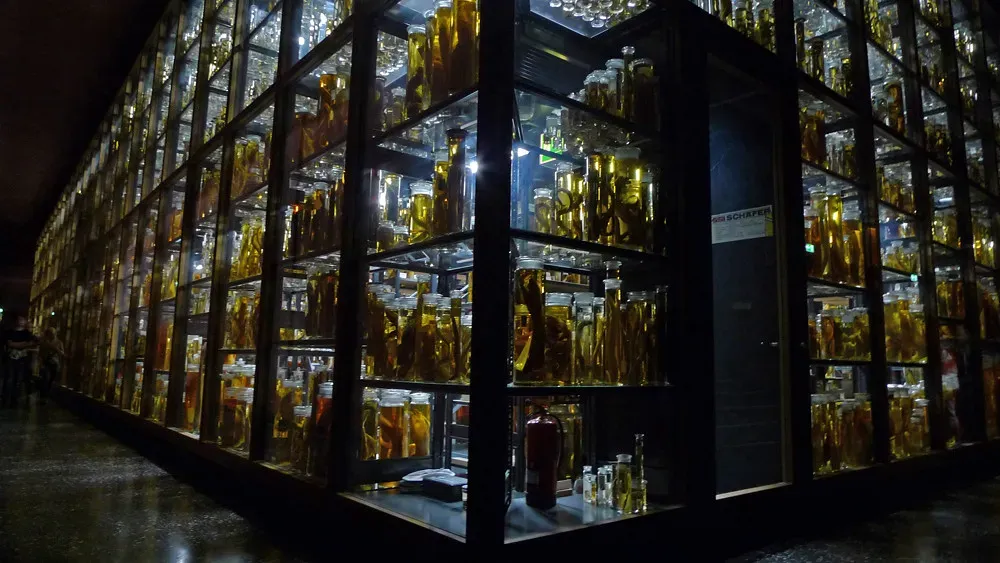
One curator’s blunt on-air estimate revealed just how casual the scientific community has become about undiscovered species already in hand. When asked how many undiscovered species might be sitting in her own institution, a Los Angeles museum crustacean expert didn’t hesitate.
Thousands. I probably have collected myself hundreds of them that are sitting on the shelf. It’s just a matter of time, of looking, and having the opportunity to work through them.
Regina Wetzer
That’s not an exaggeration, it’s an admission. One scientist, at one museum, in one specialty, personally holding hundreds of unnamed species she collected herself. Extrapolate that across every curator at every natural history museum on Earth and the true backlog becomes almost impossible to estimate. Most people picture museum work as constant new discovery. The uncomfortable truth is that discovery is often just waiting for staffing and time.
#2 – The ‘Half of Everything’ Problem
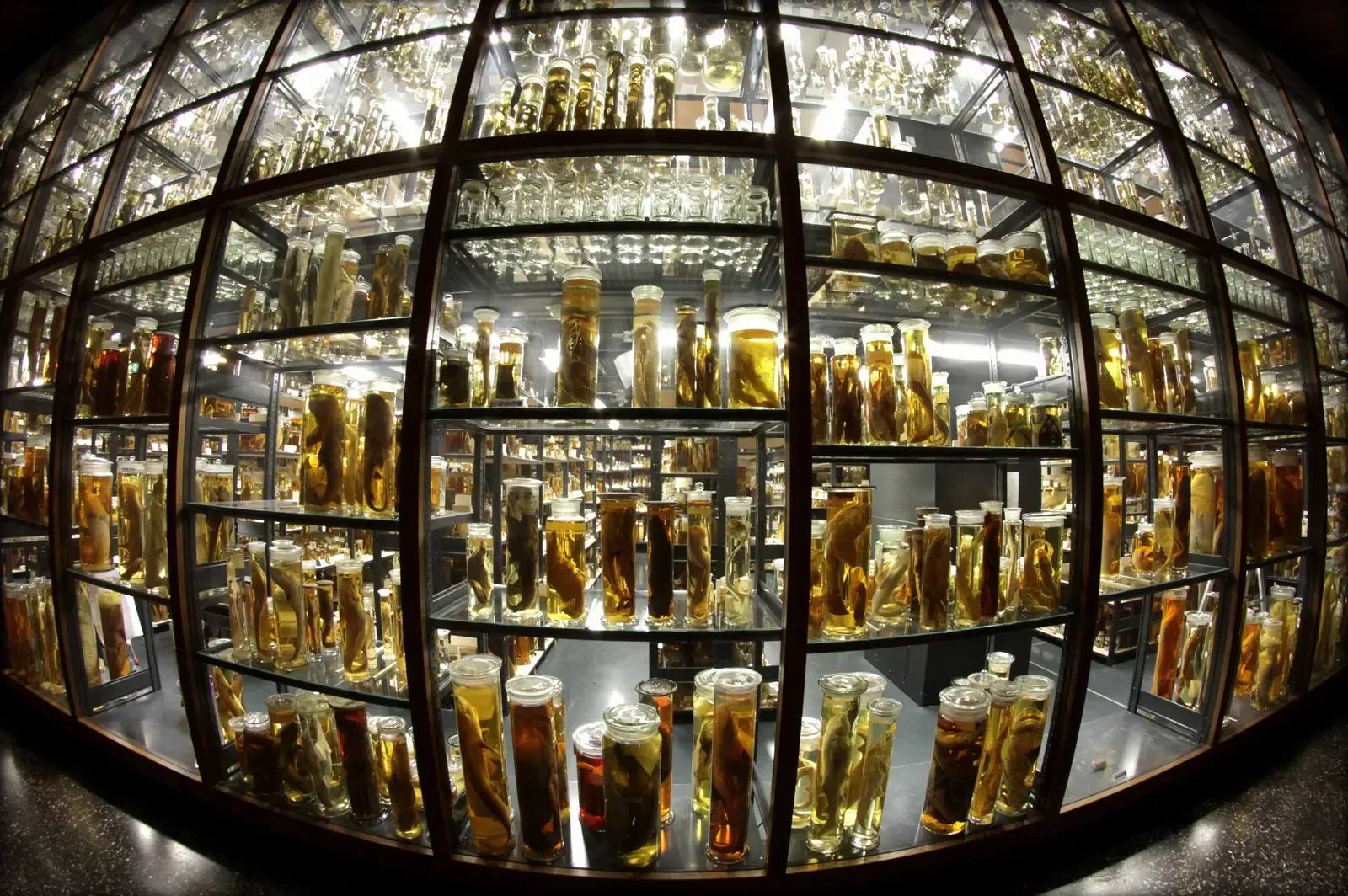
Here’s the claim that should genuinely unsettle anyone who trusts a museum label at face value. Author Christopher Kemp spent years investigating overlooked specimens for his book on forgotten museum discoveries, and the number he landed on is staggering: as many as half of all museum specimens are misidentified, against a backdrop where only 2 million species have been formally named out of the estimated 10 million thought to exist.
Read that twice. Half. Not a small fringe of obscure jars – half of everything sitting in collections worldwide could be wearing the wrong name tag, or none at all. This isn’t sloppy science, it’s a math problem. There simply aren’t enough taxonomists on Earth to keep pace with two centuries of accumulated specimens. Museums have become accidental time capsules, preserving answers faster than anyone can ask the right questions.
#1 – The 21-Year Lag Hiding in Plain Sight
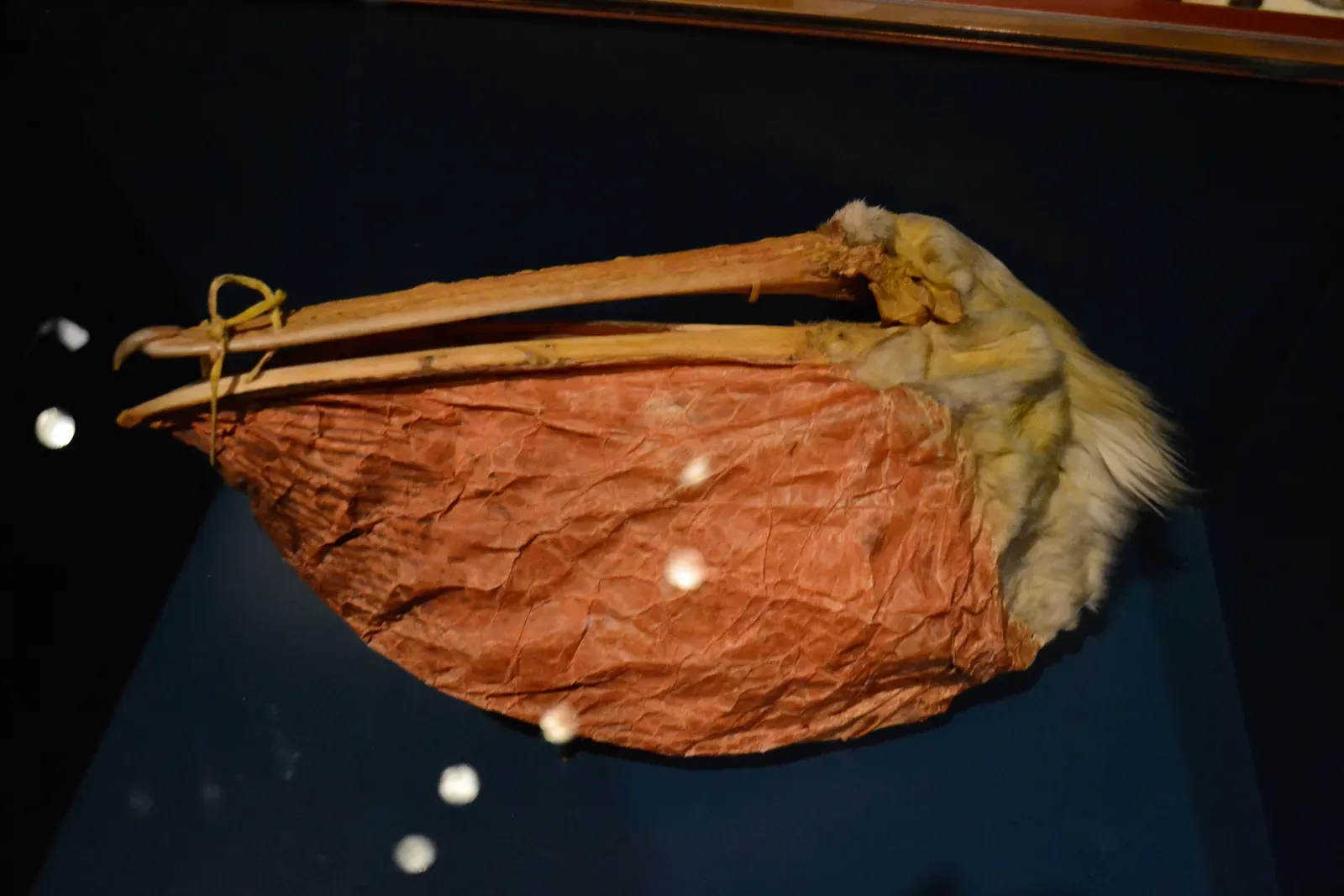
This is the single most damning statistic in the entire natural history world, and it applies to almost every major collection on the planet. Three-quarters of newly named mammal species are already sitting in a museum collection when they’re first identified. Not found in a jungle. Not spotted through binoculars. Already sitting indoors, already catalogued under the wrong name, or no name at all.
The average gap between collection and formal identification currently sits at 21 years, across all newly described plant and animal species. That means most ‘new species’ headlines aren’t new discoveries at all, they’re overdue paperwork. A century-old snail, collected in 1869 but only recognized as a new species in 2015 after careful observation in storage, proves this isn’t a rare fluke. It’s the system working exactly as slowly as it always has.
Quick Compare
- Field discovery: species spotted and named in real time, out in nature
- Museum discovery: 75% of new mammal species already sat in a collection first
- Average lag from collection to formal naming: 21 years
- Extreme case: a snail collected in 1869, named in 2015 – a 146-year gap
The Bottom Line
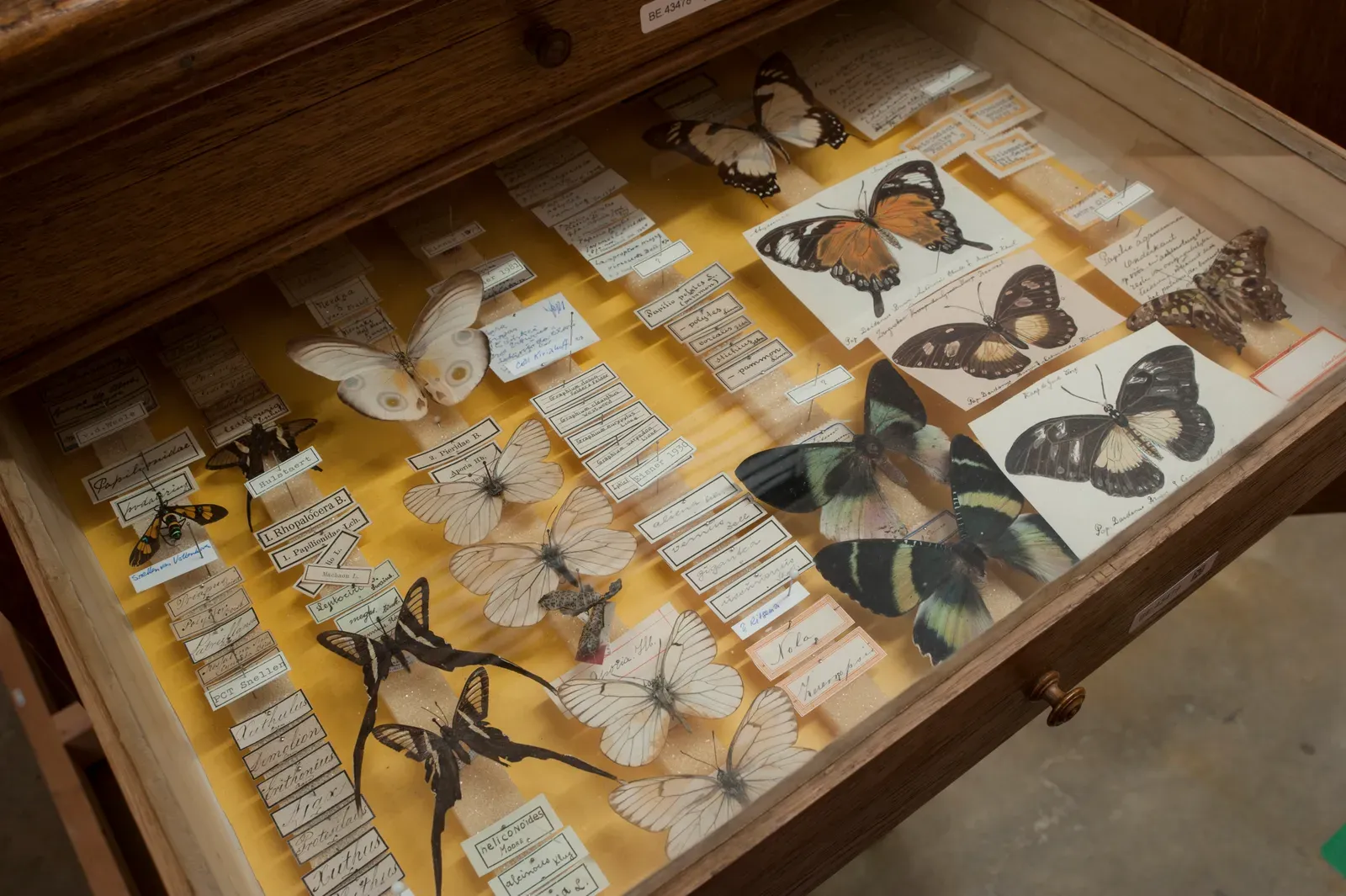
The uncomfortable truth is that natural history museums aren’t just displaying the past – they’re secretly sitting on the future of biodiversity science, one uncatalogued drawer at a time. From a Victorian wasp that waited 139 years to a crocodile that redefined evolution after a few idle years on a shelf, the pattern is identical everywhere: discovery isn’t limited by what’s out there, it’s limited by staffing, funding, and time.
Frankly, that should bother taxpayers and donors far more than it currently does – these institutions are underfunding the exact departments responsible for their most valuable scientific breakthroughs. What’s sitting in your local museum’s basement that nobody’s had time to look at yet? Drop your best guess in the comments.